


Search results
Search for "representation" in Full Text gives 355 result(s) in Beilstein Journal of Organic Chemistry. Showing first 200.
Advances in mercury(II)-salt-mediated cyclization reactions of unsaturated bonds
- Sumana Mandal,
- Raju D. Chaudhari and
- Goutam Biswas
Beilstein J. Org. Chem. 2021, 17, 2348–2376, doi:10.3762/bjoc.17.153
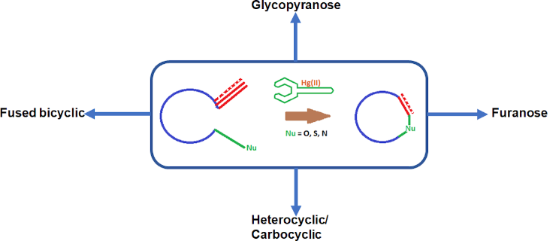
- toxicity concerns, Hg(II) salts are cheap, stable, and versatile in terms of reactivity, making them a viable option to similar transition metal catalysts. Schematic representation of Hg(II)-mediated addition to an unsaturated bond. First report of Hg(II)-mediated synthesis of 2,5-dioxane derivatives from

Graphical Abstract

Scheme 1: Schematic representation of Hg(II)-mediated addition to an unsaturated bond.

Scheme 2: First report of Hg(II)-mediated synthesis of 2,5-dioxane derivatives from allyl alcohol.

Scheme 3: Stepwise synthesis of 2,6-distubstituted dioxane derivatives.

Scheme 4: Cyclization of carbohydrate alkene precursor.

Scheme 5: Hg(II)-mediated synthesis of C-glucopyranosyl derivatives.

Scheme 6: Synthesis of C-glycosyl amino acid derivative using Hg(TFA)2.

Scheme 7: Hg(OAc)2-mediated synthesis of α-ᴅ-ribose derivative.

Scheme 8: Synthesis of β-ᴅ-arabinose derivative 18.

Scheme 9: Hg(OAc)2-mediated synthesis of tetrahydrofuran derivatives.

Scheme 10: Synthesis of Hg(TFA)2-mediated bicyclic nucleoside derivative.

Scheme 11: Synthesis of pyrrolidine and piperidine derivatives.

Scheme 12: HgCl2-mediated synthesis of diastereomeric pyrrolidine derivatives.

Scheme 13: HgCl2-mediated cyclization of alkenyl α-aminophosphonates.

Scheme 14: Cyclization of 4-cycloocten-1-ol with Hg(OAc)2 forming fused bicyclic products.

Scheme 15: trans-Amino alcohol formation through Hg(II)-salt-mediated cyclization.

Scheme 16: Hg(OAc)2-mediated 2-aza- or 2-oxa-bicyclic ring formations.

Scheme 17: Hg(II)-salt-induced cyclic peroxide formation.

Scheme 18: Hg(OAc)2-mediated formation of 1,2,4-trioxanes.

Scheme 19: Endocyclic enol ether derivative formation through Hg(II) salts.

Scheme 20: Synthesis of optically active cyclic alanine derivatives.

Scheme 21: Hg(II)-salt-mediated formation of tetrahydropyrimidin-4(1H)-one derivatives.

Scheme 22: Cyclization of ether derivatives to form stereoselective oxazolidine derivatives.

Scheme 23: Cyclization of amide derivatives induced by Hg(OAc)2.

Scheme 24: Hg(OAc)2/Hg(TFA)2-promoted cyclization of salicylamide-derived amidal auxiliary derivatives.

Scheme 25: Hg(II)-salt-mediated cyclization to form dihydrobenzopyrans.

Scheme 26: HgCl2-induced cyclization of acetylenic silyl enol ether derivatives.

Scheme 27: Synthesis of exocyclic and endocyclic enol ether derivatives.

Scheme 28: Cyclization of trans-acetylenic alcohol by treatment with HgCl2.

Scheme 29: Synthesis of benzofuran derivatives in presence of HgCl2.

Scheme 30: a) Hg(II)-salt-mediated cyclization of 4-hydroxy-2-alkyn-1-ones to furan derivatives and b) its mec...
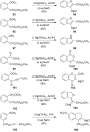
Scheme 31: Cyclization of arylacetylenes to synthesize carbocyclic and heterocyclic derivatives.

Scheme 32: Hg(II)-salt-promoted cyclization–rearrangement to form heterocyclic compounds.

Scheme 33: a) HgCl2-mediated cyclization reaction of tethered alkyne dithioacetals; and b) proposed mechanism.

Scheme 34: Cyclization of aryl allenic ethers on treatment with Hg(OTf)2.

Scheme 35: Hg(TFA)2-mediated cyclization of allene.

Scheme 36: Hg(II)-catalyzed intramolecular trans-etherification reaction of 2-hydroxy-1-(γ-methoxyallyl)tetrah...
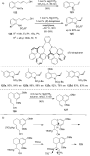
Scheme 37: a) Cyclization of alkene derivatives by catalytic Hg(OTf)2 salts and b) mechanism of cyclization.

Scheme 38: a) Synthesis of 1,4-dihydroquinoline derivatives by Hg(OTf)2 and b) plausible mechanism of formatio...

Scheme 39: Synthesis of Hg(II)-salt-catalyzed heteroaromatic derivatives.

Scheme 40: Hg(II)-salt-catalyzed synthesis of dihydropyranone derivatives.

Scheme 41: Hg(II)-salt-catalyzed cyclization of alkynoic acids.

Scheme 42: Hg(II)-salt-mediated cyclization of alkyne carboxylic acids and alcohol to furan, pyran, and spiroc...

Scheme 43: Hg(II)-salt-mediated cyclization of 1,4-dihydroxy-5-alkyne derivatives.

Scheme 44: Six-membered morpholine derivative formation by catalytic Hg(II)-salt-induced cyclization.

Scheme 45: Hg(OTf)2-catalyzed hydroxylative carbocyclization of 1,6-enyne.
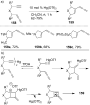
Scheme 46: a) Hg(OTf)2-catalyzed hydroxylative carbocyclization of 1,6-enyne. b) Proposed mechanism.

Scheme 47: a) Synthesis of carbocyclic derivatives using a catalytic amount of Hg(II) salt. b) Proposed mechan...

Scheme 48: Cyclization of 1-alkyn-5-ones to 2-methylfuran derivatives.

Scheme 49: Hg(NO3)2-catalyzed synthesis of 2-methylenepiperidine.

Scheme 50: a) Preparation of indole derivatives through cycloisomerization of 2-ethynylaniline and b) its mech...
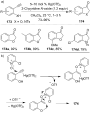
Scheme 51: a) Hg(OTf)2-catalyzed synthesis of 3-indolinones and 3-coumaranones and b) simplified mechanism.

Scheme 52: a) Hg(OTf)2-catalyzed one pot cyclization of nitroalkyne and b) its plausible mechanism.

Scheme 53: Synthesis of tricyclic heterocyclic scaffolds.

Scheme 54: HgCl2-mediated cyclization of 2-alkynylphenyl alkyl sulfoxide.

Scheme 55: a) Hg(OTf)2-catalyzed cyclization of allenes and alkynes. b) Proposed mechanism of cyclization.

Scheme 56: Stereoselective synthesis of tetrahydropyran derivatives.
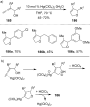
Scheme 57: a) Hg(ClO4)2-catalyzed cyclization of α-allenol derivatives. b) Simplified mechanism.

Scheme 58: Hg(TFA)2-promoted cyclization of a γ-hydroxy alkene derivative.

Scheme 59: Synthesis Hg(II)-salt-mediated cyclization of allyl alcohol for the construction of ventiloquinone ...

Scheme 60: Hg(OAc)2-mediated cyclization as a key step for the synthesis of hongconin.

Scheme 61: Examples of Hg(II)-salt-mediated cyclized ring formation in the syntheses of (±)-fastigilin C and (...

Scheme 62: Formal synthesis of (±)-thallusin.

Scheme 63: Total synthesis of hippuristanol and its analog.

Scheme 64: Total synthesis of solanoeclepin A.

Scheme 65: a) Synthesis of Hg(OTf)2-catalyzed azaspiro structure for the formation of natural products. b) Pro...
A novel methodology for the efficient synthesis of 3-monohalooxindoles by acidolysis of 3-phosphate-substituted oxindoles with haloid acids
- Li Liu,
- Yue Li,
- Tiao Huang,
- Dulin Kong and
- Mingshu Wu
Beilstein J. Org. Chem. 2021, 17, 2321–2328, doi:10.3762/bjoc.17.150
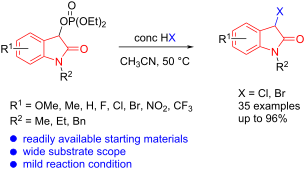
- industrial application. Representation of bioactive molecules and applications. Synthetic methodologies for 3-monohalooxindoles. Substrate scope of the acidolysis of isatin-derived phosphates 2 with hydrochloric acid. Standard reaction conditions: 2a–r (0.5 mmol), respectively, hydrochloric acid (7.5 mmol

Graphical Abstract

Figure 1: Representation of bioactive molecules and applications.

Scheme 1: Synthetic methodologies for 3-monohalooxindoles.
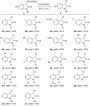
Scheme 2: Substrate scope of the acidolysis of isatin-derived phosphates 2 with hydrochloric acid. Standard r...

Scheme 3: Substrate scope of the acidolysis of isatin-derived phosphates 2 with hydrobromic acid. Standard re...

Scheme 4: Reduction of the substrates 2 to the corresponding oxindoles 5.
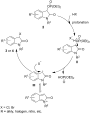
Scheme 5: Plausible reaction mechanism.
(Phenylamino)pyrimidine-1,2,3-triazole derivatives as analogs of imatinib: searching for novel compounds against chronic myeloid leukemia
- Luiz Claudio Ferreira Pimentel,
- Lucas Villas Boas Hoelz,
- Henayle Fernandes Canzian,
- Frederico Silva Castelo Branco,
- Andressa Paula de Oliveira,
- Vinicius Rangel Campos,
- Floriano Paes Silva Júnior,
- Rafael Ferreira Dantas,
- Jackson Antônio Lamounier Camargos Resende,
- Anna Claudia Cunha,
- Nubia Boechat and
- Mônica Macedo Bastos
Beilstein J. Org. Chem. 2021, 17, 2260–2269, doi:10.3762/bjoc.17.144
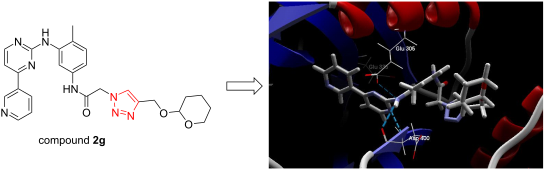
- docking results were edited using the Visual Molecular Dynamics 1.9.3 (VMD) program (available for download at http://www.ks.uiuc.edu/Research/vmd/vmd-1.9.3/). Proposed structural modifications to obtain triazole derivatives 1a, b and 2a–j. Asymmetric unit representation of the 1,2,3-triazole derivative

Graphical Abstract

Figure 1: Proposed structural modifications to obtain triazole derivatives 1a, b and 2a–j.

Scheme 1: Synthetic route of the triazole derivatives 1a,b, and 2a–j.

Figure 2: Asymmetric unit representation of the 1,2,3-triazole derivative 2b. Displacement ellipsoids are dra...

Figure 3: Screening of the triazole derivatives of imatinib 1a,b, and 2a–j at concentrations of 1 μM and 10 μ...

Figure 4: Interaction maps of IMT, 2c, 2d, and 2g with the BCR-Abl-1 structure (PDB code: 3PYY), showing ster...
Chemical syntheses and salient features of azulene-containing homo- and copolymers
- Vijayendra S. Shetti
Beilstein J. Org. Chem. 2021, 17, 2164–2185, doi:10.3762/bjoc.17.139
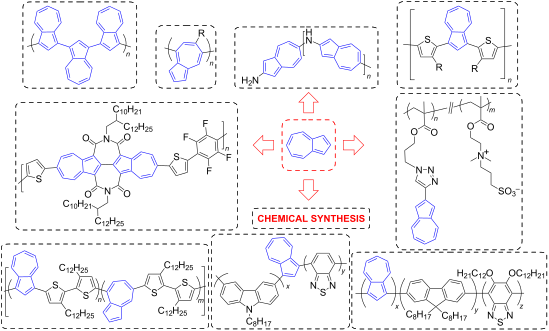
- on the elemental analysis, the authors provided the formula representation C10H6(I2)0.4 for PAZ-I2 and C10H4.9(Br2)0.72 for PAZ-Br2. The gel permeation chromatography (GPC) analysis of the tetrahydrofuran (THF)-soluble fraction of PAZ-Br2 indicated the presence of oligomeric species (average degree

Graphical Abstract

Figure 1: Chemical structure, numbering scheme, and resonance form of azulene.

Scheme 1: Synthesis of polyazulene-iodine (PAz-I2) and polyazulene-bromine (PAz-Br2) complexes.

Scheme 2: Synthesis of ‘true polyazulene’ 3 or 3’ by cationic polymerization.

Scheme 3: Synthesis of 1,3-polyazulene 5 by Yamamoto protocol.

Scheme 4: Synthesis of 4,7-dibromo-6-(n-alkyl)azulenes 12–14.

Scheme 5: Synthesis of (A) 4,7-diethynyl-6-(n-dodecyl)azulene (16) and (B) 4,7-polyazulene 17 containing an e...

Scheme 6: Synthesis of directly connected 4,7-polyazulenes 18–20.

Scheme 7: Synthesis of (A) tert-butyl N-(6-bromoazulen-2-yl)carbamate (27), (B) dimeric aminoazulene 29, and ...

Figure 2: Iminium zwitterionic resonance forms of poly[2(6)-aminoazulene] 31.

Scheme 8: Synthesis of poly{1,3-bis[2-(3-alkylthienyl)]azulene} 33–38.

Scheme 9: Synthesis of polymer ruthenium complexes 40–43.

Scheme 10: Synthesis of 4,7-polyazulenes 45 containing a thienyl linker.

Scheme 11: Synthesis of azulene-bithiophene 48 and azulene-benzothiadiazole 52 copolymers. Conditions: (a): (i...

Scheme 12: Synthesis of azulene-benzodithiophene copolymer 54 and azulene-bithiophene copolymer 56.

Scheme 13: Synthesis of (A) 5,5’-bis(trimethylstannyl)-3,3’-didodecyl-2,2’-bithiophene (60) and (B) azulene-bi...

Scheme 14: Synthesis of 1,3-bisborylated azulene 67.

Scheme 15: Synthesis of D–A-type azulene-DPP copolymers 69, 71, and 72. Conditions: (a) Pd(PPh3)4, K2CO3, Aliq...

Scheme 16: Synthesis of the key precursor TBAzDI 79.

Scheme 17: Synthesis of TBAzDI-based polymers 81 and 83. Conditions: (a) P(o-tol)3, Pd2(dba)3, PivOH, Cs2CO3, ...

Scheme 18: Synthesis of (A) 1,3-dibromo-2-arylazulene 92–98 and (B) 2-arylazulene-thiophene copolymers 99–101.
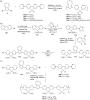
Scheme 19: Synthesis of (A) poly[2,7-(9,9-dialkylfluorenyl)-alt-(1’,3’-azulenyl)] 106–109, (B) 1,3-bis(7-bromo...

Scheme 20: Synthesis of azulene-fluorene copolymers 117–121 containing varying ratios of 1,3- and 4,7-connecte...
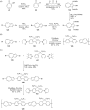
Scheme 21: Synthesis of (A) 2,6-dibromoazulene (125), (B) azulene-fluorene copolymer 126, and (C) azulene-fluo...

Scheme 22: Synthesis of 2-arylazulene-fluorene copolymers 131–134.

Scheme 23: Synthesis of azulene-fluorene-benzothiadiazole terpolymers 136–138.

Scheme 24: Synthesis of azulene-carbazole-benzothiadiazole-conjugated polymers 140–144.

Scheme 25: Synthesis of (A) azulene-2-yl methacrylate (146) and (B) the triazole-containing azulene methacryla...

Scheme 26: Synthesis of (A) azulene methacrylate polymer 151 and (B) triazole-containing azulene methacrylate ...

Scheme 27: Synthesis of azulene methyl methacrylate polymers 154, 155 (A and B) and azulene-sulfobetaine metha...
Constrained thermoresponsive polymers – new insights into fundamentals and applications
- Patricia Flemming,
- Alexander S. Münch,
- Andreas Fery and
- Petra Uhlmann
Beilstein J. Org. Chem. 2021, 17, 2123–2163, doi:10.3762/bjoc.17.138
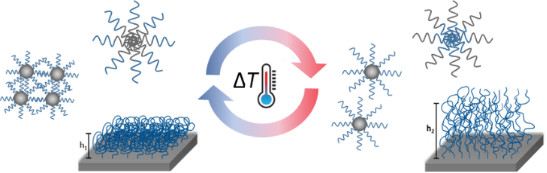

Graphical Abstract

Figure 1: (a) Schematic representation of the phase stability of a binary mixture based on the free enthalpy ...

Figure 2: Illustration of the relationship between the type of miscibility gap and the temperature dependence...

Figure 3: Schematically pictured phase diagram of a binary mixture composed of a dissolved polymer with a LCS...

Figure 4: Schematic illustration of a thermo-induced swelling behavior of a star polymer composed of responsi...

Figure 5: Schematic illustration of self-assembly of block copolymer amphiphiles in a polar medium.

Figure 6: Schematic comparison of the size and conformation between free polymer chains (a), grafted polymer ...

Figure 7: Comparison of the possible phase diagrams of a polymer in solution with partially miscibility and t...

Figure 8: Selection of polymers exhibiting UCST behavior due to hydrogen bonding (blue) divided into homo- (a...

Figure 9: Part A shows the molecular structure of PDMAPS stars synthesized by Li et al. (left) demonstrating ...
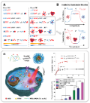
Figure 10: Part A contains a schematic demonstration of conformational transitions of dual-thermoresponsive bl...
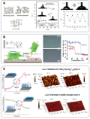
Figure 11: Part A pictures zwitterionic brushes grafted from silicon substrates obtaining a nonassociated, hyd...
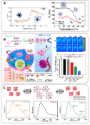
Figure 12: Part A pictures the UCST phase transition of zwitterionic polymers grafted on the surface of mesopo...
An initiator- and catalyst-free hydrogel coating process for 3D printed medical-grade poly(ε-caprolactone)
- Jochen Löblein,
- Thomas Lorson,
- Miriam Komma,
- Tobias Kielholz,
- Maike Windbergs,
- Paul D. Dalton and
- Robert Luxenhofer
Beilstein J. Org. Chem. 2021, 17, 2095–2101, doi:10.3762/bjoc.17.136
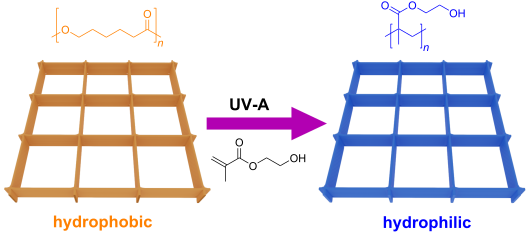
- exposed PCL fibers in the PHEMA-filled MEW scaffolds. Schematic representation of the self-initiated photografting and photopolymerization (SIPGP) of 2-hydroxyethyl methacrylate (HEMA) including intersystem crossing from singlet to triplet state which is mandatory for the formation of a biradical (left

Graphical Abstract

Scheme 1: Schematic representation of the self-initiated photografting and photopolymerization (SIPGP) of 2-h...

Figure 1: A) Graph showing change in the static contact angle with time on a pristine PCL scaffold with a 500...

Figure 2: A) Optical photograph of an SIPGP-coated sample. B) 3D topography reconstruction of the SIPGP-coate...

Figure 3: A) SEM image of pristine, uncoated PCL MEW scaffolds with a hatch spacing of 150 µm × 200 µm and in...
Enantioenriched α-substituted glutamates/pyroglutamates via enantioselective cyclopropenimine-catalyzed Michael addition of amino ester imines
- Zara M. Seibel,
- Jeffrey S. Bandar and
- Tristan H. Lambert
Beilstein J. Org. Chem. 2021, 17, 2077–2084, doi:10.3762/bjoc.17.134
- organizational interactions. This complexity makes the detailed prediction of the transition state organization for the current process very challenging. However, we propose that the general structure 19 shown in Figure 3 is a reasonable representation of one of the likely pathways (the major ambiguities being

Graphical Abstract

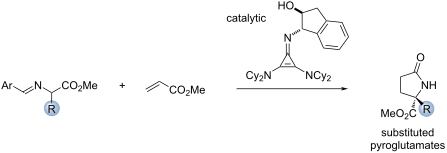
Figure 1: Strategy for the synthesis of glutamate and pyroglutamate derivatives and several natural products ...

Figure 2: Effect of the aryl substituent on reaction efficiency and selectivity.

Figure 3: Proposed transition state model.
Progress and challenges in the synthesis of sequence controlled polysaccharides
- Giulio Fittolani,
- Theodore Tyrikos-Ergas,
- Denisa Vargová,
- Manishkumar A. Chaube and
- Martina Delbianco
Beilstein J. Org. Chem. 2021, 17, 1981–2025, doi:10.3762/bjoc.17.129

Graphical Abstract

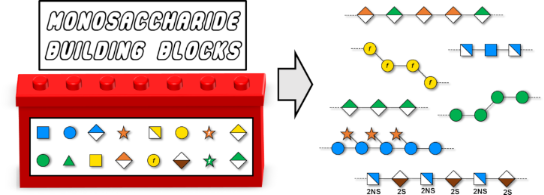
Figure 1: Overview of the methods available for the synthesis of polysaccharides. For each method, advantages...

Figure 2: Overview of the classes of polysaccharides discussed in this review. Each section deals with polysa...

Scheme 1: Enzymatic and chemical polymerization approaches provide cellulose oligomers with a non-uniform dis...

Scheme 2: AGA of a collection of cellulose analogues obtained using BBs 6–9. Specifically placed modification...

Figure 3: Chemical structure of the different branches G, X, L, F commonly found in XGs. Names are given foll...

Scheme 3: AGA of XG analogues with defined side chains. The AGA cycle includes coupling (TMSOTf), Fmoc deprot...

Figure 4: Synthetic strategies and issues associated to the formation of the β(1–3) linkage.
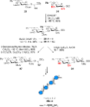
Scheme 4: Convergent synthesis of β(1–3)-glucans using a regioselective glycosylation strategy.

Scheme 5: DMF-mediated 1,2-cis glycosylation. A) General mechanism and B) examples of α-glucans prepared usin...

Scheme 6: Synergistic glycosylation strategy employing a nucleophilic modulation strategy (TMSI and Ph3PO) in...

Scheme 7: Different approaches to produce xylans. A) Polymerization techniques including ROP, and B) enzymati...

Scheme 8: A) Synthesis of arabinofuranosyl-decorated xylan oligosaccharides using AGA. Representative compoun...

Scheme 9: Chemoenzymatic synthesis of COS utilizing a lysozyme-catalyzed transglycosylation reaction followed...
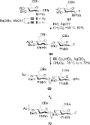
Scheme 10: Synthesis of COS using an orthogonal glycosylation strategy based on the use of two different LGs.
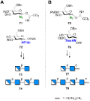
Scheme 11: Orthogonal N-PGs permitted the synthesis of COS with different PA.

Scheme 12: AGA of well-defined COS with different PA using two orthogonally protected BBs. The AGA cycle inclu...

Scheme 13: A) AGA of β(1–6)-N-acetylglucosamine hexasaccharide and dodecasaccharide. AGA includes cycles of co...

Figure 5: ‘Double-faced’ chemistry exemplified for ᴅ-Man and ʟ-Rha. Constructing β-Man linkages is considerab...

Figure 6: Implementation of a capping step after each glycosylation cycle for the AGA of a 50mer oligomannosi...

Scheme 14: AGA enabled the synthesis of a linear α(1–6)-mannoside 100mer 93 within 188 h and with an average s...

Scheme 15: The 151mer branched polymannoside was synthesized by a [30 + 30 + 30 + 30 + 31] fragment coupling. ...

Figure 7: PG stereocontrol strategy to obtain β-mannosides. A) The mechanism of the β-mannosylation reaction ...
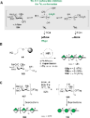
Scheme 16: A) Mechanism of 1,2-cis stereoselective glycosylation using ManA donors. Once the ManA donor is act...
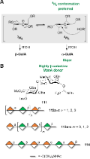
Figure 8: A) The preferred 4H3 conformation of the gulosyl oxocarbenium ion favors the attack of the alcohol ...

Scheme 17: AGA of type I rhamnans up to 16mer using disaccharide BB 115 and CNPiv PG. The AGA cycle includes c...

Figure 9: Key BBs for the synthesis of the O-antigen of Bacteroides vulgatus up to a 128mer (A) and the CPS o...

Figure 10: Examples of type I and type II galactans synthesized to date.

Figure 11: A) The DTBS PG stabilizes the 3H4 conformation of the Gal oxocarbenium ion favoring the attack of t...

Figure 12: Homogalacturonan oligosaccharides synthesized to date. Access to different patterns of methyl-ester...

Figure 13: GlfT2 from Mycobacterium tuberculosis catalyzes the sequential addition of UPD-Galf donor to a grow...

Figure 14: The poor reactivity of acceptor 137 hindered a stepwise synthesis of the linear galactan backbone a...

Scheme 18: AGA of a linear β(1–5) and β(1–6)-linked galactan 20mer. The AGA cycle includes coupling (NIS/TfOH)...

Figure 15: The 92mer arabinogalactan was synthesized using a [31 + 31 + 30] fragment coupling between a 31mer ...

Scheme 19: Synthesis of the branched arabinofuranose fragment using a six component one-pot synthesis. i) TTBP...
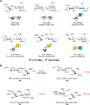
Figure 16: A) Chemical structure and SNFG of the representative disaccharide units forming the GAG backbones, ...

Figure 17: Synthetic challenges associated to the H/HS synthesis.

Scheme 20: Degradation of natural heparin and heparosan generated valuable disaccharides 150 and 151 that can ...

Scheme 21: A) The one-step conversion of cyanohydrin 156 to ʟ-iduronamide 157 represent the key step for the s...
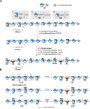
Scheme 22: A) Chemoenzymatic synthesis of heparin structures, using different types of UDP activated natural a...

Scheme 23: Synthesis of the longest synthetic CS chain 181 (24mer) using donor 179 and acceptor 180 in an iter...

Scheme 24: AGA of a collection of HA with different lengths. The AGA cycle includes coupling (TfOH) and Lev de...
Cationic oligonucleotide derivatives and conjugates: A favorable approach for enhanced DNA and RNA targeting oligonucleotides
- Mathias B. Danielsen and
- Jesper Wengel
Beilstein J. Org. Chem. 2021, 17, 1828–1848, doi:10.3762/bjoc.17.125
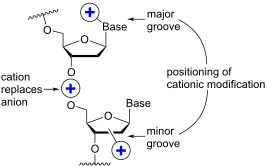
- aminoethoxy moiety at the 2’-position (Figure 2B), thus creating a monomer that could further stabilize the triplex [128]. In theory, this strategy allows for fewer modifications to be used in designing ASOs with high RNA target affinities. A schematic representation of 16-mer ASOs in different designs. White

Graphical Abstract

Figure 1: A schematic representation of 16-mer ASOs in different designs. White circles represent unmodified ...

Figure 2: Structures of 5-(1-propargylamino)-2’-deoxyuridine (A) and 2’-aminoethoxy-5-propargylaminouridine (...
A comprehensive review of flow chemistry techniques tailored to the flavours and fragrances industries
- Guido Gambacorta,
- James S. Sharley and
- Ian R. Baxendale
Beilstein J. Org. Chem. 2021, 17, 1181–1312, doi:10.3762/bjoc.17.90
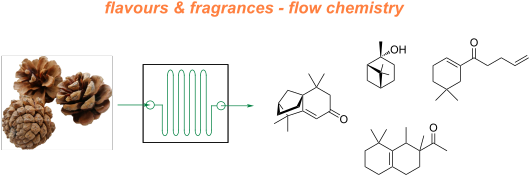

Graphical Abstract

Figure 1: Representative shares of the global F&F market (2018) segmented on their applications [1].

Figure 2: General structure of an international fragrance company [2].

Figure 3: The Michael Edwards fragrance wheel.

Figure 4: Examples of oriental (1–3), woody (4–7), fresh (8–10), and floral (11 and 12) notes.

Figure 5: A basic depiction of batch vs flow.

Scheme 1: Examples of reactions for which flow processing outperforms batch.

Scheme 2: Some industrially important aldol-based transformations.

Scheme 3: Biphasic continuous aldol reactions of acetone and various aldehydes.

Scheme 4: Aldol synthesis of 43 in flow using LiHMDS as the base.

Scheme 5: A semi-continuous synthesis of doravirine (49) involving a key aldol reaction.

Scheme 6: Enantioselective aldol reaction using 5-(pyrrolidin-2-yl)tetrazole (51) as catalyst in a microreact...

Scheme 7: Gröger's example of asymmetric aldol reaction in aqueous media.

Figure 6: Immobilised reagent column reactor types.

Scheme 8: Photoinduced thiol–ene coupling preparation of silica-supported 5-(pyrrolidin-2-yl)tetrazole 63 and...

Scheme 9: Continuous-flow approach for enantioselective aldol reactions using the supported catalyst 67.

Scheme 10: Ötvös’ employment of a solid-supported peptide aldol catalyst in flow.

Scheme 11: The use of proline tetrazole packed in a column for aldol reaction between cyclohexanone (65) and 2...

Scheme 12: Schematic diagram of an aminosilane-grafted Si-Zr-Ti/PAI-HF reactor for continuous-flow aldol and n...

Scheme 13: Continuous-flow condensation for the synthesis of the intermediate 76 to nabumetone (77) and Microi...

Scheme 14: Synthesis of ψ-Ionone (80) in continuous-flow via aldol condensation between citral (79) and aceton...

Scheme 15: Synthesis of β-methyl-ionones (83) from citral (79) in flow. The steps are separately described, an...

Scheme 16: Continuous-flow synthesis of 85 from 84 described by Gavriilidis et al.

Scheme 17: Continuous-flow scCO2 apparatus for the synthesis of 2-methylpentanal (87) and the self-condensed u...

Scheme 18: Chen’s two-step flow synthesis of coumarin (90).

Scheme 19: Pechmann condensation for the synthesis of 7-hydroxyxcoumarin (93) in flow. The setup extended to c...

Scheme 20: Synthesis of the dihydrojasmonate 35 exploiting nitro derivative proposed by Ballini et al.

Scheme 21: Silica-supported amines as heterogeneous catalyst for nitroaldol condensation in flow.

Scheme 22: Flow apparatus for the nitroaldol condensation of p-hydroxybenzaldehyde (102) to nitrostyrene 103 a...

Scheme 23: Nitroaldol reaction of 64 to 105 employing a quaternary ammonium functionalised PANF.

Scheme 24: Enantioselective nitroaldol condensation for the synthesis of 108 under flow conditions.

Scheme 25: Enatioselective synthesis of 1,2-aminoalcohol 110 via a copper-catalysed nitroaldol condensation.

Scheme 26: Examples of Knoevenagel condensations applied for fragrance components.

Scheme 27: Flow apparatus for Knoevenagel condensation described in 1989 by Venturello et al.

Scheme 28: Knoevenagel reaction using a coated multichannel membrane microreactor.

Scheme 29: Continuous-flow apparatus for Knoevenagel condensation employing sugar cane bagasse as support deve...

Scheme 30: Knoevenagel reaction for the synthesis of 131–135 in flow using an amine-functionalised silica gel. ...

Scheme 31: Continuous-flow synthesis of compound 137, a key intermediate for the synthesis of pregabalin (138)...
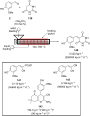
Scheme 32: Continuous solvent-free apparatus applied for the synthesis of compounds 140–143 using a TSE. Throu...

Scheme 33: Lewis et al. developed a spinning disc reactor for Darzens condensation of 144 and a ketone to furn...

Scheme 34: Some key industrial applications of conjugate additions in the F&F industry.

Scheme 35: Continuous-flow synthesis of 4-(2-hydroxyethyl)thiomorpholine 1,1-dioxide (156) via double conjugat...

Scheme 36: Continuous-flow system for Michael addition using CsF on alumina as the catalyst.

Scheme 37: Calcium chloride-catalysed asymmetric Michael addition using an immobilised chiral ligand.

Scheme 38: Continuous multistep synthesis for the preparation of (R)-rolipram (173). Si-NH2: primary amine-fun...

Scheme 39: Continuous-flow Michael addition using ion exchange resin Amberlyst® A26.

Scheme 40: Preparation of the heterogeneous catalyst 181 developed by Paixão et al. exploiting Ugi multicompon...

Scheme 41: Continuous-flow system developed by the Paixão’s group for the preparation of Michael asymmetric ad...

Scheme 42: Continuous-flow synthesis of nitroaldols catalysed by supported catalyst 184 developed by Wennemers...

Scheme 43: Heterogenous polystyrene-supported catalysts developed by Pericàs and co-workers.

Scheme 44: PANF-supported pyrrolidine catalyst for the conjugate addition of cyclohexanone (65) and trans-β-ni...

Scheme 45: Synthesis of (−)-paroxetine precursor 195 developed by Ötvös, Pericàs, and Kappe.

Scheme 46: Continuous-flow approach for the 5-step synthesis of (−)-oseltamivir (201) as devised by Hayashi an...

Scheme 47: Continuous-flow enzyme-catalysed Michael addition.

Scheme 48: Continuous-flow copper-catalysed 1,4 conjugate addition of Grignard reagents to enones. Reprinted w...

Scheme 49: A collection of commonly encountered hydrogenation reactions.

Figure 7: The ThalesNano H-Cube® continuous-flow hydrogenator.

Scheme 50: Chemoselective reduction of an α,β-unsaturated ketone using the H-Cube® reactor.

Scheme 51: Incorporation of Lindlar’s catalyst into the H-Cube® reactor for the reduction of an alkyne.

Scheme 52: Continuous-flow semi-hydrogenation of alkyne 208 to 209 using SACs with H-Cube® system.

Figure 8: The standard setups for tube-in-tube gas–liquid reactor units.

Scheme 53: Homogeneous hydrogenation of olefins using a tube-in-tube reactor setup.
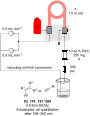
Scheme 54: Recyclable heterogeneous flow hydrogenation system.

Scheme 55: Leadbeater’s reverse tube-in-tube hydrogenation system for olefin reductions.

Scheme 56: a) Hydrogenation using a Pd-immobilised microchannel reactor (MCR) and b) a representation of the i...

Scheme 57: Hydrogenation of alkyne 238 exploiting segmented flow in a Pd-immobilised capillary reactor.

Scheme 58: Continuous hydrogenation system for the preparation of cyrene (241) from (−)-levoglucosenone (240).

Scheme 59: Continuous hydrogenation system based on CSMs developed by Hornung et al.

Scheme 60: Chemoselective reduction of carbonyls (ketones over aldehydes) in flow.

Scheme 61: Continuous system for the semi-hydrogenation of 256 and 258, developed by Galarneau et al.

Scheme 62: Continuous synthesis of biodiesel fuel 261 from lignin-derived furfural acetone (260).

Scheme 63: Continuous synthesis of γ-valerolacetone (263) via CTH developed by Pineda et al.

Scheme 64: Continuous hydrogenation of lignin-derived biomass (products 265, 266, and 267) using a sustainable...

Scheme 65: Ru/C or Rh/C-catalysed hydrogenation of arene in flow as developed by Sajiki et al.

Scheme 66: Polysilane-immobilized Rh–Pt-catalysed hydrogenation of arenes in flow by Kobayashi et al.

Scheme 67: High-pressure in-line mixing of H2 for the asymmetric reduction of 278 at pilot scale with a 73 L p...
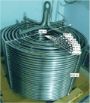
Figure 9: Picture of the PFR employed at Eli Lilly & Co. for the continuous hydrogenation of 278 [287]. Reprinted ...

Scheme 68: Continuous-flow asymmetric hydrogenation using Oppolzer's sultam 280 as chiral auxiliary.
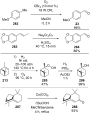
Scheme 69: Some examples of industrially important oxidation reactions in the F&F industry. CFL: compact fluor...

Scheme 70: Gold-catalysed heterogeneous oxidation of alcohols in flow.
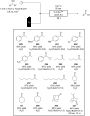
Scheme 71: Uozumi’s ARP-Pt flow oxidation protocol.

Scheme 72: High-throughput screening of aldehyde oxidation in flow using an in-line GC.

Scheme 73: Permanganate-mediated Nef oxidation of nitroalkanes in flow with the use of in-line sonication to p...

Scheme 74: Continuous-flow aerobic anti-Markovnikov Wacker oxidation.

Scheme 75: Continuous-flow oxidation of 2-benzylpyridine (312) using air as the oxidant.

Scheme 76: Continuous-flow photo-oxygenation of monoterpenes.

Scheme 77: A tubular reactor design for flow photo-oxygenation.

Scheme 78: Glucose oxidase (GOx)-mediated continuous oxidation of glucose using compressed air and the FFMR re...

Scheme 79: Schematic continuous-flow sodium hypochlorite/TEMPO oxidation of alcohols.

Scheme 80: Oxidation using immobilised TEMPO (344) was developed by McQuade et al.

Scheme 81: General protocol for the bleach/catalytic TBAB oxidation of aldehydes and alcohols.

Scheme 82: Continuous-flow PTC-assisted oxidation using hydrogen peroxide. The process was easily scaled up by...

Scheme 83: Continuous-flow epoxidation of cyclohexene (348) and in situ preparation of m-CPBA.

Scheme 84: Continuous-flow epoxidation using DMDO as oxidant.

Scheme 85: Mukayama aerobic epoxidation optimised in flow mode by the Favre-Réguillon group.

Scheme 86: Continuous-flow asymmetric epoxidation of derivatives of 359 exploiting a biomimetic iron catalyst.

Scheme 87: Continuous-flow enzymatic epoxidation of alkenes developed by Watts et al.

Scheme 88: Engineered multichannel microreactor for continuous-flow ozonolysis of 366.

Scheme 89: Continuous-flow synthesis of the vitamin D precursor 368 using multichannel microreactors. MFC: mas...

Scheme 90: Continuous ozonolysis setup used by Kappe et al. for the synthesis of various substrates employing ...

Scheme 91: Continuous-flow apparatus for ozonolysis as developed by Ley et al.

Scheme 92: Continuous-flow ozonolysis for synthesis of vanillin (2) using a film-shear flow reactor.

Scheme 93: Examples of preparative methods for ajoene (386) and allicin (388).

Scheme 94: Continuous-flow oxidation of thioanisole (389) using styrene-based polymer-supported peroxytungstat...

Scheme 95: Continuous oxidation of thiosulfinates using Oxone®-packed reactor.

Scheme 96: Continuous-flow electrochemical oxidation of thioethers.

Scheme 97: Continuous-flow oxidation of 400 to cinnamophenone (235).

Scheme 98: Continuous-flow synthesis of dehydrated material 401 via oxidation of methyl dihydrojasmonate (33).

Scheme 99: Some industrially important transformations involving Grignard reagents.

Scheme 100: Grachev et al. apparatus for continuous preparation of Grignard reagents.

Scheme 101: Example of fluidized Mg bed reactor with NMR spectrometer as on-line monitoring system.

Scheme 102: Continuous-flow synthesis of Grignard reagents and subsequent quenching reaction.

Figure 10: Membrane-based, liquid–liquid separator with integrated pressure control [52]. Adapted with permission ...

Scheme 103: Continuous-flow synthesis of 458, an intermediate to fluconazole (459).

Scheme 104: Continuous-flow synthesis of ketones starting from benzoyl chlorides.

Scheme 105: A Grignard alkylation combining CSTR and PFR technologies with in-line infrared reaction monitoring....

Scheme 106: Continuous-flow preparation of 469 from Grignard addition of methylmagnesium bromide.

Scheme 107: Continuous-flow synthesis of Grignard reagents 471.

Scheme 108: Preparation of the Grignard reagent 471 using CSTR and the continuous process for synthesis of the ...

Scheme 109: Continuous process for carboxylation of Grignard reagents in flow using tube-in-tube technology.

Scheme 110: Continuous synthesis of propargylic alcohols via ethynyl-Grignard reagent.

Scheme 111: Silica-supported catalysed enantioselective arylation of aldehydes using Grignard reagents in flow ...

Scheme 112: Acid-catalysed rearrangement of citral and dehydrolinalool derivatives.

Scheme 113: Continuous stilbene isomerisation with continuous recycling of photoredox catalyst.

Scheme 114: Continuous-flow synthesis of compound 494 as developed by Ley et al.

Scheme 115: Selected industrial applications of DA reaction.

Scheme 116: Multistep flow synthesis of the spirocyclic structure 505 via employing DA cycloaddition.

Scheme 117: Continuous-flow DA reaction developed in a plater flow reactor for the preparation of the adduct 508...

Scheme 118: Continuous-flow DA reaction using a silica-supported imidazolidinone organocatalyst.

Scheme 119: Batch vs flow for the DA reaction of (cyclohexa-1,5-dien-1-yloxy)trimethylsilane (513) with acrylon...

Scheme 120: Continuous-flow DA reaction between 510 and 515 using a shell-core droplet system.

Scheme 121: Continuous-flow synthesis of bicyclic systems from benzyne precursors.

Scheme 122: Continuous-flow synthesis of bicyclic scaffolds 527 and 528 for further development of potential ph...

Scheme 123: Continuous-flow inverse-electron hetero-DA reaction to pyridine derivatives such as 531.

Scheme 124: Comparison between batch and flow for the synthesis of pyrimidinones 532–536 via retro-DA reaction ...

Scheme 125: Continuous-flow coupled with ultrasonic system for preparation of ʟ-ascorbic acid derivatives 539 d...

Scheme 126: Two-step continuous-flow synthesis of triazole 543.

Scheme 127: Continuous-flow preparation of triazoles via CuAAC employing 546-based heterogeneous catalyst.

Scheme 128: Continuous-flow synthesis of compounds 558 through A3-coupling and 560 via AgAAC both employing the...

Scheme 129: Continuous-flow photoinduced [2 + 2] cycloaddition for the preparation of bicyclic derivatives of 5...

Scheme 130: Continuous-flow [2 + 2] and [5 + 2] cycloaddition on large scale employing a flow reactor developed...

Scheme 131: Continuous-flow preparation of the tricyclic structures 573 and 574 starting from pyrrole 570 via [...

Scheme 132: Continuous-flow [2 + 2] photocyclization of cinnamates.

Scheme 133: Continuous-flow preparation of cyclobutane 580 on a 5-plates photoreactor.

Scheme 134: Continuous-flow [2 + 2] photocycloaddition under white LED lamp using heterogeneous PCN as photocat...

Figure 11: Picture of the parallel tube flow reactor (PTFR) "The Firefly" developed by Booker-Milburn et al. a...

Scheme 135: Continuous-flow acid-catalysed [2 + 2] cycloaddition between silyl enol ethers and acrylic esters.

Scheme 136: Continuous synthesis of lactam 602 using glass column reactors.

Scheme 137: In situ generation of ketenes for the Staudinger lactam synthesis developed by Ley and Hafner.

Scheme 138: Application of [2 + 2 + 2] cycloadditions in flow employed by Ley et al.

Scheme 139: Examples of FC reactions applied in F&F industry.

Scheme 140: Continuous-flow synthesis of ibuprofen developed by McQuade et al.

Scheme 141: The FC acylation step of Jamison’s three-step ibuprofen synthesis.

Scheme 142: Synthesis of naphthalene derivative 629 via FC acylation in microreactors.

Scheme 143: Flow system for rapid screening of catalysts and reaction conditions developed by Weber et al.

Scheme 144: Continuous-flow system developed by Buorne, Muller et al. for DSD optimisation of the FC acylation ...

Scheme 145: Continuous-flow FC acylation of alkynes to yield β-chlorovinyl ketones such as 638.

Scheme 146: Continuous-flow synthesis of tonalide (619) developed by Wang et al.

Scheme 147: Continuous-flow preparation of acylated arene such as 290 employing Zr4+-β-zeolite developed by Kob...

Scheme 148: Flow system applied on an Aza-FC reaction catalysed by the thiourea catalyst 648.

Scheme 149: Continuous hydroformylation in scCO2.

Scheme 150: Two-step flow synthesis of aldehyde 655 through a sequential Heck reaction and subsequent hydroform...

Scheme 151: Single-droplet (above) and continuous (below) flow reactors developed by Abolhasani et al. for the ...

Scheme 152: Continuous hydroformylation of 1-dodecene (655) using a PFR-CSTR system developed by Sundmacher et ...

Scheme 153: Continuous-flow synthesis of the aldehyde 660 developed by Eli Lilly & Co. [32]. Adapted with permissio...

Scheme 154: Continuous asymmetric hydroformylation employing heterogenous catalst supported on carbon-based sup...

Scheme 155: Examples of acetylation in F&F industry: synthesis of bornyl (S,R,S-664) and isobornyl (S,S,S-664) ...

Scheme 156: Continuous-flow preparation of bornyl acetate (S,R,S-664) employing the oscillating flow reactor.

Scheme 157: Continuous-flow synthesis of geranyl acetate (666) from acetylation of geraniol (343) developed by ...

Scheme 158: 12-Ttungstosilicic acid-supported silica monolith-catalysed acetylation in flow.

Scheme 159: Continuous-flow preparation of cyclopentenone 676.

Scheme 160: Two-stage synthesis of coumarin (90) via acetylation of salicylaldehyde (88).

Scheme 161: Intensification process for acetylation of 5-methoxytryptamine (677) to melatonin (678) developed b...

Scheme 162: Examples of macrocyclic musky odorants both natural (679–681) and synthetic (682 and 683).

Scheme 163: Flow setup combined with microwave for the synthesis of macrocycle 686 via RCM.

Scheme 164: Continuous synthesis of 2,5-dihydro-1H-pyrroles via ring-closing metathesis.

Scheme 165: Continuous-flow metathesis of 485 developed by Leadbeater et al.

Figure 12: Comparison between RCM performed using different routes for the preparation of 696. On the left the...

Scheme 166: Continuous-flow RCM of 697 employed the solid-supported catalyst 698 developed by Grela, Kirschning...

Scheme 167: Continuous-flow RORCM of cyclooctene employing the silica-absorbed catalyst 700.

Scheme 168: Continuous-flow self-metathesis of methyl oleate (703) employing SILP catalyst 704.

Scheme 169: Flow apparatus for the RCM of 697 using a nanofiltration membrane for the recovery and reuse of the...

Scheme 170: Comparison of loadings between RCMs performed with different routes for the synthesis of 709.
Synthetic accesses to biguanide compounds
- Oleksandr Grytsai,
- Cyril Ronco and
- Rachid Benhida
Beilstein J. Org. Chem. 2021, 17, 1001–1040, doi:10.3762/bjoc.17.82
- ]. However, the authors mentioned that all C–N bonds in the molecule are between 1.297–1.387 Å in length, which does not correspond either to a single C–N (1.42 Å) nor to a double C=N (1.28 Å) bond. According to these observations, the most realistic representation of biguanide would include a delocalization
- of the π-electron density along the molecule, together with an intramolecular hydrogen bond (Figure 1, 1c). Despite the plurality of evidence showing this representation as inappropriate [1], structure 1a remains commonly used in the scientific literature. In this review, biguanides will be

Graphical Abstract

Figure 1: Tautomeric forms of biguanide.

Figure 2: Illustrations of neutral, monoprotonated, and diprotonated structures biguanide.

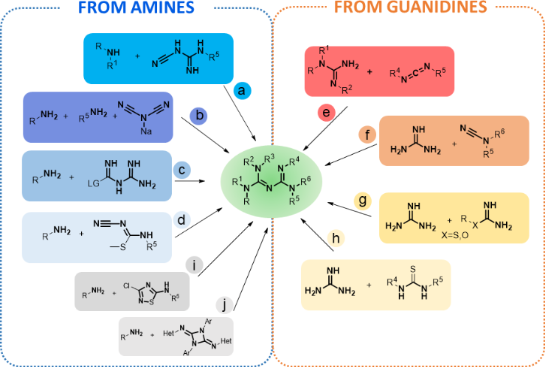
Figure 3: The main approaches for the synthesis of biguanides. The core structure is obtained via the additio...

Scheme 1: The three main preparations of biguanides from cyanoguanidine.

Scheme 2: Synthesis of butylbiguanide using CuCl2 [16].

Scheme 3: Synthesis of biguanides by the direct fusion of cyanoguanidine and amine hydrochlorides [17,18].

Scheme 4: Synthesis of ethylbiguanide and phenylbiguanide as reported by Smolka and Friedreich [14].

Scheme 5: Synthesis of arylbiguanides through the reaction of cyanoguanidine with anilines in water [19].

Scheme 6: Synthesis of aryl- and alkylbiguanides by adaptations of Cohn’s procedure [20,21].

Scheme 7: Microwave-assisted synthesis of N1-aryl and -dialkylbiguanides [22,23].

Scheme 8: Synthesis of aryl- and alkylbiguanides by trimethylsilyl activation [24,26].

Scheme 9: Synthesis of phenformin analogs by TMSOTf activation [27].

Scheme 10: Synthesis of N1-(1,2,4-triazolyl)biguanides [28].

Scheme 11: Synthesis of 2-guanidinobenzazoles by addition of ortho-substituted anilines to cyanoguanidine [30,32] and...

Scheme 12: Synthesis of 2,4-diaminoquinazolines by the addition of 2-cyanoaniline to cyanoguanidine and from 3...

Scheme 13: Reactions of anthranilic acid and 2-mercaptobenzoic acid with cyanoguanidine [24,36,37].

Scheme 14: Synthesis of disubstituted biguanides with Cu(II) salts [38].

Scheme 15: Synthesis of an N1,N2,N5-trisubstituted biguanide by fusion of an amine hydrochloride and 2-cyano-1...

Scheme 16: Synthesis of N1,N5-disubstituted biguanides by the addition of anilines to cyanoguanidine derivativ...

Scheme 17: Microwave-assisted additions of piperazine and aniline hydrochloride to substituted cyanoguanidines ...

Scheme 18: Synthesis of N1,N5-alkyl-substituted biguanides by TMSOTf activation [27].

Scheme 19: Additions of oxoamines hydrochlorides to dimethylcyanoguanidine [49].

Scheme 20: Unexpected cyclization of pyridylcyanoguanidines under acidic conditions [50].

Scheme 21: Example of industrial synthesis of chlorhexidine [51].

Scheme 22: Synthesis of symmetrical N1,N5-diarylbiguanides from sodium dicyanamide [52,53].

Scheme 23: Synthesis of symmetrical N1,N5-dialkylbiguanides from sodium dicyanamide [54-56].

Scheme 24: Stepwise synthesis of unsymmetrical N1,N5-trisubstituted biguanides from sodium dicyanamide [57].

Scheme 25: Examples for the synthesis of unsymmetrical biguanides [58].

Scheme 26: Examples for the synthesis of an 1,3-diaminobenzoquinazoline derivative by the SEAr cyclization of ...

Scheme 27: Major isomers formed by the SEAr cyclization of symmetric biguanides derived from 2- and 3-aminophe...

Scheme 28: Lewis acid-catalyzed synthesis of 8H-pyrrolo[3,2-g]quinazoline-2,4-diamine [63].

Scheme 29: Synthesis of [1,2,4]oxadiazoles by the addition of hydroxylamine to dicyanamide [49,64].

Scheme 30: Principle of “bisamidine transfer” and analogy between the reactions with N-amidinopyrazole and N-a...

Scheme 31: Representative syntheses of N-amidino-amidinopyrazole hydrochloride [68,69].

Scheme 32: First examples of biguanide syntheses using N-amidino-amidinopyrazole [66].

Scheme 33: Example of “biguanidylation” of a hydrazide substrate [70].

Scheme 34: Example for the synthesis of biguanides using S-methylguanylisothiouronium iodide as “bisamidine tr...

Scheme 35: Synthesis of N-substituted N1-cyano-S-methylisothiourea precursors.

Scheme 36: Addition routes on N1-cyano-S-methylisothioureas.

Scheme 37: Synthesis of an hydroxybiguanidine from N1-cyano-S-methylisothiourea [77].

Scheme 38: Synthesis of an N1,N2,N3,N4,N5-pentaarylbiguanide from the corresponding triarylguanidine and carbo...

Scheme 39: Reactions of N,N,N’,N’-tetramethylguanidine (TMG) with carbodiimides to synthesize hexasubstituted ...

Scheme 40: Microwave-assisted addition of N,N,N’,N’-tetramethylguanidine to carbodiimides [80].

Scheme 41: Synthesis of N1-aryl heptasubstituted biguanides via a one-pot biguanide formation–copper-catalyzed ...

Scheme 42: Formation of 1,2-dihydro-1,3,5-triazine derivatives by the reaction of guanidine with excess carbod...

Scheme 43: Plausible mechanism for the spontaneous cyclization of triguanides [82].

Scheme 44: a) Formation of mono- and disubstituted (iso)melamine derivatives by the reaction of biguanides and...

Scheme 45: Reactions of 2-aminopyrimidine with carbodiimides to synthesize 2-guanidinopyrimidines as “biguanid...

Scheme 46: Non-catalyzed alternatives for the addition of 2-aminopyrimidine derivatives to carbodiimides. A) h...

Scheme 47: Addition of guanidinomagnesium halides to substituted cyanamides [90].

Scheme 48: Microwave-assisted synthesis of [11C]metformin by the reaction of 11C-labelled dimethylcyanamide an...

Scheme 49: Formation of 4-amino-6-dimethylamino[1,3,5]triazin-2-ol through the reaction of Boc-guanidine and d...

Scheme 50: Formation of 1,3,5-triazine derivatives via the addition of guanidines to substituted cyanamides [92].

Scheme 51: Synthesis of biguanide by the reaction of O-alkylisourea and guanidine [93].

Scheme 52: Aromatic nucleophilic substitution of guanidine on 2-O-ethyl-1,3,5-triazine [95].

Scheme 53: Synthesis of N1,N2-disubstituted biguanides by the reaction of guanidine and thioureas in the prese...

Scheme 54: Cyclization reactions involving condensations of guanidine(-like) structures with thioureas [97,98].

Scheme 55: Condensations of guanidine-like structures with thioureas [99,100].

Scheme 56: Condensations of guanidines with S-methylisothioureas [101,102].

Scheme 57: Addition of 2-amino-1,3-diazaaromatics to S-alkylisothioureas [103,104].

Scheme 58: Addition of guanidines to 2-(methylsulfonyl)pyrimidines [105].

Scheme 59: An example of a cyclodesulfurization reaction to a fused 3,5-diamino-1,2,4-triazole [106].

Scheme 60: Ring-opening reactions of 1,3-diaryl-2,4-bis(arylimino)-1,3-diazetidines [107].

Scheme 61: Formation of 3,5-diamino-1,2,4-triazole derivatives via addition of hydrazines to 1,3-diazetidine-2...

Scheme 62: Formation of a biguanide via the addition of aniline to 1,2,4-thiadiazol-3,5-diamines, ring opening...

Figure 4: Substitution pattern of biguanides accessible by synthetic pathways a–h.
Enhanced target cell specificity and uptake of lipid nanoparticles using RNA aptamers and peptides
- Roslyn M. Ray,
- Anders Højgaard Hansen,
- Maria Taskova,
- Bernhard Jandl,
- Jonas Hansen,
- Citra Soemardy,
- Kevin V. Morris and
- Kira Astakhova
Beilstein J. Org. Chem. 2021, 17, 891–907, doi:10.3762/bjoc.17.75
- . Importantly, the hCMEC/D3 model represents a simplified representation of the BBB, which does not account for the full complexities of the BBB in vivo [43][55]. One could perform more complex in vitro assays that include a multicellular reconstruction of the BBB to also include astrocytes and microglial cells
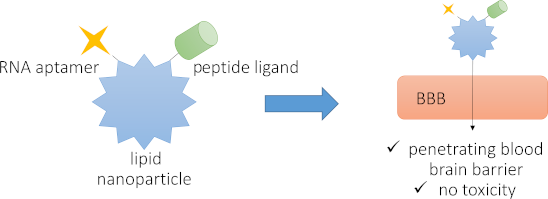
- (GraphPad Software, CA). Components of the LNPs. A) Lipid species and lipidated cell-penetrating peptides applied by postinsertion. B) Graphical representation of aptamer–probe hybrids. LNPs with T7 pass through the transwell cell barrier and are taken up by target cells. HeLa (CCR5-negative control cell

Graphical Abstract

Figure 1: Components of the LNPs. A) Lipid species and lipidated cell-penetrating peptides applied by postins...
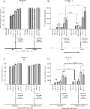
Figure 2: LNPs with T7 pass through the transwell cell barrier and are taken up by target cells. HeLa (CCR5-n...
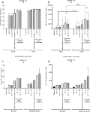
Figure 3: LNPs with Tat pass through the transwell cell barrier and are taken up by target cells. A) Percenta...
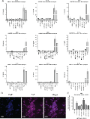
Figure 4: LNPs do not stimulate secretion of proinflammatory cytokines. A) GMCSF-primed MDMs were treated wit...

Figure 5: LNPs modestly affect cell viability in a cell-specific manner. HeLa (A) or HEK293T cells (B) were t...
Valorisation of plastic waste via metal-catalysed depolymerisation
- Francesca Liguori,
- Carmen Moreno-Marrodán and
- Pierluigi Barbaro
Beilstein J. Org. Chem. 2021, 17, 589–621, doi:10.3762/bjoc.17.53

Graphical Abstract

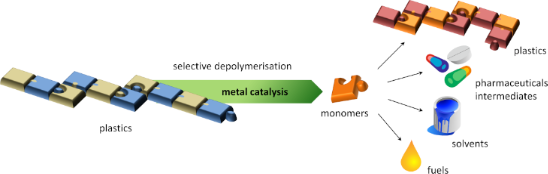
Figure 1: Potential classification of plastic recycling processes. The area covered by the present review is ...

Figure 2: EG produced during glycolytic depolymerisation of PET using DEG + DPG as solvent and titanium(IV) n...

Scheme 1: Simplified representation of the conversion of 1,4-PBD to C16–C44 macrocycles using Ru metathesis c...
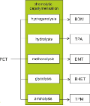
Figure 3: Main added-value monomers obtainable by catalytic depolymerisation of PET via chemolytic methods.

Scheme 2: Hydrogenolytic depolymerisation of PET by ruthenium complexes.

Scheme 3: Depolymerisation of PET via catalytic hydrosilylation by Ir(III) pincer complex.

Scheme 4: Catalytic hydrolysis (top) and methanolysis (bottom) reactions of PET.

Scheme 5: Depolymerisation of PET by glycolysis with ethylene glycol.

Figure 4: Glycolysis of PET: evolution of BHET yield over time, with and without zinc acetate catalyst (196 °...

Scheme 6: Potential activated complex for the glycolysis reaction of PET catalysed by metallated ILs and evol...

Scheme 7: One-pot, two-step process for PET repurposing via chemical recycling.
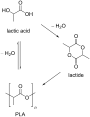
Scheme 8: Synthetic routes to PLA.

Scheme 9: Structures of the zinc molecular catalysts used for PLA-methanolysis in various works. a) See [265], b) ...

Scheme 10: Depolymerisation of PLLA by Zn–N-heterocyclic carbene complex.

Scheme 11: Salalen ligands.

Scheme 12: Catalytic hydrogenolysis of PLA.

Scheme 13: Catalytic hydrosilylation of PLA.

Scheme 14: Hydrogenative depolymerisation of PBT and PCL by molecular Ru catalysts.

Scheme 15: Glycolysis reaction of PCT by diethylene glycol.

Scheme 16: Polymerisation–depolymerisation cycle of 3,4-T6GBL.
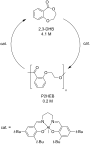
Scheme 17: Polymerisation–depolymerisation cycle of 2,3-HDB.

Scheme 18: Hydrogenative depolymerisation of PBPAC by molecular Ru catalysts.

Scheme 19: Catalytic hydrolysis (top), alcoholysis (middle) and aminolysis (bottom) reactions of PBPAC.

Scheme 20: Hydrogenative depolymerisation of PPC (top) and PEC (bottom) by molecular Ru catalysts.
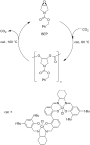
Scheme 21: Polymerisation-depolymerisation cycle of BEP.

Scheme 22: Hydrogenolysis of polyamides using soluble Ru catalysts.

Scheme 23: Catalytic depolymerisation of epoxy resin/carbon fibres composite.

Scheme 24: Depolymerisation of polyethers with metal salt catalysts and acyl chlorides.
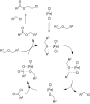
Scheme 25: Proposed mechanism for the iron-catalysed depolymerisation reaction of polyethers. Adapted with per...
Synthesis and physicochemical evaluation of fluorinated lipopeptide precursors of ligands for microbubble targeting
- Masayori Hagimori,
- Estefanía E. Mendoza-Ortega and
- Marie Pierre Krafft
Beilstein J. Org. Chem. 2021, 17, 511–518, doi:10.3762/bjoc.17.45
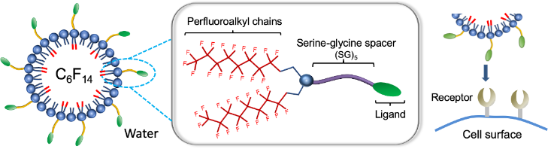
- ). Optical micrographs and corresponding size distribution of the perfluorohexane-stabilized microbubbles with a shell of a) DPPC, b) DPPC/F-lipopeptide 3, and c) DPPC/hydrocarbon analog 4. Half-lives of microbubbles (25 °C) containing F-lipopeptides 1–3 and hydrocarbon analog 4. a) Schematic representation

Graphical Abstract

Scheme 1: a) Schematic representation of a perfluorohexane-stabilized microbubble with a fluorinated lipopept...

Scheme 2: Solid-phase synthesis of F-lipopeptides 1–3 and hydrocarbon counterpart 4.

Figure 1: Adsorption kinetics of perfluoroalkylated lipopeptides 1–3 and the hydrocarbon analog 4 at the air/...

Figure 2: Adsorption of perfluoroalkylated lipopeptides 1–3 and hydrocarbon analog 4 on DPPC monolayers sprea...

Figure 3: Optical micrographs and corresponding size distribution of the perfluorohexane-stabilized microbubb...

Figure 4: Half-lives of microbubbles (25 °C) containing F-lipopeptides 1–3 and hydrocarbon analog 4.
Biochemistry of fluoroprolines: the prospect of making fluorine a bioelement
- Vladimir Kubyshkin,
- Rebecca Davis and
- Nediljko Budisa
Beilstein J. Org. Chem. 2021, 17, 439–460, doi:10.3762/bjoc.17.40

Graphical Abstract

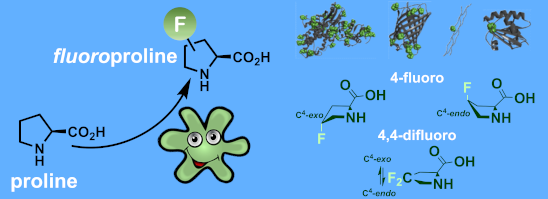
Figure 1: The structures of the fluoroprolines discussed herein.

Figure 2: The distinction between “the alanine and the proline worlds”. While the polyalanine backbone leads ...

Figure 3: Molecular volume for 20 coded amino acids and fluoroprolines. The COSMO volume was calculated for a...

Figure 4: Comparative analysis of the electrostatic potential for proline and fluoroprolines (electrostatic p...

Figure 5: Experimental logP data for methyl esters of N-acetylamino acids.

Figure 6: The conformational dependence of the proline ring on the fluorination at position 4.

Figure 7: Rotation around the peptidyl-prolyl fragments in polypeptide structures is important for correct ov...

Figure 8: The complex fate of a protein-encoded amino acid in the cell (EF-Tu – elongation factor thermo unst...

Figure 9: Metabolic routes for proline in E. coli. A) Synthesis of proline and B) degradation of proline.

Figure 10: A complete flowchart for the proline incorporation into proteins during ribosomal biosynthesis. A) ...

Figure 11: Amide bond formation capacities of fluoroprolines compared to some coded amino acids measured on ri...

Figure 12: Ribbon representation of the X-ray crystal structures of proteins containing fluoroprolines. A) Enh...

Figure 13: Problems and phenomena associated with the production of a protein-containing proline-to-fluoroprol...

Figure 14: Effects of fluoroprolines on recombinant protein expression using the auxotrophic expression host E...

Figure 15: A) Experimental setup for the incorporation of fluoroprolines into proteins. B) Adaptive laboratory...
19F NMR as a tool in chemical biology
- Diana Gimenez,
- Aoife Phelan,
- Cormac D. Murphy and
- Steven L. Cobb
Beilstein J. Org. Chem. 2021, 17, 293–318, doi:10.3762/bjoc.17.28

Graphical Abstract

Figure 1: Selected examples of 19F-labelled amino acid analogues used as probes in chemical biology.

Figure 2: (a) Sequences of the antimicrobial peptide MSI-78 and pFtBSer-containing analogs and cartoon repres...

Figure 3: (a) Chemical structures of a selection of trifluoromethyl tags. (b) Comparative analysis showing th...

Figure 4: (a) First bromodomain of Brd4 with all three tryptophan residues displayed in blue and labelled by ...

Figure 5: (a) Enzymatic hydroxylation of GBBNF in the presence of hBBOX (b) 19F NMR spectra showing the conve...

Figure 6: (a) In-cell enzymatic hydrolysis of the fluorinated anandamide analogue ARN1203 catalyzed by hFAAH....

Figure 7: (a) X-ray crystal structure of CAM highlighting the location the phenylalanine residues replaced by...

Figure 8: 19F PREs of 4-F, 5-F, 6-F, 7-FTrp49 containing MTSL-modified S52CCV-N. The 19F NMR resonances of ox...

Figure 9: 19F NMR as a direct probe of Ud NS1A ED homodimerization. Schematic representation showing the loca...

Figure 10: (a) Representative spectrum of a 182 μM sample of Aβ1-40-tfM35 at varying times indicating the majo...

Figure 11: Illustration of the conformational switch induced by SDS in 4-tfmF-labelled α-Syn. Also shown are t...

Figure 12: (a) Structural models of the Myc‐Max (left), Myc‐Max‐DNA (middle) and Myc‐Max‐BRCA1 complexes (righ...

Figure 13: (a) Side (left) and bottom (right) views of the pentameric apo ELIC X-ray structure (PDB ID: 3RQU) ...

Figure 14: (a) General structure of a selection of recently developed 19F-labelled nucleotides for their use a...

Figure 15: Monitoring biotransformation of the fluorinated pesticide cyhalothrin by the fungus C. elegans. The...

Figure 16: Following the biodegradation of emerging fluorinated pollutants by 19F NMR. The spectra are from cu...

Figure 17: Discovery of new fluorinated natural products by 19F NMR. The spectrum is of the culture supernatan...

Figure 18: Application of 19F NMR to investigate the biosynthesis of nucleocidin. The spectra are from culture...

Figure 19: Detection of new fluorofengycins (indicated by arrows) in culture supernatants of Bacillus sp. CS93...

Figure 20: Measurement of β-galactosidase activity in MCF7 cancer cells expressing lacZ using 19F NMR. The deg...

Figure 21: Detection of ions using 19F NMR. (a) Structure of TF-BAPTA and its 19F iCEST spectra in the presenc...

Figure 22: (a) The ONOO−-mediated decarbonylation of 5-fluoroisatin and 6-fluoroisatin. The selectivity of (b)...
Multiswitchable photoacid–hydroxyflavylium–polyelectrolyte nano-assemblies
- Alexander Zika and
- Franziska Gröhn
Beilstein J. Org. Chem. 2021, 17, 166–185, doi:10.3762/bjoc.17.17
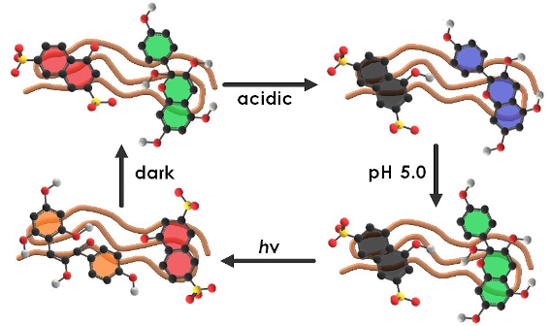
- cationic polyelectrolyte in neural to acidic solution. Overview of the different states of the multi-switchable system consisting of Flavy, 1N36S, and poly(allylamine) (simplified schematic representation displaying one molecule of each component per assembly only). A: The protonated photoacid and Flavy in

Graphical Abstract

Scheme 1: The chemical network of reactions for 4-hydroxyflavylium (left) and the write-lock-erase cycle (rig...

Scheme 2: The building blocks used for the self-assembly in this study: pelargonidin chloride (Flavy), 1-naph...

Scheme 3: Overview of the different states of the multi-switchable system consisting of Flavy, 1N36S, and pol...
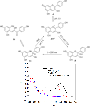
Figure 1: Top: pelargonidin cation (Flavy) and network of chemical reactions; bottom: corresponding UV–vis sp...
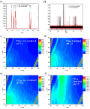
Figure 2: Characterization of Flavy: a) 1H NMR spectrum at pH 7.0 (form A) before and after irradiation; b) 13...

Scheme 4: Overview of the different states of the two main cycles switching the system consisting of 1N36S, F...

Figure 3: UV–vis spectroscopy of the ternary nano-assemblies for cycle I (a) and cycle II (b).

Figure 4: Dynamic light scattering: Electric field autocorrelation function g1(τ) and distribution of relaxat...

Figure 5: Static light scattering data from the assemblies of cycle I; a) A, non-irradiated, spherical partic...

Figure 6: Comparison of cycle I and cycle II in AFM.

Figure 7: a) ζ-Potential and b) effective surface charge density for cycle I; c) ζ-potential and d) effective...

Figure 8: Isothermal titration calorimetry of poly(allylamine) into the cell containing Flavy and 1N36S in aq...

Figure 9: Polar surface area of Flavy in form of A (left) and B (right).

Figure 10: Hydrodynamic radii of the nano-assemblies as function of the loading ratio: a) cycle I, b) cycle II....

Figure 11: UV–vis spectra of the nano-assemblies of cycle II at l = 0.75.

Figure 12: ζ-Potential of the nano-assemblies of cycle II depending on the concentration ratio.

Scheme 5: Different mixing orders of the assemblies. The major part of this study focuses on route i.
Tuning the solid-state emission of liquid crystalline nitro-cyanostilbene by halogen bonding
- Subrata Nath,
- Alexander Kappelt,
- Matthias Spengler,
- Bibhisan Roy,
- Jens Voskuhl and
- Michael Giese
Beilstein J. Org. Chem. 2021, 17, 124–131, doi:10.3762/bjoc.17.13
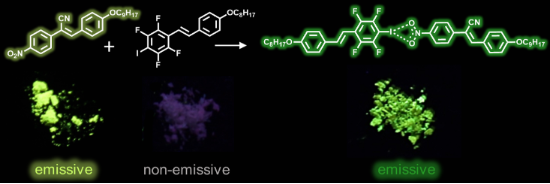
- comprehensive study investigating the potential of halogen bonding in fluorescent liquid crystalline materials. Schematic representation of the modular approach towards halogen-bonded fluorescent liquid crystals. Representative POM images of NO2-C10 at 94 °C (a) and NO2-C10∙∙∙F4Az at 61.5 °C (b) upon cooling
- from the isotropic melt. Comparison of the mesomorphic properties of NO2-Cn, NO2-Cn∙∙∙F4St, and NO2-Cn∙∙∙F4Az (n = 8–11). The transition temperatures were obtained by DSC upon cooling from the isotropic state. Mesophase ranges are given in black numbers. Graphical representation of the calculated

Graphical Abstract

Figure 1: Schematic representation of the modular approach towards halogen-bonded fluorescent liquid crystals....

Figure 2: Representative POM images of NO2-C10 at 94 °C (a) and NO2-C10∙∙∙F4Az at 61.5 °C (b) upon cooling fr...
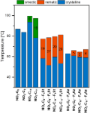
Figure 3: Comparison of the mesomorphic properties of NO2-Cn, NO2-Cn∙∙∙F4St, and NO2-Cn∙∙∙F4Az (n = 8–11). Th...

Figure 4: Graphical representation of the calculated interaction energies in kJ/mol of the XB-acceptor NO2-C1...
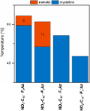
Figure 5: Summary of the thermal behaviour of the azo complexes with decreasing fluorination degree as observ...

Figure 6: POM images of the supramolecular assemblies NO2-C10∙∙∙F3Az (a), NO2-C10∙∙∙F2Az (b) and NO2-C10∙∙∙F2...
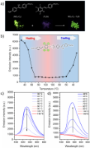
Figure 7: Fluorescence studies of NO2-C9∙∙∙F4St. The photographs of the solid components as well as the forme...

Figure 8: Photographs of the assemblies with different alkoxy chain lengths on the NO2-Cn moiety directly aft...

Figure 9: Temperature-dependent fluorescent images of NO2-C9∙∙∙F4St showing the enhancement of emission upon ...
Control over size, shape, and photonics of self-assembled organic nanocrystals
- Chen Shahar,
- Yaron Tidhar,
- Yunmin Jung,
- Haim Weissman,
- Sidney R. Cohen,
- Ronit Bitton,
- Iddo Pinkas,
- Gilad Haran and
- Boris Rybtchinski
Beilstein J. Org. Chem. 2021, 17, 42–51, doi:10.3762/bjoc.17.5
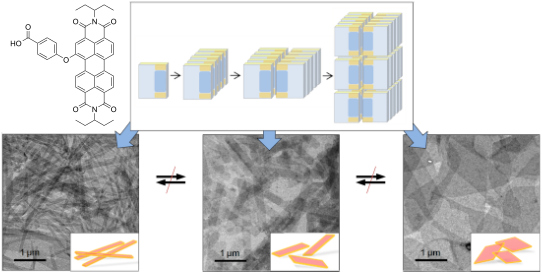
- distance between the carboxylic groups of two PDIs. E) Schematic representation of the assembly structuring. Cryo-TEM images of 1 × 10⁻⁴ M compound 1 in THF/water solutions after one minute of aging. A) 5% THF: monomolecular 1D π-stack fibers and B) 10% THF: crystalline platelets. Transient kinetics at

Graphical Abstract

Figure 1: Chemical structure of compound 1 and UV–vis spectra in an aggregating aqueous medium and in the dis...

Figure 2: Transmission electron microscopy (TEM) images (left, zoomed-out and zoomed-in; 1 × 10⁻⁴ M solutions...
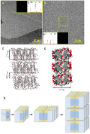
Figure 3: Cryo-TEM images of a 1 × 10⁻⁴ M solution of 1 (5% THF) and the corresponding molecular model as wel...

Figure 4: Cryo-TEM images of 1 × 10⁻⁴ M compound 1 in THF/water solutions after one minute of aging. A) 5% TH...

Figure 5: Transient kinetics at different laser powers probed at 755 nm (1 × 10⁻⁴ M solution at pH 10): A) 5%...
Selected peptide-based fluorescent probes for biological applications
- Debabrata Maity
Beilstein J. Org. Chem. 2020, 16, 2971–2982, doi:10.3762/bjoc.16.247

- for Direct Fluorescence “Switch‐On” Detection of Nucleic Acid in Cells”, Chem. – Eur. J. © 2017 Wiley‐VCH Verlag GmbH & Co. KGaA, Weinheim. A) Molecular structure of 6; B) possible binding mode of pyrene termini of 6 to CB[8] according to molecular modeling; C) cartoon representation of ratiometric

Graphical Abstract
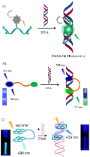
Figure 1: Three different type of peptide-based fluorescent probes and their interaction with nucleic acids a...
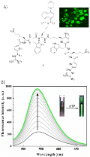
Figure 2: A) Molecular structure of peptidic probe 1, Inset: HeLa cells incubated with peptide 1 (50 μM), sho...
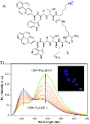
Figure 3: A) Molecular structure of probe 2; B) fluorescence emission spectra for the titration of a 10 μM so...
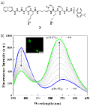
Figure 4: A) Molecular structure of 3; B) fluorescence emission spectra for the titration of a 10 μM solution...
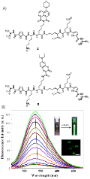
Figure 5: A) Molecular structure of 4 and 5; B) fluorescence spectra for the titration of a 0.5 μM solution o...
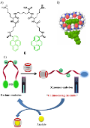
Figure 6: A) Molecular structure of 6; B) possible binding mode of pyrene termini of 6 to CB[8] according to ...
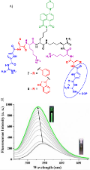
Figure 7: A) Molecular structure of peptidic probes 7 and 8; B) fluorescence emission spectra of probe 7 (5.0...

Figure 8: Top: Molecular structure of 9; bottom: A) fluorescence response of 9 (500 nM) upon addition of β-tr...

Figure 9: Top: Molecular structures of 10 and 11; bottom: A) fluorescence emission spectra of 10 (1.0 µM, λex...
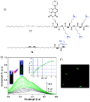
Figure 10: A) Structure of two peptide amphiphiles 12 and 13; B) fluorescent spectra (λex = 400 nm) from a tit...

Figure 11: a) Molecular structure of peptide 14; b) the coordinate represents the states of sensor at differen...
Construction of pillar[4]arene[1]quinone–1,10-dibromodecane pseudorotaxanes in solution and in the solid state
- Xinru Sheng,
- Errui Li and
- Feihe Huang
Beilstein J. Org. Chem. 2020, 16, 2954–2959, doi:10.3762/bjoc.16.245
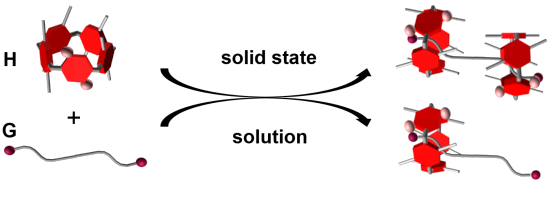
- , chloroform-d, 298 K). Normalized UV–vis spectra: H (black); H upon adding 0.5 equiv of G (red); and H upon adding 1 equiv of G (blue). [H] = 3.00 mM. Chemical structures and schematic representation of (a) the pillar[4]arene[1]quinone H; (b) 1,10-dibromodecane (G); and (c) schematic representation of the

Graphical Abstract

Scheme 1: Chemical structures and schematic representation of (a) the pillar[4]arene[1]quinone H; (b) 1,10-di...

Figure 1: Crystal structures of the [3]pseudorotaxane composed of H and G in the solid state. Color code: C, ...

Figure 2: 1H NMR spectra (500 MHz, CDCl3, 298 K): (a) 6.00 mM G; (b) 3.00 mM G + 3.00 mM H; and (c) 6.00 mM H....

Figure 3: NOESY spectrum of a solution of H and G (500 MHz, chloroform-d, 298 K).

Figure 4: Normalized UV–vis spectra: H (black); H upon adding 0.5 equiv of G (red); and H upon adding 1 equiv...
Controlled decomposition of SF6 by electrochemical reduction
- Sébastien Bouvet,
- Bruce Pégot,
- Stéphane Sengmany,
- Erwan Le Gall,
- Eric Léonel,
- Anne-Marie Goncalves and
- Emmanuel Magnier
Beilstein J. Org. Chem. 2020, 16, 2948–2953, doi:10.3762/bjoc.16.244
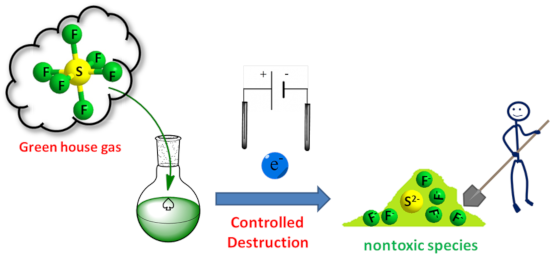
- Parstat 2273 potentiostat was also used with its internal «Powersuite» software. For all cyclic voltammetries, the conventional representation of anodic currents is reported as positive values and cathodic currents as negative values. SF6 electrolysis was performed in acetonitrile with a constant

Graphical Abstract

Figure 1: (a) Cyclic voltammetry onto microelectrode arrays (Ø = 20 µm) in acetonitrile freshly distilled aft...

Figure 2: Variation of the current reduction (i2) of SF6 onto Pt macroelectrode (Ø = 0.76 mm) at −2.3 V vs Fc+...

Figure 3: Single compartment three-electrode experiment. 1: Balloon of SF6, 2: electrochemical cell, 3: refer...

Figure 4: Electrolysis of SF6 at −2.3 V vs Fc+/Fc in acetonitrile freshly distilled after addition of TBAClO4...

Figure 5: 19F NMR evolution of the crude mixture along the time after electrolysis realized at constant poten...
One-pot multicomponent green Hantzsch synthesis of 1,2-dihydropyridine derivatives with antiproliferative activity
- Giovanna Bosica,
- Kaylie Demanuele,
- José M. Padrón and
- Adrián Puerta
Beilstein J. Org. Chem. 2020, 16, 2862–2869, doi:10.3762/bjoc.16.235
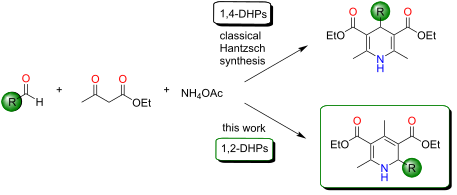
- measured at 530 (primary) and 620 nm (secondary). The antiproliferative activity, expressed as GI50 values, was calculated according to the NCI formulas [30]. Optimization trials with the selected solid catalysts. Graphical representation of the results obtained in the reusability test. The classical

Graphical Abstract

Scheme 1: The classical Hantzsch synthesis between benzaldehyde (1a), ethyl acetoacetate (2), and ammonium ac...
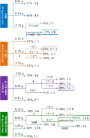
Figure 1: Optimization trials with the selected solid catalysts.

Figure 2: Graphical representation of the results obtained in the reusability test.
Using multiple self-sorting for switching functions in discrete multicomponent systems
- Amit Ghosh and
- Michael Schmittel
Beilstein J. Org. Chem. 2020, 16, 2831–2853, doi:10.3762/bjoc.16.233
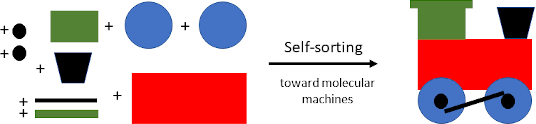
- hydrogen-bonded octameric and tetrameric tubes. (c) A representation of the complex mixture after combining the monomers 5 and 6 in CDCl3. (d) The partial separation of the mixture upon the selective C60 complexation by monomer 5. The guest-induced rearrangement results in an incomplete self-sorted mixture

Graphical Abstract

Figure 1: Some selected self-sorting outcomes and their qualitative and quantitative assessment.

Figure 2: Illustration of an integrative vs a non-integrative self-sorting.

Figure 3: The pH-driven four-component 2-fold completive self-sorting based on host–guest chemistry.

Figure 4: (a) The monomers 5 and 6 and their H-bonding array. (b) The hydrogen-bonded octameric and tetrameri...

Figure 5: (a) Two new Zn4L6-type cages. (b) The encapsulation of C70 induced distinct reconstitutions within ...
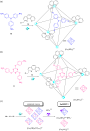
Figure 6: The formation of octahedral cages (a) [Co6(10')4]12+ and (b) [Co6(11')4]12+. (c) The 2-fold complet...

Figure 7: Exchange of Ag+ for Au+ ions in poly-NHC ligand-based organometallic assemblies.

Figure 8: The reversible interconversion between the three-component rectangle [Cu4(16)2(17)2]4+ and the four...

Figure 9: a) Chemical structure of the monomer 20 with its quadruple hydrogen-bonding array and a metal-affin...
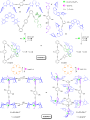
Figure 10: Communication between the nanoswitch 21 and the supramolecular assemblies [Cu4(22)2(24)2]4+ or [Cu6(...

Figure 11: (a) The chemical structures and cartoon representations of the switch 25, the decks 26 and 27, and ...

Figure 12: Double self-sorting leads to a catalytic machinery in SelfSORT-II, in which the 46 kHz-nanorotor ac...

Figure 13: ON/OFF control of a networked catalytic catch–release system.

Figure 14: A multicomponent information system for the reversible reconfiguration of switchable dual catalysis....

Figure 15: a) The chemically fueled cascaded ion translocation, monitored by distinct emission colors. b) Work...
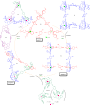
Figure 16: Cyclic metallosupramolecular transformations.

Figure 17: Fully reversible multiple-state rearrangement of metallosupramolecular architectures depending upon...

Figure 18: The selective encapsulation and sequential release of guests in a self-sorted mixture of three tetr...

Figure 19: Two catalytic reactions are alternately controlled by a toggle nanoswitch.
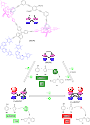
Figure 20: A biped walking along a tetrahedral track and unfolding its catalytic action. Adapted with permissi...
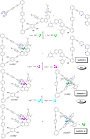
Figure 21: A three state supramolecular AND logic gate.

Figure 22: Four-component nanorotor and its catalytic activity. Adapted with permission from (Biswas, P. K.; S...
Dirhamnolipid ester – formation of reverse wormlike micelles in a binary (primerless) system
- David Liese,
- Hans Henning Wenk,
- Xin Lu,
- Jochen Kleinen and
- Gebhard Haberhauer
Beilstein J. Org. Chem. 2020, 16, 2820–2830, doi:10.3762/bjoc.16.232
- Information File 1) shows the thermal reversibility of the gel formation process. The phase transition temperature can be obtained from the temperature sweeps and is defined as the temperature where the dynamic moduli intercept. In an alternative representation, the phase transition temperature can also be
- viscoelastic solid. Both moduli intercept at γ = 35%, which marks the point where the sample turns from a viscoelastic solid to a viscous fluid. In a representation where the phase angle is plotted against the amplitude (Figure 4, right), it becomes apparent that the deformation processes are similar for the
- motion for cylindrical micelles [33][34]. Another representation is the so-called Cole–Cole plot [35], where the normalized value for the loss modulus (G''/G''max) is plotted against the storage modulus (G'/G''max), is depicted in Figure 5. The semicircular arrangement centered at G'/G''max is the result

Graphical Abstract

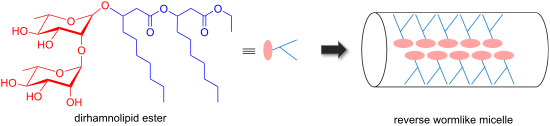
Figure 1: Chemical structure of dirhamnolipid 1.

Scheme 1: Synthesis of the dirhamnolipid esters and the chemical structure of 7.

Figure 2: Solubility of the dirhamnolipid esters in various solvents (+ = soluble, − = insoluble, G = gel).

Figure 3: Phase transition temperature for the dirhamnolipid esters in toluene while heating (TGS, blue) and ...

Figure 4: Amplitude sweep: double logarithmic plot of the dynamic moduli against the amplitude (deformation) ...

Figure 5: Frequency sweep: double logarithmic plot of the dynamic moduli against the frequency for the dirham...

Figure 6: Double logarithmic plot of (a) the plateau modulus G0 and (b) the relaxation time τR against the co...

Figure 7: Semilogarithmic plot of (a) G0/G''min, (b) η0, and (c) τR against the inverse absolute temperature ...

Figure 8: Polarized optical microscopy (POM) images of the 2/toluene system (5 wt %) with crossed polarizers ...

Figure 9: Schematic representation of the formation of RWLM by dirhamnolipid esters.



