


Search results
Search for "phthalimide" in Full Text gives 113 result(s) in Beilstein Journal of Organic Chemistry.
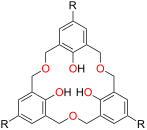
Fifty years of oxacalix[3]arenes: A review
- Kevin Cottet,
- Paula M. Marcos and
- Peter J. Cragg
Beilstein J. Org. Chem. 2012, 8, 201–226, doi:10.3762/bjoc.8.22
- ]arene chemistry as debromination of 31 allowed the introduction of new groups in the vacant para-position via the mono-unsubstituted derivative 32 as shown in Scheme 17. The route introduced nitro (33), azide (34), imidazole (35), phthalimide (36), cyano (37) and methoxyether (38) groups, linked to one

Graphical Abstract

Figure 1: Calixarenes and expanded calixarenes: p-tert-Butylcalix[4]arene (1), p-tert-butyldihomooxacalix[4]a...

Figure 2: Conventional nomenclature for oxacalix[n]arenes.

Scheme 1: Synthesis of oxacalix[3]arenes: (i) Formaldehyde (37% aq), NaOH (aq), 1,4-dioxane; glacial acetic a...

Figure 3: p-tert-Butyloctahomotetraoxacalix[4]arene (4a) [16].

Figure 4: X-ray crystal structure of 3a showing phenolic hydrogen bonding (IUCr ID AS0508) [17].

Scheme 2: Stepwise synthesis of asymmetric oxacalix[3]arenes: (i) MOMCl, Adogen®464; (ii) 2,2-dimethoxypropan...
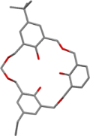
Figure 5: X-ray crystal structure of heptahomotetraoxacalix[3]arene 5 (CCDC ID 166088) [21].

Scheme 3: Oxacalix[3]arene synthesis by reductive coupling: (i) Me3SiOTf, Et3SiH, CH2Cl2; R1, R2 = I, Br, ben...

Scheme 4: Oxacalix[3]naphthalene: (i) HClO4 (aq), wet CHCl3 (R = tert-butyl, 6a, H, 6b) [20].

Figure 6: Conformers of 3a.

Scheme 5: Origin of the 25:75 cone:partial-cone statistical distribution of O-substituted oxacalix[3]arenes (p...

Scheme 6: Synthesis of alkyl ethers 7–10: (i) Alkyl halide, NaH, DMF [24].

Scheme 7: Synthesis of a pyridyl derivative 11a: (i) Picolyl chloride hydrochloride, NaH, DMF [26,27].

Figure 7: X-ray crystal structure of partial-cone 11a (CCDC ID 150580) [26].

Scheme 8: Lower-rim ethyl ester synthesis: (i) Ethyl bromoacetate, NaH, t-BuOK or alkali metal carbonate, THF...

Scheme 9: Forming chiral receptor 13: (i) Ethyl bromoacetate, NaH, THF; (ii) NaOH, H2O/1,4-dioxane; (iii) S-P...
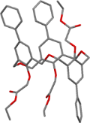
Figure 8: X-ray crystal structure of 16 (IUCr ID PA1110) [32].

Scheme 10: Lower rim N,N-diethylamide 17a: (i) N,N-Diethylchloroacetamide, NaH, t-BuOK or alkali metal carbona...

Scheme 11: Capping the lower rim: (i) N,N-Diethylchloroacetamide, NaH, THF; (ii) NaOH, H2O/1,4-dioxane; (iii) ...

Figure 9: X-ray crystal structure of 18 (CCDC ID 142599) [33].

Scheme 12: Extending the lower rim: (i) Glycine methyl ester, HOBt, dicyclohexycarbodiimide (DCC), CH2Cl2; (ii...

Scheme 13: Synthesis of N-hydroxypyrazinone derivative 23: (i) 1-[3-(Dimethylamino)propyl]-3-ethylcarbodiimide...

Scheme 14: Synthesis of 24: (i) 1-Adamantyl bromomethyl ketone, NaH, THF [39].

Scheme 15: Synthesis of 25 and 26: (i) (Diphenylphosphino)methyl tosylate, NaH, toluene; (ii) phenylsilane, to...

Figure 10: X-ray crystal structure of 27 in the partial-cone conformer (CCDC ID SUP 90399) [41].

Scheme 16: Synthesis of strapped oxacalix[3]arene derivatives 28 and 29: (i) N,N’-Bis(chloroacetyl)-1,2-ethyle...

Figure 11: A chiral oxacalix[3]arene [45].

Figure 12: X-ray crystal structure of asymmetric oxacalix[3]arene 30 incorporating t-Bu, iPr and Et groups (CC...

Scheme 17: Reactions of an oxacalix[3]arene incorporating an upper-rim Br atom with (i) Pd(OAc)2, PPh3, HCO2H,...

Scheme 18: Synthesis of acid 39: (i) NaOH, EtOH/H2O, HCl (aq) [47].

Figure 13: Two forms of dimeric oxacalix[3]arene 40 [47].

Scheme 19: Capping the upper rim: (i) t-BuLi, THF, −78 °C; (ii) NaBH4, THF/EtOH; (iii) 1,3,5-tris(bromomethyl)...

Figure 14: Oxacalix[3]arene capsules 46 and 47 formed through coordination chemistry [52,53].

Figure 15: X-ray crystal structure of the 3b-vanadyl complex (CCDC ID 240185) [57].

Scheme 20: Effect of Ti(IV)/SiO2 on 3a: (i) Ti(OiPr)4, toluene; (ii) triphenylsilanol, toluene; (iii) partiall...

Figure 16: X-ray crystal structures of oxacalix[3]arene complexes with rhenium: 3b∙Re(CO)3 (CCDC ID 620981, le...

Figure 17: X-ray crystal structure of the La2·3a2 complex (CSD ID TIXXUT) [60].

Figure 18: X-ray crystal structures of [3a∙UO2]− with a cavity-bound cation (CCDC ID 135575, left) and without...
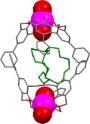
Figure 19: X-ray crystal structure of a supramolecule comprising two [3g·UO2]− complexes that encapsulate a di...

Figure 20: X-ray crystal structure of oxacalix[3]arene 49 capable of chiral selectivity (CSD ID HIGMUF) [65].
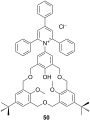
Figure 21: The structure of derivative 50 incorporating a Reichardt dye [66].

Figure 22: Phosphorylated oxacalix[3]arene complexes with transition metals: (Left to right) 26∙Au, 26∙Mo(CO)3...
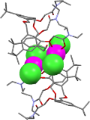
Figure 23: X-ray crystal structure of [17a·HgCl2]2 (CCDC ID 168653) [69].

Figure 24: X-ray crystal structures of 3f with C60 (CCDC ID 182801, left) [76] and a 1,4-bis(9-fluorenyl) C60 deri...

Figure 25: X-Ray crystal structure of 3i and 6a encapsulating C60 (CCDC ID 102473 and 166077) [23,79].
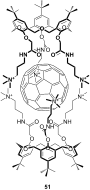
Figure 26: A C60 complexing cationic oxacalix[3]arene 51 [81].

Figure 27: An oxacalix[3]arene-C60 self-associating system 53 [87].

Scheme 21: Synthesis of fluorescent pyrene derivative 55: (i) Propargyl bromide, acetone; (ii) CuI, 1-azidomet...

Scheme 22: Synthesis of responsive rhodamine derivative 57: (i) DCC, CH2Cl2 [91].

Scheme 23: Synthesis of nitrobenzyl derivative 58: (i) 1-Bromo-4-nitrobenzyl acetate, K2CO3, refluxing acetone...

Figure 28: X-ray crystal structure of [Na2∙17a](PF6)2 (CCDC ID 116656) [97].
A concise synthesis of 3-(1-alkenyl)isoindolin-1-ones and 5-(1-alkenyl)pyrrol-2-ones by the intermolecular coupling reactions of N-acyliminium ions with unactivated olefins
- Nianhong Lu,
- Lihong Wang,
- Zhanshan Li and
- Wei Zhang
Beilstein J. Org. Chem. 2012, 8, 192–200, doi:10.3762/bjoc.8.21

- reduction of the parent phthalimide [35] and maleimide [36] derivatives. In order to explore the effects of the experimental conditions on the coupling reactions, the reaction of 1a with styrene (2a) was selected as a representative and carried out at room temperature under different conditions (Table 1

Graphical Abstract

Scheme 1: Reaction of 3-hydroxyisoindol-1-one with styrene.

Scheme 2: Reaction of 5-hydroxypyrrol-1-one with styrene.

Scheme 3: Reactions of 5-hydroxyisoindol-1-ones with olefins in the presence of BF3·OEt2.

Figure 1: X-Ray structure (ORTEP drawing) of 3h.

Scheme 4: Reactions of 5-hydroxypyrrol-1-ones with olefins in the presence of BF3·OEt2.
Microphotochemistry: 4,4'-Dimethoxybenzophenone mediated photodecarboxylation reactions involving phthalimides
- Oksana Shvydkiv,
- Kieran Nolan and
- Michael Oelgemöller
Beilstein J. Org. Chem. 2011, 7, 1055–1063, doi:10.3762/bjoc.7.121
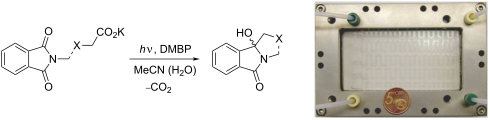
- superior results thus proving the superiority of microphotochemistry over conventional technologies. Keywords: microflow; microreactor; photochemistry; photodecarboxylation; phthalimide; Introduction Organic photochemistry is a highly successful synthesis method that allows the construction of complex
- complete conversions represent the minimum energy efficiencies due to possible contributions from “over-irradiation”. Once all phthalimide is consumed, photoreduction of DMBP becomes the dominant reaction due to its continuing excitation [41]. The degree of these decomposition processes can thus be used as
- (ET) from the carboxylate function to the triplet excited phthalimide furnishes an unstable carboxy radical, which undergoes rapid decarboxylation to the corresponding carbon radical. Protonation and C–C bond formation yields compounds 4 and 9, and the latter undergoes further dehydration to 10

Graphical Abstract

Scheme 1: General photodecarboxylation involving phthalimides (the broken line indicates intra- as well as in...

Figure 1: Microreactor (dwell device, mikroglas chemtech) under a UV exposure panel (Luzchem) and connected t...

Figure 2: UV-spectrum of DMBP (in MeCN) versus emission spectrum of the UVA lamp. The vertical dotted line re...

Figure 3: Light-penetration profile for a 1.5 mM solution of DMBP at 350 nm. The vertical lines represent the...

Scheme 2: DMBP mediated α-photodecarboxylation of N-phthaloylglycine (1).

Scheme 3: Photodecarboxylation of potassium phthaloyl-γ-aminobutyrate (3).

Scheme 4: Photodecarboxylative cyclization of potassium phthalimidomethylsulfanylacetate (6).

Scheme 5: Photodecarboxylative benzylation of 2.

Scheme 6: Photodecarboxylative addition of 11 to 2.

Scheme 7: Photodecarboxylative addition of 11 to DMBP.

Scheme 8: Mechanistic scenario (the broken line indicates intra- and intermolecular reactions).
Photoinduced electron-transfer chemistry of the bielectrophoric N-phthaloyl derivatives of the amino acids tyrosine, histidine and tryptophan
- Axel G. Griesbeck,
- Jörg Neudörfl and
- Alan de Kiff
Beilstein J. Org. Chem. 2011, 7, 518–524, doi:10.3762/bjoc.7.60
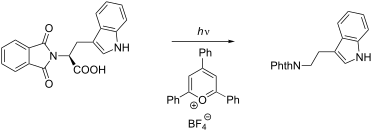
- Axel G. Griesbeck Jorg Neudorfl Alan de Kiff University of Cologne, Department of Chemistry, Organic Chemistry, Greinstr. 4, D-50939 Köln, Germany; Fax: +49(221)470 5057 10.3762/bjoc.7.60 Abstract The photochemistry of phthalimide derivatives of the electron-rich amino acids tyrosine, histidine
- cysteine and S-methyl cysteine derivatives [8]. Other proteinogenic amino acids that, in principle, should also be able to show bielectrophoric behavior with aromatic side chains similar to phenylalanine are tyrosine, histidine and tryptophan. The photochemistry of the phthalimide derivatives of these
- three amino acids are described in this publication. Results Synthesis of phthalimide substrates The C-unprotected N-phthaloyl amino acids 8–10 were available from tyrosine, histidine, and tryptophan (Figure 1). The phthalimide derivatives were prepared either by thermal reaction of phthalic anhydride

Graphical Abstract

Scheme 1: Three phthalimide/amino acid model reactions: Norrish II process of 1, PET decarboxylation of 3, PE...

Figure 1: Phthalimides from tyrosine 8, histidine 9 and tryptophan 10.

Scheme 2: PET decarboxylation/photocleavage of 8 and 9.

Figure 2: Structure of the tryptophan derivative 10 in the crystal.

Figure 3: UV–vis absorption spectra of compounds 8–10 (c = 2 × 10⁻⁴ in CH3OH).

Scheme 3: Direct, triplet-sensitized and ET-sensitized photochemistry of 10.

Figure 4: Fluorescence spectra of compounds 8–10 (c = 6 × 10⁻⁵ in CH3OH).

Scheme 4: Mechanistic scenario.
Photoinduced homolytic C–H activation in N-(4-homoadamantyl)phthalimide
- Nikola Cindro,
- Margareta Horvat,
- Kata Mlinarić-Majerski,
- Axel G. Griesbeck and
- Nikola Basarić
Beilstein J. Org. Chem. 2011, 7, 270–277, doi:10.3762/bjoc.7.36
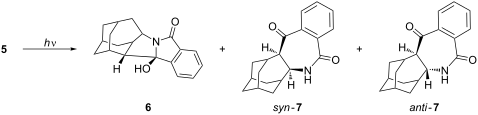
- 10.3762/bjoc.7.36 Abstract N-(4-homoadamantyl)phthalimide (5) on excitation and population of the triplet excited state underwent intramolecular H-abstractions and gave products 6 and 7. The major product, exo-alcohol 6 was a result of the regioselective δ H-abstraction and the stereoselective cyclization
- type II reaction [18][19][20]. The photochemistry of phthalimide derivatives is often similar to that of simple ketones [21][22][23][24][25][26][27][28][29][30][31][32][33]. For example, phthalimide derivatives in the electronically excited state abstract H-atoms from alcohols to give reduction
- products [34]. Furthermore, suitably substituted phthalimides deactivate from the excited state by intramolecular H-abstractions to yield cyclization products, often benzazepinone derivatives [35][36][37]. Therefore, photoinduced homolytic C–H activation by phthalimide derivatives can, in principle, be

Graphical Abstract

Scheme 1: Photoinduced domino reaction of adamantylphthalimide.

Scheme 2: Synthesis of homoadamantylphthalimide 5.

Figure 1: Molecular structure of 5, the geometry optimization was performed by use of DFT B3LYP/6-31G.

Scheme 3: Products after irradiation of 5.
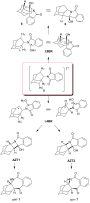
Scheme 4: Proposed mechanism for the photochemical transformation of 5.
Molecular recognition of organic ammonium ions in solution using synthetic receptors
- Andreas Späth and
- Burkhard König
Beilstein J. Org. Chem. 2010, 6, No. 32, doi:10.3762/bjoc.6.32

Graphical Abstract

Figure 1: Biologically important amines and quaternary ammonium salts: histamine (1), dopamine (2) and acetyl...

Figure 2: Crown ether 18-crown-6.

Figure 3: Conformations of 18-crown-6 (4) in solvents of different polarity.

Figure 4: Binding topologies of the ammonium ion depending on the crown ring size.
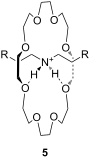
Figure 5: A “pseudorotaxane” structure consisting of 24-crown-8 and a secondary ammonium ion (5); R = Ph.

Figure 6: Typical examples of azacrown ethers, cryptands and related aza macrocycles.

Figure 7: Binding of ammonium to azacrown ethers and cryptands [111-113].

Figure 8: A 19-crown-6-ether with decalino blocking groups (11) and a thiazole-dibenzo-18-crown-6-ether (12).

Figure 9: 1,3-Bis(6-oxopyridazin-1-yl)propane derivatives 13 and 14 by Campayo et al.

Figure 10: Fluorescent azacrown-PET-sensors based on coumarin.

Figure 11: Two different pyridino-cryptands (17 and 18) compared to a pyridino-crown (19); chiral ammonium ion...

Figure 12: Pyridino-18-crown-6 ligand (21), a similar acridino-18-crown-6 ligand (22) and a structurally relat...

Figure 13: Ciral pyridine-azacrown ether receptors 24.

Figure 14: Chiral 15-crown-5 receptors 26 and an analogue 18-crown-6 ligand 27 derived from amino alcohols.

Figure 15: C2-symmetric chiral 18-crown-6 amino alcohol derivatives 28 and related macrocycles.

Figure 16: Macrocycles with diamide-diester groups (30).

Figure 17: C2-symmetric chiral aza-18-crown-6 ethers (31) with phenethylamine residues.

Figure 18: Chiral C-pivot p-methoxy-phenoxy-lariat ethers.

Figure 19: Chiral lariat crown ether 34.

Figure 20: Sucrose-based chiral crown ether receptors 36.
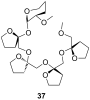
Figure 21: Permethylated fructooligosaccharide 37 showing induced-fit chiral recognition.

Figure 22: Biphenanthryl-18-crown-6 derivative 38.

Figure 23: Chiral lariat crown ethers derived from binol by Fuji et al.

Figure 24: Chiral phenolic crown ether 41 with “aryl chiral barriers” and guest amines.
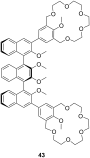
Figure 25: Chiral bis-crown receptor 43 with a meso-ternaphthalene backbone.

Figure 26: Chromogenic pH-dependent bis-crown chemosensor 44 for diamines.

Figure 27: Triamine guests for binding to receptor 44.

Figure 28: Chiral bis-crown phenolphthalein chemosensors 46.

Figure 29: Crown ether amino acid 47.

Figure 30: Luminescent receptor 48 for bis-alkylammonium guests.

Figure 31: Luminescent CEAA (49a), a bis-CEAA receptor for amino acids (49b) and the structure of lysine bindi...

Figure 32: Luminescent CEAA tripeptide for binding small peptides.

Figure 33: Bis crown ether 51a self assembles co-operatively with C60-ammonium ion 51b.

Figure 34: Triptycene-based macrotricyclic dibenzo-[24]-crown-8 ether host 52 and guests.

Figure 35: Copper imido diacetic acid azacrown receptor 53a and the suggested His-Lys binding motif; a copper ...

Figure 36: Urea (54) and thiourea (55) benzo crown receptor for transport and extraction of amino acids.

Figure 37: Crown pyryliums ion receptors 56 for amino acids.

Figure 38: Ditopic sulfonamide bridged crown ether receptor 57.

Figure 39: Luminescent peptide receptor 58.

Figure 40: Luminescent receptor 59 for the detection of D-glucosamine hydrochloride in water/ethanol and lumin...

Figure 41: Guanidinium azacrown receptor 61 for simple amino acids and ditopic receptor 62 with crown ether an...

Figure 42: Chiral bicyclic guanidinium azacrown receptor 63 and similar receptor 64 for the enantioselective t...

Figure 43: Receptors for zwitterionic species based on luminescent CEAAs.

Figure 44: 1,10-Azacrown ethers with sugar podand arms and the anticancer agent busulfan.

Figure 45: Benzo-18-crown-6 modified β-cyclodextrin 69 and β-cyclodextrin functionalized with diaza-18-crown-6...

Figure 46: Receptors for colorimetric detection of primary and secondary ammonium ions.

Figure 47: Porphyrine-crown-receptors 72.

Figure 48: Porphyrin-crown ether conjugate 73 and fullerene-ammonium ion guest 74.

Figure 49: Calix[4]arene (75a), homooxocalix[4]arene (75b) and resorcin[4]arene (75c) compared (R = H, alkyl c...

Figure 50: Calix[4]arene and ammonium ion guest (R = H, alkyl, OAcyl etc.), possible binding sites; A: co-ordi...

Figure 51: Typical guests for studies with calixarenes and related molecules.
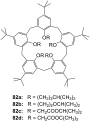
Figure 52: Lower rim modified p-tert-butylcalix[5]arenes 82.

Figure 53: The first example of a water soluble calixarene.

Figure 54: Sulfonated water soluble calix[n]arenes that bind ammonium ions.
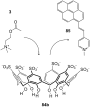
Figure 55: Displacement assay for acetylcholine (3) with a sulfonato-calix[6]arene (84b).

Figure 56: Amino acid inclusion in p-sulfonatocalix[4]arene (84a).

Figure 57: Calixarene receptor family 86 with upper and lower rim functionalization.

Figure 58: Calix[6]arenes 87 with one carboxylic acid functionality.
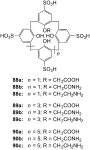
Figure 59: Sulfonated calix[n]arenes with mono-substitution at the lower rim systematically studied on their r...

Figure 60: Cyclotetrachromotropylene host (91) and its binding to lysine (81c).

Figure 61: Calixarenes 92 and 93 with phosphonic acids groups.

Figure 62: Calix[4]arene tetraphosphonic acid (94a) and a double bridged analogue (94b).
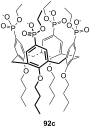
Figure 63: Calix[4]arene tetraphosphonic acid ester (92c) for surface recognition experiments.

Figure 64: Calixarene receptors 95 with α-aminophosphonate groups.

Figure 65: A bridged homocalix[3]arene 95 and a distally bridged homocalix[4]crown 96.

Figure 66: Homocalix[3]arene ammonium ion receptor 97a and the Reichardt’s dye (97b) for colorimetric assays.

Figure 67: Chromogenic diazo-bridged calix[4]arene 98.

Figure 68: Calixarene receptor 99 by Huang et al.
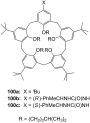
Figure 69: Calixarenes 100 reported by Parisi et al.

Figure 70: Guest molecules for inclusion in calixarenes 100: DAP × 2 HCl (101a), APA (101b) and Lys-OMe × 2 HC...

Figure 71: Different N-linked peptido-calixarenes open and with glycol chain bridges.

Figure 72: (S)-1,1′-Bi-2-naphthol calixarene derivative 104 published by Kubo et al.

Figure 73: A chiral ammonium-ion receptor 105 based on the calix[4]arene skeleton.

Figure 74: R-/S-phenylalaninol functionalized calix[6]arenes 106a and 106b.

Figure 75: Capped homocalix[3]arene ammonium ion receptor 107.

Figure 76: Two C3 symmetric capped calix[6]arenes 108 and 109.

Figure 77: Phosphorous-containing rigidified calix[6]arene 110.

Figure 78: Calix[6]azacryptand 111.

Figure 79: Further substituted calix[6]azacryptands 112.

Figure 80: Resorcin[4]arene (75c) and the cavitands (113).

Figure 81: Tetrasulfonatomethylcalix[4]resorcinarene (114).
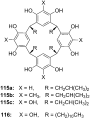
Figure 82: Resorcin[4]arenes (115a/b) and pyrogallo[4]arenes (115c, 116).
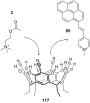
Figure 83: Displacement assay for acetylcholine (3) with tetracyanoresorcin[4]arene (117).

Figure 84: Tetramethoxy resorcinarene mono-crown-5 (118).

Figure 85: Components of a resorcinarene based displacement assay for ammonium ions.

Figure 86: Chiral basket resorcin[4]arenas 121.

Figure 87: Resorcinarenes with deeper cavitand structure (122).

Figure 88: Resorcinarene with partially open deeper cavitand structure (123).
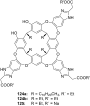
Figure 89: Water-stabilized deep cavitands with partially structure (124, 125).
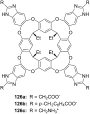
Figure 90: Charged cavitands 126 for tetralkylammonium ions.

Figure 91: Ditopic calix[4]arene receptor 127 capped with glycol chains.

Figure 92: A calix[5]arene dimer for diammonium salt recognition.

Figure 93: Calixarene parts 92c and 129 for the formation molecular capsules.
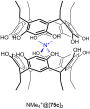
Figure 94: Encapsulation of a quaternary ammonium cation by two resorcin[4]arene molecules (NMe4+@[75c]2 × Cl−...

Figure 95: Encapsulation of a quaternary ammonium cation by six resorcin[4]arene molecules (NMe3D+@[130]6 × Cl−...

Figure 96: Structure and schematic of cucurbit[6]uril (CB[6], 131a).
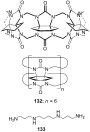
Figure 97: Cyclohexanocucurbit[6]uril (CB′[6], 132) and the guest molecule spermine (133).

Figure 98: α,α,δ,δ-Tetramethylcucurbit[6]uril (134).

Figure 99: Structure of the cucurbituril-phthalhydrazide analogue 135.

Figure 100: Organic cavities for the displacement assay for amine differentiation.

Figure 101: Displacement assay methodology for diammonium- and related guests involving cucurbiturils and some ...

Figure 102: Nor-seco-Cucurbituril (±)-bis-ns-CB[6] (140) and guest molecules.

Figure 103: The cucurbit[6]uril based complexes 141 for chiral discrimination.
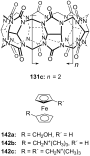
Figure 104: Cucurbit[7]uril (131c) and its ferrocene guests (142) opposed.

Figure 105: Cucurbit[7]uril (131c) guest inclusion and representative guests.

Figure 106: Cucurbit[7]uril (131c) binding to succinylcholine (145) and different bis-ammonium and bis-phosphon...

Figure 107: Paraquat-cucurbit[8]uril complex 149.
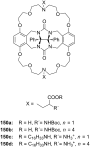
Figure 108: Gluconuril-based ammonium receptors 150.
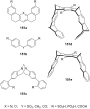
Figure 109: Examples of clefts (151a), tweezers (151b, 151c, 151d) and clips (151e).

Figure 110: Kemp’s triacid (152a), on example of Rebek’s receptors (152b) and guests.

Figure 111: Amino acid receptor (154) by Rebek et al.

Figure 112: Hexagonal lattice designed hosts by Bell et al.

Figure 113: Bell’s amidinium receptor (156) and the amidinium ion (157).
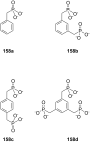
Figure 114: Aromatic phosphonic acids.

Figure 115: Xylene phosphonates 159 and 160a/b for recognition of amines and amino alcohols.
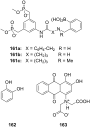
Figure 116: Bisphosphonate recognition motif 161 for a colorimetric assay with alizarin complexone (163) for ca...

Figure 117: Bisphosphonate/phosphate clip 164 and bisphosphonate cleft 165.

Figure 118: N-Methylpyrazine 166a, N-methylnicotinamide iodide (166b) and NAD+ (166c).

Figure 119: Bisphosphate cavitands.
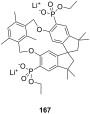
Figure 120: Bisphosphonate 167 of Schrader and Finocchiaro.
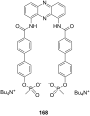
Figure 121: Tweezer 168 for noradrenaline (80b).

Figure 122: Different tripods and heparin (170).
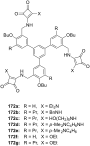
Figure 123: Squaramide based receptors 172.
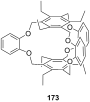
Figure 124: Cage like NH4+ receptor 173 of Kim et al.

Figure 125: Ammonium receptors 174 of Chin et al.

Figure 126: 2-Oxazolin-based ammonium receptors 175a–d and 176 by Ahn et al.

Figure 127: Racemic guest molecules 177.

Figure 128: Tripods based on a imidazole containing macrocycle (178) and the guest molecules employed in the st...

Figure 129: Ammonium ion receptor 180.

Figure 130: Tetraoxa[3.3.3.3]paracyclophanes 181 and a cyclophanic tetraester (182).

Figure 131: Peptidic bridged paraquat-cyclophane.
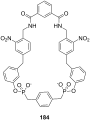
Figure 132: Shape-selective noradrenaline host.

Figure 133: Receptor 185 for binding of noradrenaline on surface layers from Schrader et al.

Figure 134: Tetraphosphonate receptor for binding of noradrenaline.

Figure 135: Tetraphosphonate 187 of Schrader and Finocchiaro.

Figure 136: Zinc-Porphyrin ammonium-ion receptors 188 and 189 of Mizutani et al.
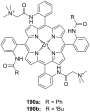
Figure 137: Zinc porphyrin receptor 190.

Figure 138: Zinc porphyrin receptors 191 capable of amino acid binding.

Figure 139: Zinc-porphyrins with amino acid side chains for stereoinduction.

Figure 140: Bis-zinc-bis-porphyrin based on Tröger’s base 193.

Figure 141: BINAP-zinc-prophyrin derivative 194 and it’s guests.

Figure 142: Bisaryl-linked-zinc-porphyrin receptors.
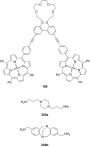
Figure 143: Bis-zinc-porphyrin 199 for diamine recognition and guests.

Figure 144: Bis-zinc-porphyrin crown ether 201.

Figure 145: Bis-zinc-porphyrin 202 for stereodiscrimination (L = large substituent; S = small substituent).

Figure 146: Bis-zinc-porphyrin[3]rotaxane and its copper complex and guests.

Figure 147: Dien-bipyridyl ligand 206 for co-ordination of two metal atoms.

Figure 148: The ligand and corresponding tetradentate co-complex 207 serving as enantioselective receptor for a...

Figure 149: Bis(oxazoline)–copper(II) complex 208 for the recognition of amino acids in aqueous solution.

Figure 150: Zinc-salen-complexes 209 for the recognition tertiary amines.

Figure 151: Bis(oxazoline)–copper(II) 211 for the recognition of amino acids in aqueous solution.

Figure 152: Zn(II)-complex of a C2 terpyridine crown ether.

Figure 153: Displacement assay and receptor for aspartate over glutamate.

Figure 154: Chiral complex 214 for a colorimetric displacement assay for amino acids.

Figure 155: Metal complex receptor 215 with tripeptide side arms.

Figure 156: A sandwich complex 216 and its displaceable dye 217.

Figure 157: Lanthanide complexes 218–220 for amino acid recognition.
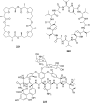
Figure 158: Nonactin (221), valinomycin (222) and vancomycin (223).

Figure 159: Monesin (224a) and a chiral analogue for enantiodiscrimination of ammonium guests (224b).

Figure 160: Chiral podands (226) compared to pentaglyme-dimethylether (225) and 18-crown-6 (4).

Figure 161: Lasalocid A (228).

Figure 162: Lasalocid derivatives (230) of Sessler et al.

Figure 163: The Coporphyrin I tetraanion (231).

Figure 164: Linear and cyclic peptides for ammonium ion recognition.

Figure 165: Cyclic and bicyclic depsipeptides for ammonium ion recognition.
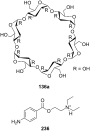
Figure 166: α-Cyclodextrin (136a) and novocaine (236).
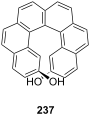
Figure 167: Helical diol receptor 237 by Reetz and Sostmann.

Figure 168: Ammonium binding spherand by Cram et al. (238a) and the cyclic[6]metaphenylacetylene 238b in compar...

Figure 169: Receptor for peptide backbone and ammonium binding (239).

Figure 170: Anion sensor principle with 3-hydroxy-2-naphthanilide of Jiang et al.

Figure 171: 7-bromo-3-hydroxy-N-(2-hydroxyphenyl)naphthalene 2-carboxamide (241) and its amine binding.

Figure 172: Naturally occurring catechins with affinity to quaternary ammonium ions.

Figure 173: Spiropyran (244) and merocyanine form (244a) of the amino acid receptors of Fuji et al.

Figure 174: Coumarin aldehyde (245) and its iminium species with amino acid bound (245a) by Glass et al.
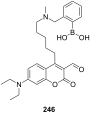
Figure 175: Coumarin aldehyde appended with boronic acid.

Figure 176: Quinolone aldehyde dimers by Glass et al.

Figure 177: Chromogenic ammonium ion receptors with trifluoroacetophenone recognition motifs.

Figure 178: Chromogenic ammonium ion receptor with trifluoroacetophenone recognition motif bound on different m...
Bis(oxazolines) based on glycopyranosides – steric, configurational and conformational influences on stereoselectivity
- Tobias Minuth and
- Mike M. K. Boysen
Beilstein J. Org. Chem. 2010, 6, No. 23, doi:10.3762/bjoc.6.23
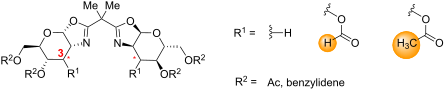
- presence of 15-crown-5 [27][28] to afford 10 in similar yields as the oxidation-reduction sequence (Scheme 2). After deprotection of the phthalimide (phthN) [29], the free amine 11 was transformed into the 4,6-O-benzylidene protected ligand by our standard protocol for the preparation of carbohydrate bis

Graphical Abstract

Scheme 1: New glucosamine-based bis(oxazoline) ligands with their pyranose conformation and application in as...

Figure 1: Planned modifications at pyranose position 3 of carbohydrate bis(oxazolines).

Scheme 2: Synthesis of allo-configured bis(oxazolines) 3-O-Ac alloBox (14) and Ac alloBox (16) from thiogluco...

Scheme 3: Preparation of ligands 3-deoxy glucoBox (21) and Ac 3-deoxy glucoBox (23) from key intermediate 7.
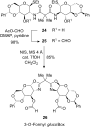
Scheme 4: Preparation of ligand 3-O-Formyl glucoBox (26) from bis(amide) 24.

Figure 2: Impact of structural ligand modifications on the stereoselectivity of cyclopropanations.
Recognition properties of receptors consisting of imidazole and indole recognition units towards carbohydrates
- Monika Mazik and
- André Hartmann
Beilstein J. Org. Chem. 2010, 6, No. 9, doi:10.3762/bjoc.6.9
- equiv of 2-amino-4,6-dimethylpyridine, CH3CN/THF, K2CO3, r. t., 3 d (20%); d) potassium phthalimide, dimethyl sulfoxide, 95 °C, 8 h, (57%); e) hydrazine hydrate, ethanol/toluene, reflux, 19.5 h, KOH (43%) [27]; f) 4 equiv of 4(5)-imidazole-carbaldehyde (18), CH3OH, 3 d; g) 4 equiv of 3-indole

Graphical Abstract

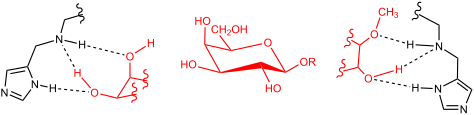
Figure 1: Examples of hydrogen bonds in the complex of a) galactose-binding protein with D-glucose [3], b) Amara...

Figure 2: Structures of receptors 1–5.

Figure 3: Structures of sugars investigated in this study.
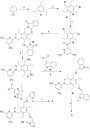
Scheme 1: Reaction conditions: a) AlCl3, CH3CH2Br, 0 °C to r. t., 12 h (85%) [47]; b) 33% HBr in CH3COOH, ZnBr2, ...

Figure 4: Structures of the recently described phenanthroline/aminopyridine-based receptors showing α- vs. β-...

Figure 5: Partial 1H NMR spectra (400 MHz; CDCl3) of receptor 4 (a), 5 (b), 1 (c), and 3 (d) before (bottom) ...

Figure 6: Partial 1H NMR spectra (400 MHz, CDCl3) of 5 after addition of (from bottom to top) 0.00–1.63 equiv...

Figure 7: Energy-minimized structure of the 1:1 a) and 2:1 complex b) formed between receptor 4 and β-galacto...

Figure 8: Examples of hydrogen bonding motifs indicated by molecular modeling studies in the 1:1 complex betw...
Acid- mediated reactions under microfluidic conditions: A new strategy for practical synthesis of biofunctional natural products
- Katsunori Tanaka and
- Koichi Fukase
Beilstein J. Org. Chem. 2009, 5, No. 40, doi:10.3762/bjoc.5.40
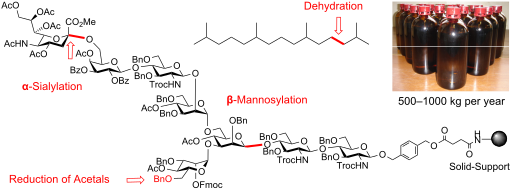
- reactive sialyl donors having C-5 cyclic imides (Table 1), especially N-phthalimide 1a, by virtue of the “fixed-dipole moment effects” (α-only, 92% on 50 mg scale) [41]. The scale-up in a batch process, however, significantly decreased the yield and selectivity. Thus, a 100 mg scale reaction of 1a gave

Graphical Abstract

Figure 1: Synthetic strategy for asparagine-linked oligosaccharide on solid support and application of microf...

Figure 2: β-Mannosylation using an integrated microfluidic/batch system. Yield and β/α-ratio are analyzed by 1...

Scheme 1: Synthesis of pristane.

Figure 3: Process synthesis of pristane via microfluidic dehydration as a key step.

Scheme 2: Microfluidic dehydration.
Mitomycins syntheses: a recent update
- Jean-Christophe Andrez
Beilstein J. Org. Chem. 2009, 5, No. 33, doi:10.3762/bjoc.5.33

- [4.1.0] ring system. It was necessary to methanolyse the lactone 69 prior to removal of the phthalimide with methyl hydrazine, which occurred with concomitant cyclization to form penultimate intermediate 70. The final ring closure was realized by treatment with camphorsulfonic acid to form lactam 71 in

Graphical Abstract

Scheme 1: Aziridine containing natural products.

Scheme 2: Mitomycin structures and nomenclature.

Scheme 3: Base catalysed epimerization of mitomycin B.

Scheme 4: Biosynthesis of mitomycin C (MMC) 7.

Scheme 5: Mode of action of mitomycin C.

Scheme 6: The N–C3–C9a disconnection.

Scheme 7: Danishefsky’s Retrosynthesis of mitomycin K.

Scheme 8: Hetero Diels–Alder reaction en route to mitomycins.

Scheme 9: Nitroso Diels–Alder cycloaddition.

Scheme 10: Frank azide cycloadddition.

Scheme 11: Final steps of mitomycin K synthesis. aPDC, DCM; bPhSCH2N3, PhH, 80 °C; cL-selectride, THF, −78 °C; ...

Scheme 12: Naruta–Maruyama retrosynthesis.

Scheme 13: Synthesis of a leucoaziridinomitosane by nitrene cycloaddition. aAlCl3-Et2O; bNaH, ClCH2OMe; cn-BuL...

Scheme 14: Thermal decomposition of azidoquinone 51.

Scheme 15: Diastereoselectivity during the cycloaddition.

Scheme 16: Oxidation with iodo-azide.

Scheme 17: Williams’ approach towards mitomycins.aDEIPSCl, Imidazole, DCM; bPd/C, HCO2NH4, MeOH; cAllocCl, NaH...

Scheme 18: Synthesis of pyrrolidones by homoconjugate addition.
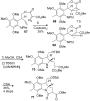
Scheme 19: Homoconjugate addition on the fully functionalized substrate.

Scheme 20: Introduction of the olefin.

Scheme 21: Retrosynthesis of N–C9a, N–C3 bond formation.

Scheme 22: Synthesis of the pyrrolo[1,2]indole 82 using N-PSP activation.aAc2O, Py; bAc2O, Hg(OAc)2, AcOH, 90%...

Scheme 23: Synthesis of an aziridinomitosane. am-CPBA, DCM then iPr2NH, CCl4 reflux; bK2CO3, MeOH; cBnBr, KH; d...

Scheme 24: Oxidation products of a leucoaziridinomitosane obtained from a Polonovski oxidation.

Scheme 25: Polonovski oxidation of an aziridinomitosane. am-CPBA; bPd/C, H2; cDimethoxypropane, PPTS.

Scheme 26: The C1–C9a disconnection.

Scheme 27: Ziegler synthesis of desmethoxymitomycin A.aIm2C=O, THF; bNH3; cTMSOTf, 2,6-di-tert-butylpyridine, ...

Scheme 28: Transformation of sodium erythorbate.aTBDMSCl; bNaN3; cPPh3; d(Boc)2O, DMAP; eTBAF; fTf2O, Pyr.

Scheme 29: Formation of C9,C10-unsaturation in the mitomycins. am-CPBA, DCM; bO3, MeOH; cMe2S; dKHMDS, (EtO)3P...

Scheme 30: Fragmentation mechanism.

Scheme 31: Michael addition-cyclisation.

Scheme 32: SmI2 8-endo-dig cyclisation.

Scheme 33: Synthesis of pyrrolo[1,2-a]indole by 5-exo-dig radical cyclization.

Scheme 34: The C9–C9a disconnection.

Scheme 35: Intramolecular nitrile oxide cycloaddition.

Scheme 36: Regioselectivity of the INOC.

Scheme 37: Fukuyama’s INOC strategy.

Scheme 38: Synthesis of a mitosane core by rearrangement of a 1-(1-pyrrolidinyl)-1,3-butadiene.

Scheme 39: Sulikowski synthesis of an aziridinomitosene. aPd(Tol3P)2Cl2, Bu3SnF, 140; bH2, Pd/C; cTFAA, Et3N; d...

Scheme 40: Enantioselective carbene insertion.

Scheme 41: Parson’s radical cyclization.

Scheme 42: Cha’s mitomycin B core synthesis.

Scheme 43: The N-aromatic disconnection.

Scheme 44: Kishi retrosynthesis.

Scheme 45: Kishi synthesis of a starting material. aallyl bromide, K2CO3, acetone, reflux; bN,N-Dimethylanilin...
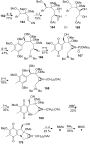
Scheme 46: Kishi synthesis of MMC 7. aLDA, THF, −78 °C then PhSeBr, THF, −78 °C; bH2O2, THF-EtOAc; cDIBAL, DCM...

Scheme 47: Acid catalyzed degradation of MMC 7.

Scheme 48: In vivo formation of apomitomycin B.

Scheme 49: Advanced intermediate for apomitomycin B synthesis.

Scheme 50: Remers synthesis of a functionalized mitosene. aTMSCl, Et3N, ZnCl2 then NBS; bAcOK; cNH2OH; dPd/C, H...

Scheme 51: Coleman synthesis of desmethoxymitomycin A. aSnCl2, PhSH, Et3N, CH3CN; bClCO2Bn, Et3N; cPPh3, DIAD,...

Scheme 52: Transition state and pyrrolidine synthesis.

Scheme 53: Air oxidation of mitosanes and aziridinomitosanes.

Scheme 54: The C9-aromatic disconnection.

Scheme 55: Synthesis of the aziridine precursor. aLHMDS, THF; bNaOH; c(s)-α-Me-BnNH2, DCC, HOBT; dDIBAL; eK2CO3...

Scheme 56: Synthesis of 206 via enamine conjugate addition.

Scheme 57: Rapoport synthesis of an aziridinomitosene.

Scheme 58: One pot synthesis of a mitomycin analog.

Scheme 59: Synthesis of compound 218 via intramolecular Heck coupling. aEtMgCl, THF, then 220; bMsCl, Et3N; cN...

Scheme 60: Elaboration of indole 223. aEt3N, Ac2O; bAcOH; cSOCl2, Et3N; dNaN3, DMF; eH2SO4, THF; fK2CO3, MeOH; ...

Scheme 61: C9-C9a functionalization from indole.

Scheme 62: Synthesis of mitomycin K. a2 equiv. MoO5.HMPA, MeOH; bPPh3, Et3N, THF-H2O; cMeOTf, Py, DCM; dMe3SiCH...

Scheme 63: Configurational stability of mitomycin K derivatives.

Scheme 64: Epimerization of carbon C9a in compound 227b.

Scheme 65: Corey–Chaykovsky synthesis of indol 235.

Scheme 66: Cory intramolecular aza-Darzens reaction for the formation of aziridinomitosene 239.

Scheme 67: Jimenez synthesis of aziridinomitosene 242.

Scheme 68: Von Braun opening of indoline 244.

Scheme 69: C9a oxidation of an aziridinomitosane with DDQ/OsO4.

Scheme 70: Synthesis of epi-mitomycin K. aNaH, Me2SO4; bH2, Pd/C; cMitscher reagent [165]; d[(trimethylsilyl)methyl...

Scheme 71: Mitomycins rearrangement.

Scheme 72: Fukuyama’s retrosynthesis.

Scheme 73: [2+3] Cycloaddition en route to isomitomycin A. aToluene, 110 °C; bDIBAL, THF, −78 °C; cAc2O, Py.; d...

Scheme 74: Final steps of Fukuyama’s synthesis.

Scheme 75: “Crisscross annulation”.

Scheme 76: Synthesis of 274; the 8-membered ring 274 was made using a crisscross annulation. a20% Pd(OH)2/C, H2...

Scheme 77: Conformational analysis of compound 273 and 275.

Scheme 78: Synthesis of a mitomycin analog. aNa2S2O4, H2O, DCM; bBnBr (10 equiv), K2CO3, 18-crown-6 (cat.), TH...

Scheme 79: Vedejs retrosynthesis.

Scheme 80: Formation of the azomethine ylide.

Scheme 81: Vedejs second synthesis of an aziridinomitosene. aDIBAL; bTPAP, NMO; c287; dTBSCl, imidazole.

Scheme 82: Trityl deprotection and new aziridine protecting group 300.

Scheme 83: Ene reaction towards benzazocinones.

Scheme 84: Benzazocenols via homo-Brook rearrangement.

Scheme 85: Pt-catalyzed [3+2] cycloaddition.

Scheme 86: Carbonylative lactamization entry to benzazocenols. aZn(OTf)2, (+)-N-methylephedrine, Et3N, TMS-ace...

Scheme 87: 8 membered ring formation by RCM. aBOC2O, NaHCO3; bTBSCl, Imidazole, DMF; callyl bromide, NaH, DMF; ...

Scheme 88: Aziridinomitosene synthesis. aTMSN3; bTFA; cPOCl3, DMF; dNaClO2, NaH2PO4, 2-methyl-2-butene; eMeI, ...

Scheme 89: Metathesis from an indole.

Scheme 90: Synthesis of early biosynthetic intermediates of mitomycins.
Synthesis and enzymatic evaluation of 2- and 4-aminothiazole- based inhibitors of neuronal nitric oxide synthase
- Graham R. Lawton,
- Haitao Ji,
- Pavel Martásek,
- Linda J. Roman and
- Richard B. Silverman
Beilstein J. Org. Chem. 2009, 5, No. 28, doi:10.3762/bjoc.5.28

- diastereomers was formed, but both were oxidized to α-bromoketone 12. Condensation with thiourea gave the 2-aminothiazole (13). Diprotection of the amine with Boc groups and deprotection of the TBS ether gave trans-alcohol 15. A Mitsunobu reaction was used to install a nitrogen atom in the form of a phthalimide
- does not need to be diprotected to allow the Mitsunobu reaction with phthalimide as the nucleophile to proceed (28a-c). This is presumably because the thiazole nitrogen is less nucleophilic. Cleavage of the phthalimide group gave amines 29a-c. The syntheses of 4a-c were completed by reductive amination
- (2.5 equiv), DMAP, THF, rt, 16 h; viii) TBAF, THF, rt 16 h; ix) PPh3, DIAD, phthalimide, THF, rt, 16 h; x) H2NNH2 (aq), MeOH, rt, 16 h, then 2N HCl, rt, 30 min. Synthesis of compound 3. i) 4-chlorobenzylchloride, EtOH, reflux, 4 h; ii) Boc2O, TEA, MeOH, 3 h; iii) 1 N NaOH, MeOH, rt, 4 h; iv) EDC, HOBt

Graphical Abstract

Figure 1: Lead compounds 1 and 2; 2- and 4-aminothiazole analogs 3 and 4a-c.

Figure 2: A: The docking conformation of 3 in the active site of rat nNOS; B: The docking conformation of 4b ...

Scheme 1: Attempts to open epoxide 5 with deprotonated aminothiazoles. i) n-BuLi, 2 equiv, THF, −78 °C; ii) 5...

Scheme 2: Assembly of 2-aminothiazole fragment. i) AllylMgBr, ether, 0 °C, 15 min.; ii) TBSCl, imidazole, DMF...

Scheme 3: Synthesis of compound 3. i) 4-chlorobenzylchloride, EtOH, reflux, 4 h; ii) Boc2O, TEA, MeOH, 3 h; i...

Scheme 4: Assembly of the 4-aminothiazole fragments. i) LiCH2CN, THF, 0 °C, 4 h; ii) (NH4)2S (aq), MeOH, 16 h...

Scheme 5: Synthesis of inhibitor 4a-c. The 4-aminothiazoles were not stable in water undergoing tautomerizati...
N-Arylation of amines, amides, imides and sulfonamides with arylboroxines catalyzed by simple copper salt/EtOH system
- Zhang-Guo Zheng,
- Jun Wen,
- Na Wang,
- Bo Wu and
- Xiao-Qi Yu
Beilstein J. Org. Chem. 2008, 4, No. 40, doi:10.3762/bjoc.4.40
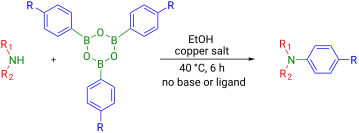
- -containing substrates with arylboroxine conducted in protic solvent only with the use of copper salts has not been explored previously. Results and Discussion Firstly, we chose phthalimide and phenylboroxine as model substrates to optimize the catalytic conditions (copper source, temperature, solvent, amount
- system. Being of lower toxicity, easier to process and environmentally benign, EtOH was chosen as reaction medium for this coupling reaction. The ratio of phthalimide to arylboroxine and the amount of Cu(OTf)2 are both important factors for this coupling reaction (Table 4, entries 1–7). We found that
- variety of substrates bearing methyl- and bromophenylboroxines using phthalimide under our generalized conditions (Table 5, entries 2–3). The results demonstrated that there was little difference between the effect of an electron-rich aryl ring and an electron-deficient aryl ring in this cross-coupling

Graphical Abstract

Scheme 1: Simple copper salt-catalyzed N-arylation reaction of amines, amides, imides and sulfonamides.

Scheme 2: N-arylation reaction of phthalimide with arylboroxine.
Combining two-directional synthesis and tandem reactions, part 11: second generation syntheses of (±)-hippodamine and (±)-epi-hippodamine
- Annabella F. Newton,
- Martin Rejzek,
- Marie-Lyne Alcaraz and
- Robert A. Stockman
Beilstein J. Org. Chem. 2008, 4, No. 4, doi:10.1186/1860-5397-4-4
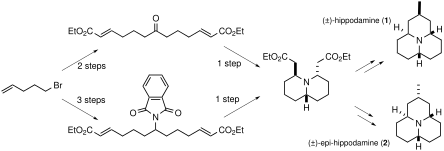
- acrylate as the cross-metathesis coupling partner. In fact, due to the non-co-ordinating nature of ethyl acrylate (in comparison to acrylonitrile) and the inert phthalimide group, this reaction proved to be an outstanding success, delivering diester 6 in 88% yield over one step after a five day reaction in
- -metathesis reaction is shown in Scheme 2. Having refined our synthesis of diester 7 by providing a shortened synthesis of its precursor, we decided to see if we could attain a synthesis of this common intermediate for the synthesis of both hippodamine and epi-hippodamine without the use of the phthalimide

Graphical Abstract

Figure 1: Structures of Coccinellid Alkaloids (N-Oxides and their names in brackets).

Scheme 1: Summary of our previous syntheses of hippodamine (1) and epi-hippodamine (2).

Scheme 2: Improved synthesis of tandem reaction precursor 6.
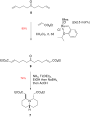
Scheme 3: Tandem reductive amination / double intramolecular Michael addition.



