Search results
Search for "probes" in Full Text gives 268 result(s) in Beilstein Journal of Organic Chemistry. Showing first 200.
Polysubstituted ferrocenes as tunable redox mediators
Beilstein J. Org. Chem. 2018, 14, 1004–1015, doi:10.3762/bjoc.14.86
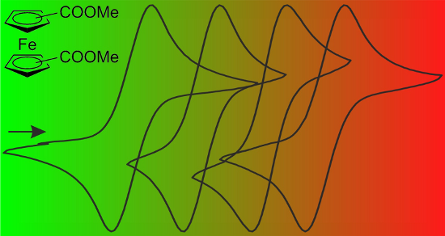
- potential application of 1–4 and their ferrocenium ions as selective redox mediators or SET reagents. Apart from the redox potentials of the redox mediators FcH and 1–4, the stability of the 18 and 17 valence electron species as well as their solubility and the availability of spectroscopic probes to
- and 1+–4+ are stable under conditions of electrolysis (CH2Cl2, [n-Bu4N][B(C6F5)4]) as demonstrated by IR and UV–vis spectroelectrochemical experiments and 1H NMR spectroscopy. The C=O stretching vibrations of the ester substituents as characteristic probes in the IR spectra are consistently shifted to


Phosphodiester models for cleavage of nucleic acids
Beilstein J. Org. Chem. 2018, 14, 803–837, doi:10.3762/bjoc.14.68
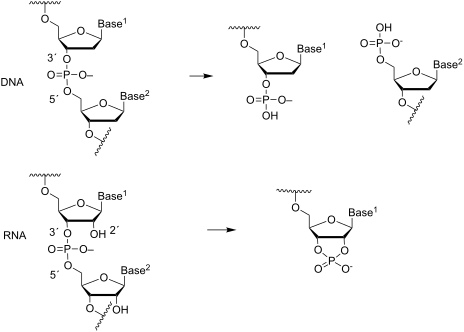
- introductory part, phosphorothiolate oligonucleotides containing a bridging 3´- or 5´-thiosubstitution, are used as mechanistic probes of enzyme catalysis. Non-bridging thiosubstitution, in turn, creates RP and SP diastereomeric phosphorothioate linkages which have extensively been used for elucidation of the



An uracil-linked hydroxyflavone probe for the recognition of ATP
Beilstein J. Org. Chem. 2018, 14, 747–755, doi:10.3762/bjoc.14.63

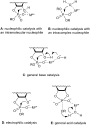
- . Conclusions: The first, uracil-containing fluorescent ATP probe based on a hydroxyflavone fluorophore was synthesized and evaluated. A selective complexation with ATP was observed and a ratiometric response in the excitation spectrum. Keywords: ATP sensing; base-pairing; fluorescent probes; 3-hydroxyflavone
- electric fields generated by ions and molecules in solution. This property along the ESIPT process (excited state intramolecular proton transfer) [35] makes them ideal for ratiometric environment-sensitive probes and sensors [36][37][38][39][40][41][42][43]. Among them the 4’-dimethylamino derivative (DMHF
- -based probes exploit the ESIPT nature of these fluorophores to generate multiple emission bands [39][41][42][43]. In this case, however, a new fluorescence band appears in the excitation spectra due to an intermolecular proton transfer from the flavone to the phosphate chain of the nucleotide. Therefore




Fluorogenic PNA probes
Beilstein J. Org. Chem. 2018, 14, 253–281, doi:10.3762/bjoc.14.17
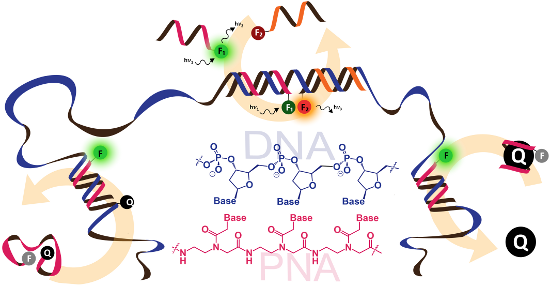
- Tirayut Vilaivan Organic Synthesis Research Unit, Department of Chemistry, Faculty of Science, Chulalongkorn University, Phayathai Road, Patumwan, Bangkok 10330, Thailand 10.3762/bjoc.14.17 Abstract Fluorogenic oligonucleotide probes that can produce a change in fluorescence signal upon binding
- . The probes usually consist of a labeled oligonucleotide strand as a recognition element together with a mechanism for signal transduction that can translate the binding event into a measurable signal. While a number of strategies have been developed for the signal transduction, relatively little
- attention has been paid to the recognition element. Peptide nucleic acids (PNA) are DNA mimics with several favorable properties making them a potential alternative to natural nucleic acids for the development of fluorogenic probes, including their very strong and specific recognition and excellent chemical




Fluorescent nucleobase analogues for base–base FRET in nucleic acids: synthesis, photophysics and applications
Beilstein J. Org. Chem. 2018, 14, 114–129, doi:10.3762/bjoc.14.7
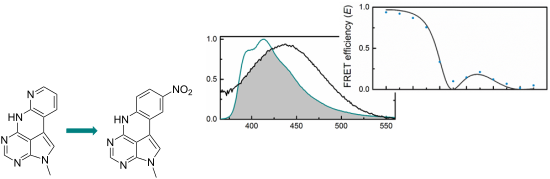
- FRET probes (Figure 5) [14][25]. In the fit we used the associated phase angle (angle between the transition dipole moments of the donor and the acceptor) and the spectral overlap (JDA) as the fitting parameters. The phase angles for the tCO–tCnitro and the qAN1–qAnitro FRET pairs were 67° and 33
- measurements [62][63]. In conclusion, the FRETmatrix (base–base FRET) and Seidel’s methodology are in a way two extremes, firmly vs randomly oriented probes, both giving high control of the κ2 value which in turn facilitates high detail structure information determination. Studying nucleic acid conformation
- external probes as developed by Seidel et al. [4] comprise a highly interesting opportunity to investigate structure and dynamics of nucleic acid containing systems. Recent progress in the field of fluorescent base analogues also starts to close the gap in brightness to external fluorophores like Cy





Polarization spectroscopy methods in the determination of interactions of small molecules with nucleic acids – tutorial
Beilstein J. Org. Chem. 2018, 14, 84–105, doi:10.3762/bjoc.14.5
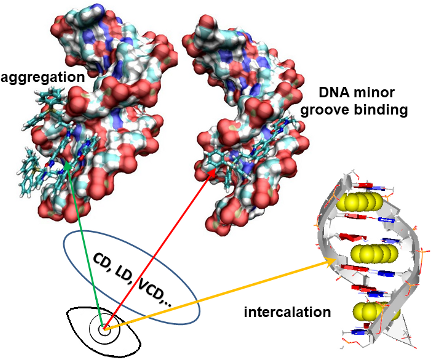
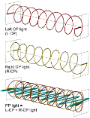
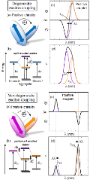
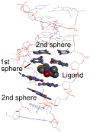
- paramount interest because many biological processes, drugs and biochemical tools/probes rely on them [7][8]. Due to the possibly multifaceted nature of the complex formed between a small-molecule ligand and a large receptor (DNA/RNA), several complementary methods are needed for the accurate
- turbulent flow and 5000 rpm is an indicative figure. A necessary prerequisite for a macromolecule such as DNA is a minimum length of at least 1000 base pairs to be successfully oriented [10]. LD probes the orientation of base transition moments relative to the DNA helical axis. Thus, standard B-DNA whose






Aminosugar-based immunomodulator lipid A: synthetic approaches
Beilstein J. Org. Chem. 2018, 14, 25–53, doi:10.3762/bjoc.14.3
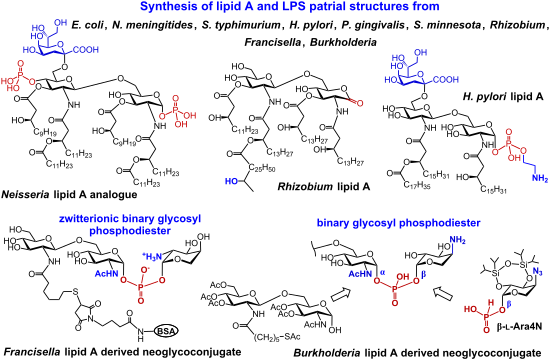
- synthetic lipid A derivative had a bias towards MyD88- or TRIF-dependent immune responses [78]. 1.3. Synthesis of fluorescent-labeled lipid A analogues For studying the structural basis and the dynamics of TLR4-lipid A interplay, the application of labeled synthetic lipid A derivatives as versatile probes






Halogen-containing thiazole orange analogues – new fluorogenic DNA stains
Beilstein J. Org. Chem. 2017, 13, 2902–2914, doi:10.3762/bjoc.13.283
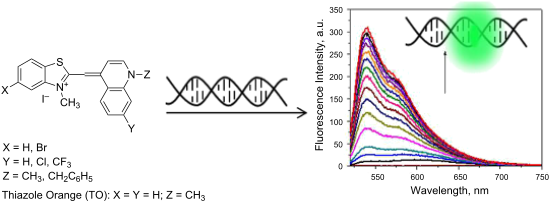
- [12][13], DNA fragment sizing [14][15], as reporter groups in hybridization probes [16][17][18][19][20][21][22][23], single DNA molecule fluorescence microscopy [24][25], gel staining [26], in real-time PCR analysis [27][28]) because of their excellent staining properties. Unsymmetrical cyanines have
- ]. Hybridization-sensitive fluorescent probes in which TO is tethered to a nucleic acid: DNA [22][23][33][34][35][36], RNA [20][36] or PNA [18][19][21][31]) strands have been constructed by several research groups (the Krull, Kubista, Seitz and Wagenknecht groups). The continued scientific and commercial interest
- in the preparation and application of cyanine dyes as bio-probes [37][38] and our research in this area [39][40][41] has led us to search for novel representatives of this interesting family of compounds. The main goal of the study described here was to investigate the influence of different halogen




The use of 4,4,4-trifluorothreonine to stabilize extended peptide structures and mimic β-strands
Beilstein J. Org. Chem. 2017, 13, 2842–2853, doi:10.3762/bjoc.13.276
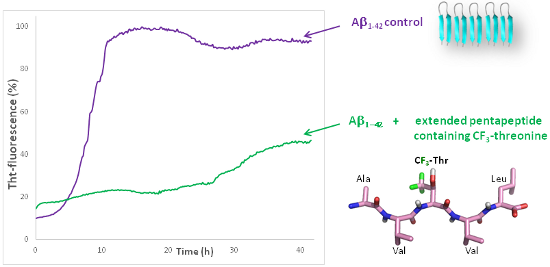
- activity [3][4]. Fluorinated amino acids can also be used as powerful 19F NMR probes for the study of protein–ligand interactions and enzymatic activities [5][6][7][8]. However, the development of fluorinated peptides as drug candidates seems to be largely under-exploited. Investigation on the influence of




Vinylphosphonium and 2-aminovinylphosphonium salts – preparation and applications in organic synthesis
Beilstein J. Org. Chem. 2017, 13, 2710–2738, doi:10.3762/bjoc.13.269

- anticancer drugs, antioxidants, or functional probes into the mitochondria [5][6][7][8]. Review 1. Synthesis of vinylphosphonium salts 1.1. Alkylation of phosphines with alkyl halides One of the most common methods for the preparation of vinylphosphonium salts 1 is the quaternization of vinylphosphines with


Development of a fluorogenic small substrate for dipeptidyl peptidase-4
Beilstein J. Org. Chem. 2017, 13, 2690–2697, doi:10.3762/bjoc.13.267
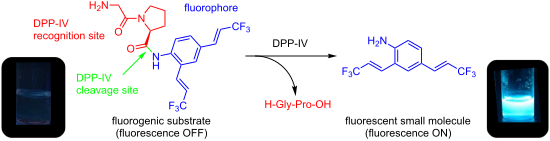
- the reaction medium. The results suggest that 1 could be used as fluorophore in OFF–ON-type fluorogenic probes. Keywords: dipeptidyl peptidase-4; fluorogenic substrate; fluorometry; small fluorescent molecule; Introduction Fluorescent organic probes have become indispensable for bio-imaging or
- molecular imaging to visualize the presence of species such as particular enzymes and biologically important inorganic ions. In biomedicine, these probes are used for the detection of a wide range of significant biomarkers and are essential for the diagnosis of critical diseases [1][2][3]. Selective and
- accurate determinations of specific enzymes, including β-galactosidase [4][5][6], exoglycosidases [7], cyclooxygenases [8], and others [9][10][11][12][13], have been achieved using the OFF–ON-type fluorogenic probes with fluorescence that can be turned on by enzymatic transformations. These fluorescent


Regioselective decarboxylative addition of malonic acid and its mono(thio)esters to 4-trifluoromethylpyrimidin-2(1H)-ones
Beilstein J. Org. Chem. 2017, 13, 2617–2625, doi:10.3762/bjoc.13.259
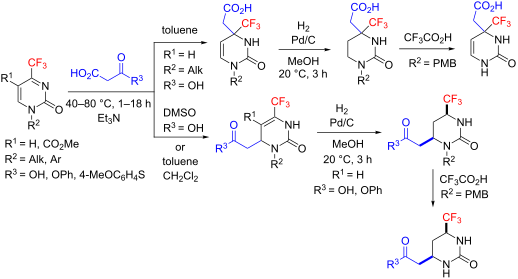
- Organofluorine compounds now play an essential role in the development of new materials for solar cells [1][2][3], radiotracers for PET imaging [4], agrochemicals [5][6], sensitive chemical probes for 19F nuclear magnetic resonance investigation of biological experiments [7][8], and are most widely used in the



Pyrene–nucleobase conjugates: synthesis, oligonucleotide binding and confocal bioimaging studies
Beilstein J. Org. Chem. 2017, 13, 2521–2534, doi:10.3762/bjoc.13.249
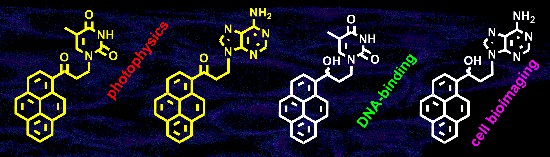
- synthesis [3]. Pyrenyl derivatives have also attracted considerable attention as fluorescent probes in nucleic acid chemistry and closely related research areas. In particular the pyrene scaffold has been utilized for the construction of abiotic oligopyrenotides with nucleic acid-like structural properties
- detecting markers [14], as fluorescent DNA probes [15], non-covalent binders to canonical oligonucleotide templates [16], and antiviral agents [17][18]. Notably, pyrene excimer formation in DNA template assemblies is much less efficient than in normal pyrene conjugates due to the helical twist between
- better to single-stranded T10 and double-stranded (dA)10-T10. Confocal microscopy Over the past years, there has been an increased interest in the development of luminescent probes for bioimaging. In that respect, both metal-containing [35] as well as organic [36] luminophores were examined. We found




Structure–property relationships and third-order nonlinearities in diketopyrrolopyrrole based D–π–A–π–D molecules
Beilstein J. Org. Chem. 2017, 13, 2374–2384, doi:10.3762/bjoc.13.235

- -emitting diodes (OLED), fluorophores, probes for ion sensing, functional polymers, and more recently also chromophores with nonlinear optical (NLO) activity. The latter property is mostly dictated by their conjugated character, electron-accepting behavior of the DPP scaffold, strong emissive character, and




Synthesis and application of trifluoroethoxy-substituted phthalocyanines and subphthalocyanines
Beilstein J. Org. Chem. 2017, 13, 2273–2296, doi:10.3762/bjoc.13.224
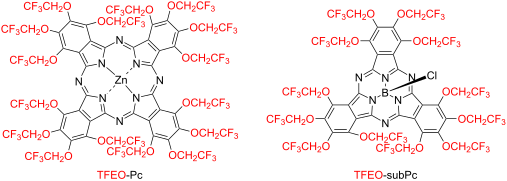
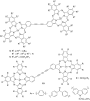
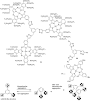
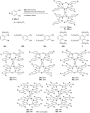
- of trifluoroethoxy-substituted phthalocyanines to biology Phthalocyanines are expected to be applied to medical fields [85][86] such as biological image probes and as agents for photodynamic therapy because of their excellent spectroscopic properties, allowing phthalocyanine to be a useful medical
- –vis spectrum, do not aggregate in solution. These dyes are expected to be developed into medical imaging probes. Phthalocyanine is expected to be used not only as a biological imaging agent but also in cancer treatment. Photodynamic therapy (PDT) is a laser cancer therapy that introduces organic dyes








The chemistry and biology of mycolactones
Beilstein J. Org. Chem. 2017, 13, 1596–1660, doi:10.3762/bjoc.13.159
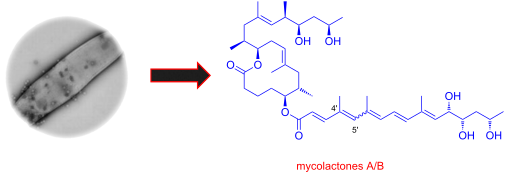
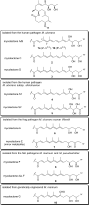
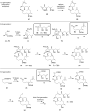
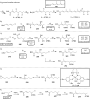
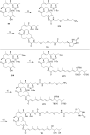
- ) [120] rescued L929 fibroblasts from mycolactone-promoted apoptosis while silencing FoxO3 by RNA interference was only partially protective. The latter finding might be explained by the compensating effects of other FoxO proteins. Two synthetic mycolactone-derived probes bearing a biotin tag as a









Biomimetic molecular design tools that learn, evolve, and adapt
Beilstein J. Org. Chem. 2017, 13, 1288–1302, doi:10.3762/bjoc.13.125
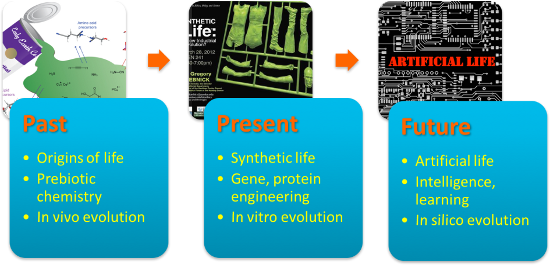
- biological probes synthesized by automated synthesis by iterative coupling of different building blocks (colors). TBDPSE, tert-butyldiphenylsilylethyl; TMSE, trimethylsilylethyl. Adapted with permission from [37]; copyright 2015 American Association for the Advancement of Science. An example of a composition




Correlation of surface pressure and hue of planarizable push–pull chromophores at the air/water interface
Beilstein J. Org. Chem. 2017, 13, 1099–1105, doi:10.3762/bjoc.13.109
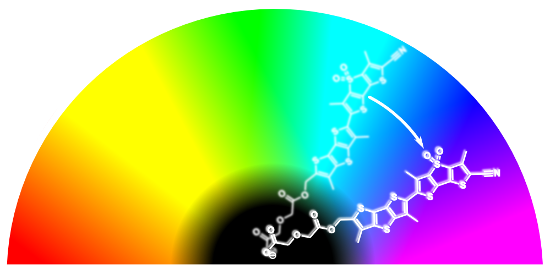
- fluorescent probes are an elegant solution to this problem but it requires first the establishment of a direct correlation between the membrane surface pressure and the induced color change of the probe. Here, we analyze planarizable dithienothiophene push–pull probes in a monolayer at the air/water interface
- using fluorescence microscopy, grazing-incidence angle X-ray diffraction, and infrared reflection–absorption spectroscopy. An increase of the lateral membrane pressure leads to a well-packed layer of the ‘flipper’ mechanophores and a clear change in hue above 18 mN/m. The fluorescent probes had no
- influence on the measured isotherm of the natural phospholipid DPPC suggesting that the flippers probe the lateral membrane pressure without physically changing it. This makes the flipper probes a truly useful addition to the membrane probe toolbox. Keywords: fluorescent probes; membrane biophysics


Total syntheses of the archazolids: an emerging class of novel anticancer drugs
Beilstein J. Org. Chem. 2017, 13, 1085–1098, doi:10.3762/bjoc.13.108
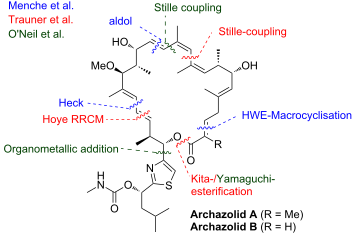
- ][9]. In many cases, total synthesis is of critical importance to enhance the supply of these often scarce metabolites and even complex polyketides have been prepared on an industrial scale [10][11]. These natural products are also valuable molecular probes for the discovery and evaluation of novel


Fluorescent carbon dots from mono- and polysaccharides: synthesis, properties and applications
Beilstein J. Org. Chem. 2017, 13, 675–693, doi:10.3762/bjoc.13.67
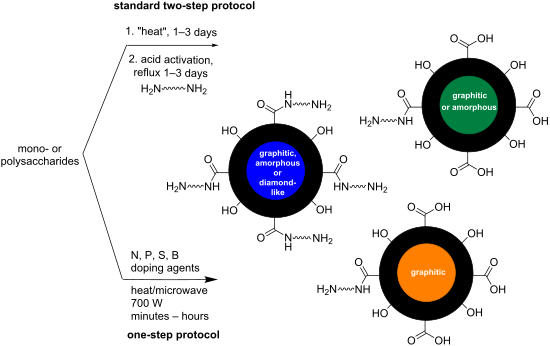
- probing biological interactions and in biomedical applications [2][3][4][5][6]. Among these novel type of probes, luminescent semiconductors, quantum dots (QDs), which possess a narrow emission spectra and common excitation, superior photostability and electron density when compared to organic
- -octadecene) that could subsequently be functionalised with hydrophilic PEG-diamine, providing an amine functionality for conjugation with glucosamine, histidine, arginine and folate. The yellow/red emissive loaded-CDs were shown to be viable bioimaging probes in live cells, since their emission did not
- where found to localise in the cytoplasm and particularly around the nucleus. Due to the large amounts of internalisation a receptor-mediated endocytosis was proposed. The particles were used as fluorescent probes to target CD44 high expression in tumour cells, opening the door for these types of


Novel β-cyclodextrin–eosin conjugates
Beilstein J. Org. Chem. 2017, 13, 543–551, doi:10.3762/bjoc.13.52
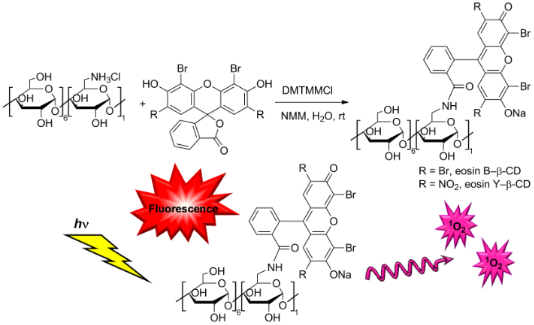
- -yl)-4-methylmorpholinium chloride (DMTMMCl), a coupling reagent frequently used in peptide synthesis. Malanga et al. recently reported on the preparation of xanthene-dye-appended CDs with the most commonly used fluorescent probes rhodamine and fluorescein (Flu, 1). The conjugation of the 6-monoamino



Investigation of the action of poly(ADP-ribose)-synthesising enzymes on NAD+ analogues
Beilstein J. Org. Chem. 2017, 13, 495–501, doi:10.3762/bjoc.13.49
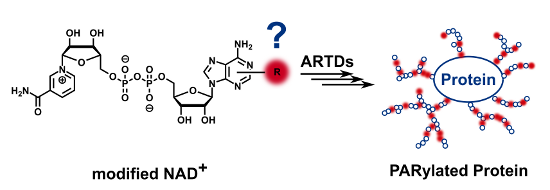
- -synthesising enzymes ARTD1, ARTD2, ARTD5 and ARTD6. By varying the site and size of the NAD+ modification, suitable probes were identified for each enzyme. This report provides guidelines for choosing analogues for studying poly(ADP-ribose)-synthesising enzymes. Keywords: ARTD; click chemistry; NAD+; poly(ADP


NMR reaction monitoring in flow synthesis
Beilstein J. Org. Chem. 2017, 13, 285–300, doi:10.3762/bjoc.13.31
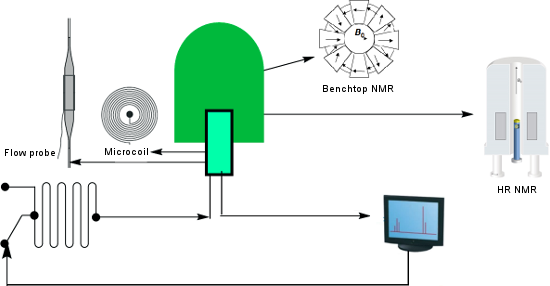
- 10.3762/bjoc.13.31 Abstract Recent advances in the use of flow chemistry with in-line and on-line analysis by NMR are presented. The use of macro- and microreactors, coupled with standard and custom made NMR probes involving microcoils, incorporated into high resolution and benchtop NMR instruments is
- optimization is discussed. Keywords: expert systems; flow chemistry; microcoil; NMR probes; Introduction New enabling technologies have facilitated the transition from traditional chemistry to a more automated approach that will be the chemistry of the 21st century [1][2]. The objective is that the reaction
- systems for the rapid analysis and optimization of reaction parameters and conditions. The use of this technique in mechanistic studies is also discussed. Review Commercial flow probes NMR spectroscopy is based on the absorption of radiofrequency radiation to produce absorption on the nuclear spin level


The reductive decyanation reaction: an overview and recent developments
Beilstein J. Org. Chem. 2017, 13, 267–284, doi:10.3762/bjoc.13.30
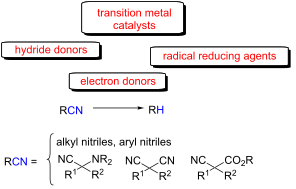
- reduction of radical probes (no rearranged products formed from 25d,l,m) and deuterium-labelling experiments (no deuterium incorporation using THF-d8 and quenching with D2O) discard the possibility of a single-electron transfer pathway. Other reductions suggest a hydride addition with formation of an iminyl


Versatile synthesis of the signaling peptide glorin
Beilstein J. Org. Chem. 2017, 13, 247–250, doi:10.3762/bjoc.13.27
- as well as in the design of chemical probes to dissect glorin-mediated signaling pathways. Keywords: Dictyostelium; glorin; multicellularity; Polysphondylium; signaling molecules; social amoebae; Introduction The emergence of multicellularity from unicellular ancestors is considered a major
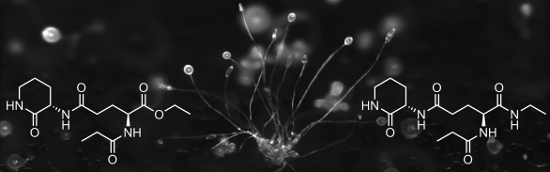
- is known about glorin’s biosynthesis, signaling pathways, or degradation. To facilitate further studies, our chemical route allows for a facile synthesis of glorin derivatives and glorin-based chemical probes. Here, we report the synthesis of glorin (1), as well as the novel synthetic analog
- allow for facile access to glorin derivatives required for structure–activity relationship studies. Eventually, these studies can lead to the construction of various chemical probes to identify the unknown glorin receptor. Syntheses of glorin and glorinamide (Scheme 1) started from commercially