


Search results
Search for "quinoline" in Full Text gives 196 result(s) in Beilstein Journal of Organic Chemistry.
Oxidative dehydrogenation of C–C and C–N bonds: A convenient approach to access diverse (dihydro)heteroaromatic compounds
- Santanu Hati,
- Ulrike Holzgrabe and
- Subhabrata Sen
Beilstein J. Org. Chem. 2017, 13, 1670–1692, doi:10.3762/bjoc.13.162
- ]. Recently Xiao et al. [94] has reported an acceptor-free oxidative dehydrogenation with a versatile iridium catalyst (Scheme 35). A variety of tetrahydroquinolines 93 were converted to the aromatic quinoline 94 using the iridium catalyst in 2,2,2-trifluoroethanol (TFE) at higher temperature. As an extension
- et al. utilized a modular catalytic system comprised of C-quinones for the oxidative dehydrogenation of tetrahydroquinolines 104 to an (2,1-c)quinoline 105. This was further transformed to 106, an antiprotozoal agent, and 107, a topoisomerase inhibitor, presently in the phase II clinical trial

Graphical Abstract

Figure 1: Representative bioactive heterocycles.

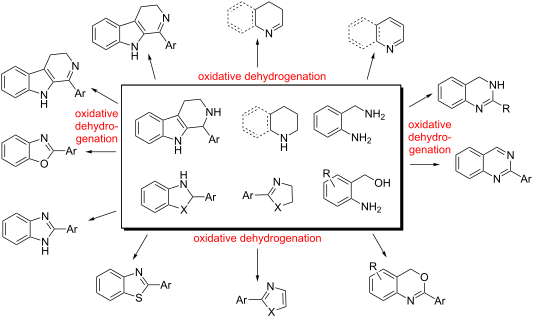
Scheme 1: The concept of oxidative dehydrogenation.
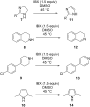
Scheme 2: IBX-mediated oxidative dehydrogenation of various heterocycles [31-34].

Scheme 3: Potential mechanism of IBX-mediated oxidative dehydrogenation of N-heterocycles [31-34].

Scheme 4: IBX-mediated room temperature one-pot condensation–oxidative dehydrogenation of o-aminobenzylamines....
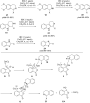
Scheme 5: Anhydrous cerium chloride-catalyzed, IBX-mediated oxidative dehydrogenation of various heterocycles...

Scheme 6: Oxidative dehydrogenation of quinazolinones with I2 and DDQ [37-40].

Scheme 7: DDQ-mediated oxidative dehydrogenation of thiazolidines and oxazolidines.

Scheme 8: Oxone-mediated oxidative dehydrogenation of intermediates from o-phenylenediamine and o-aminobenzyl...

Scheme 9: Transition metal-free oxidative cross-dehydrogenative coupling.

Scheme 10: NaOCl-mediated oxidative dehydrogenation.

Scheme 11: NBS-mediated oxidative dehydrogenation of tetrahydro-β-carbolines.

Scheme 12: One-pot synthesis of various methyl(hetero)arenes from o-aminobenzamide in presence of di-tert-buty...

Scheme 13: Oxidative dehydrogenation of 1, 4-DHPs.

Scheme 14: Synthesis of quinazolines in the presence of MnO2.

Scheme 15: Selenium dioxide and potassium dichromate-mediated oxidative dehydrogenation of tetrahydro-β-carbol...

Scheme 16: Synthesis of substituted benzazoles in the presence of barium permanganate.
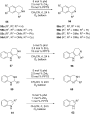
Scheme 17: Oxidative dehydrogenation with phenanthroline-based catalysts. PPTS = pyridinium p-toluenesulfonic ...

Scheme 18: Oxidative dehydrogenation with Flavin mimics.

Scheme 19: o-Quinone based bioinspired catalysts for the synthesis of dihydroisoquinolines.

Scheme 20: Cobalt-catalyzed aerobic dehydrogenation of Hantzch 1,4-DHPs and pyrazolines.

Scheme 21: Mechanism of cobalt-catalyzed aerobic dehydrogenation of Hantzch 1,4-DHPs.

Scheme 22: DABCO and TEMPO-catalyzed aerobic oxidative dehydrogenation of quinazolines and 4H-3,1-benzoxazines....

Scheme 23: Putative mechanism for Cu(I)–DABCO–TEMPO catalyzed aerobic oxidative dehydrogenation of tetrahydroq...

Scheme 24: Potassium triphosphate modified Pd/C catalysts for the oxidative dehydrogenation of tetrahydroisoqu...

Scheme 25: Ruthenium-catalyzed polycyclic heteroarenes.

Scheme 26: Plausible mechanism of the ruthenium-catalyzed dehydrogenation.

Scheme 27: Bi-metallic platinum/iridium alloyed nanoclusters and 5,5’,6,6’-tetrahydroxy-3,3,3’,3’-tetramethyl-...

Scheme 28: Magnesium iodide-catalyzed synthesis of quinazolines.

Scheme 29: Ferrous chloride-catalyzed aerobic dehydrogenation of 1,2,3,4-tetrahydroquinolines.

Scheme 30: Cu(I)-catalyzed oxidative aromatization of indoles.

Scheme 31: Putative mechanism of the transformation.

Scheme 32: Oxidative dehydrogenation of pyrimidinones and pyrimidines.
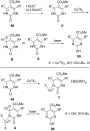
Scheme 33: Putative mechanisms (radical and metal-catalyzed) of the transformation.

Scheme 34: Ferric chloride-catalyzed, TBHP-oxidized synthesis of substituted quinazolinones and arylquinazolin...

Scheme 35: Iridium-catalyzed oxidative dehydrogenation of quinolines.

Scheme 36: Microwave-assisted synthesis of β-carboline with a catalytic amount of Pd/C in lithium carbonate at...

Scheme 37: 4-Methoxy-TEMPO-catalyzed aerobic oxidative synthesis of 2-substituted benzazoles.

Scheme 38: Plausible mechanism of the 4-methoxy-TEMPO-catalyzed transformation.

Scheme 39: One-pot synthesis of 2-arylquinazolines, catalyzed by 4-hydroxy-TEMPO.

Scheme 40: Oxidative dehydrogenation – a key step in the synthesis of AZD8926.

Scheme 41: Catalytic oxidative dehydrogenation of tetrahydroquinolines to afford bioactive molecules.

Scheme 42: Iodobenzene diacetate-mediated synthesis of β-carboline natural products.
The chemistry and biology of mycolactones
- Matthias Gehringer and
- Karl-Heinz Altmann
Beilstein J. Org. Chem. 2017, 13, 1596–1660, doi:10.3762/bjoc.13.159
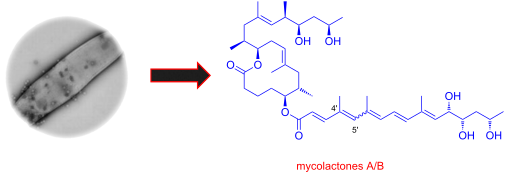

Graphical Abstract

Figure 1: Initial proposal for the core macrolactone structure (left) and the established complete structure ...
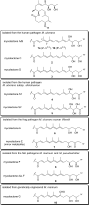
Figure 2: Mycolactone congeners and their origins.

Figure 3: Misassigned mycolactone E structure according to Small et al. [50] (11) and the correct structure (6) f...

Figure 4: Schematic illustration of Kishi’s improved mycolactone TLC detection method exploiting derivatizati...

Figure 5: Fluorescent probes derived from natural mycolactone A/B (1a,b) or its synthetic 8-desmethyl analogs...

Figure 6: Tool compounds used by Pluschke and co-workers for elucidating the molecular targets of mycolactone...

Figure 7: Synthetic strategies towards the extended mycolactone core. A) General strategies. B) Kishi’s appro...

Scheme 1: Kishi’s 1st generation approach towards the extended core structure of mycolactones. Reagents and c...

Scheme 2: Kishi’s 2nd generation approach towards the extended core structure of mycolactones. Reagents and c...

Scheme 3: Kishi’s 3rd generation approach towards the extended core structure of mycolactones. Reagents and c...

Scheme 4: Negishi’s synthesis of the extended core structure of mycolactones. Reagents and conditions: a) (i) ...

Scheme 5: Burkart’s (incomplete) 1st generation approach towards the extended core structure of mycolactones....
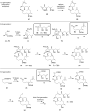
Scheme 6: Burkart’s (incomplete) 1st, 2nd and 3rd generation approach towards the extended mycolactone core s...

Scheme 7: Altmann’s synthesis of alkyl iodide 91. Reagents and conditions: a) (i) PMB-trichloroacetimidate, T...

Scheme 8: Final steps of Altmann’s synthesis of the extended core structure of mycolactones. Reagents and con...

Scheme 9: Basic principles of the Aggarwal lithiation–borylation homologation process [185,186].

Scheme 10: Aggarwal’s synthesis of the C1–C11 fragment of the mycolactone core. Reagents and conditions: a) Cl...

Scheme 11: Aggarwal’s synthesis of the linear C1–C20 fragment of the mycolactone core. Reagents and conditions...

Figure 8: Synthetic strategies towards the mycolactone A/B lower side chain.

Scheme 12: Gurjar and Cherian’s synthesis of the C1’–C8’ fragment of the mycolactone A/B pentaenoate side chai...

Scheme 13: Gurjar and Cherian’s synthesis of the benzyl-protected mycolactone A/B pentaenoate side chain. Reag...

Scheme 14: Kishi’s synthesis of model compounds for elucidating the stereochemistry of the C7’–C16’ fragment o...

Scheme 15: Kishi’s synthesis of the mycolactone A/B pentaenoate side chain. (a) (i) NaH, (EtO)2P(O)CH2CO2Et, T...

Scheme 16: Feringa and Minnaard's incomplete synthesis of mycolactone A/B pentaenoate side chain. Reagents and...

Scheme 17: Altmann’s approach towards the mycolactone A/B pentaenoate side chain. Reagents and conditions: a) ...

Scheme 18: Negishi’s access to the C1’–C7’ fragment of mycolactone A. Reagents and conditions: a) (i) n-BuLi, ...

Scheme 19: Negishi’s approach to the C1’–C7’ fragment of mycolactone B. Reagents and conditions: a) (i) DIBAL-...

Scheme 20: Negishi’s synthesis of the C8’–C16’ fragment of mycolactone A/B. Reagents and conditions: a) 142, BF...

Scheme 21: Negishi’s assembly of the mycolactone A and B pentaenoate side chains. Reagents and conditions: a) ...

Scheme 22: Blanchard’s approach to the mycolactone A/B pentaenoate side chain. a) (i) Ph3P=C(Me)COOEt, CH2Cl2,...

Scheme 23: Kishi’s approach to the mycolactone C pentaenoate side chain exemplified for the 13’R,15’S-isomer 1...

Scheme 24: Altmann’s (unpublished) synthesis of the mycolactone C pentaenoate side chain. Reagents and conditi...

Scheme 25: Blanchard’s synthesis of the mycolactone C pentaenoate side chain. Reagents and conditions: a) (i) ...

Scheme 26: Kishi’s synthesis of the tetraenoate side chain of mycolactone F exemplified by enantiomer 165. Rea...

Scheme 27: Kishi’s synthesis of the mycolactone E tetraenoate side chain. Reagents and conditions: a) (i) CH2=...

Scheme 28: Wang and Dai’s synthesis of the mycolactone E tetraenoate side chain. Reagents and conditions: a) (...

Scheme 29: Kishi’s synthesis of the dithiane-protected tetraenoate side chain of the minor oxo-metabolite of m...

Scheme 30: Kishi’s synthesis of the mycolactone S1 and S2 pentaenoate side chains. Reagents and conditions: a)...

Scheme 31: Kishi’s 1st generation and Altmann’s total synthesis of mycolactone A/B (1a,b) and Negishi’s select...

Scheme 32: Kishi’s 2nd generation total synthesis of mycolactone A/B (1a,b). Reagents and conditions: a) 2,4,6...

Scheme 33: Blanchard’s synthesis of the 8-desmethylmycolactone core. Reagents and conditions: a) (i) TsCl, TEA...

Scheme 34: Altmann’s (partially unpublished) synthesis of the C20-hydroxylated mycolactone core. Reagents and ...

Scheme 35: Altmann’s and Blanchard’s approaches towards the 11-isopropyl-8-desmethylmycolactone core. Reagents...

Scheme 36: Blanchard’s synthesis of the saturated variant of the C11-isopropyl-8-desmethylmycolactone core. Re...

Scheme 37: Structure elucidation of photo-mycolactones generated from tetraenoate 224.

Scheme 38: Kishi’s synthesis of the linear precursor of the photo-mycolactone B1 lower side chain. Reagents an...

Scheme 39: Kishi’s synthesis of the photo-mycolactone B1 lower side chain. Reagents and conditions: a) LiTMP, ...

Scheme 40: Kishi’s synthesis of a stabilized lower mycolactone side chain. Reagents and conditions: a) (i) TBD...
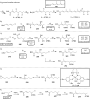
Scheme 41: Blanchard’s variation of the C12’,C13’,C15’ stereocluster. Reagents and conditions: a) (i) DIBAL-H,...

Scheme 42: Blanchard’s synthesis of aromatic mycolactone polyenoate side chain analogs. Reagents and condition...

Scheme 43: Small’s partial synthesis of a BODIPY-labeled mycolactone derivative and Demangel’s partial synthes...

Scheme 44: Blanchard’s synthesis of the BODIPY-labeled 8-desmethylmycolactones. Reagents and conditions: a) (i...
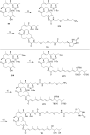
Scheme 45: Altmann’s synthesis of biotinylated mycolactones. Reagents and conditions: a) (i) CDI, THF, rt, 2 d...

Figure 9: Kishi’s elongated n-butyl carbamoyl mycolactone A/B analog.
Continuous-flow processes for the catalytic partial hydrogenation reaction of alkynes
- Carmen Moreno-Marrodan,
- Francesca Liguori and
- Pierluigi Barbaro
Beilstein J. Org. Chem. 2017, 13, 734–754, doi:10.3762/bjoc.13.73
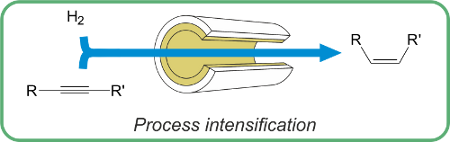
- uptake and use of an excess of amine (quinoline) modifier [12][13], with serious drawbacks in terms of process economy, environmental impact and product separation management. The development of cost-effective, well-defined, efficient and environmentally friendly catalytic systems for the partial
- other personal care products [164]. The highest selectivity so far reported in batch conditions was observed using dendron-stabilized PdNP catalysts with quinoline additives (97% ene, 98% Z) [165]. The only example described under continuous flow used the Pd@monobor catalysts to achieve a 96% conversion

Graphical Abstract

Scheme 1: Common reaction pathways for alkyne hydrogenation reactions.

Figure 1: Schematic representation of most common reactor types for batch and continuous-flow partial hydroge...
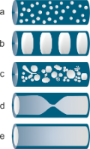
Figure 2: Schematic representation of flow regimes in microchannels; (a) bubbly flow, (b) slug/Taylor or segm...

Figure 3: Sketch of typical continuous flow apparatus for liquid-phase catalytic alkynes hydrogenation reacti...
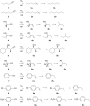
Scheme 2: Hydrogenation reactions of terminal alkynes with potential products and labelling scheme.

Figure 4: Structure of Pd@mpg-C3N4 (a), Pd(HHDMA)@C (b), Pd(Pb)@CaCO3 (c) and Pd@Al2O3 (d) catalysts. The str...

Figure 5: Sketch of composition (left) and optical image of Pd@MonoBor monolithic reactor (right). Adapted wi...

Figure 6: X-ray tomography 3D-reconstruction image of MonoBor [133]. Unpublished image from the authors.
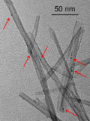
Figure 7: Representative TEM image of titanate nanotubes with immobilized PdNP (arrows). Adapted with permiss...

Figure 8: Conversion and selectivity vs. time-on-stream for the continuous-flow hydrogenation of 6 over Pd@Mo...
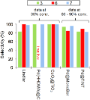
Figure 9: Continuous-flow hydrogenation of 3, 6 and 7 over different catalytic reactor systems. Data from ref...

Scheme 3: Hydrogenation reactions of internal alkynes with potential products and labelling scheme.

Figure 10: Continuous-flow hydrogenation of 11 over Pd@MonoBor catalyst. a) Conversion and selectivity as a fu...

Figure 11: Conversion and selectivity vs time-on-stream for the continuous-flow hydrogenation of 11 over Pd@Mo...

Figure 12: Continuous-flow hydrogenation reaction of 11 over packed-bed catalysts. Adapted with permission fro...

Figure 13: Images of the bimodal TiO2 monolith with well-defined macroporosity: (a, b) optical; (c) X-ray tomo...
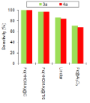
Figure 14: Selectivity of the continuous-flow partial hydrogenation reaction of 3 and 4 over packed-bed Pd cat...
N-Propargylamines: versatile building blocks in the construction of thiazole cores
- S. Arshadi,
- E. Vessally,
- L. Edjlali,
- R. Hosseinzadeh-Khanmiri and
- E. Ghorbani-Kalhor
Beilstein J. Org. Chem. 2017, 13, 625–638, doi:10.3762/bjoc.13.61
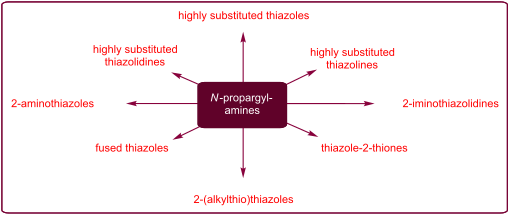
- patterns. It is well known that they can undergo a number of cyclization reactions to produce various N-heterocycles and complex natural products. In this context we recently reviewed their role in the syntheses of pyrrole [65], pyridine [66], quinoline [67], pyrazine [68], 1,4-oxazepane, and 1,4-diazepane

Graphical Abstract

Figure 1: Selected examples of bioactive thiazole derivatives.

Figure 2: Some natural sources of thiazoles.

Figure 3: Some important thiazole-based compounds derived from N-propargylamines.

Scheme 1: The synthesis of thiazole-2-thiones 3 through the thermal cyclocondensation of N-propargylamines 1 ...

Scheme 2: (a) One-pot synthesis of 2-benzylthiazolo[3,2-a]benzimidazoles 6 through a base-catalyzed cascade r...
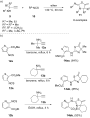
Scheme 3: (a) Synthesis of 2-iminothiazolidines 11 from N-propargylamines 9 and isothiocyanates 10. (b) Synth...

Scheme 4: (a) Synthesis of 2-aminothiazoles 17 through the reaction of ethyl 4-aminobut-2-ynoate salts 15 wit...

Scheme 5: Synthesis of 5-(iodomethylene)-3-methylthiazolidines 27 described by Zhou.

Scheme 6: Mechanism that accounts for the formation of 27.

Scheme 7: Clausen’s synthesis of fluorescein thiazolidines 30.

Scheme 8: Synthesis of multiply substituted thiazolidines 33 from N-propargylamines 32 and blocked N-isothioc...

Scheme 9: (a) Microwave-assisted cyclization of N-propargyl thiocarbamate 34. (b) Synthesis of thiazoles 39 t...

Scheme 10: Synthesis of thiazolidines 42 (42’) from the reaction of β-oxodithioesters 40 (40’) with N-propargy...

Scheme 11: Synthesis of 5-(dibromomethyl)thiazoles 44 via halocyclization of N-propargylamines 43 described by...

Scheme 12: Synthesis of dihydrothiazoles 46 through the treatment of N-propargylamides 45 with Lawesson’s reag...

Scheme 13: Synthesis of thiazoles 49 by treatment of silyl-protected N-propargylamines 47 with benzotriazolylt...

Scheme 14: Mechanism proposed to explain the synthesis of 2,5-disubstituted thiazoles 49 developed by Sasmal.

Scheme 15: Mo-catalyzed cyclization of N-propargylthiocarbamate 50.

Scheme 16: (a) DABCO-mediated intramolecular cyclization of N-(propargylcarbamothioyl)amides 53 to the corresp...

Scheme 17: Proposed mechanism for the generation of the iodine-substituted 4H-1,3-thiazines 56 and 4,5-dihydro...
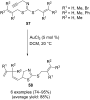
Scheme 18: Au(III)-catalyzed synthesis of 5-alkylidenedihydrothiazoles 58 developed by Stevens.
Transition-metal-catalyzed synthesis of phenols and aryl thiols
- Yajun Liu,
- Shasha Liu and
- Yan Xiao
Beilstein J. Org. Chem. 2017, 13, 589–611, doi:10.3762/bjoc.13.58

- -mediated hydroxylation of (2-pyridyl)arenes. Removable pyridine moiety directed hydroxylation of arenes. Removable quinoline moiety directed hydroxylation of arenes. CuCl2 catalyzed hydroxylation of benzimidazoles and benzoxazoles. Disulfide-directed C–H hydroxylation. Pd(OAc)2-catalyzed hydroxylation of

Graphical Abstract

Figure 1: Examples of drugs bearing phenol or aryl thiol as central structural motifs.

Scheme 1: Hydroxylation of aryl halides using biphenylphosphine as ligand.

Scheme 2: Hydroxylation of aryl halides using tert-butylphosphine as ligand.

Scheme 3: Hydroxylation of aryl halides using imidazole typed phosphine ligands.

Scheme 4: [Pd(cod)(CH2SiMe3)2] catalyzed hydroxylation of aryl halides.

Scheme 5: Pd/PANI catalyzed hydroxylation of hydroxylation of aryl halides.

Scheme 6: MCM-41-dzt-Pd catalyzed hydroxylation of aryl halides.

Scheme 7: Hydroxylation of aryl halides using dibenzoylmethane as ligand.

Scheme 8: Hydroxylation of aryl halides using 2,2’-bipyridine as ligand.

Scheme 9: Hydroxylation of aryl bromides using imidazolyl pyridine as ligand.

Scheme 10: Hydroxylation of aryl halides using DMEDA as ligand.

Scheme 11: Hydroxylation of aryl halides using PAO as ligand.

Scheme 12: Hydroxylation of aryl halides using D-glucose as ligand.

Scheme 13: Hydroxylation of aryl halides using INDION-770 as ligand.

Scheme 14: PEG-400 mediated hydroxylation of aryl halides.

Scheme 15: Hydroxylation of aryl halides using glycolic acid as ligand.

Scheme 16: Hydroxylation of aryl halides using L-sodium ascorbate as ligand.

Scheme 17: Difunctionalized ethanes mediated hydroxylation of aryl iodides.

Scheme 18: Hydroxylation of aryl halides using 2-methyl-8-hydroxylquinoline as ligand.

Scheme 19: Hydroxylation of aryl halides using 8-hydroxyquinolin-N-oxide as ligand.

Scheme 20: Hydroxylation of aryl halides using lithium pipecolinate as ligand.

Scheme 21: Hydroxylation of aryl halides using L-lithium prolinate.

Scheme 22: Hydroxylation of aryl halides using triethanolamine as ligand.

Scheme 23: CuI-nanoparticle-catalyzed hydroxylation of aryl halides.

Scheme 24: Cu-g-C3N4-catalyzed hydroxylation of aryl bromides.

Scheme 25: Cu(OAc)2-mediated hydroxylation of (2-pyridyl)arenes.

Scheme 26: Removable pyridine moiety directed hydroxylation of arenes.

Scheme 27: Removable quinoline moiety directed hydroxylation of arenes.

Scheme 28: CuCl2 catalyzed hydroxylation of benzimidazoles and benzoxazoles.

Scheme 29: Disulfide-directed C–H hydroxylation.

Scheme 30: Pd(OAc)2-catalyzed hydroxylation of diarylpyridines.

Scheme 31: PdCl2-catalyzed hydroxylation of 2-arylpyridines.

Scheme 32: PdCl2-catalyzed hydroxylation of 2-arylpyridines.

Scheme 33: Pd(OAc)2-catalyzed hydroxylation of 2-arylpyridines.

Scheme 34: Pd(CH3CN)2Cl2-catalyzed hydroxylation of 2-arylpyridines.

Scheme 35: Pd(OAc)2-catalyzed hydroxylation of benzothiazolylarenes.

Scheme 36: Pd(OAc)2 catalyzed hydroxylation of benzimidazolylarenes.

Scheme 37: Dioxane mediated hydroxylation of 2-heteroarylarenes.

Scheme 38: Hydroxylation of oxime methyl ester.

Scheme 39: CN-directed meta-hydroxylation.

Scheme 40: Pd(OAc)2-catalyzed hydroxylation of benzoic acids.

Scheme 41: Pd(OAc)2-catalyzed hydroxylation of biaryl or aryl alkyl ketones.

Scheme 42: Pd(OAc)2 and Pd(TFA)2 catalyzed hydroxylation of aryl ketones.

Scheme 43: Pd(OAc)2 catalyzed hydroxylation of aryl ketones.

Scheme 44: Pd(TFA)2-catalyzed hydroxylation of aryl phosphonates.

Scheme 45: Hydroxy group directed hydroxylation.

Scheme 46: [Ru(O2CMes)2(p-cymene)] catalyzed hydroxylation of benzamides and aryl ketones.

Scheme 47: [RuCl2(p-cymene)]2-catalyzed hydroxylation of benzamides and carbamates.

Scheme 48: [RuCl2(p-cymene)]2 catalyzed hydroxylation of benzaldehydes.

Scheme 49: [RuCl2(p-cymene)]2 catalyzed hydroxylation of ethyl benzoates, benzamides and carbamates.

Scheme 50: Different regioselective ortho-hydroxylation.

Scheme 51: Ruthenium-complex-catalyzed hydroxylation of flavones.

Scheme 52: Vanadium-catalyzed hydroxylation of arenes.

Scheme 53: VOSiW-catalyzed hydroxylation of arenes.

Scheme 54: Synthesis of aryl thiols using thiourea as thiol source.

Scheme 55: Synthesis of aryl thiols using alkyl thiol as thiol source.

Scheme 56: Synthesis of 1-thionaphthol using HS-TIPS as thiol source.

Scheme 57: Synthesis of aryl thiols using sodium thiosulfate as thiol source.

Scheme 58: Synthesis of thiophenol using thiobenzoic acid as thiol source.

Scheme 59: Synthesis of aryl thiols using sulfur powder as thiol source.

Scheme 60: CuI-nanoparticles catalyzed synthesis of aryl thiols.

Scheme 61: Synthesis of aryl thiols using Na2S·5H2O as thiol source.

Scheme 62: Synthesis of aryl thiols using 1,2-ethanedithiol as thiol source.
Pd- and Cu-catalyzed approaches in the syntheses of new cholane aminoanthraquinone pincer-like ligands
- Nikolay V. Lukashev,
- Gennadii A. Grabovyi,
- Dmitry A. Erzunov,
- Alexey V. Kazantsev,
- Gennadij V. Latyshev,
- Alexei D. Averin and
- Irina P. Beletskaya.
Beilstein J. Org. Chem. 2017, 13, 564–570, doi:10.3762/bjoc.13.55

- (6a) is readily aminated by phthalimide using classical Ullmann conditions (15% Cu powder, quinoline, 200 °C in PhNO2) [41]. However, the reaction of 3c with 6a using the same conditions, as well as the addition of stronger bases (DABCO, DIPEA, DBU) afforded extremely low yields (7–12%) of aminated

Graphical Abstract

Figure 1: A tripodal molecular pocket (a) [12] or jellyfish resembling receptors (b) [11,16].

Scheme 1: Example of Pd-catalyzed amination for modification of bile acid derivatives.

Scheme 2: Synthesis of 24-aminocholanols.

Scheme 3: Synthesis of 24-arylaminocholanols by Cu-catalyzed amination.

Scheme 4: Synthesis of 24-arylaminocholanols by Pd-catalyzed amination.

Figure 2: UV–vis spectra of 5c (50 μM solution in MeCN) before and after the addition of 5 equiv of metal per...
Synthesis of 1-indanones with a broad range of biological activity
- Marika Turek,
- Dorota Szczęsna,
- Marek Koprowski and
- Piotr Bałczewski
Beilstein J. Org. Chem. 2017, 13, 451–494, doi:10.3762/bjoc.13.48
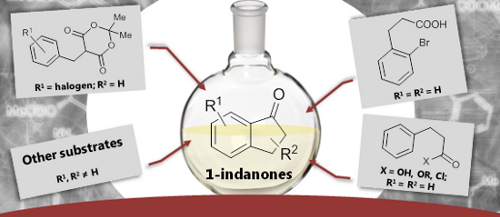
- heating in quinoline (Scheme 71). Gacs-Baitz et al. have applied the Diels–Alder reaction between 1,2-dihydro-4-vinylnaphthalene (259) and 2-bromo-4-acetoxy-2-cyclopenten-1-one (260) to synthesize 1-indanone derivative 261 (Scheme 72) [101]. Koreeda and Woski have synthesized the cyclopenta[α]phenanthrene

Graphical Abstract

Figure 1: Biologically active 1-indanones and their structural analogues.

Figure 2: Number of papers about (a) 1-indanones, (b) synthesis of 1-indanones.

Scheme 1: Synthesis of 1-indanone (2) from hydrocinnamic acid (1).

Scheme 2: Synthesis of 1-indanone (2) from 3-(2-bromophenyl)propionic acid (3).

Scheme 3: Synthesis of 1-indanones 5 from 3-arylpropionic acids 4.

Scheme 4: Synthesis of kinamycin (9a) and methylkinamycin C (9b).

Scheme 5: Synthesis of trifluoromethyl-substituted arylpropionic acids 12, 1-indanones 13 and dihydrocoumarin...

Scheme 6: Synthesis of 1-indanones 16 from benzoic acids 15.

Scheme 7: Synthesis of 1-indanones 18 from arylpropionic and 3-arylacrylic acids 17.

Scheme 8: The NbCl5-induced one-step synthesis of 1-indanones 22.

Scheme 9: Synthesis of biologically active 1-indanone derivatives 26.

Scheme 10: Synthesis of enantiomerically pure indatraline ((−)-29).

Scheme 11: Synthesis of 1-indanone (2) from the acyl chloride 30.

Scheme 12: Synthesis of the mechanism-based inhibitors 33 of coelenterazine.

Scheme 13: Synthesis of the indane 2-imidazole derivative 37.

Scheme 14: Synthesis of fluorinated PAHs 41.

Scheme 15: Synthesis of 1-indanones 43 via transition metal complexes-catalyzed carbonylative cyclization of m...

Scheme 16: Synthesis of 6-methyl-1-indanone (46).

Scheme 17: Synthesis of 1-indanone (2) from ester 48.

Scheme 18: Synthesis of benzopyronaphthoquinone 51 from the spiro-1-indanone 50.

Scheme 19: Synthesis of the selective endothelin A receptor antagonist 55.

Scheme 20: Synthesis of 1-indanones 60 from methyl vinyl ketone (57).

Scheme 21: Synthesis of 1-indanones 64 from diethyl phthalate 61.

Scheme 22: Synthesis of 1-indanone derivatives 66 from various Meldrum’s acids 65.

Scheme 23: Synthesis of halo 1-indanones 69.

Scheme 24: Synthesis of substituted 1-indanones 71.

Scheme 25: Synthesis of spiro- and fused 1-indanones 73 and 74.

Scheme 26: Synthesis of spiro-1,3-indanodiones 77.

Scheme 27: Mechanistic pathway for the NHC-catalyzed Stetter–Aldol–Michael reaction.

Scheme 28: Synthesis of 2-benzylidene-1-indanone derivatives 88a–d.

Scheme 29: Synthesis of 1-indanone derivatives 90a–i.

Scheme 30: Synthesis of 1-indanones 96 from o-bromobenzaldehydes 93 and alkynes 94.

Scheme 31: Synthesis of 3-hydroxy-1-indanones 99.

Scheme 32: Photochemical preparation of 1-indanones 103 from ketones 100.

Scheme 33: Synthesis of chiral 3-aryl-1-indanones 107.

Scheme 34: Photochemical isomerization of 2-methylbenzil 108.

Scheme 35: Synthesis of 2-hydroxy-1-indanones 111a–c.

Scheme 36: Synthesis of 1-indanone derivatives 113 and 114 from η6-1,2-dioxobenzocyclobutene complex 112.

Scheme 37: Synthesis of nakiterpiosin (117).

Scheme 38: Synthesis of 2-alkyl-1-indanones 120.

Scheme 39: Synthesis of fluorine-containing 1-indanone derivatives 123.

Scheme 40: Synthesis of 2-benzylidene and 2-benzyl-1-indanones 126, 127 from the chalcone 124.

Scheme 41: Synthesis of 2-bromo-6-methoxy-3-phenyl-1-indanone (130).

Scheme 42: Synthesis of combretastatin A-4-like indanones 132a–s.

Figure 3: Chemical structures of investigated dienones 133 and synthesized cyclic products 134–137.

Figure 4: Chemical structures of 1-indanones and their heteroatom analogues 138–142.

Scheme 43: Synthesis of 2-phosphorylated and 2-non-phosphorylated 1-indanones 147 and 148 from β-ketophosphona...

Scheme 44: Photochemical synthesis of 1-indanone derivatives 150, 153a, 153b.

Scheme 45: Synthesis of polysubstituted-1-indanones 155, 157.

Scheme 46: Synthesis of 1-indanones 159a–g from α-arylpropargyl alcohols 158 using RhCl(PPh3)3 as a catalyst.

Scheme 47: Synthesis of optically active 1-indanones 162 via the asymmetric Rh-catalyzed isomerization of race...

Scheme 48: Mechanism of the Rh-catalyzed isomerization of α-arylpropargyl alcohols 161 to 1-indanones 162.

Figure 5: Chemical structure of abicoviromycin (168) and its new benzo derivative 169.

Scheme 49: Synthesis of racemic benzoabicoviromycin 172.

Scheme 50: Synthesis of [14C]indene 176.

Scheme 51: Synthesis of indanone derivatives 178–180.

Scheme 52: Synthesis of racemic pterosin A 186.

Scheme 53: Synthesis of trans-2,3-disubstituted 1-indanones 189.

Scheme 54: Synthesis of 3-aryl-1-indanone derivatives 192.

Scheme 55: Synthesis of 1-indanone derivatives 194 from 3-(2-iodoaryl)propanonitriles 193.

Scheme 56: Synthesis of 1-indanones 200–204 by cyclization of aromatic nitriles.

Scheme 57: Synthesis of 1,1’-spirobi[indan-3,3’-dione] derivative 208.

Scheme 58: Total synthesis of atipamezole analogues 211.

Scheme 59: Synthesis of 3-[4-(1-piperidinoethoxy)phenyl]spiro[indene-1,1’-indan]-5,5’-diol hydrochloride 216.

Scheme 60: Synthesis of 3-arylindan-1-ones 219.

Scheme 61: Synthesis of 2-hydroxy-1-indanones 222.

Scheme 62: Synthesis of the 1-indanone 224 from the THP/MOM protected chalcone epoxide 223.

Scheme 63: Synthesis of 1-indanones 227 from γ,δ-epoxy ketones 226.

Scheme 64: Synthesis of 2-hydroxy-2-methylindanone (230).

Scheme 65: Synthesis of 1-indanone derivatives 234 from cyclopropanol derivatives 233.

Scheme 66: Synthesis of substituted 1-indanone derivatives 237.

Scheme 67: Synthesis of 7-methyl substituted 1-indanone 241 from 1,3-pentadiene (238) and 2-cyclopentenone (239...

Scheme 68: Synthesis of disubstituted 1-indanone 246 from the siloxydiene 244 and 2-cyclopentenone 239.

Scheme 69: Synthesis of 5-hydroxy-1-indanone (250) via the Diels–Alder reaction of 1,3-diene 248 with sulfoxid...

Scheme 70: Synthesis of halogenated 1-indanones 253a and 253b.

Scheme 71: Synthesis of 1-indanones 257 and 258 from 2-bromocyclopentenones 254.

Scheme 72: Synthesis of 1-indanone 261 from 2-bromo-4-acetoxy-2-cyclopenten-1-one (260) and 1,2-dihydro-4-viny...

Scheme 73: Synthesis of 1-indanone 265 from 1,2-dihydro-7-methoxy-4-vinylnaphthalene (262) and bromo-substitut...

Scheme 74: Synthesis of 1-indanone 268 from dihydro-3-vinylphenanthrene 266 and 4-acetoxy-2-cyclopenten-1-one (...

Scheme 75: Synthesis of 1-indanone 271 from phenylselenyl-substituted cyclopentenone 268.

Scheme 76: Synthesis of 1-indanone 272 from the trienone 270.

Scheme 77: Synthesis of the 1-indanone 276 from the aldehyde 273.

Scheme 78: Synthesis of 1-indanones 278 and 279.

Scheme 79: Synthesis of 1-indanone 285 from octa-1,7-diyne (282) and cyclopentenone 239.

Scheme 80: Synthesis of benz[f]indan-1-one (287) from cyclopentenone 239 and o-bis(dibromomethyl)benzene (286)....

Scheme 81: Synthesis of 3-methyl-substituted benz[f]indan-1-one 291 from o-bis(dibromomethyl)benzene (286) and...

Scheme 82: Synthesis of benz[f]indan-1-one (295) from the anthracene epidioxide 292.

Scheme 83: Synthesis of 1-indanone 299 from homophthalic anhydride 298 and cyclopentynone 297.

Scheme 84: Synthesis of cyano-substituted 1-indanone derivative 301 from 2-cyanomethylbenzaldehyde (300) and c...

Scheme 85: Synthesis of 1-indanone derivatives 303–305 from ketene dithioacetals 302.

Scheme 86: Synthesis of 1-indanones 309–316.

Scheme 87: Mechanism of the hexadehydro-Diels–Alder (HDDA) reaction.

Scheme 88: Synthesis of 1-indenone 318 and 1-indanones 320 and 321 from tetraynes 317 and 319.

Scheme 89: Synthesis of 1-indanone 320 from the triyn 319.

Scheme 90: Synthesis 1-indanone 328 from 2-methylfuran 324.

Scheme 91: Synthesis of 1-indanones 330 and 331 from furans 329.

Scheme 92: Synthesis of 1-indanone 333 from the cycloadduct 332.

Scheme 93: Synthesis of (S)-3-arylindan-1-ones 335.

Scheme 94: Synthesis of (R)-2-acetoxy-1-indanone 338.

Figure 6: Chemical structures of obtained cyclopenta[α]phenanthrenes 339.

Scheme 95: Synthesis of the benzoindanone 343 from arylacetaldehyde 340 with 1-trimethylsilyloxycyclopentene (...
A novel method for heterocyclic amide–thioamide transformations
- Walid Fathalla,
- Ibrahim A. I. Ali and
- Pavel Pazdera
Beilstein J. Org. Chem. 2017, 13, 174–181, doi:10.3762/bjoc.13.20

- heating isatine with malonic acid followed by esterification of the produced quinoline carboxylic acid with methanol in the presence of sulfuric acid at 80 °C for 6 h. 4-Arylphthalazin-1(2H)-ones A7 and A8 [24][25] were prepared by Friedel–Crafts acylation reaction of N-aminophthalimide with either
- cyclohexylammonium salt (2). The two-step thiation of quinazolin-4-one A1–6 and phthalazin-1-ones A7 and A8. Thiation of quinoline A9 and quinoxalinone A10–13. Rational mechanism of the reaction of 4-chloro-2-phenylquinazoline (B2) to 2-phenylquinazolin-4(3H)-thione. Synthesis of quinazolin-4-thionesa. Synthesis of

Graphical Abstract

Scheme 1: Synthesis of N-cyclohexyl dithiocarbamate cyclohexylammonium salt (2).

Scheme 2: The two-step thiation of quinazolin-4-one A1–6 and phthalazin-1-ones A7 and A8.

Scheme 3: Thiation of quinoline A9 and quinoxalinone A10–13.

Scheme 4: Rational mechanism of the reaction of 4-chloro-2-phenylquinazoline (B2) to 2-phenylquinazolin-4(3H)...
Direct arylation catalysis with chloro[8-(dimesitylboryl)quinoline-κN]copper(I)
- Sem Raj Tamang and
- James D. Hoefelmeyer
Beilstein J. Org. Chem. 2016, 12, 2757–2762, doi:10.3762/bjoc.12.272
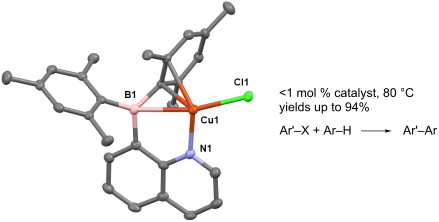
- )quinoline-κN]copper(I) (2, Scheme 1), and investigate its performance as a catalyst for direct arylation reactions. We note that compound 2 consists of the ambiphilic ligand 1 coordinated to Cu(I) via nitrogen atom coordination and an η3-BCC interaction [52]. Herein we report the use of the preformed

Graphical Abstract

Scheme 1: Coordination of Cu(I) with the ambiphilic ligand 1 to form the catalyst 2.

Scheme 2: Proposed mechanism of direct arylation catalyzed by 2 (X = Cl/I; Ar = aryl).
A new paradigm for designing ring construction strategies for green organic synthesis: implications for the discovery of multicomponent reactions to build molecules containing a single ring
- John Andraos
Beilstein J. Org. Chem. 2016, 12, 2420–2442, doi:10.3762/bjoc.12.236
- dihydropyridine, hydantoin, imidazole, indole, isoquinoline, isoxazole, oxazole, 4H-pyran, pyrazine, pyridazine, pyridine, pyridinone, pyrimidine, pyrimidone, pyrrole, 3H-quinazolin-4-one, quinoline, 1H-quinolin-4-one, and thiophene. For heterocycles that are composed of a fused aromatic ring, such as

Graphical Abstract

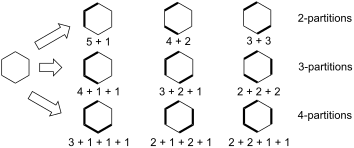
Figure 1: Possible two-component couplings for various monocyclic rings frequently encountered in organic mol...

Figure 2: Possible three-component couplings for various monocyclic rings frequently encountered in organic m...

Figure 3: Possible four-component couplings for various monocyclic rings frequently encountered in organic mo...
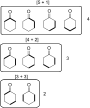
Figure 4: Permutations of two-component coupling patterns for synthesizing the cyclohexanone ring. Synthesis ...
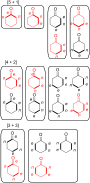
Figure 5: Permutations of two-component coupling patterns for synthesizing the cyclohexanone ring overlayed w...
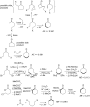
Scheme 1: Conjectured syntheses of cyclohexanone via [5 + 1] strategies.

Scheme 2: Conjectured syntheses of cyclohexanone via [4 + 2] strategies.

Scheme 3: Conjectured syntheses of cyclohexanone via [3 + 3] strategies.

Figure 6: Permutations of three-component coupling patterns for synthesizing the cyclohexanone ring. Synthesi...

Figure 7: Permutations of three-component coupling patterns for synthesizing the pyrazole ring via [2 + 2 + 1...

Scheme 4: Literature method for constructing the pyrazole ring via the A4 [2 + 2 + 1] strategy.
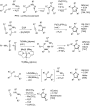
Scheme 5: Literature methods for constructing the pyrazole ring via the A5 [2 + 2 + 1] strategy.

Scheme 6: Literature methods for constructing the pyrazole ring via the A1 [2 + 2 + 1] strategy.

Scheme 7: Literature methods for constructing the pyrazole ring via the B4 [3 + 1 + 1] strategy.

Figure 8: Intrinsic green performance of documented pyrazole syntheses according to [2 + 2 + 1] and [3 + 1 + ...

Scheme 8: Conjectured reactions for constructing the pyrazole ring via the A2 and A3 [2 + 2 + 1] strategies.

Scheme 9: Conjectured reactions for constructing the pyrazole ring via the B1, B2, B3, and B4 [3 + 1 + 1] str...

Figure 9: Permutations of three-component coupling patterns for synthesizing the Biginelli ring adduct. Synth...
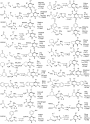
Scheme 10: Reported syntheses of the Biginelli adduct via the traditional [3 + 2 + 1] mapping strategy.
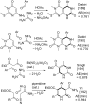
Scheme 11: Reported syntheses of the Biginelli adduct via new [3 + 2 + 1] mapping strategies.

Scheme 12: Reported syntheses of the Biginelli adduct via a new [2 + 2 + 1 + 1] mapping strategy.

Scheme 13: Conjectured syntheses of the Biginelli adduct via new [2 + 2 + 2] mapping strategies.

Scheme 14: Conjectured syntheses of the Biginelli adduct via new [3 + 2 + 1] mapping strategies.

Figure 10: Intrinsic green performance of documented Biginelli adduct syntheses according to [3 + 2 + 1] three...

Figure 11: Intrinsic green performance of newly conjectured Biginelli adduct syntheses according to [4 + 1 + 1...
Practical synthetic strategies towards lipophilic 6-iodotetrahydroquinolines and -dihydroquinolines
- David R. Chisholm,
- Garr-Layy Zhou,
- Ehmke Pohl,
- Roy Valentine and
- Andrew Whiting
Beilstein J. Org. Chem. 2016, 12, 1851–1862, doi:10.3762/bjoc.12.174

- corresponding 1,4-DHQ of scaffold 1 has not been synthesised to our knowledge. Similar DHQs are typically prepared by methods such as ring-closing metathesis, or by controlled Birch-type reductions of the corresponding quinoline [10][11][12]. Very few instances of iodine-containing THQs or DHQs exist in the
- (ca. 5%) of 1,4-DHQ 22 in addition to 21. Ab initio simulation of 22 (Figure 2) indicated that the enamine functionality causes a flattening of the dihydroquinoline ring to give a more planar, quinoline-like structure. We were intrigued by the result of these stereoelectronic and conformational
- free of charge from The Cambridge Crystallographic Data Centre via http://www.ccdc.cam.ac.uk/getstructures. Tetrahydroquinoline (THQ) and dihydroquinoline (DHQ) scaffolds to be synthesised. Simulated structure of 22 indicates a flattened quinoline-like structure. Hartree–Fock calculations (3-21G*) were

Graphical Abstract

Figure 1: Tetrahydroquinoline (THQ) and dihydroquinoline (DHQ) scaffolds to be synthesised.

Scheme 1: Proposed retrosynthesis scheme to access N-isopropyl-THQ 2.

Scheme 2: Synthesis of THQ 3 by initial N-alkylations, followed by PPA-mediated cyclisation.

Scheme 3: Bromination of 3 and attempted halogen exchange of the intermediate 7.

Scheme 4: Synthesis of THQ 10, by initial aza-Michael addition, followed by formation of the tertiary alcohol ...

Scheme 5: Synthesis of THQ 14 by initial acylation, cyclisation with H2SO4 and reduction with borane·dimethyl...

Scheme 6: N-Alkylation of 13 and 14.

Scheme 7: Facile route for the synthesis of 20a.

Scheme 8: Synthesis of THQ 21 and DHQ 22 using borane·dimethyl sulphide complex or DIBAL, respectively.

Figure 2: Simulated structure of 22 indicates a flattened quinoline-like structure. Hartree–Fock calculations...

Scheme 9: Postulated mechanism for the formation of 22 using DIBAL.

Figure 3: Combined, normalised absorption and emission spectra of 28 in chloroform. Absorption spectrum was r...

Scheme 10: Miyaura borylation of 21 and 22 to give crystalline boronic esters 29 and 30.

Figure 4: Comparison of the crystal structures of 29 (left) and 30 (right) as viewed along the plane of the a...

Figure 5: Combined, normalised absorption and emission spectra of 30 in diethyl ether. Absorption spectrum wa...
Mutagenic activity of quaternary ammonium salt derivatives of carbohydrates
- Barbara Dmochowska,
- Karol Sikora,
- Anna Woziwodzka,
- Jacek Piosik and
- Beata Podgórska
Beilstein J. Org. Chem. 2016, 12, 1434–1439, doi:10.3762/bjoc.12.138

- -methylimidazo[4,5-f]quinoline [IQ], 50 nmol/plate). Results are reported as percentage number of revertants observed for the positive control (C2). Bars indicate mean values from three plates ± standard deviation. Reagents and conditions; I: HO(CH2)6Br, BF3·Et2O/CH2Cl2, 1 h 0 °C → 3 h, rt, ([32] compound 2 36

Graphical Abstract

Scheme 1: Reagents and conditions; I: HO(CH2)6Br, BF3·Et2O/CH2Cl2, 1 h 0 °C → 3 h, rt, ([32] compound 2 36% yield...

Figure 1: Mutagenic activity of the QASs in the Vibrio harveyi A16 strain bioluminescence assay. A, 4a; B, 4b...

Figure 2: Mutagenic activity of the QASs in the Ames test with histidine-dependent Salmonella typhimurium TA9...
Molecular weight control in organochromium olefin polymerization catalysis by hemilabile ligand–metal interactions
- Stefan Mark,
- Hubert Wadepohl and
- Markus Enders
Beilstein J. Org. Chem. 2016, 12, 1372–1379, doi:10.3762/bjoc.12.131
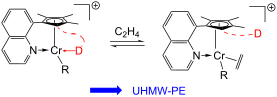
- Stefan Mark Hubert Wadepohl Markus Enders Anorganisch-Chemisches Institut, Heidelberg University, Im Neuenheimer Feld 270, D-69120 Heidelberg, Germany 10.3762/bjoc.12.131 Abstract A series of Cr(III) complexes based on quinoline-cyclopentadienyl ligands with additional hemilabile side arms were

Graphical Abstract

Scheme 1: Influencing catalyst stability, olefin coordination and chain-transfer reactions by hemilabile dono...

Scheme 2: Synthesis of ligands L1–L8 and chromium complexes 1–8.

Figure 1: Solid-state molecular structures of selected complexes 4, 7 and 8 (left, middle and right, respecti...

Figure 2: a) Calculated structures of cationic chromium complexes. Chromium–donor distances [Å]: 3a+ [2.21], ...

Figure 3: Comparison of GPC traces of polyethylene produced by 1/PMAO and 8/PMAO respectively (entries 1 and ...
Multicomponent reactions: A simple and efficient route to heterocyclic phosphonates
- Mohammad Haji
Beilstein J. Org. Chem. 2016, 12, 1269–1301, doi:10.3762/bjoc.12.121
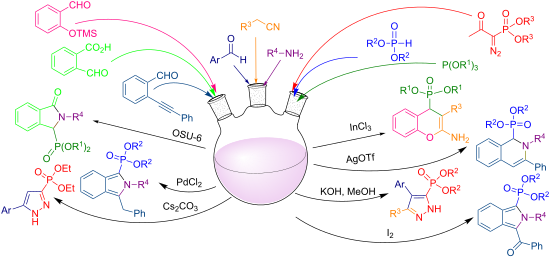
- the three-component reaction of 4-chlorobenzaldehyde (238), aminomethylphosphonate 239 and ynones 240 in 57% yield (Scheme 49). 7 Reissert-type multicomponent reactions The traditional Reissert reaction is a one-pot treatment of quinoline (242) with acid chlorides 243 and KCN to afford Reissert
- compound 244 which can be hydrolyzed to give quinoline-2-carboxylic acid (245) (Scheme 50) [87]. This reaction can also be applied to isoquinolines and some pyridines. Additionally, a wide range of activating groups such as chloroformates, acetylenic esters, R3SiOTf, Tf2O and various nucleophiles can be
- ) [88]. Further, 1-acyl-1,2-dihydroquinoline-2-phosphonates 251 and 2-acyl-1,2-dihydroisoquinoline-1-phosphonates 252 have been prepared via the one-pot reaction of quinoline (242) or isoquinolines 249 with acyl chlorides 250 and trimethyl phosphite in the presence of NaI in 22–94% yields depending on

Graphical Abstract

Scheme 1: The Biginelli condensation.

Scheme 2: The Biginelli reaction of β-ketophosphonates catalyzed by ytterbium triflate.

Scheme 3: Trimethylchlorosilane-mediated Biginelli reaction of diethyl (3,3,3-trifluoropropyl-2-oxo)phosphona...

Scheme 4: Biginelli reaction of dialkyl (3,3,3-trifluoropropyl-2-oxo)phosphonate with trialkyl orthoformates ...

Scheme 5: p-Toluenesulfonic acid-promoted Biginelli reaction of β-ketophosphonates, aryl aldehydes and urea.

Scheme 6: General Kabachnik–Fields reaction for the synthesis of α-aminophosphonates.

Scheme 7: Phthalocyanine–AlCl catalyzed Kabachnik–Fields reaction of N-Boc-piperidin-4-one with diethyl phosp...

Scheme 8: Kabachnik–Fields reaction of isatin with diethyl phosphite and benzylamine.

Scheme 9: Magnetic Fe3O4 nanoparticle-supported phosphotungstic acid-catalyzed Kabachnik–Fields reaction of i...

Scheme 10: The Mg(ClO4)2-catalyzed Kabachnik–Fields reaction of 1-tosylpiperidine-4-one.

Scheme 11: An asymmetric version of the Kabachnik–Fields reaction for the synthesis of α-amino-3-piperidinylph...

Scheme 12: A classical Kabachnik–Fields reaction followed by an intramolecular ring-closing reaction for the s...

Scheme 13: Synthesis of (S)-piperidin-2-phosphonic acid through an asymmetric Kabachnik–Fields reaction.

Scheme 14: A modified diastereoselective Kabachnik–Fields reaction for the synthesis of isoindolin-1-one-3-pho...

Scheme 15: A microwave-assisted Kabachnik–Fields reaction toward isoindolin-1-ones.

Scheme 16: The synthesis of 3-arylmethyleneisoindolin-1-ones through a Horner–Wadsworth–Emmons reaction of Kab...

Scheme 17: An efficient one-pot method for the synthesis of ethyl (2-alkyl- and 2-aryl-3-oxoisoindolin-1-yl)ph...

Scheme 18: FeCl3 and PdCl2 co-catalyzed three-component reaction of 2-alkynylbenzaldehydes, anilines, and diet...

Scheme 19: Three-component reaction of 6-methyl-3-formylchromone (75) with hydrazine derivatives or hydroxylam...

Scheme 20: Three-component reaction of 6-methyl-3-formylchromone (75) with thiourea, guanidinium carbonate or ...

Scheme 21: Three-component reaction of 6-methyl-3-formylchromone (75) with 1,4-bi-nucleophiles in the presence...

Scheme 22: One-pot three-component reaction of 2-alkynylbenzaldehydes, amines, and diethyl phosphonate.

Scheme 23: Lewis acid–surfactant combined catalysts for the one-pot three-component reaction of 2-alkynylbenza...

Scheme 24: Lewis acid catalyzed cyclization of different Kabachnik–Fields adducts.

Scheme 25: Three-component synthesis of N-arylisoquinolone-1-phosphonates 119.

Scheme 26: CuI-catalyzed three-component tandem reaction of 2-(2-formylphenyl)ethanones with aromatic amines a...

Scheme 27: Synthesis of 1,5-benzodiazepin-2-ylphosphonates via ytterbium chloride-catalyzed three-component re...

Scheme 28: FeCl3-catalyzed four-component reaction for the synthesis of 1,5-benzodiazepin-2-ylphosphonates.

Scheme 29: Synthesis of indole bisphosphonates through a modified Kabachnik–Fields reaction.

Scheme 30: Synthesis of heterocyclic bisphosphonates via Kabachnik–Fields reaction of triethyl orthoformate.

Scheme 31: A domino Knoevenagel/phospha-Michael process for the synthesis of 2-oxoindolin-3-ylphosphonates.

Scheme 32: Intramolecular cyclization of phospha-Michael adducts to give dihydropyridinylphosphonates.

Scheme 33: Synthesis of fused phosphonylpyrans via intramolecular cyclization of phospha-Michael adducts.

Scheme 34: InCl3-catalyzed three-component synthesis of (2-amino-3-cyano-4H-chromen-4-yl)phosphonates.

Scheme 35: Synthesis of phosphonodihydropyrans via a domino Knoevenagel/hetero-Diels–Alder process.

Scheme 36: Multicomponent synthesis of phosphonodihydrothiopyrans via a domino Knoevenagel/hetero-Diels–Alder ...

Scheme 37: One-pot four-component synthesis of 1,2-dihydroisoquinolin-1-ylphosphonates under multicatalytic co...

Scheme 38: CuI-catalyzed four-component reactions of methyleneaziridines towards alkylphosphonates.

Scheme 39: Ruthenium–porphyrin complex-catalyzed three-component synthesis of aziridinylphosphonates and its p...

Scheme 40: Copper(I)-catalyzed three-component reaction towards 1,2,3-triazolyl-5-phosphonates.

Scheme 41: Three-component reaction of acylphosphonates, isocyanides and dialkyl acetylenedicarboxylate to aff...

Scheme 42: Synthesis of (4-imino-3,4-dihydroquinazolin-2-yl)phosphonates via an isocyanide-based three-compone...

Scheme 43: Silver-catalyzed three-component synthesis of (2-imidazolin-4-yl)phosphonates.

Scheme 44: Three-component synthesis of phosphonylpyrazoles.

Scheme 45: One-pot three-component synthesis of 3-carbo-5-phosphonylpyrazoles.

Scheme 46: A one-pot two-step method for the synthesis of phosphonylpyrazoles.

Scheme 47: A one-pot method for the synthesis of (5-vinylpyrazolyl)phosphonates.

Scheme 48: Synthesis of 1H-pyrrol-2-ylphosphonates via the [3 + 2] cycloaddition of phosphonate azomethine yli...

Scheme 49: Three-component synthesis of 1H-pyrrol-2-ylphosphonates.

Scheme 50: The classical Reissert reaction.

Scheme 51: One-pot three-component synthesis of N-phosphorylated isoquinolines.

Scheme 52: One-pot three-component synthesis of 1-acyl-1,2-dihydroquinoline-2-phosphonates and 2-acyl-1,2-dihy...

Scheme 53: Three-component reaction of pyridine derivatives with ethyl propiolate and dialkyl phosphonates.

Scheme 54: Three-component reactions for the phosphorylation of benzothiazole and isoquinoline.

Scheme 55: Three-component synthesis of diphenyl [2-(aminocarbonyl)- or [2-(aminothioxomethyl)-1,2-dihydroisoq...

Scheme 56: Three-component stereoselective synthesis of 1,2-dihydroquinolin-2-ylphosphonates and 1,2-dihydrois...

Scheme 57: Diphosphorylation of diazaheterocyclic compounds via a tandem 1,4–1,2 addition of dimethyl trimethy...

Scheme 58: Multicomponent reaction of alkanedials, acetamide and acetyl chloride in the presence of PCl3 and a...

Scheme 59: An oxidative domino three-component synthesis of polyfunctionalized pyridines.

Scheme 60: A sequential one-pot three-component synthesis of polysubstituted pyrroles.

Scheme 61: Three-component decarboxylative coupling of proline with aldehydes and dialkyl phosphites for the s...

Scheme 62: Three-component domino aza-Wittig/phospha-Mannich sequence for the phosphorylation of isatin deriva...

Scheme 63: Stereoselective synthesis of phosphorylated trans-1,5-benzodiazepines via a one-pot three-component...

Scheme 64: One-pot three-component synthesis of phosphorylated 2,6-dioxohexahydropyrimidines.
Reactions of N,3-diarylpropiolamides with arenes under superelectrophilic activation: synthesis of 4,4-diaryl-3,4-dihydroquinolin-2(1H)-ones and their derivatives
- Larisa Yu. Gurskaya,
- Diana S. Belyanskaya,
- Dmitry S. Ryabukhin,
- Denis I. Nilov,
- Irina A. Boyarskaya and
- Aleksander V. Vasilyev
Beilstein J. Org. Chem. 2016, 12, 950–956, doi:10.3762/bjoc.12.93

- superelectrophilic activation of the N-formyl group by TfOH in the reaction with benzene resulted in the formation of N-(diphenylmethyl)-substituted dihydroquinolinones. Keywords: alkynes; quinolinones; Friedel–Crafts reactions; superacids; superelectrophilic activation; Introduction Quinoline derivatives are a
- very important class of heterocycles, which are used in chemistry, biology, medicine, and materials science. For instance, see a series of recent reviews on anti-malaria drugs containing a quinoline motif in the structure [1][2][3]. The synthesis of quinolines is an important task of organic chemistry
- ][12][13][14], we continued to develop some methods for the syntheses of quinoline derivatives. Previously we showed, just in a few examples, that some 3-aryl-N-(aryl)propiolamides reacted with benzene under the action of Brønsted or Lewis superacids affording 4-aryl-4-phenyl-3,4-dihydroquinolin-2(1H

Graphical Abstract

Scheme 1: Transformations of 3-aryl-N-(aryl)propiolamides 1 into 4-arylquinolin-2(1H)-ones 3 or 4,4-diaryl-3,...

Figure 1: Molecular structure of 2f (ellipsoid contours of probability levels are 50%).

Scheme 2: N-Formylation and N-acylation of dihydroquinolinones 2.

Scheme 3: Superelectrophilic activation of the N-formyl group of compounds 5 and their reaction with benzene.

Figure 2: LUMO of species C1 and D1.
1H-Imidazol-4(5H)-ones and thiazol-4(5H)-ones as emerging pronucleophiles in asymmetric catalysis
- Antonia Mielgo and
- Claudio Palomo
Beilstein J. Org. Chem. 2016, 12, 918–936, doi:10.3762/bjoc.12.90
- with the phenyl and 2-naphthylthiazolones, respectively (Scheme 12, compound 70 versus 71 and 72 versus 73). On this basis, the authors propose a bifunctional way of action of the catalyst, wherein the pyridine/quinoline nitrogen could coordinate to one of the free N–H hydrogen atoms of the catalyst. α

Graphical Abstract

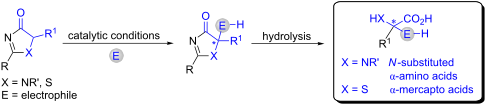
Figure 1: Some α-substituted heterocycles for asymmetric catalysis, their reactivity patterns against enoliza...

Figure 2: 1H-Imidazol-4(5H)-ones 1 and thiazol-4(5H)-ones 2.
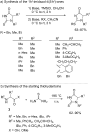
Scheme 1: a) Synthesis of 2-thio-1H-imidazol-4(5H)-ones [55] and b) preparation of the starting thiohydantoins [59].

Scheme 2: Selected examples of the Michael addition of 2-thio-1H-imidazol-4(5H)-ones to nitroalkenes [55]. aReact...

Scheme 3: Michael addition of thiohydantoins to nitrostyrene assisted by Et3N and catalysts C1 and C3. aAbsol...

Scheme 4: Elaboration of the Michael adducts coming from the Michael addition to nitroalkenes [55].

Figure 3: Proposed model for the Michael addition of 1H-imidazol4-(5H)-ones and selected 1H NMR data which su...

Scheme 5: Michael addition 2-thio-1H-imidazol-4(5H)-ones to the α-silyloxyenone 29 [55].

Scheme 6: Elaboration of the Michael adducts coming from the Michael addition to nitroolefins [55].
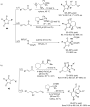
Scheme 7: Rhodanines in asymmetric catalytic reactions: a) Reaction with rhodanines of type 44 [78-80]; b) reactions...

Scheme 8: Michael addition of thiazol-4(5H)-ones to nitroolefins promoted by the ureidopeptide-like bifunctio...

Figure 4: Ureidopeptide-like Brønsted bases: catalyst design. a) Previous known design. b) Proposed new desig...

Scheme 9: Ureidopeptide-like Brønsted base bifunctional catalyst preparation. NMM = N-methylmorpholine, THF =...

Scheme 10: Selected examples of the Michael addition of thiazolones to different nitroolefins promoted by cata...

Scheme 11: Elaboration of the Michael adducts to α,α-disubstituted α-mercaptocarboxylic acid derivatives [85].

Scheme 12: Effect of the nitrogen atom at the aromatic substituent of the thiazolone on yield and stereoselect...

Scheme 13: Michael addition reaction of thiazol-4(5H)ones 74 to α’-silyloxyenone 29 [73].

Scheme 14: Elaboration of the thiazolone Michael adducts [73].

Scheme 15: Enantioselective γ-addition of oxazol-4(5H)-ones and thiazol-4(5H)-ones to allenoates promoted by C6...

Scheme 16: Enantioselective γ-addition of thiazol-4(5H)-ones and oxazol-4(5H)-ones to alkynoate 83 promoted by ...
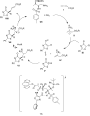
Scheme 17: Proposed mechanism for the C6-catalyzed γ-addition of thiazol-4(5H)-one to allenoates. Adapted from ...

Scheme 18: Catalytic enantioselective α-amination of thiazolones promoted by ureidopeptide like catalysts C5 a...

Scheme 19: Iridium-catalized asymmetric allyllation of substituted oxazol-4(5H)-ones and thiazol-4(5H)-ones pr...
A robust synthesis of 7,8-didemethyl-8-hydroxy-5-deazariboflavin
- Matthias Bender,
- Henrik Mouritsen and
- Jens Christoffers
Beilstein J. Org. Chem. 2016, 12, 912–917, doi:10.3762/bjoc.12.89

- [M + H+]. 1-Deoxy-1-(8-hydroxy-2,4-dioxo-2,3,4,10-tetrahydropyrimido[4,5-b]quinoline-10-yl)-D-ribitol (1) A mixture of aldehyde 13 (90 mg, 0.57 mmol), aminouracil 12 (150 mg, 0.57 mmol), NEt3 (0.10 mL, 0.68 mmol) and EtOH (3 mL) was heated in a closed reaction vial at 150 °C for 3 h. After cooling to

Graphical Abstract

Scheme 1: Target structure of this synthetic study and two previous approaches.

Scheme 2: Preparation of isopropylidene protected ribose 9 along a new, modified route. Reagents and conditio...

Scheme 3: Final four steps of the synthesis. Reagents and conditions: (a) 1. 4.5 equiv NH2OH·HCl, 4 equiv NaH...
The aminoindanol core as a key scaffold in bifunctional organocatalysts
- Isaac G. Sonsona,
- Eugenia Marqués-López and
- Raquel P. Herrera
Beilstein J. Org. Chem. 2016, 12, 505–523, doi:10.3762/bjoc.12.50
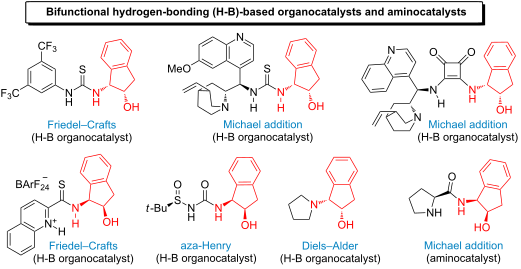
- state TS3 was proposed. Herein, the NH from the thioamide and the protonated quinoline moiety would activate and fix the nitroalkene framework through hydrogen-bonding interactions. Simultaneously, the oxygen atom of the hydroxy group would orientate the attack of the indole by the Si face through the

Graphical Abstract

Figure 1: Different configurations of 1,2-aminoindanol 1a–d.

Scheme 1: Asymmetric F–C alkylation catalyzed by thiourea 4.

Figure 2: Results for the F–C reaction carried out with catalyst 4 and the structurally modified analogues, 4'...

Figure 3: (a) Transition state TS1 originally proposed for the F–C reaction catalyzed by thiourea 4 [18]. (b) Tra...

Scheme 2: Asymmetric F–C alkylation catalyzed by thiourea ent-4 in the presence of D-mandelic acid as a Brøns...

Figure 4: Transition state TS2 proposed for the activation of the thiourea-based catalyst ent-4 by an externa...

Scheme 3: Friedel–Crafts alkylation of indoles catalyzed by the chiral thioamide 6.

Scheme 4: Scalable tandem C2/C3-annulation of indoles, catalyzed by the thioamide ent-6.

Scheme 5: Plausible tandem process mechanism for the sequential, double Friedel–Crafts alkylation, which invo...

Scheme 6: One-pot multisequence process that allows the synthesis of interesting compounds 14. The pharmacolo...

Scheme 7: Reaction pathway proposed for the preparation of the compounds 14.

Scheme 8: The enantioselective synthesis of cis-vicinal-substituted indane scaffolds 21, catalyzed by ent-6.

Scheme 9: Asymmetric domino procedure (Michael addition/Henry cyclization), catalyzed by the thioamide ent-6 ...

Scheme 10: The enantioselective addition of indoles 2 to α,β-unsaturated acyl phosphonates 24, a) screening of...

Figure 5: Proposed transition state TS7 for the Friedel–Crafts reaction of indole and α,β-unsaturated acyl ph...

Scheme 11: Study of aliphatic β,γ-unsaturated α-ketoesters 26 as substrates in the F–C alkylation of indoles c...

Figure 6: Possible transition states TS8 and TS9 in the asymmetric addition of indoles 2 to the β,γ-unsaturat...

Figure 7: Transition state TS10 proposed for the asymmetric addition of dialkylhydrazone 28 to the β,γ-unsatu...

Scheme 12: Different β-hydroxylamino-based catalysts tested in a Michael addition, and the transition state TS...

Scheme 13: Enantioselective addition of acetylacetone (36a) to nitroalkenes 3, catalyzed by 37 and the propose...

Scheme 14: Addition of 3-oxindoles 39 to 2-amino-1-nitroethenes 40, catalyzed by 41.

Scheme 15: Michael addition of 1,3-dicarbonyl compounds 36 to the nitroalkenes 3 catalyzed by the squaramide 43...

Scheme 16: Asymmetric aza-Henry reaction catalyzed by the aminoindanol-derived sulfinyl urea 50.

Figure 8: Results for the aza-Henry reaction carried out with the structurally modified catalysts 50–50''.

Scheme 17: Diels–Alder reaction catalyzed by the aminoindanol derivative ent-41.

Scheme 18: Asymmetric Michael addition of 3-pentanone (55a) to the nitroalkenes 3 through aminocatalysis.

Scheme 19: Substrate scope extension for the asymmetric Michael addition between the ketones 55 and the nitroa...

Scheme 20: A possible reaction pathway in the presence of the catalyst 56 and the plausible transition state T...
Base metal-catalyzed benzylic oxidation of (aryl)(heteroaryl)methanes with molecular oxygen
- Hans Sterckx,
- Johan De Houwer,
- Carl Mensch,
- Wouter Herrebout,
- Kourosch Abbaspour Tehrani and
- Bert U. W. Maes
Beilstein J. Org. Chem. 2016, 12, 144–153, doi:10.3762/bjoc.12.16
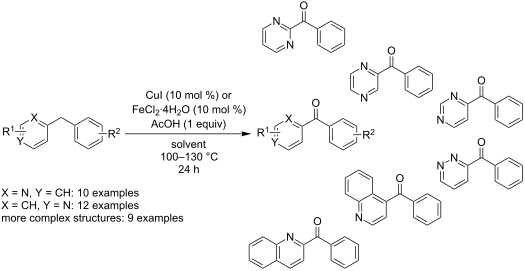
- 9, 19 and 22). Considering the low basicity of compound 3i, 3 equivalents of the stronger acid TFA were used (Table 2, entry 25). Next, the effect of benzoannulation (quinoline) and C–H for N substitution (diazines) in the pyridine ring was studied. Scheme 1 provides an overview of the results for
- the World Health Organization essential medicines list and despite numerous side effects it remains one of the most effective antimalarial drugs on the market [37][38]. Its classical synthesis (Scheme 2, top) is based on the lithiation of 4-bromo-2,8-bis(trifluoromethyl)quinoline (7a) and quenching
- with CO2 resulting in the formation of 2,8-bis(trifluoromethyl)quinoline-4-carboxylic acid (8). Reaction of 8 with in situ generated 2-pyridyllithium (9) finally yields ketone 10 [39]. We considered a new approach based on 4-(pyridin-2-ylmethyl)-2,8-bis(trifluoromethyl)quinoline (12) as the substrate

Graphical Abstract
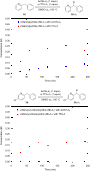
Figure 1: Hydrogen–deuterium exchange through acid-catalyzed imine–enamine tautomerization of 3h (0.5 M) and ...

Scheme 1: Benzylic oxygenation of benzoannulated azines and diazines (5).

Scheme 2: Classical (top) and new formal (bottom) synthesis of Mefloquine.

Scheme 3: Iron-catalyzed aerobic oxidation of papaverine (15).
Solving the puzzling competition of the thermal C2–C6 vs Myers–Saito cyclization of enyne-carbodiimides
- Anup Rana,
- Mehmet Emin Cinar,
- Debabrata Samanta and
- Michael Schmittel
Beilstein J. Org. Chem. 2016, 12, 43–49, doi:10.3762/bjoc.12.6
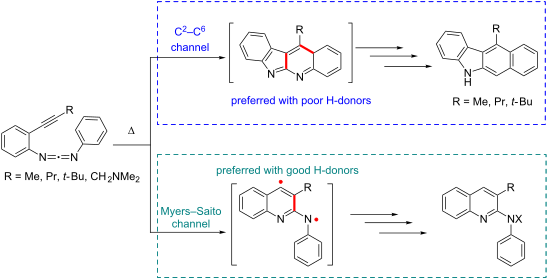
- , M+ − CH3), 246 (47), 245 (100, M+ − N(CH3)2), 244 (20), 243 (26), 231 (14), 218 (15), 203 (18), 183 (62); ESIMS: calcd. for (C19H20N3)+, 290.2; found, 290.2. 3,7-Dimethyl-1-phenyl-1,2,3,4-tetrahydropyrimido[4,5-b]quinoline (12). To 10 mL of dry degassed toluene was added 2-(3-(dimethylamino)prop-1

Graphical Abstract

Scheme 1: Thermal cyclization modes of enyne-carbodiimides 1a–c.

Scheme 2: Thermolysis of enyne-carbodiimides 7a–c furnishing 8a–c [19].

Figure 1: Reaction profile of 7a–c at BLYP/6-31+G* level. All bold numbers represent the respective free ener...

Scheme 3: Synthesis of enyne-carbodiimide 11.

Scheme 4: Energetics of the thermal cyclization of enyne-carbodiimide 11 at BLYP/6-31+G* level. Bold numbers ...

Scheme 5: Thermolysis of enyne-carbodiimide 11.
Enantioselective additions of copper acetylides to cyclic iminium and oxocarbenium ions
- Jixin Liu,
- Srimoyee Dasgupta and
- Mary P. Watson
Beilstein J. Org. Chem. 2015, 11, 2696–2706, doi:10.3762/bjoc.11.290
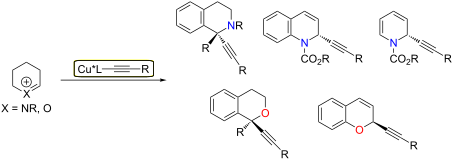
- observed lower ee’s with Pybox and Box ligands, and only 49% ee with Quinap. However, investigation of novel Pinap ligands led to notably higher ee’s (Scheme 7) [29]. These reaction conditions enable alkynylation of quinoline (20), isoquinoline (21), and pyridine (22) substrates, albeit in lower yields

Graphical Abstract
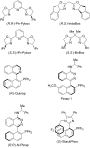
Figure 1: Chiral ligands utilized in copper-catalyzed alkynylations of cyclic iminium and oxocarbenium ions.

Scheme 1: Li’s alkynylation of acyclic N-arylimines.

Scheme 2: Knochel’s alkynylation of acyclic N-alkylenamines.

Scheme 3: Li’s CDC of tetrahydroisoquinolines and alkynes.

Scheme 4: Li’s alkynylation of N-aryldihydroisoquinolinium ions.

Scheme 5: Schreiber’s alkynylation of N-alkylisoquinolinium ions.

Scheme 6: Ma’s alkynylation of pyridium ions.

Scheme 7: Arndtsen’s alkynylation of cyclic iminium ions.

Scheme 8: Maruoka’s alkynylation of azomethine imines.

Scheme 9: Su’s CDC of tetrahydroisoquinolines and alkynes under ball milling conditions.

Scheme 10: Ma’s A3-coupling.

Scheme 11: Li’s CDC reaction using photoredox catalysis.
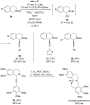
Scheme 12: Liu’s CDC reaction of N-carbamoyltetrahydroisoquinolines. T+BF4– = 2,2,6,6-tetramethylpiperidine N-...

Scheme 13: Aponick’s alkynylation of N-carbomoylquinolinium ions using StackPhos as ligand.

Scheme 14: Carreira’s enantioselective, catalytic alkynylation of aldehydes.

Scheme 15: Watson’s alkynylation of isochroman oxocarbenium ions.

Scheme 16: Watson’s alkynylation of chromene oxocarbenium ions.

Scheme 17: Watson’s alkynylation to set diaryl tetrasubstituted stereocenters.
Beyond catalyst deactivation: cross-metathesis involving olefins containing N-heteroaromatics
- Kevin Lafaye,
- Cyril Bosset,
- Lionel Nicolas,
- Amandine Guérinot and
- Janine Cossy
Beilstein J. Org. Chem. 2015, 11, 2223–2241, doi:10.3762/bjoc.11.241
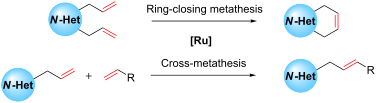
- it may be suspected that the presence of the two chlorine atoms significantly decreased the basicity of the pyridine (Scheme 21). Tricyclic compound 59 was prepared by a RCM of diene 58 that incorporates a quinoline moiety [61]. In this case, a phenyl group was present at C2 and may be responsible
- catalyst caused by the quinoline (Table 4, entry 4). In their retrosynthesis of haminol A, O’Neil et al. initially envisionned to access the trienic compound using a cross-metathesis/benzoyloxysulfone elimination sequence. The CM would involve 3-vinylpyridine 70 as one of the two partners (Scheme 27) [75
- , biologically relevant conditions were selected (rt, t-BuOH/H2O) and CM involving allyl sulfides that contain functional groups commonly found in DNA-intercalators and N-heteroaromatics were investigated. When a quinoline was present on the allylic sulfide, allylic alcohol was found to be the unique suitable

Graphical Abstract

Figure 1: Some ruthenium catalysts for metathesis reactions.

Scheme 1: Decomposition of methylidenes 1 and 2.

Scheme 2: Deactivation of G-HII in the presence of ethylene.

Scheme 3: Reaction between GI/GII and n-BuNH2.

Scheme 4: Reaction of GII with amines a–d.

Scheme 5: Amine-induced decomposition of GII methylidene 2.

Scheme 6: Amine-induced decomposition of GII in RCM conditions.

Scheme 7: Deactivation of methylidene 2 in the presence of pyridine.

Scheme 8: Reaction of G-HII with various amines.

Scheme 9: Formation of olefin 22 from styrene.

Scheme 10: Hypothetic deactivation pathway of G-HII.

Scheme 11: RCM of dienic pyridinium salts.

Scheme 12: Synthesis of polycyclic scaffolds using RCM.

Scheme 13: Enyne ring-closing metathesis.

Scheme 14: Synthesis of (R)-(+)-muscopyridine using a RCM strategy.

Scheme 15: Synthesis of a tris-pyrrole macrocycle.

Scheme 16: Synthesis of a bicyclic imidazole.

Scheme 17: RCM using Schrock’s catalyst 44.

Scheme 18: Synthesis of 1,6-pyrido-diazocine 46 by using a RCM.

Scheme 19: Synthesis of fused pyrimido-azepines through RCM.

Scheme 20: RCM involving alkenes containing various N-heteroaromatics.

Scheme 21: Synthesis of dihydroisoquinoline using a RCM.

Scheme 22: Formation of tricyclic compound 59.

Scheme 23: RCM in the synthesis of normuscopyridine.

Scheme 24: Synthesis of macrocycle 64.

Scheme 25: Synthesis of macrocycles possessing an imidazole group.

Scheme 26: Retrosynthesis of an analogue of erythromycin.

Scheme 27: Retrosynthesis of haminol A.

Scheme 28: CM involving 3-vinylpyridine 70 with 71 and vinylpyridine 70 with 73.

Scheme 29: Revised retrosynthesis of haminol A.

Scheme 30: CM between 78 and crotonaldehyde.

Scheme 31: Hypothesized deactivation pathway.

Scheme 32: CM involving an allyl sulfide containing a quinoline.

Scheme 33: CM involving allylic sulfide possessing a quinoxaline or a phenanthroline.

Scheme 34: CM between an acrylate and a 2-methoxy-5-bromo pyridine.

Scheme 35: Successful CM of an alkene containing a 2-chloropyridine.

Scheme 36: Variation of the substituent on the pyridine ring.

Scheme 37: CM involving alkenes containing a variety of N-heteroaromatics.
Recent advances in copper-catalyzed C–H bond amidation
- Jie-Ping Wan and
- Yanfeng Jing
Beilstein J. Org. Chem. 2015, 11, 2209–2222, doi:10.3762/bjoc.11.240

- undertake the amidation to provide indolinone product 28''. An important factor enabling the C–H bond transformation was the presence of the quinoline auxiliary which acted as a bidentate fragment to incorporate the copper catalyst and facilitate the bond cleavage and formation via intermediates A and B
- products 49 or 50 by incorporating phthalimide/saccharin 46. Under the standard conditions, however, the reaction of benzamide with 2-phenylpyridine provided product 51 with low yield (Scheme 14). As a special aromatic system, quinoline N-oxides were well investigated in their reactivity for metal
- -catalyzed C–H activation. Based on the known results of quinoline N-oxide C–H alkenylation [61], arylation [62] and alkylation [63] etc, Li and co-workers [64] investigated and established the C–H amidation of quinoline N-oxides 52 via copper catalysis. According their results, quinoline N-oxides 51

Graphical Abstract

Scheme 1: Copper-catalyzed C–H amidation of tertiary amines.

Scheme 2: Copper-catalyzed C–H amidation and sulfonamidation of tertiary amines.

Scheme 3: Copper-catalyzed sulfonamidation of allylic C–H bonds.

Scheme 4: Copper-catalyzed sulfonamidation of benzylic C–H bonds.

Scheme 5: Copper-catalyzed sulfonamidation of C–H bonds adjacent to oxygen.

Scheme 6: Copper-catalyzed amidation and sulfonamidation of inactivated alkyl C–H bonds.

Scheme 7: Copper-catalyzed amidation and sulfonamidation of inactivated alkanes.

Scheme 8: Copper-catalyzed intramolecular C–H amidation for lactam synthesis.

Scheme 9: Copper-catalyzed intramolecular C–H amidation for lactam synthesis.

Scheme 10: Copper-catalyzed amidation/sulfonamidation of aryl C–H bonds.

Scheme 11: C–H amidation of pyridinylbenzenes and indoles.

Scheme 12: Mechanism of the Cu-catalyzed C2-amidation of indoles.

Scheme 13: Copper-catalyzed, 2-phenyl oxazole-assisted C–H amidation of benzamides.

Scheme 14: DG-assisted amidation/imidation of indole and benzene C–H bonds.

Scheme 15: Copper-catalyzed C–H amination/amidation of quinoline N-oxides.

Scheme 16: Copper-catalyzed aldehyde formyl C–H amidation.

Scheme 17: Copper-catalyzed formamide C–H amidation.

Scheme 18: Copper-catalyzed sulfonamidation of vinyl C–H bonds.

Scheme 19: CuCl2-catalyzed amidation/sulfonamidation of alkynyl C–H bonds.

Scheme 20: Cu(OH)2-catalyzed amidation/sulfonamidation of alkynyl C–H bonds.

Scheme 21: Sulfonamidation-based cascade reaction for the synthesis of tetrahydrotriazines.

Scheme 22: Copper-catalyzed cascade reaction for the synthesis of quinazolinones.
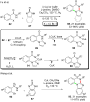
Scheme 23: Copper-catalyzed cascade reactions for the synthesis of fused quinazolinones.

Scheme 24: Copper-catalyzed synthesis of quinazolinones via methyl C–H bond amidation.

Scheme 25: Dicumyl peroxide-based cascade synthesis of quinazolinones.

Scheme 26: Copper-catalyzed cascade reactions for the synthesis of indolinones.
C–H bond halogenation catalyzed or mediated by copper: an overview
- Wenyan Hao and
- Yunyun Liu
Beilstein J. Org. Chem. 2015, 11, 2132–2144, doi:10.3762/bjoc.11.230
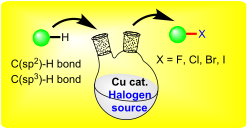
- copper-catalyzed arene C–H methoxylation using the generally applicable quinolin-8-yl [40] as DG, Stahl et al. [41] discovered that using a CuCl/LiCl/O2/AcOH catalytic system resulted in the formation of C-5 chlorinated quinoline, demonstrating the pivotal role of the DG in inducing the reaction pathway
- ). Control experiments in the presence of TEMPO suggested that the reaction might proceed via a C-centered free radical provided by SET between the quinoline substrate and the cupric salt. In recent years, the formation of C–F chemical bonds received global research interest owing to the particular functions
- using LiCl. Copper-catalyzed C–H halogenation of 2-arylpyridines using LiX. Copper-mediated selective C–H halogenations of 2-arylpyridine. Copper-catalyzed C–H o-halogenation using removable DG. Copper-catalyzed C–H halogenations using PIP as DG. Copper-catalyzed quinoline C–H chlorination. Copper

Graphical Abstract

Scheme 1: Copper-catalyzed C–H bond halogenation of 2-arylpyridine.

Scheme 2: ortho-Chlorination of 2-arylpridines with acyl chlorides.

Scheme 3: Copper-catalyzed chlorination of 2-arylpyridines using LiCl.

Scheme 4: Copper-catalyzed C–H halogenation of 2-arylpyridines using LiX.

Scheme 5: Copper-mediated selective C–H halogenations of 2-arylpyridine.

Scheme 6: Copper-catalyzed C–H o-halogenation using removable DG.

Scheme 7: Copper-catalyzed C–H halogenations using PIP as DG.

Scheme 8: Copper-catalyzed quinoline C–H chlorination.

Scheme 9: Copper-catalyzed arene C–H fluorination of benzamides.

Scheme 10: Copper-catalyzed arene C–H iodination of 1,3-azoles.
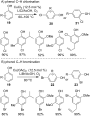
Scheme 11: Copper-catalyzed C–H halogenations of phenols.

Scheme 12: Proposed mechanism for the C–H halogenation of phenols.

Scheme 13: Copper-catalyzed halogenation of electron enriched arenes.

Scheme 14: Copper-catalyzed C–H bromination of arenes.

Scheme 15: CuI-mediated synthesis of iododibenzo[b,d]furans via C–H functionalization.

Scheme 16: Cu-Mn spinel oxide-catalyzed phenol and heteroarene halogenation.

Scheme 17: Copper-catalyzed halogenations of 2-amino-1,3thiazoles.

Scheme 18: Copper-mediated chlorination and bromination of indolizines.

Scheme 19: Copper-catalyzed three-component synthesis of bromoindolizines.

Scheme 20: Copper-mediated C–H halogenation of azacalix[1]arene[3]pyridines.

Scheme 21: Copper-mediated cascade synthesis of halogenated pyrrolones.

Scheme 22: Copper-mediated alkene C–H chlorination in spirothienooxindole.

Scheme 23: Copper-catalyzed remote C–H chlorination of alkyl hydroperoxides.
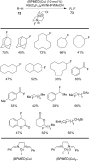
Scheme 24: Copper-catalyzed C–H fluorination of alkanes.
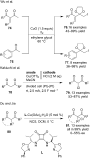
Scheme 25: Copper-catalyzed or mediated C–H halogenations of active C(sp3)-bonds.
Supramolecular chemistry: from aromatic foldamers to solution-phase supramolecular organic frameworks
- Zhan-Ting Li
Beilstein J. Org. Chem. 2015, 11, 2057–2071, doi:10.3762/bjoc.11.222
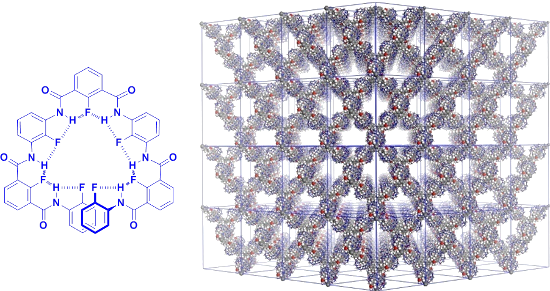
- predicted, most densely packed lattice for a C5-symmetric macrocycle [49]. Jiang and co-workers also prepared fluorine-containing quinoline oligoamides, which they found self-assembled into unique double and quadruple helices [52][53]. The fluorine atoms in the oligomers induced the backbone to fold by
- confine the rotation of one single bond, while for the latter, it would confine two single bonds. Jiang and Huc and co-workers successfully utilized the five-membered N–H···Cl hydrogen bond to construct quinoline amide-derived double helices [53]. C–H····X (X = OR, F) hydrogen bonding-driven 1,2,3

Graphical Abstract

Scheme 1: Proposed structures of complexes between 1a and 1b with 2.

Scheme 2: The formation of catenanes 6a–c.

Scheme 3: The structures of cantenanes 7a–c.

Scheme 4: The structures of dimer 8·8 and compounds 9 and 10.

Figure 1: X-ray structure of 10 showing a quadruple hydrogen-bonded dimeric motif [17].

Scheme 5: The structures of compounds 11a–g.

Figure 2: Zipper-featured folding motif of δ-peptides 11a–g driven by the cooperative donor–acceptor interact...

Scheme 6: The structures of compounds 12a–g and the formation of the helical conformation by the longer oligo...

Scheme 7: The structures of compounds 13a,b, 14, and 15a–d.

Scheme 8:
The structures of complex C60 ![[Graphic 1]](/bjoc/content/inline/1860-5397-11-222-i19.png?max-width=637&scale=1.18182) 16 and dynamic [2]catenane formed by compounds 17–19.
16 and dynamic [2]catenane formed by compounds 17–19.

Scheme 9: The structure of homodimers 20a·20a and 20b·20b.

Scheme 10: The structures of foldamers 21 and 22a–c.

Scheme 11: Complexation-promoted hydrolysis of foldamer 23.

Scheme 12: The structure of foldamer 24.

Scheme 13: The structures of foldamers 24a–c.

Scheme 14: Proposed structures of heterodimers 25·28, 26·28, and 27·28.

Scheme 15: Proposed structure of complex formed by 29 and 30.

Scheme 16: The structures of polymers P31a,b and P32a–d.

Scheme 17: The structure of compound 33.

Scheme 18: The structure of compound 34.



