Search results
Search for "cytotoxic" in Full Text gives 311 result(s) in Beilstein Journal of Organic Chemistry. Showing first 200.
Natural and redesigned wasp venom peptides with selective antitumoral activity
Beilstein J. Org. Chem. 2018, 14, 1693–1703, doi:10.3762/bjoc.14.144
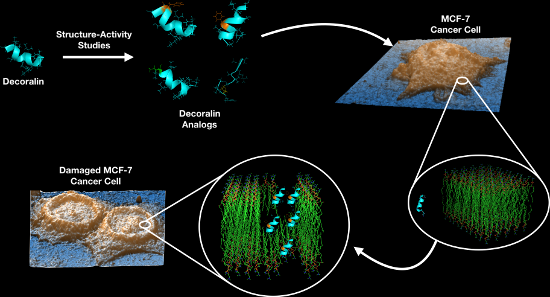
- residues are not major components of cell-penetrating peptides [32], which are typically cytotoxic, so we chose to synthesize a Trp-containing analog as well. The changes in the designed analogs led to slight differences in specific physicochemical features (Table 1), such as hydrophobicity, hydrophobic
- concentrations (≈100 μmol L−1). On the other hand, [Leu]8-Dec-NH2 did not present significant activity against MCF-7 cells when compared to the negative control (Figure 2), and intriguingly was cytotoxic towards normal MCF-10A cells even at the lowest concentration tested (25 μmol L−1, Figure 3). This




Drug targeting to decrease cardiotoxicity – determination of the cytotoxic effect of GnRH-based conjugates containing doxorubicin, daunorubicin and methotrexate on human cardiomyocytes and endothelial cells
Beilstein J. Org. Chem. 2018, 14, 1583–1594, doi:10.3762/bjoc.14.136
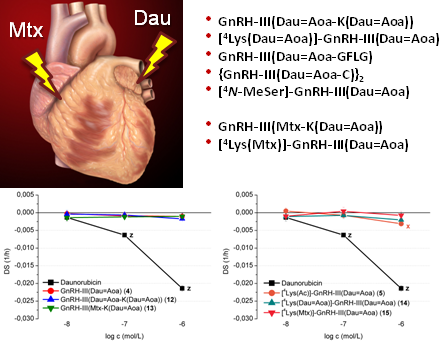
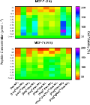
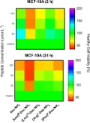
- in compounds with increased therapeutic efficacy. The objective of the present study was to examine the cytotoxic effect of anticancer drug–GnRH-conjugates against two essential cardiovascular cell types, such as cardiomyocytes and endothelial cells. Sixteen different previously developed GnRH
- cells on golden electrode arrays placed at the bottom of the wells. Slopes of impedance–time curves were calculated and for the quantitative determination of cytotoxicity, the difference to the control was analysed. Results: Doxorubicin and daunorubicin exhibited a cytotoxic effect on both cell types
- , at the highest concentrations tested. Doxorubicin-based conjugates (AN-152, GnRH-III(Dox-O-glut), GnRH-III(Dox-glut-GFLG) and GnRH-III(Dox=Aoa-GFLG) showed the same cytotoxic effect on cardiomyocytes. Among the daunorubicin-based conjugates, [4Lys(Ac)]-GnRH-III(Dau=Aoa), GnRH-III(Dau=Aoa-YRRL), {GnRH


Lanyamycin, a macrolide antibiotic from Sorangium cellulosum, strain Soce 481 (Myxobacteria)
Beilstein J. Org. Chem. 2018, 14, 1554–1562, doi:10.3762/bjoc.14.132
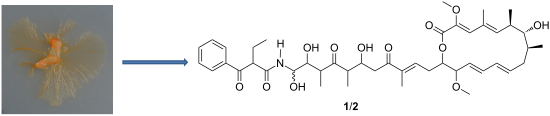
- their macrolactone ring was assigned based on NOE and vicinal 1H NMR coupling constants and by calculation of a 3D model. Lanyamycin inhibited HCV infection into mammalian liver cells with an IC50 value of 11.8 µM, and exhibited a moderate cytotoxic activity against the mouse fibroblast cell line L929
- of this class, bafilomycin A1 (Figure 3) is a useful biochemical tool as it prevents the re-acidification of synaptic vesicles once they have undergone exocytosis [14]. Bafilomycins are also known to be cytotoxic, inhibitors of autophagy, active against Gram-positive bacteria, yeast and fungi
- (KB3.1), colon carcinoma cells (HCT-116), and glioblastoma (U87MG). It exhibited cytotoxic activity with IC50 values of 3.1 and 1.5 µM against L929 and KB3.1 cell cultures, respectively, while it was not active against the other cell lines according to the limits of the National Cancer Institute (active


Hyper-reticulated calixarene polymers: a new example of entirely synthetic nanosponge materials
Beilstein J. Org. Chem. 2018, 14, 1498–1507, doi:10.3762/bjoc.14.127

- composites loaded with quercetin may show improved cytotoxic activity towards some human breast cancer cell lines [32], likely due to a synergistic action between the polyphenol nutraceutic guest molecule and triazole derivatives coming from the progressive disgregation of the co-polymer carrier. From the


Design and biological characterization of novel cell-penetrating peptides preferentially targeting cell nuclei and subnuclear regions
Beilstein J. Org. Chem. 2018, 14, 1378–1388, doi:10.3762/bjoc.14.116
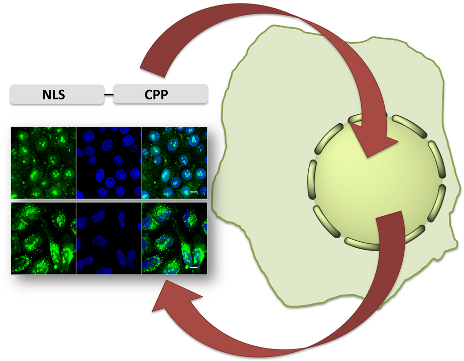
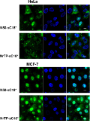
- -sC18* and NrTP-sC18* formed α-helices that showed amphipathic character with a clear hydrophilic and hydrophobic face (Figure 1C). This property might support the interaction with the plasma membrane. Cytotoxic profile of novel CPPs In the next step, the cytotoxicity profiles of the novel peptide



Oligonucleotide analogues with cationic backbone linkages
Beilstein J. Org. Chem. 2018, 14, 1293–1308, doi:10.3762/bjoc.14.111
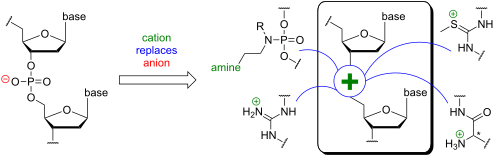
- . Fluorescence microscopy revealed a cytoplasmic localization of the oligonucleotide without accumulation in the nuclei. This indicated an endocytotic uptake mechanism with (at least partial) retention of the material in the endocytotic vesicles. No unspecific cytotoxic effect of the guanidinylated





Novel unit B cryptophycin analogues as payloads for targeted therapy
Beilstein J. Org. Chem. 2018, 14, 1281–1286, doi:10.3762/bjoc.14.109
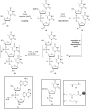
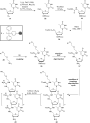
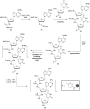
- potential for chemotherapy. Since targeted therapy provides new perspectives for treatment of cancer, new potent analogues of cytotoxic agents containing functional groups for conjugation to homing devices are required. We describe the design, synthesis and biological evaluation of three new unit B
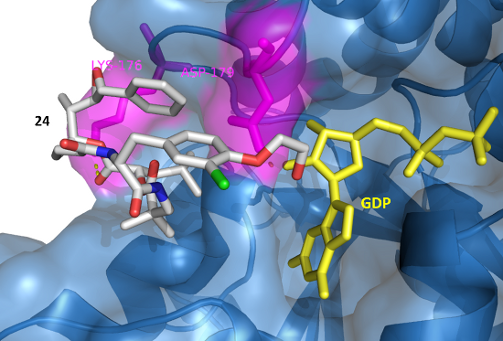
- glycol spacer with a terminal azide results in a complete loss of activity. Docking studies of the novel cryptophycin analogues to β-tubulin provided a rationale for the observed cytotoxicities. Keywords: cryptophycin; cytotoxic agents; novel payloads; tubulin inhibitors; tumour targeting; Introduction
- not better than its parent. In recent years the targeted delivery of cytotoxic agents has emerged as a highly promising method to tackle selectivity issues [36][37][38][39][40]. Cryptophycin-52 and many analogues lack an addressable group to conjugate the toxin to a homing device. For this reason, new


An overview of recent advances in duplex DNA recognition by small molecules
Beilstein J. Org. Chem. 2018, 14, 1051–1086, doi:10.3762/bjoc.14.93
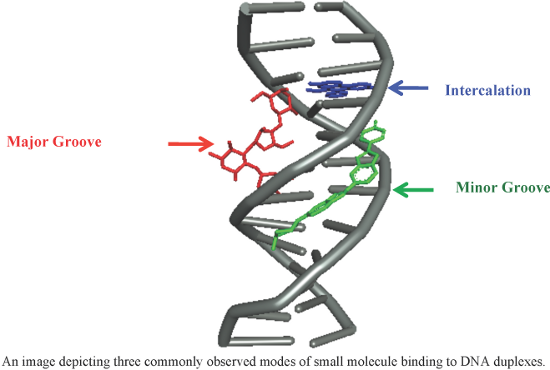
- ][40]. The benzoyl nitrogen mustard (BAM) to the formyl end of the distamycin acts as an alkylating moiety whereas the distamycin framework acts as a DNA binding domain. Therefore, due to the installation of the alkylating moiety, TAM has higher cytotoxic activity in comparison to distamycin, and shows
- of these classes of molecules including the amidine modification. In addition, a novel class of cytotoxic MGBs comprising of α-bromo or chloroacrylamide moieties linked to distamycin were identified. Among all different synthetic analogs, brostacillin (PNU-166196, Figure 3) was found to be a potent
- structure–activity relationship. It has been observed that the number and position of pyrrole rings are crucial for antileukemic activity. The presence of pyrrole rings close to the alkylating BAM moiety is responsible for better cytotoxic activity both in vitro and in vivo, whereas a pyrazole ring in close






Fluorocyclisation via I(I)/I(III) catalysis: a concise route to fluorinated oxazolines
Beilstein J. Org. Chem. 2018, 14, 1021–1027, doi:10.3762/bjoc.14.88
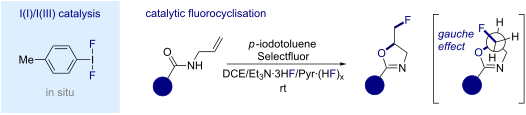
- siderophore antibiotic D-fluviabactin, the cytotoxic agent westiellamide, the antifungal macrodiolide leupyrrin A1 and the antitumour compound BE-70016 (Figure 1). In addition, synthetic polymers based on the 2-oxazoline building block constitute versatile platforms for a range of biomedical applications




On the design principles of peptide–drug conjugates for targeted drug delivery to the malignant tumor site
Beilstein J. Org. Chem. 2018, 14, 930–954, doi:10.3762/bjoc.14.80
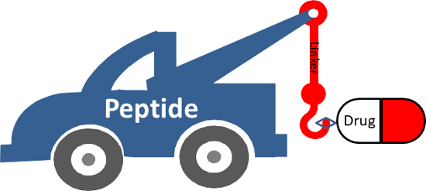
- . The general architecture of PDCs consists of three building blocks: the tumor-homing peptide, the cytotoxic agent and the biodegradable connecting linker. The aim of the current review is to provide a spherical perspective on the basic principles governing PDCs, as also the methodology to construct
- intervention, radiation and chemotherapy. Drugs used for this purpose are inevitably cytotoxic in order to eliminate cancer cells, but they lack selectivity that could be developed through targeting malignant cells (Figure 1). Due to the uncontrolled peripheral toxicity, anticancer drugs usually kill healthy
- , occurring via urine. Therefore, most conventional cytotoxic agents applied in chemotherapy lack optimum pharmacokinetic properties (ADME) and thus are not very effective to treat malignancies. Moreover, despite the intensive research to construct new cytotoxic drugs, survival rates in most cancers remain


Development of novel cyclic NGR peptide–daunomycin conjugates with dual targeting property
Beilstein J. Org. Chem. 2018, 14, 911–918, doi:10.3762/bjoc.14.78
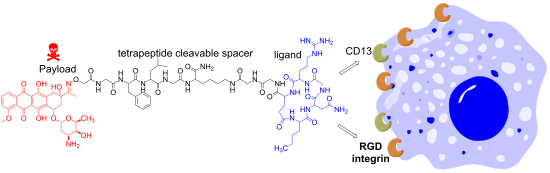
- selectivity to CD13+ cells. However, the cellular uptake and cytotoxic effect of Dau=Aoa-GFLGK(c[NleNGRE]-GG-)-NH2 was higher in comparison to the control especially on HT-29 cells. Therefore, this conjugate is more suitable for drug targeting with dual targeting property. Keywords: antitumor activity; drug
- characterization of novel cyclic NGR peptides and their corresponding NGR-drug conjugates. Special attention was paid on the chemostability and in vitro biological activity of the compounds [17][18]. Daunomycin (Dau) was used as cytotoxic agent, attached to the NGR-derivatives via oxime linkage. The prepared
- conjugates revealed substantial in vitro cytostatic/cytotoxic effects. Our results indicated that the conjugates had an antitumor effect against both CD13+ HT-1080 cells and CD13− (but integrin receptor positive) HT-29 human colon cancer cells. Moreover, we showed that the toxicity and the selectivity of the


Synthesis and in vitro biochemical evaluation of oxime bond-linked daunorubicin–GnRH-III conjugates developed for targeted drug delivery
Beilstein J. Org. Chem. 2018, 14, 756–771, doi:10.3762/bjoc.14.64
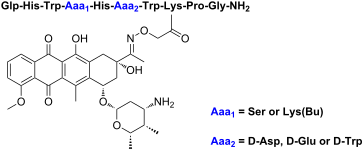
- , 9Pro-EA] and triporelin [6D-Trp], which are used as pharmaceutical peptides to treat inter alia hormone dependent prostate and/or breast cancer [7]. Since the mid-1980s cytotoxic GnRH-I derivatives were developed and investigated to treat tumor cells [4][5][8][9]. Anthracyclines such as doxorubicin
- cellular uptake and the subcellular localization of the drug or the drug bioconjugates [13][14]. It is well known from the literature that anthracyclines accumulate in the nucleus, in that manner they also act as DNA stains [14][15]. The first cytotoxic GnRH-I derivative, which was investigated in
- the release of the cytotoxic agent within the tumor cell. During clinical trials, only mild side effects were observed which are caused by premature drug release [17]. The receptor mediated uptake of zoptarelin has been investigated by blockage of GnRH receptors using an excess of the GnRH-I



Mannich base-connected syntheses mediated by ortho-quinone methides
Beilstein J. Org. Chem. 2018, 14, 560–575, doi:10.3762/bjoc.14.43
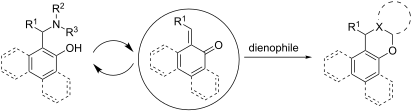
- active zwitterionic species via an o-QM intermediate. Dimmock et al. subsequently examined the cytotoxic activity of phenolic azobenzene Mannich bases [92]. Correlations were found between structures and activities against murine P388DI and L1210 cells, human T-lymphocyte cell lines and, in some cases
- , mutagenous properties were also shown. Freccero et al. examined the photogeneration by laser flash photolysis and reactivity of naphthoquinone methides as well as their activity as purine selective DNA alkylating agents [93]. Farrell et al. studied the mechanism of the cytotoxic action of naphthoquinone


Stimuli-responsive oligonucleotides in prodrug-based approaches for gene silencing
Beilstein J. Org. Chem. 2018, 14, 436–469, doi:10.3762/bjoc.14.32
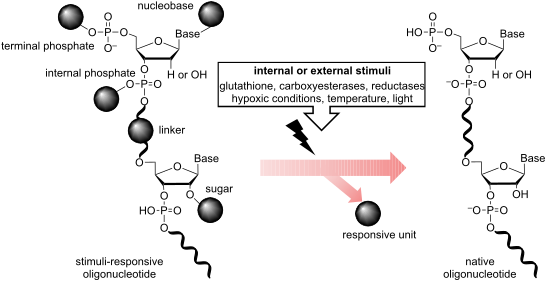
- cellular internalization in Vero cells. These data support that both 3-(N,N-dimethylamino)propyl and fma groups are required for optimal internalization in the three cell lines. Of special interest was the absence of cytotoxic effects in Vero cells at a 50 μM extracellular ON concentration for 72 h


Synthesis and biological evaluation of RGD and isoDGR peptidomimetic-α-amanitin conjugates for tumor-targeting
Beilstein J. Org. Chem. 2018, 14, 407–415, doi:10.3762/bjoc.14.29
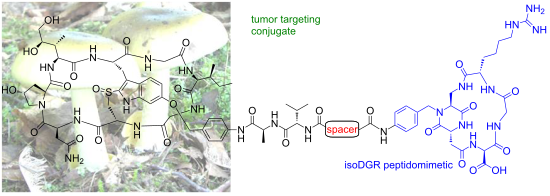
- group (-CH2NH2) as a handle for conjugation to cytotoxic drugs (Figure 2, ligands 2 and 4) [28][29][30]. Conjugates of the functionalized ligands 2 and 4 with paclitaxel (PTX) via a 2’-carbamate with a self-immolative spacer and the lysosomally cleavable Val-Ala linker [31] were synthesized (Figure 2
- ) proved less potent than α-amanitin in all cell lines (see Table 3, cf. entry 1 with entries 2–4). In general, one can conclude that the “uncleavable” compounds 7 and 8 are much less cytotoxic than free α-amanitin, while the lysosomally cleavable compounds 9–11 show variable results, with RGD compound 9


Synthesis of fluoro-functionalized diaryl-λ3-iodonium salts and their cytotoxicity against human lymphoma U937 cells
Beilstein J. Org. Chem. 2018, 14, 364–372, doi:10.3762/bjoc.14.24
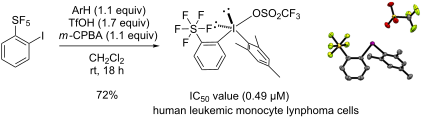
- concentrations (1 µM and 5 µM) of these compounds. The data (treated cells and untreated controls) were plotted together to compare the results (Figure 2). Shibata reagents 1 and 2a were not very cytotoxic at 5 μM. Perfluorinated phenylthio reagent 2b and perfluorinated phenyl reagent 3a showed similar, but
- moderate (45.3%), but low at 1 μM (17.9%). The non-fluorinated diphenyl iodonium salt 3o, on the other hand, was weakly cytotoxic at both concentrations (1 μM, 7.5%; 5 μM, 10.1%). Analysis of the perfluorinated phenyl reagent 4a with a triisopropylphenyl ligand displayed strong cytotoxicity (93.7%) at 5 μM


Recent developments in the asymmetric Reformatsky-type reaction
Beilstein J. Org. Chem. 2018, 14, 325–344, doi:10.3762/bjoc.14.21
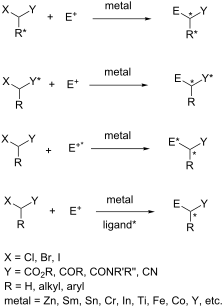
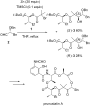
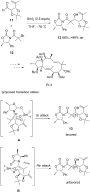
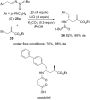
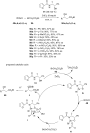
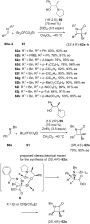
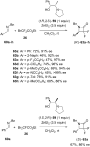
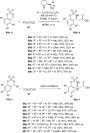
- in the presence of LiI. A subsequently deprotection of this product by treatment with TFA led to the expected naturally occurring cytotoxic macrolide epothilone D. It must be noted that this novel highly convergent and stereocontrolled total synthesis of epothilone D clearly differed from other
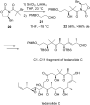
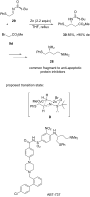
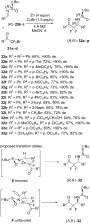
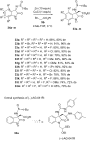
- , cebulactam A1, and ansamacrolactams. In addition, novel total syntheses of prostaglandin E2, the cytotoxic agent epothilone D, and protein inhibitor ABT-737 along with formal syntheses of the protein inhibitor tedanolide C, the neprilysin inhibitor sacubitril, the antiproliferative agent jatrophane diterpene











5-Aminopyrazole as precursor in design and synthesis of fused pyrazoloazines
Beilstein J. Org. Chem. 2018, 14, 203–242, doi:10.3762/bjoc.14.15
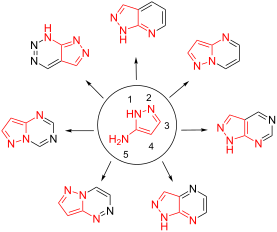
- ). Interestingly, high yields of the corresponding pyrazolo[3,4-b]pyridines 34 were obtained when reactions were carried under solvent-free microwave irradiation. The synthesized pyrazolo[3,4-b]pyridines have shown potential cytotoxic activity against cervical HeLa and prostate DU 205 cancer cell lines. A similar
- screened for their cytotoxic activity against human colon carcinoma (Colo-205) cell lines (Scheme 35). Buriol et al. [92] described the reaction of 5-aminopyrazole 16 with 4-alkoxy-1,1,1-trifluoro-3-alken-2-ones 129 to yield pyrazolo[1,5-a]pyrimidine derivatives 130 in acetic acid and ethanol using
- (pyridin-3-yl)methanone (piperazinyl derivatives, 135) with 134 which were evaluated for their cytotoxic potential against MCF-7, HeLa, IMR 32 and SiHa cancer cell lines. Pyrazolo[1,5-a]pyrimidinyl amide derivatives 136 having piperazinyl derivatives, R1 = H, R2 = F and OCH3, R3 = H and OCH3, respectively


Volatiles from the tropical ascomycete Daldinia clavata (Hypoxylaceae, Xylariales)
Beilstein J. Org. Chem. 2018, 14, 135–147, doi:10.3762/bjoc.14.9
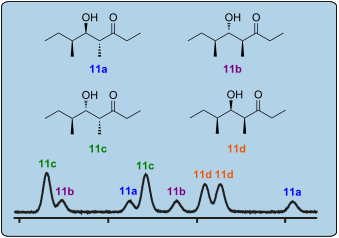
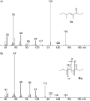
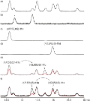
- natural product is 6-nonyl-2H-pyran-2-one. The antimicrobial and cytotoxic effects of the synthetic volatiles are also reported. Keywords: enantioselective synthesis; gas chromatography; mass spectrometry; natural products; volatiles; Introduction A large variety of volatile organic compounds from
- products so far. Biological characterisation of compounds Three of the volatile metabolites identified from D. clavata (compounds 9, 14 and 17) were evaluated for antimicrobial and cytotoxic activities using a standard panel of fungi and bacteria, as well as the murine cell line L929 (Table 3). The 2
- -pyrone 17 exhibited a moderate antifungal and weak antibacterial effect, while the lactone 9 was moderately cytotoxic, but devoid of significant antimicrobial activity. The chlorinated aromatic compound 14 only weakly inhibited the sensitive test organisms Chromobacterium violaceum and Mucor hiemalis








The chemistry and biology of mycolactones
Beilstein J. Org. Chem. 2017, 13, 1596–1660, doi:10.3762/bjoc.13.159
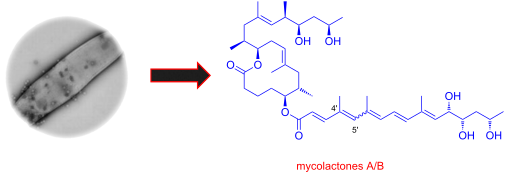
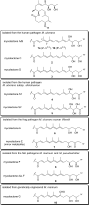
- ulcerans, which exhibit cytotoxic, immunosuppressive and analgesic properties. As the virulence factor of M. ulcerans, mycolactones are central to the pathogenesis of the neglected disease Buruli ulcer, a chronic and debilitating medical condition characterized by necrotic skin ulcers. Due to their complex
- and mechanisms of action Although Buruli ulcer is associated with extensive fat cell necrosis at the sites of infection, the ulcers are typically accompanied by minimal pain or inflammatory response. These macroscopic observations reflect the cytotoxic [32], immunosuppressive [35][77] and analgesic
- might be crucial for Buruli ulcer pathogenesis [35][81]. With increasing concentrations, the cytotoxic effects of mycolactone become more prominent. These are typically accompanied by a profound structural change in the cytoskeleton followed by cell cycle arrest in the G0/G1 phase. Ultimately, cell









A novel approach to oxoisoaporphine alkaloids via regioselective metalation of alkoxy isoquinolines
Beilstein J. Org. Chem. 2017, 13, 1564–1571, doi:10.3762/bjoc.13.156

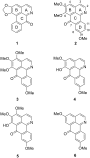
- methylation protocol, we explored diazomethane, but no conversion was observed at all. Finally, all of the synthesized alkaloids were tested for their cytotoxic potential in a MTT assay on the HL-60 cell line. Except for menisporphine (2) and bianfugecine (6, both IC50 values > 50 µM), all of the described
- oxoisoaporphine alkaloids and the isomers 18 and 19 showed significant cytotoxic activity. IC50 values of alkaloid 3 and of compounds 18 and 19 are ranging from 3–6 µM. Very strong cytotoxicity was determined for 6-O-demethylmenisporphine (4) with an IC50 value of 0.06 µM and for dauriporphinoline (5) with 0.23



BODIPY-based fluorescent liposomes with sesquiterpene lactone trilobolide
Beilstein J. Org. Chem. 2017, 13, 1316–1324, doi:10.3762/bjoc.13.128
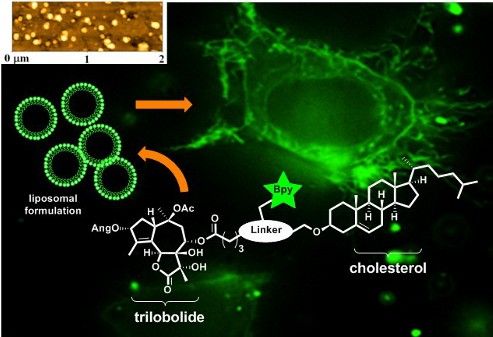
- active construct 6 from the liposomes. Further tests are necessary to confirm this hypothesis. Conclusion In summary, in order to develop a drug delivery system for potential theranostic applications, we prepared a submicron liposome-based formulation of a cytotoxic agent, sesquiterpene lactone




Cycloheximide congeners produced by Streptomyces sp. SC0581 and photoinduced interconversion between (E)- and (Z)-2,3-dehydroanhydrocycloheximides
Beilstein J. Org. Chem. 2017, 13, 1039–1049, doi:10.3762/bjoc.13.103
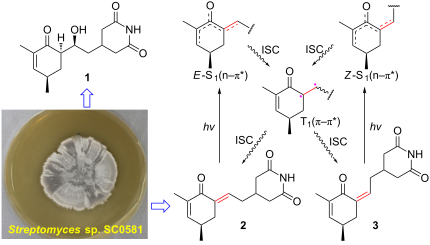
- 2 and 3 was observed and verified and the possible reaction path and mechanism were proposed by theoretical computations. The antifungal and cytotoxic activities of 1–6 were evaluated and suggested that 2,3-dehydrogenation results in the loss of the activities and supported that the OH-α is
- findings suggested that these cycloheximide derivatives possibly exert the antifungal and cytotoxic activities via a similar mode of action. Conclusion Three new (1–3) and three known (4–6) cycloheximide congeners were obtained from the cultures of Streptomyces sp. SC0581. The structure elucidation of the




Glyco-gold nanoparticles: synthesis and applications
Beilstein J. Org. Chem. 2017, 13, 1008–1021, doi:10.3762/bjoc.13.100
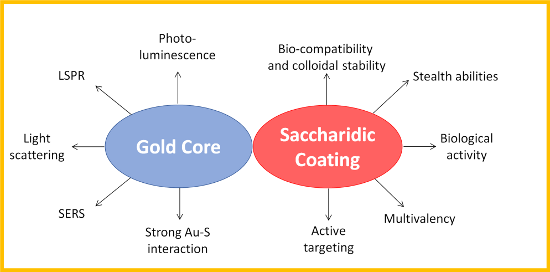
- cytotoxic activity toward lymphoma cells, resulting active at a very low micromolar range [101]. With the aim to activate the human immune system against self-tumor cells, Schlecht and co-workers designed the synthesis of AuNPs functionalized with Mucin1(MUC1)-glycopeptide antigens [102]. Mucins are a


Automating multistep flow synthesis: approach and challenges in integrating chemistry, machines and logic
Beilstein J. Org. Chem. 2017, 13, 960–987, doi:10.3762/bjoc.13.97
- (±)-oxomaritidine (gas–liquid–solid reaction) Baxendale et al. have developed a multistep synthesis for (±)-oxomaritidine, a cytotoxic alkaloid of the amaryllidaceae family of natural products [9] (Scheme 4). The process involved seven reaction steps out of which the first two reactions were carried out in parallel