


Search results
Search for "pyridinium" in Full Text gives 195 result(s) in Beilstein Journal of Organic Chemistry.
Molecular rearrangements of superelectrophiles
- Douglas A. Klumpp
Beilstein J. Org. Chem. 2011, 7, 346–363, doi:10.3762/bjoc.7.45
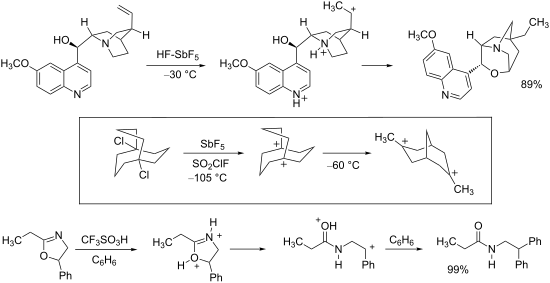
- nitrogen atom. In the case of α-isomer 108, the developing azonium cation may be stabilized by resonance interaction with the phenyl group of 111. However, with the β-isomer 109 the developing azonium cation is located next to the pyridinium ring 116. Evidently, structure 116 is destabilized by the

Graphical Abstract

Scheme 1: Superelectrophilic activation of the acetyl cation.

Scheme 2: Ring opening of diprotonated 2-oxazolines.

Scheme 3: AlCl3-promoted ring opening of isoxaolidine 16.

Scheme 4: Ring-opening reactions of cyclopropyl derivatives.

Scheme 5: Condensations of ninhydrin (28) with benzene.

Scheme 6: Rearrangement of 29 to 30.

Scheme 7: Superacid promoted ring opening of succinic anhydride (33).

Scheme 8: Reaction of phthalic acid (36) in FSO3H-SbF5.

Scheme 9: Ring expansion of superelectrophile 42.

Scheme 10: Reaction of camphor (44) in superacid.

Scheme 11: Isomerization of 2-cyclohexen-1-one (48).

Scheme 12: Isomerization of 2-decalone (51).

Scheme 13: Rearrangement of the acyl-dication 58.

Scheme 14: Reaction of dialkylketone 64.

Scheme 15: Ozonolysis in superacid.

Scheme 16: Rearrangement of 1-hydroxy-2-methylcyclohexane carboxylic acid (79) in superacid.

Scheme 17: Isomerization of the 1,5-manxyl dication 87.

Scheme 18: Energetics of isomerization.

Scheme 19: Rearrangement of dication 90.

Scheme 20: Superacid promoted rearrangement of pivaldehyde (92).

Scheme 21: Rearrangement of a superelectrophilic carboxonium ion 100.

Scheme 22: Proposed mechanism for the Wallach rearrangement.

Scheme 23: Wallach rearrangement of azoxypyridines 108 and 109.

Scheme 24: Proposed mechanism of the benzidine rearrangement.

Scheme 25: Superacid-promoted reaction of quinine (122).

Scheme 26: Superacid-promoted reaction of vindoline derivative 130.

Scheme 27: Charge migration by hydride shift and acid–base chemistry.

Scheme 28: Reactions of 1-hydroxycyclohexanecarboxylic acid (137).

Scheme 29: Reaction of alcohol 143 with benzene in superacid.

Scheme 30: Reaction of alcohol 148 in superacid with benzene.

Scheme 31: Mechanism of aza-polycyclic aromatic compound formation.

Scheme 32: Superacid-promoted reaction of ethylene glycol (159).

Scheme 33: Reactions of 1,3-propanediol (165) and 2-methoxyethanol (169).

Scheme 34: Rearrangement of superelelctrophilic acyl dication 173.
Anthracene appended pyridinium amide–urea conjugate in selective fluorometric sensing of L-N-acetylvaline salt
- Kumaresh Ghosh,
- Tanmay Sarkar and
- Asoke P. Chattopadhyay
Beilstein J. Org. Chem. 2010, 6, 1211–1218, doi:10.3762/bjoc.6.139

- Kumaresh Ghosh Tanmay Sarkar Asoke P. Chattopadhyay Department of Chemistry, University of Kalyani, Kalyani-741235, India, Fax +91-33-25828282 10.3762/bjoc.6.139 Abstract A new anthracene labeled pyridinium amide–urea conjugate 1 has been designed and synthesized. The receptor shows a different
- ; pyridinium amide–urea conjugate; Introduction The design and synthesis of artificial receptors capable of recognizing α-hydroxy and N-acetyl-α-amino acid carboxylates (i.e., salts of α-amino acids) is an active area of interest in supramolecular chemistry due to the biological significance and practical
- carboxylates [21][22], we reported receptors of various structures with different binding sites. The pyridinium motif, which was first used by Jeong et al. for carboxylate binding [23], was one of the binding sites in our designed receptors [24][25][26]. The pyridinium motif is unique due to its contribution

Graphical Abstract
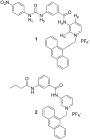
Figure 1: Synthesized compounds 1 and 2.

Scheme 1: Syntheses of 1 and 2.

Figure 2: Change in 1H NMR of (A) 1 (400 MHz, CDCl3 containing 0.4% d6-DMSO; c = 2.80 × 10⁻³ M) and in the pr...

Figure 3: Change in fluorescence ratio of 1 upon addition of one equivalent of anions (c = 4.31 × 10⁻⁵ M) at ...

Figure 4: Change in emission of 1 (c = 4.31 × 10⁻⁵ M) upon gradual addition of tetrabutylammonium salts of (a...

Figure 5: Suggested modes of binding of the amino acid salts into the open cleft of 1.

Figure 6: Fluorescence titration curves for 1 (c = 4.31 × 10⁻⁵ M) at 492 nm.

Figure 7: Fluorescence decays (at λmax = 420 nm) of receptor 1 upon the addition of 1 equiv of L-N-acetylvali...

Figure 8: Change in absorbance of 1 (c = 4.31 × 10⁻⁵ M) upon gradual addition of tetrabutylammonium salts of ...

Figure 9: DFT optimized geometry of the complex of 1 with L-N-acetylvaline carboxylate salt [a = 1.93 Å, b = ...
Pyridinium based amphiphilic hydrogelators as potential antibacterial agents
- Sayanti Brahmachari,
- Sisir Debnath,
- Sounak Dutta and
- Prasanta Kumar Das
Beilstein J. Org. Chem. 2010, 6, 859–868, doi:10.3762/bjoc.6.101
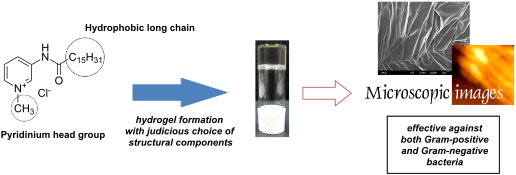
- rapid expansion of this field. In the present work we report the facile synthesis of amphiphilic hydrogelators having a quaternary pyridinium unit coupled to a hydrophobic long alkyl chain through an amide bond. Different amphiphiles with various hydrophobic chain length and polar head groups were
- rationally designed and synthesized to develop a structure-property relation. A judicious combination of hydrophilic and hydrophobic segments led to the development of pyridinium based amphiphilic hydrogelators having a minimum gelation concentration of 1.7%, w/v. Field emission scanning electronic
- originates from the interdigitated bilayer packing of the amphiphile leading to the development of an efficient hydrogel. Interestingly, the presence of the pyridinium scaffold along with the long alkyl chain render these amphiphiles inherently antibacterial. The amphiphilic hydrogelators exhibited high

Graphical Abstract
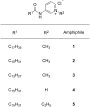
Figure 1: Structure of amphiphiles 1–5.

Scheme 1: Synthetic procedure of the amphiphiles.

Figure 2: Variation of the Tgel with concentration of amphiphiles 1 and 2.

Figure 3: (a, b) FESEM images of the dried gels of 1 and 2, respectively at their MGC. (c, d) Two- and three-...

Figure 4: Luminescence spectra of 2 in water (λex = 330 nm) at various concentrations and room temperature.

Figure 5: FTIR spectra of (a) 1 and (b) 2 in CHCl3 solution (dashed line) and in D2O at the gel state (solid ...

Figure 6: 2D-NOESY spectra of 2 (2%, w/v) in DMSO-d6 with 70% water.

Figure 7: XRD diagram of the dried gel of 2.

Figure 8: Schematic representation of the possible arrangement of molecules during hydrogelation of 2.

Figure 9: MTT assay based percent NIH3T3 cell viability as a function of concentration of amphiphile 2.
Aromatic and heterocyclic perfluoroalkyl sulfides. Methods of preparation
- Vladimir N. Boiko
Beilstein J. Org. Chem. 2010, 6, 880–921, doi:10.3762/bjoc.6.88
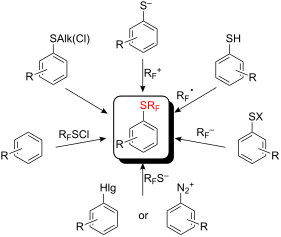
- results only in the formation of a chlorohydroquinone pyridinium species [72], and neutral conditions are required in this case [69]. For the synthesis of poly(SCF3) substituted p-hydroquinones, Scribner oxidized 2,6-bis(SCF3)-4-methoxyphenol to generate 2,6-bis(SCF3)-1,4-benzoquinone. The addition of

Graphical Abstract

Figure 1: Examples of industrial fluorine-containing bio-active molecules.

Figure 2: CF3(S)- and CF3(O)-containing pharmacologically active compounds.

Figure 3: Hypotensive candidates with SRF and SO2RF groups – analogues of Losartan and Nifedipin.

Figure 4: The variety of the pharmacological activity of RFS-substituted compounds.

Figure 5: Recent examples of compounds containing RFS(O)n-groups [12-18].

Scheme 1: Fluorination of ArSCCl3 to corresponding ArSCF3 derivatives. For references see: a[38-43]; b[41,42]; c[43]; d[44]; e[38-43,45-47]; f[38-43,48,49]; g...

Scheme 2: Preparation of aryl pentafluoroethyl sulfides.

Scheme 3: Mild fluorination of the aryl SCF2Br derivatives.

Scheme 4: HF fluorinations of aryl α,α,β-trichloroisobutyl sulfide at various conditions.

Scheme 5: Monofluorination of α,α-dichloromethylene group.

Scheme 6: Electrophilic substitution of phenols with CF3SCl [69].

Scheme 7: Introduction of SCF3 groups into activated phenols [71-74].

Scheme 8: Preparation of tetrakis(SCF3)-4-methoxyphenol [72].

Scheme 9: The interactions of resorcinol and phloroglucinol derivatives with RFSCl.

Scheme 10: Reactions of anilines with CF3SCl.

Scheme 11: Trifluoromethylsulfanylation of anilines with electron-donating groups in the meta position [74].

Scheme 12: Reaction of benzene with CF3SCl/CF3SO3H [77].

Scheme 13: Reactions of trifluoromethyl sulfenyl chloride with aryl magnesium and -mercury substrates.

Scheme 14: Reactions of pyrroles with CF3SCl.

Scheme 15: Trifluoromethylsulfanylation of indole and indolizines.

Scheme 16: Reactions of N-methylpyrrole with CF3SCl [80,82].

Scheme 17: Reactions of furan, thiophene and selenophene with CF3SCl.

Scheme 18: Trifluoromethylsulfanylation of imidazole and thiazole derivatives [83].

Scheme 19: Trifluoromethylsulfanylation of pyridine requires initial hydride reduction.

Scheme 20: Introduction of additional RFS-groups into heterocyclic compounds in the presence of CF3SO3H.

Scheme 21: Introduction of additional RFS-groups into pyrroles [82,87].

Scheme 22: By-products in reactions of pyrroles with CF3SCl [82].

Scheme 23: Reaction of aromatic iodides with CuSCF3 [93,95].

Scheme 24: Reaction of aromatic iodides with RFZCu (Z = S, Se), RF = CF3, C6F5 [93,95,96].

Scheme 25: Side reactions during trifluoromethylsulfanylation of aromatic iodides with CF3SCu [98].

Scheme 26: Reactions with in situ generated CuSCF3.

Scheme 27: Perfluoroalkylthiolation of aryl iodides with bulky RFSCu [105].

Scheme 28: In situ formation and reaction of RFZCu with aryl iodides.

Figure 6: Examples of compounds obtained using in situ generated RFZCu methodology [94].

Scheme 29: Introduction of SCF3 group into aromatics via difluorocarbene.

Scheme 30: Tetrakis(dimethylamino)ethylene dication trifluoromethyl thiolate as a stable reagent for substitut...

Scheme 31: The use of CF2=S/CsF or (CF3S)2C=S/CsF for the introduction of CF3S groups into fluorinated heteroc...

Scheme 32: One-pot synthesis of ArSCF3 from ArX, CCl2=S and KF.

Scheme 33: Reaction of aromatics with CF3S− Kat+ [115].

Scheme 34: Reactions of activated aromatic chlorides with AgSCF3/KI.

Scheme 35: Comparative CuSCF3/KI and Hg(SCF3)2/KI reactions.

Scheme 36: Me3SnTeCF3 – a reagent for the introduction of the TeCF3 group.

Scheme 37: Sandmeyer reactions with CuSCF3.

Scheme 38: Reactions of perfluoroalkyl iodides with alkali and organolithium reagents.

Scheme 39: Perfluoroalkylation with preliminary breaking of the disulfide bond.

Scheme 40: Preparation of RFS-substituted anilines from dinitrodiphenyl disulfides.

Scheme 41: Photochemical trifluoromethylation of 2,4,6-trimercaptochlorobenzene [163].

Scheme 42: Putative process for the formation of B, C and D.

Scheme 43: Trifluoromethylation of 2-mercapto-4-hydroxy-6-trifluoromethylyrimidine [145].

Scheme 44: Deactivation of 2-mercapto-4-hydroxypyrimidines S-centered radicals.

Scheme 45: Perfluoroalkylation of thiolates with CF3Br under UV irradiation.

Scheme 46: Catalytic effect of methylviologen for RF• generation.

Scheme 47: SO2−• catalyzed trifluoromethylation.

Scheme 48: Electrochemical reduction of CF3Br in the presence of SO2 [199,200].

Scheme 49: Participation of SO2 in the oxidation of ArSCF3−•.

Scheme 50: Electron transfer cascade involving SO2 and MV.

Scheme 51: Four stages of the SRN1 mechanism for thiol perfluoroalkylation.

Scheme 52: A double role of MV in the catalysis of RFI reactions with aryl thiols.

Scheme 53: Photochemical reaction of pentafluoroiodobenzene with trifluoromethyl disulfide.

Scheme 54: N- Trifluoromethyl-N-nitrosobenzene sulfonamide – a source of CF3• radicals [212,213].

Scheme 55: Radical trifluoromethylation of organic disulfides with ArSO2N=NCF3.

Scheme 56: Barton’s S-perfluoroalkylation reactions [216].

Scheme 57: Decarboxylation of thiohydroxamic esters in the presence of C6F13I.

Scheme 58: Reactions of thioesters of trifluoroacetic and trifluoromethanesulfonic acids in the presence of ar...

Scheme 59: Perfluoroalkylation of polychloropyridine thiols with xenon perfluorocarboxylates or XeF2 [222,223].

Scheme 60: Interaction of Xe(OCORF)2 with nitroaryl disulfide [227].

Scheme 61: Bi(CF3)3/Cu(OCOCH3)2 trifluoromethylation of thiophenolate [230].

Scheme 62: Reaction of fluorinated carbanions with aryl sulfenyl chlorides.

Scheme 63: Reaction of methyl perfluoromethacrylate with PhSCl in the presence of fluoride.

Scheme 64: Reactions of ArSCN with potassium and magnesium perfluorocarbanions [237].

Scheme 65: Reactions of RFI with TDAE and organic disulfides [239,240].

Scheme 66: Decarboxylation of perfluorocarboxylates in the presence of disulfides [245].

Scheme 67: Organization of a stable form of “CF3−” anion in the DMF.

Scheme 68: Silylated amines in the presence of fluoride can deprotonate fluoroform for reaction with disulfide...

Figure 7: Other examples of aminomethanols [264].

Scheme 69: Trifluoromethylation of diphenyl disulfide with PhSO2CF3/t-BuOK.

Scheme 70: Amides of trifluoromethane sulfinic acid are sources of CF3− anion.

Scheme 71: Trifluoromethylation of various thiols using “hyper-valent” iodine (III) reagent [279].

Scheme 72: Trifluoromethylation of p-nitrothiophenolate with diaryl CF3 sulfonium salts [280].

Scheme 73: Trifluoromethyl transfer from dibenzo (CF3)S-, (CF3)Se- and (CF3)Te-phenium salts to thiolates [283].

Scheme 74: Multi-stage paths for synthesis of dibenzo-CF3-thiophenium salts [61].
Shelf-stable electrophilic trifluoromethylating reagents: A brief historical perspective
- Norio Shibata,
- Andrej Matsnev and
- Dominique Cahard
Beilstein J. Org. Chem. 2010, 6, No. 65, doi:10.3762/bjoc.6.65
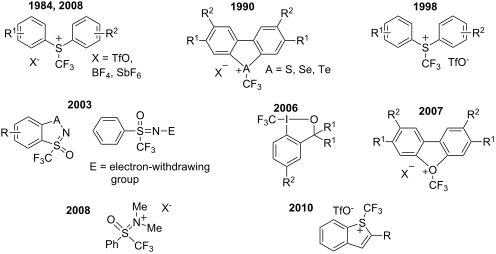
- products in high yields. Primary and secondary amines also reacted with 20b to afford N-CF3 products in good yields. Tertiary amines as well as pyridines gave quaternary ammonium and pyridinium salts, respectively. Electrophilic trifluoromethylation could also be achieved by thermal decomposition of 2

Graphical Abstract

Scheme 1: Preparation of the first electrophilic trifluoromethylating reagent and its reaction with a thiophe...

Scheme 2: Synthetic routes to S-CF3 and Se-CF3 dibenzochalcogenium salts.

Scheme 3: Synthesis of (trifluoromethyl)dibenzotellurophenium salts.

Scheme 4: Nitration of (trifluoromethyl)dibenzochalcogenium salts.

Scheme 5: Synthesis of a sulphonium salt with a bridged oxygen.

Scheme 6: Reactivity of (trifluoromethyl)dibenzochalcogenium salts.

Scheme 7: Pd(II)-Catalyzed ortho-trifluoromethylation of heterocycle-substituted arenes by Umemoto’s reagents....

Scheme 8: Mild electrophilic trifluoromethylation of β-ketoesters and silyl enol ethers.

Scheme 9: Enantioselective electrophilic trifluoromethylation of β-ketoesters.

Scheme 10: Preparation of water-soluble S-(trifluoromethyl)dibenzothiophenium salts.

Scheme 11: Method for large-scale preparation of S-(trifluoromethyl)dibenzothiophenium salts.

Scheme 12: Triflic acid catalyzed synthesis of 5-(trifluoromethyl)thiophenium salts.

Scheme 13: Trifluoromethylation of β-ketoesters and dicyanoalkylidenes by S-(trifluoromethyl)benzothiophenium ...

Scheme 14: Synthesis of chiral S-(trifluoromethyl)benzothiophenium salt 18 and attempt of enantioselective tri...

Scheme 15: Synthesis of O-(trifluoromethyl)dibenzofuranium salts.

Scheme 16: Photochemical O- and N-trifluoromethylation by 20b.

Scheme 17: Thermal O-trifluoromethylation of phenol by diazonium salt 19a. Effect of the counteranion.

Scheme 18: Thermal O- and N-trifluoromethylations.

Scheme 19: Method of preparation of S-(trifluoromethyl)diphenylsulfonium triflates.

Scheme 20: Reactivity of some S-(trifluoromethyl)diarylsulfonium triflates.

Scheme 21: One-pot synthesis of S-(trifluoromethyl)diarylsulfonium triflates.

Scheme 22: One-pot synthesis of Umemoto’s type reagents.

Scheme 23: Preparation of sulfonium salts by transformation of CF3− into CF3+.

Scheme 24: Selected reactions with the new Yagupolskii reagents.

Scheme 25: Synthesis of heteroaryl-substituted sulfonium salts.

Scheme 26: First neutral S-CF3 reagents.

Scheme 27: Synthesis of Togni reagents. aYield for the two-step procedure.

Scheme 28: Trifluoromethylation of C-nucleophiles with 37.

Scheme 29: Selected examples of trifluoromethylation of S-nucleophiles with 37.

Scheme 30: Selected examples of trifluoromethylation of P-nucleophiles with 35 and 37.

Scheme 31: Trifluoromethylation of 2,4,6-trimethylphenol with 35.

Scheme 32: Examples of O-trifluoromethylation of alcohols with 35 in the presence of 1 equiv of Zn(NTf2)2.

Scheme 33: Formation of trifluoromethyl sulfonates from sulfonic acids and 35.

Scheme 34: Organocatalytic α-trifluoromethylation of aldehydes with 37.

Scheme 35: Synthesis of reagent 42 and mechanism of trifluoromethylation.

Scheme 36: Trifluoromethylation of β-ketoesters and dicyanoalkylidenes with 42.
Molecular recognition of organic ammonium ions in solution using synthetic receptors
- Andreas Späth and
- Burkhard König
Beilstein J. Org. Chem. 2010, 6, No. 32, doi:10.3762/bjoc.6.32
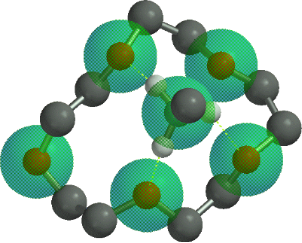

Graphical Abstract

Figure 1: Biologically important amines and quaternary ammonium salts: histamine (1), dopamine (2) and acetyl...

Figure 2: Crown ether 18-crown-6.

Figure 3: Conformations of 18-crown-6 (4) in solvents of different polarity.

Figure 4: Binding topologies of the ammonium ion depending on the crown ring size.
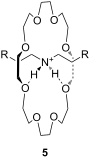
Figure 5: A “pseudorotaxane” structure consisting of 24-crown-8 and a secondary ammonium ion (5); R = Ph.

Figure 6: Typical examples of azacrown ethers, cryptands and related aza macrocycles.

Figure 7: Binding of ammonium to azacrown ethers and cryptands [111-113].

Figure 8: A 19-crown-6-ether with decalino blocking groups (11) and a thiazole-dibenzo-18-crown-6-ether (12).

Figure 9: 1,3-Bis(6-oxopyridazin-1-yl)propane derivatives 13 and 14 by Campayo et al.

Figure 10: Fluorescent azacrown-PET-sensors based on coumarin.

Figure 11: Two different pyridino-cryptands (17 and 18) compared to a pyridino-crown (19); chiral ammonium ion...

Figure 12: Pyridino-18-crown-6 ligand (21), a similar acridino-18-crown-6 ligand (22) and a structurally relat...

Figure 13: Ciral pyridine-azacrown ether receptors 24.

Figure 14: Chiral 15-crown-5 receptors 26 and an analogue 18-crown-6 ligand 27 derived from amino alcohols.

Figure 15: C2-symmetric chiral 18-crown-6 amino alcohol derivatives 28 and related macrocycles.

Figure 16: Macrocycles with diamide-diester groups (30).

Figure 17: C2-symmetric chiral aza-18-crown-6 ethers (31) with phenethylamine residues.

Figure 18: Chiral C-pivot p-methoxy-phenoxy-lariat ethers.

Figure 19: Chiral lariat crown ether 34.

Figure 20: Sucrose-based chiral crown ether receptors 36.
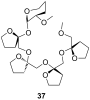
Figure 21: Permethylated fructooligosaccharide 37 showing induced-fit chiral recognition.

Figure 22: Biphenanthryl-18-crown-6 derivative 38.

Figure 23: Chiral lariat crown ethers derived from binol by Fuji et al.

Figure 24: Chiral phenolic crown ether 41 with “aryl chiral barriers” and guest amines.
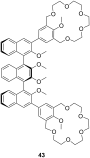
Figure 25: Chiral bis-crown receptor 43 with a meso-ternaphthalene backbone.

Figure 26: Chromogenic pH-dependent bis-crown chemosensor 44 for diamines.

Figure 27: Triamine guests for binding to receptor 44.

Figure 28: Chiral bis-crown phenolphthalein chemosensors 46.

Figure 29: Crown ether amino acid 47.

Figure 30: Luminescent receptor 48 for bis-alkylammonium guests.

Figure 31: Luminescent CEAA (49a), a bis-CEAA receptor for amino acids (49b) and the structure of lysine bindi...

Figure 32: Luminescent CEAA tripeptide for binding small peptides.

Figure 33: Bis crown ether 51a self assembles co-operatively with C60-ammonium ion 51b.

Figure 34: Triptycene-based macrotricyclic dibenzo-[24]-crown-8 ether host 52 and guests.

Figure 35: Copper imido diacetic acid azacrown receptor 53a and the suggested His-Lys binding motif; a copper ...

Figure 36: Urea (54) and thiourea (55) benzo crown receptor for transport and extraction of amino acids.

Figure 37: Crown pyryliums ion receptors 56 for amino acids.

Figure 38: Ditopic sulfonamide bridged crown ether receptor 57.

Figure 39: Luminescent peptide receptor 58.

Figure 40: Luminescent receptor 59 for the detection of D-glucosamine hydrochloride in water/ethanol and lumin...

Figure 41: Guanidinium azacrown receptor 61 for simple amino acids and ditopic receptor 62 with crown ether an...

Figure 42: Chiral bicyclic guanidinium azacrown receptor 63 and similar receptor 64 for the enantioselective t...

Figure 43: Receptors for zwitterionic species based on luminescent CEAAs.

Figure 44: 1,10-Azacrown ethers with sugar podand arms and the anticancer agent busulfan.

Figure 45: Benzo-18-crown-6 modified β-cyclodextrin 69 and β-cyclodextrin functionalized with diaza-18-crown-6...

Figure 46: Receptors for colorimetric detection of primary and secondary ammonium ions.

Figure 47: Porphyrine-crown-receptors 72.

Figure 48: Porphyrin-crown ether conjugate 73 and fullerene-ammonium ion guest 74.

Figure 49: Calix[4]arene (75a), homooxocalix[4]arene (75b) and resorcin[4]arene (75c) compared (R = H, alkyl c...

Figure 50: Calix[4]arene and ammonium ion guest (R = H, alkyl, OAcyl etc.), possible binding sites; A: co-ordi...

Figure 51: Typical guests for studies with calixarenes and related molecules.
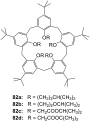
Figure 52: Lower rim modified p-tert-butylcalix[5]arenes 82.

Figure 53: The first example of a water soluble calixarene.

Figure 54: Sulfonated water soluble calix[n]arenes that bind ammonium ions.
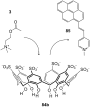
Figure 55: Displacement assay for acetylcholine (3) with a sulfonato-calix[6]arene (84b).

Figure 56: Amino acid inclusion in p-sulfonatocalix[4]arene (84a).

Figure 57: Calixarene receptor family 86 with upper and lower rim functionalization.

Figure 58: Calix[6]arenes 87 with one carboxylic acid functionality.
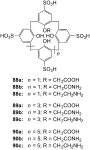
Figure 59: Sulfonated calix[n]arenes with mono-substitution at the lower rim systematically studied on their r...

Figure 60: Cyclotetrachromotropylene host (91) and its binding to lysine (81c).

Figure 61: Calixarenes 92 and 93 with phosphonic acids groups.

Figure 62: Calix[4]arene tetraphosphonic acid (94a) and a double bridged analogue (94b).
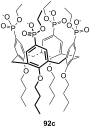
Figure 63: Calix[4]arene tetraphosphonic acid ester (92c) for surface recognition experiments.

Figure 64: Calixarene receptors 95 with α-aminophosphonate groups.

Figure 65: A bridged homocalix[3]arene 95 and a distally bridged homocalix[4]crown 96.

Figure 66: Homocalix[3]arene ammonium ion receptor 97a and the Reichardt’s dye (97b) for colorimetric assays.

Figure 67: Chromogenic diazo-bridged calix[4]arene 98.

Figure 68: Calixarene receptor 99 by Huang et al.
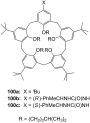
Figure 69: Calixarenes 100 reported by Parisi et al.

Figure 70: Guest molecules for inclusion in calixarenes 100: DAP × 2 HCl (101a), APA (101b) and Lys-OMe × 2 HC...

Figure 71: Different N-linked peptido-calixarenes open and with glycol chain bridges.

Figure 72: (S)-1,1′-Bi-2-naphthol calixarene derivative 104 published by Kubo et al.

Figure 73: A chiral ammonium-ion receptor 105 based on the calix[4]arene skeleton.

Figure 74: R-/S-phenylalaninol functionalized calix[6]arenes 106a and 106b.

Figure 75: Capped homocalix[3]arene ammonium ion receptor 107.

Figure 76: Two C3 symmetric capped calix[6]arenes 108 and 109.

Figure 77: Phosphorous-containing rigidified calix[6]arene 110.

Figure 78: Calix[6]azacryptand 111.

Figure 79: Further substituted calix[6]azacryptands 112.

Figure 80: Resorcin[4]arene (75c) and the cavitands (113).

Figure 81: Tetrasulfonatomethylcalix[4]resorcinarene (114).
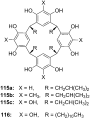
Figure 82: Resorcin[4]arenes (115a/b) and pyrogallo[4]arenes (115c, 116).
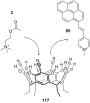
Figure 83: Displacement assay for acetylcholine (3) with tetracyanoresorcin[4]arene (117).

Figure 84: Tetramethoxy resorcinarene mono-crown-5 (118).

Figure 85: Components of a resorcinarene based displacement assay for ammonium ions.

Figure 86: Chiral basket resorcin[4]arenas 121.

Figure 87: Resorcinarenes with deeper cavitand structure (122).

Figure 88: Resorcinarene with partially open deeper cavitand structure (123).
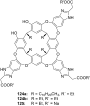
Figure 89: Water-stabilized deep cavitands with partially structure (124, 125).
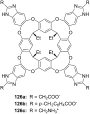
Figure 90: Charged cavitands 126 for tetralkylammonium ions.

Figure 91: Ditopic calix[4]arene receptor 127 capped with glycol chains.

Figure 92: A calix[5]arene dimer for diammonium salt recognition.

Figure 93: Calixarene parts 92c and 129 for the formation molecular capsules.
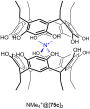
Figure 94: Encapsulation of a quaternary ammonium cation by two resorcin[4]arene molecules (NMe4+@[75c]2 × Cl−...

Figure 95: Encapsulation of a quaternary ammonium cation by six resorcin[4]arene molecules (NMe3D+@[130]6 × Cl−...

Figure 96: Structure and schematic of cucurbit[6]uril (CB[6], 131a).
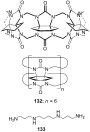
Figure 97: Cyclohexanocucurbit[6]uril (CB′[6], 132) and the guest molecule spermine (133).

Figure 98: α,α,δ,δ-Tetramethylcucurbit[6]uril (134).

Figure 99: Structure of the cucurbituril-phthalhydrazide analogue 135.

Figure 100: Organic cavities for the displacement assay for amine differentiation.

Figure 101: Displacement assay methodology for diammonium- and related guests involving cucurbiturils and some ...

Figure 102: Nor-seco-Cucurbituril (±)-bis-ns-CB[6] (140) and guest molecules.

Figure 103: The cucurbit[6]uril based complexes 141 for chiral discrimination.
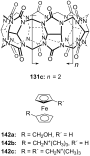
Figure 104: Cucurbit[7]uril (131c) and its ferrocene guests (142) opposed.

Figure 105: Cucurbit[7]uril (131c) guest inclusion and representative guests.

Figure 106: Cucurbit[7]uril (131c) binding to succinylcholine (145) and different bis-ammonium and bis-phosphon...

Figure 107: Paraquat-cucurbit[8]uril complex 149.
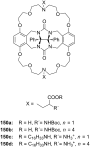
Figure 108: Gluconuril-based ammonium receptors 150.
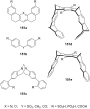
Figure 109: Examples of clefts (151a), tweezers (151b, 151c, 151d) and clips (151e).

Figure 110: Kemp’s triacid (152a), on example of Rebek’s receptors (152b) and guests.

Figure 111: Amino acid receptor (154) by Rebek et al.

Figure 112: Hexagonal lattice designed hosts by Bell et al.

Figure 113: Bell’s amidinium receptor (156) and the amidinium ion (157).
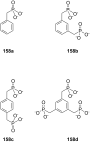
Figure 114: Aromatic phosphonic acids.

Figure 115: Xylene phosphonates 159 and 160a/b for recognition of amines and amino alcohols.
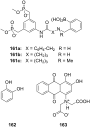
Figure 116: Bisphosphonate recognition motif 161 for a colorimetric assay with alizarin complexone (163) for ca...

Figure 117: Bisphosphonate/phosphate clip 164 and bisphosphonate cleft 165.

Figure 118: N-Methylpyrazine 166a, N-methylnicotinamide iodide (166b) and NAD+ (166c).

Figure 119: Bisphosphate cavitands.
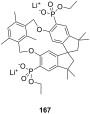
Figure 120: Bisphosphonate 167 of Schrader and Finocchiaro.
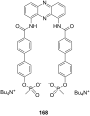
Figure 121: Tweezer 168 for noradrenaline (80b).

Figure 122: Different tripods and heparin (170).
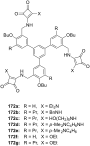
Figure 123: Squaramide based receptors 172.
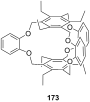
Figure 124: Cage like NH4+ receptor 173 of Kim et al.

Figure 125: Ammonium receptors 174 of Chin et al.

Figure 126: 2-Oxazolin-based ammonium receptors 175a–d and 176 by Ahn et al.

Figure 127: Racemic guest molecules 177.

Figure 128: Tripods based on a imidazole containing macrocycle (178) and the guest molecules employed in the st...

Figure 129: Ammonium ion receptor 180.

Figure 130: Tetraoxa[3.3.3.3]paracyclophanes 181 and a cyclophanic tetraester (182).

Figure 131: Peptidic bridged paraquat-cyclophane.
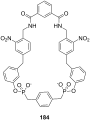
Figure 132: Shape-selective noradrenaline host.

Figure 133: Receptor 185 for binding of noradrenaline on surface layers from Schrader et al.

Figure 134: Tetraphosphonate receptor for binding of noradrenaline.

Figure 135: Tetraphosphonate 187 of Schrader and Finocchiaro.

Figure 136: Zinc-Porphyrin ammonium-ion receptors 188 and 189 of Mizutani et al.
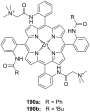
Figure 137: Zinc porphyrin receptor 190.

Figure 138: Zinc porphyrin receptors 191 capable of amino acid binding.

Figure 139: Zinc-porphyrins with amino acid side chains for stereoinduction.

Figure 140: Bis-zinc-bis-porphyrin based on Tröger’s base 193.

Figure 141: BINAP-zinc-prophyrin derivative 194 and it’s guests.

Figure 142: Bisaryl-linked-zinc-porphyrin receptors.
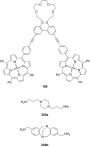
Figure 143: Bis-zinc-porphyrin 199 for diamine recognition and guests.

Figure 144: Bis-zinc-porphyrin crown ether 201.

Figure 145: Bis-zinc-porphyrin 202 for stereodiscrimination (L = large substituent; S = small substituent).

Figure 146: Bis-zinc-porphyrin[3]rotaxane and its copper complex and guests.

Figure 147: Dien-bipyridyl ligand 206 for co-ordination of two metal atoms.

Figure 148: The ligand and corresponding tetradentate co-complex 207 serving as enantioselective receptor for a...

Figure 149: Bis(oxazoline)–copper(II) complex 208 for the recognition of amino acids in aqueous solution.

Figure 150: Zinc-salen-complexes 209 for the recognition tertiary amines.

Figure 151: Bis(oxazoline)–copper(II) 211 for the recognition of amino acids in aqueous solution.

Figure 152: Zn(II)-complex of a C2 terpyridine crown ether.

Figure 153: Displacement assay and receptor for aspartate over glutamate.

Figure 154: Chiral complex 214 for a colorimetric displacement assay for amino acids.

Figure 155: Metal complex receptor 215 with tripeptide side arms.

Figure 156: A sandwich complex 216 and its displaceable dye 217.

Figure 157: Lanthanide complexes 218–220 for amino acid recognition.
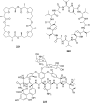
Figure 158: Nonactin (221), valinomycin (222) and vancomycin (223).

Figure 159: Monesin (224a) and a chiral analogue for enantiodiscrimination of ammonium guests (224b).

Figure 160: Chiral podands (226) compared to pentaglyme-dimethylether (225) and 18-crown-6 (4).

Figure 161: Lasalocid A (228).

Figure 162: Lasalocid derivatives (230) of Sessler et al.

Figure 163: The Coporphyrin I tetraanion (231).

Figure 164: Linear and cyclic peptides for ammonium ion recognition.

Figure 165: Cyclic and bicyclic depsipeptides for ammonium ion recognition.
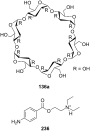
Figure 166: α-Cyclodextrin (136a) and novocaine (236).
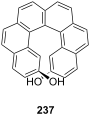
Figure 167: Helical diol receptor 237 by Reetz and Sostmann.

Figure 168: Ammonium binding spherand by Cram et al. (238a) and the cyclic[6]metaphenylacetylene 238b in compar...

Figure 169: Receptor for peptide backbone and ammonium binding (239).

Figure 170: Anion sensor principle with 3-hydroxy-2-naphthanilide of Jiang et al.

Figure 171: 7-bromo-3-hydroxy-N-(2-hydroxyphenyl)naphthalene 2-carboxamide (241) and its amine binding.

Figure 172: Naturally occurring catechins with affinity to quaternary ammonium ions.

Figure 173: Spiropyran (244) and merocyanine form (244a) of the amino acid receptors of Fuji et al.

Figure 174: Coumarin aldehyde (245) and its iminium species with amino acid bound (245a) by Glass et al.
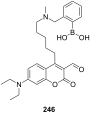
Figure 175: Coumarin aldehyde appended with boronic acid.

Figure 176: Quinolone aldehyde dimers by Glass et al.

Figure 177: Chromogenic ammonium ion receptors with trifluoroacetophenone recognition motifs.

Figure 178: Chromogenic ammonium ion receptor with trifluoroacetophenone recognition motif bound on different m...
Fused bicyclic piperidines and dihydropyridines by dearomatising cyclisation of the enolates of nicotinyl-substituted esters and ketones
- Heloise Brice,
- Jonathan Clayden and
- Stuart D. Hamilton
Beilstein J. Org. Chem. 2010, 6, No. 22, doi:10.3762/bjoc.6.22
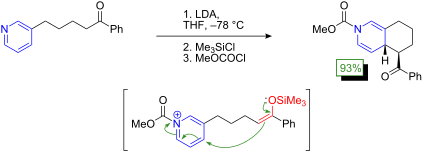
- it into a silyl enol ether 9. Silyl enol ethers and ketene acetals are known to add effectively to pyridinium species in an intermolecular manner [42][43][44][45][46]. Thus 7 was converted to silyl enol ether 9 in excellent yield under standard conditions. A single geometrical isomer was obtained

Graphical Abstract

Scheme 1: Dearomatising cyclisations (a) of enolates; (b) of electron-rich heteroaromatics.

Scheme 2: Synthesis of ketone 7.

Scheme 3: Dearomatising cyclisation to a 5-benzoylhexahydroisoquinoline.

Scheme 4: Synthesis of ester 12.

Scheme 5: Dearomatising cyclisation of ester 12.

Figure 1: Coupling constants (Hz) in the major diastereoisomer of 15.

Scheme 6: Synthesis of esters 18.

Scheme 7: Dearomatising cyclisation to form tetrahydrofurans.

Figure 2: Determination of the stereochemistry of 20b. Arrows indicate nuclear Overhauser enhancements.
The subtle balance of weak supramolecular interactions: The hierarchy of halogen and hydrogen bonds in haloanilinium and halopyridinium salts
- Kari Raatikainen,
- Massimo Cametti and
- Kari Rissanen
Beilstein J. Org. Chem. 2010, 6, No. 4, doi:10.3762/bjoc.6.4
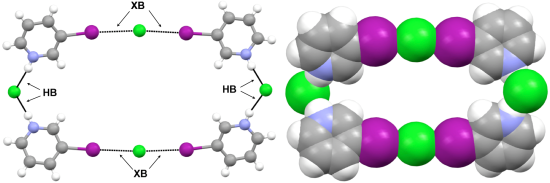
- -IPhNH3H2PO4 (6), 4-ClPhNH3H2PO4 (8) and corresponding pyridinium salts 3-IPyBnCl (9), 3-IPyHCl (10) and 3-IPyH-5NIPA (3-iodopyridinium 5-nitroisophthalate, 13), complemented by the comparison with corresponding structures found in the literature, reveals the subtle balance between HB and XB in these salts
- contact angles do not show the trend observed in the haloanilinium chlorides (1–3). Halogen bonding in 3-IPyBnCl (9) One additional way to polarize the halogen atom is to attach it into a charged aromatic ring, as in the pyridinium moiety where the positive charge is delocalized over the aromatic ring
- inducing a stronger polarizing effect to the halogen substituent. By no surprise, short halogen bond interactions are characteristic in halopyridinium salts [45][46][47]. Depending on the structure of the pyridinium moiety, namely protonated N+–H or N-alkylated N+–R, the hydrogen bonding interactions

Graphical Abstract

Scheme 1: The chemical structures of the salts 1–13.

Figure 1: X-ray structure of 4-IPhNH3Cl (1) with numbering for selected atoms (a) and the packing scheme view...

Figure 2: Interaction contacts in 4-IPhNH3Cl (1; a), 4-BrPhNH3Cl (2; b), 4-ClPhNH3Cl (3; c) and 4-FPhNH3Cl (4...

Figure 3: X-ray structure of 4-IPhNH3Br (5) with selected numbering scheme (a) and the packing scheme viewed ...

Figure 4: X-ray structure of 4-IPhNH3H2PO4 (6) with selected numbering scheme of the asymmetric unit and the ...

Figure 5: X-ray structure of 3-IPyBnCl (9) with the selected numbering scheme of the asymmetric unit (a) and ...

Figure 6: X-ray structure of 3-IPyHCl (10) with the selected numbering scheme of the asymmetric unit (a) and ...

Figure 7: X-ray structure of 3-IPyH-5-NIPA (13) with selected numbering scheme of the asymmetric unit (a). A ...
Self-association of an indole based guanidinium-carboxylate-zwitterion: formation of stable dimers in solution and the solid state
- Carolin Rether,
- Wilhelm Sicking,
- Roland Boese and
- Carsten Schmuck
Beilstein J. Org. Chem. 2010, 6, No. 3, doi:10.3762/bjoc.6.3
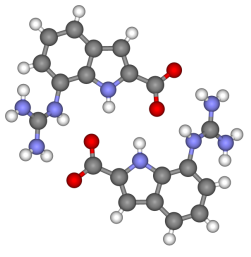
- -(butoxycarbonyl)guanidino]}-1H-indole-2-carboxylate (6): To a solution of ethyl 7-amino-1H-indole-2-carboxylate (4, 130 mg, 0.65 mmol), N,N’-di-(tert-butoxycarbonyl)thiourea (5, 185 mg, 0.65 mmol) and triethylamine (0.35 mL, 2.44 mmol) in dry dichloromethane (30 mL) was added 2-chloro-1-methyl-pyridinium iodide

Graphical Abstract

Figure 1: Self-assembly of zwitterion 1 to give dimer 1·1 and self-assembly of zwitterion 2 to give dimer 2·2...
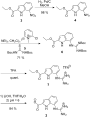
Scheme 1: Synthesis of zwitterion 2.

Scheme 2: Synthesis of compound 2·H+.

Figure 2: 1H NMR spectra of zwitterion 2 (bottom) and its protonated form 2·H+ (top).

Figure 3: Part of the 1H NMR spectrum of 2 in [D6]DMSO showing the complexation-induced shifts of the indole ...

Figure 4: Representative binding isotherm of the aromatic proton d (left) and the indole NH proton (right).

Figure 5: Binding isotherm of the guanidinium NH2 protons.

Figure 6: Crystal structure of dimer 2·2 with hydrogen bond distances (Å) and dihedral angles.

Figure 7: Side view of dimer 2·2 in the solid state.

Figure 8: Part of the crystal lattice of zwitterion 2.

Scheme 3: An attractive H-bond in 1 (left) is replaced by a repulsive steric interaction in 2 (right).

Figure 9: Energy-minimized structure for dimer 2·2 with hydrogen bond distances (Å) and dihedral angles.
Solvent-free phase-vanishing reactions with PTFE (Teflon®) as a phase screen
- Kevin Pels and
- Veljko Dragojlovic
Beilstein J. Org. Chem. 2009, 5, No. 75, doi:10.3762/bjoc.5.75

- ] as well as isomerization, followed by a subsequent bromination of trans-stilbene. Other research groups have been able to improve selectivity of bromination by using tridecylmethylphosphonium tribromide [12] or pyridinium hydrobromide perbromide [23]. Still, a considerable amount (10–20%) of the meso

Graphical Abstract

Figure 1: Solvent-free PV-PTFE reaction apparatus.

Figure 2: Bromination of cis-stilbene. a) scheme of the reaction apparatus, b) reaction mixture (note a thin ...

Scheme 1: Bromination of stilbenes.
1-(4-Alkyloxybenzyl)-3-methyl-1H-imidazol-3-ium organic backbone: A versatile smectogenic moiety
- William Dobbs,
- Laurent Douce and
- Benoît Heinrich
Beilstein J. Org. Chem. 2009, 5, No. 62, doi:10.3762/bjoc.5.62
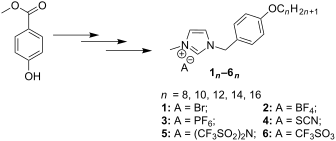
- the cations and anions the physico-chemical properties of ionic liquids can be tuned and specifically optimised for a wide range of applications [5][6][7][8][9][10][11]. Although many organic cations (e.g. phosphonium, ammonium, pyridinium, imidazolium) can be used for the design of ionic liquids

Graphical Abstract

Scheme 1: Mesogenic imidazolium synthesis [Reaction conditions: (i) DMF, K2CO3, BrCnH2n+1, 60 °C, overnight; ...

Scheme 2: Anion exchange in water.

Figure 1: 1H NMR spectrum (in CD2Cl2) of 110–610.

Figure 2: TGA measurements of wet and water free 112 imidazolium salt.
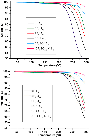
Figure 3: TGA measurements of the two entire series 110–610 and 114–614 (rate 10° C·min−1, in air).

Figure 4: Transition temperatures of 114–614 as a function of the anion (Cr = crystal; SmA: smectic A phase; ...

Figure 5: (a) Illustration of a single homeotropic monodomain, which is observed as a black isotropic texture...

Figure 6: Diffraction small-angle X-ray pattern of the smectic phase of 212 recorded at T = 100 °C.
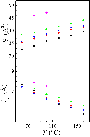
Figure 7: Variation with the counter-ion of the molecular area S and of the ionic sublayer thickness dc (incl...

Figure 8: Grazing incidence X-ray pattern at 100 °C on the top of a 312 droplet, slowly cooled down from isot...

Figure 9: Variations with chain length of the maximum molecular areas close to isotropization Smax and of the...
Synthesis of mesogenic phthalocyanine-C60 donor–acceptor dyads designed for molecular heterojunction photovoltaic devices
- Yves Henri Geerts,
- Olivier Debever,
- Claire Amato and
- Sergey Sergeyev
Beilstein J. Org. Chem. 2009, 5, No. 49, doi:10.3762/bjoc.5.49
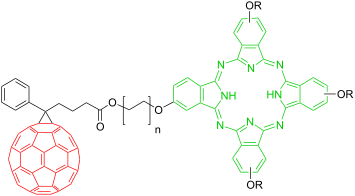
- modest yields of 10a–d actually correspond to those reported earlier for other A3B-type phthalocyanines: yields higher than 20% are rare in such reactions [45][49][50][51]. The MEM protective group in 10a–d was then quantitatively removed to give 4a–d upon treatment with pyridinium tosylate (PPTS) in t

Graphical Abstract

Figure 1: Phthalocyanine-C60 dyads 2a–d described in this paper, C60-derivative 1 (PCBM) and previously repor...

Scheme 1: Synthesis of low-symmetry phthalocyanines 4a–d.

Scheme 2: Synthesis of dyads 2a–d.

Figure 2: UV–vis absorption spectra of 2a (black), 4a (blue) and 1 (red) in CH2Cl2.

Figure 3: Cyclic voltammograms of 1 (red), 2a (grey), 2d (blue) and 3 (black) in CH2Cl2 (c = 10−4 M), scan ra...
Mitomycins syntheses: a recent update
- Jean-Christophe Andrez
Beilstein J. Org. Chem. 2009, 5, No. 33, doi:10.3762/bjoc.5.33

- with pyridinium dichromate and reacted with methylthiophenyl azide [56] to give the triazoline 40 derived from attack of the reagent from the concave face of the molecule with high diastereoselectivity (Scheme 11). The electronic effect or the α-methoxy group, as well as shielding of the α-face of the

Graphical Abstract

Scheme 1: Aziridine containing natural products.

Scheme 2: Mitomycin structures and nomenclature.

Scheme 3: Base catalysed epimerization of mitomycin B.

Scheme 4: Biosynthesis of mitomycin C (MMC) 7.

Scheme 5: Mode of action of mitomycin C.

Scheme 6: The N–C3–C9a disconnection.

Scheme 7: Danishefsky’s Retrosynthesis of mitomycin K.

Scheme 8: Hetero Diels–Alder reaction en route to mitomycins.

Scheme 9: Nitroso Diels–Alder cycloaddition.

Scheme 10: Frank azide cycloadddition.

Scheme 11: Final steps of mitomycin K synthesis. aPDC, DCM; bPhSCH2N3, PhH, 80 °C; cL-selectride, THF, −78 °C; ...

Scheme 12: Naruta–Maruyama retrosynthesis.

Scheme 13: Synthesis of a leucoaziridinomitosane by nitrene cycloaddition. aAlCl3-Et2O; bNaH, ClCH2OMe; cn-BuL...

Scheme 14: Thermal decomposition of azidoquinone 51.

Scheme 15: Diastereoselectivity during the cycloaddition.

Scheme 16: Oxidation with iodo-azide.

Scheme 17: Williams’ approach towards mitomycins.aDEIPSCl, Imidazole, DCM; bPd/C, HCO2NH4, MeOH; cAllocCl, NaH...

Scheme 18: Synthesis of pyrrolidones by homoconjugate addition.
Scheme 19: Homoconjugate addition on the fully functionalized substrate.

Scheme 20: Introduction of the olefin.

Scheme 21: Retrosynthesis of N–C9a, N–C3 bond formation.

Scheme 22: Synthesis of the pyrrolo[1,2]indole 82 using N-PSP activation.aAc2O, Py; bAc2O, Hg(OAc)2, AcOH, 90%...

Scheme 23: Synthesis of an aziridinomitosane. am-CPBA, DCM then iPr2NH, CCl4 reflux; bK2CO3, MeOH; cBnBr, KH; d...

Scheme 24: Oxidation products of a leucoaziridinomitosane obtained from a Polonovski oxidation.

Scheme 25: Polonovski oxidation of an aziridinomitosane. am-CPBA; bPd/C, H2; cDimethoxypropane, PPTS.

Scheme 26: The C1–C9a disconnection.

Scheme 27: Ziegler synthesis of desmethoxymitomycin A.aIm2C=O, THF; bNH3; cTMSOTf, 2,6-di-tert-butylpyridine, ...

Scheme 28: Transformation of sodium erythorbate.aTBDMSCl; bNaN3; cPPh3; d(Boc)2O, DMAP; eTBAF; fTf2O, Pyr.

Scheme 29: Formation of C9,C10-unsaturation in the mitomycins. am-CPBA, DCM; bO3, MeOH; cMe2S; dKHMDS, (EtO)3P...

Scheme 30: Fragmentation mechanism.

Scheme 31: Michael addition-cyclisation.

Scheme 32: SmI2 8-endo-dig cyclisation.

Scheme 33: Synthesis of pyrrolo[1,2-a]indole by 5-exo-dig radical cyclization.

Scheme 34: The C9–C9a disconnection.

Scheme 35: Intramolecular nitrile oxide cycloaddition.

Scheme 36: Regioselectivity of the INOC.

Scheme 37: Fukuyama’s INOC strategy.

Scheme 38: Synthesis of a mitosane core by rearrangement of a 1-(1-pyrrolidinyl)-1,3-butadiene.

Scheme 39: Sulikowski synthesis of an aziridinomitosene. aPd(Tol3P)2Cl2, Bu3SnF, 140; bH2, Pd/C; cTFAA, Et3N; d...

Scheme 40: Enantioselective carbene insertion.

Scheme 41: Parson’s radical cyclization.

Scheme 42: Cha’s mitomycin B core synthesis.

Scheme 43: The N-aromatic disconnection.

Scheme 44: Kishi retrosynthesis.

Scheme 45: Kishi synthesis of a starting material. aallyl bromide, K2CO3, acetone, reflux; bN,N-Dimethylanilin...
Scheme 46: Kishi synthesis of MMC 7. aLDA, THF, −78 °C then PhSeBr, THF, −78 °C; bH2O2, THF-EtOAc; cDIBAL, DCM...

Scheme 47: Acid catalyzed degradation of MMC 7.

Scheme 48: In vivo formation of apomitomycin B.

Scheme 49: Advanced intermediate for apomitomycin B synthesis.

Scheme 50: Remers synthesis of a functionalized mitosene. aTMSCl, Et3N, ZnCl2 then NBS; bAcOK; cNH2OH; dPd/C, H...

Scheme 51: Coleman synthesis of desmethoxymitomycin A. aSnCl2, PhSH, Et3N, CH3CN; bClCO2Bn, Et3N; cPPh3, DIAD,...

Scheme 52: Transition state and pyrrolidine synthesis.

Scheme 53: Air oxidation of mitosanes and aziridinomitosanes.

Scheme 54: The C9-aromatic disconnection.

Scheme 55: Synthesis of the aziridine precursor. aLHMDS, THF; bNaOH; c(s)-α-Me-BnNH2, DCC, HOBT; dDIBAL; eK2CO3...

Scheme 56: Synthesis of 206 via enamine conjugate addition.

Scheme 57: Rapoport synthesis of an aziridinomitosene.

Scheme 58: One pot synthesis of a mitomycin analog.

Scheme 59: Synthesis of compound 218 via intramolecular Heck coupling. aEtMgCl, THF, then 220; bMsCl, Et3N; cN...

Scheme 60: Elaboration of indole 223. aEt3N, Ac2O; bAcOH; cSOCl2, Et3N; dNaN3, DMF; eH2SO4, THF; fK2CO3, MeOH; ...

Scheme 61: C9-C9a functionalization from indole.

Scheme 62: Synthesis of mitomycin K. a2 equiv. MoO5.HMPA, MeOH; bPPh3, Et3N, THF-H2O; cMeOTf, Py, DCM; dMe3SiCH...

Scheme 63: Configurational stability of mitomycin K derivatives.

Scheme 64: Epimerization of carbon C9a in compound 227b.

Scheme 65: Corey–Chaykovsky synthesis of indol 235.

Scheme 66: Cory intramolecular aza-Darzens reaction for the formation of aziridinomitosene 239.

Scheme 67: Jimenez synthesis of aziridinomitosene 242.

Scheme 68: Von Braun opening of indoline 244.

Scheme 69: C9a oxidation of an aziridinomitosane with DDQ/OsO4.

Scheme 70: Synthesis of epi-mitomycin K. aNaH, Me2SO4; bH2, Pd/C; cMitscher reagent [165]; d[(trimethylsilyl)methyl...

Scheme 71: Mitomycins rearrangement.

Scheme 72: Fukuyama’s retrosynthesis.

Scheme 73: [2+3] Cycloaddition en route to isomitomycin A. aToluene, 110 °C; bDIBAL, THF, −78 °C; cAc2O, Py.; d...

Scheme 74: Final steps of Fukuyama’s synthesis.

Scheme 75: “Crisscross annulation”.

Scheme 76: Synthesis of 274; the 8-membered ring 274 was made using a crisscross annulation. a20% Pd(OH)2/C, H2...

Scheme 77: Conformational analysis of compound 273 and 275.

Scheme 78: Synthesis of a mitomycin analog. aNa2S2O4, H2O, DCM; bBnBr (10 equiv), K2CO3, 18-crown-6 (cat.), TH...

Scheme 79: Vedejs retrosynthesis.

Scheme 80: Formation of the azomethine ylide.

Scheme 81: Vedejs second synthesis of an aziridinomitosene. aDIBAL; bTPAP, NMO; c287; dTBSCl, imidazole.

Scheme 82: Trityl deprotection and new aziridine protecting group 300.

Scheme 83: Ene reaction towards benzazocinones.

Scheme 84: Benzazocenols via homo-Brook rearrangement.

Scheme 85: Pt-catalyzed [3+2] cycloaddition.

Scheme 86: Carbonylative lactamization entry to benzazocenols. aZn(OTf)2, (+)-N-methylephedrine, Et3N, TMS-ace...

Scheme 87: 8 membered ring formation by RCM. aBOC2O, NaHCO3; bTBSCl, Imidazole, DMF; callyl bromide, NaH, DMF; ...

Scheme 88: Aziridinomitosene synthesis. aTMSN3; bTFA; cPOCl3, DMF; dNaClO2, NaH2PO4, 2-methyl-2-butene; eMeI, ...

Scheme 89: Metathesis from an indole.

Scheme 90: Synthesis of early biosynthetic intermediates of mitomycins.
Convenient method for preparing benzyl ethers and esters using 2-benzyloxypyridine
- Susana S. Lopez and
- Gregory B. Dudley
Beilstein J. Org. Chem. 2008, 4, No. 44, doi:10.3762/bjoc.4.44

- these new conditions (Method A), as well as results obtained under the previously reported conditions using pre-formed pyridinium salt 1 and trifluorotoluene as the solvent (Method B, entries 2, 4, and 6). Benzylations of monoglyme (3a) and Roche ester (3b) were accomplished with similar efficiency
- for the benzylation of carboxylic acids [20], methyl triflate was added to a toluene solution of Mosher’s acid 5 and 2-benzyloxypyridine (2) prior to addition of triethylamine. Heating the resulting mixture for 24 h furnished benzyl ester 6 in 98% yield. Neutral, isolable pyridinium triflate salts are

Graphical Abstract

Figure 1: Benzyl bromide, benzyl trichloroacetimidate, and 2-benzyloxy-1-methylpyridinium triflate (1).

Scheme 1: Published syntheses of benzyl esters from alcohols using neutral reagent 1; other benzylation proce...

Scheme 2: Preparation of 2-benzyloxypyridine (2).

Scheme 3: Synthesis of a benzyl ester from a carboxylic acid.

Scheme 4: Representative synthesis of a halobenzyl ether under neutral conditions.
Total synthesis of the indolizidine alkaloid tashiromine
- Stephen P. Marsden and
- Alison D. McElhinney
Beilstein J. Org. Chem. 2008, 4, No. 8, doi:10.1186/1860-5397-4-8
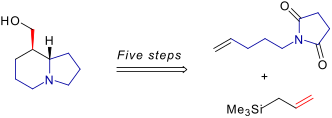
- structure, including radical cyclisations [3]; nucleophilic addition to imines [5][14][15]; electrophilic alkylation of pyrroles [7][13]; alkylation of enamines [6], β-amino esters [8] and pyrrolidinyllithiums [12]; stereoselective reduction of enamines [4][9] and pyridinium salts [11]; and titanium

Graphical Abstract

Scheme 1: Retrosynthesis for tashiromine.

Scheme 2: Stereoselective construction of the indolizidine core 2.

Scheme 3: Completion of the total synthesis of tashiromine 1.

Figure 1: Rationale for stereoselective assembly of the indolizidine core using chiral allylsilanes.

Scheme 4: Asymmetric synthesis of chiral (alkoxy)allylsilanes.

Scheme 5: Attempted cross-metathesis of (alkoxy)allylsilanes.

Scheme 6: Competing isomerisation processes in attempted cross-metathesis of (hydroxy)allylsilane 12.
A convenient allylsilane- N-acyliminium route toward indolizidine and quinolizidine alkaloids
- Roland Remuson
Beilstein J. Org. Chem. 2007, 3, No. 32, doi:10.1186/1860-5397-3-32
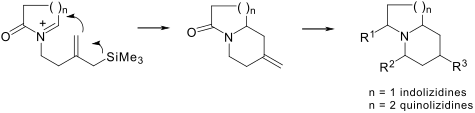
- with one equivalent of stannic chloride resulted in the formation of 10 via the acyliminium ion intermediate 11. Subsequent oxidation of alcohol 10 with pyridinium dichromate, then catalytic hydrogenation (H2 over Pd/C) of ketone 12 induced hydrogenolysis of the CBz group, reduction of the double bond
- of 15 with stannous chloride led to compounds 17a and 17b. The next two steps were straightforward: oxidation (pyridinium dichromate) of 17a and 17b afforded α,β-ethylenic ketones 18a and 18b. On hydrogenation over palladium on carbon, 18a gave a mixture of indolizidines 19 and 20 which were

Graphical Abstract

Scheme 1: Allylsilane-N-acyliminium cyclisation.

Scheme 2: Enantioselective synthesis of (-)-indolizidine 167B by intramolecular allylsilane-N-acyliminium cyc...

Scheme 3: Synthesis of (±)-indolizidine 167B by intermolecular cyclisation of allylsilane-N-acyliminium cycli...

Scheme 4: Synthesis of 3,5-disubstituted indolizidines from L-pyroglutamic acid.

Scheme 5: Access to indolizidine precursors of dendroprimine starting from chiral 2-aminopropanoate.

Scheme 6: Access to (-)-dendroprimine by reduction with LiAlH4 of indolizidinones 26.

Scheme 7: Access to (-)-dendroprimine by catalytic hydrogenation of indolizidinones 26.

Scheme 8: Synthesis of (±)-myrtine and (±)-epimyrtine.

Scheme 9: Enantioselective synthesis of (+)-myrtine and (-)-epimyrtine.

Scheme 10: Synthesis of (±)-lasubines I and II and (±)-2-epilasubine II.

Scheme 11: Synthesis of (±)-lasubine I and II.

Scheme 12: Enantioselective synthesis of (-)-lasubines I and II and (+)-subcosine.
Photosonochemical catalytic ring opening of α-epoxyketones
- Hamid R. Memarian and
- Ali Saffar-Teluri
Beilstein J. Org. Chem. 2007, 3, No. 2, doi:10.1186/1860-5397-3-2
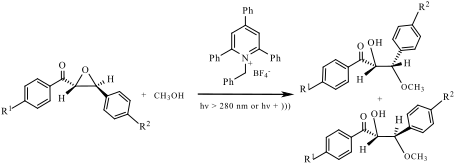
- . [7][8][9][10][11][12][13][14][15][16][17] It is well known that the substituted pyridinium cations are good electron acceptors. [18] Garcia and coworkers have used N-alkyl-2,4,6-triphenylpyridinium tetrafluoroborate as photosensitizer in the photochemical cyclization of 5-methyl-4-hexenoic acid to

Graphical Abstract

Scheme 1: Ultrasound-assisted photocatalytic ring opening of α-epoxyketones.
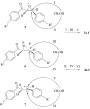
Scheme 2: Possible intermediates involved in the ring opening of α-epoxyketones.

Scheme 3: Possible formation of a complex involved in reaction in acetone.

Scheme 4: Interaction of oxygen lone pair of carbonyl group with carbocation center.

Figure 1: The semi-empirical PM3 calculations for interaction of 1a with NBTPT.
An efficient synthesis of tetramic acid derivatives with extended conjugation from L-Ascorbic Acid
- Biswajit K. Singh,
- Surendra S. Bisht and
- Rama P. Tripathi
Beilstein J. Org. Chem. 2006, 2, No. 24, doi:10.1186/1860-5397-2-24

- . In continuation of this work, we have synthesised dienyl tetramic acid derivatives. Results 5,6-O-Isopropylidene-ascorbic acid on reaction with DBU led to the formation of tetronolactonyl allyl alcohol, which on oxidation with pyridinium chlorochromate gave the respective tetranolactonyl allylic

Graphical Abstract
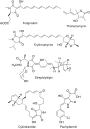
Figure 1: Tetramic acid antibiotics from natural sources.
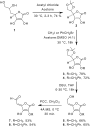
Scheme 1: Synthesis of tetronolactonyl aldehydes from L-ascorbic acid
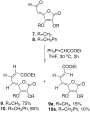
Scheme 2: Synthesis of tetronolactonyl dienyl esters from etronolactonyl aldehydes

Figure 2: H-bonding in tetronolactonyl dienyl esters.

Scheme 3: Synthesis of 5-hydroxy lactams from dienyl tetronic esters

Scheme 4: Synthesis of dienyl tetramic acid from 5- hydroxy lactams
The vicinal difluoro motif: The synthesis and conformation of erythro- and threo- diastereoisomers of 1,2-difluorodiphenylethanes, 2,3-difluorosuccinic acids and their derivatives
- David O'Hagan,
- Henry S. Rzepa,
- Martin Schüler and
- Alexandra M. Z. Slawin
Beilstein J. Org. Chem. 2006, 2, No. 19, doi:10.1186/1860-5397-2-19
- ]. Halofluorination of electron-rich alkenes with in situ fluoride displacement generates vicinal difluoro products. PPHF is Olah's reagent, pyridinium poly(hydrogen fluoride) [15]. Bromofluorination of stilbene [19]. Treatment of anti-14 with base generated the E-fluorostilbene 15 by an anti elimination mechanism

Graphical Abstract

Scheme 1: Synthesis of vicinal dimethyl difluorosuccinates. The conversion of the tartrates 1 with SF4 and HF ...

Scheme 2: Schlosser's route to vicinal erythro- or threo- difluoro alkanes 5 [13].

Scheme 3: Halofluorination of electron-rich alkenes with in situ fluoride displacement generates vicinal difl...

Scheme 4: Bromofluorination of stilbene [19].

Scheme 5: Treatment of anti-14 with base generated the E-fluorostilbene 15 by an anti elimination mechanism.

Scheme 6: Hypothesis for the predominent retention of configuration during fluoride substitution via phenoniu...

Scheme 7: Proposed C-C bond rotation during the preparation of 14 from cis-stilbene.

Figure 1: Crystal structure of erythro-13.

Figure 2: X-ray structure of threo-13.
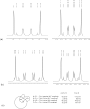
Figure 3: Expanded regions of the second order AA'XX' spin systems in the 1H-NMR (left) and 19F-NMR spectra (...
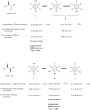
Figure 4: NMR coupling constants and calculated relative energies (kcalmol-1) of the staggered conformers of ...

Scheme 8: Synthesis of erythro-19 via ozonolysis of erythro-13.

Figure 5: X-ray structure of erythro-19.

Figure 6: X-ray structure of threo-19.

Scheme 9: Strategy for the preparation of diastereoisomers of erythro- and threo- 20.

Figure 7: NMR (CDCl3, RT) coupling constants of erythro- and threo- 2,3-difluoro-3-phenylpropionates 21.

Figure 8: Newman projections showing the staggered conformations of erythro- and threo- 21.

Figure 9: X-ray structure of methyl threo- 21.

Figure 10: The preferred conformation of α-fluoroamides has the C-F and amide carbonyl anti-planar [29,30].

Scheme 10: The synthesis of stereoisomers of erythro- and threo- 22. These isomers could be separated by chrom...

Figure 11: X-ray structure of erythro-22.

Figure 12: Crystal packing of erythro-22 clearly indicating intermolecular hydrogen bonding.

Figure 13: X-ray structure of threo-22.

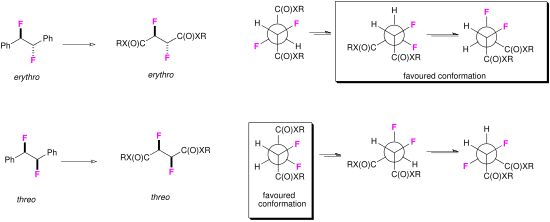
Figure 14: The conformations of erythro- and threo- 23 are very different as a consequence of each conformatio...

Figure 15: 3JHF and 3JHH coupling constants for the erythro (yellow) and threo (blue) diastereoisomers of the ...

Figure 16: Newman projections of the three staggered conformations of the erythro and threo stereoisomers of t...

Figure 17: The average coupling constant with no conformational bias. The limiting coupling constants Jg = 8 H...

Figure 18: The observed 3JHF coupling constants are an average over the rotational isomers.
Efficient synthesis of 5-substituted 2-aryl- 6-cyanoindolizines via nucleophilic substitution reactions
- Eugene V. Babaev,
- Natalya I. Vasilevich and
- Anna S. Ivushkina
Beilstein J. Org. Chem. 2005, 1, No. 9, doi:10.1186/1860-5397-1-9

- products in good yields.[3] An interesting method for preparing 5-substitutied indolizines by recyclization of oxazolo[3,2-a]pyridinium salts was developed in our laboratory.[4][5] Using this strategy a series of 5-substituted indolizines have been prepared in good yields, but (although the method seems to

Graphical Abstract

Scheme 1: Synthesis of 2-aryl-5-chloro-6-cyano-7-methylindolizines 2. Possible tautomeric structures A and B ...
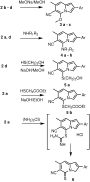
Scheme 2: Nucleophilic substitution in 2-aryl-5-chloro-6-cyano-7-methylindolizines.



