


Search results
Search for "Bipolaris sorokiniana" in Full Text gives 2 result(s) in Beilstein Journal of Organic Chemistry.
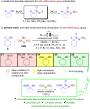
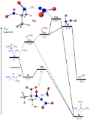
Sustainable electrochemical synthesis of aliphatic nitro-NNO-azoxy compounds employing ammonium dinitramide and their in vitro evaluation as potential nitric oxide donors and fungicides
Beilstein J. Org. Chem. 2025, 21, 2739–2754, doi:10.3762/bjoc.21.211
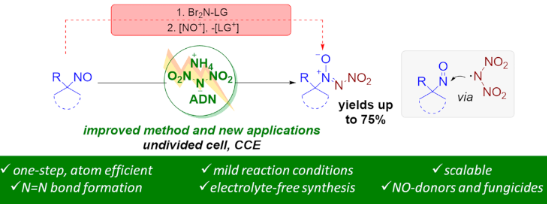
- ), Bipolaris sorokiniana (B.s., ascomycete causing root rot and spot blotch), and Sclerotinia sclerotiorum (S.s., ascomycete affecting sunflower, potato, and other cultures). The degree of mycelium growth inhibition on potato-sucrose agar amended with the studied compounds (30 mg/L) was used as the criterion





Bipolenins K–N: New sesquiterpenoids from the fungal plant pathogen Bipolaris sorokiniana
Beilstein J. Org. Chem. 2019, 15, 2020–2028, doi:10.3762/bjoc.15.198
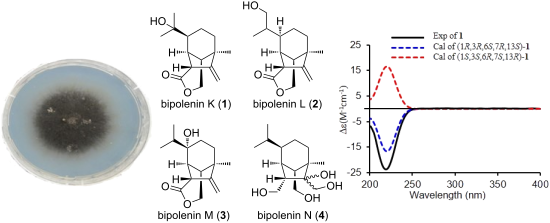
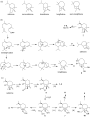
- Sciences, Macquarie University, Sydney, NSW 2109, Australia 10.3762/bjoc.15.198 Abstract Chemical investigation of the barley and wheat fungal pathogen Bipolaris sorokiniana BRIP10943 yielded four new sativene-type sesquiterpenoid natural products, bipolenins K–N (1–4), together with seven related known
- germination. The putative biosynthetic relationships between the isolated sesquiterpenoids were also explored. Keywords: Bipolaris sorokiniana; phytotoxicity; sesquiterpenes; terpenes; Introduction Fungi belonging to the genus Bipolaris (teleomorph: Cochliobolus) have been reported to produce a diverse
- fungi against plant hosts [12]. Well-known examples include the host-specific toxins victorin and T-toxin and other non-host-specific toxins such as the ophiobolins [11]. Bipolaris sorokiniana (syn. Cochliobolus sativus) has been identified as the causative agent of multiple diseases on wheat and barley


Other Beilstein-Institut Open Science Activities



