


Search results
Search for "antiparasitic activity" in Full Text gives 12 result(s) in Beilstein Journal of Organic Chemistry.
N-Salicyl-amino acid derivatives with antiparasitic activity from Pseudomonas sp. UIAU-6B
- Joy E. Rajakulendran,
- Emmanuel Tope Oluwabusola,
- Michela Cerone,
- Terry K. Smith,
- Olusoji O. Adebisi,
- Adefolalu Adedotun,
- Gagan Preet,
- Sylvia Soldatou,
- Hai Deng,
- Rainer Ebel and
- Marcel Jaspars
Beilstein J. Org. Chem. 2025, 21, 1388–1396, doi:10.3762/bjoc.21.103
- remaining compounds showed activity at the highest concentrations tested. The plausible biosynthetic hypotheses toward the compounds were also proposed. Keywords: antiparasitic activity; biosynthesis pathway; phenolic siderophores; Pseudomonas species; pseudomonine; Introduction Species of the genus
- previously described. Even, salicylic acid, a precursor in the biosynthesis of salicylate-derived siderophores confirmed the metallophore tendencies of the isolated compounds produced in iron-deficient environments [29][30][31]. Biological evaluation Compounds 1–7 were evaluated for their antiparasitic
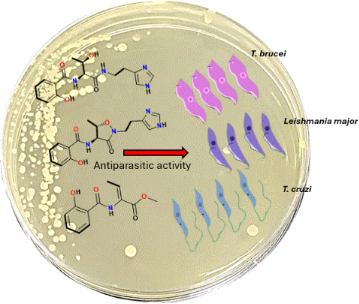
- activity against Trypanosoma brucei, Trypanosoma cruzi and Leishmania major. Only compound 4 displayed a very weak pan-trypanocidal activity with EC50 values of 137, 127 and 101 μM against T. brucei, T. cruzi and L. major, respectively (see Table S1, Supporting Information File 1). Compounds 2 and 5 also

Graphical Abstract

Figure 1: Structures of the pseudomonins D–G (1–4), pseudomonine (5), pseudomonin B (6) and salicylic acid (7...

Figure 2: Key HMBC, 1H-1H COSY and NOE correlations.

Figure 3: Extracted ion chromatogram and corresponding mass spectrum of compound 4 in the crude extract.

Figure 4: Proposed biosynthetic scheme for the formation of compounds (1–4).
Recent developments in the engineered biosynthesis of fungal meroterpenoids
- Zhiyang Quan and
- Takayoshi Awakawa
Beilstein J. Org. Chem. 2024, 20, 578–588, doi:10.3762/bjoc.20.50
- the IMP dehydrogenase involved in inosinic acid metabolism [2]; ascofuranone (Figure 1, 2), which exhibits antiparasitic activity by selectively inhibiting the oxidase of Plasmodium trypanosoma [3]; and pyripyropene (Figure 1, 3), which displays hyperlipidemia treatment activity through the inhibition

Graphical Abstract

Figure 1: Examples of bioactive fungal meroterpenoids.
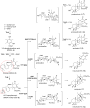
Figure 2: The diversity of DMOA-derived meroterpenoid biosyntheses.
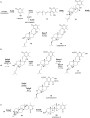
Figure 3: The combinatorial biosynthesis of diterpene pyrone meroterpenoids. The production of subglutinol A ...

Figure 4: The biosynthetic reaction from the common intermediate 21 to ascochlorin (22) and ascofuranone (23)...

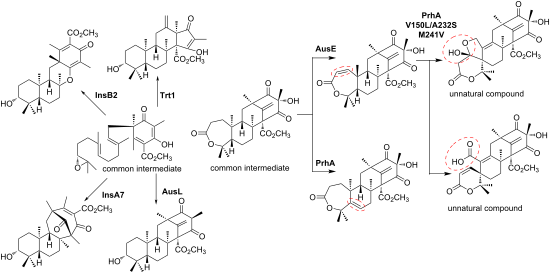
Figure 5: The multistep oxidations catalyzed by AusE and PrhA from the common intermediate 24.

Figure 6: Reactions of SptF with native substrates 31 and 32.
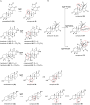
Figure 7: A) Reactions of SptF with unnatural substrates. B) Reactions of SptF variants with 31.

Figure 8: The reaction of the αKG enzyme AndA and its variants generated via saturated mutagenesis.

Figure 9: The synthetic biological production of daurichromenic acid and its halogenated derivative.
Digyalipopeptide A, an antiparasitic cyclic peptide from the Ghanaian Bacillus sp. strain DE2B
- Adwoa P. Nartey,
- Aboagye K. Dofuor,
- Kofi B. A. Owusu,
- Anil S. Camas,
- Hai Deng,
- Marcel Jaspars and
- Kwaku Kyeremeh
Beilstein J. Org. Chem. 2022, 18, 1763–1771, doi:10.3762/bjoc.18.185
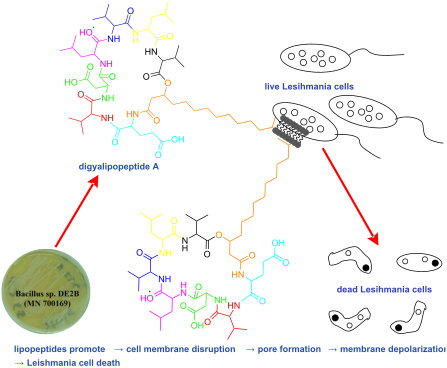
- their ability to produce antiparasitic activity against neglected tropical parasites such as trypanosomes and leishmanias is largely underinvestigated. Therefore, we studied the biological activity profile of compound 1 against Trypanosoma brucei subsp. brucei strain GUTat 3.1 and Leishmania donovani
- (Laveran and Mesnil) Ross (D10). Compound 1 showed promising antiparasitic activity against Leishmania donovani with IC50 of 4.85 µM compared to the laboratory standard amphotericin B with IC50 value of 4.87 µM (Table 2 and Figure S13 in Supporting Information File 1). When tested against Trypanosoma
- data for compound 1 in DMSO-d6. Antiparasitic activity data for compound 1. Antibacterial activity data for compound 1. Cytotoxicity and selectivity profiles of compound 1 using normal macrophages. Supporting Information Supporting Information File 338: Experimental protocols, phylogenetic data

Graphical Abstract

Figure 1: Primary structure of digyalipopeptide A (1).

Figure 2: Key COSY and HMBC correlations for compound 1.

Figure 3: Key TOCSY and NOESY correlations for compound 1.

Figure 4: Liquid chromatography high resolution electrospray ionization mass spectrometry (LC–HRESIMS) sequen...

Figure 5: The absolute stereochemistry of compound 1.

Figure 6: Global natural products social molecular networking (GNPS).
Chemistry of polyhalogenated nitrobutadienes, 17: Efficient synthesis of persubstituted chloroquinolinyl-1H-pyrazoles and evaluation of their antimalarial, anti-SARS-CoV-2, antibacterial, and cytotoxic activities
- Viktor A. Zapol’skii,
- Isabell Berneburg,
- Ursula Bilitewski,
- Melissa Dillenberger,
- Katja Becker,
- Stefan Jungwirth,
- Aditya Shekhar,
- Bastian Krueger and
- Dieter E. Kaufmann
Beilstein J. Org. Chem. 2022, 18, 524–532, doi:10.3762/bjoc.18.54
- to 4 µM (Table 1). Thus, the antiparasitic activity of persubstituted pyrazoles is about two orders of magnitude lower compared to the antimalarial amodiaquine (EC50 = 6 nM). Also many other antimalarials such as chloroquine, quinine, mefloquine, and artesunate, tested in the SYBR Green or comparable

Graphical Abstract

Figure 1: The structures of chloroquine, hydroxychloroquine, and amodiaquine.

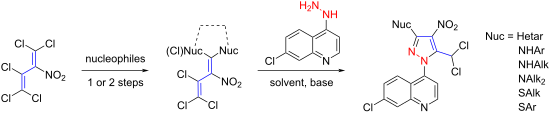
Scheme 1: Synthesis of 3-azolylpyrazoles 3a–c.

Scheme 2: Assumed mechanism for the formation of 1H-pyrazoles 3a–c.

Scheme 3: Synthesis of 3-aminopyrazoles 5b–k and 5-aminopyrazoles 5a and 5l–o.

Scheme 4: Orientation of nucleophilic attack of 7-chloro-4-hydrazinylquinoline on nitrobutadienes 4.

Scheme 5: Synthesis of oxazolidine 6 and pyrazole 7.

Scheme 6: A plausible mechanism for the formation of pyrazole 7.

Scheme 7: Synthesis of pyrazoles 9 and sulfoxide 10d.

Scheme 8: Synthesis of pyrazole 11.
Strategies for the synthesis of brevipolides
- Yudhi D. Kurniawan and
- A'liyatur Rosyidah
Beilstein J. Org. Chem. 2021, 17, 2399–2416, doi:10.3762/bjoc.17.157
- ). Except for G. lamblia, brevipolide H (8) showed the best antiparasitic activity against all the tested human intestine parasites with IC50 values of 12.5–50.4 mM. Thus, this compound has great potential as a lead structure in parasite research. A cytotoxicity study of these four compounds against HeLa

Graphical Abstract

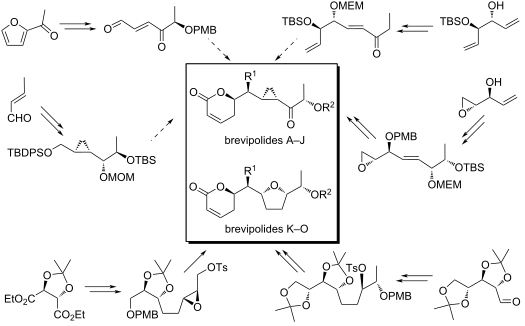
Figure 1: Structures of brevipolides A–O (1 – 15).

Scheme 1: Retrosynthetic analysis of brevipolide H (8) by Kumaraswamy.

Scheme 2: Attempt to synthesize brevipolide H (8) by Kumaraswamy. (R,R)-Noyori cat. = RuCl[N-(tosyl)-1,2-diph...

Scheme 3: Attempt to synthesize brevipolide H (8) by Kumaraswamy (continued).

Scheme 4: Retrosynthetic analysis of brevipolide H (8) by Hou.

Scheme 5: Synthesis ent-brevipolide H (ent-8) by Hou.

Scheme 6: Retrosynthetic analysis of brevipolide H (8) by Mohapatra.

Scheme 7: Attempt to synthesize brevipolide H (8) by Mohapatra.

Scheme 8: Attempt to synthesize brevipolide H (8) by Mohapatra (continued). (+)-(IPC)2-BCl = (+)-B-chloro-dii...

Scheme 9: Retrosynthetic analysis of brevipolide H (8) by Hou.

Scheme 10: Synthesis of brevipolide H (8) by Hou.

Scheme 11: Retrosynthetic analysis of brevipolide M (13) by Sabitha.

Scheme 12: Synthesis of brevipolide M (13) by Sabitha.

Scheme 13: Retrosynthetic analysis of brevipolides M (13) and N (14) by Sabitha.

Scheme 14: Synthesis of brevipolides M (13) and N (14) by Sabitha.
Synthesis of dihydroquinazolines from 2-aminobenzylamine: N3-aryl derivatives with electron-withdrawing groups
- Nadia Gruber,
- Jimena E. Díaz and
- Liliana R. Orelli
Beilstein J. Org. Chem. 2018, 14, 2510–2519, doi:10.3762/bjoc.14.227

- antimicrobial [3] and antifungal properties [4]. In addition, antiparasitic activity has been studied for some members of this family as inhibitors of trypanothione reductase [5], an essential enzyme of the kinetoplastid Trypanosoma brucei. Their activity as selective T-type calcium channel blockers [6][7][8][9

Graphical Abstract

Figure 1: N-Aryl-3,4-dihydroquinazolines 1.

Scheme 1: Synthetic pathway leading to N-aryl-3,4-dihydroquinazolines 1.

Scheme 2: Synthesis of compounds 2.

Figure 2: Reaction intermediate in the synthesis of compound 2a.

Scheme 3: Addition–elimination mechanism for the heterocyclization.

Scheme 4: Proposed mechanism involving an intermediate nitrilium ion.
Three new trixane glycosides obtained from the leaves of Jungia sellowii Less. using centrifugal partition chromatography
- Luíse Azevedo,
- Larissa Faqueti,
- Marina Kritsanida,
- Antonia Efstathiou,
- Despina Smirlis,
- Gilberto C. Franchi Jr,
- Grégory Genta-Jouve,
- Sylvie Michel,
- Louis P. Sandjo,
- Raphaël Grougnet and
- Maique W. Biavatti
Beilstein J. Org. Chem. 2016, 12, 674–683, doi:10.3762/bjoc.12.68

- amastigotes with an IC50 value of 100 μg/mL. Except for compound 1 that exhibited a weak antileishmanial activity at 50 μM (20%) against L. amazonensis intracellular amastigotes, none of the other sesquiterpenes displayed antiparasitic activity. Compounds 1–3 showed less than 50% antiproliferative effect on

Graphical Abstract

Figure 1: UPLC profile of the butanol fraction of the leaves of Jungia sellowii after shaking the flask with ...

Figure 2: Structures of compounds 1–3.

Figure 3: COSY and HMBC correlations of compounds 1–3.

Figure 4: NOESY correlations of compounds 1–3.

Figure 5: ECD spectra of compounds 1–3.
Pyridinoacridine alkaloids of marine origin: NMR and MS spectral data, synthesis, biosynthesis and biological activity
- Louis P. Sandjo,
- Victor Kuete and
- Maique W. Biavatti
Beilstein J. Org. Chem. 2015, 11, 1667–1699, doi:10.3762/bjoc.11.183
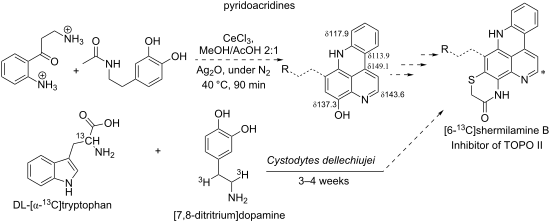
- subtilis, giving a MIC of 3.1 µg/mL [87]. 42 displayed in vitro antiparasitic activity against Plasmodium falciparum (K1, NF54), Leshmania donovani, Trypanosoma cruzi and T. rhodesiense but the effect was much lower than that of standard drugs artemisinin and chloroquine [88]. Ascididemin (42) displayed

Graphical Abstract

Figure 1: Fragments produced by the FAB–MS of dehydrokuanoniamine B (20) [42].

Figure 2: Fragments produced by the EIMS of sagitol (26) [55].

Figure 3: Fragments produced by the EIMS of styelsamine B (4) [45].

Figure 4: Fragments produced by the EIMS of styelsamine D (6) [45].
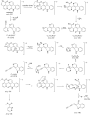
Figure 5: Fragments produced by the EIMS of subarine (37) [40].

Scheme 1: Synthesis of styelsamine B (4) and cystodytin J (1) [58].

Scheme 2: Synthesis of sebastianine A (38) and its regioisomer 39 [59].

Scheme 3: Synthesis route A of neoamphimedine (12) [61].
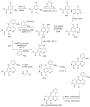
Scheme 4: Synthesis route B of neoamphimedine (12) [62].
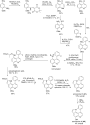
Scheme 5: Synthesis of arnoamines A (40) and B (41) [63].

Scheme 6: Synthesis of ascididemin (42) [65].
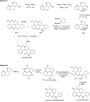
Scheme 7: Synthesis of subarine (37) [66,67].

Scheme 8: Synthesis of demethyldeoxyamphimedine (9) [68].

Scheme 9: Synthesis of pyridoacridine analogues related to ascididemin (42) [70].
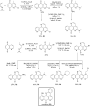
Scheme 10: Synthesis of analogues of meridine (56) [71].

Scheme 11: Synthesis of bulky pyridoacridine as eilatin (58) [72].

Scheme 12: Synthesis of AK37 (59), analogue of kuanoniamine A (60) [73].

Figure 6: Biosynthesis pathway I [74].

Figure 7: Reaction illustrating catechol and kynuramine as possible biosynthetic precursors [75].

Figure 8: Biosynthesis pathway B deduced from the feeding experiment A using labelled precursors [76].

Figure 9: Proposed biosynthesis pathway [47].

Figure 10: 4H-Pyrido[2,3,4-kl]acridin-4-one as a cytotoxic pharmacophore.

Figure 11: 7H-Pyrido[2,3,4-kl]acridine as a cytotoxic pharmacophore.

Figure 12: 9H-Quinolino[4,3,2-de][1,10]phenanthrolin-9-one as a cytotoxic pharmacophore.

Figure 13: 8H-Benzo[b]pyrido[4,3,2-de][1,7]phenanthrolin-8-one as a cytotoxic pharmacophore.

Figure 14: Pyrido[4,3,2-mn]pyrrolo[3,2,1-de]acridine as a cytotoxic pharmacophore.

Figure 15: 9H-Pyrido[4,3,2-mn]thiazolo[4,5-b]acridin-9-one and 8H-pyrido[4,3,2-mn]thiazolo[4,5-b]acridine: cyt...
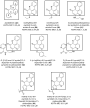
Figure 16: 9H-quinolino[4,3,2-de][1,10]phenanthrolin-9-one as an anti-mycobacterial pharmacophore.

Figure 17: 9H-Quinolino[4,3,2-de][1,10]phenanthrolin-9-one as an antibacterial pharmacophore.

Figure 18: Saturated and less saturated pyridine moieties as aspartyl inhibitor cores.

Figure 19: Iminobenzoquinone and acridone cores as intercalating and TOPO inhibitor motifs found in pyridoacri...
A novel and widespread class of ketosynthase is responsible for the head-to-head condensation of two acyl moieties in bacterial pyrone biosynthesis
- Darko Kresovic,
- Florence Schempp,
- Zakaria Cheikh-Ali and
- Helge B. Bode
Beilstein J. Org. Chem. 2015, 11, 1412–1417, doi:10.3762/bjoc.11.152
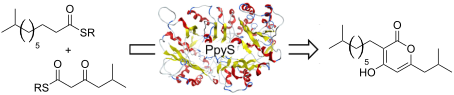
- antimycobacterial and antiparasitic activity and they inhibit the fatty acid biosynthesis [29]. Natural and unnatural derivatives have also been synthesized in order to find more potent compounds [30]. We first analyzed the strain for pseudopyronine production and were able to detect three possible compounds. After

Graphical Abstract

Figure 1: Structures of photopyrones 1–8, pseudopyronines 9–11, myxopyronin A (12) and corallopyronin A (13)....
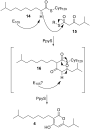
Scheme 1: Proposed biosynthesis of photopyrone D (4) by PpyS from P. luminescens. The second deprotonation st...

Figure 2: Dimeric structure of modeled PpyS (A). Chain A (blue), chain B (red). 14 (surface, cyan) is covalen...
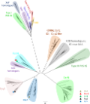
Figure 3: Phylogenetic tree (PHYML) composed of PpyS, its homologues and other known ketosynthases. Table S4 (...
Come-back of phenanthridine and phenanthridinium derivatives in the 21st century
- Lidija-Marija Tumir,
- Marijana Radić Stojković and
- Ivo Piantanida
Beilstein J. Org. Chem. 2014, 10, 2930–2954, doi:10.3762/bjoc.10.312

- (propidium iodide) as a probe for cell viability. Besides, an antiparasitic activity for EB was reported and it possesses significant antitumor activity [2][3][4][5] both in vivo and in vitro. Nevertheless, phenanthridine derivatives were rather neglected regarding their human medicinal applications due to

Graphical Abstract

Scheme 1: The Grignard-based synthesis of 6-alkyl phenanthridine.

Scheme 2: Radical-mediated synthesis of 6-arylphenanthridine [14].

Scheme 3: A t-BuO• radical-assisted homolytic aromatic substitution mechanism proposed for the conversion of ...

Scheme 4: Synthesis of 5,6-unsubstituted phenanthridine starting from 2-iodobenzyl chloride and aniline [17].

Scheme 5: Phenanthridine synthesis initiated by UV-light irradiation photolysis of acetophenone O-ethoxycarbo...

Scheme 6: PhI(OAc)2-mediated oxidative cyclization of 2-isocyanobiphenyls with CF3SiMe3 [19,20].

Scheme 7: Targeting 6-perfluoroalkylphenanthridines [21,22].

Scheme 8: Easily accessible biphenyl isocyanides reacting under mild conditions (room temp., visible light ir...

Scheme 9: Microwave irradiation of Diels–Alder adduct followed by UV irradiation of dihydrophenanthridines yi...

Scheme 10: A representative palladium catalytic cycle.

Scheme 11: The common Pd-catalyst for the biphenyl conjugation results simultaneously in picolinamide-directed...

Scheme 12: Pd(0)-mediated cyclisation of imidoyl-selenides forming 6-arylphenanthridine derivatives [16]. The inse...

Scheme 13: Palladium-catalysed phenanthridine synthesis.

Scheme 14: Aerobic domino Suzuki coupling combined with Michael addition reaction in the presence of a Pd(OAc)2...

Scheme 15: Rhodium-catalysed alkyne [2 + 2 + 2] cycloaddition reactions [36].

Scheme 16: The O-acetyloximes derived from 2′-arylacetophenones underwent N–O bond cleavage and intramolecular ...

Scheme 17: C–H arylation with aryl chloride in the presence of a simple diol complex with KOt-Bu (top) [39]; for s...

Scheme 18: The subsequent aza-Claisen rearrangement, ring-closing enyne metathesis and Diels–Alder reaction – ...

Scheme 19: Phenanthridine central-ring cyclisation with simultaneous radical-driven phosphorylation [42].

Scheme 20: Three component reaction yielding the benzo[a]phenanthridine core in excellent yields [44].
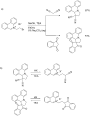
Scheme 21: a) Reaction of malononitrile and 1,3-indandione with BEP to form the cyclised DPP products; b) pH c...

Figure 1: Schematic presentation of the intercalative binding mode by the neighbour exclusion principle and i...

Figure 2: Urea and guanidine derivatives of EB with modified DNA interactions [57].

Figure 3: Structure of mono- (3) and bis-biguanide (4) derivative. Fluorescence (y-axis normalised to startin...

Scheme 22: Bis-phenanthridinium derivatives (5–7; inert aliphatic linkers, R = –(CH2)4– or –(CH2)6–): rigidity...

Figure 4: Series of amino acid–phenanthridine building blocks (general structure 10; R = H; Gly) and peptide-...

Figure 5: General structure of 45 bis-ethidium bromide analogues. Reproduced with permission from [69]. Copyright...

Scheme 23: Top: Recognition of poly(U) by 12 and ds-polyAH+ by 13; bottom: Recognition of poly(dA)–poly(dT) by ...

Figure 6: The bis-phenanthridinium–adenine derivative 15 (LEFT) showed selectivity towards complementary UMP;...

Figure 7: The neomycin–methidium conjugate targeting DNA:RNA hybrid structures [80].

Figure 8: Two-colour RNA intercalating probe for cell imaging applications: Left: Chemical structure of EB-fl...

Figure 9: The ethidium bromide nucleosides 17 (top) and 18 (bottom). DNA duplex set 1 and 2 (E = phenanthridi...

Figure 10: Left: various DNA duplexes; DNA1 and DNA2 used to study the impact on the adjacent basepair type on...

Figure 11: Structure of 4,9-DAP derivative 19; Rright: MIAPaCa-2 cells stained with 10 μM 19 after 60 and 120 ...

Figure 12: Examples of naturally occurring phenanthridine analogues.
(2R,1'S,2'R)- and (2S,1'S,2'R)-3-[2-Mono(di,tri)fluoromethylcyclopropyl]alanines and their incorporation into hormaomycin analogues
- Armin de Meijere,
- Sergei I. Kozhushkov,
- Dmitrii S. Yufit,
- Christian Grosse,
- Marcel Kaiser and
- Vitaly A. Raev
Beilstein J. Org. Chem. 2014, 10, 2844–2857, doi:10.3762/bjoc.10.302

- % yield, respectively (Scheme 7). Since the MeZ-protected cyclohexadepsipeptide core of the native hormaomycin was found to have a significant antiparasitic activity, N-acetylated 58 and N-trifluoroacetylated 59 derivatives were prepared by coupling the deprotected cyclic intermediate 52a with acetic and

Graphical Abstract

Figure 1: Structure and absolute configuration of hormaomycin (1), its fluoromethyl-substituted analogues 8a–c...

Figure 2: Structures of the Belokon'-type glycine complexes (BGC) (R)- and (S)-10.

Scheme 1: Intended routes to methyl trans-2-(fluormethyl)cyclopropanecarboxylates 14a–c.

Scheme 2: Synthesis of trans-(2-trifluoromethyl)cyclopropanecarboxylic acid (24).

Scheme 3: Preparation of racemic trans-2-(fluoromethyl)cyclopropylmethyl iodides 11a–c and their conversion t...

Figure 3: Structure and absolute configurations of the nickel(II) complexes (2S,1'R,2'S)-26a, (2S,1'R,2'S)-26b...

Figure 4: Structure and absolute configuration of nickel(II) complex (R,R,R)-28 in the crystal. Hydrogen atom...

Scheme 4: Mechanism of epimerization of the threonine nickel(II) complex 29.
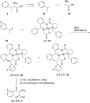
Scheme 5: A new general approach to (2S,3R)-β-methylarylalanines 3 by alkylation of the glycine nickel(II) co...

Figure 5: Structure and absolute configuration of nickel(II) complex (2S,3S)-32 in the crystal. Hydrogen atom...

Scheme 6: Synthesis of the cyclohexadepsipeptides 52a–c for the hormaomycin analogues 8a–c with 3-(2'-fluorom...

Scheme 7: Synthesis of hormaomycin analogues with a: trifluoromethyl-, b: difluoromethyl-, c: monofluoromethy...

Figure 6: Two derivatives 58 and 59 of cyclohexadepsipeptide 52a containing the (trifluoromethylcyclopropyl)a...
Synthesis of five- and six-membered cyclic organic peroxides: Key transformations into peroxide ring-retaining products
- Alexander O. Terent'ev,
- Dmitry A. Borisov,
- Vera A. Vil’ and
- Valery M. Dembitsky
Beilstein J. Org. Chem. 2014, 10, 34–114, doi:10.3762/bjoc.10.6
- -alkyl oximes 174 with ketones 175 (Scheme 45, Table 13). The selective synthesis of ozonides has attracted great interest because it allows the preparation of compounds exhibiting high antiparasitic activity. The Griesbaum method is widely applicable and allows the selective synthesis of symmetrical and

Graphical Abstract

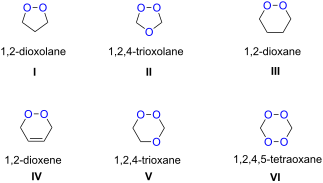
Figure 1: Five and six-membered cyclic peroxides.

Figure 2: Artemisinin and semi-synthetic derivatives.

Scheme 1: Synthesis of 3-hydroxy-1,2-dioxolanes 3a–c.

Scheme 2: Synthesis of dioxolane 6.

Scheme 3: Photooxygenation of oxazolidines 7a–d with formation of spiro-fused oxazolidine-containing dioxolan...

Scheme 4: Oxidation of cyclopropanes 10a–e and 11a–e with preparation of 1,2-dioxolanes 12a–e.

Scheme 5: VO(acac)2-catalyzed oxidation of silylated bicycloalkanols 13a–c.

Scheme 6: Mn(II)-catalyzed oxidation of cyclopropanols 15a–g.

Scheme 7: Oxidation of aminocyclopropanes 20a–c.

Scheme 8: Synthesis of aminodioxolanes 24.
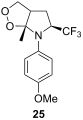
Figure 3: Trifluoromethyl-containing dioxolane 25.

Scheme 9: Synthesis of 1,2-dioxolanes 27a–e by the oxidation of cyclopropanes 26a–e.

Scheme 10: Photoinduced oxidation of methylenecyclopropanes 28.

Scheme 11: Irradiation-mediated oxidation.

Scheme 12: Application of diazene 34 for dioxolane synthesis.

Scheme 13: Mn(OAc)3-catalyzed cooxidation of arylacetylenes 37a–h and acetylacetone with atmospheric oxygen.
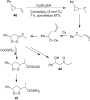
Scheme 14: Peroxidation of (2-vinylcyclopropyl)benzene (40).

Scheme 15: Peroxidation of 1,4-dienes 43a,b.

Scheme 16: Peroxidation of 1,5-dienes 46.

Scheme 17: Peroxidation of oxetanes 53a,b.

Scheme 18: Peroxidation of 1,6-diene 56.

Scheme 19: Synthesis of 3-alkoxy-1,2-dioxolanes 62a,b.

Scheme 20: Synthesis of spiro-bis(1,2-dioxolane) 66.

Scheme 21: Synthesis of dispiro-1,2-dioxolanes 68, 70, 71.

Scheme 22: Synthesis of spirohydroperoxydioxolanes 75a,b.

Scheme 23: Synthesis of spirohydroperoxydioxolane 77 and dihydroperoxydioxolane 79.

Scheme 24: Ozonolysis of azepino[4,5-b]indole 80.

Scheme 25: SnCl4-mediated fragmentation of ozonides 84a–l in the presence of allyltrimethylsilane.

Scheme 26: SnCl4-mediated fragmentation of bicyclic ozonide 84m in the presence of allyltrimethylsilane.

Scheme 27: MCl4-mediated fragmentation of alkoxyhydroperoxides 96 in the presence of allyltrimethylsilane.

Scheme 28: SnCl4-catalyzed reaction of monotriethylsilylperoxyacetal 108 with alkene 109.

Scheme 29: SnCl4-catalyzed reaction of triethylsilylperoxyacetals 111 with alkenes.

Scheme 30: Desilylation of tert-butyldimethylsilylperoxy ketones 131a,b followed by cyclization.

Scheme 31: Deprotection of peroxide 133 followed by cyclization.

Scheme 32: Asymmetric peroxidation of methyl vinyl ketones 137a–e.

Scheme 33: Et2NH-catalyzed intramolecular cyclization.

Scheme 34: Synthesis of oxodioxolanes 143a–j.

Scheme 35: Haloperoxidation accompanied by intramolecular ring closure.

Scheme 36: Oxidation of triterpenes 149a–d with Na2Cr2O7/N-hydroxysuccinimide.

Scheme 37: Curtius and Wolff rearrangements to form 1,2-dioxolane ring-retaining products.

Scheme 38: Oxidative desilylation of peroxide 124.

Scheme 39: Synthesis of dioxolane 158, a compound containing the aminoquinoline antimalarial pharmacophore.

Scheme 40: Diastereomers of plakinic acid A, 162a and 162b.

Scheme 41: Ozonolysis of alkenes.

Scheme 42: Cross-ozonolysis of alkenes 166 with carbonyl compounds.

Scheme 43: Ozonolysis of the bicyclic cyclohexenone 168.

Scheme 44: Cross-ozonolysis of enol ethers 172a,b with cyclohexanone.

Scheme 45: Griesbaum co-ozonolysis.

Scheme 46: Reactions of aryloxiranes 177a,b with oxygen.

Scheme 47: Intramolecular formation of 1,2,4-trioxolane 180.

Scheme 48: Formation of 1,2,4-trioxolane 180 by the reaction of 1,5-ketoacetal 181 with H2O2.

Scheme 49: 1,2,4-Trioxolane 186 with tetrazole fragment.

Scheme 50: 1,2,4-Trioxolane 188 with a pyridine fragment.

Scheme 51: 1,2,4-Trioxolane 189 with pyrimidine fragment.

Scheme 52: Synthesis of aminoquinoline-containing 1,2,4-trioxalane 191.

Scheme 53: Synthesis of arterolane.

Scheme 54: Oxidation of diarylheptadienes 197a–c with singlet oxygen.

Scheme 55: Synthesis of hexacyclinol peroxide 200.

Scheme 56: Oxidation of enone 201 and enenitrile 203 with singlet oxygen.

Scheme 57: Synthesis of 1,2-dioxanes 207 by oxidative coupling of carbonyl compounds 206 and alkenes 205.

Scheme 58: 1,2-Dioxanes 209 synthesis by co-oxidation of 1,5-dienes 208 and thiols.

Scheme 59: Synthesis of bicyclic 1,2-dioxanes 212 with aryl substituents.

Scheme 60: Isayama–Mukaiyama peroxysilylation of 1,5-dienes 213 followed by desilylation under acidic conditio...

Scheme 61: Synthesis of bicycle 218 with an 1,2-dioxane ring.

Scheme 62: Intramolecular cyclization with an oxirane-ring opening.

Scheme 63: Inramolecular cyclization with the oxetane-ring opening.

Scheme 64: Intramolecular cyclization with the attack on a keto group.

Scheme 65: Peroxidation of the carbonyl group in unsaturated ketones 228 followed by cyclization of hydroperox...

Scheme 66: CsOH and Et2NH-catalyzed cyclization.

Scheme 67: Preparation of peroxyplakoric acid methyl ethers A and D.

Scheme 68: Hg(OAc)2 in 1,2-dioxane synthesis.

Scheme 69: Reaction of 1,4-diketones 242 with hydrogen peroxide.

Scheme 70: Inramolecular cyclization with oxetane-ring opening.

Scheme 71: Inramolecular cyclization with MsO fragment substitution.

Scheme 72: Synthesis of 1,2-dioxane 255a, a structurally similar compound to natural peroxyplakoric acids.

Scheme 73: Synthesis of 1,2-dioxanes based on the intramolecular cyclization of hydroperoxides containing C=C ...
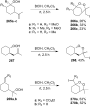
Scheme 74: Use of BCIH in the intramolecular cyclization.

Scheme 75: Palladium-catalyzed cyclization of δ-unsaturated hydroperoxides 271a–e.

Scheme 76: Intramolecular cyclization of unsaturated peroxyacetals 273a–d.

Scheme 77: Allyltrimethylsilane in the synthesis of 1,2-dioxanes 276a–d.

Scheme 78: Intramolecular cyclization using the electrophilic center of the peroxycarbenium ion 279.

Scheme 79: Synthesis of bicyclic 1,2-dioxanes.

Scheme 80: Preparation of 1,2-dioxane 286.

Scheme 81: Di(tert-butyl)peroxalate-initiated radical cyclization of unsaturated hydroperoxide 287.

Scheme 82: Oxidation of 1,4-betaines 291a–d.

Scheme 83: Synthesis of aminoquinoline-containing 1,2-dioxane 294.

Scheme 84: Synthesis of the sulfonyl-containing 1,2-dioxane.

Scheme 85: Synthesis of the amido-containing 1,2-dioxane 301.

Scheme 86: Reaction of singlet oxygen with the 1,3-diene system 302.

Scheme 87: Synthesis of (+)-premnalane А and 8-epi-premnalane A.

Scheme 88: Synthesis of the diazo group containing 1,2-dioxenes 309a–e.

Figure 4: Plakortolide Е.

Scheme 89: Synthesis of 6-epiplakortolide Е.

Scheme 90: Application of Bu3SnH for the preparation of tetrahydrofuran-containing bicyclic peroxides 318a,b.

Scheme 91: Application of Bu3SnH for the preparation of lactone-containing bicyclic peroxides 320a–f.

Scheme 92: Dihydroxylation of the double bond in the 1,2-dioxene ring 321 with OsO4.

Scheme 93: Epoxidation of 1,2-dioxenes 324.

Scheme 94: Cyclopropanation of the double bond in endoperoxides 327.

Scheme 95: Preparation of pyridazine-containing bicyclic endoperoxides 334a–c.

Scheme 96: Synthesis of 1,2,4-trioxanes 337 by the hydroperoxidation of unsaturated alcohols 335 with 1O2 and ...

Scheme 97: Synthesis of sulfur-containing 1,2,4-trioxanes 339.

Scheme 98: BF3·Et2O-catalyzed synthesis of the 1,2,4-trioxanes 342a–g.

Scheme 99: Photooxidation of enol ethers or vinyl sulfides 343.

Scheme 100: Synthesis of tricyclic peroxide 346.

Scheme 101: Reaction of endoperoxides 348a,b derived from cyclohexadienes 347a,b with 1,4-cyclohexanedione.

Scheme 102: [4 + 2]-Cycloaddition of singlet oxygen to 2Н-pyrans 350.

Scheme 103: Synthesis of 1,2,4-trioxanes 354 using peroxysilylation stage.

Scheme 104: Epoxide-ring opening in 355 with H2O2 followed by the condensation of hydroxy hydroperoxides 356 wi...

Scheme 105: Peroxidation of unsaturated ketones 358 with the H2O2/CF3COOH/H2SO4 system.

Scheme 106: Synthesis of 1,2,4-trioxanes 362 through Et2NH-catalyzed intramolecular cyclization.

Scheme 107: Reduction of the double bond in tricyclic peroxides 363.

Scheme 108: Horner–Wadsworth–Emmons reaction in the presence of peroxide group.

Scheme 109: Reduction of ester group by LiBH4 in the presence of 1,2,4-trioxane moiety.

Scheme 110: Reductive amination of keto-containing 1,2,4-trioxane 370.

Scheme 111: Reductive amination of keto-containing 1,2,4-trioxane and a Fe-containing moiety.

Scheme 112: Acid-catalyzed reactions of Н2О2 with ketones and aldehydes 374.
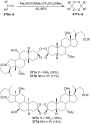
Scheme 113: Cyclocondensation of carbonyl compounds 376a–d using Me3SiOOSiMe3/CF3SO3SiMe3.

Scheme 114: Peroxidation of 4-methylcyclohexanone (378).

Scheme 115: Synthesis of symmetrical tetraoxanes 382a,b from aldehydes 381a,b.

Scheme 116: Synthesis of unsymmetrical tetraoxanes using of MeReO3.

Scheme 117: Synthesis of symmetrical tetraoxanes using of MeReO3.

Scheme 118: Synthesis of symmetrical tetraoxanes using of MeReO3.

Scheme 119: MeReO3 in the synthesis of symmetrical tetraoxanes with the use of aldehydes.

Scheme 120: Preparation of unsymmmetrical 1,2,4,5-tetraoxanes with high antimalarial activity.

Scheme 121: Re2O7-Catalyzed synthesis of tetraoxanes 398.

Scheme 122: H2SO4-Catalyzed synthesis of steroidal tetraoxanes 401.

Scheme 123: HBF4-Catalyzed condensation of bishydroperoxide 402 with 1,4-cyclohexanedione.

Scheme 124: BF3·Et2O-Catalyzed reaction of gem-bishydroperoxides 404 with enol ethers 405 and acetals 406.

Scheme 125: HBF4-Catalyzed cyclocondensation of bishydroperoxide 410 with ketones.

Scheme 126: Synthesis of symmetrical and unsymmetrical tetraoxanes 413 from benzaldehydes 412.
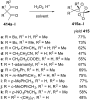
Scheme 127: Synthesis of bridged 1,2,4,5-tetraoxanes 415a–l from β-diketones 414a–l and H2O2.

Scheme 128: Dimerization of zwitterions 417.

Scheme 129: Ozonolysis of verbenone 419.

Scheme 130: Ozonolysis of O-methyl oxime 424.

Scheme 131: Peroxidation of 1,1,1-trifluorododecan-2-one 426 with oxone.

Scheme 132: Intramolecular cyclization of dialdehyde 428 with H2O2.

Scheme 133: Tetraoxanes 433–435 as by-products in peroxidation of ketals 430–432.

Scheme 134: Transformation of triperoxide 436 in diperoxide 437.

Scheme 135: Preparation and structural modifications of tetraoxanes.

Scheme 136: Structural modifications of steroidal tetraoxanes.

Scheme 137: Synthesis of 1,2,4,5-tetraoxane 454 containing the fluorescent moiety.

Scheme 138: Synthesis of tetraoxane 458 (RKA182).



