Search results
Search for "assembly" in Full Text gives 573 result(s) in Beilstein Journal of Nanotechnology. Showing first 200.
Supramolecular one-dimensional conducting nanofibers from a C3-symmetric tetrathiafulvalene derivative
Beilstein J. Nanotechnol. 2026, 17, 872–881, doi:10.3762/bjnano.17.63
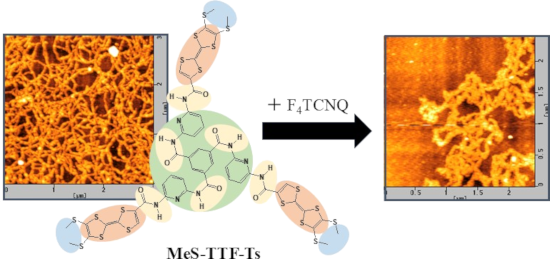
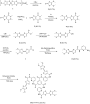
- Tokyo, 4-6-1 Komaba, Meguro-ku, Tokyo 153-8505, Japan 10.3762/bjnano.17.63 Abstract This study reports the design and synthesis of a C3-symmetric discotic tetrathiafulvalene (TTF) derivative, MeS-TTF-Ts, as a molecular platform for the self-assembly of one-dimensional conductive nanostructures. The
- structures with morphologies strongly dependent on the solvent conditions. AFM and SEM observations revealed that distinct supramolecular structures were formed depending on the solvent and substrate used, suggesting that molecular interactions and assembly processes play important roles in determining the
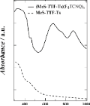
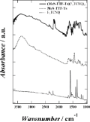
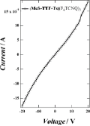
- to F4TCNQ through the formation of F4TCNQ− and TTF+ species. These results indicate the formation of a highly charge-transferred donor–acceptor assembly in the nanofibers. Electrical conductivity measurements revealed that the (MeS-TTF-Ts)(F4TCNQ)3 nanofibers exhibit a conductivity of 1.24 × 10⁻²


Light-driven ammonia electrooxidation via carbon nitride–ruthenium molecular interfaces
Beilstein J. Nanotechnol. 2026, 17, 854–862, doi:10.3762/bjnano.17.61
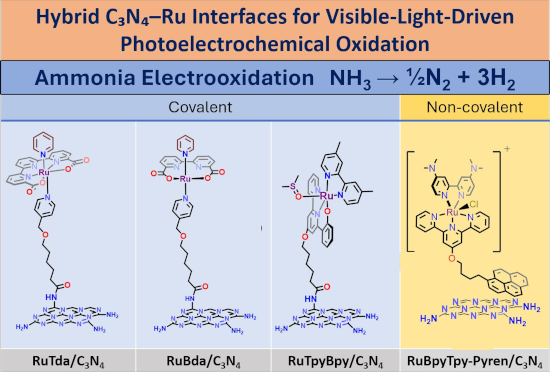
- . Subsequently, a ruthenium precursor then coordinates to the pyridine nitrogen, completing the assembly. The resulting covalent connection is thermodynamically robust, surviving repeated electrochemical cycling and exposure to the reaction medium without significant catalyst leaching. A proof-of-concept, using


Cross-scale design of chemosensor arrays: from molecular self-assembly in water to paper-based devices for metal ion detection
Beilstein J. Nanotechnol. 2026, 17, 828–838, doi:10.3762/bjnano.17.59
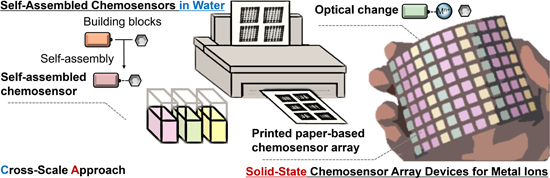
- ions in various water environments across microscopic and macroscopic scales. Keywords: chemosensor; metal ion; paper device; pattern recognition; self-assembly; Introduction Metal ions are essential species in biological systems; however, heavy metal ions act as pollutants and can damage organs and
- bond chemistry require organic synthetic approaches in the chemosensor preparations [6][7][8][9]. Meanwhile, molecular self-assembly serves as a driving force for easy-to-obtain chemosensors through spontaneous preparation without a synthetic burden [17]. Moreover, the optical properties of
- (chromophores and fluorophores), and manipulator units, if necessary (Figure 2A) [42]. To construct a chemosensor array, the variation of optical properties is significant, while the modification of chemosensor properties is limited by the synthetic effort required. Molecular self-assembly is a valid approach


Interface-engineered Caco-2 cell culture on a collagen-coated liquid–liquid interface in a microfluidic device
Beilstein J. Nanotechnol. 2026, 17, 760–768, doi:10.3762/bjnano.17.53
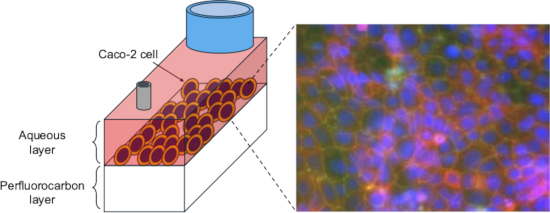
- other cell types. Experimental Device materials, reagents, and Caco-2 cells The materials for device fabrication and assembly were obtained from the following suppliers: PDMS (Silpot 184W/C, Dow Corning Toray, Tokyo, Japan) and cover glass (MICRO COVER GLASS, MATSUNAMI GLASS IND., LTD., Osaka, Japan


Protein-based custom-designed molecular nanotraps for biomedical applications
Beilstein J. Nanotechnol. 2026, 17, 683–687, doi:10.3762/bjnano.17.47
- nanocages and nanoparticles [10][11]. However, the vast majority of these architectures are constructed through the ordered assembly of folded protein units. In such systems, nanoparticles and higher-order structures arise from the self-assembly of proteins; they combine modularity with a high degree of

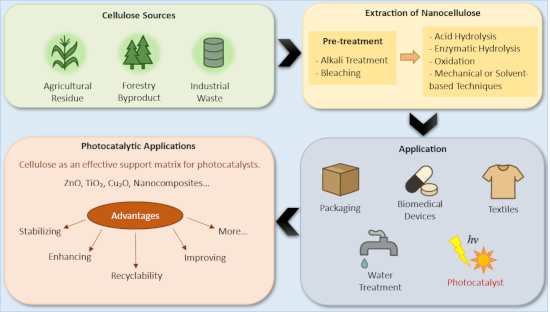
Cellulose as a photocatalyst support material: extraction, structural features, and environmental applications
Beilstein J. Nanotechnol. 2026, 17, 635–652, doi:10.3762/bjnano.17.44


Recent progress in enhancing built-in electric fields of perovskite solar cells via junction engineering
Beilstein J. Nanotechnol. 2026, 17, 602–621, doi:10.3762/bjnano.17.42
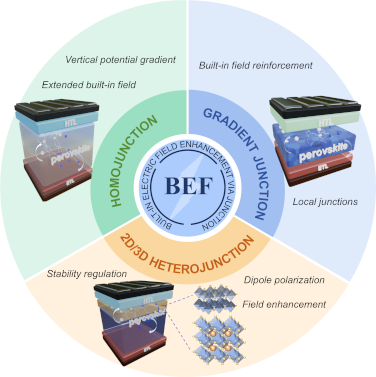
- introducing a “reassembly process” (RP) strategy. Using a pyridine/isopropanol mixed solvent, insulating long-chain ligands were replaced with formamidinium iodide short-chain ions, enabling close-packed quantum dot assembly and vertical growth orientation. Simultaneously, layered spin-coating of nanocrystals



Impacts of annealing on structural and photophysical properties of zinc phthalocyanine adsorbed on graphene
Beilstein J. Nanotechnol. 2026, 17, 576–585, doi:10.3762/bjnano.17.39
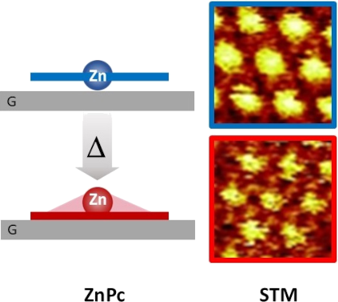
- formation towards 3D self-assembly. Keywords: graphene; optical spectroscopy; organic semiconductors; phthalocyanine; scanning tunneling microscopy; self-assembly; Introduction Combining the properties of graphene and molecular semiconductors in a given material organized at the molecular scale appears as
- characteristic of a ZnPc response [43]. However, the highest energy peak is strongly shifted from its value of 1506 cm−1 in the bulk to 1543 cm−1 in this assembly. The same shift has been reported for the ZnPc embedded inside carbon nanotubes or adsorbed on their surface [44]. This is considered as a signature
- of molecules in solution being already under shuttlecock form. Scanning tunneling microscopy Although the TSB35-family molecules form the same atomically precise self-assembly patterns on graphene and HOPG, the former is less convenient for STM observations because of defects inherently present in


Interconnection morphology effects on the radio frequency response of carbon nanotube sponges
Beilstein J. Nanotechnol. 2026, 17, 343–351, doi:10.3762/bjnano.17.23
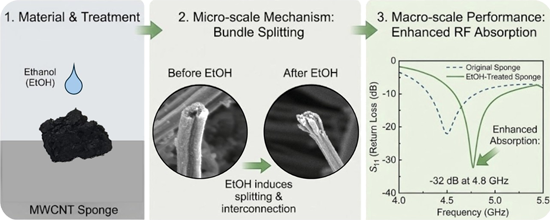
- increased from 0.5 to 5.0 μm, the gain changed from 14% up to 70% [19]. MWCNTs were also mixed with conductive polymers [20][21] or with metals [22], showing sizeable improvements in the response. More recently, a novel material based on a 3D self-standing CNT assembly, often denoted as carbon nanotube
- sponge (CNS) [23], was applied as active medium for the fabrication of antennas [24]. The material consists of highly interconnected MWCNTs that are assembled during the synthesis process and confer the material its 3D shape. In addition, the assembly has interesting macroscopical properties like high
- ethanol treatment yielded excellent results, enhancing the efficiency of the CNS in absorbing RF signals and serving as a signal receptor. We explained the observed improvement by the structural modifications in the CNT assembly induced by ethanol. Compared with other doping strategies or external field




Advancing nanolithography: a comprehensive review of materials for local anodic oxidation with AFM
Beilstein J. Nanotechnol. 2026, 17, 275–291, doi:10.3762/bjnano.17.19
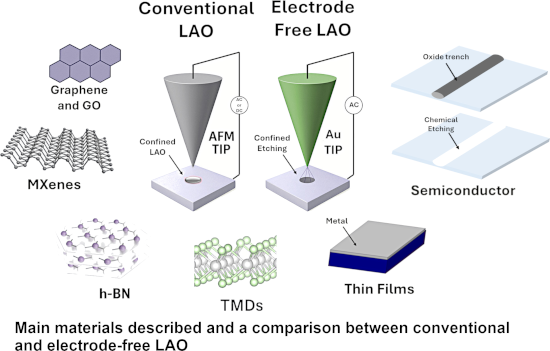
- templating and subsequent selective self-assembly of organic or inorganic species [85]. Follow-up work further demonstrated that such patterned monolayers can even support single-layer ionic conduction along predefined nanoscale paths [86]. These studies extend LAO-type surface modification to molecular
- silicon surface can be functionalized and subsequently patterned through local oxidation [95], as illustrated by a method for generating guiding patterns for the directed self-assembly of block copolymers (BCPs) [96]. By integrating chemical and topographic modifications, these guiding patterns


Micro- and nanoscale effects in biological and bioinspired materials and surfaces
Beilstein J. Nanotechnol. 2026, 17, 214–217, doi:10.3762/bjnano.17.14
- composition of the secreting cells and its cement product, providing a strong basis for further research on the assembly of biological and bioinspired adhesives. Sawant et al. [15] focused on the cement of a barnacle and experimentally investigated a specific key cement protein and its self-assembly under
Structure-dependent thermochromism of PAZO thin films: theory and experiment
Beilstein J. Nanotechnol. 2026, 17, 186–199, doi:10.3762/bjnano.17.12
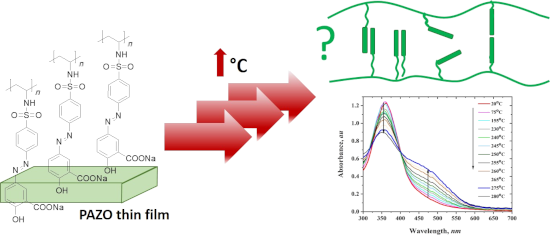
- polymers in thin films are known to markedly differ from those observed in the bulk, with significant differences in glass transition behavior, diffusion, and viscoelastic properties [4]. The assembly of polymer molecules from solution to solid state play a critical role in determining thin film morphology
- the molecular assembly governs birefringence in PAZO remains incomplete, leaving open questions about the fundamental mechanisms driving the observed photoresponsive behavior. This knowledge gap serves as the primary motivation for the present study. Here, we investigate the optical properties of PAZO
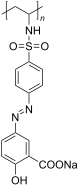
- exist in two isomeric forms: a stable trans (E) form and a metastable cis (Z) form (Figure 6B). The self-assembly of PAZO polymers into various nanostructures is mainly driven by the noncovalent interactions, such as π–π stacking between azobenzene groups. Azobenzene groups are photosensitive and can


Functional surface engineering for cultural heritage protection: the role of superhydrophobic and superoleophobic coatings – a comprehensive review
Beilstein J. Nanotechnol. 2026, 17, 63–96, doi:10.3762/bjnano.17.6
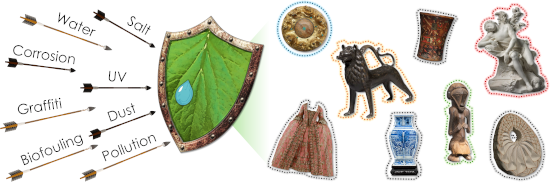
- years, the importance of cultural heritage applications has been recognized [45], and material science advancements are being applied in the field of prevention, instead of restoration, of the cultural heritage. At the 15th General Assembly of International Council of Museums (ICOM), held in Buenos




Subdigital integumentary microstructure in Cyrtodactylus (Squamata: Gekkota): do those lineages with incipiently expressed toepads exclusively exhibit adhesive setae?
Beilstein J. Nanotechnol. 2026, 17, 38–56, doi:10.3762/bjnano.17.4
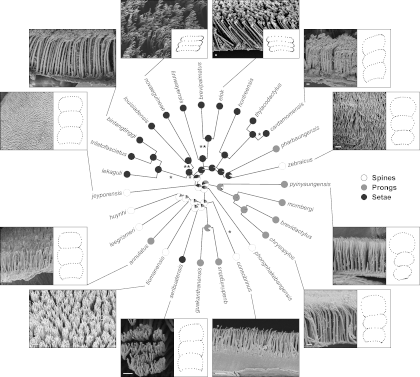
- stronger adhesive interactions). In theory, this would lead to the elaboration of incipient and ultimately fully expressed toepads. Given the gradual nature of the evolutionary assembly of complex structures such as adhesive toepads, terms like incipient toepads necessarily remain incremental. Therefore



Reduced graphene oxide paper electrode for lithium-ion cells – towards optimized thermal reduction
Beilstein J. Nanotechnol. 2026, 17, 24–37, doi:10.3762/bjnano.17.3
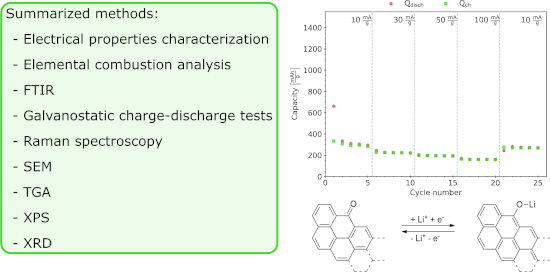
- assembly, the cycling (between 0.01 and 3.20 V) involved steps of the following current rates: 5 × 10 mA/g, 5 × 30 mA/g, 5 × 50 mA/g, 5 × 100 mA/g, and 5 × 10 mA/g. Coulombic efficiency, defined as the ratio of discharge capacity to charge capacity, within each cycle was calculated [41]. Results and



Visualizing nanostructures in supramolecular hydrogels: a correlative study using confocal and cryogenic scanning electron microscopy
Beilstein J. Nanotechnol. 2025, 16, 2274–2284, doi:10.3762/bjnano.16.156
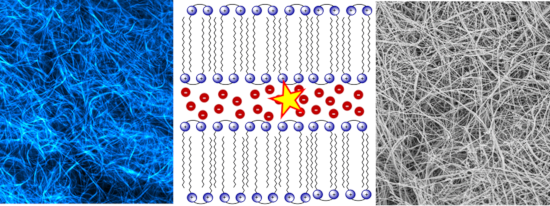
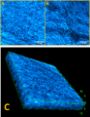
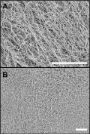
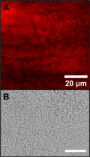
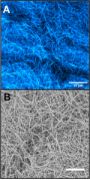
- . The comparison is important because it could reveal an effect of the probe on the morphology of the network of fibres. The gel network itself is formed by the self-assembly of 1,3-bis[(3-octadecyl-1-imidazolium)methyl]benzene dibromide (1·2Br) in a 1:1 water–ethanol solvent system [20][21] and is made
- of the hydrogel was then imaged by SEM at an accelerating voltage of 3.3 kV using the SESI and InLens detectors. A representation of the fibre structure of the hydrogel that forms upon self-assembly of 1·2Br in the presence of 1:1 water–ethanol. Alkyl chains form a lamellar structure and between




Chiral plasmonic nanostructures fabricated with circularly polarized light
Beilstein J. Nanotechnol. 2025, 16, 2245–2264, doi:10.3762/bjnano.16.154
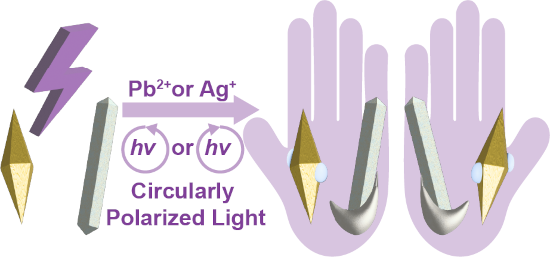
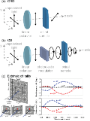
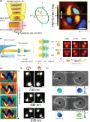
- . Additionally, the optical chirality at the near field is greater than that of the incident CPL, increasing the polarization selectivity of the interactions between molecules and CPL [17][18]. After more than two decades of development, the synthesis of cPNSs has evolved from nanolithography and self-assembly
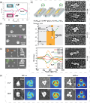
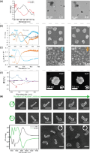
- ”. In the same paper, the authors attributed the formation of chiral AuNPs to the assembly of small NPs under the mechanical force of CPL. The spatial dissymmetry of hot carrier-induced chemical reactions was not discussed. While Figure 4a represents chiral metallic cPNSs synthesized in solution, Figure





Optical bio/chemical sensors for vitamin B12 analysis in food and pharmaceuticals: state of the art, challenges, and future outlooks
Beilstein J. Nanotechnol. 2025, 16, 2207–2244, doi:10.3762/bjnano.16.153


Ultrathin water layers on mannosylated gold nanoparticles
Beilstein J. Nanotechnol. 2025, 16, 2183–2198, doi:10.3762/bjnano.16.151
- nanoscale “traps” between the NPs. Both effects result in water adsorption that persists even in dry environments. Focusing now on particle size and assembly, we found no difference between the hydrodynamic size of 16.8 nm (obtained in suspension by DLS) (Figure 2) and the AFM height of 16.7 nm (which we
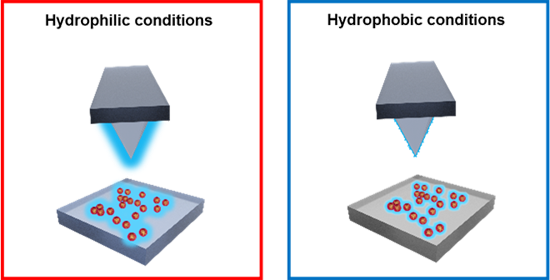
- assembly by AFM and SEM complement the results discussed above. The use of hydrophilic and hydrophobic surfaces and also AFM tips allows one to distinguish ubiquitous water layers, present on all surfaces, from specific water adsorption on the AuNPs. For the APDMES surface at neutral pH, we expect


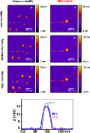

Beyond the shell: exploring polymer–lipid interfaces in core–shell nanofibers to carry hyaluronic acid and β-caryophyllene
Beilstein J. Nanotechnol. 2025, 16, 2015–2033, doi:10.3762/bjnano.16.139
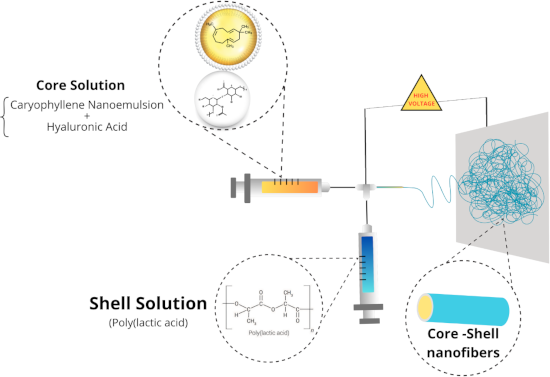
- solution and the other with the HA solution or a mix of HA+NE to the core. Each syringe was connected to an individual syringe pump for independent control of flow rate. The coaxial needle assembly comprised two stainless steel needles concentrically aligned, with an 18G outer needle for the shell solution




The cement of the tube-dwelling polychaete Sabellaria alveolata: a complex composite adhesive material
Beilstein J. Nanotechnol. 2025, 16, 1998–2014, doi:10.3762/bjnano.16.138
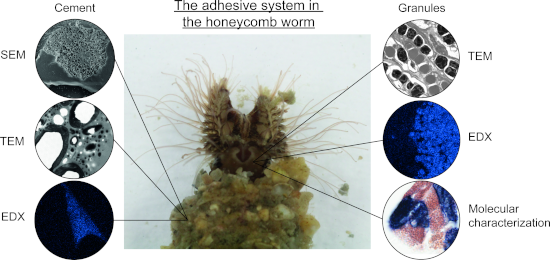
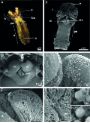
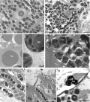
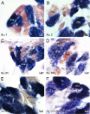
- cement matrix. A better understanding of this complex composite material would provide valuable insights into the physical and chemical processes that underline the assembly of biological materials, which could inspire the design and fabrication of innovative hierarchical materials with diverse



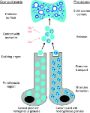
Laser ablation in liquids for shape-tailored synthesis of nanomaterials: status and challenges
Beilstein J. Nanotechnol. 2025, 16, 1963–1997, doi:10.3762/bjnano.16.137
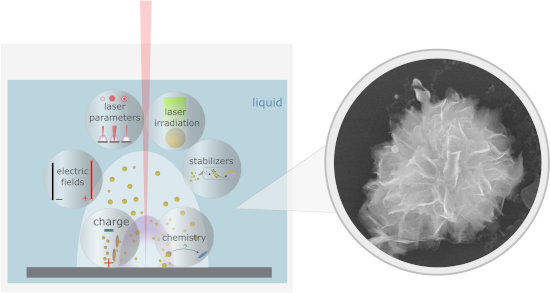
- manipulating the formed seed NPs to induce their anisotropic growth and assembly. 1.2 Cavitation bubble formation, expansion, and collapse Since plasma plume is confined by a liquid, the subsequent processes involve plasma rapid expansion and cooling by energy transfer to the surrounding liquid, resulting in
- the anisotropic growth and self-assembly of nanostructures with the formation of nanorods and nanosheets. It is currently agreed that media surrounding the particles also influence the surface energy dependence on nanoparticle size. If ions or surfactants are present in the solution, their absorption
- colloid, preventing aggregation [7]. Charge manipulation can be achieved by applying electric fields or varying laser beam polarization. It can also be used at later stages of the NP formation, ensuring self-assembly and growth into oriented structures. In general, the growth of NPs produced by laser




Self-assembly and adhesive properties of Pollicipes pollicipes barnacle cement protein cp19k: influence of pH and ionic strength
Beilstein J. Nanotechnol. 2025, 16, 1863–1872, doi:10.3762/bjnano.16.129
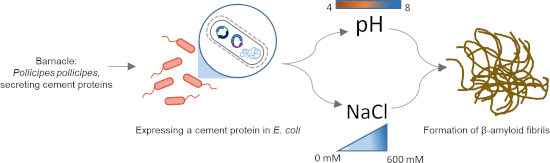
- Sciences, University of Galway H91 TK33, Ireland 10.3762/bjnano.16.129 Abstract Marine organisms such as barnacles rely on a complex underwater adhesive system, driven by self-assembly and intermolecular associations between cement proteins, for permanent attachment to a variety of surface types. In this
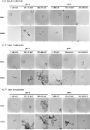
- study, we investigated the influence of environmental parameters on the self-assembly of recombinant cp19k, a key adhesive protein in Pollicipes pollicipes. Using TEM imaging, a low pH (4.0) and high salt concentration (600 mM NaCl) environment, mimicking P. pollicipes gland conditions, was identified
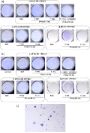
- morphology, the differences from both other published results with cp19k homologues [29] and the present study underscore the importance of protein construct design as well as environmental parameters in determining the self-assembly behaviour of cp19k. We also investigated the adhesive properties of the


Prospects of nanotechnology and natural products for cancer and immunotherapy
Beilstein J. Nanotechnol. 2025, 16, 1644–1667, doi:10.3762/bjnano.16.116
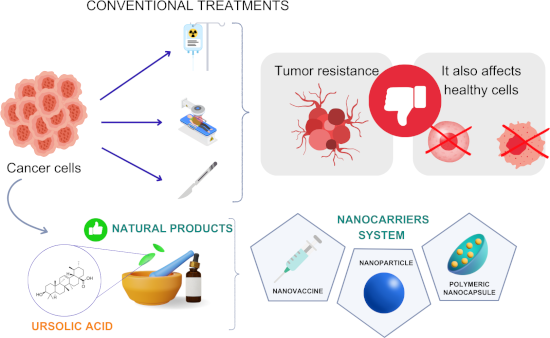
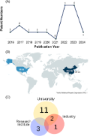
- patents analyzed primarily focused on carrier-free self-assembly nanoparticle technology, which was present in eight inventions. Other types of nanotechnology, including nanovaccine, polymeric nanocapsules, and nanodrug complexes, were each identified in a single publication. The 14 inventions based on
- polymeric nanoparticles, and the remaining inventions used carrier-free self-assembly nanoparticles. The greater number of inventions based on nanoparticles can be attributed to the longer period over which this carrier system has been studied and utilized. Indeed, the scientific literature contains reports
- , nanoparticles can be subdivided into various structures, such as carrier-free self-assembly nanoparticles, polymeric nanoparticles, polysaccharide nanoparticles, gold nanoparticles, and quantum dot nanoparticles. Carrier-free self-assembly nanoparticles Carrier-free self-assembly nanoparticles are formed



Laser processing in liquids: insights into nanocolloid generation and thin film integration for energy, photonic, and sensing applications
Beilstein J. Nanotechnol. 2025, 16, 1428–1498, doi:10.3762/bjnano.16.104