

Search results
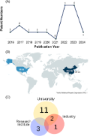
Search for "biomolecules" in Full Text gives 228 result(s) in Beilstein Journal of Nanotechnology. Showing first 200.
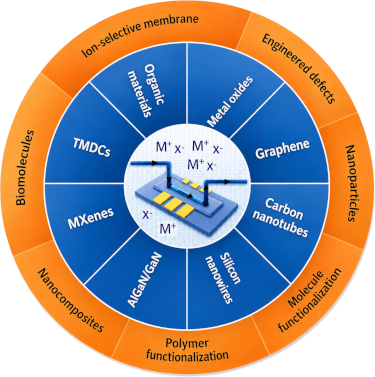
Materials challenges in solid-state sensors for continuous monitoring of ions in water
Beilstein J. Nanotechnol. 2026, 17, 935–973, doi:10.3762/bjnano.17.66


Nanoparticle delivery systems for HIV pre-exposure prophylaxis (PrEP): advances and challenges
Beilstein J. Nanotechnol. 2026, 17, 839–853, doi:10.3762/bjnano.17.60
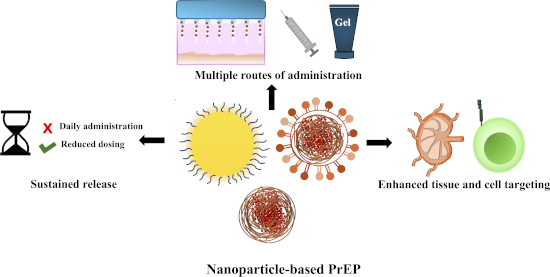
- biomolecules or cell receptors for optimized active targeting approaches [71]. Kulkarni and co-workers explored a multifunctional AuNP-based system [72]. They tethered the established ARV TFV onto AuNPs via covalent conjugation. The resulting AuNP-TFV conjugates exhibited significantly enhanced anti-HIV-1


Restorative potential of laser-synthesized silver nanoparticles with Salvia officinalis for periodontal disease treatment: an in vitro study
Beilstein J. Nanotechnol. 2026, 17, 781–795, doi:10.3762/bjnano.17.55
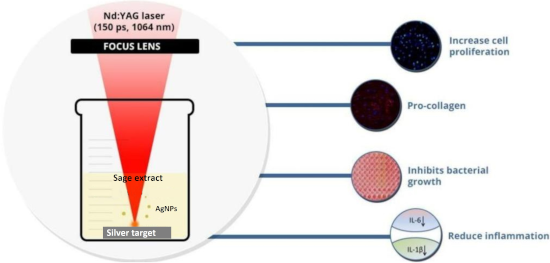
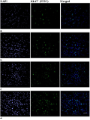
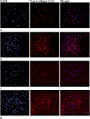
- ; internalized AgNPs induce high levels of ROS, damaging essential biomolecules [48]. In contrast, eukaryotic cells internalize nanoparticles primarily via endocytosis, enabling partial localization in endo-lysosomal compartments, which, together with more efficient repair mechanisms, contribute to the selective



Environmental applications of silver nanoparticles: state-of-the-art review and emerging trends
Beilstein J. Nanotechnol. 2026, 17, 697–736, doi:10.3762/bjnano.17.49
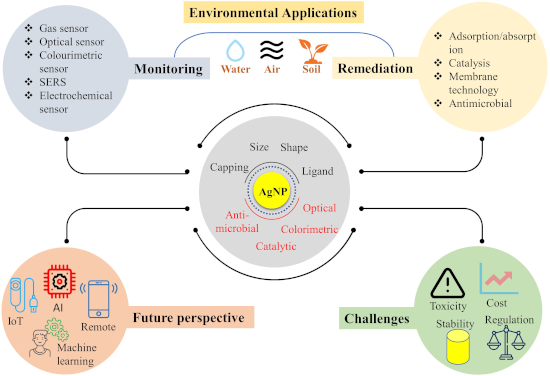
- prevent aggregation [36]. The capping agents can be polymers, surfactants, and small and large biomolecules, providing colloidal nanoregime stability [37]. The size-controlled synthesis of AgNPs capped with ʟ-carnosine was developed for metal ion detection and nitrophenol removal [8]. Another study
- . Selecting the appropriate capping agent from polymers, surfactants, biomolecules, and green extracts is essential to ensure long-term stability and prevent agglomeration, thereby making it suitable for environmental applications [63]. In addition, surface functionalization or coating with biocompatible


Towards targeted drugs and next generation of nanomedicines
Beilstein J. Nanotechnol. 2026, 17, 598–601, doi:10.3762/bjnano.17.41
- affect nanoparticle distribution and reach the target organ [24][27]. Endogenous targeting refers to the capacity of targeting acquired by nanomedicines after administration, upon adsorption on their surface of specific endogenous biomolecules. In fact, while nanomedicines are usually modified to prevent
Upcycling agroindustrial waste into graphene oxide supports for gold nanoparticles: toward sustainable nanomaterials
Beilstein J. Nanotechnol. 2026, 17, 489–504, doi:10.3762/bjnano.17.32
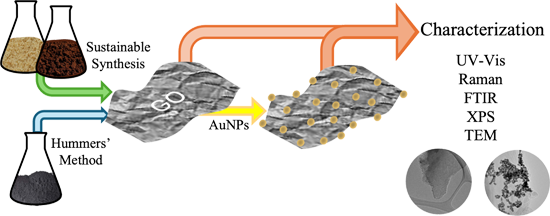
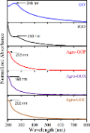
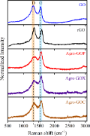
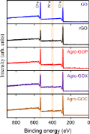
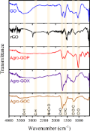
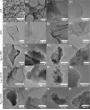
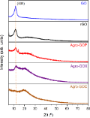
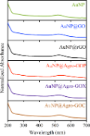
- coffee grounds; the latter are rich in carbon-containing biomolecules such as cellulose, hemicellulose, lignin, and phenolic compounds, making them ideal as carbonaceous precursors [27][28]. Given that GO is frequently hybridized with other materials to enhance its performance in several applications, it



Biomimetic nanoparticles in cancer photodynamic therapy: a review of targeted delivery systems and therapeutic outcomes
Beilstein J. Nanotechnol. 2026, 17, 396–422, doi:10.3762/bjnano.17.27
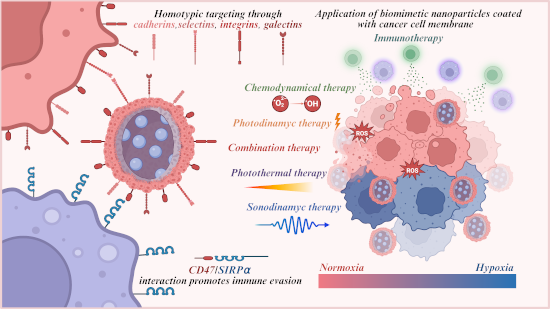


Advancing nanolithography: a comprehensive review of materials for local anodic oxidation with AFM
Beilstein J. Nanotechnol. 2026, 17, 275–291, doi:10.3762/bjnano.17.19
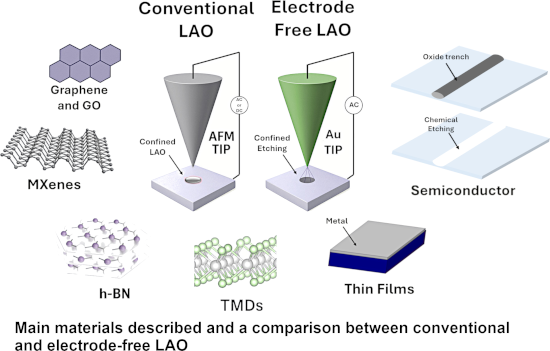
- polymers can be selectively oxidized to create hydrophilic regions or chemically reactive sites, enabling controlled interactions with proteins, cells, or other biomolecules. However, challenges remain in ensuring that the LAO process does not degrade the material’s biocompatibility or structural integrity


Micro- and nanoscale effects in biological and bioinspired materials and surfaces
Beilstein J. Nanotechnol. 2026, 17, 214–217, doi:10.3762/bjnano.17.14
- biological surface features to improve transport and effects of drugs, biological systems can be suitable templates for recognition of biomolecules. The review by Gharibzahedi and Altintas [27] provides a timely and comprehensive overview of recent advances in optical biosensing technologies for the
Safe and sustainable by design with ML/AI: A transformative approach to advancing nanotechnology
Beilstein J. Nanotechnol. 2026, 17, 176–185, doi:10.3762/bjnano.17.11
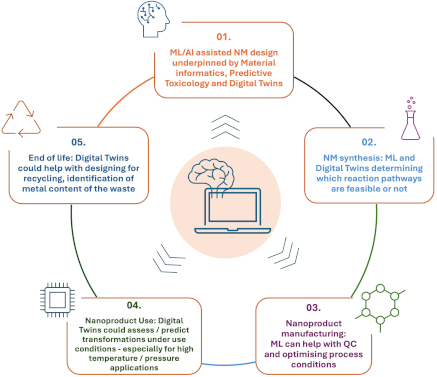
- , their interactions with biomolecules and toxicity endpoints that may be overlooked by traditional methods [39][40][41]. (3) Lifecycle modelling: AI-assisted simulations and probabilistic methods support comprehensive lifecycle analyses including prospective approaches, evaluating environmental fate and


From shield to spear: Charge-reversible nanocarriers in overcoming cancer therapy barriers
Beilstein J. Nanotechnol. 2026, 17, 159–175, doi:10.3762/bjnano.17.10
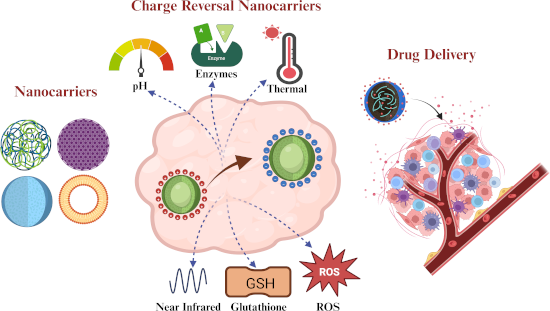
- biodistribution while protecting fragile biomolecules such as proteins and nucleic acids [11]. Through targeted and sustained release, these systems enhance therapeutic efficacy, prolong circulation, and reduce systemic toxicity compared to conventional formulations [12][13]. As illustrated in Figure 1


Influence of surface characteristics on the in vitro stability and cell uptake of nanoliposomes for brain delivery
Beilstein J. Nanotechnol. 2026, 17, 139–158, doi:10.3762/bjnano.17.9
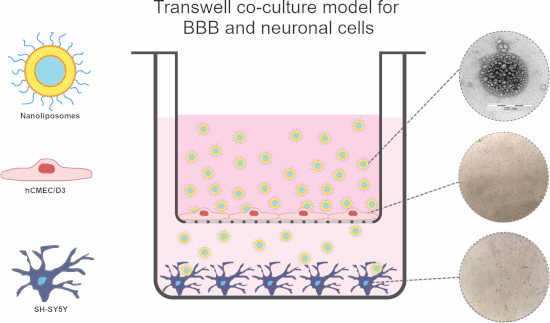
- exposed to biological fluids, nanodelivery systems, including NLs, rapidly interact with various biomolecules which have a significant impact on the functionality and fate of the nanosystems but also influence cellular biological functions. Hence, the primary objective of this study was to elucidate the
- NLs interact with biomolecules, thus forming a protein corona (PC), altering functional proteins, and engaging in redox reactions with reactive species [6]. These interactions can affect the functionality, biodistribution, targeting, and cell internalization of NLs. Serum components can disrupt the




Development and in vitro evaluation of liposomes and immunoliposomes containing 5-fluorouracil and R-phycoerythrin as a potential phototheranostic system for colorectal cancer
Beilstein J. Nanotechnol. 2026, 17, 97–121, doi:10.3762/bjnano.17.7
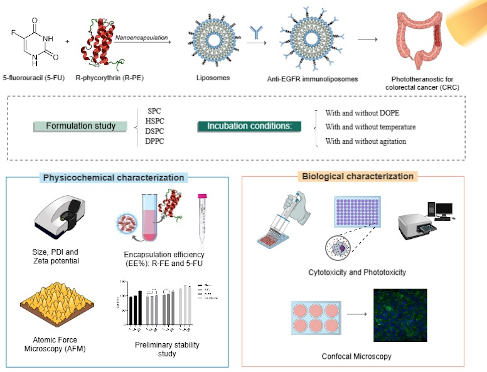
- lipophilic substances. Furthermore, liposomes can also act as a protein delivery system, reducing enzymatic degradation of proteins and enhancing their stability and their permeability through cell membranes [7]. Immunoliposomes provide many advantages by surface functionalization with targeting biomolecules
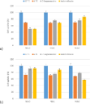
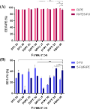
- extracted R-PE (0.73) suggests the presence of other biomolecules – such as polysaccharides and residual proteins – which may further contribute to membrane stabilization during liposome formation [15]. For 5-FU, no significant difference was observed between the HSPC 25 and HSPC 50 formulations, which may
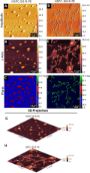
- ), suggesting more distinct surface peaks and valleys, consistent with the functionalization process, which increase roughness and significant topographical variations caused by the conjugated biomolecules. As seen above, the differences between formulations were statistically significant, it is noteworthy that



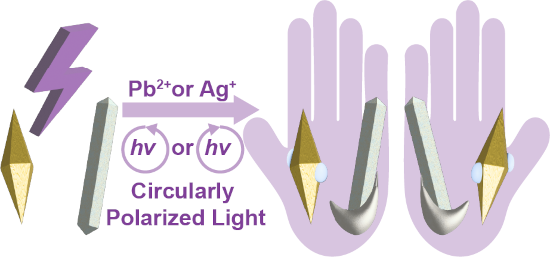
Chiral plasmonic nanostructures fabricated with circularly polarized light
Beilstein J. Nanotechnol. 2025, 16, 2245–2264, doi:10.3762/bjnano.16.154
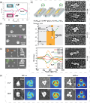
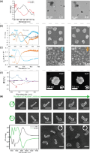
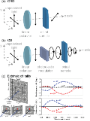
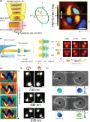
- generating detailed information on biomolecules, such as the hierarchy of protein structures [146][147][148]. The superchiral field of cPNSs has also been utilized to selectively modulate the excitation and spontaneous emission rate of valley excitons in transition metal dichalcogenide (TMDC) monolayers [156





Optical bio/chemical sensors for vitamin B12 analysis in food and pharmaceuticals: state of the art, challenges, and future outlooks
Beilstein J. Nanotechnol. 2025, 16, 2207–2244, doi:10.3762/bjnano.16.153
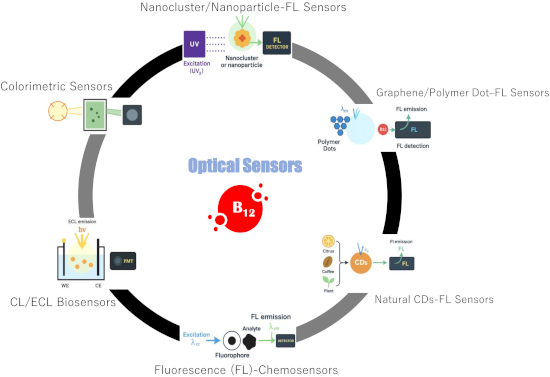
- nanoscale, serve as an advanced spectroscopic platform for improved molecular identification. They highlighted graphene’s potential in biosensing owing to its capability to be functionalized with dissimilar biomolecules such as enzymes and DNA. In their study, they presented a quantitative bioassay


Ultrathin water layers on mannosylated gold nanoparticles
Beilstein J. Nanotechnol. 2025, 16, 2183–2198, doi:10.3762/bjnano.16.151
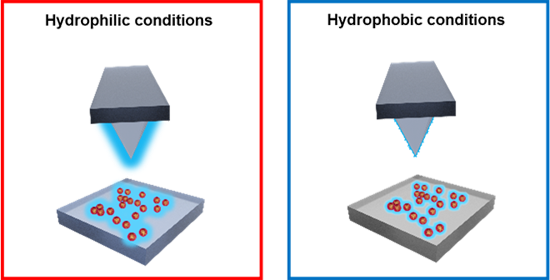
- easily be dried, while the traces of water remain. This is similar to a strongly bound water (mono)layer on biomolecules. The dimanno-AuNPs, under the same conditions, exhibit a very different spectrum. The C–H stretching bands at 2850 and 2920 cm−1 (see also FTIR measurements) are “negative”, that is



PEGylated lipids in lipid nanoparticle delivery dynamics and therapeutic innovation
Beilstein J. Nanotechnol. 2025, 16, 1914–1930, doi:10.3762/bjnano.16.133
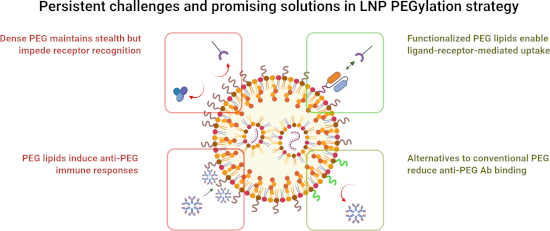
- physicochemical properties would be PEG-specific and not translatable between studies. LNP pegylation-associated trade-off between nonspecific binding and cellular interactions When LNPs are introduced into biological systems, they encounter a complex milieu of biomolecules, predominantly proteins, which can


Prospects of nanotechnology and natural products for cancer and immunotherapy
Beilstein J. Nanotechnol. 2025, 16, 1644–1667, doi:10.3762/bjnano.16.116



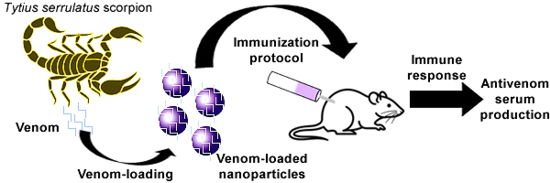
Venom-loaded cationic-functionalized poly(lactic acid) nanoparticles for serum production against Tityus serrulatus scorpion
Beilstein J. Nanotechnol. 2025, 16, 1633–1643, doi:10.3762/bjnano.16.115
- nanoparticles can be modified to achieve high protein loading or avoid a rapid cellular uptake. Using different strategies, nanoparticles have been functionalized with a variety of ligands such as small molecules, surfactants, polymers, and biomolecules [21][22]. The use of cationic molecules, as
- polyethylenimine (PEI), to change the surface of nanoparticles to a positive potential, improving the interaction with negatively charged biomolecules, is one strategy successfully employed for gene delivery [20][23][24]. These cationic nanoparticles have an absent or weak electrostatic interaction with negatively
- charged peptides, proteins, antigens, oligonucleotides, polypeptides, or DNA [18]. The PLA is well established to produce nanoparticles as carriers for drugs or biomolecules from a biotechnology source due to its natural metabolism pathway [25][26]. In a recent study, PLA was successfully employed to



Cross-reactivities in conjugation reactions involving iron oxide nanoparticles
Beilstein J. Nanotechnol. 2025, 16, 1504–1521, doi:10.3762/bjnano.16.106
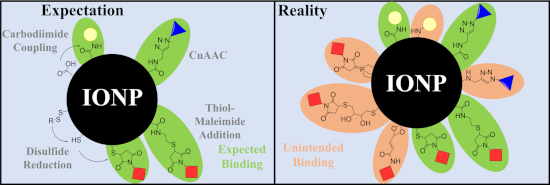
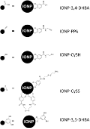
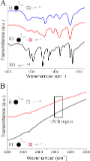
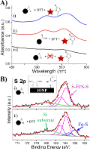
- IONPs, using either amine- or carboxylic acid-functionalized IONPs, especially when biomolecules, such as proteins or peptides, are involved [3][7][8][9][10][11][12][13][14]. Sharpless et al. [6] have generally defined “click chemistry” as chemical processes that are highly selective, have a high







Better together: biomimetic nanomedicines for high performance tumor therapy
Beilstein J. Nanotechnol. 2025, 16, 1246–1276, doi:10.3762/bjnano.16.92
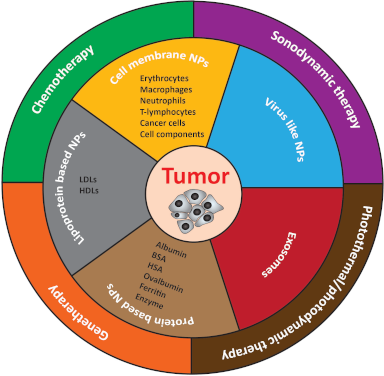
- essential to maintain hemostasis by binding various biomolecules circulating in blood. They not only maintain the electrolyte and osmotic pressure but also deliver a variety of molecules across the body [73][74]. Peptides possess different functional groups on their surface that can act as a template for







Hydrogels and nanogels: effectiveness in dermal applications
Beilstein J. Nanotechnol. 2025, 16, 1216–1233, doi:10.3762/bjnano.16.90
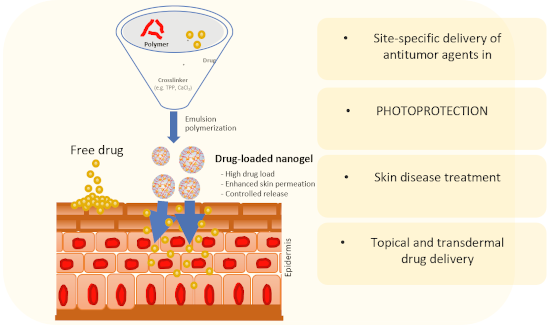
- embedded in hydrophilic solvents, usually water, which can carry active materials and biomolecules [11][12][13]. After hydration in an aqueous environment, the hydrogel structure is created by hydrophilic groups or regions arranged in a polymeric network [14]. Hydrogels present interesting properties
- , such as primary amines and sulfhydryl groups on proteins or other biomolecules. The reactive chemical group is the most important property of a cross-linker. The reactive group establishes the method and mechanism for polymer modification [43][45]. Harsh conditions such as low pH and high temperature
- temperature and polymer concentration [130]. Chitosan-based hydrogels have aroused a lot of interest in the health sciences field due to their biocompatibility, biodegradability, and low cytotoxicity [131]. This makes them attractive as a promising material for topical administration of biomolecules such as


Investigation of the solubility of protoporphyrin IX in aqueous and hydroalcoholic solvent systems
Beilstein J. Nanotechnol. 2025, 16, 1209–1215, doi:10.3762/bjnano.16.89
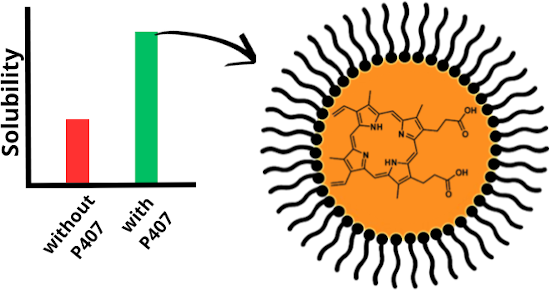
- , at a specific wavelength, PpIX absorbs energy and transfers it to molecular oxygen, generating reactive oxygen species (ROS). These ROS are highly toxic to cells, inducing oxidative damage in various biomolecules such as lipids, proteins and DNA, leading to cell death [6][7]. However, PpIX and other


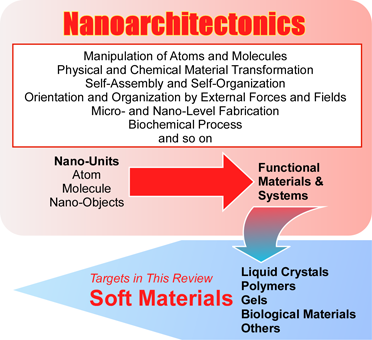
Soft materials nanoarchitectonics: liquid crystals, polymers, gels, biomaterials, and others
Beilstein J. Nanotechnol. 2025, 16, 1025–1067, doi:10.3762/bjnano.16.77
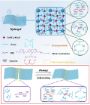
- composition of living cells and organisms includes a multitude of biomolecules, which can be regulated in terms of both concentration and spatial distribution. This enables the exertion of complex biological functions. Synthetic multinetwork hydrogels can be considered analogous to extracellular matrices, and






Supramolecular hydration structure of graphene-based hydrogels: density functional theory, green chemistry and interface application
Beilstein J. Nanotechnol. 2025, 16, 806–822, doi:10.3762/bjnano.16.61
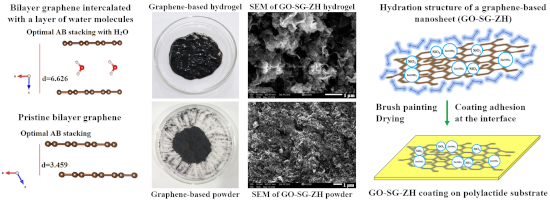
- play an essential role in the structure and function of biomolecules (deoxyribonucleic acid, protein, and phospholipid membrane). Hydration layers are also important to the structure and property of artificial graphene-based materials. Our recent works prove that graphene-based hydrogels are
- advance nanoscale properties and nanotechnology applications. Keywords: antibacterial coating; bioinspired hydration; density functional theory; graphene-based hydrogel; supramolecular structure; Introduction Biological cells are assemblies of biomolecules that are hydrated with water molecules. The
- cell content includes about 70–95% water that creates an aqueous environment for biological processes. Water molecules are bound to biomolecular surfaces and participate in the structuring and functioning of biomolecules, typically the folding of protein and the twisting of the double helix of