
Search results
Search for "gap" in Full Text gives 762 result(s) in Beilstein Journal of Nanotechnology. Showing first 200.
Synthesis of carbon dot-mediated gold nanostructures: experimental and quantum chemical insights into turn-on fluorescence sensing of N-acetylcysteine
Beilstein J. Nanotechnol. 2026, 17, 1103–1116, doi:10.3762/bjnano.17.75
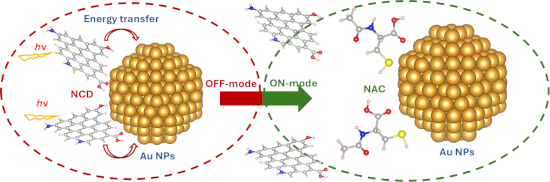
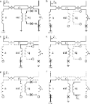
- that the HOMO and LUMO are located at −8.5746 and −8.0600 eV, respectively, corresponding to a relatively small energy gap (≈0.51 eV), which facilitates photoexcitation under mild conditions. The spatial distribution of the frontier orbitals further reveals that the HOMO is mainly localized on the π
- , likely mediated by plasmonic coupling or dipole–metal interactions. Notably, Au NPs exhibit a near-zero HOMO–LUMO gap, reflecting their metallic electronic structure and quasi-continuous density of states, which renders a discrete frontier orbital description inappropriate. Therefore, Au NPs function as


Breaking barriers: nanosystems to overcome solubility and permeability challenges of second-generation tyrosine kinase inhibitors
Beilstein J. Nanotechnol. 2026, 17, 1063–1086, doi:10.3762/bjnano.17.73


Vibration-induced dynamic structural superlubricity on MoS2/Au(111) under ultrahigh vacuum
Beilstein J. Nanotechnol. 2026, 17, 1039–1046, doi:10.3762/bjnano.17.71
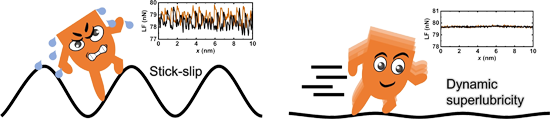
- . Our findings contribute to bridging the gap between established mechanical control strategies in bulk materials and the emerging field of friction engineering in atomically thin interfaces, offering new insights into the design of tunable and energy-efficient nanoscale devices. Results The
- drop at 375 kHz warrants further clarification. Investigating the coupling between high-order vibrations and the moiré superstructure may resolve this unexplained feature. This work bridges the gap between macroscopic mechanical control and 2D interface engineering, offering a practical pathway for


Development of Protium heptaphyllum essential oil-loaded nanocapsules: experimental design and biological activity
Beilstein J. Nanotechnol. 2026, 17, 974–990, doi:10.3762/bjnano.17.67
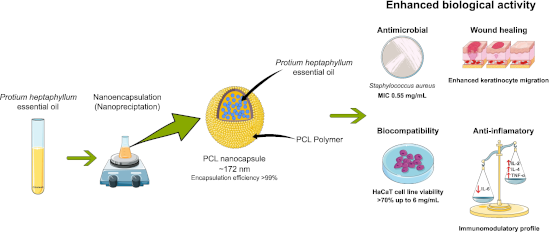
- significantly accelerated the scratch gap closure compared to controls. After 12 h, the FBS-supplemented positive control reached 31.8 ± 5.4% closure, while the serum-free negative control showed only 7.1 ± 4.2% closure. The NPNC group exhibited intermediate closure (16.8 ± 8.8%) (Table 4), indicating enhanced
- studies should directly address this correlation gap to advance the field, using dialysis membrane methods under physiological conditions to evaluate the release kinetics. Further investigations should examine the antimicrobial activity of nanocapsules against a wider range of microorganisms, particularly
- % confluence. Prior to treatment, cells were maintained in serum-free medium for 12 h to induce nutrient deprivation. For the cell migration assay, an artificial gap (scratch) was created in the cell monolayer using a sterile 10 μL pipette tip. Cellular debris was removed by washing twice with PBS, and the




Materials challenges in solid-state sensors for continuous monitoring of ions in water
Beilstein J. Nanotechnol. 2026, 17, 935–973, doi:10.3762/bjnano.17.66
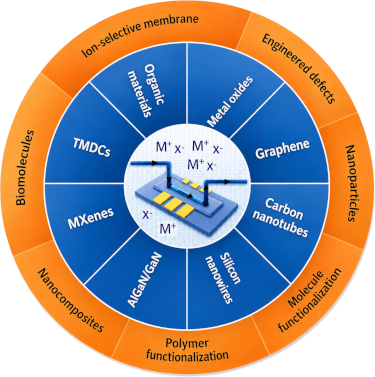
- interactions (e.g., charge traps, phonon scattering, and impurities on SiO2), which introduce noise and variability. High and inconsistent metal–graphene contact resistance, arising from Fermi-level pinning and the absence of a semiconducting gap, also hampers reproducible device operation. Moreover


Supramolecular one-dimensional conducting nanofibers from a C3-symmetric tetrathiafulvalene derivative
Beilstein J. Nanotechnol. 2026, 17, 872–881, doi:10.3762/bjnano.17.63
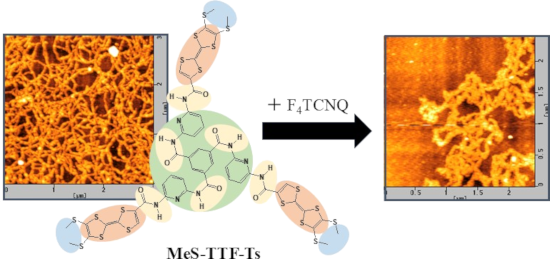
- contacts were made by attaching gold wires (25 μm in diameter) using silver paste. Temperature-dependent DC conductivity was measured using a Keithley 6517 electrometer, with an applied voltage in the range of −100 to +100 V. The electrode gap and electrode length were 60 μm and 0.6 cm, respectively
- concentration of 6 mM. The solution (4 μL) was cast onto a mica substrate equipped with gold electrodes (gap: 50 μm, electrode length: 6 mm) fabricated by vacuum deposition, followed by solvent evaporation to form nanofiber structures. Electrical conductivity measurements of the resulting nanofibers exhibited a


Light-driven ammonia electrooxidation via carbon nitride–ruthenium molecular interfaces
Beilstein J. Nanotechnol. 2026, 17, 854–862, doi:10.3762/bjnano.17.61
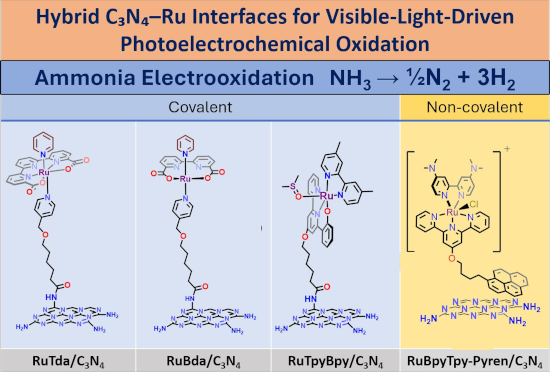
- , Germany 10.3762/bjnano.17.61 Abstract The homogeneous–heterogeneous catalysis gap remains an unresolved challenge in solar fuels research. Molecular catalysts offer unique selectivity and mechanistic transparency but suffer from poor electrode contact and limited recyclability, while heterogeneous
- semiconductors provide scalable light harvesting but lack precisely defined active sites. Anchoring molecular ruthenium (Ru) catalysts onto heterogeneous semiconductors, like carbon nitride (C3N4), offers a chemically rational strategy to bridge this gap, yielding hybrid photoelectrodes capable of driving
- available materials, precedent reactions, and compelling mechanistic rationale, no study to date has reported photoelectrocatalytic ammonia oxidation at a C3N4–Ru hybrid photoelectrode, this gap is the motivation and the central argument of this perspective. Keywords: ammonia oxidation; carbon nitride


Sustainable fabrication of 2D-based devices through reuse of substrates with microfabricated electrodes
Beilstein J. Nanotechnol. 2026, 17, 818–827, doi:10.3762/bjnano.17.58
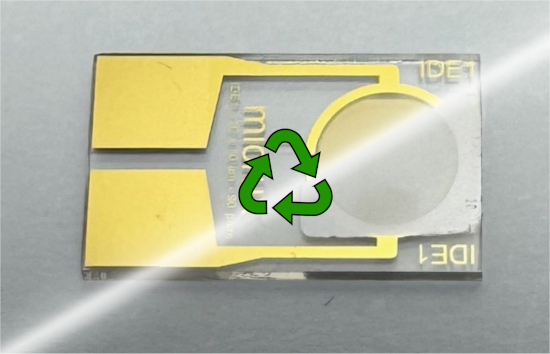
- ) fabrication, initially covered with a large-scale MoS2 film produced by roll-to-roll mechanical exfoliation. Figure 2c,d displays a Ti/Au interdigitated electrode on glass with the 10 µm gap separation, widely used for electrochemistry and biosensing applications [34]. For both cases, the cleaning process


Glycerol photoelectrochemical oxidation reaction at carbon nitrides/BiVO4 materials
Beilstein J. Nanotechnol. 2026, 17, 806–817, doi:10.3762/bjnano.17.57
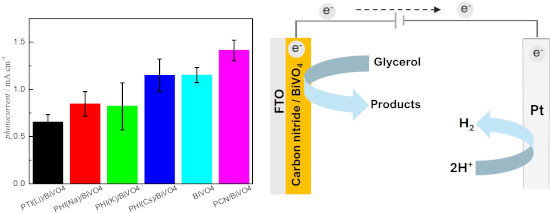
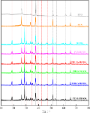
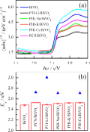
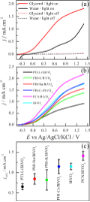
- were investigated using ultraviolet–visible spectroscopy in the diffuse reflectance mode (Agilent-Cary Series UV–vis–NIR) in the wavelength range from 800 to 300 nm at 600 nm·min−1. The optical energy band gap (Eg) values were estimated using the Kubelka–Munk function applied the Tauc equation




Tuning the electronic properties of defect-rich MoS2
Beilstein J. Nanotechnol. 2026, 17, 796–805, doi:10.3762/bjnano.17.56
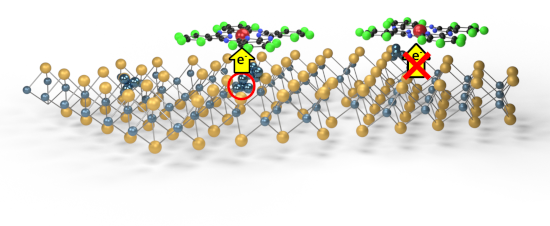
- level positions at 0.48, 0.90, and 0.73 eV above the valence band maximum for the three experiments (Figure 1a–c). Assuming an (indirect) band gap of 1.23 eV [30][31], this indicates initial p-doping for the first sample, as well as n-doping for the other two samples. The ion bombardment causes


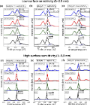
Substrate-dependent pore formation in molybdenum disulfide monolayers under ion irradiation
Beilstein J. Nanotechnol. 2026, 17, 769–780, doi:10.3762/bjnano.17.54
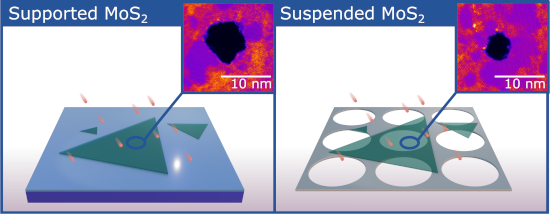
- and strain-related changes but do not directly resolve the atomic structure [34][35]. This leaves a gap in our understanding of how ion-induced defect formation differs between suspended and substrate-supported 2D materials. We address this gap by directly measuring substrate effects on defect
- this coupling has been attributed to Fermi-level pinning arising from interface–dipole formation and the appearance of Mo d-orbital gap states due to metal–S interactions at the interface [61][65]. Whether these equilibrium coupling mechanisms directly govern the efficiency of transient charge transfer


Tailoring Ag–Pt nanoalloys through solid-state dewetting: structural and optical insights
Beilstein J. Nanotechnol. 2026, 17, 748–759, doi:10.3762/bjnano.17.52

- to its high gas-absorption capacity, making it highly relevant for catalytic applications. According to phase diagrams, bulk Ag–Pt bimetallic systems exhibit a large miscibility gap at temperatures below approximately 1190 °C, allowing alloy formation only at very high atomic concentrations of either
- location. Regarding the phase equilibrium system of Ag–Pt, the scientific literature reveals considerable discrepancies, which have been analyzed in detail in [28]. In general, agreement exists only with respect to the liquidus, the peritectic reaction, and the presence of a wide miscibility gap in the
- , modifying the base crystal structure of Ag. It should be emphasized, however, that the investigated nanostructures were formed within the compositional range corresponding to a solid-phase miscibility gap at a temperature of 600 °C. Moreover, they were dynamically generated during the dewetting process from




Environmental applications of silver nanoparticles: state-of-the-art review and emerging trends
Beilstein J. Nanotechnol. 2026, 17, 697–736, doi:10.3762/bjnano.17.49
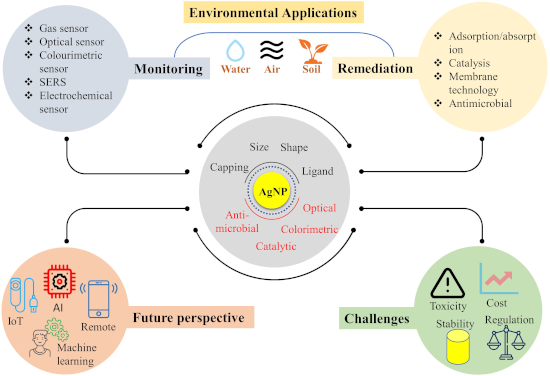
- properties, making them a strong candidate for environmental applications in water, air, and soil. Indeed, various reviews are available, though a significant gap persists in addressing all environmental pollutants. This review comprehensively and critically analyses the advancement in AgNP research spanning
- capacity, far exceeding WHO and US EPA regulatory thresholds for drinking water (Pb: 0.015 mg·L−1 action level; Cd: 0.005 mg·L−1 MCL; As: 0.010 mg·L−1). This concentration gap highlights the necessity for additional validation at environmentally relevant trace levels. Finally, Ag leaching from the


Molecular engineering of individual dye-based nanoparticle photostability for ultrabright two-photon fluorescence
Beilstein J. Nanotechnol. 2026, 17, 688–696, doi:10.3762/bjnano.17.48
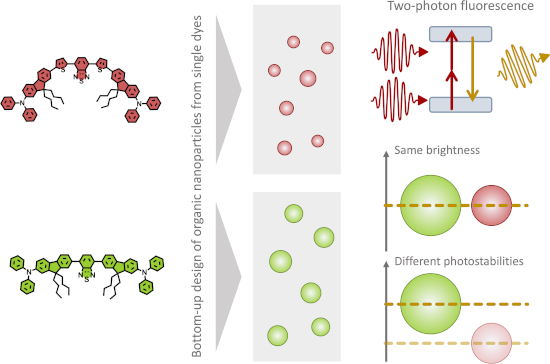
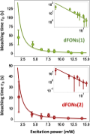
- 0.06, in agreement with the energy gap law [33]. It is worth noting that the fluorescence quantum yield of dFONs(1) has been reported in the literature to be independent of nanoparticle size [20]. This suggests that the excited states of the dFONs based on this quadrupolar structure are less affected


Probing tribological evolution in atomically thin MoS2 at different scales
Beilstein J. Nanotechnol. 2026, 17, 586–597, doi:10.3762/bjnano.17.40
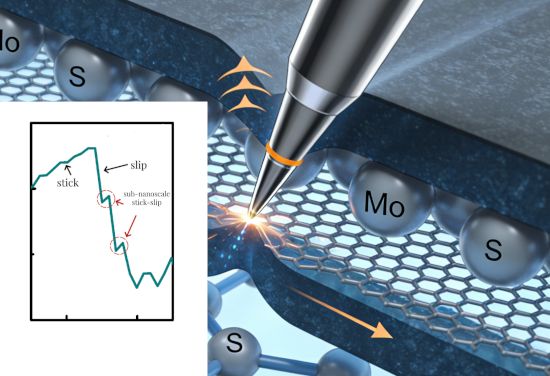
- loads. We experimentally determined the sub-nanoscale stick–slip motion and quantified its dependence on load and layer thickness. The corresponding mechanisms were proposed to explain the friction behaviors. This work bridges the gap between MD simulations and experiments, advancing 2D material


Synthesis of Cu–Mo/TiO2 and Co–Mo/TiO2 photocatalysts for the efficient degradation of organic pollutants in water
Beilstein J. Nanotechnol. 2026, 17, 559–570, doi:10.3762/bjnano.17.37
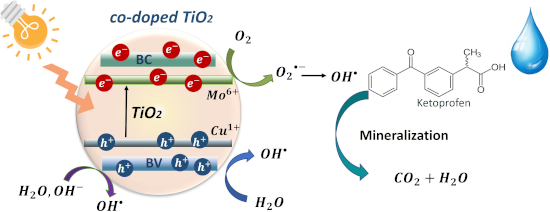
- the bandgap of TiO2 [36]. The new energy levels can act as recombination centers for electrons and holes, affecting the emission and absorption of photons [37]. Doping metal ions such as Fe, Ni, Co, and Cu into TiO2 introduces mid-gap or surface states and defects, such as oxygen vacancies [38]. The



Electrochemical determination of ciprofloxacin using a MIL-101/reduced graphene oxide-modified electrode
Beilstein J. Nanotechnol. 2026, 17, 541–554, doi:10.3762/bjnano.17.35
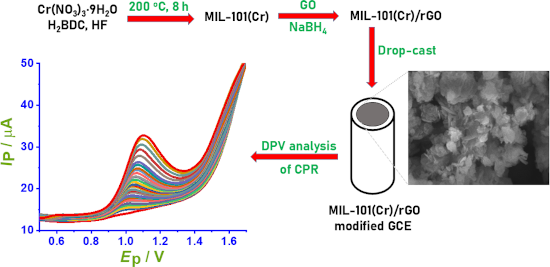
- , respectively. The energy gap between these peaks (≈11.1 eV) is typical of Cr3+ species coordinated with oxygen in the Cr–O clusters of the MIL-101 framework [25]. Importantly, no signals related to Cr6+ species (usually observed at higher binding energies) are detected, confirming that chromium remains mainly


Nanocarrier-integrated multilayer films produced by 3D printing for improved skin adhesion and curcumin photostability
Beilstein J. Nanotechnol. 2026, 17, 440–453, doi:10.3762/bjnano.17.30
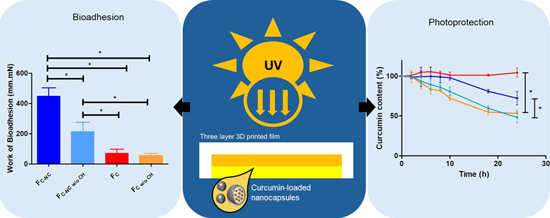
- ). Rheological analyses Rheological properties of all hydrogels were evaluated using an ARES G2 rheometer (TA Instruments, New Castle, DE, USA) equipped with a parallel-plate geometry (25 mm diameter, 0.9 mm gap) at 20 °C. Viscoelastic properties, including the storage modulus (G′), loss modulus (G″), and loss


Nanoinformatics: spanning scales, systems and solutions
Beilstein J. Nanotechnol. 2026, 17, 423–427, doi:10.3762/bjnano.17.28
- nanomaterials, thus helping to fill the current gap in the toxicity data for zebrafish [8]. A major driver of the development of nanomaterials, nanoinformatics and ML/AI is the potential for solutions to real-world issues, whether in nanomedicine, nano-enabled agriculture, or environmental remediation

Biomimetic nanoparticles in cancer photodynamic therapy: a review of targeted delivery systems and therapeutic outcomes
Beilstein J. Nanotechnol. 2026, 17, 396–422, doi:10.3762/bjnano.17.27
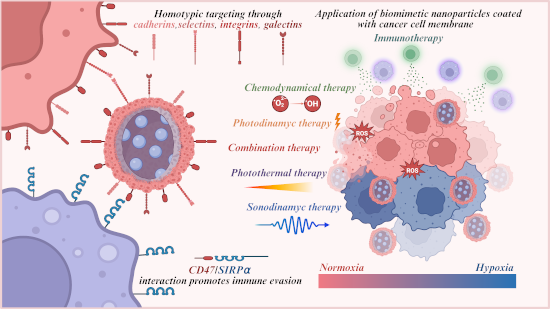


Fast vortex dynamics and relaxation times in NbRe-based heterostructures
Beilstein J. Nanotechnol. 2026, 17, 292–302, doi:10.3762/bjnano.17.20
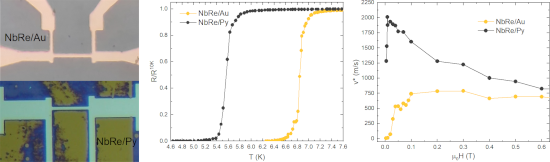
- superconducting gap, Δ(T), quasiparticles diffuse into the surrounding superconducting region, reducing the number of excitations within the core. This process results in a shrinkage of the vortex followed by a decrease of the viscous drag force, fvd, and an increase in the vortex velocity v [9]. When v exceeds
- produces a minigap at the Fermi energy, smaller than the superconducting gap of S and related to the thickness of the N layer, dN, by the relation where ΔS is the superconducting gap of the S layer. Since in the S/N bilayers ξN ≤ dN, quasiparticles will be more easily removed from the vortex core, and due
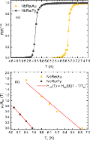
- almost one order of magnitude. This behaviour can be understood both in terms of proximity-induced modifications of the superconducting energy gap and the additional quasiparticle scattering present in the proximity coupled layers. In the NbRe/Au bilayer, the induced minigap in Au is comparable to that


Comparative study on 3D morphologies of delignified, single tracheids and fibers of five wood species
Beilstein J. Nanotechnol. 2026, 17, 239–250, doi:10.3762/bjnano.17.16
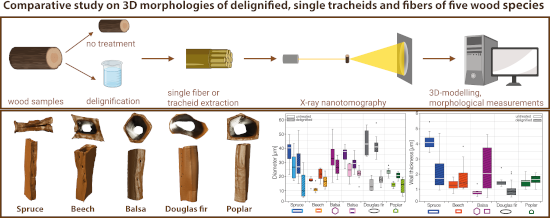
- fibers and tracheids across multiple species are lacking. This knowledge gap has limited our understanding of the fine structural details and variations in tracheid/fiber morphology. Therefore, we compared the morphological differences between the fibers of hardwood and tracheids of softwood of five wood


Structure-dependent thermochromism of PAZO thin films: theory and experiment
Beilstein J. Nanotechnol. 2026, 17, 186–199, doi:10.3762/bjnano.17.12
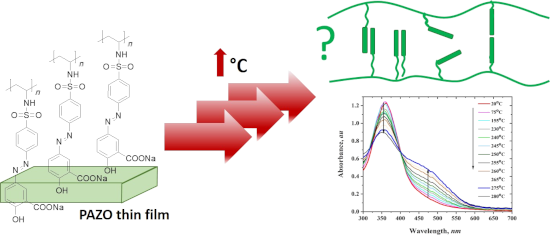
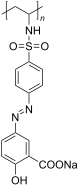
- the molecular assembly governs birefringence in PAZO remains incomplete, leaving open questions about the fundamental mechanisms driving the observed photoresponsive behavior. This knowledge gap serves as the primary motivation for the present study. Here, we investigate the optical properties of PAZO


Safe and sustainable by design with ML/AI: A transformative approach to advancing nanotechnology
Beilstein J. Nanotechnol. 2026, 17, 176–185, doi:10.3762/bjnano.17.11
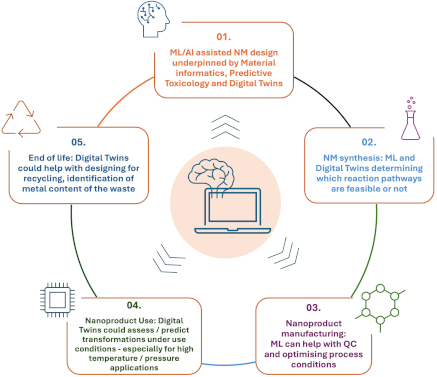
- which input variables most strongly influence the output of a model. Adopting XAI frameworks also presents an opportunity to refine model architectures by ensuring they align more closely with known mechanistic or toxicological pathways, thereby bridging the gap between computational insights and domain


Capabilities of the 3D-MLSI software tool in superconducting neuron design
Beilstein J. Nanotechnol. 2026, 17, 122–138, doi:10.3762/bjnano.17.8
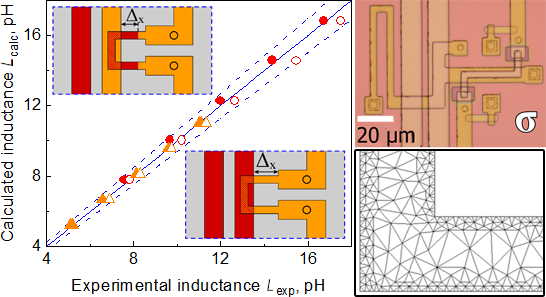
- investigations were performed as described in Appendix A. Numerical simulations were carried out assuming a truncated superconducting screen with a gap between the structure and the screen edge of 50 μm. Thus, the screen size (225…170 μm × 243…177 μm) was larger compared to test C-shaped SQUIDs, which led to an
- for the purpose of simulation. The relevant parameter here is the gap (see Figure 2c) between the structure and the screen edge. Figure 11 shows the dependence of the simulated inductance of the test SQUID (see Figure 2b) on the gap parameter. The structure size was 64 μm × 26 μm; so the screen size
- varied from 74 μm × 36 μm to 264 μm × 226 μm. The obtained values of the self- and mutual inductance were normalized to the experimentally measured ones. It can be seen that for gap ≤ 50 μm, the deviation of the simulation results from the experimental values is only about 1–2% for ah = 1 μm and ahb