

Search results
Search for "mononuclear" in Full Text gives 52 result(s) in Beilstein Journal of Nanotechnology.
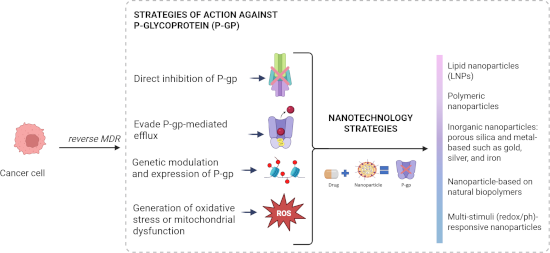
Nanocarrier strategies to overcome P-glycoprotein-mediated drug resistance in cancer therapy
Beilstein J. Nanotechnol. 2026, 17, 882–921, doi:10.3762/bjnano.17.64


Nanoparticle delivery systems for HIV pre-exposure prophylaxis (PrEP): advances and challenges
Beilstein J. Nanotechnol. 2026, 17, 839–853, doi:10.3762/bjnano.17.60
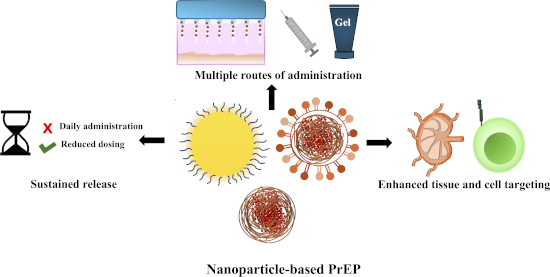
- ]. The authors observed that the BIC+TAF nanoparticles achieved a drug selectivity index that was 472 times higher than for the free drugs solution when tested with human peripheral blood mononuclear cells (PBMCs). Moreover, when Balb/C mice were subcutaneously injected with BIC+TAF nanoparticles, both
- -formulated in a lipid-stabilized nanosuspension and administered subcutaneously to macaques [62]. TFV and LPV showed persistent drug levels in plasma and PBMCs for over two weeks. Lymph node mononuclear cells had up to ≈79-fold higher intracellular drug levels than PBMCs, depending on drug type and time


Restorative potential of laser-synthesized silver nanoparticles with Salvia officinalis for periodontal disease treatment: an in vitro study
Beilstein J. Nanotechnol. 2026, 17, 781–795, doi:10.3762/bjnano.17.55
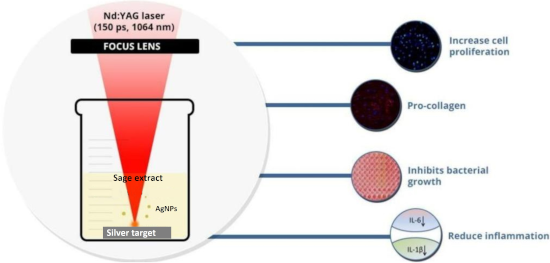
- data [15][16]. Its origin stands on microbial dysbiosis induced by the maturation of dental plaque, which, in susceptible hosts, leads to polymorphonuclear and mononuclear cell infiltration, initiating gingival inflammation followed by excessive production of pro-inflammatory cytokines. Progressively



Biomimetic nanoparticles in cancer photodynamic therapy: a review of targeted delivery systems and therapeutic outcomes
Beilstein J. Nanotechnol. 2026, 17, 396–422, doi:10.3762/bjnano.17.27
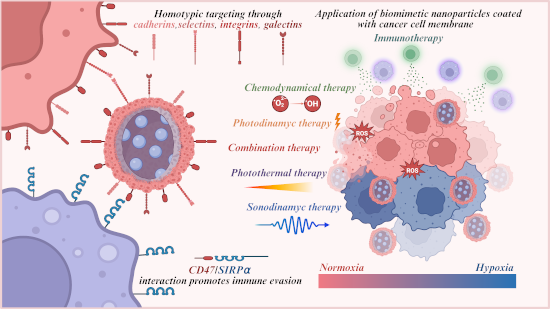
- circulation by the organs and the cells of the mononuclear phagocyte system (MPS), primarily the liver and spleen, and (ii) ineffective overcoming of biological barriers, that is, nanoparticles have to overcome numerous biological barriers to reach the target tissue, including extravasation from the


From shield to spear: Charge-reversible nanocarriers in overcoming cancer therapy barriers
Beilstein J. Nanotechnol. 2026, 17, 159–175, doi:10.3762/bjnano.17.10
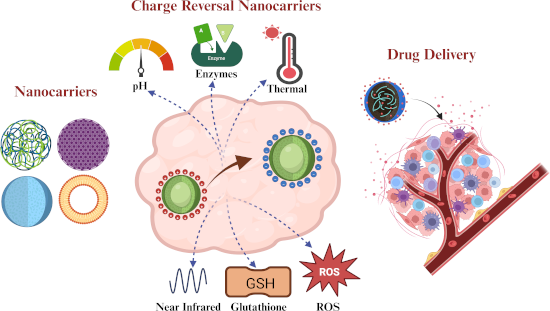
- also induce cytotoxicity and rapid clearance by the mononuclear phagocyte system [18]. Moreover, surface charge influences aggregation behaviour, colloidal stability, and protein corona formation, directly impacting the therapeutic efficacy of nanocarriers. Optimising surface charge is essential for


Development and in vitro evaluation of liposomes and immunoliposomes containing 5-fluorouracil and R-phycoerythrin as a potential phototheranostic system for colorectal cancer
Beilstein J. Nanotechnol. 2026, 17, 97–121, doi:10.3762/bjnano.17.7
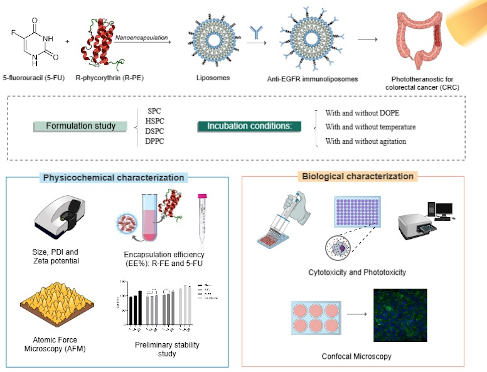
- -FU. However, the stability was not shown in the formulations containing 5-FU/R-PE when correlating the zeta potential values from the last day with the previous ones. Vesicle size is one of the first characteristics to be evaluated in a nanoparticle, as it influences clearance by the mononuclear



Rapid synthesis of highly monodisperse AgSbS2 nanocrystals: unveiling multifaceted activities in cancer therapy, antibacterial strategies, and antioxidant defense
Beilstein J. Nanotechnol. 2025, 16, 2105–2115, doi:10.3762/bjnano.16.145
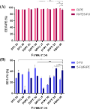
- Humicola sp. in biomedical applications were investigated. Cancer experiments were carried out using breast cancer and Burkitt’s lymphoma cancer cells, while the biocompatibility tests of α-AgS nanoparticles were also conducted using human peripheral blood mononuclear cells (PBMCs) [18]. Additionally


PEGylated lipids in lipid nanoparticle delivery dynamics and therapeutic innovation
Beilstein J. Nanotechnol. 2025, 16, 1914–1930, doi:10.3762/bjnano.16.133
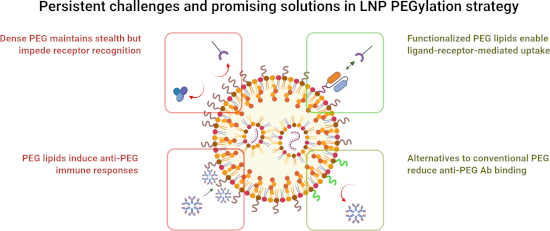
- ]. PEG’s hydrophilic and steric properties are instrumental in reducing the adsorption of proteins onto LNP surfaces. By creating a hydrated barrier, PEG minimizes nonspecific binding, leading to a “stealth” effect that prolongs circulation time and reduces recognition by the mononuclear phagocytic system


Ferroptosis induction by engineered liposomes for enhanced tumor therapy
Beilstein J. Nanotechnol. 2025, 16, 1325–1349, doi:10.3762/bjnano.16.97
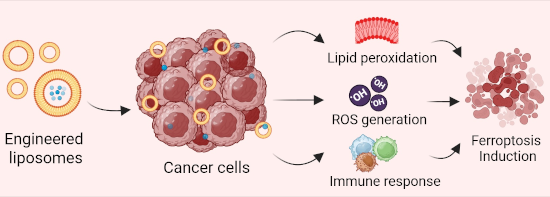
- stronger immune responses, including complement activation and rapid clearance by the mononuclear phagocyte system. Moreover, PEGylated liposomes may induce anti-PEG antibodies, leading to accelerated blood clearance [139][140]. These challenges highlight the need for precise liposomal design strategies


A formulation containing Cymbopogon flexuosus essential oil: improvement of biochemical parameters and oxidative stress in diabetic rats
Beilstein J. Nanotechnol. 2025, 16, 617–636, doi:10.3762/bjnano.16.48
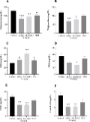
- accumulation of mononuclear cells, mainly lymphocytes and macrophages, around the portal spaces and areas of necrosis. In addition, the formation of cavities filled with new inflammatory cells was observed (C), suggesting a persistent and progressive inflammatory process (Figure 10). This infiltration may




Nanomaterials in targeting amyloid-β oligomers: current advances and future directions for Alzheimer's disease diagnosis and therapy
Beilstein J. Nanotechnol. 2025, 16, 561–580, doi:10.3762/bjnano.16.44


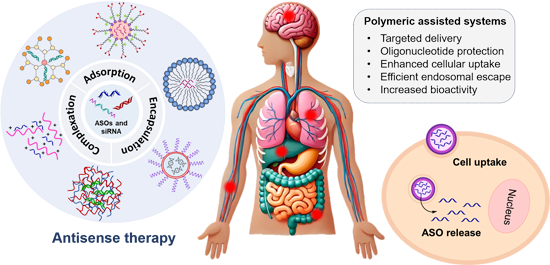
Synthetic-polymer-assisted antisense oligonucleotide delivery: targeted approaches for precision disease treatment
Beilstein J. Nanotechnol. 2025, 16, 435–463, doi:10.3762/bjnano.16.34


Nanocarriers and macrophage interaction: from a potential hurdle to an alternative therapeutic strategy
Beilstein J. Nanotechnol. 2025, 16, 97–118, doi:10.3762/bjnano.16.10
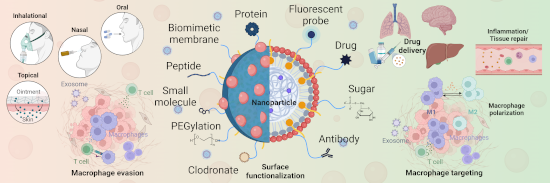
- advantages, the interaction with many biological matrices, particularly with existing macrophages, must be considered. In this review, we will explore the dual role of macrophages in NC delivery, highlighting their physiological functions, the challenges posed by the mononuclear phagocyte system, and
- from research to clinical application faces significant hurdles, primarily due to interactions with the mononuclear phagocyte system (MPS). After administration in host bodies, NCs encounter systems of phagocytic cells, predominantly resident macrophages such as Kupffer cells (KCs) in the liver and
- hepatic tissue because of its large blood volume, supplied by both the portal vein and hepatic artery. This allows the NCs to extravasate towards the liver’s sinusoidal capillary walls, where they interact with various hepatic cells, particularly KCs and mononuclear phagocytic cells. These cells, which


Biomimetic nanocarriers: integrating natural functions for advanced therapeutic applications
Beilstein J. Nanotechnol. 2024, 15, 1619–1626, doi:10.3762/bjnano.15.127
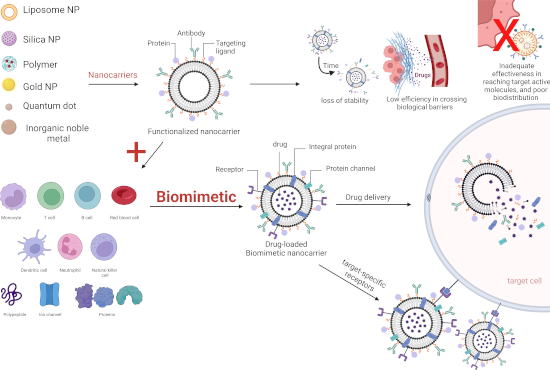
- drug absorption by the mononuclear phagocytic system due to its hydrophilic barrier [59]. Although PEG-coated nanostructures exhibit promising physicochemical properties, they have shown limitations; studies point to cases of hypersensitivity in PEGylated vaccines [60][61]. Potential adverse immune


Therapeutic effect of F127-folate@PLGA/CHL/IR780 nanoparticles on folate receptor-expressing cancer cells
Beilstein J. Nanotechnol. 2024, 15, 954–964, doi:10.3762/bjnano.15.78
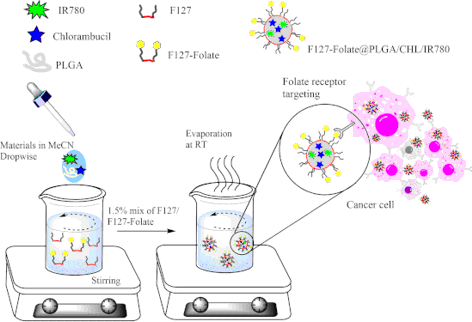
- cancer treatment. The bigger the nanoparticles, the faster they would be cleared by the mononuclear phagocyte system [41], while those smaller than 6 nm would be excreted into the Bowman space of the kidney [42]. In addition to size, nanoparticle charge is also crucial for boosting its circulation in the



Curcumin-loaded nanostructured systems for treatment of leishmaniasis: a review
Beilstein J. Nanotechnol. 2024, 15, 37–50, doi:10.3762/bjnano.15.4

- invertebrate host; (ii) intracellular amastigote, a spherical form that is found in cells of the vertebrate host. Infected sandflies inject blood with the parasite in promastigote form into the vertebrate host, which causes macrophages or other cells of the mononuclear phagocytic system to phagocytose the


Antibody-conjugated nanoparticles for target-specific drug delivery of chemotherapeutics
Beilstein J. Nanotechnol. 2023, 14, 912–926, doi:10.3762/bjnano.14.75

- receptors after protein corona formation. Also, NPs that adsorb opsonins, such as immunoglobulins, complement components, and fibrinogen, on their surface are cleared from the body effortlessly by the mononuclear phagocytic system (MPS) [78]. The targeting efficiency of antibody-conjugated NPs is directly



Recent progress in cancer cell membrane-based nanoparticles for biomedical applications
Beilstein J. Nanotechnol. 2023, 14, 262–279, doi:10.3762/bjnano.14.24

- system (RES) or the mononuclear phagocytosis system (MPS) [4]. The subsequent rapid clearance from blood circulation by the liver and kidneys results in insufficient drug accumulation in the target tissue [5]. In addition, NPs can interact with proteins to form a protein corona, which affects the


Nanotechnology – a robust tool for fighting the challenges of drug resistance in non-small cell lung cancer
Beilstein J. Nanotechnol. 2023, 14, 240–261, doi:10.3762/bjnano.14.23
- targeting efficacy of nanomedicines. Various solutions have been proposed to improve mononuclear phagocytic system (MPS) evasion, extravasation at the tumor site, and diffusion through the dense collagen matrix of the solid tumors. Biomimetic, multifunctional, and multistage targeted nanoscale delivery


In search of cytotoxic selectivity on cancer cells with biogenically synthesized Ag/AgCl nanoparticles
Beilstein J. Nanotechnol. 2022, 13, 1505–1519, doi:10.3762/bjnano.13.124

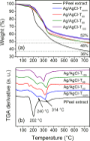
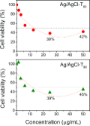
- tested on mononuclear cells. Ag/AgCl nanoparticles with spherical and triangular morphology were obtained. The size of the nanoparticles (10–70 nm) and the size distribution depended on the reaction temperature. A dose close to 20 µg/mL of Ag/AgCl nanoparticles considerably decreased the cell viability
- tested in mononuclear cells, particularly in monocytes. The results of the cytotoxic behavior of these systems are shown in Figure 10. It is evident that nanoparticles obtained at temperatures of 60 and 80 °C were also cytotoxic to monocytes at concentrations of 25 µg/mL. In fact, their IC50 was lower
- mononuclear cells (PBMC) and in breast cancer cells (MCF-7) are shown in Table 3. The maximum concentration of AgNO3 tested was the one used to generate the Ag/AgCl nanoparticles. Even at the lowest concentrations, a significant decrease in cell viability was observed. The data indicated that AgNO3 had strong





Engineered titania nanomaterials in advanced clinical applications
Beilstein J. Nanotechnol. 2022, 13, 201–218, doi:10.3762/bjnano.13.15
- and a reduced toxicity to normal cells of free drug molecules. Surface modification of the nanomaterials with polyethylene glycol (PEG) is reported to be advantageous for multiple reasons, such as inhibition of recognition by the mononuclear phagocytic system, elimination of in vitro toxicity, and


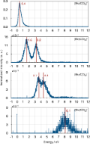
Low-energy electron interaction and focused electron beam-induced deposition of molybdenum hexacarbonyl (Mo(CO)6)
Beilstein J. Nanotechnol. 2022, 13, 182–191, doi:10.3762/bjnano.13.13
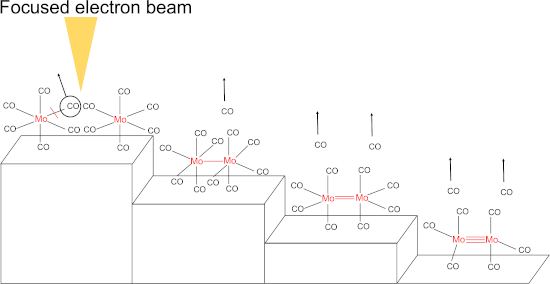
- these are commercially available, have comparatively high vapor pressure and are fairly stable and easy to handle. Correspondingly metal carbonyl complexes, including the mononuclear Ni(CO)4, Cr(CO)6, Fe(CO)5, W(CO)6 and Mo(CO)6, have been used as precursors to deposit metals on surfaces through FEBID


Use of nanosystems to improve the anticancer effects of curcumin
Beilstein J. Nanotechnol. 2021, 12, 1047–1062, doi:10.3762/bjnano.12.78

- improved pharmacokinetics. Their hydrophobicity makes them promising to achieve controlled release and targeted drug delivery to the mononuclear phagocyte system [65]. Effects on the stability of SLN have been reported during storage, mostly due to loss of the solid crystalline structure, which can cause


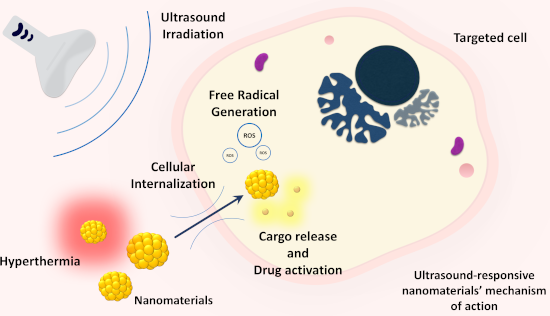
Comprehensive review on ultrasound-responsive theranostic nanomaterials: mechanisms, structures and medical applications
Beilstein J. Nanotechnol. 2021, 12, 808–862, doi:10.3762/bjnano.12.64


Silver nanoparticles induce the cardiomyogenic differentiation of bone marrow derived mesenchymal stem cells via telomere length extension
Beilstein J. Nanotechnol. 2021, 12, 786–797, doi:10.3762/bjnano.12.62

- ]. Briefly, five rats were euthanized using ketamine/xylazine (87/13 mg/kg). After surgery and removal of femur and tibia, BM contents were flushed using washing buffer. Next, the BM contents was layered over Ficoll-Paque (Innotrain, Germany) and mononuclear cells were re-suspended in DMEM supplemented with