Search results
Search for "photodynamic therapy" in Full Text gives 50 result(s) in Beilstein Journal of Nanotechnology.
Decontamination from water pollutants and pathogens by electrospun nanofibers doped with heavy-atom-free borafluorene-BODIPY photosensitizers
Beilstein J. Nanotechnol. 2026, 17, 668–682, doi:10.3762/bjnano.17.46
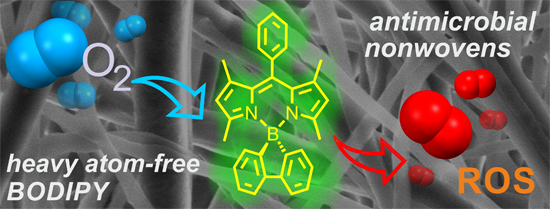
- findings highlight the potential of the electrospun PCL nanofibers as optimal matrix for the immobilization with singlet oxygen photosensitizers and subsequent application in the decontamination of water from pollutants and pathogens. Keywords: antimicrobial photodynamic therapy; BODIPY; electrospun



Biomimetic nanoparticles in cancer photodynamic therapy: a review of targeted delivery systems and therapeutic outcomes
Beilstein J. Nanotechnol. 2026, 17, 396–422, doi:10.3762/bjnano.17.27
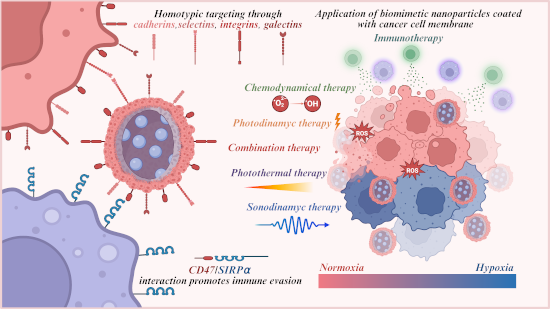
- Valentina I. Gorbacheva Alexey S. Grabovoy Polina S. Marukhina Anastasiia O. Syrocheva Ekaterina P. Kolesova Sirius University of Science and Technology, 1 Olympic Avenue, Sirius, Krasnodar Region, 354340, Russia 10.3762/bjnano.17.27 Abstract Photodynamic therapy (PDT) is a minimally invasive
- treatments. Keywords: biomimetic nanoparticles; immunogenic cell death; nanocarriers; photodynamic therapy; targeted drug delivery; tumor hypoxia modulation; Review Introduction Cancer remains a formidable global health challenge, demanding innovative therapeutic strategies that balance efficacy with
- reduced systemic toxicity [1]. Among emerging treatments, photodynamic therapy (PDT) has garnered considerable attention due to its minimally invasive nature, spatiotemporal control, and ability to selectively destroy tumor tissues while sparing healthy cells [2]. PDT operates through a unique mechanism


From shield to spear: Charge-reversible nanocarriers in overcoming cancer therapy barriers
Beilstein J. Nanotechnol. 2026, 17, 159–175, doi:10.3762/bjnano.17.10
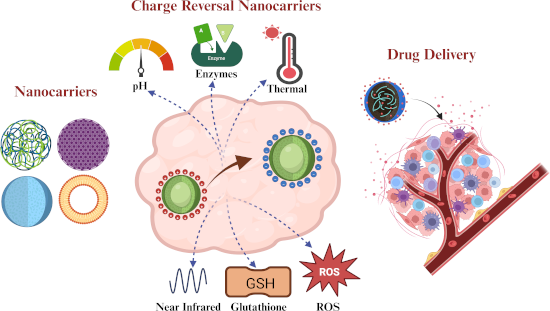
- therapy, targeted therapy, and immunotherapy modalities that enable more precise and personalized cancer management [7]. In parallel, complementary strategies such as photodynamic therapy and hyperthermia further enhance treatment effectiveness, collectively reflecting the ongoing evolution of cancer
- tumour photodynamic therapy. The study highlights the excellent light absorption and ROS generation capacity of the material, allowing targeted tumour cell damage while sparing healthy tissues [56]. Similarly, a study reports thermo-responsive gold nanorod vesicles (USGRV-17-AAG) integrate NIR-II
- chemo-photodynamic therapy for hepatocellular carcinoma [75]. Chen et al. developed a reversible pH-responsive nanocarrier with poly(tannic acid)-coated MSNs that enables controlled drug release, HER2-targeting, and reduced off-target effects, enhancing efficacy while minimising secondary side effects


Development and in vitro evaluation of liposomes and immunoliposomes containing 5-fluorouracil and R-phycoerythrin as a potential phototheranostic system for colorectal cancer
Beilstein J. Nanotechnol. 2026, 17, 97–121, doi:10.3762/bjnano.17.7
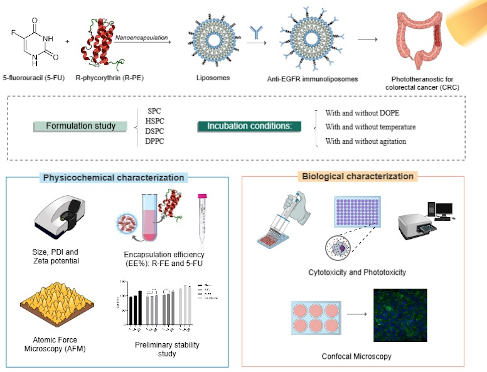
- , the HSPC 50 formulation containing R-PE and 5-FU, functionalized with cetuximab, is a promising alternative for the development of co-encapsulation delivery systems as a phototheranostic nanocarriers. Keywords: colorectal cancer; immunoliposomes; photodynamic therapy; R-phycoerythrin; 5-fluorouracil
- cancer, but there are cellular mechanisms of resistance, such as membrane transporters, which lower the therapeutic response rate. However, when the treatment with 5-FU was evaluated, associated with photodynamic therapy using Foslip® as a liposomal system, it was found that this treatment was effective
- potential application in cancer treatment, ranging from in vitro cell programmed death induction in the liver, lung, and gastric cancer cells [12] to in vivo reduction in nodule number and liver weight in rats [13]. In addition, R-PE also has a photosensitizing role that can be explored in photodynamic

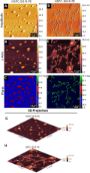
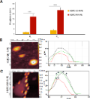


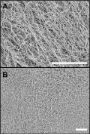
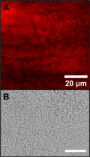
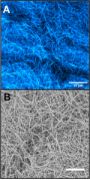
Visualizing nanostructures in supramolecular hydrogels: a correlative study using confocal and cryogenic scanning electron microscopy
Beilstein J. Nanotechnol. 2025, 16, 2274–2284, doi:10.3762/bjnano.16.156
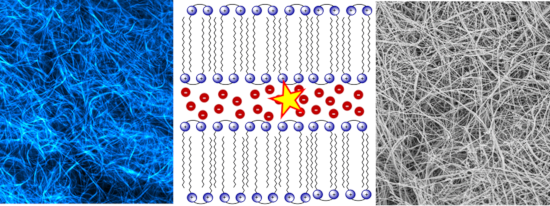
- up at the microscale of an entangled fibrous network. The reliable imaging of these networks containing the bis(imidazolium)-based gel systems is of interest because of the dependence of properties such as drug release [22][23][24], photodynamic therapy [25], photoreactivity [26], additive




Targeting the vector of arboviruses Aedes aegypti with nanoemulsions based on essential oils: a review with focus on larvicidal and repellent properties
Beilstein J. Nanotechnol. 2025, 16, 1894–1913, doi:10.3762/bjnano.16.132
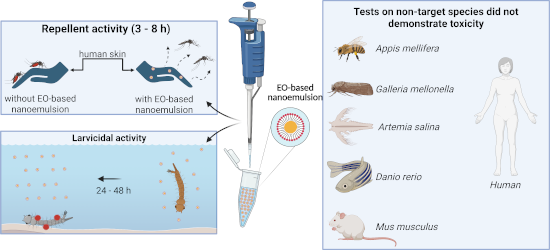
- ], photodynamic therapy [96], antimicrobial applications [97], intracellular parasites such as Trypanosoma cruzi and Leishmania spp. [98][99], and for antioxidant potential [100], larvicidal, and repellent activities against arthropod vectors [101]. Nanotechnology has shown the potential to enhance the


Prospects of nanotechnology and natural products for cancer and immunotherapy
Beilstein J. Nanotechnol. 2025, 16, 1644–1667, doi:10.3762/bjnano.16.116
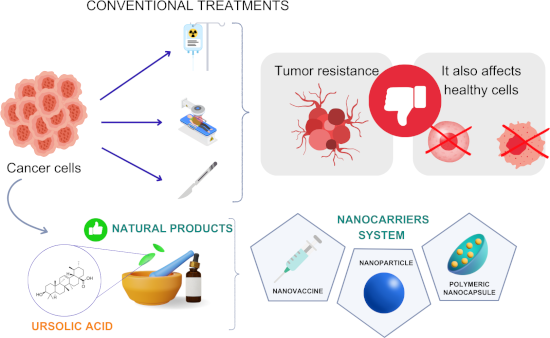
- vasculature of these cells compared to healthy ones. Upon absorption of light during photodynamic therapy, Ce6 generates ROS, causing damage to the cell membrane, proteins, and DNA of the cancer cells, ultimately leading to their destruction. Additionally, the ROS produced by Ce6 destroys the vascular layer
- antitumor immune responses with reduced toxicity and fewer side effects [140]. Moreover, this technology can be applied to various cancer therapies, such as chemotherapy, photothermal therapy, photodynamic therapy, gene therapy, and immunotherapy [141]. For instance, patent WO2016178224 (2016) describes the



Enhancing the therapeutical potential of metalloantibiotics using nano-based delivery systems
Beilstein J. Nanotechnol. 2025, 16, 1350–1366, doi:10.3762/bjnano.16.98
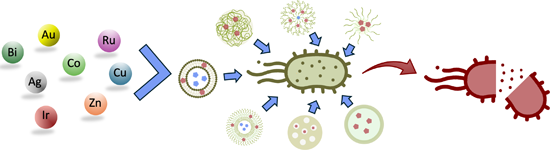
- early stages of infection and biofilm formation. Iridium complexes Antimicrobial photodynamic therapy (aPDT) is gaining recognition as a promising alternative to traditional antibiotics for managing chronic skin infections [136]. However, its broader application is contingent upon the development of


Ferroptosis induction by engineered liposomes for enhanced tumor therapy
Beilstein J. Nanotechnol. 2025, 16, 1325–1349, doi:10.3762/bjnano.16.97
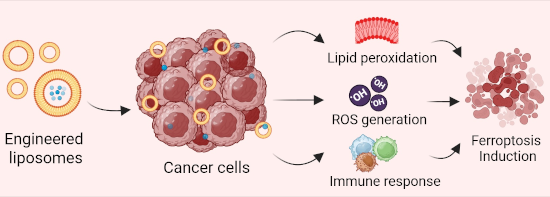
- with photothermal or photodynamic therapy. These hybrids are especially promising in cancer therapy. For instance, theranostic liposome–nanoparticle hybrids integrate therapeutic agents with imaging capabilities, allowing for simultaneous treatment and real-time tumor response monitoring [136


Better together: biomimetic nanomedicines for high performance tumor therapy
Beilstein J. Nanotechnol. 2025, 16, 1246–1276, doi:10.3762/bjnano.16.92
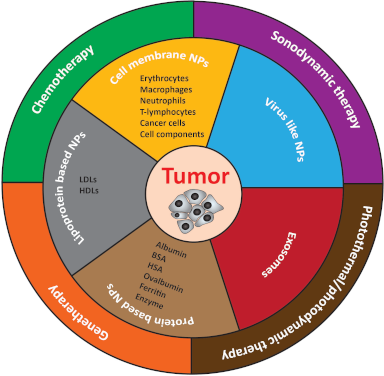
- successfully employed to cross biological barriers to target cancer cells. The neutrophil membranes enhanced circulation life, efficiently targeted tumors, and inhibited growth by photodynamic therapy. Neutrophil membrane-coated celastrol-loaded PEG-PLGA nanoparticles were prepared to treat pancreatic cancer
- combination of near-IR imaging and photodynamic therapy of hepatocellular carcinoma [37]. 1.1.4 T lymphocytes (T cells). T cells are highly specific and more actively identify foreign bodies, including cancer cells. In addition to directly killing cancer cells, T cells organize the immune response by
- NPs showed long circulation and enhanced tumor accumulation, and significantly inhibited the tumor. These biological bomb structures killed the transfected as well surrounding lung cancer cells by a “bystander effect” and efficiently suppressed lung cancer [162]. 2.3 Photothermal/photodynamic therapy







Investigation of the solubility of protoporphyrin IX in aqueous and hydroalcoholic solvent systems
Beilstein J. Nanotechnol. 2025, 16, 1209–1215, doi:10.3762/bjnano.16.89
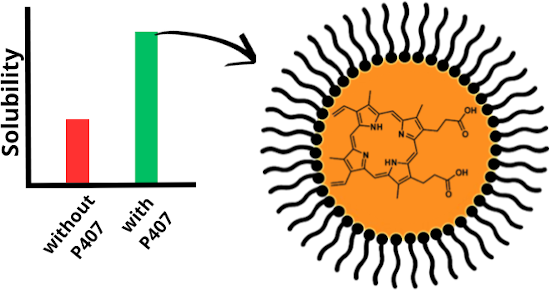
- Michelly de Sa Matsuoka Giovanna Carla Cadini Ruiz Marcos Luciano Bruschi Jessica Bassi da Silva Department of Pharmacy, State University of Maringa, Maringa, PR, Brazil 10.3762/bjnano.16.89 Abstract Photodynamic therapy (PDT) is a non-invasive treatment involving a photosensitizer (PS), light
- are unsuitable solvents for PpIX, whereas the nanostructured systems containing P407 showed the greatest potential for future pharmaceutical applications, mainly the aqueous one because of its low toxicity considering topical preparations. Keywords: 5-aminolevulinic acid; photodynamic therapy
- ; protoporphyrin IX; shake-flask; solubility test; Introduction Photodynamic therapy (PDT) is a promising therapeutic modality that has raised keen interest in the treatment of various conditions including cancer and microbial infections [1][2]. This non-invasive treatment combines a photosensitizer (PS), a


Fabrication of metal complex phthalocyanine and porphyrin nanoparticle aqueous colloids by pulsed laser fragmentation in liquid and their potential application to a photosensitizer for photodynamic therapy
Beilstein J. Nanotechnol. 2025, 16, 1088–1096, doi:10.3762/bjnano.16.80
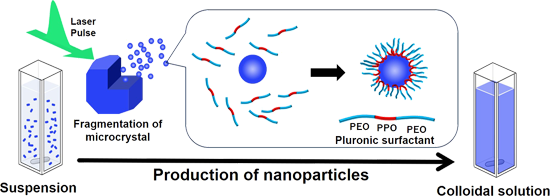
- generation of reactive oxygen species by AlClPc, ZnPc, and PtOEP nanoparticles and the photocytotoxicity for PC12 and HeLa cells, and demonstrated that the nanoparticles can be used as photosensitizers for photodynamic therapy. Keywords: aqueous colloid; photosensitizer; phthalocyanine; pulsed laser
- fragmentation in liquids; reactive oxygen species generation; Introduction Porphyrins and phthalocyanines (Pcs), exhibiting intense absorption in the visible to near-infrared (NIR) regions, are well studied as photosensitizers in photodynamic therapy (PDT) [1]. Especially, Pcs absorb strongly light in the


Polyurethane/silk fibroin-based electrospun membranes for wound healing and skin substitute applications
Beilstein J. Nanotechnol. 2025, 16, 591–612, doi:10.3762/bjnano.16.46
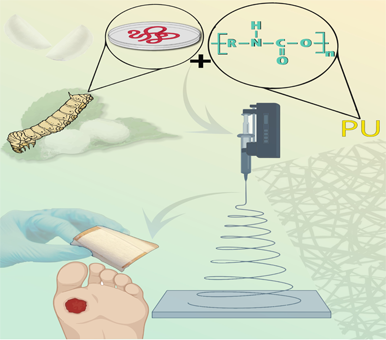
- and differentiation to repair damaged neural tissue [171]. They are also widely used for cancer treatments such as photothermal and photodynamic therapy, where light activation creates heat or reactive oxygen species to severely damage and kill cancer cells while reducing the harm done to healthy



Radiosensitizing properties of dual-functionalized carbon nanostructures loaded with temozolomide
Beilstein J. Nanotechnol. 2025, 16, 229–251, doi:10.3762/bjnano.16.18
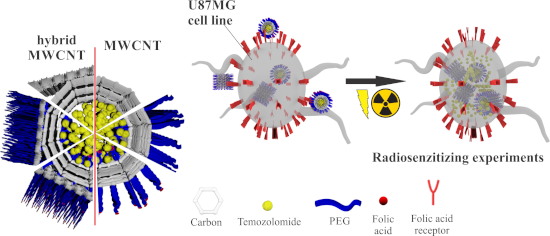
- photodynamic therapy can be obtained [1][2][3][4][5]. It has been shown that CNs have an anti-amyloid aggregation activity, and some of them (i.e., carbon nanotubes (CNTs) and graphene) are able to interface with neurons and neuronal circuits and play an important role in the modulation of neurobiological
- , and photodynamic therapy. Cytotoxic drugs acting by preventing DNA replication and apoptosis via methylation of guanine-rich areas in DNA and by cross-linking guanine and cytosine in DNA strains are a standard in chemotherapy. Among them, the prodrug temozolomide (TMZ) with its active metabolite 5-(3




Classification and application of metal-based nanoantioxidants in medicine and healthcare
Beilstein J. Nanotechnol. 2024, 15, 396–415, doi:10.3762/bjnano.15.36
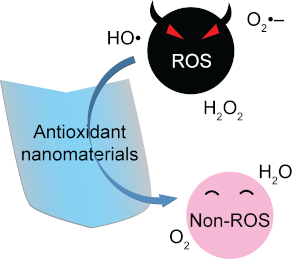
- enhancing SOD, GPx, and CAT activities [166]. Second, nanoantioxidants can be used to support cancer therapies such as photodynamic therapy (PDT) and photothermal therapy (PTT) [167]. In this strategy, nanomaterials with antioxidant activities enhance PDT and PTT efficacy by reducing hypoxia in the tumor


Exploring the relationships between physiochemical properties of nanoparticles and cell damage to combat cancer growth using simple periodic table-based descriptors
Beilstein J. Nanotechnol. 2024, 15, 297–309, doi:10.3762/bjnano.15.27
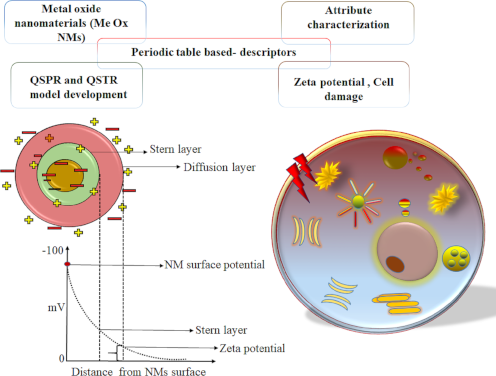
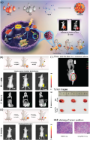
- microenvironment (TME) prone to hypoxic conditions [46]. Insufficient oxygen reduces ROS generation, which decreases the efficacy of oxygen-dependent therapies, such as photodynamic therapy (PDT), chemodynamic therapy (CDT), and radiation therapy. The information derived from the positive contribution of the


Nanocarrier systems loaded with IR780, iron oxide nanoparticles and chlorambucil for cancer theragnostics
Beilstein J. Nanotechnol. 2024, 15, 180–189, doi:10.3762/bjnano.15.17
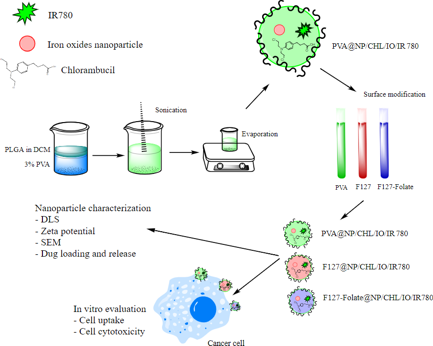
- and IR783 are also promising diagnostic choices. Encapsulation of IR780 in nanoparticles can be used for imaging and photothermal, photodynamic, and combinatorial cancer therapies [20][21][22]. IR780 is also utilized in PEG-PLA nanoparticles for photodynamic therapy of human breast cancer cells [23
- diagnoses, including tumor-targeted drug delivery, hyperthermia, photodynamic therapy, and imaging. Nanomedicines can be made from a variety of inert, biodegradable, and in vivo biocompatible materials. Poly(lactic-co-glycolic acid) is one of the most biodegradable and biocompatible copolymers owing to its


Nanoarchitectonics of photothermal materials to enhance the sensitivity of lateral flow assays
Beilstein J. Nanotechnol. 2023, 14, 988–1003, doi:10.3762/bjnano.14.82
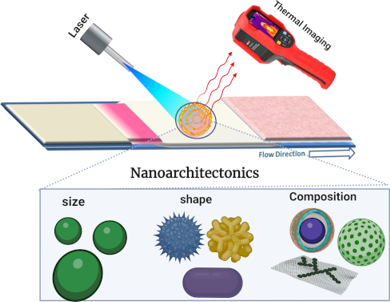
- Photodynamic Therapy, vol. 29, by J. Depciuch; M. Stec; B. Klebowski; A. Maximenko; E. Drzymała; J. Baran; M. Parlinska-Wojtan, “Size effect of platinum nanoparticles in simulated anticancer photothermal therapy“, article no. 101594, Copyright (2019), with permission from Elsevier. This content is not subject
- ], Photodiagnosis and Photodynamic Therapy, vol. 30, by J. Depciuch; M. Stec; M. Kandler; J. Baran; M. Parlinska-Wojtan, “From spherical to bone-shaped gold nanoparticles - Time factor in the formation of Au NPs, their optical and photothermal properties“, article no. 101670, Copyright (2020), with permission from


Plasmonic nanotechnology for photothermal applications – an evaluation
Beilstein J. Nanotechnol. 2023, 14, 380–419, doi:10.3762/bjnano.14.33
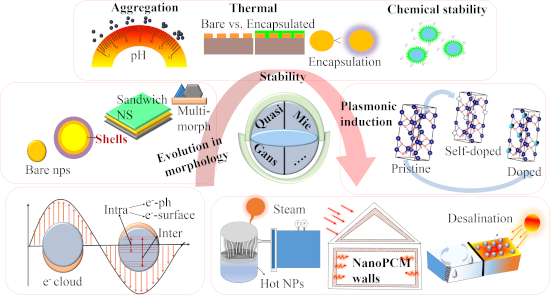
- materials [7][8], such as Au nanoparticles (AuNPs), in photodynamic therapy [9][10][11]. Metal nanoparticles in general have been extensively explored in PPT applications due to their high free electron density and the possibility of intricate tuning of light absorption [12]. Noble metal nanoparticles with


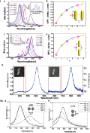


Recent progress in cancer cell membrane-based nanoparticles for biomedical applications
Beilstein J. Nanotechnol. 2023, 14, 262–279, doi:10.3762/bjnano.14.24

- for enhancing the effects of ferroptosis and CDT. The utilization of photosensitizers and sonosensitizers in bionanotechnology contributes to the exploration of more efficient tumor treatment strategies. Photodynamic therapy (PDT) can activate photosensitizers by light radiation and induce the


Cyclodextrins as eminent constituents in nanoarchitectonics for drug delivery systems
Beilstein J. Nanotechnol. 2023, 14, 218–232, doi:10.3762/bjnano.14.21
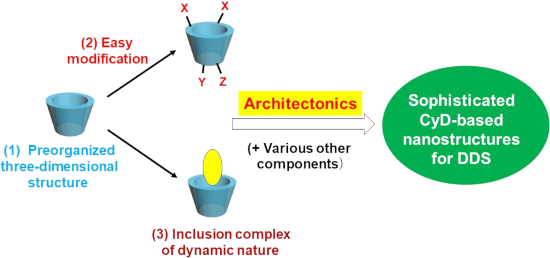
- S–S linkages by intracellular glutathione (GSH). As the result, both gene editing by sgRNA/Cas9 and gene silencing by the antisense DNA cooperatively suppressed the PLK1 gene, providing remarkable antitumor activity. 4 CyD-based nanoarchitectures for effective photodynamic therapy Photodynamic
- therapy (PDT) employs a light-sensitive medicine (photosensitizer) and a light source to destroy abnormal cells [72][73]. The photosensitizer absorbs the light and is activated to kill target tissue. In many cases, reactive oxygen species (ROSs) such as singlet oxygen (1O2) generated from 3O2 by a




Facile preparation of Au- and BODIPY-grafted lipid nanoparticles for synergized photothermal therapy
Beilstein J. Nanotechnol. 2022, 13, 1432–1444, doi:10.3762/bjnano.13.118

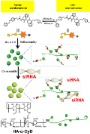
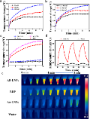
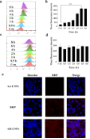
- ]. BODIPY-AuNP conjugates and BODIPY-AuNP composites were also reported for diagnosis and photodynamic therapy (PDT) [15][16][17]. Hence, we aimed to synthesize a common halogenated BODIPY compound (BDP) and further modified Au-LNPs with BDP for synergized PTT (Scheme 1). According to [8], we prepared Au




Recent advances in green carbon dots (2015–2022): synthesis, metal ion sensing, and biological applications
Beilstein J. Nanotechnol. 2022, 13, 1068–1107, doi:10.3762/bjnano.13.93
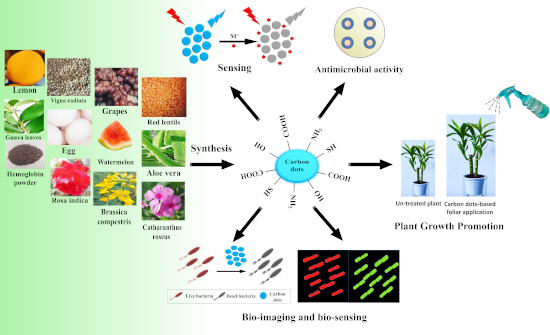
- nanomaterials has proved to be useful for applications in a variety of disciplines, including chemical or biological sensing, bioimaging, drug delivery, photodynamic therapy, electrocatalysis, and photocatalysis, with advantages over commonly used semiconductor dots or conventional fluorescent probes such as




Detection and imaging of Hg(II) in vivo using glutathione-functionalized gold nanoparticles
Beilstein J. Nanotechnol. 2022, 13, 549–559, doi:10.3762/bjnano.13.46
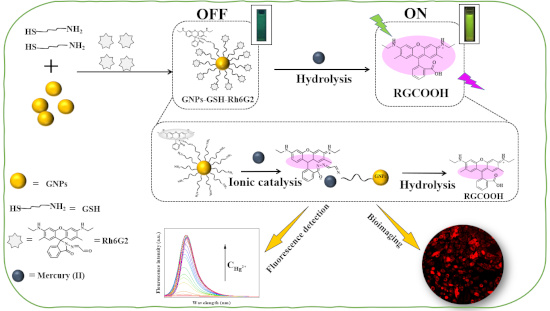
- biocompatibility, large specific surface area, and remarkable photoelectric properties [1][2][3]. Among them, gold nanoparticles (GNPs) have been frequently employed for drug delivery, sensing, imaging, and photodynamic therapy owing to their high extinction coefficient, distinct optical properties, excellent


Photothermal ablation of murine melanomas by Fe3O4 nanoparticle clusters
Beilstein J. Nanotechnol. 2022, 13, 255–264, doi:10.3762/bjnano.13.20
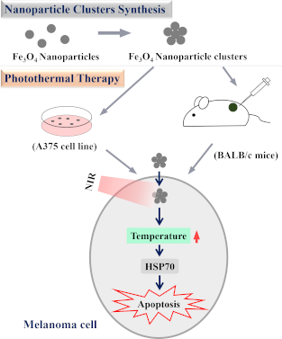
- past decades at an accelerating rate [1]. Depending on the features of melanomas, therapeutic options include surgical resection, chemotherapy, immunotherapy, photodynamic therapy and several others. Although these treatments could initially meet therapeutic needs, their efficacies commonly drop