
Search results
Search for "room temperature" in Full Text gives 1458 result(s) in Beilstein Journal of Nanotechnology. Showing first 200.
Room-temperature NO2 sensing performance of ZnO/Ti3C2Tx heterojunctions
Beilstein J. Nanotechnol. 2026, 17, 1159–1169, doi:10.3762/bjnano.17.79
- the gas sensing properties of Ti3C2Tx-based sensors. Keywords: gas sensor; room temperature; ZnO/Ti3C2Tx composites; Introduction Nowadays, increasing attention is paid to the early detection and prevention of chemical leaks and accidental releases, highlighting the importance of identifying trace
- -type ZnO has garnered significant traction as a NO2 sensor owing to its wide bandgap energy (3.37 eV), abundant oxygen vacancies, and exceptional chemical stability [25][26]. Moon et al. [27] synthesized a rGO/ZnO composite for NO2 detection at room temperature, while Song et al. [28] employed a
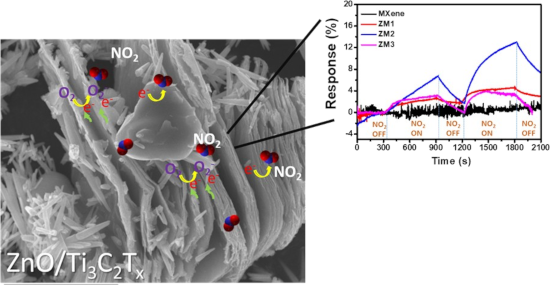
- value of pure Ti3C2Tx and ZnO/Ti3C2Tx sensors to 5 and 10 ppm NO2 at room temperature. No response was obtained for pure MXene, ascribing its metallic properties. In contrast, the ZnO/Ti3C2Tx sensor revealed a higher response to NO2 in comparison with the pure Ti3C2Tx sensor under the same conditions





A redox-responsive viologen–cavitand nanocarrier for dual-function photodynamic therapy
Beilstein J. Nanotechnol. 2026, 17, 1142–1158, doi:10.3762/bjnano.17.78
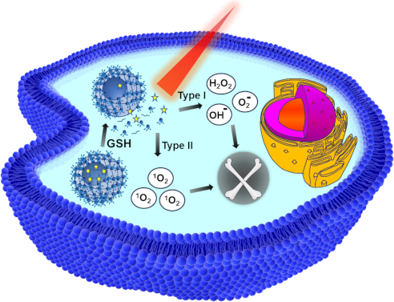
- ) (Table 1, Figure 2). The reaction temperature had a critical impact on both size and payload. Polymerization at room temperature (25 °C) yielded nanoparticles with a hydrodynamic diameter of 38.3 ± 1.7 nm (Figure 3A). This is significantly smaller than particles made at 70 °C (58.8 ± 0.7 nm, Table 1


Biosynthesis, characterization, and biofunctional assessment of niobium oxide nanostructures obtained using lactic acid bacteria-derived supernatants
Beilstein J. Nanotechnol. 2026, 17, 1128–1141, doi:10.3762/bjnano.17.77
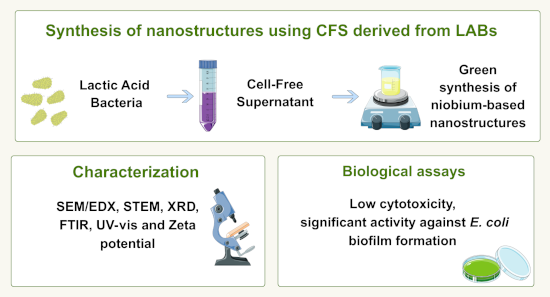
- distilled water (three times) and stained with crystal violet solution (2%; 150 μL) for 15 min at room temperature. Excess stain was removed, and the bound dye was solubilized with ethanol (95%; 150 μL). The absorbance was measured at 540 nm using a microplate reader to quantify biofilm biomass [62


Facile synthesis of platinated DNA nanoparticles with radiosensitizing potential
Beilstein J. Nanotechnol. 2026, 17, 1117–1127, doi:10.3762/bjnano.17.76
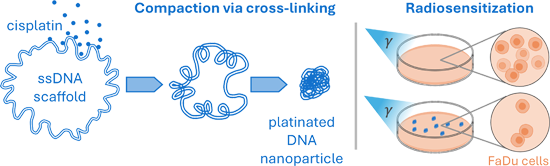
- nanoparticle samples were diluted to 6 nM in a 10 μL solution. Two microliters of 6× DNA gel loading dye (Thermo Scientific) was then added to the solution and mixed properly before loading into the gel wells. The gel was then run at 100 V for 35 min at room temperature under 0.5× TAE buffer. Stability


Synthesis of carbon dot-mediated gold nanostructures: experimental and quantum chemical insights into turn-on fluorescence sensing of N-acetylcysteine
Beilstein J. Nanotechnol. 2026, 17, 1103–1116, doi:10.3762/bjnano.17.75
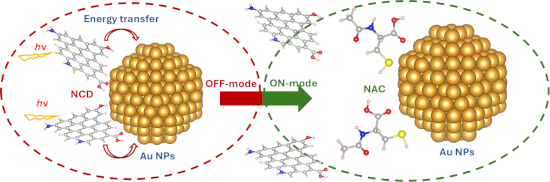
- stirred, transferred into a 50 mL Teflon-lined autoclave, and heated at 180 °C for 3 h. Afterward, the autoclave was allowed to cool naturally to room temperature. The resulting mixture was purified by gradient silica gel column chromatography, using approximately 100 mL acetone followed by 250 mL acetone
- obtained by adding 2.5 mL of a NCD solution (0.15 mg/mL) to 2.5 mL of 0.2 mM HAuCl4 under continuous stirring and heating at 60 °C. After 5 min, the solution gradually changed in color from yellow to pink. The mixture was then left at room temperature for 15 min before use [16][48]. The resulting mixture


Electrochemical sensing of sildenafil in pharmaceutical formulations using an (S,N)-doped reduced graphene oxide-modified electrode
Beilstein J. Nanotechnol. 2026, 17, 1087–1102, doi:10.3762/bjnano.17.74
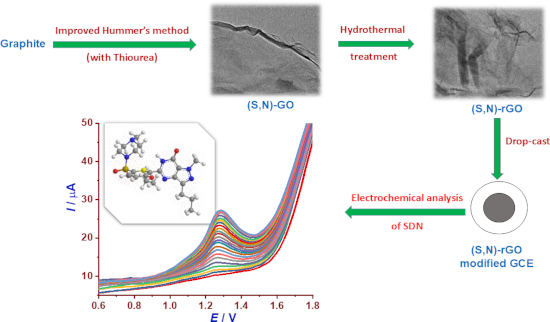
- oxidation. Afterward, 17 mL of 30% H2O2 was added dropwise to terminate the reaction, and the mixture was allowed to cool to room temperature. The resulting product was separated by centrifugation at 5000 rpm for 15 min, and the supernatant was discarded to obtain a brownish-yellow solid. The solid was
- was dispersed in a mixture of 50 mL distilled water and 30 mL ethanol. The suspension was ultrasonicated for 60 min to ensure uniform dispersion, then transferred into a Teflon-lined autoclave. The hydrothermal reduction was conducted at 180 °C for 12 h. After naturally cooling to room temperature
- and dried at room temperature (≈30 min) to obtain the (S,N)-rGO/GCE. Electrochemical measurements The electrochemical behavior of SDN was investigated using cyclic voltammetry (CV) and differential pulse voltammetry (DPV) in a Britton–Robinson buffer solution at various pH values. Key experimental



Nanoglasses: a trail towards uncharted regions of vitreous materials and their properties?
Beilstein J. Nanotechnol. 2026, 17, 1047–1062, doi:10.3762/bjnano.17.72
- nanoparticles at elevated compaction pressure, enabling room-temperature processing [4][5][6], or through energetic deposition of amorphous clusters [42][43]. Consequently, when vitreous powder particles are compacted at low homologous temperatures, interfacial regions arise between the glass “grains


Vibration-induced dynamic structural superlubricity on MoS2/Au(111) under ultrahigh vacuum
Beilstein J. Nanotechnol. 2026, 17, 1039–1046, doi:10.3762/bjnano.17.71

- experimental setup for friction measurements is illustrated in Figure 1a. The experiments were performed at room temperature using a custom-built beam-deflection atomic force microscope (AFM) system under ultrahigh vacuum (UHV). A MoS2 flake on a Au(111) surface was scanned by an AFM tip under UHV conditions


Influence of an external electric field on the catalytic CO oxidation of nanoscaled CeO2 and its La3+ and Gd3+ congeners
Beilstein J. Nanotechnol. 2026, 17, 1028–1038, doi:10.3762/bjnano.17.70
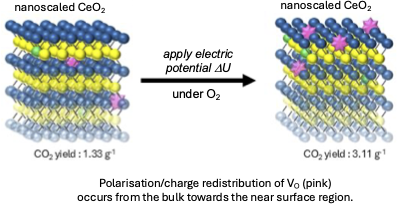
- catalysts can provide a promising strategy for influencing heterogeneous oxidation reactions, even in the absence of precious metal active phases. Conclusion An external electric field can substantially boost room-temperature CO oxidation on nanoscaled ceria by tuning its interfacial defect/redox chemistry
- was kept under vacuum and cooled to room temperature before gas dosing. During the vacuum pre-treatment and before gas dosing, the pressure reading was close to zero within the resolution of the pressure-monitoring system. The vacuum spectrum was recorded in this step. The CO-containing gas mixture


Synthesis and characterization of RF-sputtered ZnTe/Cu2−xTe thin films for solar cell applications
Beilstein J. Nanotechnol. 2026, 17, 1016–1027, doi:10.3762/bjnano.17.69
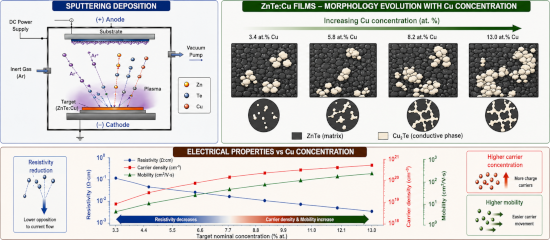
- cold pressing at room temperature using a mixture of ZnTe (Aldrich, 99.99%) and CuO (Plasma Science 99.99%) powders. The powder mixtures were homogenized prior to pressing. The targets were prepared with nominal Cu and O concentrations of 0, 3, 8, 10, and 13 atom %. During film growth, the Ar flow in
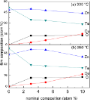
- ) were determined by Hall effect measurements using the Van der Pauw configuration at room temperature. Results and Discussion Chemical composition The chemical composition of the CuZnTeO films was determined by EDS and is presented in Figure 1 as a function of the nominal Cu and O concentration in the
- contribution to the optical response could not be independently identified under the present experimental conditions. Electrical properties The electrical transport properties of CuZnTeO thin films were evaluated by Hall effect measurements at room temperature. Silver and carbon contacts were deposited and



Ultrasonic irradiation in the synthesis of nanohydroxyapatite: a chemically friendly technique for improving hemocompatibility and antibiofilm applications
Beilstein J. Nanotechnol. 2026, 17, 991–1015, doi:10.3762/bjnano.17.68
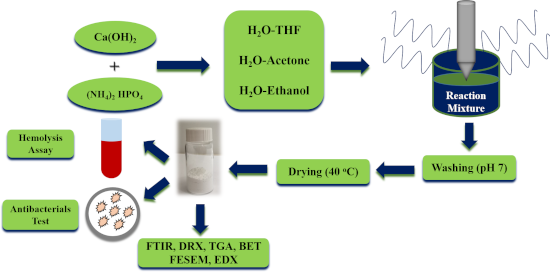
- . Since all nanohydroxyapatite synthesis reactions were conducted at room temperature (approximately 25 °C) and atmospheric pressure (around 0.96 atm), values reported in the literature (ΔGf = −12670 kJ/mol for hydroxyapatite and −1128 kJ/mol for calcite [58][59]) can be used to justify the formation




Development of Protium heptaphyllum essential oil-loaded nanocapsules: experimental design and biological activity
Beilstein J. Nanotechnol. 2026, 17, 974–990, doi:10.3762/bjnano.17.67
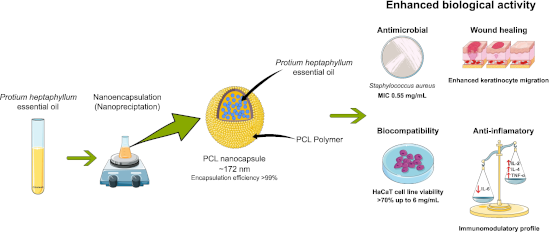
- . Simultaneously, the aqueous phase was prepared with 12 mL of a Tween® 80 solution (20–60 mg) in Milli-Q® water. Nanoparticles were formed by adding the organic phase to the aqueous phase using a syringe with an 11.2 mm diameter, under magnetic stirring at 400 rpm and room temperature. The dispersion was then




Enhanced erosion resistance and radiation stability of WC–WO3 nanocomposite films under 100 keV Kr+ ion irradiation
Beilstein J. Nanotechnol. 2026, 17, 922–934, doi:10.3762/bjnano.17.65
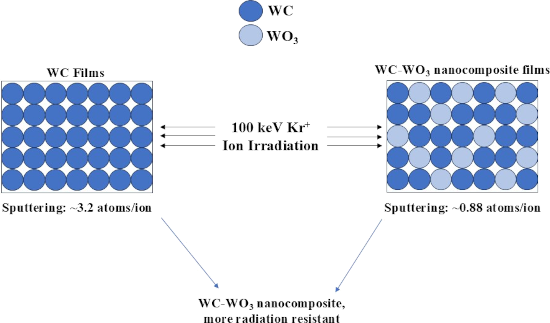
- backed by a rotary pump. The deposition was done under 3 × 10⁻² mbar pressure with a power of 150 W RF for 30 min in the presence of argon gas having flow rate of 30 sccm. The WC–WO3 nanocomposite films were synthesized using sputter deposition of WC films at room temperature (RT) and its subsequent
- pristine WC–WO3 nanocomposite and WC films The GIXRD pattern of the as-deposited WC films, shown in Figure 2a, reveals that the room-temperature-deposited films were amorphous as no reflection peak was observed in the pattern. However, after thermal annealing of these films at ~700 °C, grain growth took



Supramolecular one-dimensional conducting nanofibers from a C3-symmetric tetrathiafulvalene derivative
Beilstein J. Nanotechnol. 2026, 17, 872–881, doi:10.3762/bjnano.17.63
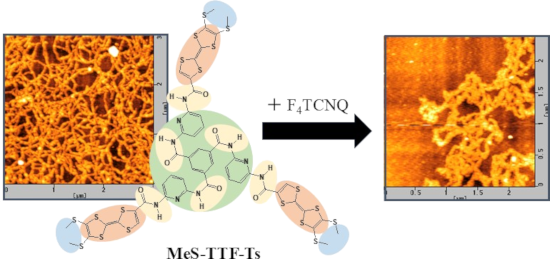
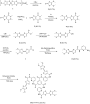
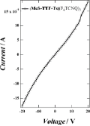
- (FAB) m/z: [M + H]+ calcd for C12H12O4S6, 411.91; found; 412. MeS-TTF-COOMe (5) A solution of 4 (360.0 mg, 0.873 mmol) and lithium bromide (1.600 g, 18.4 mmol) in dry DMF (15 mL) was stirred at 85 °C for 3.5 h. After cooling to room temperature, brine was added, and the mixture was extracted with ethyl
- , 0.369 mmol) in 1,4-dioxane (8.5 mL). The reaction mixture was stirred at room temperature overnight. The mixture was then acidified with 5 M HCl (ca. 1.0 mL), during which the solution turned red. After stirring for 30 min, diethyl ether (6.0 mL) and water (2.0 mL) were added to form a biphasic system
- mixture was stirred at 0 °C for 2 h and then at room temperature overnight. The solvent was removed under reduced pressure, and the residue was purified by column chromatography (chloroform/methanol = 47:3) to afford compound 8 as a red-brown solid. Yield 25.0 mg (43.5%) [46]. 1H NMR (400 MHz, CDCl3) δ


Restorative potential of laser-synthesized silver nanoparticles with Salvia officinalis for periodontal disease treatment: an in vitro study
Beilstein J. Nanotechnol. 2026, 17, 781–795, doi:10.3762/bjnano.17.55
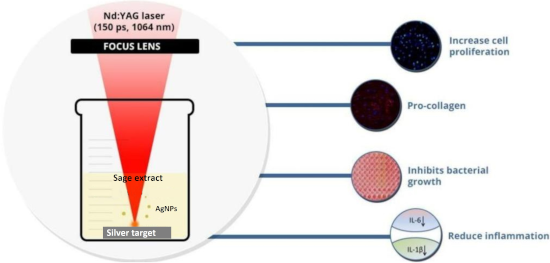
- ) was prepared prior to nanoparticle synthesis, as previously described [13]. Commercially available S. officinalis leaves (Serial No. 23380723, Institute of Medicinal Plant Research “Dr Josif Pančić”, Belgrade, Serbia) were ground, infused with boiling water, and cooled to room temperature. The extract



Interface-engineered Caco-2 cell culture on a collagen-coated liquid–liquid interface in a microfluidic device
Beilstein J. Nanotechnol. 2026, 17, 760–768, doi:10.3762/bjnano.17.53
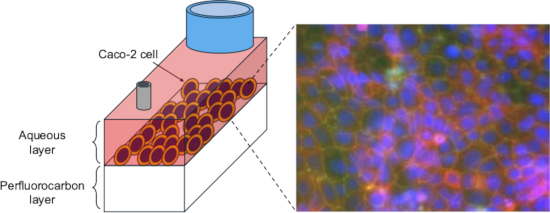
- temperature for 20 min (Supporting Information File 1, Figure S9ii,iv). Blocking was performed with 1% BSA/PBS at 4 °C overnight (Figure S9vi). The samples were then incubated at room temperature for 3 h in a solution containing ZO-1 antibody (5 μg/mL), phalloidin (0.1 μM), and Hoechst33342 (2 μg/mL). Between
- each procedure, PBS was filled to wash the channel or wells (Figure S9i,iii,v,vii). For immunostaining, the collagen layer coated on the liquid–liquid interface was fixed with 4% FA/PBS for 20 min at room temperature for 20 min (Figure S10v). Blocking was performed with 1% BSA/PBS at 4 °C overnight
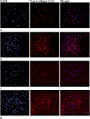
- (Figure S10vii). The samples were then incubated at room temperature for 3 h in a solution containing collagen antibody (5 μg/mL) (Figure S10ix). In the negative control experiment without collagen coating, the procedure was carried out in the same manner, except for the step shown in Figure S10ii. Image


Tailoring Ag–Pt nanoalloys through solid-state dewetting: structural and optical insights
Beilstein J. Nanotechnol. 2026, 17, 748–759, doi:10.3762/bjnano.17.52

- chemical composition of the nanostructures was confirmed using XPS. Measurements were carried out with a hemispherical XPS spectrometer (Argus, Omicron Nanotechnology) equipped with an Mg Kα X-ray source, operated at 15 keV and 300 W. XPS measurements were performed under ultra-high vacuum at room
- temperature, with a pressure below 1.1 × 10⁻⁸ mbar. The results were calibrated to the C 1s line and analyzed using Shirley background subtraction and a Gaussian–Lorentzian curve as the fitting algorithm by the CasaXPS software. Additionally, detailed investigations of the microstructure and chemical




Oxidative atmosphere-driven formation of single-phase spinel CuRh2O4 nanofibers for alkaline water oxidation
Beilstein J. Nanotechnol. 2026, 17, 737–743, doi:10.3762/bjnano.17.50
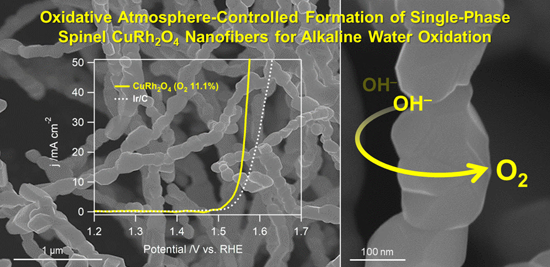
- . The mixture was magnetically stirred for 18 h at room temperature to obtain a fully homogenized spinning solution. The prepared precursor solution was then loaded into a plastic syringe and electrospun using an electrospinning system (NanoNC, ESR200R2). Electrospinning was performed at a feed rate of




Environmental applications of silver nanoparticles: state-of-the-art review and emerging trends
Beilstein J. Nanotechnol. 2026, 17, 697–736, doi:10.3762/bjnano.17.49
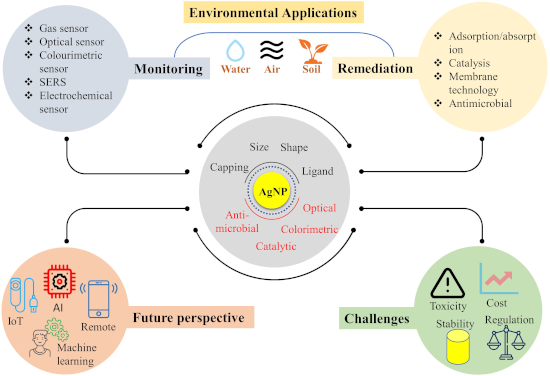
- magnetic nanoparticles and AgNPs showed the removal of the drug ibuprofen from water. 93% removal was achieved at neutral pH, room temperature, and a low adsorbent dose (7 mg in 500 μL), along with reusability of up to three generations (89.3%) [100]. From the above discussion it was confirmed that


Molecular engineering of individual dye-based nanoparticle photostability for ultrabright two-photon fluorescence
Beilstein J. Nanotechnol. 2026, 17, 688–696, doi:10.3762/bjnano.17.48
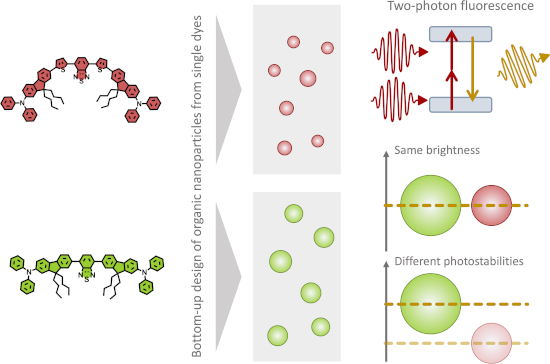
- in the Supplementary Information of [11]. 200 μL of dye solution of either 2 mM of dye 1 or 1 mM of dye 2 in THF were rapidly added to 19.8 mL of freshly distilled water at room temperature, under continuous sonication at 10 W – using a 20 kHz, 130 W ultrasonic processor (Vibra-Cell™ VC130, Sonics


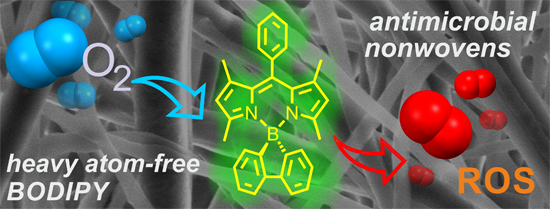
Decontamination from water pollutants and pathogens by electrospun nanofibers doped with heavy-atom-free borafluorene-BODIPY photosensitizers
Beilstein J. Nanotechnol. 2026, 17, 668–682, doi:10.3762/bjnano.17.46
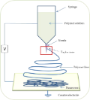
- received without additional purification. Electrospinning process All samples were electrospun using an electrospinning chamber (FLUIDNATEK® LE-5, Bioinicia, Spain) with air conditioning (Bioinicia, Spain) at room temperature and a humidity of ~35% (Figure 2). PCL was dissolved in acetic acid and formic
- ISA-220 Integrating Sphere (reflectance measurements). Emission and fluorescence quantum yields of BODIPY fibers were determined using an Edinburgh Instruments FS5 spectrofluorometer. The measurements were performed at room temperature using solid-state Suprasil quartz cuvettes with front-face



Cellulose as a photocatalyst support material: extraction, structural features, and environmental applications
Beilstein J. Nanotechnol. 2026, 17, 635–652, doi:10.3762/bjnano.17.44
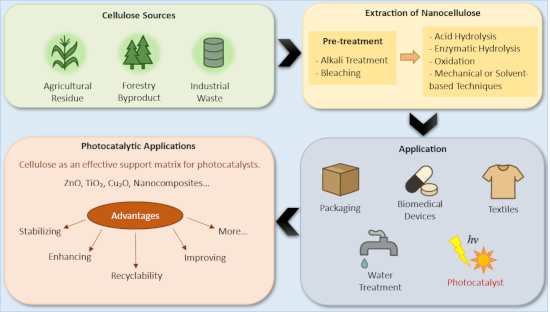
- hydrolysis is a kinetically driven process. At room temperature, the reaction is far too slow, taking more time to achieve high yields. Increasing the temperature provides the necessary activation energy to speed up the reaction. However, temperatures higher than 65 °C will trigger unwanted side reactions
- oxidation sites on cellulose [60]. TEMPO oxidation is a highly sensitive catalytic cycle. The parameters must be tightly controlled to ensure that the reaction only modifies the surface groups without depolymerization. It is usually carried out at room temperature with a pH around 10 and low doses of TEMPO
- forward [61]. The reaction should be maintained at room temperature to prevent degradation of TEMPO radical. TEMPO acts as a catalyst, and it will continuously regenerate during the reaction. It is also expensive and mildly toxic, so keeping its concentration as low as possible is vital for economic and


Recent progress in enhancing built-in electric fields of perovskite solar cells via junction engineering
Beilstein J. Nanotechnol. 2026, 17, 602–621, doi:10.3762/bjnano.17.42
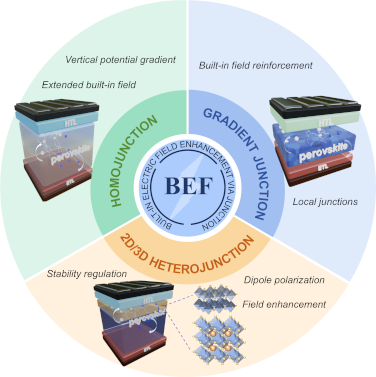
- reduces well state capture through defect passivation, remaining at 93% at room temperature for 5000 h and 85% RH/85 °C. In junction engineering for high-performance PSCs, addressing both interfacial and bulk modulation during the design stage can establish a stronger internal driving field within the
- , which promoted exciton dissociation and carrier transport. This method is compatible with low-temperature processing and maintains stability for over 1000 h. The device retained about 90% of its initial PCE after 1000 h in an unpackaged room-temperature environment with 25% humidity. The Sn/Pb gradient



Impacts of annealing on structural and photophysical properties of zinc phthalocyanine adsorbed on graphene
Beilstein J. Nanotechnol. 2026, 17, 576–585, doi:10.3762/bjnano.17.39
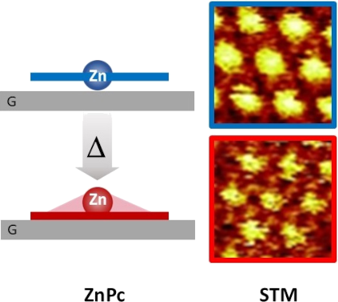
- background (i.e., acquired with a clean-glass sample) is systematically subtracted. Scanning tunneling microscopy The STM images of the dry samples were recorded under ambient conditions (at air and room temperature T ≈ 300 K) with a homemade digital system. The tip was mechanically cut in a Pt/Ir 250 µm


Synthesis of Cu–Mo/TiO2 and Co–Mo/TiO2 photocatalysts for the efficient degradation of organic pollutants in water
Beilstein J. Nanotechnol. 2026, 17, 559–570, doi:10.3762/bjnano.17.37
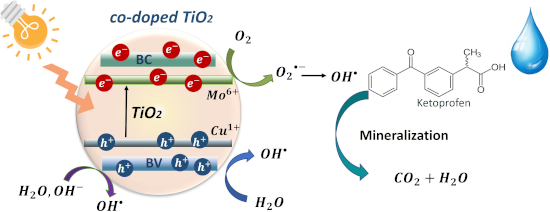
- a 1:10 molar ratio of Ti alkoxide/H2O to obtain the sol. The sol was kept under agitation for 2 h at 65 °C. The resulting gel was aged at room temperature for 24 h and dried at 60 °C for 12 h. Finally, the pure material was thermally treated following a heating program to 600 °C for 6 h. The
- 0.5 mL of acetic acid were added to a mixture of deionized water and ethanol dropwise, using a 1:10 molar ratio of Ti alkoxide/H2O to obtain the sol. After the hydrolysis step, the sol was kept under agitation for 2 h at 65 °C. The resulting gel was aged at room temperature for 24 h and dried at 60 °C
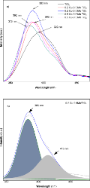
- in the range of 200–800 nm. The photoluminescence analysis was performed at room temperature with a fluorescence spectrophotometer Agilent Cary Eclipse, using an excitation wavelength of 320 nm. Peak deconvolution in the PL spectrum was done using the software XPSPEAK41 for deconvolution and