


Search results
Search for "scattering" in Full Text gives 893 result(s) in Beilstein Journal of Nanotechnology. Showing first 200.
Enhanced erosion resistance and radiation stability of WC–WO3 nanocomposite films under 100 keV Kr+ ion irradiation
Beilstein J. Nanotechnol. 2026, 17, 922–934, doi:10.3762/bjnano.17.65
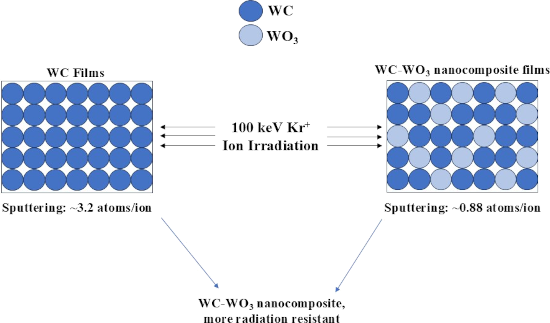
- scattering angle of 165°, with a beam spot size of around 2 mm in diameter. The RBS spectra were analysed using SIMNRA 6.06 software [74]. Further, to find the crystalline state of the nanocomposite films (S1) both before and after irradiation, glancing incidence X-ray diffraction (GIXRD) measurements were
- of around 6 nm. Figure 4 displays a typical RBS spectrum of the WC films (S2). The peak at higher energy values represents tungsten (W). The carbon (C) peak was not clearly distinguishable due to carbon’s small atomic number and low Rutherford scattering cross section. The continuous broad region at



Tuning the electronic properties of defect-rich MoS2
Beilstein J. Nanotechnol. 2026, 17, 796–805, doi:10.3762/bjnano.17.56
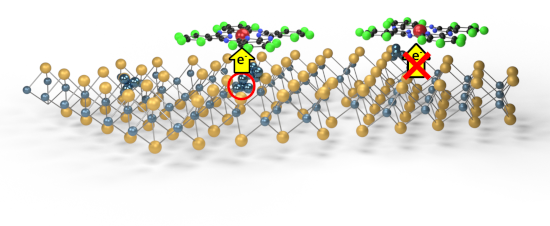
- significantly affect surface-enhanced Raman scattering and photoluminescence properties of MoS2 [24][25]. Furthermore, it has been reported that the adsorption of titanyl phthalocyanine (TiOPc) might be an effective defect passivation method for MoS2 [26]. In the present study, we intentionally create defects
- electronic structure depicted in Figure 1. The sharp features shown therein may originate to a large extent from deeper layers, broadened and attenuated due to scattering at the topmost atoms. Contributions from the top layer appear as background intensity in Figure 1 and do not contribute to the well


Restorative potential of laser-synthesized silver nanoparticles with Salvia officinalis for periodontal disease treatment: an in vitro study
Beilstein J. Nanotechnol. 2026, 17, 781–795, doi:10.3762/bjnano.17.55
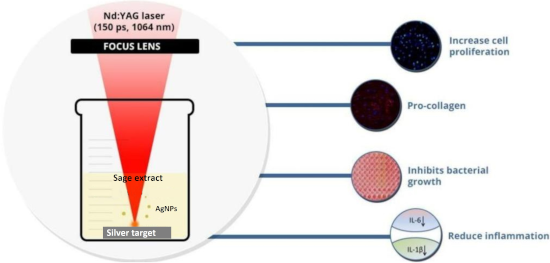
- . AgNPs were synthesized at two laser pulse energies (2 and 6 mJ), in sage extract and deionized water, and characterized by dynamic light scattering, transmission electron microscopy, and inductively coupled plasma optical emission spectroscopy. Synthesis at 6 mJ in sage extract (SageAgNPs6mJ) yielded
- mg·L−1 ± SD. The hydrodynamic diameters (dH) of the obtained nanoparticles were analyzed by using the dynamic light scattering (DLS) technique using a Zetasizer NanoZS90 (Malvern Panalytical, UK) with a 633 nm He–Ne laser source and 90° detection optics. The measurements were performed in disposable



Substrate-dependent pore formation in molybdenum disulfide monolayers under ion irradiation
Beilstein J. Nanotechnol. 2026, 17, 769–780, doi:10.3762/bjnano.17.54
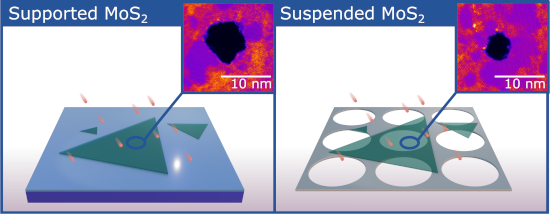
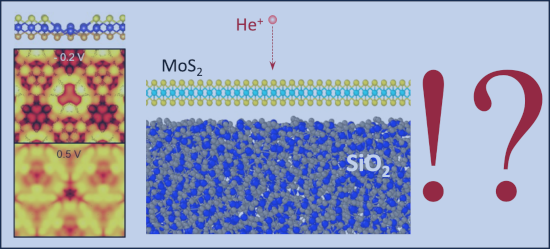
- -induced disorder and charge trapping are expected to increase carrier scattering, thereby limiting lateral spreading of the non-equilibrium electronic excitation. This is known from several studies [48][49] on charge transport in MoS2 that report higher carrier mobility in suspended monolayers than in


Environmental applications of silver nanoparticles: state-of-the-art review and emerging trends
Beilstein J. Nanotechnol. 2026, 17, 697–736, doi:10.3762/bjnano.17.49
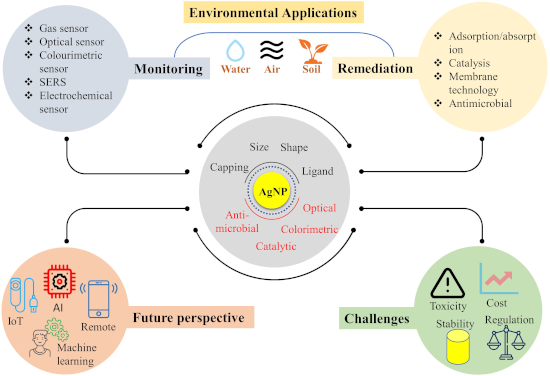
- needed before engineering AgNPs for particular applications. AgNPs are characterised using optical spectroscopy, electron microscopy, X-ray diffraction, and dynamic light scattering (DLS) to measure plasmonic absorbance, size, shape, structure, and stability [49]. Optical spectroscopy is a rapid and


Two-step laser synthesis of Ag@TiO2 nanomaterials for the photocatalytic degradation of rhodamine B
Beilstein J. Nanotechnol. 2026, 17, 622–634, doi:10.3762/bjnano.17.43
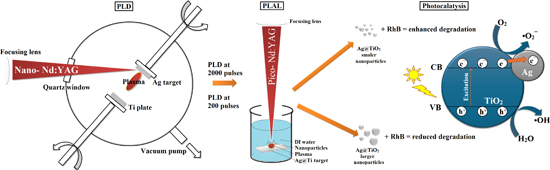
- times greater in the Ag@TiO2 2000p than in the Ag@TiO2 200p NP solution. The nanoparticle sizes and size distributions were measured using a zeta potential analyzer with dynamic light scattering (DLS). Table 2 summarizes the average dimensions of the synthesized nanoparticles. Ag@TiO2 200p and Ag@TiO2
- distribution of Ag@TiO2 nanoparticles determined by dynamic light scattering (DLS). (a) Ag@TiO2 200p and (b) Ag@TiO2 2000p NPs. (a) UV–vis absorbance spectra and (b) bandgap energy of TiO2 and Ag@TiO2 NPs samples. Photocatalytic degradation of RhB with (a) Ag@TiO2 200p NPs and (b) Ag@TiO2 2000p NPs, (c


Impacts of annealing on structural and photophysical properties of zinc phthalocyanine adsorbed on graphene
Beilstein J. Nanotechnol. 2026, 17, 576–585, doi:10.3762/bjnano.17.39
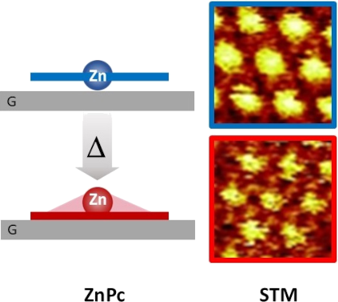
- -enhanced Raman scattering (GERS) [27]. Such combinations allow atomic-scale inspection of both molecular organization and electronic structures. These 2D systems are accessible to numerical simulations such as density-functional theories, in particular concerning Pcs [18][28]. Such simulations can be
- and Raman micro-spectroscopy The strong excited-state quenching exerted by the graphene layer on adsorbed ZnPc molecules permits to strongly reduce the fluorescence quantum yield of the latter and thus permits the measurements of its Raman scattering spectrum. The corresponding spectra excited at 633
- nm are reported in Figure 2. Only ZnPc and graphene absorb at this excitation wavelength and can emit a resonantly enhanced Raman scattering detectable even at the monolayer level. On the contrary, TSB35-C12 is driven far from its resonance (its absorption starts at wavelengths shorter than 350 nm


Fractional shot noise of an SU(N) Kondo system
Beilstein J. Nanotechnol. 2026, 17, 515–540, doi:10.3762/bjnano.17.34
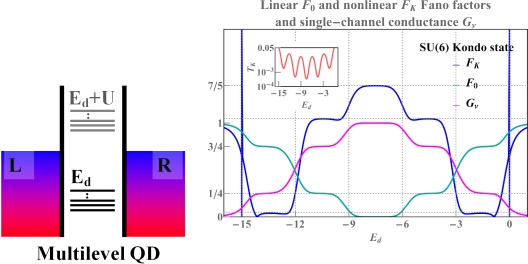
- quasiparticle partitioning. To discuss nonlinear conductance, susceptibilities, and shot noise in the strong coupling regime, we apply Fermi liquid theory with parameters expressed by susceptibilities of pseudofermions determined within SBMFA. Nonlinear shot noise is dominated by two-quasiparticle scattering
- elastically on the Kondo resonance. SBMFA correctly describes spin or pseudospin fluctuations in the unitary regime. In the large, infinite-N limit, this description of the SU(N) Kondo effect is exact. For finite N, however, apart from elastic scattering of quasiparticles described by energy-dependent phase
- shift, one must also deal with two particle scattering off the singlet. At finite degeneracy, fluctuations of slave bosons about their mean-field coherent states determine the size of current fluctuations. Motions of the quasiparticles generate fluctuations that create interactions between


![[Graphic 127]](/bjnano/content/inline/2190-4286-17-34-i187.svg?max-width=637&scale=1.18182)

Probing internal continua and atomic ultrafast charge transfer within size-controlled nanoparticles by post-collision interaction in core-hole clock spectroscopy
Beilstein J. Nanotechnol. 2026, 17, 505–514, doi:10.3762/bjnano.17.33
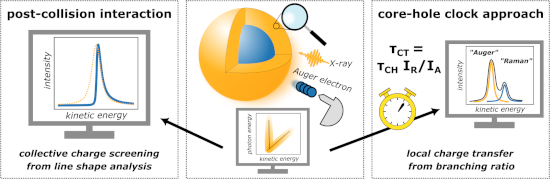
- . Asymmetric line shapes and peak shifts are common to Auger resonant Raman scattering and resonant photoemission in atomic and molecular systems with free-electron continua and resonances leading to PCI. We propose that the general concept of PCI for free electrons can be extended and generalized to
- efficiently screen the ion charge, reducing the PCI effect [38]. Conversely, strong electron scattering reduces the effective attenuation length, slowing the photoelectron advancement; thus, it increases the PCI strength [39]. An increasing PCI effect is observed in growing multilayers of xenon on palladium



Defects and defect-mediated engineering of two-dimensional materials: challenges and open questions
Beilstein J. Nanotechnol. 2026, 17, 454–488, doi:10.3762/bjnano.17.31
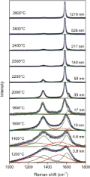
- can, in principle, emerge due to defects [90][91], in practice they are rarely observed owing to the low concentration of defects and low signal-to-noise ratio, which becomes particularly pertinent with 2D materials due the small volume for scattering. In most cases, one observes changes in the Raman
- ), mostly for pristine materials, but in a few cases also with defects [94][115]. In order to model Raman scattering, a model for the response of the material to incoming light is required. In the non-resonant case, Raman scattering is allowed when the atomic displacement of a vibrational mode leads to a
- (first-order) change in the electronic susceptibility (or polarizability). Similar to machine learning (ML) models for energies, one can also build ML models for polarizability [116][117][118]. The main difference is that Raman scattering is described by a second-rank tensor, which depends on the





Nanocarrier-integrated multilayer films produced by 3D printing for improved skin adhesion and curcumin photostability
Beilstein J. Nanotechnol. 2026, 17, 440–453, doi:10.3762/bjnano.17.30
- potential The z-average particle size and the polydispersity index were measured by dynamic light scattering using a Zetasizer® Nano ZS (ZEN 3600, Malvern Instruments, USA). For this analysis, 10 µL of the C-NC formulation was diluted in 5 mL of ultrapure water (previously filtered through a 0.45 µm
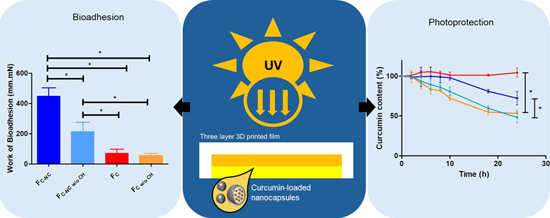
- (TiO2), was designed to act as a photoprotective barrier. TiO2 acts as a physical UV filter by reflecting and scattering ultraviolet radiation, which is hypothesized as a strategy to reduce curcumin photodegradation [34][35]. Overall, this multilayer strategy highlights how SSE-based 3D printing enables


Interconnection morphology effects on the radio frequency response of carbon nanotube sponges
Beilstein J. Nanotechnol. 2026, 17, 343–351, doi:10.3762/bjnano.17.23
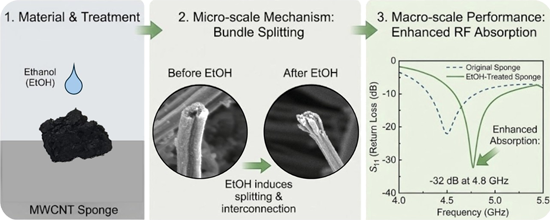
- authors explained on the basis of two distinct effects; one is the addition of scattering centres associated with the ethanol wetting, and the second is a densification of the material. While we agree with the first effect, which we think is not permanent because ethanol evaporates after some time, our



Beam shaping techniques for pulsed laser ablation in liquids: Unlocking tunable control of nanoparticle synthesis in liquids
Beilstein J. Nanotechnol. 2026, 17, 309–342, doi:10.3762/bjnano.17.22
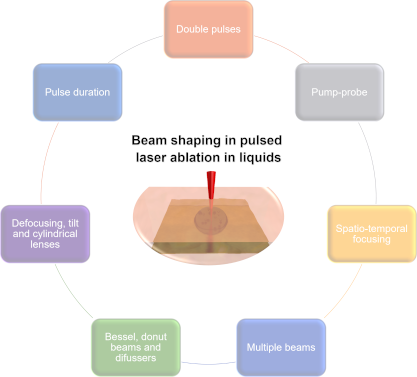
- spot size of 100 μm, to an irradiance threshold of ≈1010 W·cm−2 [112][113]. When the irradiance exceeds the self-focusing threshold at 1010 W·cm−2, several nonlinear processes such as self-phase modulation, four-wave mixing, Raman scattering, and self-steepening cause severe spectral broadening
- , generating a supercontinuum. In addition to self-focusing in the solvent, it is important to consider the influence of NPs already present in the liquid on the optical breakdown threshold. Dispersed NPs act as additional scattering and absorption centres, leading to local field enhancement in their vicinity
- emission and cavitation. In general, these microbubbles cause laser energy losses and distortion of the laser spatial profile due to scattering and should be avoided to maximise PLAL productivity and control the irradiation parameters on the target. The fluence (Φ0), that is, the energy per unit area, is







Fast vortex dynamics and relaxation times in NbRe-based heterostructures
Beilstein J. Nanotechnol. 2026, 17, 292–302, doi:10.3762/bjnano.17.20
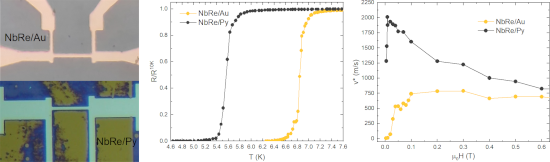
- ]. In classical, low-Tc superconductors, the dominant relaxation channel is provided by e–ph scattering events [17], while in high-Tc superconductors the situation is reversed, with e–e recombination playing a major role in energy relaxation [18]. The efficiency of these processes and the value of τE
- critical velocity is inversely proportional to the square root of the inelastic scattering time τE, and it is independent on the external magnetic field. This result follows from the core assumption of the LO theory, namely that f(E) is spatially uniform within the superconductor. Consequently, while the
- . Finally, in addition to the spectral argument, general considerations related to increased scattering rates should also be considered. In S/N and S/F systems, additional scattering channels become available for quasiparticles both in the proximized superconducting layer and in the adjacent region where


Advancing nanolithography: a comprehensive review of materials for local anodic oxidation with AFM
Beilstein J. Nanotechnol. 2026, 17, 275–291, doi:10.3762/bjnano.17.19
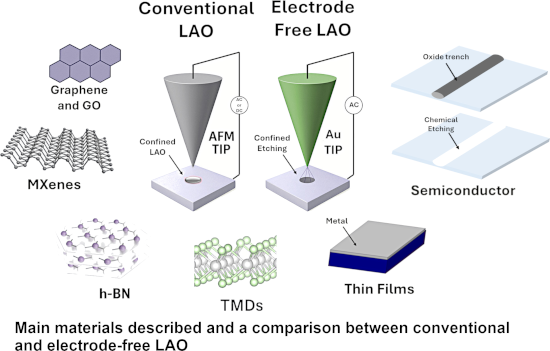
- features. Different materials exhibit varying oxidation kinetics, conductivity, and susceptibility to environmental conditions. For example, TMDs such as MoS2 and WSe2 are especially sensitive to phonon scattering, which significantly influences their thermal conductivity, electrical transport properties


Gold nanoparticle-decorated reduced graphene oxide as a highly effective catalyst for the selective α,β-dehydrogenation of N-alkyl-4-piperidones
Beilstein J. Nanotechnol. 2026, 17, 218–238, doi:10.3762/bjnano.17.15
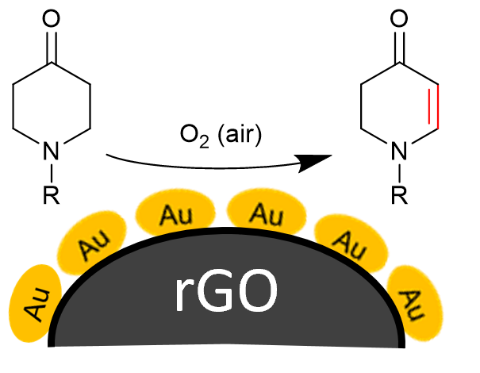
- scattering (DLS) measurements was 12 nm (Figure 4b). Transmission electron microscopy (TEM) analysis showed spherical and well-dispersed nanoparticles and their particle size distribution (Figure 4c), based on the measurements of approximately 200 nanoparticles, yielded an average diameter of 12 nm with a


Influence of surface characteristics on the in vitro stability and cell uptake of nanoliposomes for brain delivery
Beilstein J. Nanotechnol. 2026, 17, 139–158, doi:10.3762/bjnano.17.9
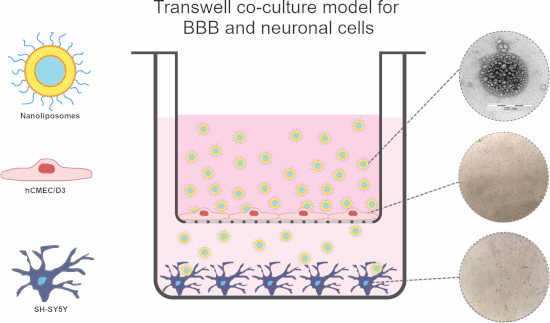
- for asymmetric flow field-flow fractionation analysis (AF4 analysis). Experiments were carried out by in-line coupling the AF4 system with UV–vis, multi-angle light scattering (MALS), and dynamic light scattering (DLS) detectors. The AF4 system used was composed of an Eclipse Dualtec separation system
- first determined, as well as after their incubation with serum-free and serum-supplemented cell culture medium over 1 and 4 h. Prior to performing these fractionation analyses, the z-average mean diameter of the NLs was also examined by dynamic light scattering in batch mode, and ranged from 96.10
- ± 0.81 to 140.20 ± 0.95 nm (PDI < 0.256). The data in the literature suggests that DLS is widely employed for sizing liposomes and other colloidal materials. It operates by detecting laser light scattered due to the Brownian motion of particles or macromolecules in suspension, with the scattering




Development and in vitro evaluation of liposomes and immunoliposomes containing 5-fluorouracil and R-phycoerythrin as a potential phototheranostic system for colorectal cancer
Beilstein J. Nanotechnol. 2026, 17, 97–121, doi:10.3762/bjnano.17.7
- Sepharose CL-4B column eluted with PBS (pH 7.4) [19]. 2.3 Sample characterization 2.3.1 Particle size, polydispersity and zeta potential The hydrodynamic vesicle size and polydispersity index (PDI) were performed by dynamic light scattering (DLS), and the zeta potential by electrophoretic light scattering



Improving magnetic properties of Mn- and Zn-doped core–shell iron oxide nanoparticles by tuning their size
Beilstein J. Nanotechnol. 2025, 16, 2285–2295, doi:10.3762/bjnano.16.157
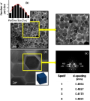
- be attributed to dynamic scattering effects or local structural ordering, as frequently observed in electron diffraction studies of ferrites. These features collectively indicate a high degree of crystallinity, consistent with previous reports on spinel ferrite nanoparticles [18]. To enhance the



Geometry-controlled engineering of the low-temperature proximity effect in normal metal–superconductor junctions
Beilstein J. Nanotechnol. 2025, 16, 2265–2273, doi:10.3762/bjnano.16.155
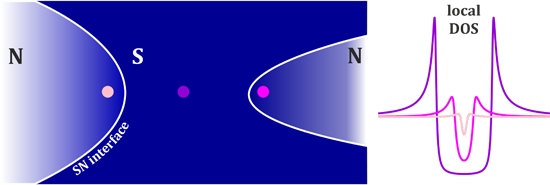
- spatial dimensionality of the system [33], taking values of α = 1 in 3D [7][29][32], α = 1/2 in 2D [34][35], and α = 0 in 1D [36]. This behavior holds for distances z smaller than both the thermal decay length and the mean free path l = vnτ, where τ is the impurity scattering time [32]. Beyond these
- hybrid devices by enhancing normal quasiparticle scattering at the expense of Cooper pair transport [42]. Although interface transparency can be tuned by chemical surface treatments or in situ growth [43], an alternative and less explored approach is to control the proximity effect via the geometry of
- geometric variations modify the amplitude and spatial profile of the Cooper pair wave function, as well as the effective barrier potential at the interface. These geometric effects influence the balance between Andreev reflection and quasiparticle scattering, modulate pair-breaking mechanisms, and thus


Chiral plasmonic nanostructures fabricated with circularly polarized light
Beilstein J. Nanotechnol. 2025, 16, 2245–2264, doi:10.3762/bjnano.16.154
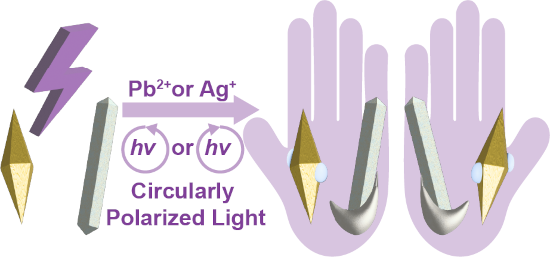
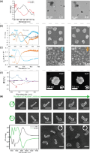
- studying the physical properties of cPNSs, for example, ensemble CD [53], single particle level CPL scattering [54], and nonlinear chiroptic effects [55]. In 2018, the Tatsuma group reported chiral AuNR/PbO2 nanostructures facilitated by CPL [20] (Figure 1f). The Tang and Dionne groups built on this work
- nanocubes exhibiting complex shapes in SEM images were synthesized using an aqueous solution of HAuCl4, methanol, and PVP with CPL [59]. The optical activity of the nanocubes was observed clearly in single-particle differential circular dichroism scattering spectra, as shown in Figure 4d. Optically chiral
- reported. The authors of [59] conducted single-particle circular differential scattering spectroscopy (CDS) on their Au nanocubes. In a recent study, enhanced structural chirality of all-metal PNSs was achieved through galvanic replacement reactions (GRRs) modulated by CPL when achiral seeds were





Optical bio/chemical sensors for vitamin B12 analysis in food and pharmaceuticals: state of the art, challenges, and future outlooks
Beilstein J. Nanotechnol. 2025, 16, 2207–2244, doi:10.3762/bjnano.16.153
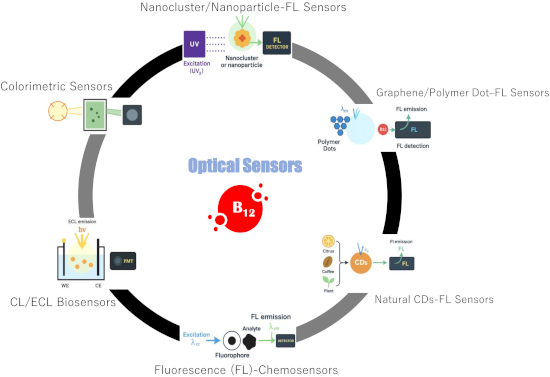
- output, utilizing the optical properties of the signal such as fluorescence, absorbance, refractive index, and Raman scattering for quantification and evaluation. The most prevalent types of optical sensing include colorimetric, plasmonic, fluorescence, and spectrophotometric methods due to their ease of


Electromagnetic study of a split-ring resonator metamaterial with cold-electron bolometers
Beilstein J. Nanotechnol. 2025, 16, 2199–2206, doi:10.3762/bjnano.16.152
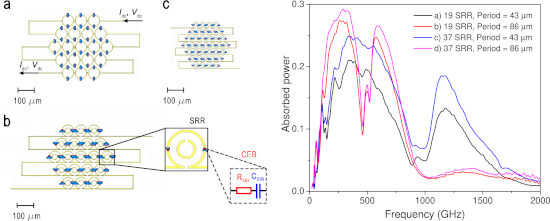
- are governed by the requirement to fill the Airy spot of the silicon lens. If the total array size is smaller than the Airy spot, a portion of the incident signal will not interact with the metamaterial, instead scattering into the surrounding space. Our simulations confirm this principle: A reduction


Ultrathin water layers on mannosylated gold nanoparticles
Beilstein J. Nanotechnol. 2025, 16, 2183–2198, doi:10.3762/bjnano.16.151
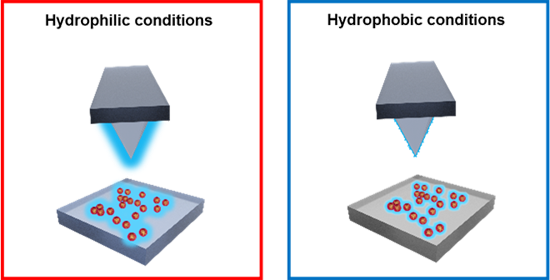
- light scattering, and infrared spectroscopy. We probed particles adsorbed on hydrophilic and hydrophobic surfaces with atomic force microscopy (AFM) and vibrational sum frequency generation (VSFG) spectroscopy, both operated under variable air humidity. For AFM, we additionally tested hydrophilic and
- short oligo(ethylene glycol) chains. The particles were first characterized by dynamic light scattering (DLS) and zeta potential (ZP) measurements in solution, and by scanning electron microscopy (SEM) and scanning transmission electron microscopy (STEM) in vacuum. Samples were adsorbed on flat
- good contrast [25]. The STEM images in dark-field mode (imaging scattered electrons) show the gold cores as bright structures, whereas the thin organic layers are darker. The carbon grid yields practically no scattering and appears essentially black, such that both the core and shell of the particles



Quality by design optimization of microemulsions for topical delivery of Passiflora setacea seed oil
Beilstein J. Nanotechnol. 2025, 16, 2116–2131, doi:10.3762/bjnano.16.146
- desirable nanostructural features over time [39]. It is important to note, however, that NaCMC forms polymeric networks when dispersed in aqueous media, which scatter light and may artificially increase the measured hydrodynamic diameter [40]. Consequently, dynamic light scattering (DLS) data may not
- accurately reflect the true droplet size distribution in the MEgel. This phenomenon is evident from the apparent increase in mean hydrodynamic diameter to 45.1 nm and PdI to 0.27, which is attributed to NaCMC matrix scattering rather than actual droplet growth [40]. A comparison of the hydrodynamic diameter
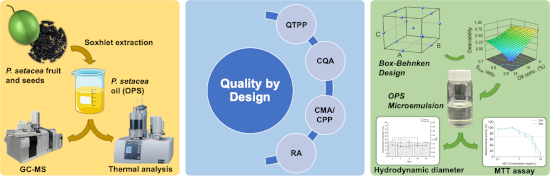
- microemulsions were determined by dynamic light scattering using a Zetasizer® Nano ZS (Malvern Panalytical Ltd. – Malvern, United Kingdom) at 25 °C with a fixed backscattering angle of 173°. Prior to analysis, samples were diluted in purified water (1:40 v/v) [13]. All measurements were performed in triplicate





