


Search results
Search for "phenolic compounds" in Full Text gives 28 result(s) in Beilstein Journal of Nanotechnology.
Electrochemical behavior of polypyrrol/AuNP composites deposited by different electrochemical methods: sensing properties towards catechol
Beilstein J. Nanotechnol. 2015, 6, 2052–2061, doi:10.3762/bjnano.6.209
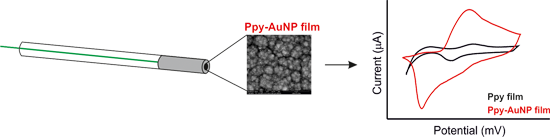
- detection of phenolic compounds, which are strong antioxidant reagents present in foods, with beneficial effects on human health [23]. As phenols are electroactive compounds, they can be detected by amperometric or voltammetric techniques using graphite or platinum electrodes [24][25][26]. In addition


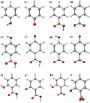
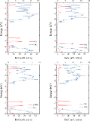
DFT study of binding and electron transfer from colorless aromatic pollutants to a TiO2 nanocluster: Application to photocatalytic degradation under visible light irradiation
Beilstein J. Nanotechnol. 2014, 5, 1016–1030, doi:10.3762/bjnano.5.115

- ][10]. The assumption of a surface CTC in the visible light catalysis was supported by subsequent work on various other types of systems, such as phenolic compounds [11][12], fluoroquinolone antibacterial agents [13], and various colorless aromatic pollutants [14]. Despite the extensive experimental



A catechol biosensor based on electrospun carbon nanofibers
Beilstein J. Nanotechnol. 2014, 5, 346–354, doi:10.3762/bjnano.5.39
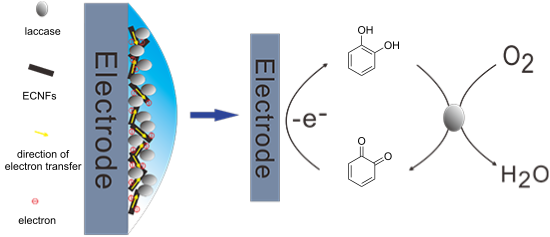
- electrocatalytic properties. However, it is rarely reported that ECNFs were utilized directly in the design of enzyme-based biosensors. Phenolic compounds, which widely occur in processes of agriculture and industry, often cause severe health problems in human beings and animals [28]. So it is important to develop
- fast and effective methods to detect phenolic compounds. Laccase (benzendiol:oxygen oxidoreductases; EC 1.10.3.2), a multicopper oxidase widely distributed in plant and fungal species, can reduce oxygen directly to water through a four-electron transfer step, and this chemical reaction does not produce
- hydrogen peroxide (H2O2) [29]. Based on this, laccase has been utilized to fabricate a variety of biosensors, including biosensors for phenolic compounds [30]. Nafion, a linear perfluorosulfonate polymer possesses good cation-exchange properties, biocompatibility and film-forming properties and has been


Other Beilstein-Institut Open Science Activities



