
Search results
Search for "scalability" in Full Text gives 96 result(s) in Beilstein Journal of Nanotechnology.
Current status of using adsorbent nanomaterials for removing microplastics from water supply systems: a mini review
Beilstein J. Nanotechnol. 2025, 16, 1837–1850, doi:10.3762/bjnano.16.127
- ensure their safe integration into existing water treatment infrastructures [119]. Furthermore, addressing challenges such as high production costs, scalability, and the risk of secondary pollution is imperative for the widespread adoption of nanomaterial-based technologies in MP elimination [120
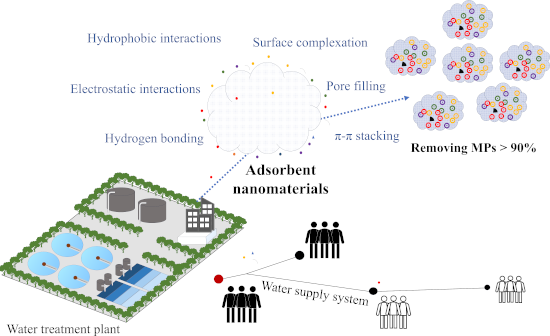
- scalability, adsorbent nanomaterials offer a strong foundation for sustainable solutions that safeguard both human health and aquatic ecosystems. Sources and distribution of MPs in environmental systems. An illustration of the four main groups and mechanisms of adsorbent nanomaterials. SEM and TEM image of


Phytol-loaded soybean oil nanoemulsion as a promising alternative against Leishmania amazonensis
Beilstein J. Nanotechnol. 2025, 16, 1826–1836, doi:10.3762/bjnano.16.126
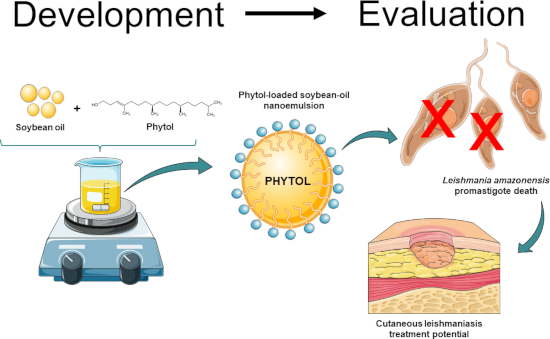
- permeation. Nevertheless, the present findings indicate that entrapment enhances selectivity and therapeutic efficacy of phytol. Therefore, PHYT-NE emerges as a promising and safe alternative for the treatment of cutaneous leishmaniasis, warranting additional evaluations to access the scalability potential


Exploring the potential of polymers: advancements in oral nanocarrier technology
Beilstein J. Nanotechnol. 2025, 16, 1751–1793, doi:10.3762/bjnano.16.122
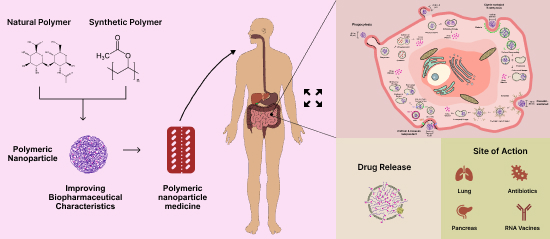
- frequently involve non-biodegradable monomers, generate non-biocompatible byproducts, and require extensive purification to eliminate potentially toxic residues, thereby complicating scalability and regulatory compliance. Moreover, the use of free radicals or ultraviolet light to initiate polymerization


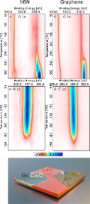
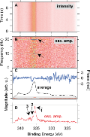
Ambient pressure XPS at MAX IV
Beilstein J. Nanotechnol. 2025, 16, 1677–1694, doi:10.3762/bjnano.16.118

- performance in integrated circuits. Its precision, scalability, and ability to produce conformal films on intricate surfaces make ALD a cornerstone in the pursuit of miniaturization and enhanced performance in technology. ALD achieves such high levels of growth control by a well-separated alternating exposure





Prospects of nanotechnology and natural products for cancer and immunotherapy
Beilstein J. Nanotechnol. 2025, 16, 1644–1667, doi:10.3762/bjnano.16.116
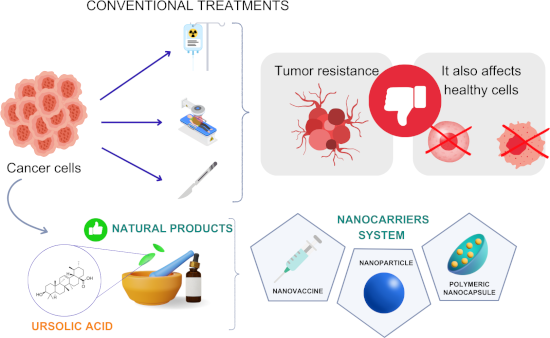
- biological environments, potential immunogenicity, scalability of manufacturing processes, and the need for comprehensive long-term toxicity studies [20][21]. Overcoming biological barriers, such as penetration through the dense tumor extracellular matrix, also remains a major hurdle [19]. Nevertheless
- compounds must have properties that contribute to a stable formulation, difficulty in controlling physicochemical characteristics, such as particle size, which can affect reproducibility and scalability, and problems related to rapid clearance and interaction with non-target tissues, mainly due to the



Nanotechnology-based approaches for the removal of microplastics from wastewater: a comprehensive review
Beilstein J. Nanotechnol. 2025, 16, 1607–1632, doi:10.3762/bjnano.16.114
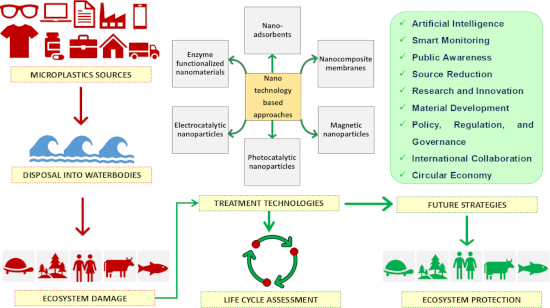
- for MP monitoring. Despite high laboratory scale efficiencies, there are several challenges such as material scalability, environmental safety, regulatory frameworks, and real water applicability. This study proposes future directions for sustainable nanotechnology deployment, including green
- scalability remain ongoing challenges. Physical processes Various membrane filtration technologies have been employed to mitigate MP pollution, including microfiltration, membrane bioreactors, reverse osmosis, dynamic membranes, and ultrafiltration. Additionally, media filtration techniques, such as sand
- system complexity. Preventive approaches, such as glutenin-genipin cross-linked coatings, effectively reduce plastic shedding under harsh conditions using biodegradable materials; however, they address only source control and lack proven scalability. Imine-functionalized mesoporous magnetic silica


Transient electronics for sustainability: Emerging technologies and future directions
Beilstein J. Nanotechnol. 2025, 16, 1545–1556, doi:10.3762/bjnano.16.109
- environment, thus serving as a foundational element in the realization of high-performance bioresorbable electronic systems. Fabrication strategies and scalability of bioresorbable electronics Hybrid architectures that combine the high-performance characteristics of inorganic electronic components with the
- , and high-throughput manufacturing of bioresorbable electronics, supporting both scalability and device integration. Early demonstrations have successfully produced temperature [6][14][27][75][76], strain [6][14][27][77][78], and pH sensors [6][27][75][79] based on silicon and bioresorbable metals
- materials will be a key research direction, especially as it aligns with the future scalability and applicability of bioresorbable and transient electronic devices. Another critical frontier lies in protective encapsulation strategies that balance mechanical flexibility, moisture resistance, and eventual


Laser processing in liquids: insights into nanocolloid generation and thin film integration for energy, photonic, and sensing applications
Beilstein J. Nanotechnol. 2025, 16, 1428–1498, doi:10.3762/bjnano.16.104
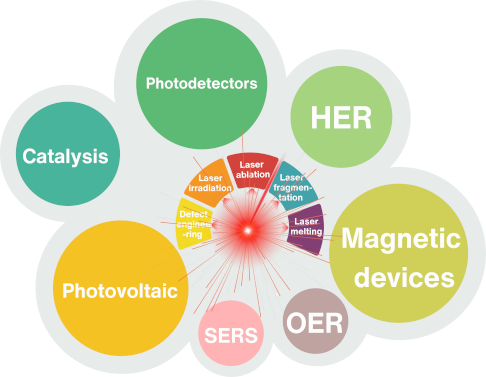
- potential in applications like catalysis. This technique has become a valuable addition to the toolbox of nanoparticle synthesis, offering enhanced precision and scalability for advanced materials and applications [6][29][30]. The synthesis of lead telluride (PbTe) NPs was successfully performed through
- mobility of charged particles in a suspension under an electric field to deposit them onto a substrate (Figure 14e). The key advantages of EPD include precise control over film thickness, uniform deposition, scalability for large-area coatings, and compatibility with a variety of materials achieved through






The role of biochar in combating microplastic pollution: a bibliometric analysis in environmental contexts
Beilstein J. Nanotechnol. 2025, 16, 1401–1416, doi:10.3762/bjnano.16.102
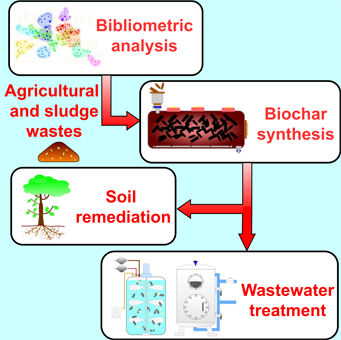
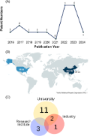
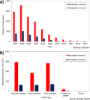
- , particularly for smaller MPs. The scalability of biochar applications requires further validation through pilot studies and field-scale implementation. Additionally, the integration of biochar with advanced treatment technologies, such as fluidized-bed systems, could enhance process feasibility. Regulatory



Ferroptosis induction by engineered liposomes for enhanced tumor therapy
Beilstein J. Nanotechnol. 2025, 16, 1325–1349, doi:10.3762/bjnano.16.97
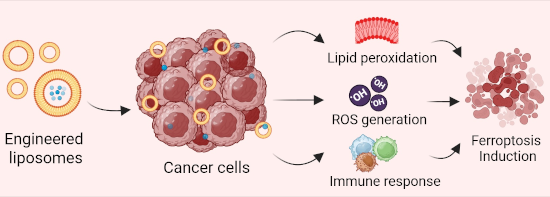
- allow for better control of liposome size, lamellarity, and drug loading. For example, microfluidics, membrane contactors, and pressure-controlled processes can improve EE, reduce organic solvent residues, and improve scalability and reproducibility [111][112][113]. The most commonly used synthesis
- traditional methods, such as thin film hydration, to produce liposomes and lipid nanoparticles [113][120]. Microfluidics offers exceptional control over particle size, lower variability, higher EE, and better scalability, making it the most advanced and practical approach for nanoparticle production [115][119


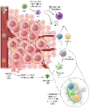
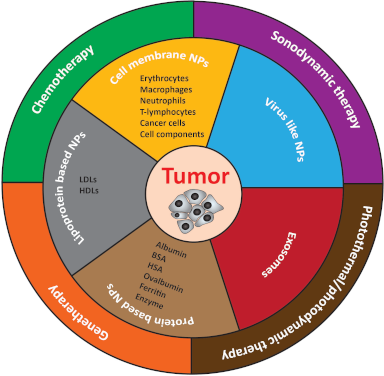
Better together: biomimetic nanomedicines for high performance tumor therapy
Beilstein J. Nanotechnol. 2025, 16, 1246–1276, doi:10.3762/bjnano.16.92


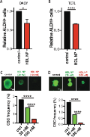
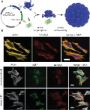






Crystalline and amorphous structure selectivity of ignoble high-entropy alloy nanoparticles during laser ablation in organic liquids is set by pulse duration
Beilstein J. Nanotechnol. 2025, 16, 1141–1159, doi:10.3762/bjnano.16.84
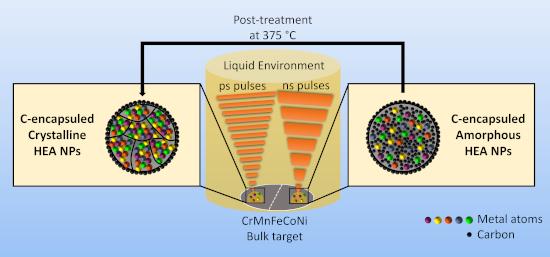
- approach for the synthesis of colloidal HEA NPs is magnetron sputtering, though special requirements such as vacuum stable solvents (e.g., ionic liquids) limit its widespread use [32] and scalability is limited. Colloidal NP products have several advantages. For instance, in the fabrication of




Piezoelectricity of hexagonal boron nitrides improves bone tissue generation as tested on osteoblasts
Beilstein J. Nanotechnol. 2025, 16, 1068–1081, doi:10.3762/bjnano.16.78
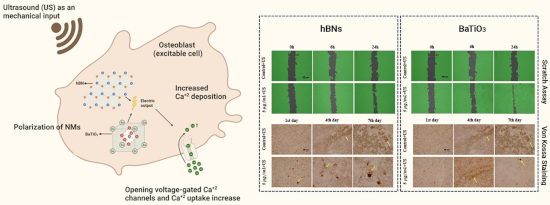
- such as low synthesis scalability, unavoidable defects, and inhomogeneity. Producing high-quality hBNs with controlled layer numbers depends heavily on precursor selection, ambient gas conditions, and substrate of choice [37]. Emerging solutions include both top-down (mechanical and chemical


Colloidal few layered graphene–tannic acid preserves the biocompatibility of periodontal ligament cells
Beilstein J. Nanotechnol. 2025, 16, 664–677, doi:10.3762/bjnano.16.51
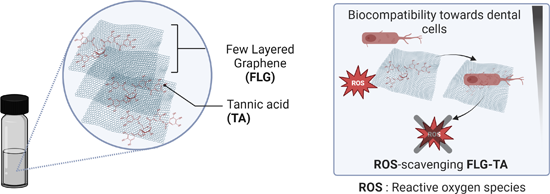
- determined by the presence of impurities in the graphene structure [9]. Among other GBMs, few-layer graphene (FLG), synthesized through liquid-phase exfoliation (LPE), has emerged as a particularly advantageous option [10][11]. LPE is highly regarded for its simplicity, scalability, and effectiveness in




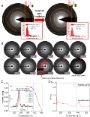
Focused ion and electron beams for synthesis and characterization of nanomaterials
Beilstein J. Nanotechnol. 2025, 16, 613–616, doi:10.3762/bjnano.16.47
- unrivaled spatial resolution and 3D capabilities, focused ion and electron beams technologies face challenges in reproducibility and scalability, hindering their commercial applications. Hence, these techniques require better understanding of the atomistic mechanisms involving ions, electrons, adsorbates

Synthetic-polymer-assisted antisense oligonucleotide delivery: targeted approaches for precision disease treatment
Beilstein J. Nanotechnol. 2025, 16, 435–463, doi:10.3762/bjnano.16.34
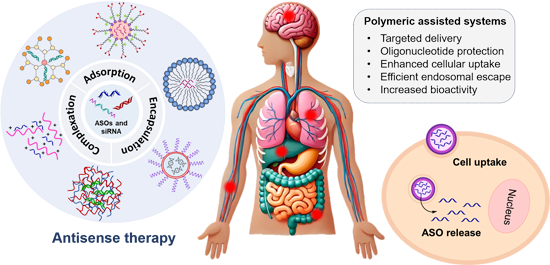
- past decade demonstrating how these polymers improve gene silencing efficiencies, particularly in cancer and neurodegenerative disease models. Despite the progress achieved, barriers such as immunogenicity, delivery limitations, and scalability still need to be overcome for broader clinical application


Emerging strategies in the sustainable removal of antibiotics using semiconductor-based photocatalysts
Beilstein J. Nanotechnol. 2025, 16, 264–285, doi:10.3762/bjnano.16.21
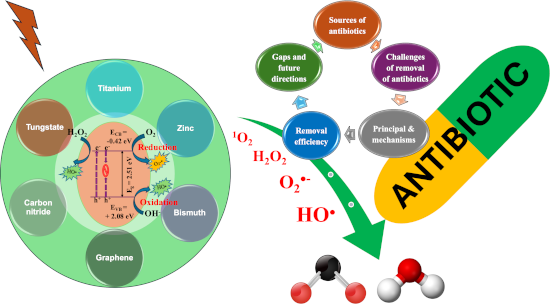
- improve the performance and scalability for wider use in real-world situations. Keywords: antibiotics; degradation pathways; heterojunctions; mechanisms; photocatalysts; semiconductor; Introduction Antibiotics are chemical substances used to treat bacterial infections in humans, animals, aquaculture



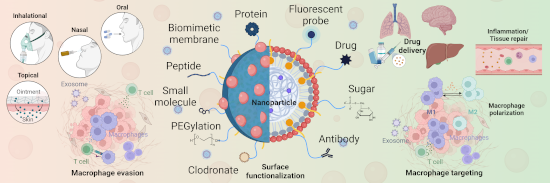
Nanocarriers and macrophage interaction: from a potential hurdle to an alternative therapeutic strategy
Beilstein J. Nanotechnol. 2025, 16, 97–118, doi:10.3762/bjnano.16.10


Fabrication of hafnium-based nanoparticles and nanostructures using picosecond laser ablation
Beilstein J. Nanotechnol. 2024, 15, 1639–1653, doi:10.3762/bjnano.15.129
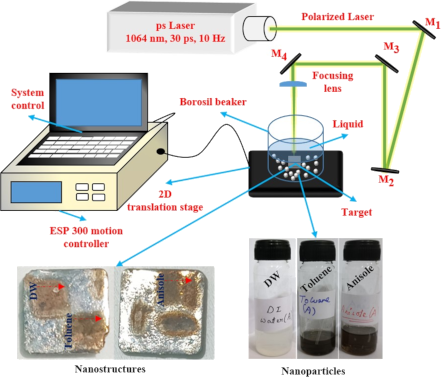
- polarization. The available literature on LIPSS suggests that there will be no changes in the spacing or other morphological features except the orientation of the LIPSS with respect to the polarisation. Combined with the picosecond laser’s high precision processing and industrial scalability, Hf is a




Integrating high-performance computing, machine learning, data management workflows, and infrastructures for multiscale simulations and nanomaterials technologies
Beilstein J. Nanotechnol. 2024, 15, 1498–1521, doi:10.3762/bjnano.15.119
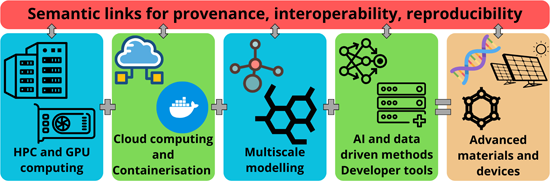
- materials research is cloud computing. Cloud-based platforms provide on-demand access to HPC resources and large databases and infrastructures. Cloud-based infrastructures for materials research offer scalability, flexibility, and accessibility, empowering researchers to collaborate, analyze data, and
- has emerged as a pivotal catalyst, revolutionizing the infrastructures for data [28]. Cloud technologies represent the most efficient and dynamic means to facilitate the seamless sharing of knowledge across diverse platforms. The inherent scalability, flexibility, and accessibility of cloud-based


Polymer lipid hybrid nanoparticles for phytochemical delivery: challenges, progress, and future prospects
Beilstein J. Nanotechnol. 2024, 15, 1473–1497, doi:10.3762/bjnano.15.118


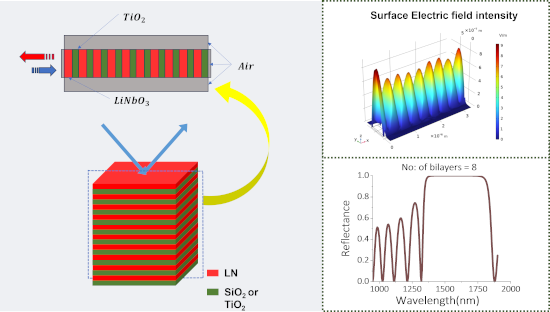
Lithium niobate on insulator: an emerging nanophotonic crystal for optimized light control
Beilstein J. Nanotechnol. 2024, 15, 1415–1426, doi:10.3762/bjnano.15.114
- (QIP) systems. Despite the challenges such as fabrication complexity [6] and loss mitigation scalability to complex circuits [7], the potential benefits of DBRs for QIP applications continue to drive research and development in this field [8]. As fabrication techniques and material systems develop


Hymenoptera and biomimetic surfaces: insights and innovations
Beilstein J. Nanotechnol. 2024, 15, 1333–1352, doi:10.3762/bjnano.15.107
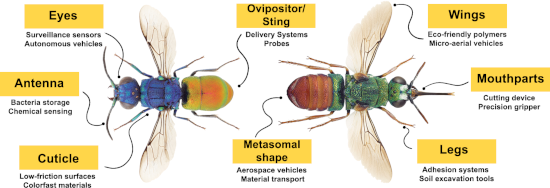
- adjustments to their shape [185]. This adaptable structure can inspire the development of aerospace vehicles with enhanced axial scalability and bending properties [185]. Incorporating a morphing structure inspired by the Hymenoptera metasoma could lead to the creation of supermaneuverable flight systems







Quantum-to-classical modeling of monolayer Ge2Se2 and its application in photovoltaic devices
Beilstein J. Nanotechnol. 2024, 15, 1153–1169, doi:10.3762/bjnano.15.94
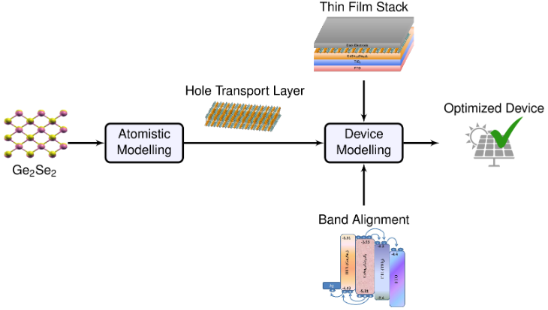
- -term instability, poor device scalability, and the use of toxic compounds, have yet to be resolved [6]. Recent advancements have seen the integration of two-dimensional (2D) materials with PSCs, opening new avenues for enhancing their performance and addressing current challenges with the PSCs [7][8
- ]. Integrating 2D materials in PSCs can improve their performance. The 2D materials can provide protective layers that work like a shield to the perovskite materials to protect them from environmental degradation caused by moisture and oxygen and provide better device scalability to the PSCs, which makes large




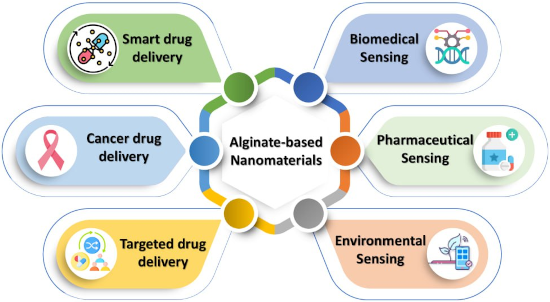
Unveiling the potential of alginate-based nanomaterials in sensing technology and smart delivery applications
Beilstein J. Nanotechnol. 2024, 15, 1077–1104, doi:10.3762/bjnano.15.88