


Search results
Search for "adhesive" in Full Text gives 246 result(s) in Beilstein Journal of Nanotechnology. Showing first 200.
Growing up in a rough world: scaling of frictional adhesion and morphology of the Tokay gecko (Gekko gecko)
Beilstein J. Nanotechnol. 2022, 13, 1292–1302, doi:10.3762/bjnano.13.107
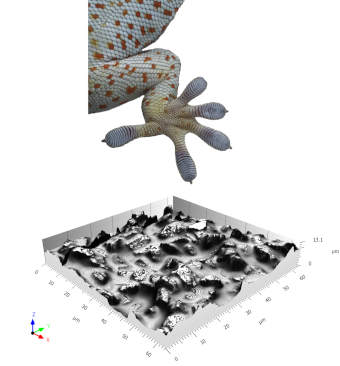
- internal and external elements. The vast majority of studies have examined the performance of the adhesive system using adults and engineered materials and substrates (e.g., acrylic glass). Almost nothing is known about how the system changes with body size, nor how these changes would influence the
- ability to adhere to surfaces in nature. Using Tokay geckos (Gekko gecko), we examined the post-hatching scaling of morphology and frictional adhesive performance in animals ranging from 5 to 125 grams in body mass. We quantified setal density, setal length, and toepad area using SEM. This was then used
- to estimate the theoretical maximum adhesive force. We tested performance with 14 live geckos on eight surfaces ranging from extremely smooth (acrylic glass) to relatively rough (100-grit sandpaper). Surfaces were attached to a force transducer, and multiple trials were conducted for each individual
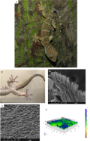

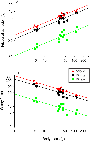

Laser-processed antiadhesive bionic combs for handling nanofibers inspired by nanostructures on the legs of cribellate spiders
Beilstein J. Nanotechnol. 2022, 13, 1268–1283, doi:10.3762/bjnano.13.105

- special fingerprint-like surface nanostructure. In this work, we present a theoretical model of the interaction of linear nanofibers with a sinusoidally corrugated surface. This model allows for a prediction of the adhesive interaction and, thus, the design of a suitable surface structure to prevent
- quite significantly from spider silk fibers regarding diameter and material properties (e.g., Young’s modulus). In this work, we present a theoretical model of the interaction of nanofibers with a sinusoidal surface based on an energy approach. This model allows for a prediction of the adhesive
- state B, and Figure 3e,f shows state C. State B only exists in a very narrow parameter window and, thus, can be neglected. We were able to find a solution for the transition from state C, in the following also called the adhesive state, into an anti-adhesive state A, in dependence on only a few


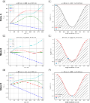




Studies of probe tip materials by atomic force microscopy: a review
Beilstein J. Nanotechnol. 2022, 13, 1256–1267, doi:10.3762/bjnano.13.104
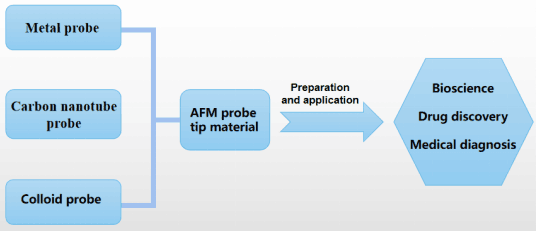
- dropwise to a clean mica flake surface and dried naturally. This experiment used a DNP-10 AFM probe without a tip (Bruker, USA) to prepare the colloidal probe. Then a small amount of epoxy resin adhesive mixed with a 1:1 ratio was glued to the tip of the AFM probe under the high optical field of the AFM
Roll-to-roll fabrication of superhydrophobic pads covered with nanofur for the efficient clean-up of oil spills
Beilstein J. Nanotechnol. 2022, 13, 1228–1239, doi:10.3762/bjnano.13.102

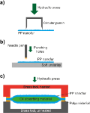
- each (Figure 8b, Figure 9a). After punching fifteen times, every circular nanofur film had about 600 holes. Afterwards two films are loosely connected with adhesive tape. This step simplifies filling the pad with a predetermined amount of oil-absorbing material (see Figure 9b). For the nanopads




Biomimetic chitosan with biocomposite nanomaterials for bone tissue repair and regeneration
Beilstein J. Nanotechnol. 2022, 13, 1051–1067, doi:10.3762/bjnano.13.92
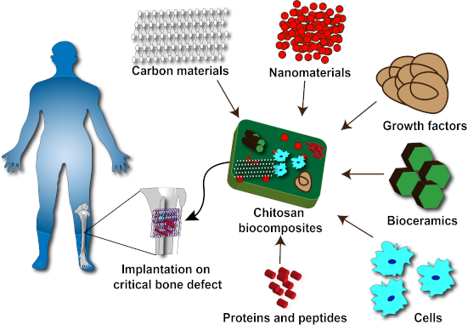
- was reproduced from [68], (© 2018 S. Sharmeen et al., published by Elsevier, distributed under the terms of the Creative Commons Attribution-Non Commercial-No Derivatives 4.0 International License, https://creativecommons.org/licenses/by-nc-nd/4.0/). This content is not subject to CC BY 4.0. Adhesive
Interaction between honeybee mandibles and propolis
Beilstein J. Nanotechnol. 2022, 13, 958–974, doi:10.3762/bjnano.13.84

- hypothetically could have developed evolutionary anti-adhesive strategies. The honeybee (Apis mellifera) was identified as an analogue model since it collects and processes propolis, which largely consists of collected tree resin. Propolis is a sticky substance used by bees to seal their hive and protect the
- colony against pathogens. In spite of its stickiness, honeybees are able to handle and manipulate propolis with their mandibles. We wanted to know if beneficial anti-adhesive properties of bee mandibles reduce propolis adhesion. The anatomy of bee mandibles was studied in a (cryo-)scanning electron
- microscope. Adhesion experiments were performed with propolis on bee mandibles to find out if bee mandibles have anti-adhesive properties that enable bees to handle the sticky material. A scale-like pattern was found on the inside of the mandible. Fresh mandibles were covered with a seemingly fluid substance


Design of a biomimetic, small-scale artificial leaf surface for the study of environmental interactions
Beilstein J. Nanotechnol. 2022, 13, 944–957, doi:10.3762/bjnano.13.83

- into small pieces (approx. 0.3 × 0.5 cm) using a scalpel and attached to aluminium SEM sample holders (diameter 2.4 cm, Plano, Wetzlar, Germany) with conductive double-sided adhesive tape (Leit-Tabs, Plano, Wetzlar, Germany). The samples were coated with a thin gold layer (99.9% purity, approx. 8 nm
- recrystallized wax layer on the glass was partially removed with a razor blade. The sample was then attached to a microscope slide with double-sided adhesive tape. The AFM recordings were performed in tapping mode (amplitude: 0.05 V; frequency: 302.9 kHz, line rate: 0.3 Hz, set point: 940 mV) with tapping
Bioselectivity of silk protein-based materials and their bio-inspired applications
Beilstein J. Nanotechnol. 2022, 13, 902–921, doi:10.3762/bjnano.13.81

- interactions (e.g., van der Waals forces), and adhesive chemistry of biopolymers (various types of glues) [5]. On the level of tissues, multiple cell types work together to perform complex tasks, based on their hierarchical arrangement governing the exchange of information between different cell types. To
- interactions plays a critical role in many biological processes including embryogenesis, development of neuronal tissue, hemostasis, immune response, and inflammation [9]. The adhesive interactions of cells between each other and with ECM proteins (often of specific molecular nature), have important key
- and adhesion mechanisms of various CAM can be found in dedicated reviews [9][10][12][13]. Cadherins are associated with cell–cell adhesive interactions in solid tissues and are involved in processes such as embryonic development, formation of the epithelial layers of the skin and intestine, and axonal


Micro-structures, nanomechanical properties and flight performance of three beetles with different folding ratios
Beilstein J. Nanotechnol. 2022, 13, 845–856, doi:10.3762/bjnano.13.75

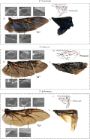
- was attached with AB glue (Epoxy Resin Liquid Adhesive Strong Adhesive, HOU-FC220) to the bracket, which was connected to the force balance (load cell) after adjustment. Flight behavior and body angles of each beetle were ensured to be the same in flight (Figure 1). The selected load cell (LH-SZ-02




Temperature and chemical effects on the interfacial energy between a Ga–In–Sn eutectic liquid alloy and nanoscopic asperities
Beilstein J. Nanotechnol. 2022, 13, 817–827, doi:10.3762/bjnano.13.72
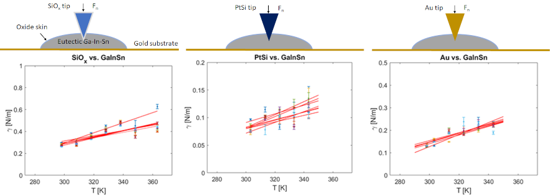
- . Here, we attempt to estimate the work of adhesion from the adhesion force according to the Johnson–Kendall–Roberts (JKR) model of adhesive contact [20], where Wad = and R is the tip radius. Strictly, this model applies to adhesive contact between elastic solids that form a wetting neck. Contact



Hierachical epicuticular wax coverage on leaves of Deschampsia antarctica as a possible adaptation to severe environmental conditions
Beilstein J. Nanotechnol. 2022, 13, 807–816, doi:10.3762/bjnano.13.71
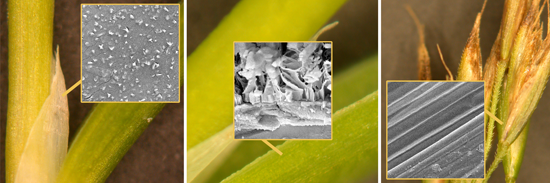
- between the plant surface and insect adhesive devices [16][18], and absorption of the insect adhesive fluid [19]. Whereas the upper wax platelets are rather fragile and can be easily broken into small pieces and removed from the slippery zone thus contaminating insect attachment organs, the pitchers still




Design and characterization of polymeric microneedles containing extracts of Brazilian green propolis
Beilstein J. Nanotechnol. 2022, 13, 503–516, doi:10.3762/bjnano.13.42
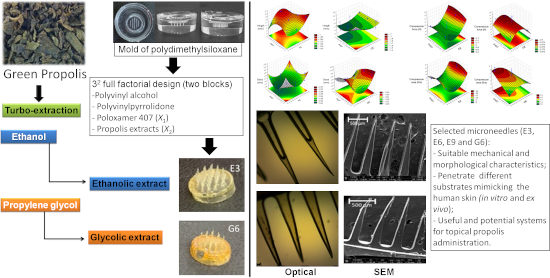
- glycolic extracts. It is a strongly adhesive gum resin, which is collected, processed, and used by honey bees (Apis mellifera L.) [17][22][23]. PRP extracts have been reported to enhance some antibiotic effects, attributing the antibacterial activity of propolis mainly to flavonoids or synergisms among


Zinc oxide nanostructures for fluorescence and Raman signal enhancement: a review
Beilstein J. Nanotechnol. 2022, 13, 472–490, doi:10.3762/bjnano.13.40
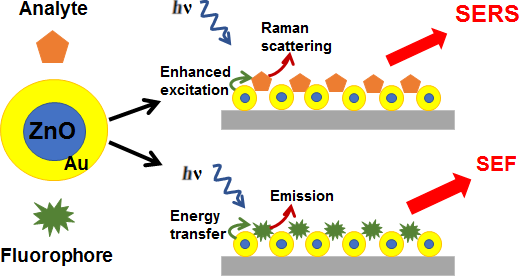
- distribution of all elements. A more exotic strategy for developing SERS substrates based on ZnO and Ag was investigated by Chin et al. by employing a long-range π-conjugated segment, namely polydopamine, as an adhesive layer that can provide effective charge redistribution between the metal and semiconductor




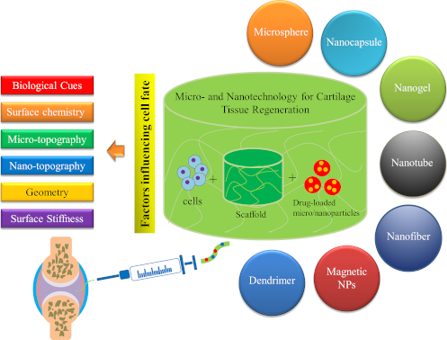
Micro- and nanotechnology in biomedical engineering for cartilage tissue regeneration in osteoarthritis
Beilstein J. Nanotechnol. 2022, 13, 363–389, doi:10.3762/bjnano.13.31


Polarity in cuticular ridge development and insect attachment on leaf surfaces of Schismatoglottis calyptrata (Araceae)
Beilstein J. Nanotechnol. 2021, 12, 1326–1338, doi:10.3762/bjnano.12.98

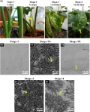
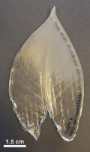
- imaging of young leaf surfaces [7][23]. By means of confocal microscopy experiments, we demonstrate that polarity in ridge development also occurs on leaves of S. calyptrata and that the surface roughness of the leaves increases as the leaves mature. Previous studies have found reduced insect adhesive
- replicated in our study. The leaves of S. calyptrata at stages 1 and 2 were un-rolled gently before replication, and all the leaves were attached to a clean flat plate by using double-sided adhesive tape (Tesa SE, Norderstedt, Germany) with the adaxial side of the leaves facing upward. The replication




Cantilever signature of tip detachment during contact resonance AFM
Beilstein J. Nanotechnol. 2021, 12, 1286–1296, doi:10.3762/bjnano.12.96

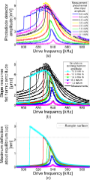
- defined as: where u(L1,t) is the deflection of the cantilever about the equilibrium at the location of the probe tip. The tip–sample interaction FTS is rooted in the Derjaguin, Muller, and Toporov (DMT) model of adhesive contact between particles [34], but modified via works by Shaik et al. [35] to
- linearize the adhesive regime and Labuda et al. [36] to replace the standard Hertzian indentation model by a generalized Sneddon law interaction for a variety of tip geometries [37]. It is defined as: where Fadh is the maximum adhesive force, gadh is the range of the linear attractive region, αTS is the


Two dynamic modes to streamline challenging atomic force microscopy measurements
Beilstein J. Nanotechnol. 2021, 12, 1226–1236, doi:10.3762/bjnano.12.90

- that we can register. When scanning in air, achieving this goal is complicated by substantial adhesive forces associated with surface water and/or other adsorbates, which means that the onset of repulsive interaction should be registered against a strong background of attraction. This task can be


Self-assembly of amino acids toward functional biomaterials
Beilstein J. Nanotechnol. 2021, 12, 1140–1150, doi:10.3762/bjnano.12.85
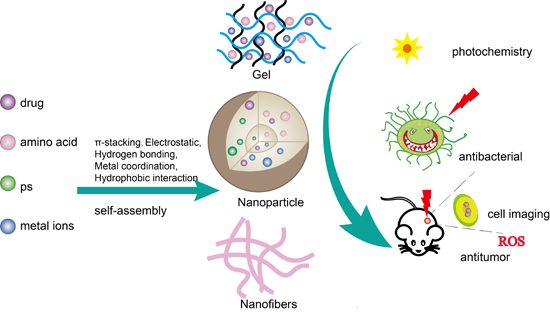
- ) melanin through a Schiff base reaction to form an adhesive layer, and Fmoc-ʟ-Lys/DOPA fiber simulated an antenna to capture light. As a photosensitizer, Sn(IV)tetrakis(4-pyridyl)porphyrin (SnTPyP) was combined with the photocatalyst Co3O4 NPs by coordination bonds and electrostatic interaction onto the
- adhesive fibers. Therefore, a simple and robust bionic cyanobacteria model with excellent catalytic activity and sustainability was obtained. In addition, amino acids were co-assembled with phthalocyanines to improve their functionality. Han et al. [89] used histidine derivatives, 9

Self-assembly of Eucalyptus gunnii wax tubules and pure ß-diketone on HOPG and glass
Beilstein J. Nanotechnol. 2021, 12, 939–949, doi:10.3762/bjnano.12.70

- HOPG with double-sided adhesive tape. Wax extraction from leaves Recrystallization experiments were carried out with a 0.1% (w/v) chloroform (99.8%, ACS reagent, Acros, New Jersey, USA) solution of extracted wax of E. gunnii and a 0.1% (w/v) chloroform solution of ß-diketone. The wax of E. gunnii was
- specimens with recrystallized structures of wax and ß-diketone were prepared for SEM (Gemini Supra 40VP, Zeiss, Oberkochen, Germany) three days after the evaporation of the solvent. They were fixed on aluminum stubs (Plano, Wetzlar, Germany) with double-sided adhesive tape (Double-sided Tape Universal, Tesa
- ). For this, freshly prepared substrates were fixed on a microscope glass slide by double-sided adhesive tape. The ß-diketone solution was applied to glass substrates and the wax solution was applied to glass and HOPG. The measurements were started directly after the evaporation of the bulk of the




Physical constraints lead to parallel evolution of micro- and nanostructures of animal adhesive pads: a review
Beilstein J. Nanotechnol. 2021, 12, 725–743, doi:10.3762/bjnano.12.57
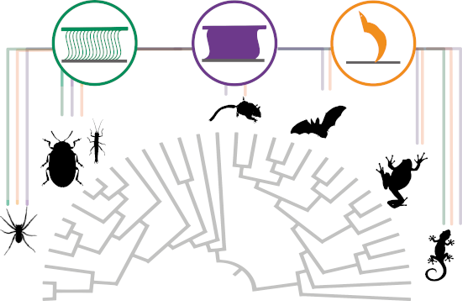
- Thies H. Buscher Stanislav N. Gorb Department of Functional Morphology and Biomechanics, Institute of Zoology, Kiel University, Am Botanischen Garten 9, 24118 Kiel, Germany 10.3762/bjnano.12.57 Abstract Adhesive pads are functional systems with specific micro- and nanostructures which evolved as
- influence of different factors, such as substrate roughness and pad stiffness, on contact forces, and review the chemical composition of pad fluids, which is an important component of an adhesive function. Attachment systems are omnipresent in animals. We show parallel evolution of attachment structures on
- extremely diverse, the design of attachment devices within insects can be subdivided into the two fundamental types of hairy and smooth attachment pads [1][3], as abovementioned, similarly at the level of the animal kingdom. In insects, the hairy structures consist of deformable adhesive setae, typically


Nanogenerator-based self-powered sensors for data collection
Beilstein J. Nanotechnol. 2021, 12, 680–693, doi:10.3762/bjnano.12.54
- consisted of top and bottom Cr/Au electrodes, ZnO NWs on the electrodes and a flexible polyester substrate. Figure 6a shows the PENG fixed to the inner surface of the tire with adhesive tape. The output voltage of the PENG changed with the deformation of the tire during rolling. Figure 6b shows the output
- Society. NG-based self-powered traffic sensor. (a) PENG attached to a tire with adhesive tape [5]. Figure 6a,b was reproduced from [5]. Copyright © 2011 WILEY‐VCH Verlag GmbH & Co. KGaA, Weinheim. Used with permission from Youfan Hu et al., “A Nanogenerator for Energy Harvesting from a Rotating Tire and



High-yield synthesis of silver nanowires for transparent conducting PET films
Beilstein J. Nanotechnol. 2021, 12, 624–632, doi:10.3762/bjnano.12.51

- schematically in Figure 1 and produces about 270 mg of AgNWs, which could be considered a high-yield synthesis. Formulation of AgNW ink and fabrication of transparent conducting films A facile method was chosen for synthesizing the AgNW ink, which involved the mixing of an aqueous solution of the adhesive agent


Properties of graphene deposited on GaN nanowires: influence of nanowire roughness, self-induced nanogating and defects
Beilstein J. Nanotechnol. 2021, 12, 566–577, doi:10.3762/bjnano.12.47
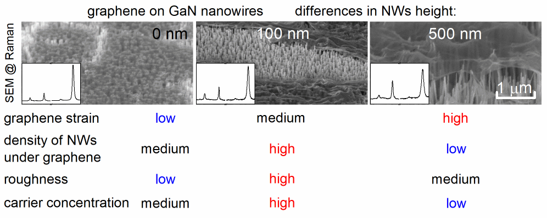
- copper foil with methane gas as the precursor [31]. Next, graphene was transferred onto GaN NWs substrates. Due to low adhesive forces between graphene and corrugated substrates, the most common method to transfer graphene with the use of poly(methyl methacrylate) (PMMA) polymer could not be applied for




The impact of molecular tumor profiling on the design strategies for targeting myeloid leukemia and EGFR/CD44-positive solid tumors
Beilstein J. Nanotechnol. 2021, 12, 375–401, doi:10.3762/bjnano.12.31


A review on the green and sustainable synthesis of silver nanoparticles and one-dimensional silver nanostructures
Beilstein J. Nanotechnol. 2021, 12, 102–136, doi:10.3762/bjnano.12.9
- amorphous calcium phosphate particles for enhanced adhesive applications [124]. The spray pyrolysis process requires using an atomizer, a tube furnace, a reaction tube, a collection filter, and a vacuum pump [124]. This method is also often used for production of metal powders and demonstrates less





