

Search results
Search for "absorption" in Full Text gives 1062 result(s) in Beilstein Journal of Nanotechnology. Showing first 200.
Electronic and optical properties of chloropicrin adsorbed ZnS nanotubes: first principle analysis
Beilstein J. Nanotechnol. 2025, 16, 1184–1196, doi:10.3762/bjnano.16.87
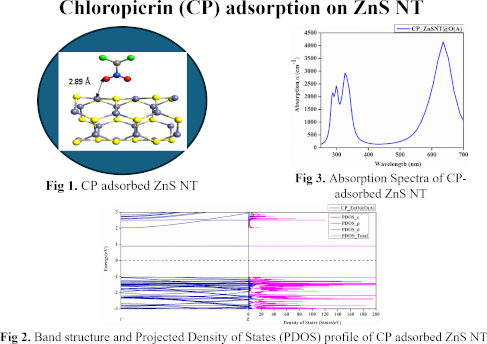
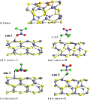
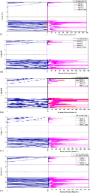
- , optical absorption, and optical conductivity of the ZnS NT-CP system. Our findings reveal that the interaction between CP and ZnS NT induces notable changes in the electronic and optical properties of the nanotube, including a substantial bandgap reduction of up to ≈40% for the specific orientation A. The
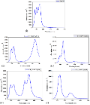
- adsorption energy ranges from −0.389 to −0.657 eV, indicating weak physisorption. The Mulliken charge transfer varies between 0.06e and 0.109e, confirming effective but nondestructive interaction. A favorable recovery time of ≈3.533 μs at room temperature, along with a significant red shift in the absorption
- highly toxic chemical warfare agent, remains an area with untapped potential. Addressing this gap, the present work constructs an armchair ZnS NT to investigate its adsorption configurations, charge transfer, band structure, density of states, optical absorption, and optical conductivity using a density



Towards a quantitative theory for transmission X-ray microscopy
Beilstein J. Nanotechnol. 2025, 16, 1113–1128, doi:10.3762/bjnano.16.82
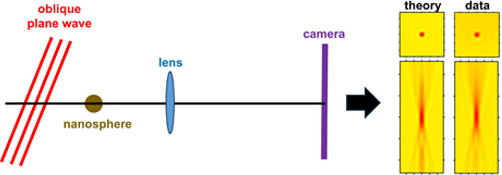
- that this model produces good qualitative agreement with our 3D measurements of 60 nm gold nanospheres, but only if both β and δ for the complex refractive index n = 1 – δ + iβ of gold are included in the model. This shows that both absorption and phase properties of the specimen influence the acquired
- TXM image. The qualitative agreement improves if we incorporate a small tilt into the condenser illumination relative to the optical axis, implying a small misalignment in the microscope. Finally, in quantitative comparisons, we show that the model predicts the nanosphere’s expected absorption as
- determined by Beer’s law, whereas the microscope underestimates this absorption by 10–20%. This surprising observation highlights the need for future work to identify the microscope feature(s) that lead to this quantitative discrepancy. Keywords: 3D imaging; mathematical model; Mie theory; nanoparticle



Influence of ion beam current on the structural, optical, and mechanical properties of TiO2 coatings: ion beam-assisted vs conventional electron beam evaporation
Beilstein J. Nanotechnol. 2025, 16, 1097–1112, doi:10.3762/bjnano.16.81
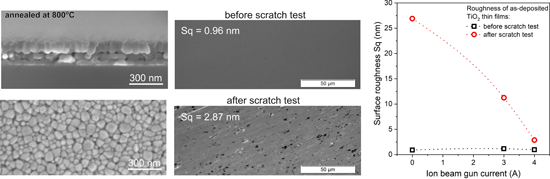
- energy of the thin film coatings strongly depends on the conditions and deposition methods. To complete analysis of the bandgap structure, the Urbach energy was evaluated based on the logarithmic plot of the absorption coefficient vs photon energy (Figure 5d–f). The slope of the linear dependence of ln α
- thin film coatings (Figure 4) and was proven in Figure 6a. The low value of the imaginary part of the refractive index, also known as extinction coefficient (Figure 6b), ranging from 2.12·10−3 to 4.64·10−3, indicates low light absorption in the studied thin films [58]. According to [6], TiO2 films
- in an increase in the refractive index. In addition, the low values of the extinction coefficient (from 2.12·10−3 to 4.64·10−3) indicated minimal light absorption in the tested films. The results of the nanoindentation studies showed that the hardness of thin films deposited by the conventional EBE




Fabrication of metal complex phthalocyanine and porphyrin nanoparticle aqueous colloids by pulsed laser fragmentation in liquid and their potential application to a photosensitizer for photodynamic therapy
Beilstein J. Nanotechnol. 2025, 16, 1088–1096, doi:10.3762/bjnano.16.80
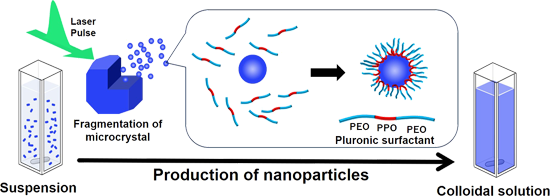
- fragmentation in liquids; reactive oxygen species generation; Introduction Porphyrins and phthalocyanines (Pcs), exhibiting intense absorption in the visible to near-infrared (NIR) regions, are well studied as photosensitizers in photodynamic therapy (PDT) [1]. Especially, Pcs absorb strongly light in the
- cuvette (1 × 1 × 4 cm3) and irradiated with nanosecond laser pulses (532 nm wavelength, 6 ns full-width at half-maximum, 10 Hz repetition rate, fluence = 140 mJ·cm−2 per pulse) under stirring with a magnetic stirrer. The nanoparticle generation was examined by measuring the absorption spectrum with a USB
- spectrometer, and the sample was irradiated with laser pulses until the absorption spectrum stopped changing. The sample was muddy blue, and most of the AlClPc precipitated to the bottom of the cuvette before laser irradiation. After irradiation with nanosecond laser pulses for 40 min (Figure 2a), the sample


Single-layer graphene oxide film grown on α-Al2O3(0001) for use as an adsorbent
Beilstein J. Nanotechnol. 2025, 16, 1082–1087, doi:10.3762/bjnano.16.79
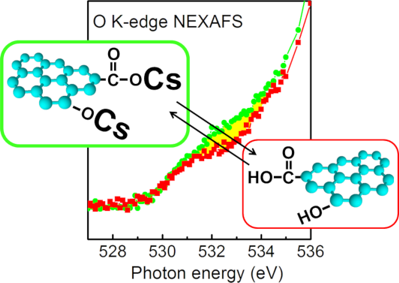
- deposition; electronic state analysis; graphene oxide; X-ray absorption fine structure; Introduction Graphene oxide (GO) is oxidized graphene and its surface and periphery are partially modified by epoxy, hydroxy, and carboxy functional groups [1][2]. GO can be thinned to a monolayer of one carbon atom and
- findings reported in [22]. At the same time, the significant changes arose after the oxidization of SLG in the C 1s core XPS and C K-edge near-edge X-ray absorption fine structure (NEXAFS) spectra. Figure 3a shows C 1s XPS spectra of SLG and SLGO. In SLG, an intense peak is observed at 283.4 eV. The C 1s


Piezoelectricity of hexagonal boron nitrides improves bone tissue generation as tested on osteoblasts
Beilstein J. Nanotechnol. 2025, 16, 1068–1081, doi:10.3762/bjnano.16.78
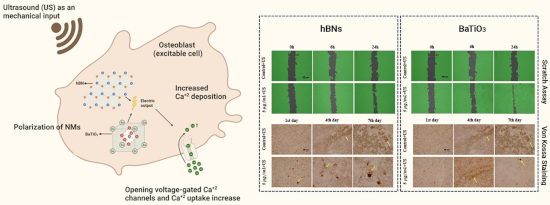
- the B–N vibrational mode (E2g) as consistent with the literature [44][45]. Due to its highly transparent properties, hBN can transmit 99% of light in the 250–900 nm region. The UV–vis absorption peak at 203 nm is shown in Supporting Information File 1, Figure S3 (e), corresponding to its optical
- )] and the peak that appeared at 715 cm−1 correspond to [A1(LO), E(LO)] [54]. The UV–vis spectrum presented in Supporting Information File 1, Figure S4 (c) showed an absorption edge increase of BaTiO3 at around 300 nm [55]. Supporting Information File 1, Figure S4 (d) shows that the DLS spectrum provides


Soft materials nanoarchitectonics: liquid crystals, polymers, gels, biomaterials, and others
Beilstein J. Nanotechnol. 2025, 16, 1025–1067, doi:10.3762/bjnano.16.77
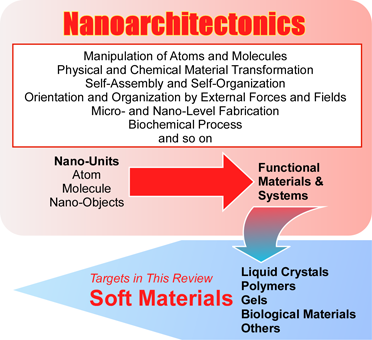
- . Consequently, rod-shaped gold nanoparticles have been the subject of considerable interest with regard to their potential use in optical antennas, sensitive biosensors, and medical applications. This is due to their strong plasmonic absorption in the visible–near infrared region, which is caused by electronic






Multifunctional properties of bio-poly(butylene succinate) reinforced with multiwalled carbon nanotubes
Beilstein J. Nanotechnol. 2025, 16, 1014–1024, doi:10.3762/bjnano.16.76
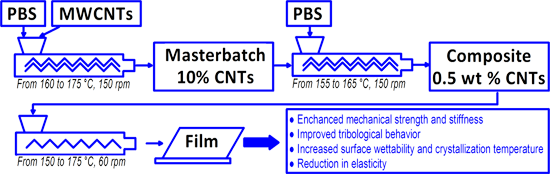
- and water absorption of PBS; however, it significantly influences surface wettability and tribological properties (Table 3). The dynamic and static coefficients of friction for the PBS/CNT_0.5 nanocomposite are 1.7 and 1.3–1.7 times lower, respectively, than those of the pure PBS. The surface
- water absorption (n) was measured following ISO 62:2008 “Plastics – Determination of Water Absorption”, using film samples of a square shape (50 × 50 mm2) with a thickness of 350 µm. The surface tension or wettability (σ) of the films was measured according to ISO 8296:2003 “Plastics – Film and Sheeting



A calix[4]arene-based supramolecular nanoassembly targeting cancer cells and triggering the release of nitric oxide with green light
Beilstein J. Nanotechnol. 2025, 16, 1003–1013, doi:10.3762/bjnano.16.75
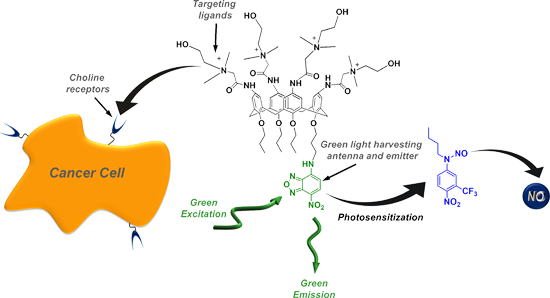
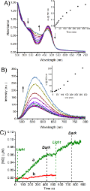
- . Compound 2 and its non-nitrosated precursor 2b were characterized by 1D NMR (Figures S8,S9, Supporting Information File 1). Self-assembling and spectroscopic properties of 1 Due to the polycationic structure, compound 1 showed good water solubility as evidenced by its absorption spectrum dominated by the
- in diameter with a polydispersity index (PI) of ca. 0.4 (inset Figure 1A). This means the sample has a moderate range of particle sizes, however suitable for drug delivery applications. Figure 1B shows the fluorescence emission spectra of a water solution of 1. Similar to the absorption, the spectrum
- room temperature for at least 48 h, as evidenced by the unaltered values of the hydrodynamic diameter and the unchanged absorption and emission features over this time window. Cytotoxicity and cell targeting properties of 1 The effects of the nanoassembly of 1 on cell viability were evaluated on


Time-resolved probing of laser-induced nanostructuring processes in liquids
Beilstein J. Nanotechnol. 2025, 16, 968–1002, doi:10.3762/bjnano.16.74
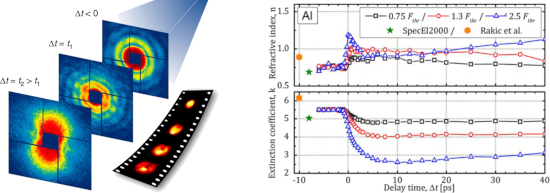
- parameters, improving reproducibility, and tailoring material properties for specific applications. Ultrafast optical techniques such as transient absorption spectroscopy (TAS) [84][85][86][87] have been applied to investigate the influence of the liquid environment on the energy relaxation processes of
- to liquid) should lead to restructuring. In a simple model, the laser energy is converted into heat that will be localized in the absorbing part within the laser penetration depth. Absorption is linear as expressed by the (known) absorption cross section. In the model by Takami et al. [46], which is
- macroscopic suspension containing NPs or reflection from a photoexcited NP is determined by absorption as well as scattering, several structural processes may contribute to a change in signal. Metal NPs show SPR linked to coherent excitation of electrons in the conduction band. Its position and width are


Synthesis of biowaste-derived carbon-dot-mediated silver nanoparticles and the evaluation of electrochemical properties for supercapacitor electrodes
Beilstein J. Nanotechnol. 2025, 16, 933–943, doi:10.3762/bjnano.16.71
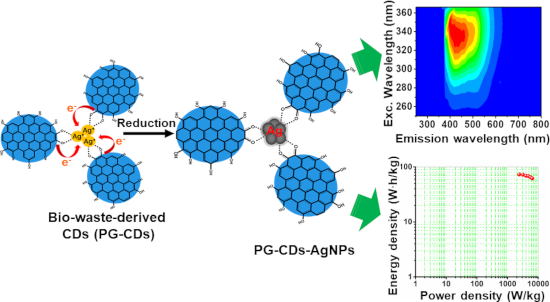
- evidenced from the progressive color change of the solution as shown by surface plasmon resonance (SPR). Structural and morphological analysis The optical properties of PG-CDs and PG-CDs-AgNPs were studied using UV–visible spectroscopy and photoluminescence (PL) spectroscopy. An absorption peak at 275 nm
- was visualized in the UV–visible absorption spectrum of the PG-CDs, which is represented in Figure 1a. This peak might be accredited to the π–π* transition of conjugated (Csp²=Csp²) aromatic domain of the PG-CDs [24]. Under the ultraviolet illuminator (365 nm), the brownish/red aqueous solution of the
- absorption bands of PG-CDs-AgNPs was acquired at various time intervals to study the production and growth of nanoparticles over time. The gradual growth of PG-CDs-AgNPs has been checked and depicted in Figure 1b. The SPR peak was noticed within 2 h of reaction with PG-CDs, with a visible change in color of


Heat-induced transformation of nickel-coated polycrystalline diamond film studied in situ by XPS and NEXAFS
Beilstein J. Nanotechnol. 2025, 16, 887–898, doi:10.3762/bjnano.16.67
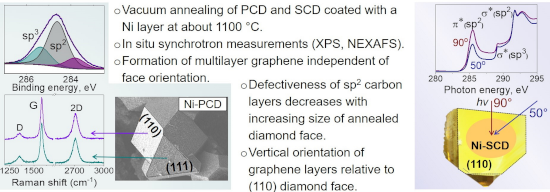
- thin nickel film deposited by thermal evaporation. The graphitization of diamond with and without a nickel coating as a result of high-vacuum annealing at a temperature of about 1100 °C was studied in situ using synchrotron-based X-ray photoelectron spectroscopy (XPS) and near-edge X-ray absorption
- . Keywords: graphitization; near-edge X-ray absorption fine structure spectroscopy; nickel coating; polycrystalline diamond film; single-crystal diamond; X-ray photoelectron spectroscopy; Introduction Diamond and graphite, both composed entirely of carbon atoms, exhibit vastly different properties due to
- requires a detailed study. HRTEM has proven very useful for investigating the graphite–diamond interface [19][24]. However, it provides information about local morphology and ordering of diamond surface and graphite layers. X-ray photoelectron spectroscopy (XPS) and near-edge X-ray absorption fine


Ar+ implantation-induced tailoring of RF-sputtered ZnO films: structural, morphological, and optical properties
Beilstein J. Nanotechnol. 2025, 16, 872–886, doi:10.3762/bjnano.16.66
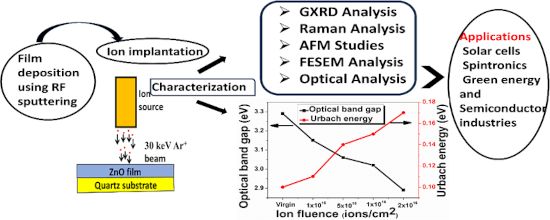
- fundamental absorption edge. With the increase in argon ion fluence, the diffuse reflectance was found to decrease, which is related to the decrease in the surface RMS roughness also reported in AFM analysis. Thus, implanted ZnO films can be employed as an antireflection coating in optoelectronic devices [38
- ]. The diffuse reflectance of the films can be used to calculate the associated Kubelka–Munk function, which is equivalent to the absorption spectra [39][40]. This paves the way to calculate the optical bandgap of the implanted films. The Kubelka–Munk function F(R) is determined employing diffuse
- reflectance by the following relation [41]: Here R is the diffuse reflectance of the samples; s and α correspond to scattering and absorption coefficients, respectively. The scattering coefficient does not depend on the wavelength. Thus, F(R) becomes proportional to α. It has been observed that with the rise






Insights into the electronic and atomic structures of cerium oxide-based ultrathin films and nanostructures using high-brilliance light sources
Beilstein J. Nanotechnol. 2025, 16, 860–871, doi:10.3762/bjnano.16.65
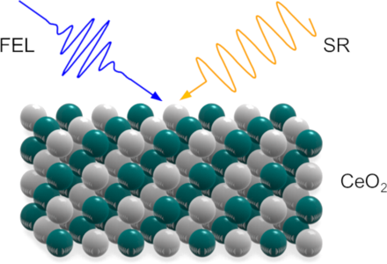
- light sources, such as synchrotrons and free-electron lasers, allow researchers to probe the structural, electronic, and dynamic properties of functional materials at an unprecedented level of detail. Techniques like X-ray photoelectron spectroscopy and X-ray absorption spectroscopy, can reveal atomic
- absorption spectroscopy to explain the factors influencing the material’s reducibility, with particular focus on dimensionality effects and on metal–oxide interaction, and the interaction with molecules. The potential of studies conducted under ambient pressure conditions is highlighted, and, finally, the
- perspectives offered by the ultrahigh brilliance and ultrashort free-electron laser pulses for dynamic studies of the processes that take place upon photoexcitation are discussed. Keywords: cerium oxide; free-electron lasers; thin films; X-ray absorption spectroscopy; X-ray photoelectron spectroscopy


Supramolecular hydration structure of graphene-based hydrogels: density functional theory, green chemistry and interface application
Beilstein J. Nanotechnol. 2025, 16, 806–822, doi:10.3762/bjnano.16.61
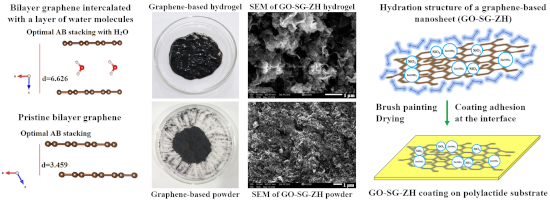
- instrument (Jasco). Ultraviolet–visible absorption spectroscopy (UV–vis) and light transmittance spectroscopy were recorded using a V-670 spectrophotometer (Jasco). Microscopic texture and imaging were observed by a stereo zoom microscope (Optika SZM). Agar diffusion assays were used for testing
- of GO-SG-ZH hydrogel present light absorption in the ultraviolet range (200–400 nm) that was proportional to the colloidal concentrations (50, 40, 30, and 20 ppm). Small absorption peaks at 340 and 360 nm correspond to nanosilica and zinc hydroxide nanoparticles, respectively [21][43]. In addition


Morphology and properties of pyrite nanoparticles obtained by pulsed laser ablation in liquid and thin films for photodetection
Beilstein J. Nanotechnol. 2025, 16, 785–805, doi:10.3762/bjnano.16.60
- a narrow bandgap (0.95 eV), high light absorption coefficient (≈105 cm−1), excellent properties in photoelectric conversion, and has enormous potential as an efficient photodetector system and in lithium batteries [1][2]. The prevalent forms of FeS2 are cubic-system pyrite and the orthorhombic
- -system marcasite crystal structure. Due to its low structural symmetry, marcasite FeS2 has a bandgap of only 0.34 eV and, as a result, it is not appropriate for use, particularly with solar energy absorption materials. Hence, the pyrite structure serves as a foundation for almost all studies of systems
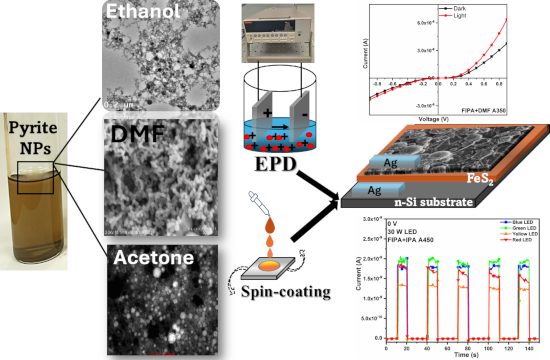
- its ability to absorb UV wavelengths [32]. This concept was used to fabricate photodetectors (PDs) using pyrite NPs on Si substrate as it inherently has the advantages of exceptional photo-absorption, high mobility, and high absorption coefficient as initially mentioned. Self-powering PDs have a






Changes of structural, magnetic and spectroscopic properties of microencapsulated iron sucrose nanoparticles in saline
Beilstein J. Nanotechnol. 2025, 16, 762–784, doi:10.3762/bjnano.16.59
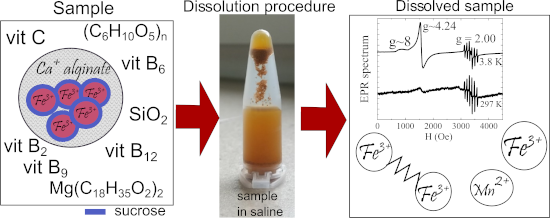
- that stabilized the entire nanoparticle [2][3][4]. Such a variety of the iron delivery drugs in the pharmaceutical market results from the continuous improvement of their properties, such as absorption of iron in the human body, time of iron release after administration to the patient, and shape and





Efficiency of single-pulse laser fragmentation of organic nutraceutical dispersions in a circular jet flow-through reactor
Beilstein J. Nanotechnol. 2025, 16, 711–727, doi:10.3762/bjnano.16.55
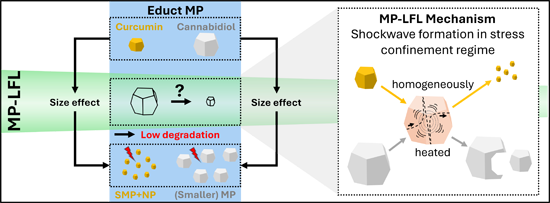
- ]. The LFL of lipophilic drugs is of particular interest in improving their dissolution properties and oral absorption. Better dissolution properties and dissolution rates lead to a higher saturation limit, which allows one to reduce the required amount of the drug [38]. However, for sensitive active
- -dependent difference. In the material systems examined here, this difference can be attributed either to the absorption coefficient of the bulk material or the diameter of the educt particles, a correlation more closely examined in the consecutive section. Proposed MP-LFL mechanism While both commercially
- molecule has higher absorption values than CBD. Multiphoton absorption has been discussed to be responsible for the 523 nm picosecond-LFL of polymer-capped gold nanoparticles [71]. Based on these findings, laser absorption cannot be the only reason for the elevated fragmentation efficiency in curcumin


Nanostructured materials characterized by scanning photoelectron spectromicroscopy
Beilstein J. Nanotechnol. 2025, 16, 700–710, doi:10.3762/bjnano.16.54
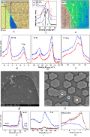
- were dominated by a band at 531.5 eV related to O2− in NiO, while a lower intensity band was observed at 533.2 eV associated with adsorbed oxygen species (Figure 3b). Preferential oxygen absorption is expected for {111} surfaces which were observed in the cavities formed at the surface of some samples


Colloidal few layered graphene–tannic acid preserves the biocompatibility of periodontal ligament cells
Beilstein J. Nanotechnol. 2025, 16, 664–677, doi:10.3762/bjnano.16.51
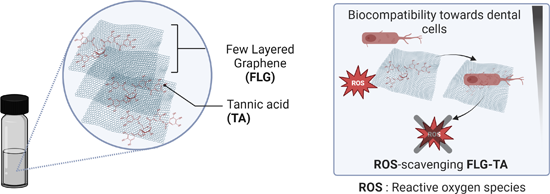
- FLG–TA has a low defect content, evidenced by its weak D peak. Although the absorption of carbonyl functions in TA molecules might influence the defect ratio for FLG–TA because of the increase in the G peak (Figure S2, Supporting Information File 1, shows the Raman spectrum of TA powder), it remains





Aprepitant-loaded solid lipid nanoparticles: a novel approach to enhance oral bioavailability
Beilstein J. Nanotechnol. 2025, 16, 652–663, doi:10.3762/bjnano.16.50
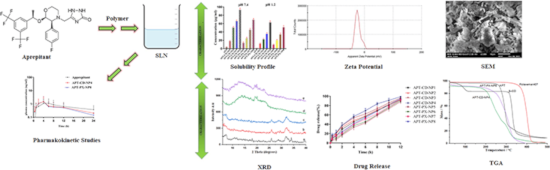
- blood–brain barrier [8]. Its mean volume of distribution is approximately 70 L. In the range of pH 2–10, APT has very low solubility (0.37 µg/mL) [9]. Because of the low water-solubility, the low permeability, and the rate-limiting step of poor gastrointestinal absorption, APT is categorized as a BCS
- , 141.3 ± 0.62, 121.1 ± 0.72, 257.6 ± 0.37, 229.5 ± 0.94, 207.2 ± 0.63, and 191.0 ± 0.57 nm, respectively (Table 1). An exemplary measurement for APT-CD-NP4 is given in Figure 2. The SLNs with lower particle size provide a large surface area, which increases drug release and enhances drug absorption by
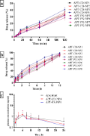
- solubilized. The Tmax values of APT, APT-CD-NP4, and APT-PX-NP8 were 6.0 ± 0.3, 4.0 ± 0.2 and 4.0 ± 0.3 h, respectively. The Tmax values of APT-CD-NP4 and APT-PX-NP8 were lower than that of APT; thus, absorption of APT from SLNs was faster, indicating that the dispersion of pure APT from the intestinal lumen



A formulation containing Cymbopogon flexuosus essential oil: improvement of biochemical parameters and oxidative stress in diabetic rats
Beilstein J. Nanotechnol. 2025, 16, 617–636, doi:10.3762/bjnano.16.48
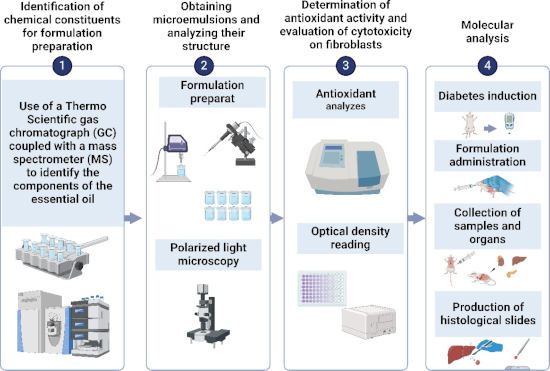
- after in vivo administration [8]. Among these systems, microemulsions (MEs) stand out for their ability to increase the solubility, absorption, and bioavailability of lipophilic compounds such as EOs. MEs are transparent, thermodynamically stable, low-viscosity systems containing oil and water
- of MEs is advantageous when taken orally as it facilitates oral application and dose adjustment; it also improves absorption and bioavailability. Additionally, MEs can be administered to humans as self-microemulsifying drug delivery systems (SMEDDSs) delivered in soft gelatin capsules as they are low
- known that microemulsions promote greater bioavailability of hydrophobic molecules orally due to the nanometric size of the droplets. Additionally, nonionic surfactants such as Tween® and Cremophor® inhibit CYP3A metabolism or P-glycoprotein drug efflux, thus improving intestinal drug absorption. Thus




Polyurethane/silk fibroin-based electrospun membranes for wound healing and skin substitute applications
Beilstein J. Nanotechnol. 2025, 16, 591–612, doi:10.3762/bjnano.16.46
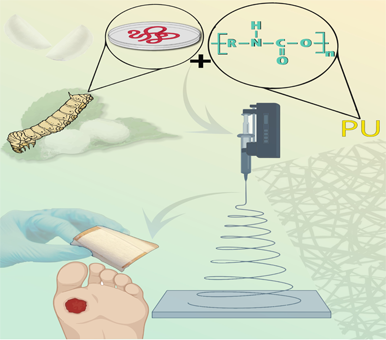
- properties of the SF nanofibers. Findings showed that if the concentration of SF is low, the produced SF mats often exhibit clustered or beaded fibers. Such poor molecular and fibril alignments are responsible for poor mechanical properties of SF electrospun nanofibers [85]. The discharge absorption



Nanomaterials in targeting amyloid-β oligomers: current advances and future directions for Alzheimer's disease diagnosis and therapy
Beilstein J. Nanotechnol. 2025, 16, 561–580, doi:10.3762/bjnano.16.44
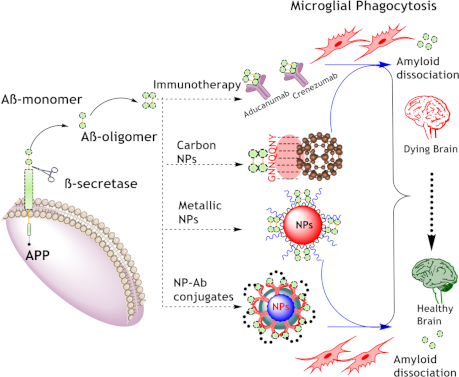
- ., CSF and blood tests [54]. Researchers have also employed the surface plasmon resonance (SPR) of citric acid-coated AuNPs, to specifically detect and quantify Aβ40 oligomers, as the SPR absorption band of AuNPs was found to be sensitive to the presence of AβOs [55]. While exploring the range of AβO


Retrieval of B1 phase from high-pressure B2 phase for CdO nanoparticles by electronic excitations in CdxZn1−xO composite thin films
Beilstein J. Nanotechnol. 2025, 16, 551–560, doi:10.3762/bjnano.16.43
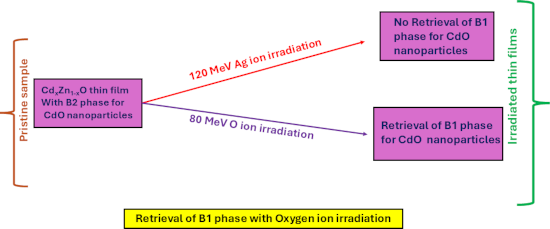
- pressure exerted by the Zn2SiO4 phase on CdO nanoparticles during oxygen ion irradiation leads to the coexistence of both B1 and B2 phases. X-ray absorption near-edge spectra (XANES) reveal minimal changes in the intensity of the spike-like Zn L3,2 pre-edge feature associated with the Zn2SiO4 phase under
- diverse characterization techniques, demonstrating the potential reversibility of the B1 to B2 phase transformation induced by ion irradiation. Keywords: irradiation; phase transformation; thermal spike; track diameter; X-ray absorption near edge spectroscopy; X-ray photoelectron spectroscopy
- irradiated thin films was performed with X-ray diffraction and Raman spectroscopy. Additionally, X-ray absorption near-edge structure (XANES) spectroscopy was conducted at the Zn L3,2 and O K edges for all the thin films. X-ray photoelectron spectroscopy (XPS) on Si 2p and O 1s core levels provided direct