Search results
Search for "clusters" in Full Text gives 472 result(s) in Beilstein Journal of Nanotechnology. Showing first 200.
Molecular nanoarchitectonics: unification of nanotechnology and molecular/materials science
Beilstein J. Nanotechnol. 2023, 14, 434–453, doi:10.3762/bjnano.14.35

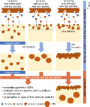
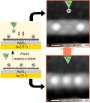
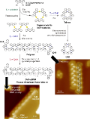
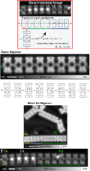
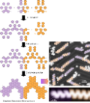
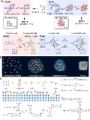
- imaging at the atomic and molecular level has revealed the self-assembly mechanisms of crystal nuclei in organic crystals and metal-organic frameworks [42]. It has become possible to obtain statistical information on the size and structure of individual prenucleation clusters that cannot be examined by





Biocatalytic synthesis and ordered self-assembly of silica nanoparticles via a silica-binding peptide
Beilstein J. Nanotechnol. 2023, 14, 280–290, doi:10.3762/bjnano.14.25

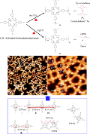
- mixture of irregularly shaped particles (Figure 4d; arrows), clusters of small 10 nm particles (Figure 4d; asterisk), and larger particles between 30 and 50 nm, while NH3 alone yielded spherical particles of 20 to 50 nm (Figure 4e). After 55 min, NH3 + 1 mM SiBP yielded particles of 60–100 nm. Small
- particle clusters or irregular particles were not observed (Figure 4f), while NH3 alone yielded spherical particles of 100 to 130 nm (Figure 4g). Based on the OD and SEM observations, SiBP seems to drastically change the particle formation/growth regime above a threshold concentration. In the reactions of
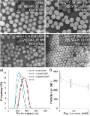
- , asterisk: clusters of approx. 10 nm particles). SEM micrographs of (a, c) single-layer and (b, d) multilayer self-assembled SiO2 particles (insets: corresponding fast Fourier transform diffraction pattern of the images). (e) UV–vis spectrogram of the self-assembled particles on a quartz surface. (f) Zeta




Formation of nanoflowers: Au and Ni silicide cores surrounded by SiOx branches
Beilstein J. Nanotechnol. 2023, 14, 133–140, doi:10.3762/bjnano.14.14

- silicide, and a cross-sectional view of Ni silicide is given in Figure 4c based on reported works [44][48][56]. The elongation process of the symmetric NiSi2 clusters is mainly governed by the growth kinetics [44][57][58]. Conclusion In the present work, nanoflowers with a core particle and surrounding


Solvent-induced assembly of mono- and divalent silica nanoparticles
Beilstein J. Nanotechnol. 2023, 14, 52–60, doi:10.3762/bjnano.14.6

- experimentally utilized to drive particles with a spherical cavity and complementary microspheres to form colloidal clusters [18]. Colloidal chains have been obtained by the assembly of Janus particles with one face selectively functionalized with DNA containing a self-complementary sticky end [19], particles
- assembly of silica/polystyrene (PS) dumbbells [28] and silica nanoparticles with two PS patches (2-PSN) [29][30][31] into multipod-like clusters and colloidal chains, respectively. We have recently reported that the same strategy can be used to assemble one-patch silica nanoparticles (1-PSN) with a well
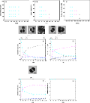
- by using pure water (Figure 4b) or salty water (Figure 4c) instead of ethanol in different fractions. We observed that, except for 1-PSN with PPSR ≤ 0.3, assembly was possible and led to dimers and possibly to clusters of low aggregation number for the highest PPSR values. These results first



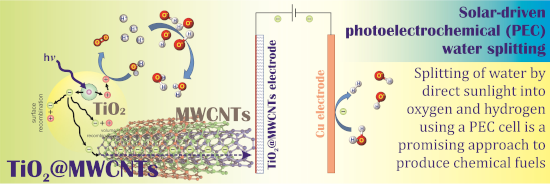
A TiO2@MWCNTs nanocomposite photoanode for solar-driven water splitting
Beilstein J. Nanotechnol. 2022, 13, 1520–1530, doi:10.3762/bjnano.13.125
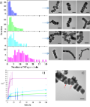
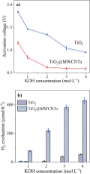
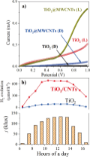
- in Figure 2. They confirm that the TiO2@MWCNTs nanocomposite catalyst is successfully prepared via the hydrolysis reaction. It can be seen from Figure 2a that the morphology of MWCNTs is incoherent, curved, interlaced, and with little branching. Furthermore, a non-uniform decoration of TiO2 clusters
- non-smooth walls of the MWCNTs indicates the presence of defects such as vacancies, dangling bonds, interstitials, and pentagons [14]. Figure 3b shows the irregular shape of TiO2 particles smaller than 20 nm and their non-uniform distribution. In Figure 3c, some MWCNTs link with TiO2 clusters as



Recent trends in Bi-based nanomaterials: challenges, fabrication, enhancement techniques, and environmental applications
Beilstein J. Nanotechnol. 2022, 13, 1316–1336, doi:10.3762/bjnano.13.109
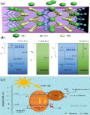
- nanoparticles was fabricated using high-energy ball milling [86]. Ag clusters (5–10 nm) were homogeneously distributed on the flocculated BiVO4 particles (50–100 nm). The structure of the Ag-doped BiVO4 nanocomposite would promote the efficiency of the photodegradation of acid blue dyes. Huang and co-workers




Studies of probe tip materials by atomic force microscopy: a review
Beilstein J. Nanotechnol. 2022, 13, 1256–1267, doi:10.3762/bjnano.13.104
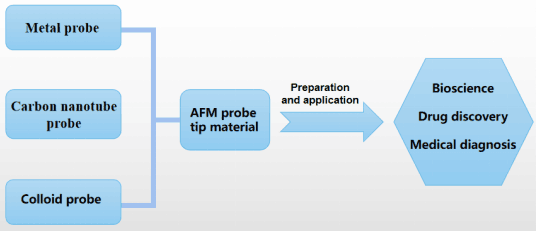
- attractive platform, offering more possibilities for sharpening tips in a controlled manner. These metal clusters can be easily generated with various metals (e.g., Ir, Au, Ni, Co, Pb, or Sn), allowing the generation of nano-tips with different functionalities. The good point is that these clusters were
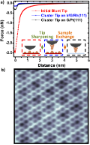
- ][24]. Jiménez-Sánchez et al. [25] studied the extraction of Ir clusters from graphene (by indentation) on the surface of Rh(111) to fabricate AFM sharp nano-tips, i.e., with weak van der Waals interactions. Experiments were performed under ultrahigh pressure and low temperature (5 K) conditions using
- a homemade cantilevered non-contact atomic force microscopy (NC-AFM) system. As the first step of tip sharpening, the focus is on the controlled extraction of individual clusters. The experimental results show that controlled extraction of individual clusters induces a change in tip sharpness, which
Design of surface nanostructures for chirality sensing based on quartz crystal microbalance
Beilstein J. Nanotechnol. 2022, 13, 1201–1219, doi:10.3762/bjnano.13.100
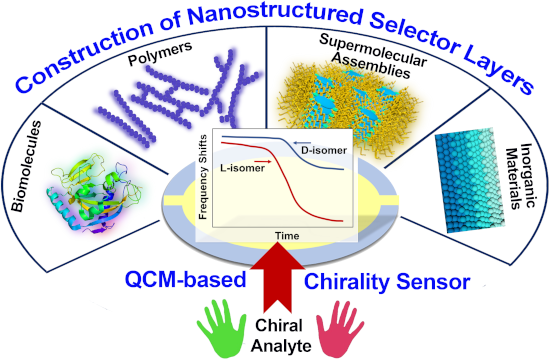
- . The results indicated that a high addition of the chiral template in the MIP film decreased the recognition capability. At higher concentrations, the chiral template molecules form clusters and leave larger cavities in MIP films, which does not favor the dimensional recognition of the target
- clusters and organic ligands via coordination bonds [89][90][91][92]. The variety of combinations between metal ions and organic linkers or structural motifs allows for tunable pore size/shape and adjustable surface functionality [93][94]. These structural characteristics make MOFs one of the most ideal


Recent advances in green carbon dots (2015–2022): synthesis, metal ion sensing, and biological applications
Beilstein J. Nanotechnol. 2022, 13, 1068–1107, doi:10.3762/bjnano.13.93
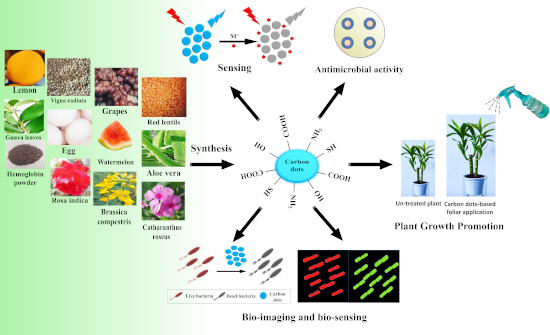
- . This method basically involves four phases, that is, condensation of the molecules followed by polymerization, carbonization, and passivation. Small molecules are condensed into intermediate chains and then polymerized into clusters of carbonaceous material. Carbonization of this material at elevated




Spindle-like MIL101(Fe) decorated with Bi2O3 nanoparticles for enhanced degradation of chlortetracycline under visible-light irradiation
Beilstein J. Nanotechnol. 2022, 13, 1038–1050, doi:10.3762/bjnano.13.91
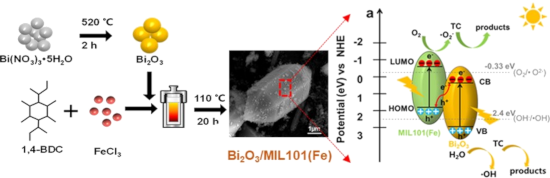
- iron and bridged terephthalic acid molecules. It has high hydrothermal stability, low cost, good hydrophilicity, non-toxicity, and environmental friendliness [20][34]. Most importantly, MIL101(Fe) contains abundant iron-oxo (Fe-O) clusters, which makes it a photocatalyst with visible-light response [19


Influence of water contamination on the sputtering of silicon with low-energy argon ions investigated by molecular dynamics simulations
Beilstein J. Nanotechnol. 2022, 13, 986–1003, doi:10.3762/bjnano.13.86

- displayed in Supporting Information File 1. In addition, a graph with the raw counts is displayed to give a better picture of the evolution of the reaction products. Sputtering yields and sputtered clusters Sputtering yields are important for experiments as they define how quickly a sample is eroded. Here
- yields. A third parameter of interest is the distribution of the sputtered clusters. Overall, several cases are observed: (i) an atom is sputtered alone, (ii) several atoms are sputtered during the same collision cascade independently of one another, and (iii) a cluster of atoms is sputtered. In Figure
- 18 the evolution of the sputtered clusters is plotted with respect to the incidence angle. The highest sputtering yield is observed for intact water molecules, usually occurring in the first simulations when the water layer is relatively undamaged. At higher incidence angles, the amount of water




Bioselectivity of silk protein-based materials and their bio-inspired applications
Beilstein J. Nanotechnol. 2022, 13, 902–921, doi:10.3762/bjnano.13.81

- groups to the anionic bacterial membranes and their lipopolysaccharides (a component of the outer membrane of most Gram-negative bacteria), enabling insertion into the membrane driven by clusters of hydrophobic residues [85][91]. As a consequence, the microbial membranes are permeabilized, associated
- units of the 4RepCT silk protein. The analysis using pancreatic islet cells revealed that peptides inside the protein sequence enhanced cluster formation and total number of these islets, but the viability and functionality of the clusters was enhanced on all RGD-modified substrates [176]. The multitude


Ideal Kerker scattering by homogeneous spheres: the role of gain or loss
Beilstein J. Nanotechnol. 2022, 13, 828–835, doi:10.3762/bjnano.13.73
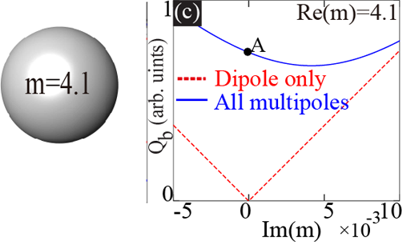
- Kerker’s original proposal (see the reviews [2][3][4]). The fusion of optically induced magnetism with Kerker scattering by high-index materials [5] has rendered new perspectives for photonic studies concerning not only scattering of individual particles or their finite clusters [6][7], but also of


Hierachical epicuticular wax coverage on leaves of Deschampsia antarctica as a possible adaptation to severe environmental conditions
Beilstein J. Nanotechnol. 2022, 13, 807–816, doi:10.3762/bjnano.13.71
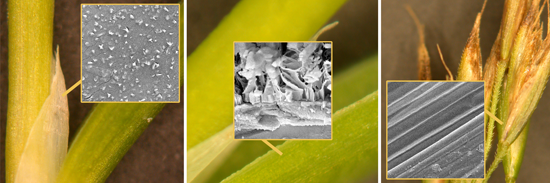
- surfaces showed a similar microstructure of the wax coverage, they differed in the thickness ratio between lower and upper wax layer. The ligule bore a very loose wax coverage composed of separate scale-like projections or clusters of them. We suppose that the two-layered wax densely covering both leaf
- pitcher surface (Figure 4b,c), or (ii) larger projections, gradually changing into platelets and arranged in more or less radial clusters (Figure 4d). In case the clusters become interconnected, they build a loose foam-like coverage on the surface (Figure 4e), which turns into a continuous smooth wax
- separate clumps and can form rather big and thick cushion-like clusters in the Maritime Antarctica. To our opinion, the relatively thick (up to 1.3 μm) two-layered epicuticular wax coverage found in the present study on both leaf lamina sides in D. antarctica might also contribute to the plant resistance




Recent advances in nanoarchitectures of monocrystalline coordination polymers through confined assembly
Beilstein J. Nanotechnol. 2022, 13, 763–777, doi:10.3762/bjnano.13.67

- materials with infinite structures formed by assembly of metal or metal-based clusters and molecular ligands. The structures of the coordination polymers are generally determined by analyzing single crystals [1][2][3][4]. With the development of suitable synthetic strategies, various kinds of
- clusters (PNCs), transition phases, and actual second building units (SBUs) in the prenucleation and growth steps (Figure 1). Transition and attachment of these species are not only controlled by thermodynamics but also strongly depend on kinetics. The decisive factors involve diffusion, local flow, and
- particles could be extended into more complex clusters. Each of exposed facets of the polyhedral coordination polymer crystals could be attached with one polystyrene sphere, forming clusters with various coordination numbers and geometries [136]. One problem regarding the assembly of monocrystalline




A nonenzymatic reduced graphene oxide-based nanosensor for parathion
Beilstein J. Nanotechnol. 2022, 13, 730–744, doi:10.3762/bjnano.13.65
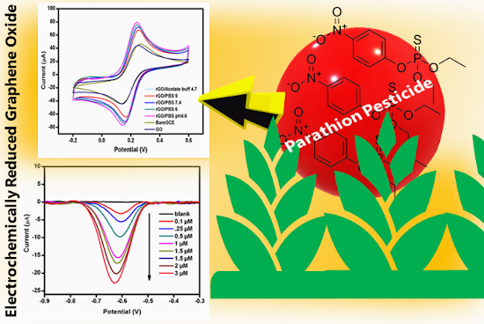
- sp2 ring clusters in a network of sp3- and sp2-bonded carbon [33]. Previous reports have indicated the possibility of converting GO to ERGO at different electrochemical parameters, but its effect on the ID/IG value have not been reported [25][29][33]. In this report, the pH value and buffer


Quantitative dynamic force microscopy with inclined tip oscillation
Beilstein J. Nanotechnol. 2022, 13, 610–619, doi:10.3762/bjnano.13.53
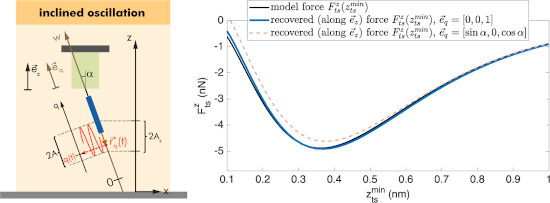
- choice and geometry: The difference can be amplified or reduced depending on the oscillation amplitude, on the interaction potential strength and decay, as well as on the atomic geometry. For example, edges of finite atomic slabs or larger atomic clusters generate significant effects. In practice, a


![[Graphic 38]](/bjnano/content/inline/2190-4286-13-53-i79.svg?max-width=637&scale=1.18182) and the axis w....
and the axis w....


Influence of thickness and morphology of MoS2 on the performance of counter electrodes in dye-sensitized solar cells
Beilstein J. Nanotechnol. 2022, 13, 528–537, doi:10.3762/bjnano.13.44
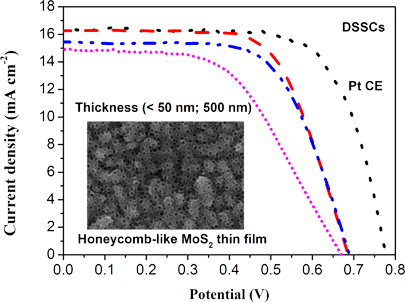
- MoS2/FTO. The resulting DSSCs showed a PCE of 7.16%, similar to that of a Pt/FTO CE (7.48%). The MoS2 film was amorphous and contained agglomerated clusters of nanoparticles [22]. Recently, Gurulakshmi et al. reported on DSSCs using a flexible CE fabricated by electrodeposition of a MoS2 thin film onto


A chemiresistive sensor array based on polyaniline nanocomposites and machine learning classification
Beilstein J. Nanotechnol. 2022, 13, 411–423, doi:10.3762/bjnano.13.34
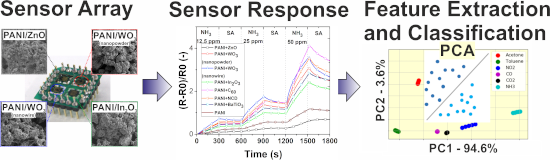
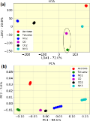
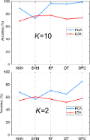
- layers. Figure 11 presents two-dimensional LDA and PCA projections of the extracted features. Regarding the LDA results, LDA1 describes approximately 72% and LDA2 describes 20.6% of data variation. By using the LDA method, a good classification with clearly separated clusters is obtained for NO2, CO2
- with PCA1. Therefore, by analyzing the data projection on PCA1 to evaluate the behavior of the sensors, a high classification in clearly separated clusters is obtained for all gases via PCA. However, PCA and LDA results should be evaluated by machine learning algorithms for high accuracy. The generated




Micro- and nanotechnology in biomedical engineering for cartilage tissue regeneration in osteoarthritis
Beilstein J. Nanotechnol. 2022, 13, 363–389, doi:10.3762/bjnano.13.31
- relatively greater amounts of the proteoglycans [14]. The deep zone consists of the lowest cell density, highest aggrecan content, largest diameter collagen fibrils, and least amount of collagen [12]. In this layer, the chondrocytes are typically arranged in columnar clusters parallel to the collagen fibrils


Alcohol-perturbed self-assembly of the tobacco mosaic virus coat protein
Beilstein J. Nanotechnol. 2022, 13, 355–362, doi:10.3762/bjnano.13.30
- eventually, alcohol becomes the bulk phase with small water clusters [34][35]. These changes in solvent structure reduce the solvent permittivity and change solute pKa and hydration number [36][37]. Additionally, alcohol–protein interactions can replace protein–protein interactions, altering the protein
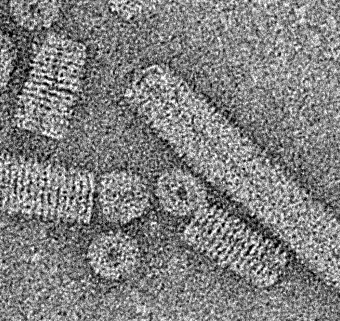
- were the dominant species. In 5.0 and 10.0 mol % ethanol, the pH 5.0 samples showed large raft-like clusters of stacked disks (Figure S6, Supporting Information File 1). These clusters could extend for over a micrometre in either the axial or lateral direction. These clusters may be caused by increased
- , Supporting Information File 1). Stacked disks at high isopropyl alcohol concentrations were longer than at high methanol concentrations and showed large clusters in TEM. Conclusion The use of dipolar cosolvents to perturb the assembly of TMV-cp has potential applications for nanomaterials. Low concentrations


Systematic studies into uniform synthetic protein nanoparticles
Beilstein J. Nanotechnol. 2022, 13, 274–283, doi:10.3762/bjnano.13.22
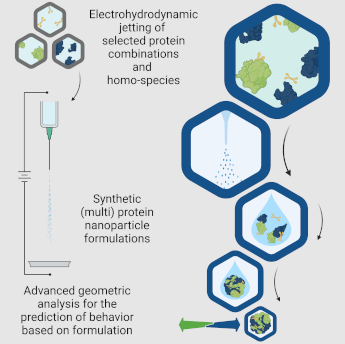
- , deconvolution is utilized (Supporting Information File 1) to extract relative subpopulation fractions (α1, α2) (Table S6). The HEM/HSA population with d1 = 97 nm comprises swollen individual SPNPs, while the second population with d2 = 455 nm may be attributed to transient or semi-transient clusters. When
- to individual particles (d1 = 80 nm) and larger SPNP clusters (d2 = 326 nm). Compared to the single-component SPNPs, the value of d1 (80 nm) falls between HSA SPNPs (d1 = 46 nm) and TF SPNPs (d1 = 125 nm) (Supporting Information File 1, Table S6). In the dry state, TF/HSA SPNPs display an average


Photothermal ablation of murine melanomas by Fe3O4 nanoparticle clusters
Beilstein J. Nanotechnol. 2022, 13, 255–264, doi:10.3762/bjnano.13.20
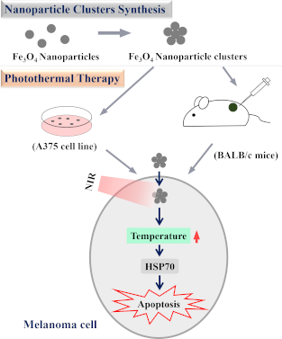
- development of resistance. Here, we fabricated Fe3O4 nanoparticle clusters (NPCs), which have drawn widespread attention, and investigated their role in the treatment of melanoma by photothermal therapy (PTT). Scanning electron microscopy imaging shows that our synthesized NPCs are spherical with an average
- the promise of Fe3O4 NPCs as a new PTT option to treat melanoma. Keywords: Fe3O4 nanoparticle clusters; heat shock protein 70; melanoma; near infrared; photothermal therapy; Introduction The global incidence of melanoma, one of the deadliest forms of cancer, has kept increasing annually over the
- show that clustered magnetic Fe3O4 nanoparticles induce a redshift in the light absorption spectra, which enhances light absorbance within the NIR region and improves their utilization as photosensitizers during PTT to ablate lung tumors [16]. However, the role of Fe3O4 nanoparticle clusters in the


Surfactant-free syntheses and pair distribution function analysis of osmium nanoparticles
Beilstein J. Nanotechnol. 2022, 13, 230–235, doi:10.3762/bjnano.13.17

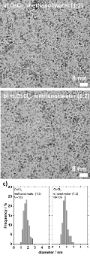
- or decahedral motifs are often observed for metals with normally close-packed structures [35]. By using the atomic simulation environment (ASE) module [36] and the cluster-mining approach developed by Banerjee et al. [35] we screened a large number of metal NP clusters, including hexagonal close
- . Figure S24: XRD characterization of the nanomaterials obtained. Figures S25–42: PDF characterization of the nanomaterials obtained. Figures S43–45: Crystal structures and models of the different clusters and complexes. Figure S46: PDF characterization of the nanomaterials obtained. Table S1: Overview of


Sputtering onto liquids: a critical review
Beilstein J. Nanotechnol. 2022, 13, 10–53, doi:10.3762/bjnano.13.2
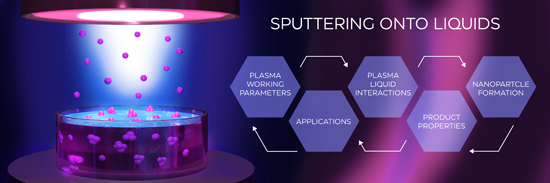
- his work stayed almost unnoticed. There had been no sufficient progress regarding the kinetics of NP formation during the 35 years after Takiyama’s work. Studies of pulse radiolysis reduction of silver (Ag) ions showed the presence of small ionic Agрz+ clusters (p = 2–9, z = 1–2) that grow and become
- nuclei of the final NPs [94][95]. Because silver clusters absorb light at different wavelengths than the surface plasmon resonance (SPR) band of Ag NPs (which is used for monitoring of NP growth kinetics by UV–vis spectroscopy) one can spot the induction period on the sigmoidal kinetic curves. Noteworthy