
Search results
Search for "field emission" in Full Text gives 303 result(s) in Beilstein Journal of Nanotechnology. Showing first 200.
Local stiffness and work function variations of hexagonal boron nitride on Cu(111)
Beilstein J. Nanotechnol. 2021, 12, 559–565, doi:10.3762/bjnano.12.46
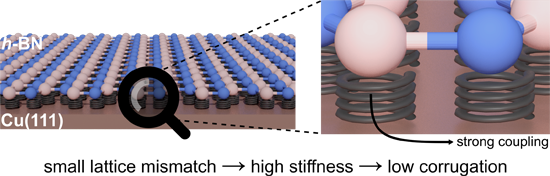
- for atomic and molecular adsorbates owing to its local electronic trapping potential due to the in-plane electric field. We obtain work function (Φ) variations on the h-BN/Cu(111) superstructure of the order of 100 meV using two independent methods, namely the shift of field emission resonances and
- based on a shift of the field emission resonance (FER) induced by Φ variations. The effective potential well of depth Φ at the surface of a metal can accommodate a series of Rydberg states, extending a few angstroms into the vacuum above the metal surface [43]. These image potential states (IPSs


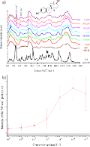
On the stability of microwave-fabricated SERS substrates – chemical and morphological considerations
Beilstein J. Nanotechnol. 2021, 12, 541–551, doi:10.3762/bjnano.12.44

- carbon tape. To improve the contrast and to reduce the potential charging effect, the samples were sputter-coated with platinum (Pt) with a coating thickness of 4 nm. The SEM imaging was performed with a field-emission scanning electron microscope (Sigma VP, Carl Zeiss AG, Jena, Germany) at an


The nanomorphology of cell surfaces of adhered osteoblasts
Beilstein J. Nanotechnol. 2021, 12, 242–256, doi:10.3762/bjnano.12.20

- room temperature. Measurement principle and data preparation Scanning electron microscopy (SEM) was performed using a field-emission SEM (Gemini Supra 25, Zeiss) at 1 keV electron energy without Au coating. For SICM a commercial AFM/SICM setup (NX-bio, Park Systems, Korea) with a live-cell chamber (5


Scanning transmission helium ion microscopy on carbon nanomembranes
Beilstein J. Nanotechnol. 2021, 12, 222–231, doi:10.3762/bjnano.12.18
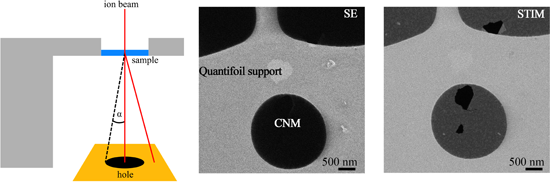
- photoelectron emission angle of 13° with respect to the surface normal. Energy-filtered transmission electron microscopy was conducted at energies of 60 and 80 keV on a Cs-corrected JEOL JEM-ARM200F equipped with a cold field emission gun. A GATAN GIF-Quantum ER image filter and a 2k × 2k CCD camera (GATAN


ZnO and MXenes as electrode materials for supercapacitor devices
Beilstein J. Nanotechnol. 2021, 12, 49–57, doi:10.3762/bjnano.12.4
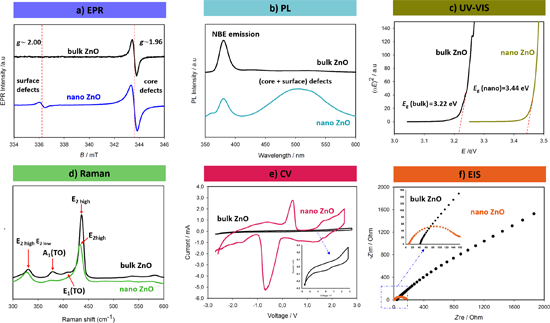
- tantalum carbide MXene sheets was carried out using X-ray diffraction measurements (XRD), field-emission scanning electron microscopy (FE-SEM), transmission electron microscopy (TEM), and Raman spectroscopy. The results of XRD, FE-SEM, and Raman showed that tantalum carbide MXenes are layered solid
Bio-imaging with the helium-ion microscope: A review
Beilstein J. Nanotechnol. 2021, 12, 1–23, doi:10.3762/bjnano.12.1

- resembles a field-emission scanning electron microscope (FE-SEM), but the use of helium ions rather than electrons provides several advantages, including higher surface sensitivity, larger depth of field, and a straightforward charge-compensating electron flood gun, which enables imaging of non-conductive
- opportunity for further developments. On the one hand, it is as flexible and straightforward to use as a scanning electron microscope (SEM) but with a five times larger depth of field [1] and a lateral resolution of about 0.5 nm [4] (demonstrated record: 0.24 nm [5]), which is between high-end field-emission
- milling and imaging. Plant imaging was done on the model species Arabidopsis thaliana. The HIM images of the uncoated cuticle samples showed fine textures and minute ridges not discernible in the low-voltage field-emission SEM images of the same samples. Arabidopsis samples were also HIM-imaged by Curtin


Oxidation of Au/Ag films by oxygen plasma: phase separation and generation of nanoporosity
Beilstein J. Nanotechnol. 2020, 11, 1608–1614, doi:10.3762/bjnano.11.143
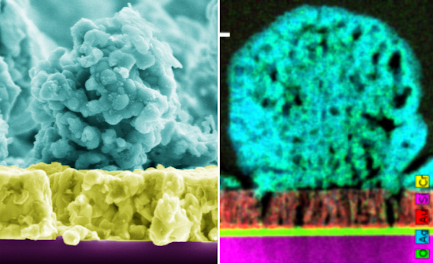
- current of the X-ray generator were set to 45 kV and 40 mA, respectively. The signal was collected between 20° and 90° with a step size of 0.02° and at a speed of 1 deg/min. STEM and STEM-EDS were performed on a TALOS (FEI, Hillsboro, Oregon, USA) field emission gun transmission electron microscope


Walking energy harvesting and self-powered tracking system based on triboelectric nanogenerators
Beilstein J. Nanotechnol. 2020, 11, 1590–1595, doi:10.3762/bjnano.11.141
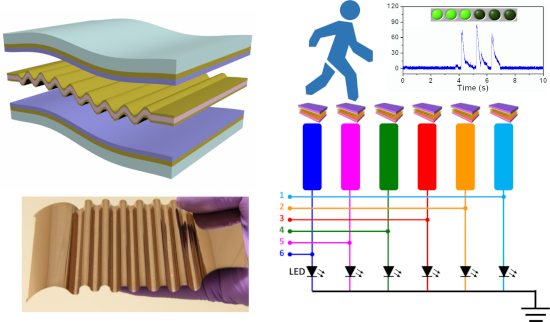
- the electrode as an output terminal. Characterization and electrical measurement of the u-TENG Field-emission scanning electron microscopy (FESEM, Hitachi SU-8020) was used to characterize the surface morphology of the modified PTFE film. A Stanford Research Systems equipment was used to measure the




Structure and electrochemical performance of electrospun-ordered porous carbon/graphene composite nanofibers
Beilstein J. Nanotechnol. 2020, 11, 1280–1290, doi:10.3762/bjnano.11.112

- electron microscopy (SEM) under a field-emission scanning electron microscope (FE-SEM) (Hitachi, S4800, Japan). The structural characteristics of the CNFs were observed via transmission electron microscopy (TEM) (FEI, Tecnai G20, Japan). The diameter values of the CNFs were measured using ImageJ software


Ultrasensitive detection of cadmium ions using a microcantilever-based piezoresistive sensor for groundwater
Beilstein J. Nanotechnol. 2020, 11, 1242–1253, doi:10.3762/bjnano.11.108

- ) LOD, which is well below the WHO limit for cadmium ions. The paper describes the methodology, the formation of SAMs and their characterization using field-emission scanning electron microscopy (FESEM), the use of the portable experimental platform with the MEMS-based piezoresistive device to selective




Magnetic-field-assisted synthesis of anisotropic iron oxide particles: Effect of pH
Beilstein J. Nanotechnol. 2020, 11, 1230–1241, doi:10.3762/bjnano.11.107
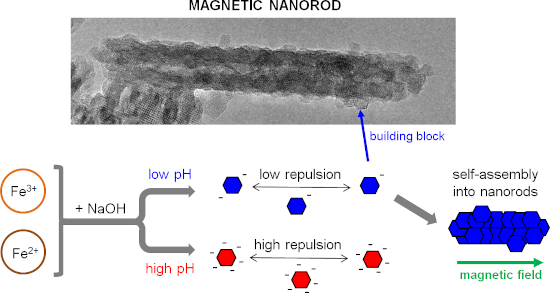
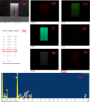
- scanning TEM (STEM). The specimens were examined under a TITAN 80-300 microscope (FEI, USA) equipped with a Schottky field emission gun, a spherical aberration corrector (Cs probe corrector), a direct detection camera (Falcon II, FEI, USA), and an EDX spectroscopy system (EDAX, USA). The TEM was operated





3D superconducting hollow nanowires with tailored diameters grown by focused He+ beam direct writing
Beilstein J. Nanotechnol. 2020, 11, 1198–1206, doi:10.3762/bjnano.11.104

- operated at 300 kV and equipped with a high-brightness X-FEG and a CETCOR Cs corrector for the condenser system to provide sub-angstrom probe size. STEM high-angle annular dark-field (HAADF) tomography was performed using a Thermo Fisher Tecnai field-emission gun operated at 300 kV. The angular range for



Highly sensitive detection of estradiol by a SERS sensor based on TiO2 covered with gold nanoparticles
Beilstein J. Nanotechnol. 2020, 11, 1026–1035, doi:10.3762/bjnano.11.87
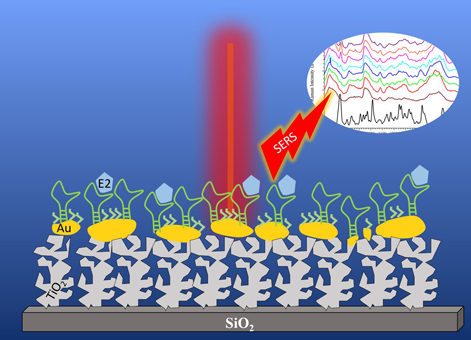
- . The thermal treatment was carried out to induce both crystallization of the as-deposited amorphous TiO2 into the anatase phase (as discussed in [28][29]) and the formation of AuNPs exploiting dewetting of the Au films. A field-emission scanning electron microscope (FEG-SEM, Zeiss Supra 40) was used to



Microwave-induced electric discharges on metal particles for the synthesis of inorganic nanomaterials under solvent-free conditions
Beilstein J. Nanotechnol. 2020, 11, 1019–1025, doi:10.3762/bjnano.11.86
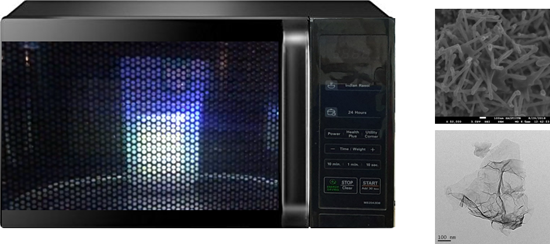
- supernatant solution is collected for further characterization. Characterization of products The reaction products are characterized by X-ray diffraction (PANanalytical X’pert PRO), field-emission scanning electron microscopy (JEOL JSM 7600F, combined with energy-dispersive spectroscopy (EDS)), transmission


Wet-spinning of magneto-responsive helical chitosan microfibers
Beilstein J. Nanotechnol. 2020, 11, 991–999, doi:10.3762/bjnano.11.83

- scanning electron microscope (SEM) using a Zeiss Supra 40 field-emission device (Carl Zeiss, Oberkochen, Germany) at an acceleration voltage of 3 kV. Prior to SEM analysis, dried fibers were sputter-coated with a 7 nm gold layer using a Bal-Tec SCD 005 sputter system (Leica Microsystems, Wetzlar, Germany


Electrochemical nanostructuring of (111) oriented GaAs crystals: from porous structures to nanowires
Beilstein J. Nanotechnol. 2020, 11, 966–975, doi:10.3762/bjnano.11.81
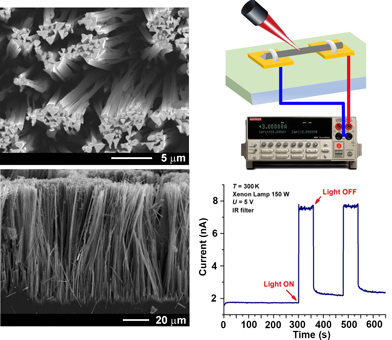
- these nanowires were tested for field emission, but not for photodetector applications. The nanowires were produced using electrochemical etching under optimized conditions in a mixed H3PO4/HCl electrolyte followed by chemical etching for reducing the diameter down to 150 nm. The authors of the work did





A set of empirical equations describing the observed colours of metal–anodic aluminium oxide–Al nanostructures
Beilstein J. Nanotechnol. 2020, 11, 798–806, doi:10.3762/bjnano.11.64
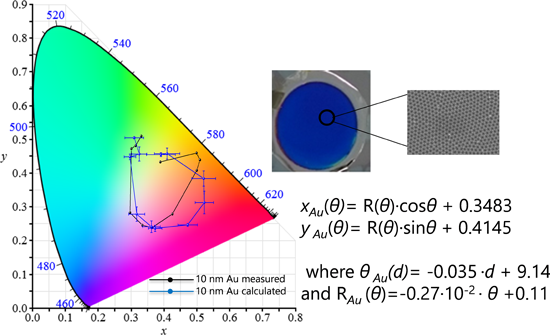
- (yielding to the same porosity), changing only the second anodization time (from 120 to 600 s) to obtain different film thicknesses (from 209 ± 12 nm to 380 ± 15 nm). Focused ion beam (FIB) milling and field-emission scanning electron microscopy (FESEM) imaging were used to accurately determine the
- . After that, the Cr layer was deposited. Characterization of AAO films Morphological characterisation was performed using a field-emission scanning electron microscope (FESEM, Hitachi S-4800) with a 1.5 kV accelerating voltage. The thickness was obtained from sample cross sections fabricated using a


Effect of Ag loading position on the photocatalytic performance of TiO2 nanocolumn arrays
Beilstein J. Nanotechnol. 2020, 11, 717–728, doi:10.3762/bjnano.11.59
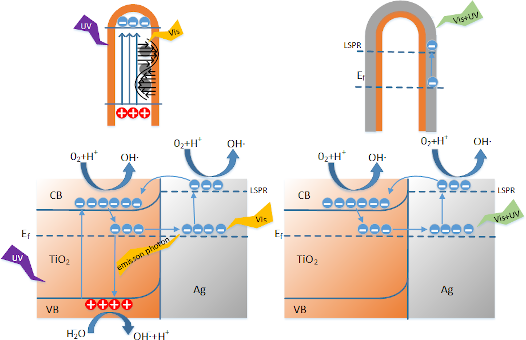
- structures were observed using a field emission scanning electron microscope (FE-SEM, FEI, Tecnai G2 F30). The elemental composition and valence distribution of the film were measured by X-ray photoelectron spectroscopy (XPS, Thermo Fisher Scientific, ESCALAB 250Xi). The photoluminescence (PL) intensity of


Structural optical and electrical properties of a transparent conductive ITO/Al–Ag/ITO multilayer contact
Beilstein J. Nanotechnol. 2020, 11, 695–702, doi:10.3762/bjnano.11.57
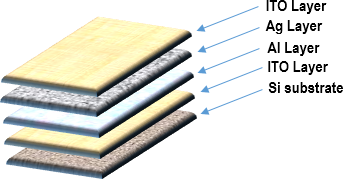
- IAAI and ITO films was further analyzed by field-emission scanning electron microscopy (FESEM, 5.0 kV, 100000× magnification). Figure 4 shows FESEM images of the as-deposited and annealed IAAI and ITO films. The as-deposited IAAI and ITO films show a smooth and continuous surface with small grains and
- carried out using the Nanoscope Analysis software. All films were scanned over an area of 1 μm × 1 μm. Field-emission scanning electron microscopic analyses The surface morphology of the prepared thin films was further studied using field-emission scanning electron microscopy (FESEM). A FESEM JEOL JSM


Exfoliation in a low boiling point solvent and electrochemical applications of MoO3
Beilstein J. Nanotechnol. 2020, 11, 662–670, doi:10.3762/bjnano.11.52
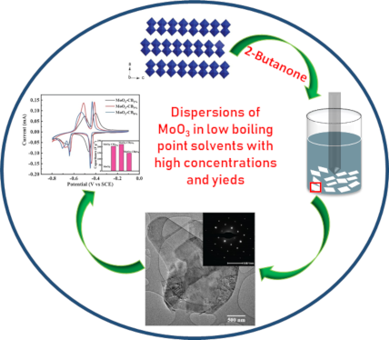
- preheated oven. The remaining MoO3 powder in the beaker was weighed to determine the concentration. The morphology of MoO3 flakes was characterized using field-emission scanning electron microscopy (FESEM; Tescan Mira3), transmission electron microscopy (TEM; FEI Talos, 200 kV) and atomic force microsopy

Silver-decorated gel-shell nanobeads: physicochemical characterization and evaluation of antibacterial properties
Beilstein J. Nanotechnol. 2020, 11, 620–630, doi:10.3762/bjnano.11.49

- ) analysis were performed with a Zeiss Merlin field-emission SEM instrument. Transmission electron microscopy images were collected with a Zeiss Libra 120 EFTEM. Confocal laser scanning microscopy (CLSM) imaging of bacterial biofilms was performed with a Nikon AIR MP microscope equipped with a 60×, NA 1.4


Synthesis and enhanced photocatalytic performance of 0D/2D CuO/tourmaline composite photocatalysts
Beilstein J. Nanotechnol. 2020, 11, 407–416, doi:10.3762/bjnano.11.31
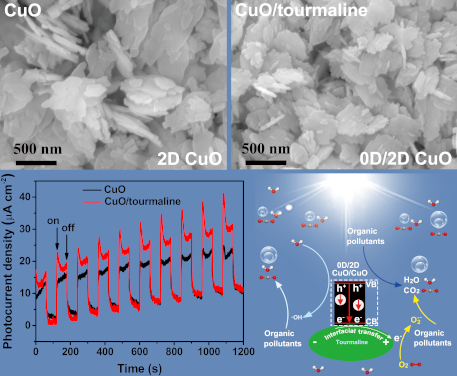
- using step scan mode performed with a DX-2700 diffractometer (Dandong Haoyuan Instrument Co. Ltd., China) with Ni-filtered Cu Kα radiation (λ = 0.1.541 Å), 10–80° 2θ scan. X-ray photoelectron spectra (XPS) were recorded using a K-ALPHA instrument (ThermoFisher Scientific, USA). A MIRA3 field emission


Poly(1-vinylimidazole) polyplexes as novel therapeutic gene carriers for lung cancer therapy
Beilstein J. Nanotechnol. 2020, 11, 354–369, doi:10.3762/bjnano.11.26
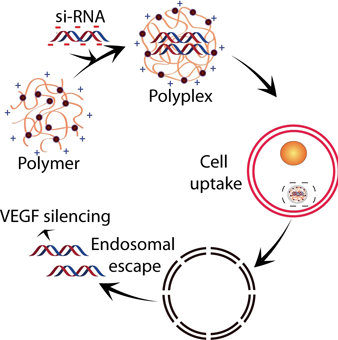
- RNAse-free water and dried overnight. The samples were stained with 1% phosphotungstic acid solution (Merck, Germany) and imaged using high-resolution field-emission transmission electron microscopy (JEM2100F, JEOL, Japan). Differential scanning calorimetry: The melting point of the blank PVI
- . Characterization of the polyplex Electron microscopy: A small drop of the polyplex sample was placed on a conducting carbon tape and air-dried. The sample was then sputter-coated with a thin film of gold. The sample was placed in the sample chamber and imaged at an accelerating voltage of 3 kV using a cold field
- -emission scanning electron microscope (JSM6701F, JEOL, Japan). For transmission electron microscopy, 1 mL of the polyplex was deposited on 400 mesh copper grids (Canemco-Marivac, Canada) and air-dried for 10 min. The excess sample was removed by blotting using a filter paper. The grids were washed using


Simple synthesis of nanosheets of rGO and nitrogenated rGO
Beilstein J. Nanotechnol. 2020, 11, 68–75, doi:10.3762/bjnano.11.7

- Mira3 field-emission scanning electron microscope (FESEM) equipped with an energy-dispersive X-ray spectroscopy (EDS). The TEM, HRTEM images and SAED patterns were obtained on a TALOS F200S G2, 200 kV FEG, and a CMOS camera (4k × 4k). The TEM samples were prepared by suspending the samples in ethanol


Synthesis of amorphous and graphitized porous nitrogen-doped carbon spheres as oxygen reduction reaction catalysts
Beilstein J. Nanotechnol. 2020, 11, 1–15, doi:10.3762/bjnano.11.1
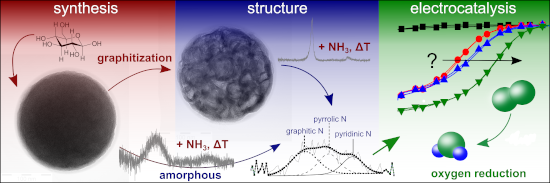
- Scanning electron microscopy (SEM) images were recorded with a field-emission scanning electron microscope (FE-SEM, Zeiss Ultra Plus) at 10 to 12 keV beam energy. For imaging, the samples were deposited on a conducting carbon film. Energy-dispersive X-ray spectroscopy (EDX) measurements were performed on