Search results
Search for "biomedical" in Full Text gives 395 result(s) in Beilstein Journal of Nanotechnology. Showing first 200.
Biomimetics on the micro- and nanoscale – The 25th anniversary of the lotus effect
Beilstein J. Nanotechnol. 2023, 14, 850–856, doi:10.3762/bjnano.14.69
- paper “Bioselectivity of silk protein-based materials and their bio-inspired applications” the importance of tailoring bioselective, biologically active, and multifunctional materials for biomedical applications in biomaterial research. The review was focused on two major topics, the first one being


Carboxylic acids and light interact to affect nanoceria stability and dissolution in acidic aqueous environments
Beilstein J. Nanotechnol. 2023, 14, 762–780, doi:10.3762/bjnano.14.63

- ; environmentally mediated dissolution; nanoceria; Introduction Background Ceria nanomaterials have many applications, including acting as redox catalysts/metal supports [1], sunscreens [2], heat-resistant coatings [3], and much more [4]. Biomedical applications of ceria-based compounds as therapeutics have the
Nanoarchitectonics for advanced applications in energy, environment and biology: Method for everything in materials science
Beilstein J. Nanotechnol. 2023, 14, 738–740, doi:10.3762/bjnano.14.60
- ], but also from applied fields such as catalysis [20][21], sensors [22][23], devices [24][25], environmental research [26][27], energy [28][29], and biomedical [30][31] fields. In this thematic issue entitled “Nanoarchitectonics for advanced applications in energy, environment and biology”, the authors

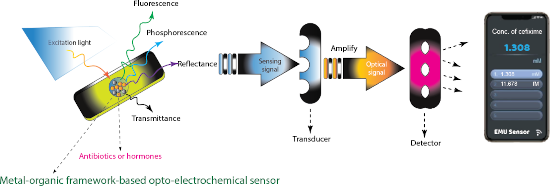
Metal-organic framework-based nanomaterials as opto-electrochemical sensors for the detection of antibiotics and hormones: A review
Beilstein J. Nanotechnol. 2023, 14, 631–673, doi:10.3762/bjnano.14.52


Microneedle patches – the future of drug delivery and vaccination?
Beilstein J. Nanotechnol. 2023, 14, 494–495, doi:10.3762/bjnano.14.40
- applications [2]. Recent research has also revealed a growing interest in diagnostic testing using the interstitial fluid (ISF) transdermally extracted, for example using suction devices [3], and there is increasing recognition by doctors and biomedical scientists of the potential role of the ISF in medical
- availability of regulatory-approved MN patches for a wide range of clinical and biomedical applications. We are grateful to the authors for their excellent contributions to this thematic issue; we are very aware of the demands on their time. We also thank the Beilstein-Institut editorial team for their highly
A mid-infrared focusing grating coupler with a single circular arc element based on germanium on silicon
Beilstein J. Nanotechnol. 2023, 14, 478–484, doi:10.3762/bjnano.14.38
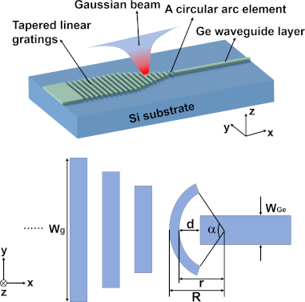
- resonance platform will further contribute to the field of biomedical sensors. We also studied the sensing performance of our proposed MIR FGC when it worked as a sensor rather than a coupler, as shown in Figure 6. When RI increases from 1 to 1.04, the peak of coupling efficiency shows a redshift from


Plasmonic nanotechnology for photothermal applications – an evaluation
Beilstein J. Nanotechnol. 2023, 14, 380–419, doi:10.3762/bjnano.14.33
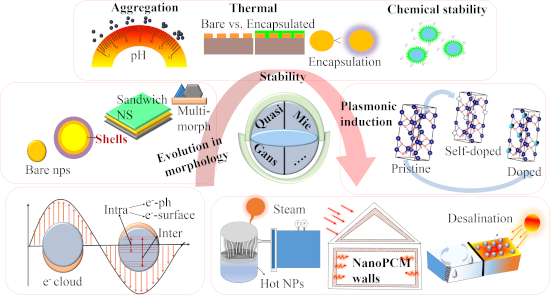
- tunability of optothermal properties and enhanced stability, these nanostructures show a wide range of applications in optical sensors, steam generation, water desalination, thermal energy storage, and biomedical applications such as photothermal (PT) therapy. The PT effect, that is, the conversion of




Polymer nanoparticles from low-energy nanoemulsions for biomedical applications
Beilstein J. Nanotechnol. 2023, 14, 339–350, doi:10.3762/bjnano.14.29
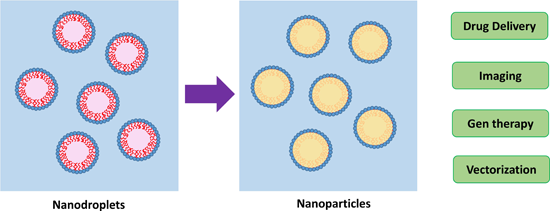
- , particularly by the phase inversion composition method, and the use of these nanoemulsions as templates for the preparation of polymer nanoparticles for biomedical applications are reviewed. The methods of preparation, nature of the components in the formulation, and their impact on the physicochemical
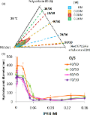
- research on the fabrication of polymer nanoparticles from low-energy nanoemulsions, focusing on phase inversion composition. We particularly emphasize their biomedical applications as drug carriers. 2 Nanoemulsions Nanoemulsions are constituted by nanoscale droplets (20–200 nm) dispersed in a continuous
- surfactant/water/oil systems through the use of phase diagrams is usually needed. For biomedical applications, this is further complicated by the fact that the list of available components is restricted by regulations. The most straightforward strategy to obtain polymer nanoparticles from nanoemulsions is to




Overview of mechanism and consequences of endothelial leakiness caused by metal and polymeric nanoparticles
Beilstein J. Nanotechnol. 2023, 14, 329–338, doi:10.3762/bjnano.14.28

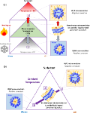
- form one of the most selective permeability barriers [33] (Figure 4). Studies on NanoEL are a valuable source of information with respect to the potential future of biomedical applications. Designing NPs with optimal physicochemical properties could enable predicted and controlled leakiness, thus
- therapeutic effectiveness, regulated pharmacokinetics, known biodistribution, and minimal side effects are being sought. The mechanism of NanoEL shows great potential for future biomedical applications, but a more thorough investigation is still required [5]. Conclusion Effective transport of NPs to the


Biocatalytic synthesis and ordered self-assembly of silica nanoparticles via a silica-binding peptide
Beilstein J. Nanotechnol. 2023, 14, 280–290, doi:10.3762/bjnano.14.25

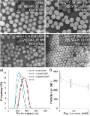
- Mustafa Gungormus Biomedical Engineering, School of Engineering and Natural Sciences, Ankara Yildirim Beyazit University, Ankara, Türkiye MERLAB Application and Research Center, Ankara Yildirim Beyazit University, Ankara, Türkiye 10.3762/bjnano.14.25 Abstract Achieving scalable and economic




Recent progress in cancer cell membrane-based nanoparticles for biomedical applications
Beilstein J. Nanotechnol. 2023, 14, 262–279, doi:10.3762/bjnano.14.24

- in real time [84]. Conclusion Biomimetic cancer cell membrane-coated NPs present unique advantages that provide new breakthrough ideas for various obstacles in the field of biomedical treatment. Numerous biomimetic nanoagents based on cancer cell membrane-related functions have been reported and


Concentration-dependent photothermal conversion efficiency of gold nanoparticles under near-infrared laser and broadband irradiation
Beilstein J. Nanotechnol. 2023, 14, 205–217, doi:10.3762/bjnano.14.20

- Vikas Raj Kumar Sanjeev Soni Academy of Scientific and Innovative Research (AcSIR), Ghaziabad-201002, India Biomedical Applications Group, CSIR Central Scientific Instruments Organisation, Sector-30C, Chandigarh-160030, India Micro and Nano Optics Centre, CSIR Central Scientific Instruments
- , and the characteristics of irradiation source [12][13][14][15][16][17]. For biomedical applications, to achieve maximum light penetration, a light source of spectral output within 700–900 nm (NIR-I range, termed therapeutic window) is required [18][19][20]. Here, the photothermal conversion efficiency


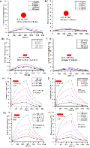


Structural, optical, and bioimaging characterization of carbon quantum dots solvothermally synthesized from o-phenylenediamine
Beilstein J. Nanotechnol. 2023, 14, 165–174, doi:10.3762/bjnano.14.17
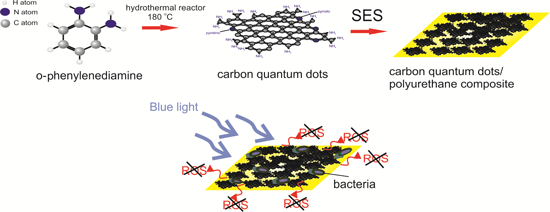
- ][20][21]. Because of the low dark cytotoxicity they can be used successfully for bioimaging of different cells [22][23]. In our previous research, we investigated the effect of various parameters on structural, optical, and biomedical properties of CQDs [5]. We reported how heteroatom dopants
- o-phenylenediamine did not disrupt the cytoplasmic membrane. Cytotoxicity testing Low cytotoxicity is one of the mandatory requirements for biomedical applications. In this paper, we performed cell viability tests by applying the MTT assay toward MRC5 human lung fibroblast cells. Lung fibroblasts


Two-step single-reactor synthesis of oleic acid- or undecylenic acid-stabilized magnetic nanoparticles by thermal decomposition
Beilstein J. Nanotechnol. 2023, 14, 11–22, doi:10.3762/bjnano.14.2

- , wüstite), particularly nanosized particles, show distinct effects on living organisms. Thus, it is of primary importance for their biomedical applications that the morphology and phase-structural state of these materials are investigated. The aim of this work was to obtain magnetic nanoparticles in a
- chemical and physical properties. One such area is biomedicine [1]. Especially iron oxide-based nanoparticles, due to their biodegradation, low toxicity, and enhanced oxidative resistance compared to metallic nanoparticles, show high potential in biomedical applications [2][3][4]. Up to now, iron oxide
- , studying the morphology and phase composition of iron-oxide-based nanoparticles is a critical issue. Nevertheless, magnetite and maghemite particles remain the most commonly used nanoparticles in biomedical applications. However, it must be noted that magnetite nanoparticles undergo rapid oxidation in air


Single-step extraction of small-diameter single-walled carbon nanotubes in the presence of riboflavin
Beilstein J. Nanotechnol. 2022, 13, 1564–1571, doi:10.3762/bjnano.13.130
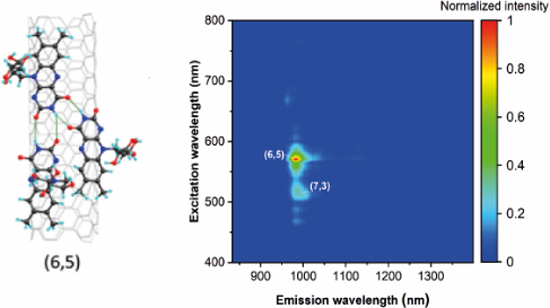
- . Biomedical applications apply an additional constraint on the diameter of nanotubes. Small-diameter SWCNTs display intrinsic photoluminescence in the spectral range of 900–1100 nm within the biological transparency window, making them ideal candidates for single-molecule biosensors or biomedical imaging
- biocompatibility of nucleic acids can support biomedical applications of such dispersions. Unfortunately, an extensive ultrasonic treatment required to obtain a dispersion of individual nanotubes might destroy fragile nucleic acid molecules so that their applications are somewhat inhibited. Flavin compounds are
- -resolution imaging of specific tissues [29]. Notably, single-step extraction of carbon nanotubes in an aqueous media without surfactants or organic additives can significantly shorten the path from industrial or laboratory reactors to in vitro and in vivo biomedical research and further. Conclusion We


Frequency-dependent nanomechanical profiling for medical diagnosis
Beilstein J. Nanotechnol. 2022, 13, 1483–1489, doi:10.3762/bjnano.13.122
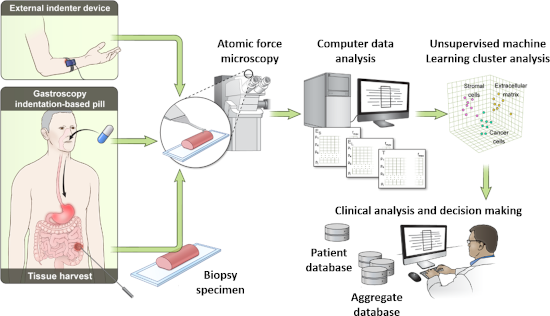
- Santiago D. Solares Alexander X. Cartagena-Rivera Department of Mechanical and Aerospace Engineering, The George Washington University, School of Engineering and Applied Science, Washington, District of Columbia, USA Section on Mechanobiology, National Institute of Biomedical Imaging and


Facile preparation of Au- and BODIPY-grafted lipid nanoparticles for synergized photothermal therapy
Beilstein J. Nanotechnol. 2022, 13, 1432–1444, doi:10.3762/bjnano.13.118

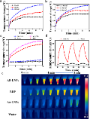
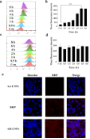
- development of Au- and BODIPY-grafted LNPs using a very simple and convenient method. PTT-induced direct anti-tumor effects through photothermal ablation or hyperthermia have been widely studied [28]. AuNPs are one of the most attractive PTAs for biomedical applications because of their biocompatibility and




Laser-processed antiadhesive bionic combs for handling nanofibers inspired by nanostructures on the legs of cribellate spiders
Beilstein J. Nanotechnol. 2022, 13, 1268–1283, doi:10.3762/bjnano.13.105

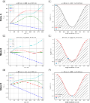
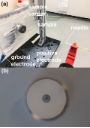
- Sebastian Lifka Kristof Harsanyi Erich Baumgartner Lukas Pichler Dariya Baiko Karsten Wasmuth Johannes Heitz Marco Meyer Anna-Christin Joel Jorn Bonse Werner Baumgartner Institute of Biomedical Mechatronics, Johannes Kepler University Linz, Altenberger Straße 69, 4040 Linz, Austria Bundesanstalt






Studies of probe tip materials by atomic force microscopy: a review
Beilstein J. Nanotechnol. 2022, 13, 1256–1267, doi:10.3762/bjnano.13.104
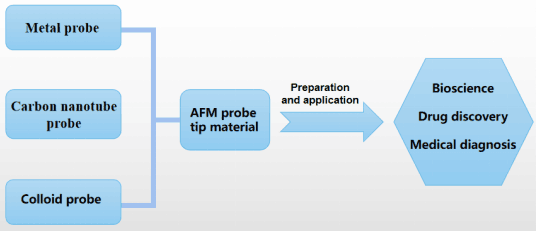
- tool for biomedical research and food detection. Bifunctional probe Yang et al. [54] prepared a novel bifunctionalized colloidal gold nanoprobe and investigated its specificity due to the excellent performance of bifunctional probes for food pathogen detection and nucleic acid analysis. A
Role of titanium and organic precursors in molecular layer deposition of “titanicone” hybrid materials
Beilstein J. Nanotechnol. 2022, 13, 1240–1255, doi:10.3762/bjnano.13.103
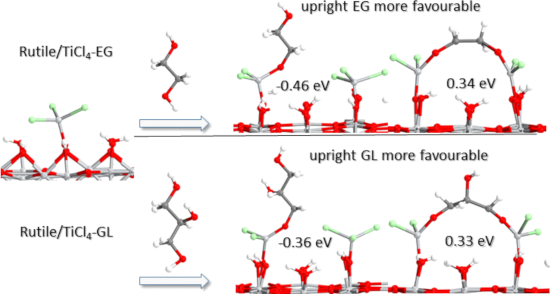
- organic–inorganic hybrid films for applications in several technological application areas, including packaging/encapsulation, electronics, batteries and biomedical applications [1][2][3][4]. MLD is very similar to the widely used atomic layer deposition (ALD) technique, which involves the fabrication of


A super-oscillatory step-zoom metalens for visible light
Beilstein J. Nanotechnol. 2022, 13, 1220–1227, doi:10.3762/bjnano.13.101
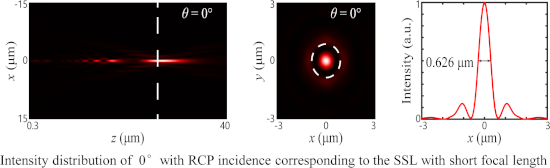
- plasmons can reach a spatial resolution of 22 nm, but the imaging range is limited to the sample surface, causing difficulties in biomedical imaging. Although negative refractive superlenses and hyperbolic metamaterials [6][7] have been experimentally verified for super-resolution imaging, they exhibit


Recent advances in green carbon dots (2015–2022): synthesis, metal ion sensing, and biological applications
Beilstein J. Nanotechnol. 2022, 13, 1068–1107, doi:10.3762/bjnano.13.93
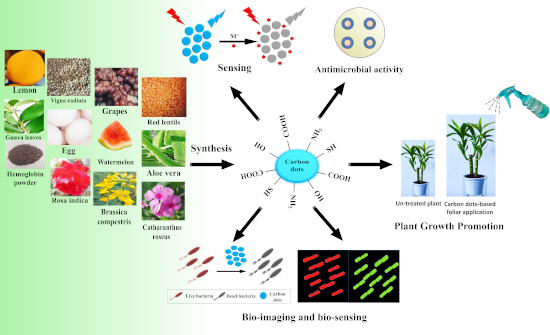
- applications [36], tumor marker detection [37], bioanalytical studies [38], biomedical [39][40] and biotechnological applications [3], biosensing and bioimaging [31][32], and fluorescence [41] and photoluminescence processes [42]. Many reviews about CDs obtained from natural resources have been published
- properties of CDs. By introducing electrons into CDs and altering the internal electronic states, nitrogen atoms significantly enhance the fluorescence characteristics of these molecules. The N-CDs produced perform exceptionally well in biomedical applications, including bioimaging and biosensing. A huge




Biomimetic chitosan with biocomposite nanomaterials for bone tissue repair and regeneration
Beilstein J. Nanotechnol. 2022, 13, 1051–1067, doi:10.3762/bjnano.13.92
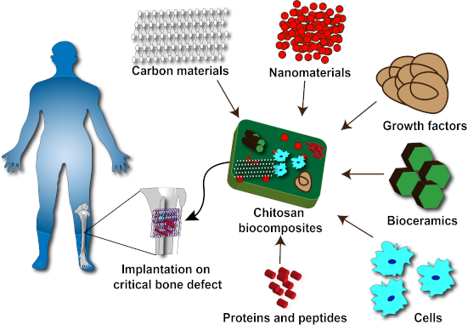
- nanocomposites Titanium and titanium-based alloy materials are often utilized in the biomedical field especially in bone tissue engineering due to several important properties which include excellent biocompatibility, higher resistance against corrosion, significant structural rigidity, and tolerance to body
- demonstrated the best biocompatible behaviour which is suitable for bone tissue engineering applications [80]. Chitosan–graphene oxide nanocomposites Graphene oxide is gaining much attention in biomedical applications including drug delivery, tissue engineering, and bioimaging applications due to its large
- , graphene oxide, and biosilica nanocomposites has bioconductive and osteoinductive behaviour with suitable mechanical strength. The chitosan–graphene oxide composite is gaining much attention in biomedical applications including drug delivery, tissue engineering, and bioimaging, due to its large surface
Comparing the performance of single and multifrequency Kelvin probe force microscopy techniques in air and water
Beilstein J. Nanotechnol. 2022, 13, 922–943, doi:10.3762/bjnano.13.82
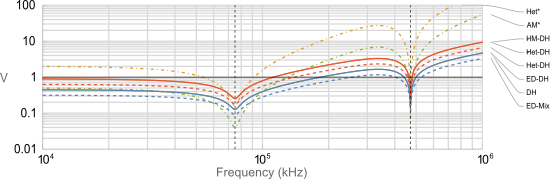
- Jason I. Kilpatrick Emrullah Kargin Brian J. Rodriguez School of Physics and Conway Institute of Biomolecular and Biomedical Research, University College Dublin, Belfield, Dublin, D04 V1W8, Ireland 10.3762/bjnano.13.82 Abstract In this paper, we derive and present quantitative expressions
Bioselectivity of silk protein-based materials and their bio-inspired applications
Beilstein J. Nanotechnol. 2022, 13, 902–921, doi:10.3762/bjnano.13.81

- tissue formation. Conversely, the adhesion and presence of microbes interferes with important multicellular processes of tissue development. Therefore, tailoring bioselective, biologically active, and multifunctional materials for biomedical applications is a modern focus of biomaterial research
- , slow biodegradation, low immunogenicity, and non-toxicity, making them ideally suited for tissue engineering and biomedical applications. Furthermore, recombinant production technologies allow for application-specific modification to develop adjustable, bioactive materials. The present review focusses
- spreading due to contaminations of surfaces leading to biofilm formation [101]. In contrast, for biomaterials and their biomedical application (such as implants and wound dressings), cell-friendly and adhesive properties are necessary [66]. Ideally, bioselective materials that promote host cell adhesion