


Search results
Search for "cellular uptake" in Full Text gives 137 result(s) in Beilstein Journal of Nanotechnology.
Straightforward and robust synthesis of monodisperse surface-functionalized gold nanoclusters
Beilstein J. Nanotechnol. 2016, 7, 1278–1283, doi:10.3762/bjnano.7.118

- synthesis without dialysis. Glc-NCs were not cytotoxic at any concentration tested (Figure 3B), whereas THPC-NCs were toxic at 100 µM (Figure S14, Supporting Information File 1), indicating that Glc-NCs are suitable for biological experiments even without purification. Cellular uptake of the nanoclusters
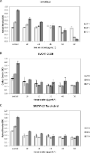
- lectin ConA (4). Cell viability of Glc-NCs A) purified and B) without purification incubated for one day with L929 cells. The Glc-NCs were not toxic at any of the concentrations studied. C) Cellular uptake of Glc-NCs when incubated with L929 cells for one day. Gold concentration taken up by the cells was


Improved biocompatibility and efficient labeling of neural stem cells with poly(L-lysine)-coated maghemite nanoparticles
Beilstein J. Nanotechnol. 2016, 7, 926–936, doi:10.3762/bjnano.7.84

- , 16206 Prague 6, Czech Republic 10.3762/bjnano.7.84 Abstract Background: Cell tracking is a powerful tool to understand cellular migration, dynamics, homing and function of stem cell transplants. Nanoparticles represent possible stem cell tracers, but they differ in cellular uptake and side effects
- their cellular uptake, the mechanism of internalization, cytotoxicity, viability and proliferation of neural stem cells, and compared them to the commercially available dextran-coated nanomag®-D-spio nanoparticles. Results: Light microscopy of Prussian blue staining revealed a concentration-dependent
- of neural stem cells. Cytochalasine D blocked the cellular uptake of nanoparticles indicating an actin-dependent process, such as macropinocytosis, to be the internalization mechanism for both nanoparticle types. Finally, immunocytochemistry analysis of neural stem cells after treatment with poly(L


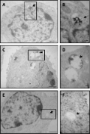


Tight junction between endothelial cells: the interaction between nanoparticles and blood vessels
Beilstein J. Nanotechnol. 2016, 7, 675–684, doi:10.3762/bjnano.7.60

- stress found that without shear stress, the cellular uptake/association of both PDA-coated liposomes (LPDA) and LPDA-PEG for hepatocytes were quite similar, while myoblasts preferred to internalize/associate with LPDA. However, under shear stress, hepatocytes showed its preference to LPDA after 30 min

Comparison of the interactions of daunorubicin in a free form and attached to single-walled carbon nanotubes with model lipid membranes
Beilstein J. Nanotechnol. 2016, 7, 524–532, doi:10.3762/bjnano.7.46
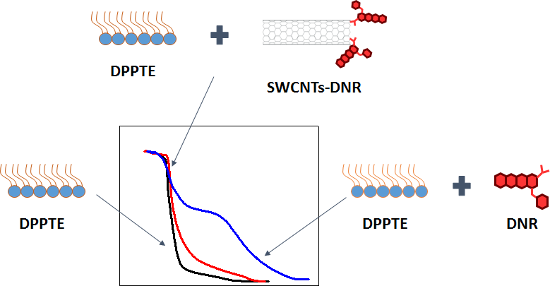
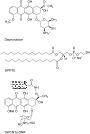
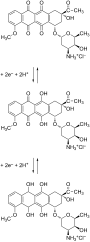
- mechanisms proposed to explain the cellular uptake of CNTs including the passive diffusion in a non-invasive manner (tiny nanoneedle mechanism) [18]. Carbon nanotubes have been successfully used to transport different types of anticancer agents including camptothecin, doxorubicin and daunorubicin [19]. The




Surface coating affects behavior of metallic nanoparticles in a biological environment
Beilstein J. Nanotechnol. 2016, 7, 246–262, doi:10.3762/bjnano.7.23
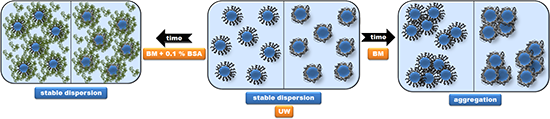
- media like dissolution, adsorption, binding, and aggregation, all influencing biological impacts by affecting reactive oxygen species generation, cellular uptake and NP biodistribution [15][16][17][18]. Metallic NPs usually aggregate in media with high electrolyte content that correspond to biological




Atomic force microscopy as analytical tool to study physico-mechanical properties of intestinal cells
Beilstein J. Nanotechnol. 2015, 6, 1457–1466, doi:10.3762/bjnano.6.151
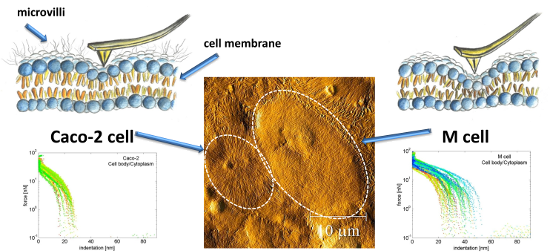
- , differing in lengths as well as diameters. This suggests that the absence of a well-developed brush border in M cells may facilitate the adherence of antigens on the cell surface and, as a consequence, cellular uptake processes [2]. By contrast, the large surface area of intestinal microvilli is more
- fill remaining data gaps on the effects of these parameters on cell mechanics/kinetics and, as a consequence, on cellular uptake processes (e.g., nanoparticulate systems/antigens). Conclusion The current study shows that cytoskeletal structures and the content of F-actin filaments strongly impact
- properties of cells can be directly linked to cell adhesion, adhesion to the smooth and more elastic surface of M cells is enhanced, thus, facilitating the adherence of antigens and, as a consequence, cellular uptake processes. Experimental Cell cultures Raji B cells were a kind gift from R. Fuchs (Medical


PLGA nanoparticles as a platform for vitamin D-based cancer therapy
Beilstein J. Nanotechnol. 2015, 6, 1306–1318, doi:10.3762/bjnano.6.135

- calcitriol remained stable at release conditions throughout the experiment period. Cellular uptake of PLGA NPs and calcitriol-induced morphological changes The internalization of fluorescent C6–calcitriol–PLGA NPs by S2-013, hTERT-HPNE and A549 cells was evaluated by confocal microscopy. Counterstaining of


Protein corona – from molecular adsorption to physiological complexity
Beilstein J. Nanotechnol. 2015, 6, 857–873, doi:10.3762/bjnano.6.88

- composition and the latest findings that help to shed light on temporal evolution of the full serum corona for the first time. Finally, we discuss the most recent advances regarding the molecular-scale mechanistic role of the protein corona in cellular uptake of NPs. Keywords: agglomeration; corona
- charge [4][9] are critical factors determining the formation and nature of the protein corona. The composition and molecular properties of the protein corona have been shown to be influential factors for the cellular uptake of NPs [7][10][11][12] but direct links between structure and effect remain to be
- biological environment. The formation of the biomolecular corona around the NPs modulated their behavior: cells of the blood system seemed to be protected against NP-induced (patho)biological processes by the presence of the corona and also cellular uptake could be promoted [10]. Effect of the corona



Pulmonary surfactant augments cytotoxicity of silica nanoparticles: Studies on an in vitro air–blood barrier model
Beilstein J. Nanotechnol. 2015, 6, 517–528, doi:10.3762/bjnano.6.54

- ). All predilutions were applied 1:10 in serum-free medium to the cells (96er well and transwells: 10 µL NP-dispersion + 90 µL serumfree medium and ibidi wells: 30 µL NP-dispersion + 270 µL serum-free medium). Preliminary, cellular uptake of the NPs was examined for the monocultures of A549 on ibidi µ
- –NH2 at a concentration of 50 µg/mL (58 ± 22% and 59 ± 10%) and 100 µg/mL (49 ± 25% and 29 ± 15%). No cell loss was observed after incubation with aSNP–COOH. Figure 2 shows the cellular uptake of aSNPs with different surfaces in A549 (–plain, –NH2, –COOH; 50 µg/mL). The cells clearly internalized all
- three aSNPs after an incubation time of 4 h in serum-free medium. An approximate quantification of cellular uptake via fluorescence intensity measurement of the images could not be conducted due to the variable fluorescence intensity of the aSNP labeling itself. Comparing all three aSNPs using same


A surface acoustic wave-driven micropump for particle uptake investigation under physiological flow conditions in very small volumes
Beilstein J. Nanotechnol. 2015, 6, 414–419, doi:10.3762/bjnano.6.41

- physiological flow conditions the particle uptake rates for this system are significantly lower than at low shear conditions. This underlines the vital importance of the fluidic environment for cellular uptake mechanisms. Keywords: acoustic streaming; cellular uptake; flow; nanoparticles; sedimentation; shear
- of experimental data [1]. Providing that the cellular uptake mechanisms are fast enough, the particle uptake rate at a given particle concentration in the medium, Cm , will be limited by the particle motion and the re-supply in the medium. For small particles, diffusion will dominate the delivery
- surrounding for these cells, which are exposed in vivo to shear rates of up to 3000 s−1 [6]. It was recently shown that the glycocalix of endothelial cells is substantially reorganized under shear [7] and several effects of shear stress on cellular uptake mechanisms have been reported [8][9][10]. One solution


Hematopoietic and mesenchymal stem cells: polymeric nanoparticle uptake and lineage differentiation
Beilstein J. Nanotechnol. 2015, 6, 383–395, doi:10.3762/bjnano.6.38

- into the system, toxicity can occur from the nanoparticles themselves or from the associated components of the nanoparticles that might be released during degradation in vivo. In addition to potentially causing toxicity after cellular uptake, nanoparticles could also alter cellular functions such as
- differentiation studies, cellular uptake and cytotoxicity of the particles were quantitatively determined by flow cytometry. After incubation with 300 µg/mL nanoparticles for 24 h, hMSCs showed a reasonable uptake of polystyrene nanoparticles (PS, Figure 1A). Since here only one population was detected in flow
- hHSCs are able to take up different polymeric particles at a reasonable concentration without showing any signs of toxicity. The surface functionalization of the polystyrene particle with carboxy groups did not improve the cellular uptake for hHSCs, while for hMSCs, this effect was confirmed. The


Overview about the localization of nanoparticles in tissue and cellular context by different imaging techniques
Beilstein J. Nanotechnol. 2015, 6, 263–280, doi:10.3762/bjnano.6.25
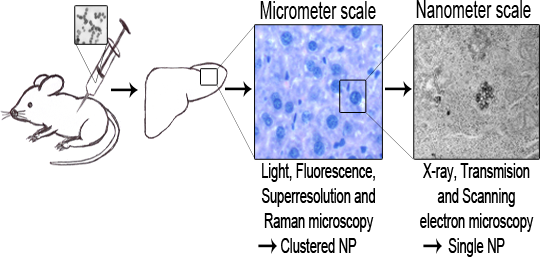
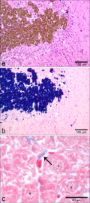
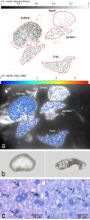
- . A single technique is often insufficient to address all questions regarding the distribution of NP within the body, the cellular uptake, and the target cells and organs. But a combination of different detection methods may provide reliable information on the NP biodistribution and associated


Release behaviour and toxicity evaluation of levodopa from carboxylated single-walled carbon nanotubes
Beilstein J. Nanotechnol. 2015, 6, 243–253, doi:10.3762/bjnano.6.23

- cellular uptake experiments are required and are currently under investigation. Conclusion In conclusion, a new, versatile nanohybrid based on a very simple method for the administration of LD has been developed. The findings of this study reveal that the loading capacity of SWCNT–COOH is approximately




Tailoring the ligand shell for the control of cellular uptake and optical properties of nanocrystals
Beilstein J. Nanotechnol. 2015, 6, 232–242, doi:10.3762/bjnano.6.22

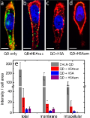
- and specificity in a broad in vitro test is demonstrated. Keywords: biolable; cellular uptake; fluorescence quenching; poylmeric micelles; quantum dots; Introduction One of the main challenges in using high quality nanoparticles for biological applications is to ensure that the ligand system
- . Since cellular uptake mechanisms except from phagocytosis are known to work best with small structures below 150 nm [22], only spherical micelles fulfilling this requirement will be discussed. To ensure a good compatibility between the hydrophobic particles and the inner core of the final micellar
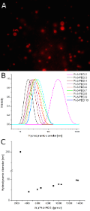
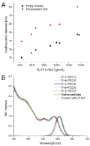
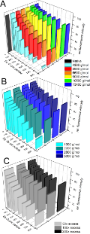
- to enhance the cellular uptake, due to the attractive interaction with the negatively charged cell membrane [35][36]. Therefore, control over the surface chemistry is crucial to study the nanocontainers behavior in vitro and in vivo. Figure 7 shows possible functionalization of PI-b-PEG prior to the






The distribution and degradation of radiolabeled superparamagnetic iron oxide nanoparticles and quantum dots in mice
Beilstein J. Nanotechnol. 2015, 6, 111–123, doi:10.3762/bjnano.6.11

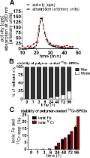
- . In MRI, the correlation of the relaxation times to the local nanoparticle concentrations is difficult due to possible agglomeration, where the increase of hydrodynamic diameters caused by opsonization and the difficulty in the quantification of the degradation and the cellular uptake of particles [22





Synthesis of boron nitride nanotubes and their applications
Beilstein J. Nanotechnol. 2015, 6, 84–102, doi:10.3762/bjnano.6.9
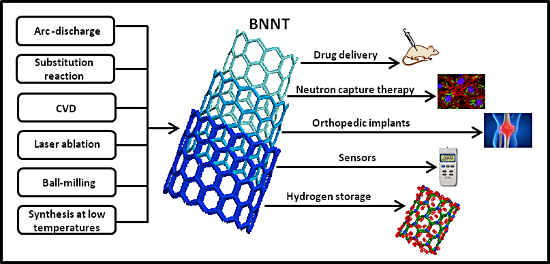
- -employed, aminosilane used in many applications. Ciofani et al. used APTES as an agent for silica coating to functionalize BNNTs [15]. For cellular uptake studies, a fluorescent dye, Oregon Green 488 carboxylic acid, succinimidyl ester was covalently bound to the functionalized BNNTs. The NIH/3T3
- of nanomedicine. The covalent grafting of BNNTs with human transferrin, linked through a carbamide bond, was reported [67]. The transferrin–BNNTs were tested on primary human umbilical vein endothelial cells (HUVECs) to investigate their cellular uptake. It was concluded that the functionalization of
- with GC during a 12 h sonication process. The TEM results indicated that the GC–BNNTs had two different configurations: bamboo-like shaped and noncontinuous walled. HUVECs were treated with the GC–BNNTs and the cellular uptake of the GC–BNNTs was observed. However, the uptake mechanism remains unclear




Mammalian cell growth on gold nanoparticle-decorated substrates is influenced by the nanoparticle coating
Beilstein J. Nanotechnol. 2014, 5, 2479–2488, doi:10.3762/bjnano.5.257

- nanoparticles on substrate require in order to prevent their removal by cells seem to be necessary. In previous studies, the cytotoxic impact of apical exposure of the same functionalized nanoparticles to the same epithelial cell line (MDCK II) was presented [18] and the cellular uptake was quantified [20]. It


Intake of silica nanoparticles by giant lipid vesicles: influence of particle size and thermodynamic membrane state
Beilstein J. Nanotechnol. 2014, 5, 2468–2478, doi:10.3762/bjnano.5.256
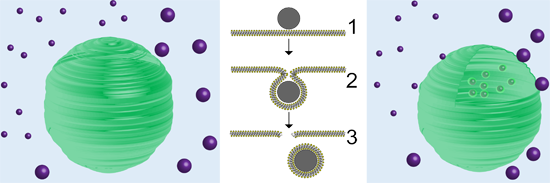
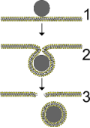
- course, in a biological system, active mechanisms play a key role in cellular uptake. But these examples show that the significance of physical interactions might often be underestimated. This is also indicated in several studies, showing striking similarities between the uptake of membrane-active
- can be internalized independent from complex cell machineries and that lipid domains (rafts) play a crucial role in cellular uptake mechanisms [13][32][53]. An understanding of the unspecific physical aspects of membrane–particle interactions is of vital importance for a discussion of these findings


Functionalized polystyrene nanoparticles as a platform for studying bio–nano interactions
Beilstein J. Nanotechnol. 2014, 5, 2403–2412, doi:10.3762/bjnano.5.250

- , positively charged particles were found mostly in leukemia xenografts [43]. With particles left in the cell culture media, the cellular uptake reaches equilibrium within 24 h. When particles were removed from the media, there was virtually an exponential decrease of the amount of particles in proliferating




Nanoparticle interactions with live cells: Quantitative fluorescence microscopy of nanoparticle size effects
Beilstein J. Nanotechnol. 2014, 5, 2388–2397, doi:10.3762/bjnano.5.248
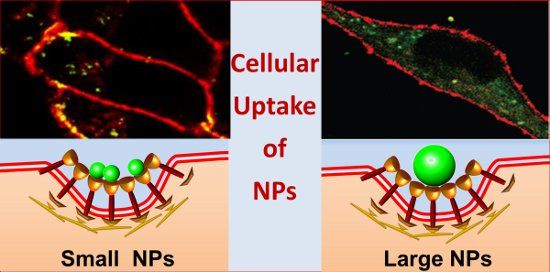
- nanoparticles (NPs) with cells are still not well enough understood. NP size is a key parameter that controls the endocytic mechanism and affects the cellular uptake yield. Therefore, we have systematically analyzed the cellular uptake of fluorescent NPs in the size range of 3.3–100 nm (diameter) by live cells
- as the subcellular distribution upon internalization [21][22][23]. Presently, the effect of NP size on cellular uptake is discussed controversially, which may, at least in part, be associated with the diverse experimental conditions and techniques chosen to monitor NP-cell interactions on cultured
- systematically quantify the uptake kinetics of fluorescent NPs in the size range of 3.3–100 nm (diameter) by live cells. This imaging technique is non-invasive and, because of its high temporal and spatial resolution, well suited to watch NPs invade cells in real time. Here we compare the cellular uptake of NPs


Synthesis of radioactively labelled CdSe/CdS/ZnS quantum dots for in vivo experiments
Beilstein J. Nanotechnol. 2014, 5, 2383–2387, doi:10.3762/bjnano.5.247

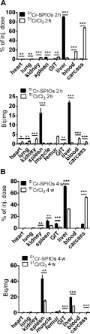
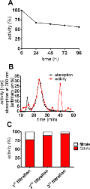
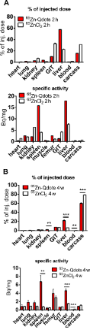
- quantification of the QD concentration during cellular uptake to be calculated. Here, the measured amount of radioactivity can be related to the amount or concentration of the QD ensemble or their metabolites (i.e., ionic species). To avoid any potential chemical inconsistencies we replace the typical precursors


Interaction of dermatologically relevant nanoparticles with skin cells and skin
Beilstein J. Nanotechnol. 2014, 5, 2363–2373, doi:10.3762/bjnano.5.245

- cellular uptake, including optical microscopy, electron microscopy, X-ray microscopy on cells and tissue sections, flow cytometry of isolated skin cells as well as Raman microscopy on whole tissue blocks. In order to assess the biological relevance of such findings, cell viability and free radical
- epidermis is of high relevance. As a result of the special architecture of the skin, levels of interactions include the translocation step across the skin barrier, cellular uptake as well as biological effects. In fact, biological responses to nanoparticle exposure may occur on the cellular level, but also
- were able to isolate skin cells which had taken up particles from treated ex vivo human skin (Figure 1d) [3][11]. In accordance with previous studies, the particle size appeared to be a major determinant for cellular uptake. Notably, after ex vivo topical application of silica particles on human skin


Effect of silver nanoparticles on human mesenchymal stem cell differentiation
Beilstein J. Nanotechnol. 2014, 5, 2058–2069, doi:10.3762/bjnano.5.214

- the vast number of toxicological and microbiological studies [7][9][21], only a few studies have investigated whether the differentiation potential of hMSCs was maintained after the uptake of different nanoparticles [31][32][33]. Therefore, the aim of this study was to investigate the cellular uptake
- conclusion, silver nanoparticles with a size of 80 nm (hydrodynamic diameter) were ingested into hMSCs as nanoparticulate material. After cellular uptake, these Ag-NP were mainly associated with the endo-lysosomal cell compartment and occurred as silver agglomerates within these organelles. Exposure of hMSCs


Effects of surface functionalization on the adsorption of human serum albumin onto nanoparticles – a fluorescence correlation spectroscopy study
Beilstein J. Nanotechnol. 2014, 5, 2036–2047, doi:10.3762/bjnano.5.212

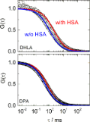
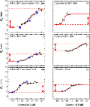
- the bare NP surface [2][18][19][20]. To control the biological effects of NPs (e.g., to accomplish targeted delivery to specific cells or tissues or to inhibit cellular uptake), it is extremely important to understand how the properties of the NP surface can control the structure and dynamics of the



Carbon nano-onions (multi-layer fullerenes): chemistry and applications
Beilstein J. Nanotechnol. 2014, 5, 1980–1998, doi:10.3762/bjnano.5.207
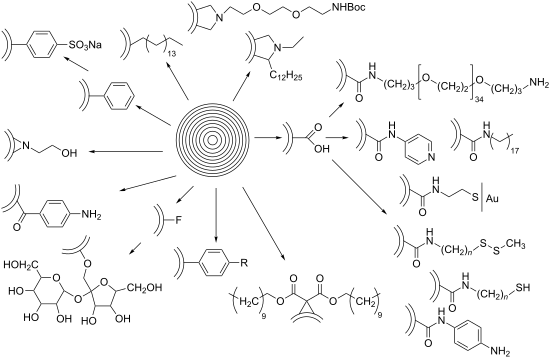
- (Figure 6). The cytotoxicity and immunomodulatory properties of the synthesized fluorescein-CNO derivative were elucidated and compared with similarly functionalized CNTs. We could show that CNOs exhibit efficient cellular uptake, weak inflammatory potential, and low cytotoxicity and are therefore
- particles have demonstrated high cellular uptake, low cytotoxicity and lower inflammatory potential than CNTs and a very promising future for biomedical applications. HRTEM images of (a) diamond nanoparticles, (b) spherical carbon onions, and (c) polyhedral carbon onions. Diamond nanoparticles are





