


Search results
Search for "surface functionalization." in Full Text gives 151 result(s) in Beilstein Journal of Nanotechnology.
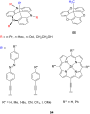
Rigid multipodal platforms for metal surfaces
Beilstein J. Nanotechnol. 2016, 7, 374–405, doi:10.3762/bjnano.7.34

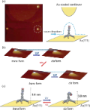
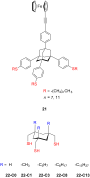
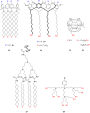
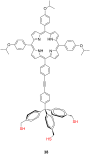
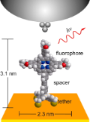
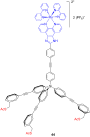
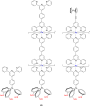
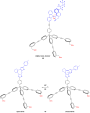
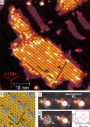
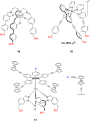
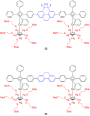
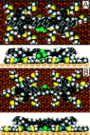
- with oxygen and can be handled even under ambient conditions in the laboratory before its surface functionalization with organosulfur compounds. The covalent bond between sulfur and gold gives rise to robust and reasonably conductive single-molecular junctions of adsorbed molecules on gold substrates










Self-organization of gold nanoparticles on silanated surfaces
Beilstein J. Nanotechnol. 2015, 6, 2345–2353, doi:10.3762/bjnano.6.242

- substrates through their terminal groups [1][2][3][4]. Among them, aminopropyltriethoxysilane (APTES; NH2(CH2)3Si(OCH2CH3)3) is probably the best-known coupling agent used for surface functionalization. APTES has three hydrolysable ethoxy groups that attach to the metal nanoparticle surface (known as


Orthogonal chemical functionalization of patterned gold on silica surfaces
Beilstein J. Nanotechnol. 2015, 6, 2272–2277, doi:10.3762/bjnano.6.233

- biosensors) is a major challenge. Keywords: characterization; self-assembled monolayer; surface functionalization; ToF–SIMS; XPS; Introduction The orthogonal self-assembly of different molecules onto a patterned substrate was first demonstrated in 1989 by Whitesides and co-workers [1]. Recently, especially
- forward power (10 W reflected), 90 Pa, for 5 min to ensure that no residual resist remained on the surface. Surface functionalization HS-(CH2)11-NH-C(O)-Biotin 95% (MU-Biot) was purchased from ProChimia. 1H,1H,2H,2H-Perfluorodecanethiol (F-thiol) 97% was purchased from Sigma-Aldrich. Trichloro(1H,1H,2H,2H


Selective porous gates made from colloidal silica nanoparticles
Beilstein J. Nanotechnol. 2015, 6, 2105–2112, doi:10.3762/bjnano.6.215

- in the preparation of microfiltration devices was realized by the surface functionalization of macroporous supports or membranes by nanoporous functional coatings [17][18][19][20]: the macroporous, permeable supports, in fact, can provide mechanical strength to the thinner functional coatings on top
- separation processes and dosing of chemicals. In this study, the surface functionalization of silicon nitride commercial microsieves by means of colloidal silica nanoparticles has been proposed as a novel strategy to fabricate composite membranes for microfluidic devices. The permeability and size


Continuum models of focused electron beam induced processing
Beilstein J. Nanotechnol. 2015, 6, 1518–1540, doi:10.3762/bjnano.6.157

- beam induced etching (FEBIE), deposition (FEBID) [1][2][3][4][5][6][7][8][9][10][11][12][13][14][15][16] and surface functionalization [17] techniques. They are typically used to simulate growth rates and nanostructure geometries as a function of experimental parameters, and to help elucidate the
- , and cause the etch rate to increase with electron beam irradiation time. Electron beam induced surface functionalization and spontaneous decomposition of precursor molecules at the substrate surface: These two processes have been modeled for the case of XeF2 [17] which can fragment through a


![[Graphic 37]](/bjnano/content/inline/2190-4286-6-157-i117.png?max-width=637&scale=1.18182) and chemisorbed
and chemisorbed ![[Graphic 38]](/bjnano/content/inline/2190-4286-6-157-i118.png?max-width=637&scale=1.18182) adsorbates versus pressure, calcul...
adsorbates versus pressure, calcul...


Peptide-equipped tobacco mosaic virus templates for selective and controllable biomineral deposition
Beilstein J. Nanotechnol. 2015, 6, 1399–1412, doi:10.3762/bjnano.6.145
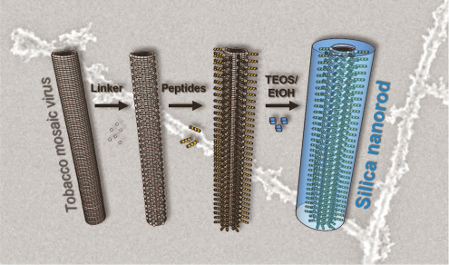
- and plain TMVLys controls (and in some tests wildtype TMVwt) under equal conditions. The products were analyzed and compared to determine favorable TMV template–peptide combinations for specific silica mineralization. Results and Discussion Surface functionalization of TMVLys templates by conjugation




Synthesis, characterization and in vitro effects of 7 nm alloyed silver–gold nanoparticles
Beilstein J. Nanotechnol. 2015, 6, 1212–1220, doi:10.3762/bjnano.6.124
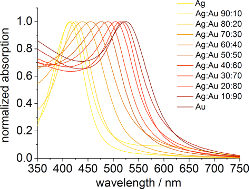
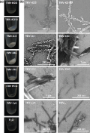
- plasmon resonance spectra against the molar fraction of Au or Ag. For a given particle size and surface functionalization, a linear relationship would indicate a macroscopically homogeneous distribution of the metals in the nanoparticles [21]. In Figure 4, the absorption maxima of the ≈10 nm nanoparticles


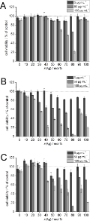
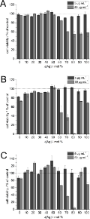
Influence of gold, silver and gold–silver alloy nanoparticles on germ cell function and embryo development
Beilstein J. Nanotechnol. 2015, 6, 651–664, doi:10.3762/bjnano.6.66
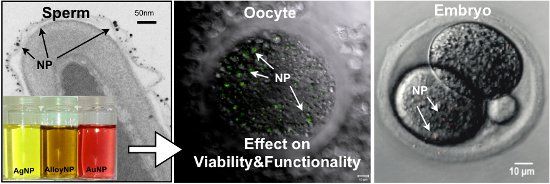
- <0.1% for AgNP [28] of the given dose. Once nanoparticles entered the body, the biodistribution depends on factors like particle size [31][32] and surface functionalization [33]. No clear trends have been established yet as to how those factors determine the biodistribution of the particles and further





Entropy effects in the collective dynamic behavior of alkyl monolayers tethered to Si(111)
Beilstein J. Nanotechnol. 2015, 6, 583–594, doi:10.3762/bjnano.6.60

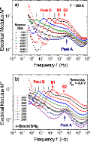
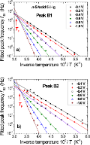
- spectroscopy; dipolar relaxation; entropy; gauche defect; organic monolayer; Introduction Self-assembled monolayers (SAM) and organic molecular layers (OML) have attracted great interest over the past two decades because surface functionalization offers great flexibility for a molecular-level control of




Silica micro/nanospheres for theranostics: from bimodal MRI and fluorescent imaging probes to cancer therapy
Beilstein J. Nanotechnol. 2015, 6, 546–558, doi:10.3762/bjnano.6.57


Synergic combination of the sol–gel method with dip coating for plasmonic devices
Beilstein J. Nanotechnol. 2015, 6, 500–507, doi:10.3762/bjnano.6.52

- stability [13][14]. Therefore, research has been focus on the development of an ideal combination of surface functionalization methods and effective plasmonic structures for the detection and/or recognition of specific analytes. However, independent from the considerations of the final application, sensing


Conformal SiO2 coating of sub-100 nm diameter channels of polycarbonate etched ion-track channels by atomic layer deposition
Beilstein J. Nanotechnol. 2015, 6, 472–479, doi:10.3762/bjnano.6.48
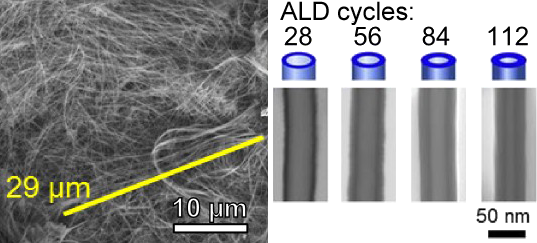
- silica nanopores sculptured by electron or kiloelectronvolt-ion beams, mesoscopic silica, or silica nanotubes. Such systems are of interest for numerous applications due to their facile surface functionalization, hydrophilic nature, and biocompatibility [29]. For the deposition of SiO2 on polymer


Hematopoietic and mesenchymal stem cells: polymeric nanoparticle uptake and lineage differentiation
Beilstein J. Nanotechnol. 2015, 6, 383–395, doi:10.3762/bjnano.6.38

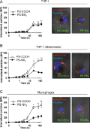
- cytometry, the data are given as median fluorescence intensity (MFI). Functionalization of the nanoparticles with carboxy groups on the surface leads to a 3-fold increase in particle uptake for PS–COOH. The positive effect of surface functionalization on the uptake for hMSCs with carboxy groups has been
- particles are taken up at a higher concentration in both cell types compared to polystyrene particles, demonstrating the comparative investigation of different materials. The surface functionalization of the PS–COOH particles led to an increase of the particles in hMCS, but this was less effective in hHSCs
- hHSCs are able to take up different polymeric particles at a reasonable concentration without showing any signs of toxicity. The surface functionalization of the polystyrene particle with carboxy groups did not improve the cellular uptake for hHSCs, while for hMSCs, this effect was confirmed. The


Biological responses to nanoscale particles
Beilstein J. Nanotechnol. 2015, 6, 380–382, doi:10.3762/bjnano.6.37
- studies of nanoparticles) that the surface area seems to be one of the properties that causes a severe biological response, other properties such as solubility, hydrophobicity, surface functionalization, surface charge, colloidal stability and nanoparticle morphology have been suggested to be of equal
- preferred as a function of shape, size, and most importantly, surface functionalization and protein corona, could thus far not be established. The SPP1313 research network resulted from an open national call after an intensive evaluation of proposals by an international group of experts. It operated for a
Exploiting the hierarchical morphology of single-walled and multi-walled carbon nanotube films for highly hydrophobic coatings
Beilstein J. Nanotechnol. 2015, 6, 353–360, doi:10.3762/bjnano.6.34

- depending on the number of coaxially arranged graphite planes. Moreover, owing to their honeycomb lattice, carbon nanotubes are inherently hydrophilic (the contact angle of graphite with water being approx. 86° [22]) but apolar. However, by surface functionalization or textured arrangement it can be


Comparative evaluation of the impact on endothelial cells induced by different nanoparticle structures and functionalization
Beilstein J. Nanotechnol. 2015, 6, 300–312, doi:10.3762/bjnano.6.28

- surface functionalization and had the highest impact on the cell viability for the positively charged QDs. These findings confirmed the results of previous studies and further reinforce the fact that the cytotoxicity of positively charged nanoparticles is mainly due to impairment of cellular membranes
- Fe3O4) and quantum dots (QDs). 1) Gold nanoparticles (GNP): The gold colloids with a core size of approximately 40 nm in diameter were synthesized according to Rosman et al. [45] and were spherically or rod-like shaped. GNP without surface functionalization were transferred to 0.1 M




The effect of surface charge on nonspecific uptake and cytotoxicity of CdSe/ZnS core/shell quantum dots
Beilstein J. Nanotechnol. 2015, 6, 281–292, doi:10.3762/bjnano.6.26

- by MDCKII cells is transported along microtubules. Conclusion Surface functionalization of QDs plays an important role in their nonspecific interaction with cells, determining how and in which form they enter the cellular interior. Positively-charged CdSe/ZnS QDs were found to be least cytotoxic
- size in the same sequence. Thus, combining these observations with cytotoxicity characteristics (which increase in the same order), we can conclude that surface functionalization stipulates the conditions under which QDs are internalized into cells. It appears that the smallest vesicles/aggregates or
- cooled down to room temperature with compressed air flow. The resulting core/shell QDs were precipitated with ethanol, centrifuged and redissolved in chloroform. QD surface functionalization Table 1 summarizes the amounts of ligands and solvents used for QD surface functionalization. The amount of



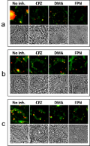


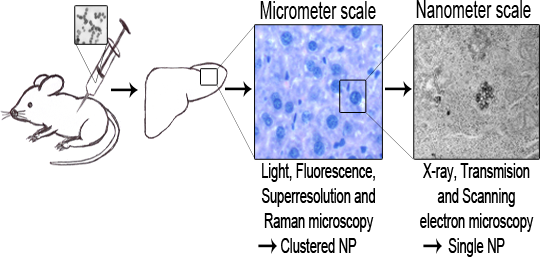
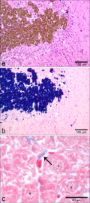
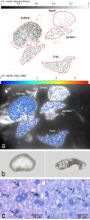
Overview about the localization of nanoparticles in tissue and cellular context by different imaging techniques
Beilstein J. Nanotechnol. 2015, 6, 263–280, doi:10.3762/bjnano.6.25
- surface functionalization and binding of other molecules of interest may remain completely similar to that of unlabeled particles [79][83][84]. Another disadvantage when using fluorescent dyes is their time-dependent photobleaching, which results in a more or less rapid fading of the fluorescent yield [85
- bioapplications are typically composed of a semiconductor core (e.g., cadmium sulfide), an outer shell of a higher band semiconducting material (e.g., zinc sulfide) and a surface functionalization which may consist of various hydrophilic organic molecules including biomolecules or polymers [86]. QD with their


Mechanical properties of MDCK II cells exposed to gold nanorods
Beilstein J. Nanotechnol. 2015, 6, 223–231, doi:10.3762/bjnano.6.21

- /bjnano.6.21 Abstract Background: The impact of gold nanoparticles on cell viability has been extensively studied in the past. Size, shape and surface functionalization including opsonization of gold particles ranging from a few nanometers to hundreds of nanometers are among the most crucial parameters
- the cellular response to external stimuli. Results: Mechanical properties of confluent MDCK II cells exposed to gold nanorods as a function of surface functionalization and concentration have been explored by atomic force microscopy and quartz crystal microbalance measurements in combination with
- in the context of human exposure to nanoparticles. Hence, biosensors with high sensitivity, selectivity, fast real-time readout, and non-invasiveness are desirable design criteria for screening toxicity of nanoparticles varying in size, shape, and surface functionalization. Most cytotoxicity assays


Functionalized polystyrene nanoparticles as a platform for studying bio–nano interactions
Beilstein J. Nanotechnol. 2014, 5, 2403–2412, doi:10.3762/bjnano.5.250

- living cells. The biological effects of nanoparticles depend not only on the particle material and their size, but to a great extent also on the surface chemistry of the particles. Surface functionalization of nanoparticles is crucial for their pharmacokinetics, biocompatibility, and tissue and cell
- nanoparticles as model particles for our experiments aimed to analyze the effect of different surface functionalization on various biomedical parameters. Macrophages as key players of innate and adaptive immunity phagocytize cellular debris and pathogens [35]. Hence, they are settling in particularly large
- diameter, which were non-functionalized or surface-functionalized either with carboxyl (PS-COOH) or amino (PS-NH2) groups, and which carried roughly the same functional group density of 6,000 groups per particle [41][42][43]. This allowed us to analyze the effect of nanoparticle surface functionalization




Nanoparticle interactions with live cells: Quantitative fluorescence microscopy of nanoparticle size effects
Beilstein J. Nanotechnol. 2014, 5, 2388–2397, doi:10.3762/bjnano.5.248
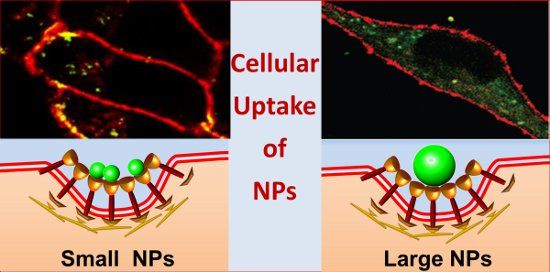
- NPs by mesenchymal stem cells (MSCs) in PBS solution. Because the initial step of endocytosis, i.e., the encounter of the NP with the cell membrane, is expected to be sensitive to the NP surface functionalization, we have exposed MSCs to two types of well-defined, positively charged PS NPs with
- clearly show that NP size plays an important role in their interactions with cells during the endocytosis process. However, size should not be discussed uncoupled from the surface functionalization. In fact, an NP can be considered as a scaffold carrying ligands that interact (or avoid the interaction


Interaction of dermatologically relevant nanoparticles with skin cells and skin
Beilstein J. Nanotechnol. 2014, 5, 2363–2373, doi:10.3762/bjnano.5.245

- , such a surface functionalization was contrasted by an increased tendency to form aggregates which could explain why barrier translocation did not occur despite an increased cellular uptake. The results demonstrate that although surface functionalization may have some impact on the cellular uptake
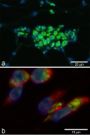
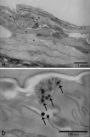
- TEM images of HaCaT cells (obtained after incubation for 24 h with 25 µg/mL AgNP) AgNP are accumulated in endosomes (b–d). Uptake of fluorescent silica nanoparticles with variable size and surface functionalization by HaCaT cells. Different type of particles were prepared (a–d) with a size of 42 (a,c


Inorganic Janus particles for biomedical applications
Beilstein J. Nanotechnol. 2014, 5, 2346–2362, doi:10.3762/bjnano.5.244
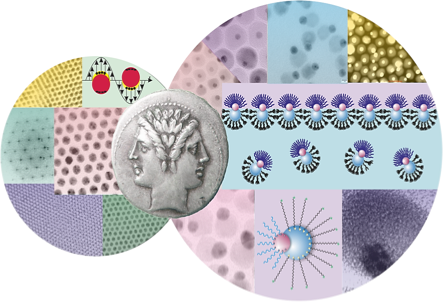
- the chosen components enabling separate and selective surface functionalization [36][37][38][39] in addition to the intrinsic multifunctionality due to the combination of the two inorganic components (e.g., combination of optical and magnetic properties), (ii) directed self-assembly, achieved by
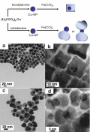
- ], the gold nanoparticles were functionalized with 1-octadecanethiol to suppress multiple nucleation of manganese oxide on different crystal facets or surface defects. This surface functionalization was proved not to be necessary for Au@Fe3O4 heterodimers. The morphology as well as the sizes of the metal
- synthesis of monodisperse, well-defined hetero-nanostructures requires non-hydrolytic reaction conditions, as established for the isotropic analogues. Therefore, it is necessary to exchange the hydrophobic surface functionalization of the nanoparticles by hydrophilic ligands to secure colloidal stability in






In situ metalation of free base phthalocyanine covalently bonded to silicon surfaces
Beilstein J. Nanotechnol. 2014, 5, 2222–2229, doi:10.3762/bjnano.5.231

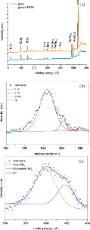
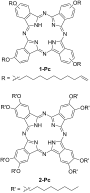
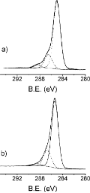
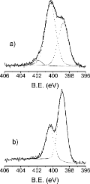
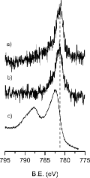
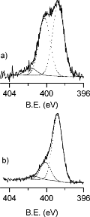
- results revealed that the different surface–phthalocyanine interactions observed for flat and porous substrates affect the efficiency of the in situ metalation process. Keywords: metalation; phthalocyanine; silicon surface; surface functionalization; X-ray photoelectron spectroscopy (XPS); Introduction
Advances in NO2 sensing with individual single-walled carbon nanotube transistors
Beilstein J. Nanotechnol. 2014, 5, 2179–2191, doi:10.3762/bjnano.5.227
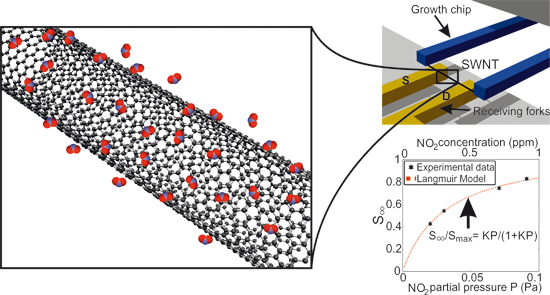
- interaction alone, while suppressing other interactions, may be beneficial. In this respect, suspended, contact-passivated devices show great potential. Effect of surface functionalization So far, there have been very few investigations on individual, functionalized SWNTs for NO2 sensing. Covalent





