


Search results
Search for "gas" in Full Text gives 964 result(s) in Beilstein Journal of Nanotechnology. Showing first 200.
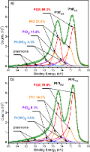
Fragmentation of metal(II) bis(acetylacetonate) complexes induced by slow electrons
Beilstein J. Nanotechnol. 2023, 14, 980–987, doi:10.3762/bjnano.14.81
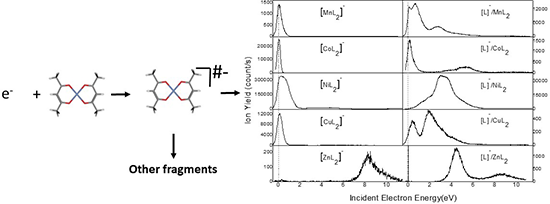
- attachment. The reported data may contribute to a better understanding of the physical chemistry underlying the electron–molecule interactions, which is crucial for potential applications of these molecular systems in the deposition of nanoscale structures. Keywords: dissociative electron attachment; gas
- , 0.498, 0.44, and 0.16 eV for CuL2, NiL2, and CoL2, MnL2, and ZnL2, respectively [15][16][17][18][19]. As the molecules are sublimated, the pressure of the molecular beam, P, that is, the number of precursors in the gas phase, follows the Clausius–Clapeyron relation (log(P) = C − ΔHsub/T), where C is a
- scale was calibrated using a flow of SF6 gas through the oven that produced the well-known SF6− resonance near 0 eV. The measurements were performed without the presence of the calibration gas, avoiding potentially unwanted reactions such as dissociative electron transfer with the investigated molecules


Metal-organic framework-based nanomaterials for CO2 storage: A review
Beilstein J. Nanotechnol. 2023, 14, 964–970, doi:10.3762/bjnano.14.79

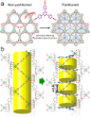
- facile post-synthetic modifications, which allow for diverse strategies towards efficient adsorption and separation of gas molecules [15]. Among the nanosized MOFs, MOF-210 has demonstrated a remarkable ability to adsorb CO2 (54.5 mmol·g−1 at 50 bar, 298 K) owing to its large surface area of 6240 m2·g−1
- adsorption ability with OMSs ranging from 5.5 to 8.0 mmol·g−1 at 296 K and 1 bar [21]. Moreover, acid Lewis sites within these MOFs effectively interact with CO2, leading to increased adsorption. The pore size plays a vital role in the adsorption and separation of CO2 from gas mixtures because of the
- different kinetic diameters of gas molecules. Herein, we present a comprehensive examination of the current scientific literature pertaining to the utilization of metal-organic framework (MOF)-based nanomaterials in the context of CO2 storage and conversion. This account focuses on the introduction of MOFs




Low temperature atomic layer deposition of cobalt using dicobalt hexacarbonyl-1-heptyne as precursor
Beilstein J. Nanotechnol. 2023, 14, 951–963, doi:10.3762/bjnano.14.78
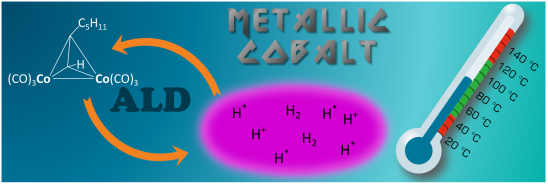
- under inert gas atmosphere. The bubbler was heated to 30 °C, which will result in a vapour pressure of 15.7 mbar according to the published Antoine parameters of Georgi and co-workers [23]. Pure argon (6N) was used as carrier gas for bubbling. The depositions in CVD mode were done with a continuous
- time of 6 s has been chosen to reach the saturation state safely. The purging time after the precursor pulse also may affect the deposition rate. Insufficient purging may result in an increased deposition rate as the remaining precursor can directly react in the gas phase within the hydrogen plasma


Ni, Co, Zn, and Cu metal-organic framework-based nanomaterials for electrochemical reduction of CO2: A review
Beilstein J. Nanotechnol. 2023, 14, 904–911, doi:10.3762/bjnano.14.74

- implemented to address the issue of CO2 emissions. Among these, the carbon capture and storage (CCS) technique plays a crucial role in curtailing the release of CO2 into the air. By capturing and containing approximately 90% of the CO2 gas generated through the combustion of conventional fuels utilized for
- from metal ions and organic linkers, and have been identified as prospective materials for CO2RR [21]. Therefore, a multitude of MOFs structures have been explored in experimental studies [22][23], exhibiting diverse applications such as gas storage [24], electrocatalysis [25][26][27], glucose sensing


N-Heterocyclic carbene-based gold etchants
Beilstein J. Nanotechnol. 2023, 14, 865–871, doi:10.3762/bjnano.14.71
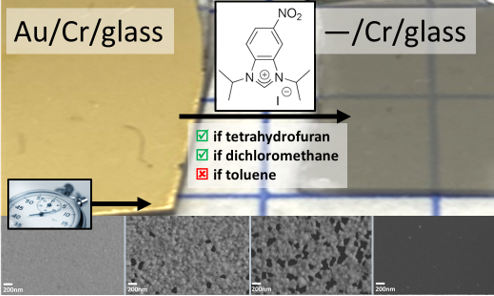
- % nitrogen gas. Electron micrographs were recorded using the SE2 detector of a Zeiss SIGMA VP field emission scanning electron microscope (SEM). Energy dispersive X-ray spectroscopy (EDS) spectra were obtained for each sample using an Oxford Instruments X-max 50 mm2 EDS attachment. Peaks were identified



Ultralow-energy amorphization of contaminated silicon samples investigated by molecular dynamics
Beilstein J. Nanotechnol. 2023, 14, 834–849, doi:10.3762/bjnano.14.68

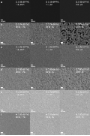
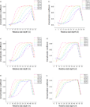
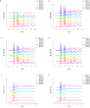
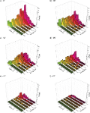
- depths. Yet, low-energy ion beams come with a variety of challenges. When such low energies are used, the residual gas molecules in the instrument chamber can adsorb on the sample surface and impact the ion beam processes. In this paper we pursue an investigation on the effects of the most common




In situ magnesiothermic reduction synthesis of a Ge@C composite for high-performance lithium-ion batterie anodes
Beilstein J. Nanotechnol. 2023, 14, 751–761, doi:10.3762/bjnano.14.62

- contact formation during in situ synthesis. Keywords: Ge anode; in situ synthesis; lithium-ion batteries; magnesiothermic reduction; Introduction The significantly increasing energy consumption leads to the exhaustion of fossil fuel sources such as coal, oil, and natural gas. Additionally, there are
- solar and wind energy [3]. However, high-power, high-energy, and long-lasting energy storage systems are necessary to utilize these energy resources effectively [4]. Moreover, to reduce greenhouse gas emissions, various governments have committed themselves to develop strategies for increasing the
- equation: in which, R (8.314 J·mol−1·K−1) is the molar gas constant, T (289.15 K) is the temperature, A (cm2) is the effective surface area of the electrodes, n is the number of electrons related to the redox reaction, F (96485 C·mol−1) is the Faraday constant, C (mol·cm−3) is the lithium concentration


Control of morphology and crystallinity of CNTs in flame synthesis with one-dimensional reaction zone
Beilstein J. Nanotechnol. 2023, 14, 741–750, doi:10.3762/bjnano.14.61
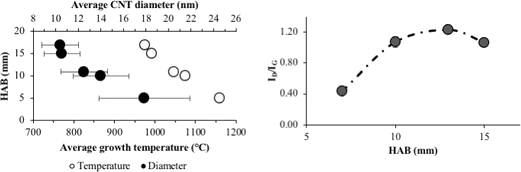
- , such as fuel, catalyst, temperature, and diluent. However, the heterogeneous gas properties during combustion lead to a high temperature gradient and a wide distribution of chemical species within the flame. The interrelated processes of heat generation and carbon supply requires an optimum parametric
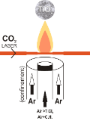
- regions are located at higher HAB values and near the flame center [13]. In a premixed flame setup, the use of sintered metal allows for a uniform gas flow distribution producing a flat flame shape, as shown in Figure 1b. The one-dimensional uniform blue flame suggests a uniform temperature distribution
- temperature between the flame center and the flame sheet is due to the cold shielding gas flow at the outer annulus. This trend is observed at all HAB values, although the temperature at all locations is still within the required range for CNT growth. The height of the flame only reaches up to 5 mm, hence the


Nanoarchitectonics for advanced applications in energy, environment and biology: Method for everything in materials science
Beilstein J. Nanotechnol. 2023, 14, 738–740, doi:10.3762/bjnano.14.60
- also discuss coordination-assembled myricetin nanoarchitectonics [32], nanoarchitectonics for membranes with enhanced gas separation capabilities [33], nanoarchitectonics of the cathode of Li–O2 batteries [34], nanoarchitectonics in moist-electric generation [35], nanoarchitectonics for drug delivery

Cross-sectional Kelvin probe force microscopy on III–V epitaxial multilayer stacks: challenges and perspectives
Beilstein J. Nanotechnol. 2023, 14, 725–737, doi:10.3762/bjnano.14.59
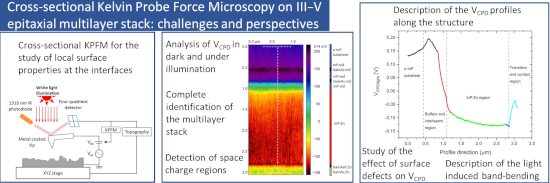
- ), and arsine (AsH3) were the source materials, with hydrogen (H2) as a carrier gas. Diethylzinc (DEZn) was used as a source of Zn for p-type doping the InP:Zn and the phosphorus-based quaternary (GaInAsP:Zn) and GaInAs:Zn layers. The precursor flow was varied to cover a doping level range from 1 × 10¹⁸


The microstrain-accompanied structural phase transition from h-MoO3 to α-MoO3 investigated by in situ X-ray diffraction
Beilstein J. Nanotechnol. 2023, 14, 692–700, doi:10.3762/bjnano.14.55
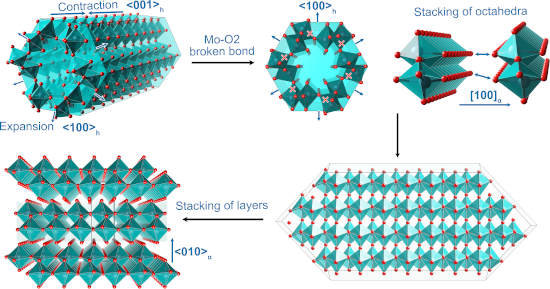
- , making them multifunctional electronic and optical materials for applications in ion batteries [3][4], lubricants [5], gas detectors [6][7], photochromism [8][9], photocatalysis [10][11], and superconductors [12][13]. The molybdenum oxide MoO3 can crystalize into several structures, including α-MoO3 [14


Humidity-dependent electrical performance of CuO nanowire networks studied by electrochemical impedance spectroscopy
Beilstein J. Nanotechnol. 2023, 14, 683–691, doi:10.3762/bjnano.14.54
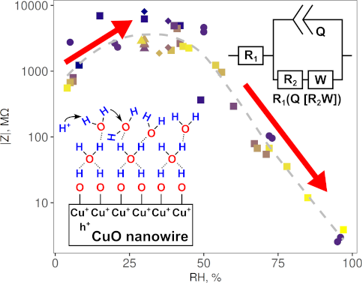
- ; electrochemical impedance spectroscopy; humidity; nanowire; sensor; Introduction Semiconductor metal oxide nanomaterials have demonstrated a great potential for integration in a variety of devices, such as gas and humidity sensors, nanoelectronics, and low-power thermoelectrical generators [1][2][3][4][5][6
- sensitive and fast responding nanowire-based gas sensors for the detection of CO, C2H5OH, H2S, and NO2 [10][11][12][13][14]. Unusually strong space-charge-limited currents observed in individual CuO nanowires [15] in combination with the mechanical strength [9][16] motivate their application as durable
- contribution from resistance, capacitance, constant phase element, and Warburg element to the total impedance at various RH. Physical models describing the impact of chemisorption and physisorption processes are proposed to clarify the observed changes in the impedance spectra, discuss gas sensing mechanisms


Metal-organic framework-based nanomaterials as opto-electrochemical sensors for the detection of antibiotics and hormones: A review
Beilstein J. Nanotechnol. 2023, 14, 631–673, doi:10.3762/bjnano.14.52

- spectrometry (LC–MS), high-performance liquid chromatography (HPLC), and gas chromatography coupled with mass spectrometry (GC–MS) have demonstrated greater selectivity and lower variability when compared to immunoassays for the measurement of antibiotics and steroid hormones in various complex samples [22][23
- in MOFs can either be quenched or enhanced. Due to their exceptional characteristics, MOFs have found usage in a variety of fields, including sensors, gas adsorption, energy storage, drug delivery, catalysis, water treatment, and bio-medical imaging [89][90][91][92][93][94][95][96][97][98][99][100


Titania nanoparticles for photocatalytic degradation of ethanol under simulated solar light
Beilstein J. Nanotechnol. 2023, 14, 616–630, doi:10.3762/bjnano.14.51
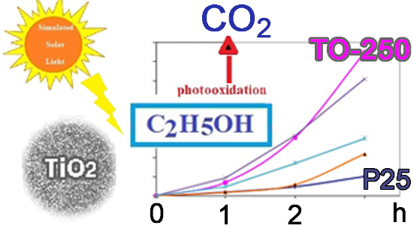
- gas production has been detected for the samples from series “b”, whereas the CO2 evolution was observed for all samples from series “a”. Keywords: ethanol; H2 production; laser pyrolysis; photocatalyst; TiO2 nanoparticles; Introduction Semiconductor materials are widely used, from electronic
- many studies carried out in gas and liquid phases concerning the photodegradation of ethanol through TiO2-based materials, targeting both hydrogen production [25][26] and the photocatalytic oxidation of ethanol to CO2 [27][28]. Hydrogen production and depollution via ethanol photodegradation are of
- regarding the mineralization of ethanol in the gas phase. The highest activity was measured for TO-250-a, which generated around 70 µmol CO2 after 3 h. All catalysts of this series exhibit a higher activity than P25. Also, an increase of the CO2 formation rate after the first hour of irradiation can be




ZnO-decorated SiC@C hybrids with strong electromagnetic absorption
Beilstein J. Nanotechnol. 2023, 14, 565–573, doi:10.3762/bjnano.14.47
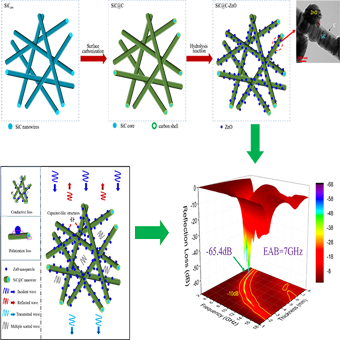
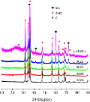
- of Si atoms from SiCnw in the carbonization atmosphere containing a low concentration of chlorine gas [24]. Figure 2 shows TEM and HRTEM images of the final SiC@C-ZnO samples. The SCZ samples are composed of SiC, carbon, and ZnO particles. Obviously, the hybrids are characterized by SiC cores and


Carbon nanotube-cellulose ink for rapid solvent identification
Beilstein J. Nanotechnol. 2023, 14, 535–543, doi:10.3762/bjnano.14.44
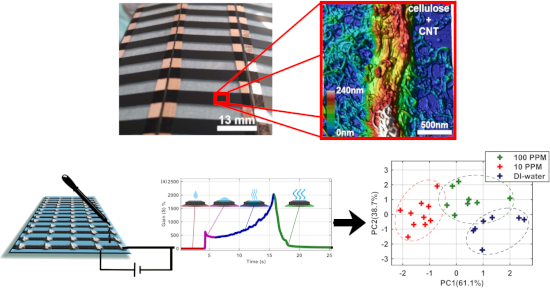
- and flexible devices are paradigms of the current “Industry 4.0”. One can envision applications such as multicomponent liquid and gas sensors, wearables for healthcare, paper-based sensors, and electronic solutions for smart city applications [1][2][3][4][5]. Another area of increasing demand is the
- and other 1D/2D materials have been employed as ink components with great potential for a broad range of applications, for example, in flexible electronics, photoconductors, transparent conductors, and gas sensors [44][45][46][47]. Carbon nanotube ink films have been reported as field-effect
- transistors, transparent conductors, gas sensors, supercapacitors, and pH sensors [41][42][47][48][49][50][51][52][53][54][55]. Different approaches to ink printing methods have been explored, such as aerosol jet, inkjet, syringe, roll-to-roll printing, and stamp methods [1][41][50]. In this work, we report a


Nanoarchitectonics to entrap living cells in silica-based systems: encapsulations with yolk–shell and sepiolite nanomaterials
Beilstein J. Nanotechnol. 2023, 14, 522–534, doi:10.3762/bjnano.14.43

- biological viability (“gas release” as a measurement of active metabolism and “cell leakage” measuring the encapsulation strength). Physical-structural robustness focuses on the evolution of physical appearance and mechanical resistance of the bulk material with time. Macroscopic appearance corresponds to a
- metabolism (CO2 and O2, respectively). Hence, their metabolic activity can be tracked in terms of the gas release, observable as bubbles at the material’s surface. Thus, the gas release is a good indicator of the overall cell viability within the encapsulation system. In addition, the undesired leakage of
- the extent of the observed behaviour. Likewise, the symbol “−” indicates the absence of gas release or increase in the absorbance of the growth medium when compared to the previous day. Consequently, a “−“ in “cell leakage” indicates that the absorbance of the growth medium did not change with respect



A mid-infrared focusing grating coupler with a single circular arc element based on germanium on silicon
Beilstein J. Nanotechnol. 2023, 14, 478–484, doi:10.3762/bjnano.14.38
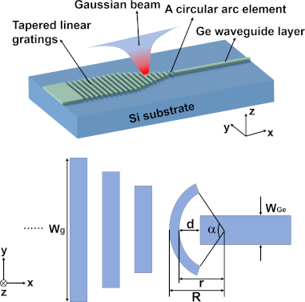
- -silicon; mid-infrared; Introduction The mid-infrared (MIR) spectrum region covers the absorption band of most organic and inorganic matter. Thus, it has a broad application prospect in gas detection, environmental monitoring, lidar, free space optical communication, and remote sensing technologies [1][2
- proposed MIR grating coupler [14]. Finally, the transmission characteristics of the output fiber can be detected using an optical spectrum analyzer. There is a wide range of sensors for applications in, for example, biosensing, healthcare, disease detection, and gas detection. Therefore, research on those
- sensors is of great significance. In 2015, Bai et al. reported a flexible healable transparent chemical gas sensing device that exhibited robust flexibility, good transparency, and reliable water-enabled healability of the gas sensing performance at room temperature [15]. Wang proposed a flexible


Mixed oxides with corundum-type structure obtained from recycling can seals as paint pigments: color stability
Beilstein J. Nanotechnol. 2023, 14, 467–477, doi:10.3762/bjnano.14.37
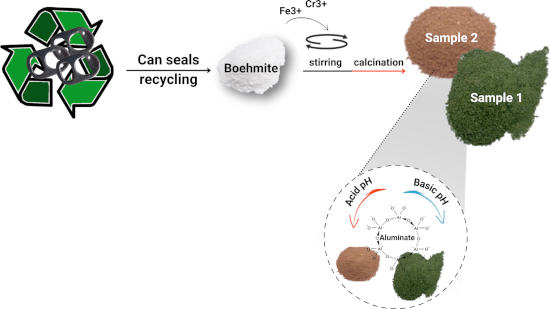
- a reduction to 5% in greenhouse gas emissions compared to the direct synthesis, reducing the environmental impact. Besides, one ton of recycled aluminium saves up to eight metric tons of bauxite [3][4]. The amount of recycled aluminium packaging depends on individual national recycling policies




Molecular nanoarchitectonics: unification of nanotechnology and molecular/materials science
Beilstein J. Nanotechnol. 2023, 14, 434–453, doi:10.3762/bjnano.14.35

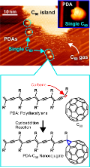
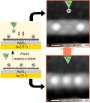
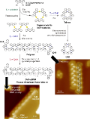
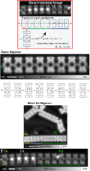
- were successfully synthesized by sequential coupling of CF3-substituted copper, cobalt, and palladium porphyrins on the surface. The assembly of different porphyrin oligomers combines multiple functional properties such as gas adsorption and magnetism in a one-dimensional structure. This approach could







Plasmonic nanotechnology for photothermal applications – an evaluation
Beilstein J. Nanotechnol. 2023, 14, 380–419, doi:10.3762/bjnano.14.33
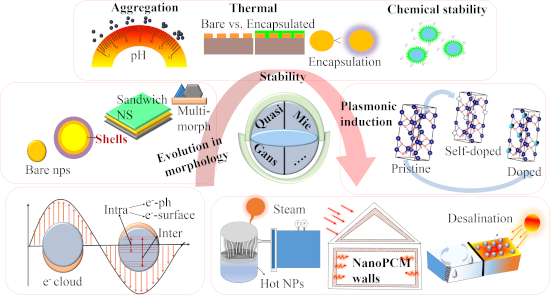
- arrival at the expression for the LSPR frequency of a free electron cloud (as is typically assumed to be present in metals) starts with the relations between the dielectric displacement (D) of the electron gas in relation to the incident electric field (E) which it is [38] subjected to, given by wherein P
- product of ωτ, where τ is the relaxation time of the free electron gas) is much higher than unity, thus leading to an approximation that there is no damping. Hence ignoring the damping term in Equation 5, we get It follows also that under plasmon resonance conditions ε1 < −εm, εm is the dielectric
- with decreasing particle size define the relaxation dynamics of the photoexcited electron gas into heat [52]. Interestingly, for Ag and Au, the transduction of absorbed light into heat due to electron–phonon coupling was found to be independent of the particle size above 10 nm diameter (though surface




Biocatalytic synthesis and ordered self-assembly of silica nanoparticles via a silica-binding peptide
Beilstein J. Nanotechnol. 2023, 14, 280–290, doi:10.3762/bjnano.14.25

- combination with NH3. The reaction kinetics were monitored via measuring the optical density (OD) with UV–vis spectroscopy and the conversion of substrate via gas chromatography coupled with mass spectroscopy (GC–MS). Size and net surface charge distribution of the particles were determined with dynamic light
- Fischer Scientific Inc, Waltham, MA, USA) and by monitoring the hydrolysis of TEOS via gas chromatography coupled with mass spectrometry (GC–MS) (TSQ Duo Triple Quadrupole, Thermo Fischer Scientific Inc., Waltham, MA, USA). OD measurements were done at room temperature and constant mixing at 300 rpm. GC




Spin dynamics in superconductor/ferromagnetic insulator hybrid structures with precessing magnetization
Beilstein J. Nanotechnol. 2023, 14, 233–239, doi:10.3762/bjnano.14.22

- the free electron gas value N0 ≈ 4.9·1046 J−1·m−3. The coherence length has been estimated using , where kB is the Boltzmann constant and ξ0 ≈ 11 nm. We numerically solve Equation 1 in mixed representation with the normalization condition. To obtain physical observables from the quasiclassical Green’s


A novel approach to pulsed laser deposition of platinum catalyst on carbon particles for use in polymer electrolyte membrane fuel cells
Beilstein J. Nanotechnol. 2023, 14, 190–204, doi:10.3762/bjnano.14.19
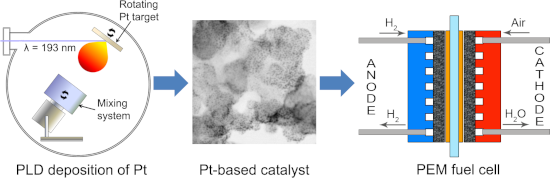
- to deposit Pt for the cathode of PEM fuel cells only in a few studies, and in all of them only on gas diffusion layers of carbon fabric or on proton conductive Nafion membrane [27][32][33]. According to our knowledge, no studies have been reported on the PLD deposition of Pt catalyst on carbon
- temperature of approx. 65 °C. The active geometric surface area of the cathode and anode was 5 cm2. As a gas diffusion layer (GDL) on both sides of the MEA, the ELAT LT2500W carbon fabric (E-Tek) was used. The reference fuel cell was prepared the same way as the tested cells, except that the cathode was made
- (and/or N2). All the fuel cell tests were recorded using a fuel cell station (150 W, Fuel Cell Technologies Inc., United States). This system controls the operating conditions of the fuel cell (cell temperature, gas flows, humidity, and pressure of anode and cathode gases). Cyclic voltammetry curves



Formation of nanoflowers: Au and Ni silicide cores surrounded by SiOx branches
Beilstein J. Nanotechnol. 2023, 14, 133–140, doi:10.3762/bjnano.14.14

- it can be enhanced more by Au compared to Ni. SiO gas from the decomposition of SiO2 and the active oxidation of Si is the source of Si for the growth of the SiOx branches of the nanoflowers. The concentration of SiO gas around the decomposition cavities is inhomogeneously distributed. Closer to the
- cavity border, the concentration of the Si sources is higher, and SiOx branches grow faster. Hence, nanoflowers present shorter and shorter branches as they are getting away from the border. However, such inhomogeneous SiO gas concentration is weakened in the sample with the highest Au concentration due
- also been obtained by depositing Au thin films on Si substrates with a thick silicon dioxide (SiO2) layer and subsequent rapid heating in reducing atmosphere. Here, the Si vapor source is silicon monoxide (SiO) gas produced by the decomposition of the SiO2 layer or the active oxidation of the Si





