

Search results
Search for "nanoparticle" in Full Text gives 747 result(s) in Beilstein Journal of Nanotechnology. Showing first 200.
Silver-based SERS substrates fabricated using a 3D printed microfluidic device
Beilstein J. Nanotechnol. 2023, 14, 793–803, doi:10.3762/bjnano.14.65
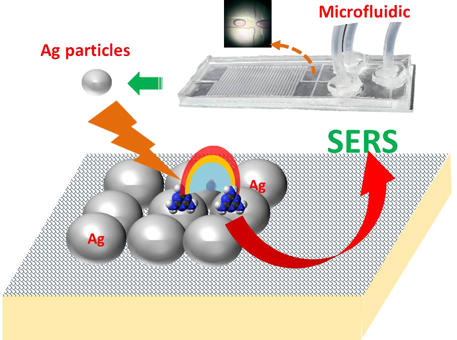
- the potential to be a valuable analytical tool for monitoring environmental contaminants. Keywords: 3D printing; microfluidic droplet; SERS substrate; silver nanoparticle; smartphone detection; Introduction Surface-enhanced Raman spectroscopy (SERS) has emerged as a powerful optical trace detection



Carboxylic acids and light interact to affect nanoceria stability and dissolution in acidic aqueous environments
Beilstein J. Nanotechnol. 2023, 14, 762–780, doi:10.3762/bjnano.14.63

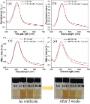
- formation of cerium coordination complexes on the ceria nanoparticle surface that inhibit agglomeration. Key functional groups of carboxylic acids that prevented nanoceria agglomeration were identified. A long carbon chain backbone containing a carboxylic acid group geminal to a hydroxy group in addition to
- accelerated nanoceria dissolution in aqueous acidic environments [33]. The dissolution rate, related to the nanoparticle surface area, was modeled to obtain dissolution rate coefficients [34]. Citrate-coated nanoceria particles were exposed to artificial lung, gastric, and intestinal fluids. The exposure
Investigations on the optical forces from three mainstream optical resonances in all-dielectric nanostructure arrays
Beilstein J. Nanotechnol. 2023, 14, 674–682, doi:10.3762/bjnano.14.53

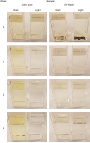
- strong laser beam generates a piconewton level of force, which can be used to manipulate small dielectric particles, including biological entities such as DNA, enzymes, and cells. The underlying physics of nanoparticle manipulation by optical tweezers can be interpreted as the trend of the particle to
- quasi-BICs are expected to provide a larger field gradient which provides higher capability in the applications of nanoparticle capturing. However, a complete investigation and comparison of the optical forces which can be provided by these resonances is still missing. In this work, we present some


Metal-organic framework-based nanomaterials as opto-electrochemical sensors for the detection of antibiotics and hormones: A review
Beilstein J. Nanotechnol. 2023, 14, 631–673, doi:10.3762/bjnano.14.52
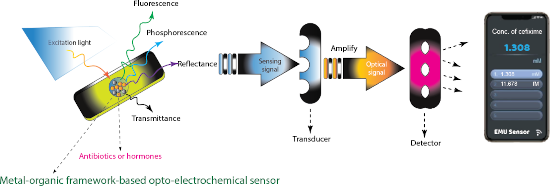
- signals are obtained, the likelihood of inaccurate results is reduced. For example, Rani et al. [50] synthesised a gold nanoparticle-decorated amine-functionalized Zr-MOF through a solvothermal synthesis process in order to detect nitrofurazone antibiotics via dual-mode (opto-electrochemical) sensing


Titania nanoparticles for photocatalytic degradation of ethanol under simulated solar light
Beilstein J. Nanotechnol. 2023, 14, 616–630, doi:10.3762/bjnano.14.51
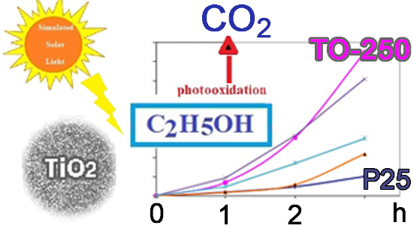
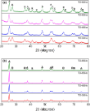
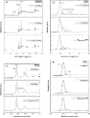
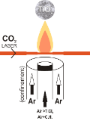
- indicate changes regarding the variation of the nanoparticle surfaces according to the value of the working pressure. Since XPS analysis is a surface measurement and the samples were calcined in air, the possibility to identify the presence of Ti3+ species and oxygen vacancies is small, but we do not




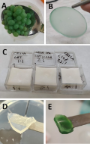
Nanoarchitectonics to entrap living cells in silica-based systems: encapsulations with yolk–shell and sepiolite nanomaterials
Beilstein J. Nanotechnol. 2023, 14, 522–534, doi:10.3762/bjnano.14.43
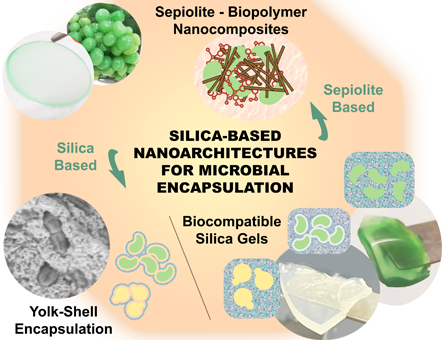
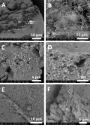
- shown. This image shows how single cells or groups of a few of them can be confined into a self-assembled silica nanoparticle shell in which there is also a small hollow region between the cells and the silica particles. Nonetheless, an excessive presence of silica nanoparticles that has not been self
- but attached to its surface. There are also some silica nanoparticles (LUDOX® TMA) covering the cells in contact with the silica gel fragment. This indicates that for yolk–shell formation, the previous incubation with protamine is crucial for adequate self-assembly of a silica nanoparticle envelope


Specific absorption rate of randomly oriented magnetic nanoparticles in a static magnetic field
Beilstein J. Nanotechnol. 2023, 14, 485–493, doi:10.3762/bjnano.14.39

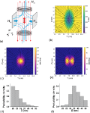
- of the field-free point is obtained for assemblies with different nanoparticle size distributions. The results obtained seem to be helpful for the development of a promising joint application of magnetic nanoparticle imaging and magnetic hyperthermia. Keywords: dynamic hysteresis loop; magnetic
- magnetic nanoparticles in a liquid, an increase of the dc magnetic field leads to a decrease in the area of the hysteresis loop for both parallel and perpendicular configurations of external magnetic fields. Analytical and numerical calculations of the dynamics of the nanoparticle magnetization in an ac
- in the vicinity of the FFP has been obtained considering an inhomogeneous dc magnetic field created by two opposite magnetic fluxes, for the case of assemblies with different nanoparticle size distributions. Results and Discussion Numerical simulation Let us consider a dilute assembly of magnetic


Conjugated photothermal materials and structure design for solar steam generation
Beilstein J. Nanotechnol. 2023, 14, 454–466, doi:10.3762/bjnano.14.36
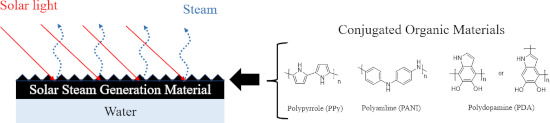
- vaporization towards clean water and energy production” by M. Gao et al., Energy Environ. Sci., vol. 12, issue 3, © 2018); permission conveyed through Copyright Clearance Center, Inc. This content is not subject to CC BY 4.0. (a) The oscillation of electron clouds in a metal nanoparticle induced by light


Molecular nanoarchitectonics: unification of nanotechnology and molecular/materials science
Beilstein J. Nanotechnol. 2023, 14, 434–453, doi:10.3762/bjnano.14.35

- expression through nanoarchitectonics. Shi and co-workers created nanoparticle surfactants at liquid–liquid interfaces by exploiting the interaction between nanoparticles and polymer ligands [101]. They showed that a size-dependent aggregation of nanoparticle surfactants can be generated at the interface





Plasmonic nanotechnology for photothermal applications – an evaluation
Beilstein J. Nanotechnol. 2023, 14, 380–419, doi:10.3762/bjnano.14.33
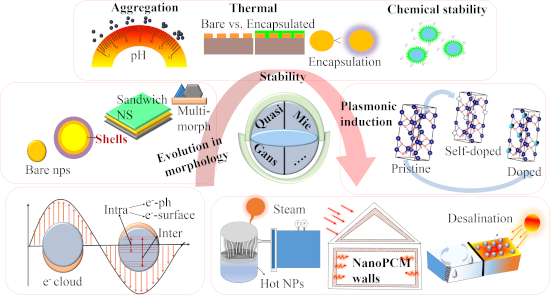
- pondered on in the final section of the article, taking into account the specific requirements from different applications. Keywords: nanoparticle heating; phonons; photothermal; plasmonic; stability; surface plasmon resonance; Review 1 Introduction With an ever-increasing demand for energy and the
- conductivity, tunability of materials for realizing broadband energy absorption, appearance of new mechanisms of photon absorption, and improved prospects of preserving material properties [4][5][6]. Nanoparticle heating can result also due to the conversion of optical absorption by plasmons into heat. This
- characteristics such as the wavelength in plasmon resonance can be tuned and controlled by the properties of the nanoparticle such as size, shape, proximity to other particles, as well as the surrounding medium [6]. Indeed, advancements in such manipulation at the nanoscale has aided the use of plasmonic




New trends in nanobiotechnology
Beilstein J. Nanotechnol. 2023, 14, 377–379, doi:10.3762/bjnano.14.32
- field of nanoparticle synthesis for medical treatments. The collection of comprehensive reviews and studies assembled in this thematic issue on nanobiotechnology trends provides useful and new scientific knowledge regarding the advancement of nanobiotechnology for science, technological, and engineering
Quercetin- and caffeic acid-functionalized chitosan-capped colloidal silver nanoparticles: one-pot synthesis, characterization, and anticancer and antibacterial activities
Beilstein J. Nanotechnol. 2023, 14, 362–376, doi:10.3762/bjnano.14.31

- biggest problems in the development of new drugs [3]. One of the approaches to overcome these problems is nanoparticle carriers. These carriers are advantageous because their high surface area and good adhesion to biological surfaces increase solubility and dissolution rate [4]. The Gram-positive
- strains of S. aureus (ATCC 25923), S. epidermidis (ATCC 12228), P. aeruginosa (ATCC 27853), and E. coli (ATCC 8739), which are generally opportunistic pathogens, were used in the study. The antibacterial activity of diluted nanoparticle solutions was investigated by the agar disc diffusion method. The
- either covered by only chitosan (Ch-Ag NPs) or chitosan with quercetin and caffeic acid as co-capping agents (Ch/Q- and Ch/CA-Ag NPs), and pictures of the nanoparticle solutions under daylight. As seen in Figure 2a, the absorption curve of the Ch-Ag NPs ends at around 600 nm, and the maximum for the


The steep road to nonviral nanomedicines: Frequent challenges and culprits in designing nanoparticles for gene therapy
Beilstein J. Nanotechnol. 2023, 14, 351–361, doi:10.3762/bjnano.14.30

- gathering significant attention as highlighted by the broad clinical acceptance of mRNA-based COVID-19 vaccines. A significant barrier to progress in this emerging area is the wild variability of approaches reported in published literature regarding nanoparticle characterizations. Here, we provide a brief
- within the nanoparticle and, thus, in preventing the diffusion and association of probe molecules [6]. For these types of assays, it is very common for the result of concentration measurements to be significantly lower than those obtained from free NAT systems with identical concentrations. Inclusion of
- payload can be separated from the NP prior to analysis. Regardless of the approach, it is worth noting that NAT concentration alone cannot address the extent of loading (i.e., the NAT/NP mass ratio) or therapeutic efficacy (e.g., plasmids/particle). Nanoparticle tracking analysis (NTA) [62] can provide

Polymer nanoparticles from low-energy nanoemulsions for biomedical applications
Beilstein J. Nanotechnol. 2023, 14, 339–350, doi:10.3762/bjnano.14.29
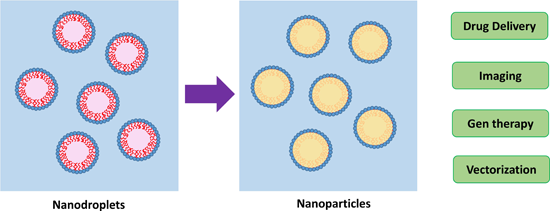
- , nanoparticle concentration, surface functionalization, and the type of polymers that can be processed. Keywords: ethyl cellulose; nanoemulsions; nanomedicine; phase inversion composition (PIC) method; PLGA; polymer nanoparticles; polyuria; polyurethane; surfactants; Review 1 Introduction The field of
- the solvent can also be removed by selective diffusion [22]. The emulsion solvent evaporation method enables the use of biocompatible polymers, thermolabile compounds, and low-toxicity surfactants. The nanoparticle size can be tuned by formulation parameters and since the nanoparticles are directly
- is the solvent/polymer bulk density ratio (this equation assumes that each droplet generates one single nanoparticle). In other words, the polymer nanoparticles seem to be, in general, less dense than in the bulk, which could be attributed to porosity generated during solvent evaporation
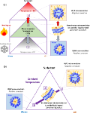




Overview of mechanism and consequences of endothelial leakiness caused by metal and polymeric nanoparticles
Beilstein J. Nanotechnol. 2023, 14, 329–338, doi:10.3762/bjnano.14.28

- induction depends on the density of NPs, where the effective density of Si NPs ranged from 1.57 to 1.72 g/cm3 [20]. The leakage rate increases with increasing nanoparticle density. They also showed that a force of approximately 1.8 nN/μm along the boundaries of VE-cad adherens junctions mediated by


Biocatalytic synthesis and ordered self-assembly of silica nanoparticles via a silica-binding peptide
Beilstein J. Nanotechnol. 2023, 14, 280–290, doi:10.3762/bjnano.14.25

- . The results presented here provide a biomimetic route to the single-step synthesis and assembly of SiO2 nanoparticles into colloidal gels or opal-like structures. Keywords: biocatalysis; biomimetics; nanoparticle; peptide; self-assembly; silica; Introduction Ordered structures of nanoparticles have
- challenge is the difficulty in manipulating nanoparticles due to size-related constraints. The self-assembly of nanoparticles is mainly governed through intermolecular interactions [9]. The high nanoparticle/volume fractions required for large-scale applications may result in electrostatic repulsion or
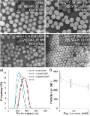
- coalescence and Ostwald ripening of the particles. Growth by coalescence and Ostwald ripening is a fundamental process that plays a dominant role in nanoparticle formation. In coalescence, two or more particles combine to form a larger particle, whereas in Ostwald ripening, small particles dissolve in a




Recent progress in cancer cell membrane-based nanoparticles for biomedical applications
Beilstein J. Nanotechnol. 2023, 14, 262–279, doi:10.3762/bjnano.14.24

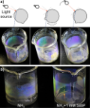
- disciplines, such as nanomaterials science, mechanical engineering, pharmacology, and clinical medicine. Nanoparticle (NP)-based therapeutics are uniquely able to improve drug loading efficiency, control drug release, and protect drug molecules against undesired degradation [1][2]. NPs are widely used in
- nanoparticle with radiosensitizing activity, which showed better biocompatibility and tumor targeting after coating with a cancer cell membrane [77]. Volume and weight of tumors in mice treated with biomimetic NPs and irradiation were significantly reduced compared to those of mice treated with bare NPs. The


Nanotechnology – a robust tool for fighting the challenges of drug resistance in non-small cell lung cancer
Beilstein J. Nanotechnol. 2023, 14, 240–261, doi:10.3762/bjnano.14.23
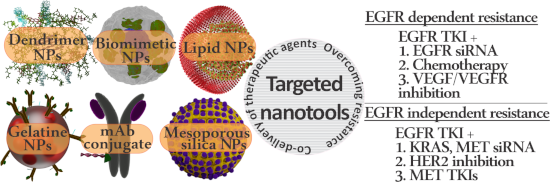
- , gold nanoshells, and microbots) and imaging contrast nanoparticles (quantum dots and iron oxide), after homing into the tumor environment [113]. Xu et al. described an injectable nanoparticle generator (iNPG) showing substantial natural tumor tropism designed as aminopropyltriethoxysilane (APTES
- toxicological profiles [134]. A systematic approach in synthesizing statistical copolymer libraries, fine-tuning nanoparticle biointeractions, and polymer bioresponsiveness, hand in hand with cell culture experiments for fast screening and dynamic cell culture models, may greatly improve the successful outcomes
- task limited by extracellular and intracellular challenges. Combinatorial therapy further complicates the right-time, right-place co-delivery of siRNA with other active ingredients due to the differences in the physicochemical properties, delivery, and stability problems. The nanoparticle core for


Cyclodextrins as eminent constituents in nanoarchitectonics for drug delivery systems
Beilstein J. Nanotechnol. 2023, 14, 218–232, doi:10.3762/bjnano.14.21
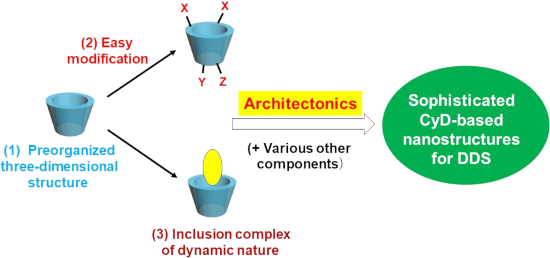
- siRNA from the endosome. In another example, a supramolecular nanoparticle was prepared from a linear CyD-based polymer, hydrophilic polyethylene glycol bearing an adamantane at the end, and siRNA [64]. By attaching a human transferrin protein, this composite was steered to target cancer cells to




Concentration-dependent photothermal conversion efficiency of gold nanoparticles under near-infrared laser and broadband irradiation
Beilstein J. Nanotechnol. 2023, 14, 205–217, doi:10.3762/bjnano.14.20

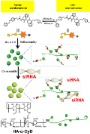
- –11% increase in efficiency. Under NIR laser irradiation, the photothermal conversion efficiency increases with an increase in optical power. The findings will facilitate the selection of nanoparticle concentrations, irradiation source, and irradiation power for a variety of plasmonic photothermal
- broadband light source and a near-infrared laser (for comparison). Gold nanospheres (GNSs) of 40 nm diameter and gold nanorods (GNRs) of sizes 25 × 47 nm, 10 × 38 nm, and 10 × 41 nm were examined. The photothermal conversion efficiency for these GNPs is reported for different nanoparticle concentrations and
- . By combining Equation 2 and Equation 3, the energy balance equation becomes For a nanoparticle suspension, the specific heat capacity and total mass of GNPs are much smaller than those of water and can be neglected. Thus, by only considering the specific heat capacity of water (Cw = 4184 J·kg−1·K−1




A novel approach to pulsed laser deposition of platinum catalyst on carbon particles for use in polymer electrolyte membrane fuel cells
Beilstein J. Nanotechnol. 2023, 14, 190–204, doi:10.3762/bjnano.14.19
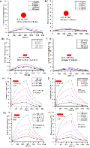
- of the apparent differences. Before performing ORR experiments in the RRDE system, cyclic voltammetry curves in N2-saturated 0.5 M H2SO4 were recorded. In cycling voltammetry experiments, materials A and B show signals characteristic of the platinum nanoparticle surface (Supporting Information File 1
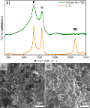
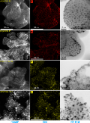
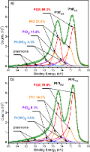
- the three columns, the results of HAADF, EDX, and HRTEM measurements are shown. Statistical analysis of Pt nanoparticle area distribution is shown in Supporting Information File 1, Figure S1. High-resolution XPS spectra of the Pt 4f band for (a) reference catalyst 20% Pt XC-72R and (b) sample A



Batch preparation of nanofibers containing nanoparticles by an electrospinning device with multiple air inlets
Beilstein J. Nanotechnol. 2023, 14, 141–150, doi:10.3762/bjnano.14.15

- the fibers. When the air flow rate was 100 m3/h (Figure 3b), the adhesion between fibers was weakened, resulting in the decrease of average fiber diameter (719.28 ± 108.43 nm) and a reduction of nanoparticle agglomeration in the fibers. When the air flow rate was 50 m3/h (Figure 3c), there was almost
- rate was 50 m3/h, only few microbubbles were generated, thus yielding ZnO/PAN nanofibers with uniform ZnO nanoparticle distribution. In addition, the influence of the spinning voltage on the EMAI processes as well as the quality and yield of ZnO/PAN nanofibers were investigated experimentally and


Formation of nanoflowers: Au and Ni silicide cores surrounded by SiOx branches
Beilstein J. Nanotechnol. 2023, 14, 133–140, doi:10.3762/bjnano.14.14

- and significant to extend the previous research of Au–SiOx nanoflowers formed by an Au single layer to bilayers and explore potential fabrication parameters. In the present work, nanoflowers made of a core nanoparticle and surrounding SiOx NWs are synthesized from annealing thin Au/Ni bilayers with


Antimicrobial and mechanical properties of functionalized textile by nanoarchitectured photoinduced Ag@polymer coating
Beilstein J. Nanotechnol. 2023, 14, 95–109, doi:10.3762/bjnano.14.11

- seconds of exposure in the case of the Ag@PEG600DA coating (Figure 2a). As can be seen in Figure 2, AgNP synthesis is much faster in Ag@PEG600DA coatings than in the case of the PEG600DA/PETIA matrix. Indeed, as a diacrylate, PEG600DA offers less cross-linking sites than PETIA, which promotes nanoparticle
- formation and coalescence during UV exposure. When comparing the absorbance spectra for both coatings after 15 s irradiation, the full-widths at half maximum (FMWH) are calculated to be 134 and 131 nm, for Ag@PEG600DA and Ag@PEG600DA/PETIA, respectively (Figure 2c). Consequently, the nanoparticle size



Two-step single-reactor synthesis of oleic acid- or undecylenic acid-stabilized magnetic nanoparticles by thermal decomposition
Beilstein J. Nanotechnol. 2023, 14, 11–22, doi:10.3762/bjnano.14.2

- undecylenic (UA) acids, which are both used as a reagent and as a nanoparticle stabilizer, as well as the influence of their ratio to Fe(III) acetylacetonate on the properties of particles were investigated. Stable dispersions of NPM were obtained in 1-octadecene within the OA or UA ratio from 3.3 mol to 1
- particle mass. The result is a significantly different resistance to oxidation of the nanoparticle inorganic cores. The core of the particles synthesized using oleic acid is composed of more than 90% of maghemite. When undecylenic acid is used for the synthesis, the core is composed of 75% of magnetite
- reduction of nanoparticle diameter below the critical size of 25 nm leads to nanoparticles with superparamagnetic properties [10][11]. Due to the absence of coercive forces in superparamagnetic nanoparticles not exposed to an external magnetic field, they are characterized by good colloidal stability, which