Search results
Search for "biomedical" in Full Text gives 395 result(s) in Beilstein Journal of Nanotechnology. Showing first 200.
Gold(I) N-heterocyclic carbene precursors for focused electron beam-induced deposition
Beilstein J. Nanotechnol. 2021, 12, 257–269, doi:10.3762/bjnano.12.21
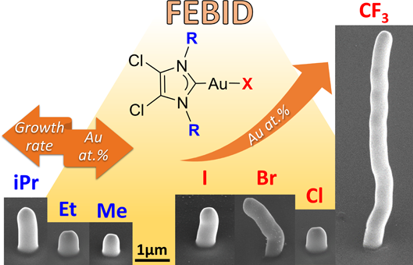
- ][15] and biomedical applications [16]. FEBID provides a flexible direct-write technique to fabricate complex 3D structures, which are hard to realize using resist-based planar lithography processes. However, when using organometallic precursors, usually, undesired dissociation fragments also end up in




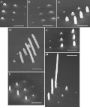

A review on the green and sustainable synthesis of silver nanoparticles and one-dimensional silver nanostructures
Beilstein J. Nanotechnol. 2021, 12, 102–136, doi:10.3762/bjnano.12.9
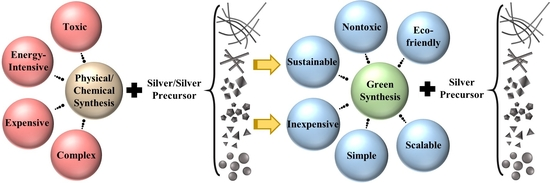
- characteristics including antimicrobial activity, electrical conductivity, thermal conductivity, optical characteristics, and mechanical properties. The antimicrobial characteristic of silver nanoparticles (AgNPs) has made them highly applicable in the biomedical and therapeutic fields [69][70][71]. Currently
- physicochemical characteristics of AgNPs can be tuned in a way to avoid cellular toxicity [71][74][75], which facilitates their biomedical applications. The small size of AgNPs (<100 nm) allows them to accumulate on the extracellular membrane of the bacteria and penetrate inside, which alters the membrane
- process difficult and costly. In the case of hydrazine, the synthesized particles may potentially include some of the remnants from the reagent, thus making them hazardous or even unusable for biomedical applications. The polyol process is another common wet chemical method used for the synthesis of


Effect of different silica coatings on the toxicity of upconversion nanoparticles on RAW 264.7 macrophage cells
Beilstein J. Nanotechnol. 2021, 12, 35–48, doi:10.3762/bjnano.12.3

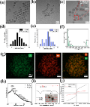
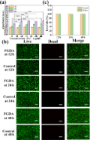
- time. The obtained data shows that a particle concentration of up to 12.5 μg/mL does not lead to a critical decline in cell viability for all the particles under study. This quantity can be used as a reference point for the biomedical implementation of these particles. In addition, an incubation time


Free and partially encapsulated manganese ferrite nanoparticles in multiwall carbon nanotubes
Beilstein J. Nanotechnol. 2020, 11, 1891–1904, doi:10.3762/bjnano.11.170

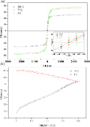
- drawbacks, it has been suggested that encapsulating materials into the hollow regions of carbon nanotubes can result in a significant change of the properties of the inserted materials [1][2][3]. Manganese ferrite nanoparticles can be used in biomedical diagnostics and have good properties as contrast




Towards 3D self-assembled rolled multiwall carbon nanotube structures by spontaneous peel off
Beilstein J. Nanotechnol. 2020, 11, 1865–1872, doi:10.3762/bjnano.11.168

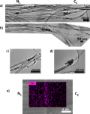
- with increasingly controlled properties are obtained having CNTs as building blocks. For instance, 3D structures made of CNTs can be synthesized on supports as self-assembled “forests” [7]. These structures have been employed in biomedical applications [7], chromatography [8], or filtration [9



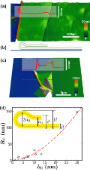
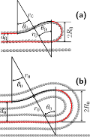
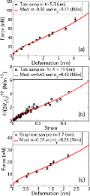
Nanomechanics of few-layer materials: do individual layers slide upon folding?
Beilstein J. Nanotechnol. 2020, 11, 1801–1808, doi:10.3762/bjnano.11.162

- understanding of the structural/dynamic response of multilayered 2D materials upon bending is also an essential issue regarding technological applications, such as deformable electronics, flexible reinforcements for brittle biomedical implants [15], and ultralight resonators suited as transducers of extremely

![[Graphic 5]](/bjnano/content/inline/2190-4286-11-162-i8.svg?max-width=637&scale=1.18182) =
= ![[Graphic 6]](/bjnano/content/inline/2190-4286-11-162-i9.svg?max-width=637&scale=1.18182) as a function of 1/h for the nine measured talc samples. h is a directly measured ...
as a function of 1/h for the nine measured talc samples. h is a directly measured ...
PEG/PEI-functionalized single-walled carbon nanotubes as delivery carriers for doxorubicin: synthesis, characterization, and in vitro evaluation
Beilstein J. Nanotechnol. 2020, 11, 1728–1741, doi:10.3762/bjnano.11.155
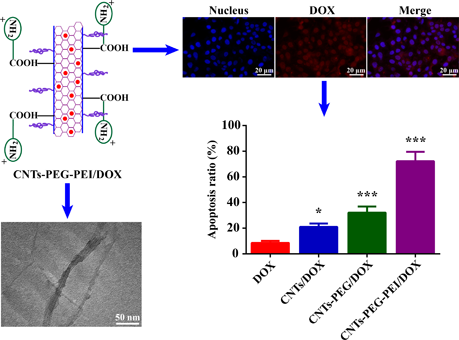
- the distribution in normal tissues, and to improve the biological half-lives [3][4][5][6]. Carbon nanotubes (CNTs) have attracted great interest for biomedical applications, including the delivery of bioactive molecules such as drugs, the targeted cancer therapy, and biological imaging, because of




Cardiomyocyte uptake mechanism of a hydroxyapatite nanoparticle mediated gene delivery system
Beilstein J. Nanotechnol. 2020, 11, 1685–1692, doi:10.3762/bjnano.11.150
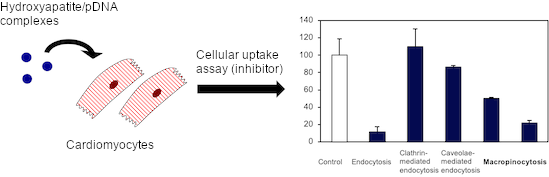
- previous study. HAp nanoparticles have been extensively investigated in various biomedical applications. However, the cellular uptake mechanism of HAp nanoparticles into cardiomyocytes remains unknown. In the present study, we focused on verifying whether the cardiomyocyte cell line HL-1 was able to


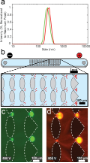
Electrokinetic characterization of synthetic protein nanoparticles
Beilstein J. Nanotechnol. 2020, 11, 1556–1567, doi:10.3762/bjnano.11.138

- Daniel F. Quevedo Cody J. Lentz Adriana Coll de Pena Yazmin Hernandez Nahal Habibi Rikako Miki Joerg Lahann Blanca H. Lapizco-Encinas Biointerfaces Institute, University of Michigan - Ann Arbor, Ann Arbor MI, USA Biomedical Engineering, University of Michigan - Ann Arbor, Ann Arbor MI, USA
- Microscale Bioseparations Laboratory and Biomedical Engineering Department, Rochester Institute of Technology, Rochester NY, USA Chemical Engineering, University of Michigan - Ann Arbor, Ann Arbor MI, USA 10.3762/bjnano.11.138 Abstract The application of nanoparticle in medicine is promising for the



Antimicrobial metal-based nanoparticles: a review on their synthesis, types and antimicrobial action
Beilstein J. Nanotechnol. 2020, 11, 1450–1469, doi:10.3762/bjnano.11.129

- induction of oxidative stress, the release of metal ions and the non-oxidative damage. Synthesis of antimicrobial nanoparticles Over the last years, techniques for synthesizing antimicrobial nanoparticles have advanced significantly due to their use in both biomedical and industrial applications. The
- photocatalytic, electrochemical, and catalytic properties. Furthermore, NiO NPs exhibit anti-inflammatory properties, generating interest in the biomedical field to use these NPs as antibiotics or in cancer treatments [116][133]. NiO NPs synthesized from Eucalyptus globulus leaf extract showed excellent


Influence of the magnetic nanoparticle coating on the magnetic relaxation time
Beilstein J. Nanotechnol. 2020, 11, 1207–1216, doi:10.3762/bjnano.11.105
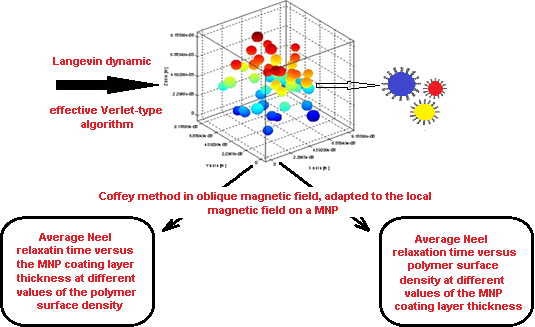
- Abstract Colloidal systems consisting of monodomain superparamagnetic nanoparticles have been used in biomedical applications, such as the hyperthermia treatment for cancer. In this type of colloid, called a nanofluid, the nanoparticles tend to agglomeration. It has been shown experimentally that the
- relaxation time; nanoparticle coating; numerical simulation; stochastic Langevin dynamics method; superparamagnetic nanoparticles; Introduction One of the most important biomedical applications of colloidal magnetic nanoparticle systems is magnetic hyperthermia applied as an alternative for cancer treatment
- particular the biomedical field [36][37][38][39][40][41]. The theoretical and experimental investigation of nanoparticles with magnetic hyperthermia properties is essential for the development of alternative therapies for treating cancer in its various stages and types. Positions of nanoparticles inside the


Gram-scale synthesis of splat-shaped Ag–TiO2 nanocomposites for enhanced antimicrobial properties
Beilstein J. Nanotechnol. 2020, 11, 1119–1125, doi:10.3762/bjnano.11.96
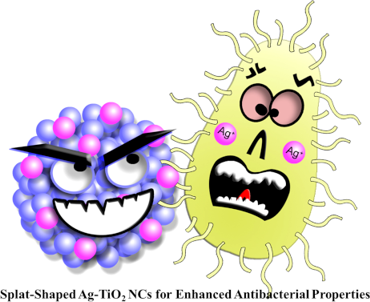
- antimicrobial peptides (AMPs) are highly toxic [4][5]. Recently, research in the field of nanotechnology has focused on trying to find solutions for some of the most serious environmental issues, such as energy conversion, and for the optimization of biomedical applications. Their small size, shape variability
- , surface functionalities, high surface-to-volume ratio and tunable physiochemical properties are unique characteristics that make nanomaterials promising for biomedical applications [6][7]. Multifunctional nanomaterials have been developed to decontaminate surfaces infested with infectious pathogens
- (NCs) have been considered as an alternative since they contain a small amount of Ag in a highly biocompatible material. Along these lines, TiO2 NPs have been used worldwide in biomedical applications due to their biocompatibility and cost-effectiveness [15]. Moreover, TiO2 NPs are inorganic materials


Applications of superparamagnetic iron oxide nanoparticles in drug and therapeutic delivery, and biotechnological advancements
Beilstein J. Nanotechnol. 2020, 11, 1092–1109, doi:10.3762/bjnano.11.94
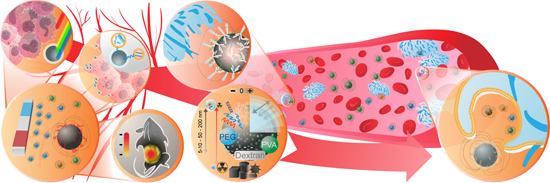
- Babes”, 2 Eftimie Murgu, Timisoara, Timis County, 300041, Romania Biotechnology and Drug Development Research Laboratory, the School of Pharmacy and Biomedical Sciences, Curtin Health Innovation Research Institute, Curtin University, GPO Box U1987, Perth Western Australia 6845, Australia 10.3762/bjnano
- -patient absorption and response. This review addresses potential applications of SPIONs in vitro (formulations), ex vivo (in biological cells and tissues) and in vivo (preclinical animal models), as well as potential biomedical applications in the context of drug targeting, disease treatment and
- toxic? Which studies should be trusted? With this review, we will try to shed some light on the aspects that make SPIONs toxic or biocompatible for medical applications. Although there are hundreds of studies on SPIONs that demonstrate their biomedical potential and applications, there still is no clear


Vibration analysis and pull-in instability behavior in a multiwalled piezoelectric nanosensor with fluid flow conveyance
Beilstein J. Nanotechnol. 2020, 11, 1072–1081, doi:10.3762/bjnano.11.92

- , pharmaceutical, agricultural, environmental, advanced materials, chemical science, physics, electronics, information technology, biomedical and medical fields [1][2][3][4][5][6][7][8][9][10]. Due to this extended use of nanosensors, especially piezoelectric nanosensors in vibration devices, mathematical models


![[Graphic 46]](/bjnano/content/inline/2190-4286-11-92-i46.svg?max-width=637&scale=1.18182) on DNF of FC-MWPENS.
on DNF of FC-MWPENS.


![[Graphic 50]](/bjnano/content/inline/2190-4286-11-92-i50.svg?max-width=637&scale=1.18182) on DNF of SS FC-MWPENS.
on DNF of SS FC-MWPENS.


![[Graphic 54]](/bjnano/content/inline/2190-4286-11-92-i54.svg?max-width=637&scale=1.18182) on DNF of SS FC-MWPENS.
on DNF of SS FC-MWPENS.


![[Graphic 59]](/bjnano/content/inline/2190-4286-11-92-i59.svg?max-width=637&scale=1.18182) for fluid velocity
for fluid velocity ![[Graphic 60]](/bjnano/content/inline/2190-4286-11-92-i60.svg?max-width=637&scale=1.18182) on DNF of SS FC-MWPENS.
on DNF of SS FC-MWPENS.

![[Graphic 61]](/bjnano/content/inline/2190-4286-11-92-i61.svg?max-width=637&scale=1.18182) for pull-in voltage on DNF of SS FC-MWPENS.
for pull-in voltage on DNF of SS FC-MWPENS.

![[Graphic 67]](/bjnano/content/inline/2190-4286-11-92-i67.svg?max-width=637&scale=1.18182) for fluid velocity
for fluid velocity ![[Graphic 68]](/bjnano/content/inline/2190-4286-11-92-i68.svg?max-width=637&scale=1.18182) on DNF of SS FC-MWPENS.
on DNF of SS FC-MWPENS.

![[Graphic 69]](/bjnano/content/inline/2190-4286-11-92-i69.svg?max-width=637&scale=1.18182) for pull-in voltage on DNF of SS FC-MWPENS.
for pull-in voltage on DNF of SS FC-MWPENS.

![[Graphic 73]](/bjnano/content/inline/2190-4286-11-92-i73.svg?max-width=637&scale=1.18182) on DNF of SS FC-MWPENS.
on DNF of SS FC-MWPENS.


![[Graphic 75]](/bjnano/content/inline/2190-4286-11-92-i75.svg?max-width=637&scale=1.18182) on DNF of SS FC-MWPENS.
on DNF of SS FC-MWPENS.

Uniform Fe3O4/Gd2O3-DHCA nanocubes for dual-mode magnetic resonance imaging
Beilstein J. Nanotechnol. 2020, 11, 1000–1009, doi:10.3762/bjnano.11.84

- Miao Qin Yueyou Peng Mengjie Xu Hui Yan Yizhu Cheng Xiumei Zhang Di Huang Weiyi Chen Yanfeng Meng Research Center for Nano-Biomaterials & Regenerative Medicine, Department of Biomedical Engineering, College of Biomedical Engineering, Taiyuan University of Technology, Taiyuan, Shanxi 030024, China
- Department of MRI, Taiyuan Central Hospital of Shanxi Medical University, Taiyuan, Shanxi 030009, China Institute of Biomedical Engineering, Shanxi Key Laboratory of Materials Strength & Structural Impact, Taiyuan University of Technology, Taiyuan, Shanxi 030024, China 10.3762/bjnano.11.84 Abstract The



Silver-decorated gel-shell nanobeads: physicochemical characterization and evaluation of antibacterial properties
Beilstein J. Nanotechnol. 2020, 11, 620–630, doi:10.3762/bjnano.11.49

- , optoelectronic elements and biomedical devices [18][19]. Polystyrene beads are also a versatile material that can be quite easily functionalized with sulfonic groups. The particles are incubated with concentrated sulfuric acid at elevated temperature, which results in gradual etching of their surface. Through


Multilayer capsules made of weak polyelectrolytes: a review on the preparation, functionalization and applications in drug delivery
Beilstein J. Nanotechnol. 2020, 11, 508–532, doi:10.3762/bjnano.11.41
- Varsha Sharma Anandhakumar Sundaramurthy Department of Biomedical Engineering, SRM Institute of Science and Technology, Kattankulathur, Tamil Nadu 603203, India SRM Research Institute, SRM Institute of Science and Technology, Kattankulathur, Tamil Nadu 603203, India Department of Physics and
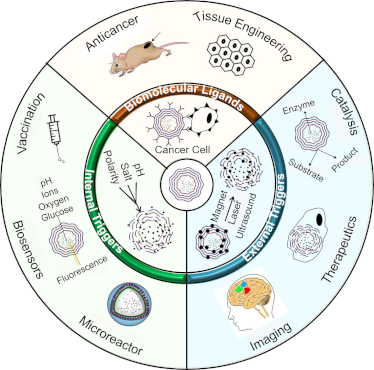
- ability to disintegrate at physiological pH makes them more versatile for biomedical applications. Crosslinking and covalent interactions Unlike electrostatic and hydrogen bonding interactions, the covalently linked multilayers provide a more robust way to manipulate permeability, stability and mechanical



Evolution of Ag nanostructures created from thin films: UV–vis absorption and its theoretical predictions
Beilstein J. Nanotechnol. 2020, 11, 494–507, doi:10.3762/bjnano.11.40

- Physics and Mathematics, Department of Theoretical Physics and Quantum Information, Gdansk University of Technology, Gabriela Narutowicza 11/12, 80-233 Gdansk, Poland Faculty of Electronics, Telecommunication and Informatics, Department of Biomedical Engineering, Gdansk University of Technology, Gabriela




Nanoarchitectonics: bottom-up creation of functional materials and systems
Beilstein J. Nanotechnol. 2020, 11, 450–452, doi:10.3762/bjnano.11.36
- synthesis; nanoarchitectonics; nanotechnology; self-assembly; supramolecular; Given the significant and time-critical problems of energy shortage, environmental protection, and biomedical issues, the creation of new functional materials and systems for efficient energy production and storage [1][2
- ], environmental remediation with sensitive pollutant detection [3][4], and biological and biomedical applications [5][6] is a crucial matter. In addition to the intrinsic functionality of bulk materials, control of their internal structure on the nanometer-scale is realized to be increasingly important to obtain
- hydroxide/sepiolite hybrids [31], and cell surface engineering with halloysite-doped silica cell imprints for shape recognition of human cells [32]. In another example, magnetic nanoparticles were attached to microbubble shells for enhanced biomedical imaging [33]. In a final example, the detection of the

Nanoparticles based on the zwitterionic pillar[5]arene and Ag+: synthesis, self-assembly and cytotoxicity in the human lung cancer cell line A549
Beilstein J. Nanotechnol. 2020, 11, 421–431, doi:10.3762/bjnano.11.33

- and 2D biomedical coatings. Keywords: cytotoxicity; macrocyclic receptors; nanoparticles; pillar[5]arene; self-assembly; silver; Introduction The first use of silver (Ag) as a medicine dates back to Hippocrates, who used it as an antibacterial agent for the treatment of ulcers [1]. Over the past
- biomedical properties of the resulting nanoscale particles that do not contain Ag–Ag bonds [14]. However, the main problem is the fact that macrocyclic hosts have low solubility in water, which significantly narrows their application [15][16][17][18][19][20]. Therefore, we propose to use water-soluble
- concentration of silver ions of 30 μM and 55% for a concentration of silver ions of 40 μM. The results can be used to create new antibacterial materials and 2D biomedical coatings. Experimental 1H NMR, 13C and 2D NOESY NMR spectra were obtained on a Bruker Avance-400 spectrometer (13С{1H} – 100 MHz and 1H and




Brome mosaic virus-like particles as siRNA nanocarriers for biomedical purposes
Beilstein J. Nanotechnol. 2020, 11, 372–382, doi:10.3762/bjnano.11.28
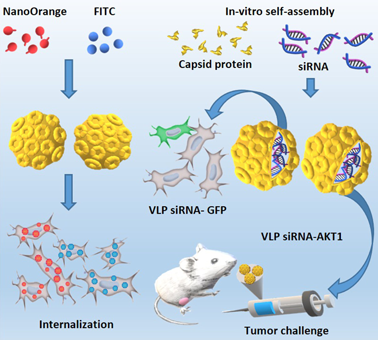
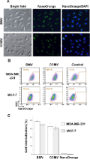
- , handling, and simple structure, plant viruses are attractive for some biomedical applications. Plant bromoviruses, such as the brome mosaic virus (BMV), are viral bionanoparticles that have been proposed as platforms for drug delivery in different therapies, and as diagnostic imaging agents in cancer [18
- properties of biomedical interest are demonstrated, such as biocompatibility, tumor cell internalization, and their efficiency as nanocarriers for siRNA delivery. In addition, the capacity of the BMV and CCMV viruses to modulate the immune response in vitro was also analyzed. Results and Discussion Cell


Poly(1-vinylimidazole) polyplexes as novel therapeutic gene carriers for lung cancer therapy
Beilstein J. Nanotechnol. 2020, 11, 354–369, doi:10.3762/bjnano.11.26
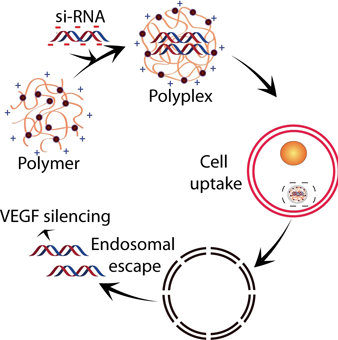
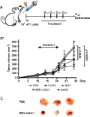
- ]. Several studies have explored the potential biomedical applications of PVI and its derivatives. Pullulan-grafted poly(1-vinylimidazole) was found complex anionic citrate and tripolyphosphate effectively in acidic medium via the imidazole moiety [8]. The catalytic properties of poly(1-vinylimidazole) due


Facile biogenic fabrication of hydroxyapatite nanorods using cuttlefish bone and their bactericidal and biocompatibility study
Beilstein J. Nanotechnol. 2020, 11, 285–295, doi:10.3762/bjnano.11.21
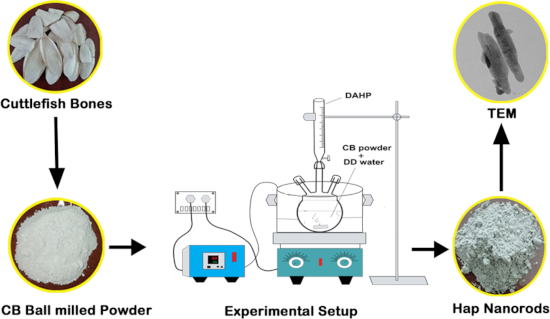
- , the hazardous chemicals involved in the synthesis process, which are toxic to healthy cells, is the primary limitation to employ these materials in widespread biomedical and environmental applications. Thus, the nontoxic, ecologically friendly preparation of Hap has received considerable attention in
- biomedical field [8][9]. Hence, natural calcium phosphate from marine organisms plays a major role in recent developments of Hap for use in biomedical applications. Cuttlefish (Sepia officinalis) is an important marine food that is available for human consumption, and tons of cuttlefish bones are produced as
- waste material every day by the marine food industry across the world, resulting in environmental contamination [10]. In ancient times, cuttlefish bone powder was used as biomedicine in China and India for oral health and is proven to be completely suitable for biomedical applications [11]. Further, the




Molecular architectonics of DNA for functional nanoarchitectures
Beilstein J. Nanotechnol. 2020, 11, 124–140, doi:10.3762/bjnano.11.11
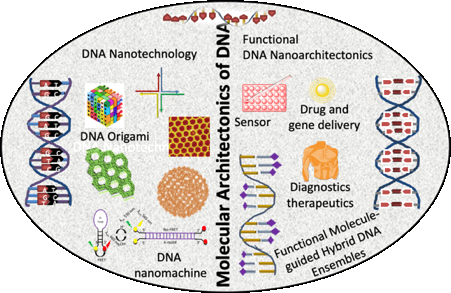
- , sensors, molecular or nanoelectronics, diagnostics, drug delivery, and biomedical sciences. The remarkable molecular fidelity and sequence-specific molecular recognition make DNA the ideal candidate in the scheme of molecular architectonics to design and construct functional DNA nanoarchitectures. In this


Fully amino acid-based hydrogel as potential scaffold for cell culturing and drug delivery
Beilstein J. Nanotechnol. 2019, 10, 2579–2593, doi:10.3762/bjnano.10.249
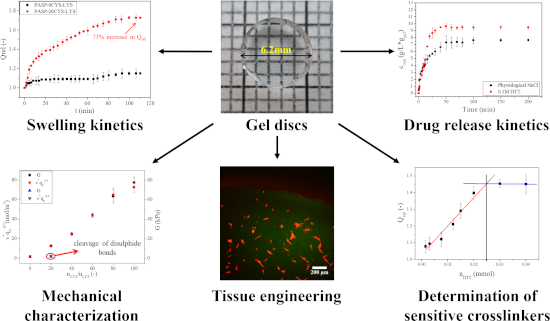
- ]. Among them, synthetic, amino acid-based polymers attract particular attention due to their tunable properties and the structural similarity to the native ECM [26]. The poly(amino acid)s being tested for biomedical applicability can be classified into three groups: anionic, cationic and neutral poly
- ]. Moreover, our research group demonstrated previously that hydrogels based on the anionic poly(aspartic acid) (PASP) are also well-suited for tissue engineering purposes [25]. Another field of potential biomedical applications of poly(amino acid)s is drug delivery. Poly(amino acid)-based microcarriers can
- degradation properties of the gels containing LYS and CYS at different ratios were investigated since these attributes are crucial for biomedical applications. The swelling degree was determined at different pH values and under redox conditions. For biocompatibility studies, cell viability tests were carried