Search results
Search for "imaging" in Full Text gives 977 result(s) in Beilstein Journal of Nanotechnology. Showing first 200.
TEM sample preparation of lithographically patterned permalloy nanostructures on silicon nitride membranes
Beilstein J. Nanotechnol. 2024, 15, 1–12, doi:10.3762/bjnano.15.1

- imaging; nanodisk; nanofabrication; permalloy; Introduction The ability to study the spatial distribution of magnetization in ferromagnetic nanostructures is important for developing nanoelectronics, particularly for data storage and information processing. A vortex spin configuration has been observed
- –iron alloy (80 atom % Ni and 20 atom % Fe) that has a small coercive field (Hc) [17] and low magnetostriction (λs) [18], as well as high permeability and high saturation magnetization (Ms) [19]. TEM offers high spatial resolution for magnetic imaging. TEM-based magnetic imaging techniques such as
- -standing membrane and as a conductive layer for better imaging during FIB milling. Then FIB milling was performed to create apertures in the SiN membrane representing the patterns to be transferred to the sample. Last, the aluminium layer was removed by submerging the mask in TMAH 3% solution. In this


Fluorescent bioinspired albumin/polydopamine nanoparticles and their interactions with Escherichia coli cells
Beilstein J. Nanotechnol. 2023, 14, 1208–1224, doi:10.3762/bjnano.14.100

- ) of poly(lactic-co-glycolic acid) (PLGA) [7], polycaprolactone [8], and chitosan [9]. Furthermore, fluorescent ONPs are a promising way to facilitate the localization of NPs in cells through fluorescence imaging. They can also be used for fluorescent labelling of cells, especially for live cell
- imaging, provided that the ONPs are harmless for cells. This has been developed for eukaryotic cells [10], but the use of ONPs for labelling bacterial cells is still rare and not described in literature for alive bacterial cells. The main limitation is probably the frequent cytotoxic effect of ONPs on
- high-resolution fluorescence imaging (high-resolution confocal microscopy). Also, the capacity of the pristine and fluorescent NPs to inhibit the growth of bacterial cells was evaluated through minimal inhibitory concentration (MIC) tests. The MIC value was also determined for Staphylococcus aureus (S



Spatial variations of conductivity of self-assembled monolayers of dodecanethiol on Au/mica and Au/Si substrates
Beilstein J. Nanotechnol. 2023, 14, 1169–1177, doi:10.3762/bjnano.14.97

- applied method uses conductive atomic force microscopy (CAFM). In this technique, a conductive probe is used in an AFM, which allows for imaging the surface topography (and other characteristics such as adhesion and stiffness) with lateral resolution while simultaneously being able to measure current
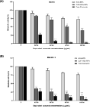
- coating on a non-conductive probe in contrast to the CoCr-coated Si probes. This is at the cost of lateral resolution due to the larger radius of the probe apex. All measurements presented here were carried out in the Quantitative Imaging (QI™) mode by JPK. A sketch of the procedure is shown in Figure 1
- between features in the current map and the topography. A further indication that the SAM has formed correctly is the observation that it can be thinned by imaging smaller areas with high load forces. As shown in Figure S5 in Supporting Information File 1, after three consecutive imaging runs performed on


Elasticity, an often-overseen parameter in the development of nanoscale drug delivery systems
Beilstein J. Nanotechnol. 2023, 14, 1149–1156, doi:10.3762/bjnano.14.95

- provides different possibilities of measuring forces at the nanoscale. This can be the acquisition of single force–distance curves on a specific spot after locating the particle in an imaging mode or the creation of whole maps using quantitative imaging modes [20][21][22]. An example is shown for lysozyme
- -loaded gelatin nanoparticles imaged in the quantitative imaging mode with a JPK NanoWizard III in Milli-Q® water at 37 °C, as well as the extracted Young’s modulus map as previously described [22] (Figure 1). Takechi-Haraya et al. showed that for liposomes both methods deliver the same results [21]. The
- convinced that elasticity as a formulation parameter can help to promote more nanoparticulate drug delivery systems to be translated to the clinics. (A) Height image of gelatin nanoparticles on a silica surface imaged in Milli-Q® water at 37 °C in the quantitative imaging mode. (B) A force–distance curve


A multi-resistance wide-range calibration sample for conductive probe atomic force microscopy measurements
Beilstein J. Nanotechnol. 2023, 14, 1141–1148, doi:10.3762/bjnano.14.94

- resistances at the nanoscale has attracted recent attention for developing microelectronic components, memory devices, molecular electronics, and two-dimensional materials. Despite the decisive contribution of scanning probe microscopy in imaging resistance and current variations, measurements have remained
- applicable to all systems and setups. Results and Discussion Our approach consists of three main steps performed in a one-month timeframe. First, we calibrate the resistors employed in the fabrication of the reference sample using probe station measurements. Second, we use C-AFM imaging to obtain resistance
- maps and identify the error sources associated with the imaging-mode measurements. Finally, we apply spectroscopic C-AFM measurements to extract current versus voltage (I–V) curves for each resistance value on the sample. We undertake a comprehensive analysis to compare resistance values obtained by C


Curcumin-loaded albumin submicron particles with potential as a cancer therapy: an in vitro study
Beilstein J. Nanotechnol. 2023, 14, 1127–1140, doi:10.3762/bjnano.14.93
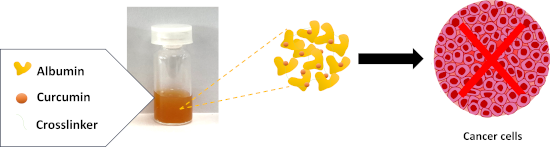
- Cytation™ 5 Cell Imaging Multi-Mode Reader and analyzed using Gen5 data analysis software (BioTek® Instruments, Inc., Winooski, VT, USA). Particle size and zeta potential Hydrodynamic size, polydispersity index (PDI), and zeta potential of the particles were evaluated using a Zetasizer Nano ZS (Malvern
- Imaging Multi-Mode Reader and analyzed using BioTek Gen5 software. Cellular uptake To investigate the uptake of particles, HSA-MPs and CUR-HSA-MPs (8%) were labeled with FITC at a ratio of 9:1 at RT for 1 h and protected from light. After incubation, the labeled particles were washed three times with




Dual-heterodyne Kelvin probe force microscopy
Beilstein J. Nanotechnol. 2023, 14, 1068–1084, doi:10.3762/bjnano.14.88

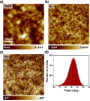
- mode (DHe-KPFM spectroscopy), and 2D dynamic images can be acquired in data cube mode. The capabilities of DHe-KPFM in terms of time-resolved measurements, surface photovoltage (SPV) imaging, and detection of weak SPV signals are demonstrated through a series of experiments on difference surfaces: a
- drift [2][3]. Another issue is that some of the SPV components – related to dynamical processes – can remain hidden to this “conventional” SPV imaging [4]. To mitigate the effects of thermal drift, a first alternative consists in performing a data cube acquisition of CPD curves synchronously recorded
- approach to check the nature of the SPV dynamics. Compared to previous “modulated” SPV imaging techniques, dual-heterodyne KPFM provides an enhanced sensitivity (as demonstrated in the following), thanks to the amplification of the intermodulation products by the second resonance eigenmode. In addition




Spatial mapping of photovoltage and light-induced displacement of on-chip coupled piezo/photodiodes by Kelvin probe force microscopy under modulated illumination
Beilstein J. Nanotechnol. 2023, 14, 1059–1067, doi:10.3762/bjnano.14.87

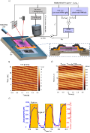
- for the micrometric measurement is comparable to the locally measured photovoltage. However, we were not able to quantify precisely the displacement of the membrane by conventional imaging since a temperature-induced drift occurs under illumination. Therefore, we modified the method in the point scan


Recognition mechanisms of hemoglobin particles by monocytes – CD163 may just be one
Beilstein J. Nanotechnol. 2023, 14, 1028–1040, doi:10.3762/bjnano.14.85

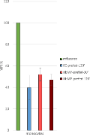
- three single measurements (cytation 3 imaging reader, BioTek Instruments GmbH, Bad Friedrichshall, Germany). The hemoglobin concentration of the particles was then calculated from the measured values according to the following formula, as published by Smuda et al. [38]: (A = absorbance at 574 nm; ƒ




A visible-light photodetector based on heterojunctions between CuO nanoparticles and ZnO nanorods
Beilstein J. Nanotechnol. 2023, 14, 1018–1027, doi:10.3762/bjnano.14.84
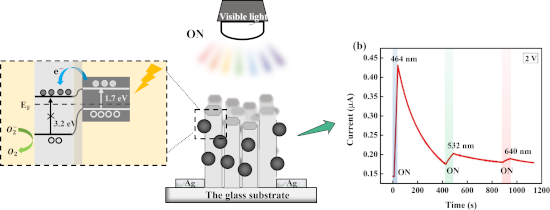
- photodetectors (PDs) to “Industry 4.0”, which may include image sensors, biomedical imaging, manufacturing process control, environmental sensing, and optical sensors [8]. Various materials for photodetectors have been developed. Photodetectors can be classified into two main categories, namely PDs that work at


Nanoarchitectonics of photothermal materials to enhance the sensitivity of lateral flow assays
Beilstein J. Nanotechnol. 2023, 14, 988–1003, doi:10.3762/bjnano.14.82
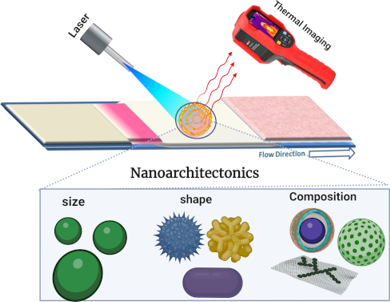
- Elangovan Sarathkumar Rajasekharan S. Anjana Ramapurath S. Jayasree Division of Biophotonics and Imaging, Biomedical Technology Wing, Sree Chitra Tirunal Institute for Medical Sciences and Technology, Poojappura, Thiruvananthapuram-695012, Kerala, India 10.3762/bjnano.14.82 Abstract Lateral flow
- of nanorods makes them excellent light absorbers for photothermal applications, while greater dimensions makes them efficient light scatterers for imaging applications [57]. The absorption and photothermal characteristics of four differently sized nanorods were analysed by Sun and co-workers. The
- such as photothermal therapy, imaging, and LFAs [73]. Composition-dependent photothermal properties Recently, nanocomposite materials have been employed for the development of photothermal biosensors for the detection of cancer biomarkers or whole cancerous cells, antibiotic residues, and toxins [74


Antibody-conjugated nanoparticles for target-specific drug delivery of chemotherapeutics
Beilstein J. Nanotechnol. 2023, 14, 912–926, doi:10.3762/bjnano.14.75

- potential and can be effectively used as imaging/therapeutic agents (Table 1). In some cases, ACNPs provide opportunities for image-guided therapy with overall theranostic applications. The NP-mediated targeted delivery ultimately provides advanced diagnostic and therapeutic options for early diagnosis and



Green SPIONs as a novel highly selective treatment for leishmaniasis: an in vitro study against Leishmania amazonensis intracellular amastigotes
Beilstein J. Nanotechnol. 2023, 14, 893–903, doi:10.3762/bjnano.14.73

- , the ability for magnetic manipulation, the possibility of being used in magnetic resonance imaging, and the ability to generate controlled heat non-invasively when exposed to an alternating magnetic field [7][8]. In 2019, our group published an article describing a low-cost green synthesis of SPIONs
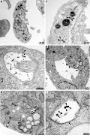
- , scanning electron microscopy and chemical element mapping analysis were carried out to confirm the uptake of the SPIONs by L. amazonensis intracellular amastigotes after removing the plasma membrane to expose the cytoplasmic environment (Figure 2). Secondary electron imaging revealed intracellular
- amastigotes inside the parasitophorous vacuoles (Figure 2A). Backscattered electron imaging showed several small electron-lucent structures randomly distributed throughout the macrophage cytosol, inside the parasitophorous vacuoles (Figure 2B, arrows), and in the intracellular amastigotes (Figure 2B




Two-dimensional molecular networks at the solid/liquid interface and the role of alkyl chains in their building blocks
Beilstein J. Nanotechnol. 2023, 14, 872–892, doi:10.3762/bjnano.14.72

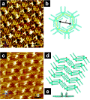
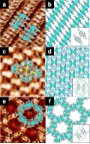
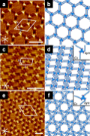
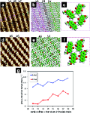
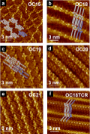
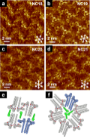
- flat conducting substrates, such as metal surfaces and highly oriented pyrolytic graphite (HOPG), under ultrahigh vacuum (UHV) conditions, at solid/air or solid/liquid interfaces [23][24][25][26][27][28]. Although UHV-STM offers high-resolution imaging, it requires large, complex, and expensive
- hydrogen atoms of n-dodecane with a trans zigzag conformation are located near the centers of the six-membered rings of C96H24, and the molecule is oriented along one of the lattice directions of C96H24, indicated by the blue arrows. In STM imaging, changes in bias voltage (V) and tunneling current (I









N-Heterocyclic carbene-based gold etchants
Beilstein J. Nanotechnol. 2023, 14, 865–871, doi:10.3762/bjnano.14.71
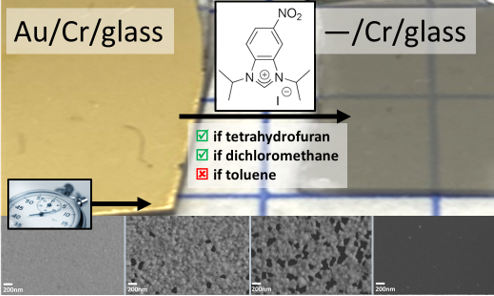
- dissolution of gold. We present scanning electron micrographs and elemental imaging analyses by energy dispersive X-ray spectroscopy to examine the effect of solutions of each species on the gold film. This work highlights the risk of unwanted etching during some routes to NHC-based surface functionalization



Carboxylic acids and light interact to affect nanoceria stability and dissolution in acidic aqueous environments
Beilstein J. Nanotechnol. 2023, 14, 762–780, doi:10.3762/bjnano.14.63

- rate than any other acid in the dark. TEM imaging of nanoceria in citric and β-hydroxybutyric acid supported the DLS results. Relating the carboxylic acid composition (number of carboxylic acid groups, total number of carbons, aliphatic carbons, and hydroxy groups and their molecular ratios) to the
- transmission electron microscopy (TEM) imaging, samples were sonicated for 10 min in a sonication bath. Lacey carbon, 300 mesh, copper grids were dipped into the solution for approximately 5 s and dried overnight at room temperature. TEM was used to obtain images of particles throughout the experiment’s
A graphene quantum dots–glassy carbon electrode-based electrochemical sensor for monitoring malathion
Beilstein J. Nanotechnol. 2023, 14, 701–710, doi:10.3762/bjnano.14.56
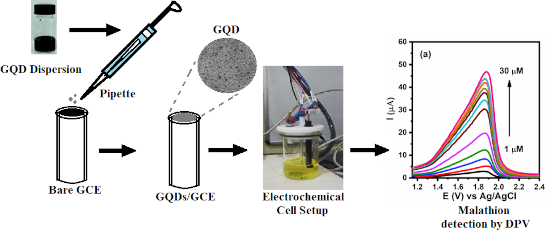
- electrode materials.a Acknowledgements The authors would like to thank Mr. Sumit Sharma, Research Scholar, IIT Bombay for XRD and TEM imaging. Author Contributions Sanju Tanwar: conceptualization, research methodology, experimental design, electrochemical investigation, original draft writing and


Metal-organic framework-based nanomaterials as opto-electrochemical sensors for the detection of antibiotics and hormones: A review
Beilstein J. Nanotechnol. 2023, 14, 631–673, doi:10.3762/bjnano.14.52
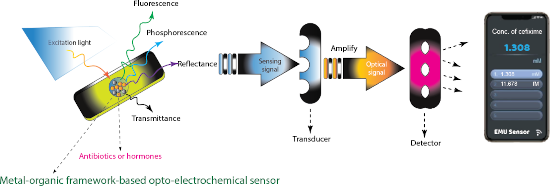
- in MOFs can either be quenched or enhanced. Due to their exceptional characteristics, MOFs have found usage in a variety of fields, including sensors, gas adsorption, energy storage, drug delivery, catalysis, water treatment, and bio-medical imaging [89][90][91][92][93][94][95][96][97][98][99][100


Suspension feeding in Copepoda (Crustacea) – a numerical model of setae acting in concert
Beilstein J. Nanotechnol. 2023, 14, 603–615, doi:10.3762/bjnano.14.50

- -resolution CLSM imaging or atomic force microscopy. As it was visualized by CLSM [55][56][57], the basal parts of some short and long setae appear to be relatively soft and seem to contain resilin or other proteins. This should influence the mobility of the rotating setae. To account for this in the
- right side = 50 µm. Figure 1 was adapted (by adding arrows and circles) from [57], J. Michels, “Confocal laser scanning microscopy – detailed three-dimensional morphological imaging of marine organisms”, Imaging Marine Life, with permission from John Wiley and Sons. Copyright © 2014 Wiley-VCH Verlag


Observation of multiple bulk bound states in the continuum modes in a photonic crystal cavity
Beilstein J. Nanotechnol. 2023, 14, 544–551, doi:10.3762/bjnano.14.45
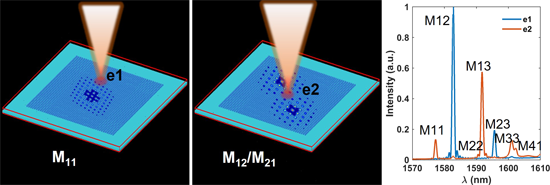
- confinement in a relatively simple way. Such strong resonances endow PhC-based BIC devices with a strong enhancement of light–matter interaction, indicating great potential for applications in ultrasensitive molecular fingerprint detection [12][13][35], hyperspectral biosensing imaging [36], novel flat light
- refitted to test the scattering spectrum of the sample, as illustrated in Figure 3b. The yellow and red lines represent the imaging and measurement optical paths in the microscope. The imaging light path was utilized to adjust the illuminating position on the sample. In the measurement light path, a
- experimental setup. The yellow and red lines indicate the imaging and measurement light paths, respectively. PBS: polarization-dependent beam splitter; OSA: optical spectrum analyzer. Measurement results. (a) Scattering spectrum over a wide range of wavelengths. (b, c) Resonances observed around 1555 and 1582


Nanoarchitectonics to entrap living cells in silica-based systems: encapsulations with yolk–shell and sepiolite nanomaterials
Beilstein J. Nanotechnol. 2023, 14, 522–534, doi:10.3762/bjnano.14.43
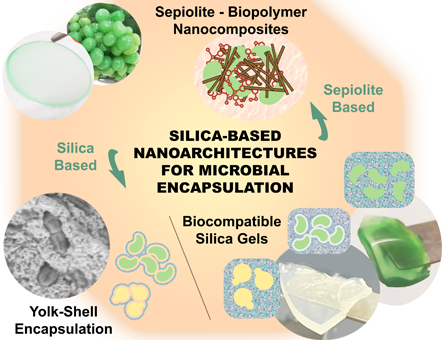
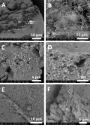
- . SEM/EDS analysis provided detailed information about the structural features of yeast cells embedded in the silica matrix. Figure 4 displays the most relevant findings of this imaging study. Figure 4A shows that the yeast cells are found in specific points of the matrix, mainly arranged in groups
- without staining. Electron microscopy imaging was conducted using a field-emission scanning electron microscope FEI-NOVA NanoSEM 230 equipped with an Apollo XL silicon drift detector from EDAX-Ametek or using a high-resolution JEOL IT500HR/LA microscope equipped with an energy dispersive X-ray


Specific absorption rate of randomly oriented magnetic nanoparticles in a static magnetic field
Beilstein J. Nanotechnol. 2023, 14, 485–493, doi:10.3762/bjnano.14.39

- of the field-free point is obtained for assemblies with different nanoparticle size distributions. The results obtained seem to be helpful for the development of a promising joint application of magnetic nanoparticle imaging and magnetic hyperthermia. Keywords: dynamic hysteresis loop; magnetic
- hyperthermia; magnetic nanoparticles; magnetic particle imaging; specific absorption rate; static magnetic field; Introduction Magnetic nanoparticles, mainly iron oxides, are promising materials for the diagnosis and therapy of oncological diseases [1][2][3]. Important fields of application of magnetic
- nanoparticles in biomedicine are magnetic particle imaging (MPI) [4][5][6] and magnetic hyperthermia (MH) [1][2][6][7]. Magnetic hyperthermia uses the ability of magnetic nanoparticles to generate heat under the influence of an external alternating (ac) magnetic field of moderate frequency, f = 200–400 kHz, and


A mid-infrared focusing grating coupler with a single circular arc element based on germanium on silicon
Beilstein J. Nanotechnol. 2023, 14, 478–484, doi:10.3762/bjnano.14.38
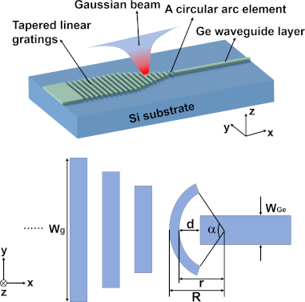
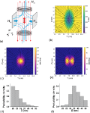
- (GOSI) [7], germanium on insulating substrate (GOI) [8][9], and germanium on silicon nitride substrate (GOSN) [10]. Among them, Ge-on-Si platforms have been widely applied in on-chip sensors, nonlinear optics, free space communication, and thermal imaging [1][6] because portable, cost-effective, and


Molecular nanoarchitectonics: unification of nanotechnology and molecular/materials science
Beilstein J. Nanotechnol. 2023, 14, 434–453, doi:10.3762/bjnano.14.35

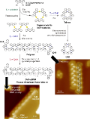
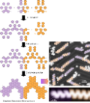
- imaging at the atomic and molecular level has revealed the self-assembly mechanisms of crystal nuclei in organic crystals and metal-organic frameworks [42]. It has become possible to obtain statistical information on the size and structure of individual prenucleation clusters that cannot be examined by
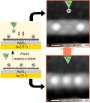
- intermediates, and the final product were identified in situ by differential conductance imaging using a CO-modified tip. The bias voltage was set above the lowest unoccupied molecular orbital energy and the probe was placed over the C–Br bond, which was then broken. After the reaction, a dip appeared on the
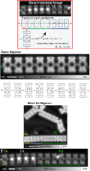
- remove the second bromine atom. Close-up observation of the structure showed that the molecule was fully debrominated. Differential conductance imaging confirmed that the molecular skeleton, including the two naphthalene moieties, was clearly resolved. It was also observed that the two naphthalene





Plasmonic nanotechnology for photothermal applications – an evaluation
Beilstein J. Nanotechnol. 2023, 14, 380–419, doi:10.3762/bjnano.14.33
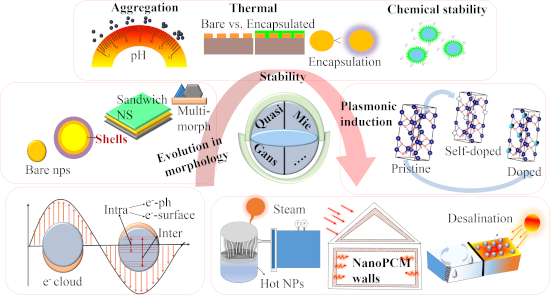
- temperature and reactivity. With broad applications in therapy [22][23], laser combined imaging, solar vapour generation [24], and biosensors [25], the global market for PT devices is expected to be a multimillion dollar enterprise by 2025 [26]. This review will focus on concepts such as the theoretical