Search results
Search for "physicochemical properties" in Full Text gives 214 result(s) in Beilstein Journal of Nanotechnology. Showing first 200.
Cryochemical synthesis of ultrasmall, highly crystalline, nanostructured metal oxides and salts
Beilstein J. Nanotechnol. 2018, 9, 1755–1763, doi:10.3762/bjnano.9.166

- metal-containing colloid and were incorporated in the titanium silicate (Ti0.03Si0.97O2) pores. It was found that chemical bonds are formed between the silicate surface and NiO crystallites, which leads to new physicochemical properties of the material. The high activity of NiO nanoparticles was


Preparation and morphology-dependent wettability of porous alumina membranes
Beilstein J. Nanotechnol. 2018, 9, 1423–1436, doi:10.3762/bjnano.9.135
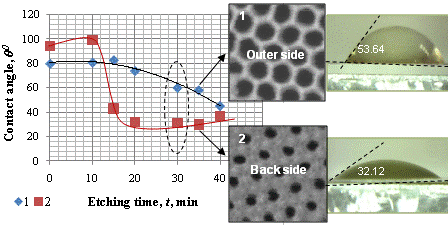
- two surfaces: the front (or outer) and back (or inner) surfaces. Preliminary studies have shown that these surfaces possess different physicochemical properties due to different degrees of hydrophilicity (as well as wettability). This concerns both industrially manufactured commercial membranes (e.g
- contact angle, another highly influential factor is exerted by the physicochemical properties of a PAM surface, or as it is often called, the “surface chemistry”. In this study we did not change this factor so as to specify the intrinsic properties of the as-made amorphous membrane’s influence on the


Anchoring Fe3O4 nanoparticles in a reduced graphene oxide aerogel matrix via polydopamine coating
Beilstein J. Nanotechnol. 2018, 9, 591–601, doi:10.3762/bjnano.9.55

- ; polydopamine; reduced graphene oxide; Introduction Preparation of hybrid aerogels based on two-dimensional carbon nanomaterials with unique physicochemical properties is among the most popular recent nanotechnological trends [1]. With this respect, graphene oxide (GO) is one of the most exploited aerogel
- magnetite nanoparticles were prepared and the physicochemical properties of this hybrid system were studied. The investigations were focused on the influence of the involved constituents and their cross-interactions on the properties of the composite. It was found that coating the magnetite particles with


Fabrication and photoactivity of ionic liquid–TiO2 structures for efficient visible-light-induced photocatalytic decomposition of organic pollutants in aqueous phase
Beilstein J. Nanotechnol. 2018, 9, 580–590, doi:10.3762/bjnano.9.54
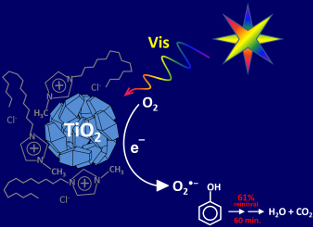
- originated from the interaction of the bromide anion and molecular oxygen with the TiO2 surface with formation of surface complex [14]. Therefore, taking into account the ease of modification of the cation and anion structure of the IL, and as a consequence, the altering of their physicochemical properties




Electron interaction with copper(II) carboxylate compounds
Beilstein J. Nanotechnol. 2018, 9, 384–398, doi:10.3762/bjnano.9.38
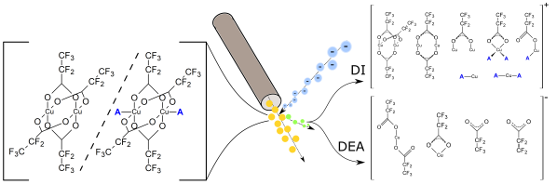
- = CnF2n+1, n = 1–6) were previously applied as Cu CVD precursors [34][38] for the formation of copper nanomaterials. This fact confirms that copper(II) carboxylate compounds can be considered as copper sources in vapor deposition processes. The influence of secondary ligands on the physicochemical
- properties and, with regards to FEBID, the electron-induced fragmentation behaviour of pentafluoropropionate Cu(II) complexes as studied here is thus of particular interest. Results Mass spectrum of [Cu2(µ-O2CC2F5)4] [Cu2(µ-O2CC2F5)4] represents the basic chemical structure for all discussed carboxylate


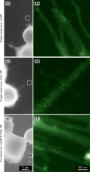
Involvement of two uptake mechanisms of gold and iron oxide nanoparticles in a co-exposure scenario using mouse macrophages
Beilstein J. Nanotechnol. 2017, 8, 2396–2409, doi:10.3762/bjnano.8.239

- medium and delivery onto the cell surface A general summary about the physicochemical properties of polymer-coated AuNPs and FeOxNPs can be found in a recent overview article, in which also all methods are discussed in detail [27]. The measured particle size revealed an average hydrodynamic diameter (dh




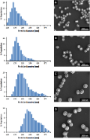
Synthesis and characterization of noble metal–titania core–shell nanostructures with tunable shell thickness
Beilstein J. Nanotechnol. 2017, 8, 2083–2093, doi:10.3762/bjnano.8.208
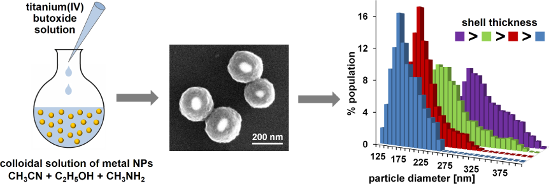
- ][5][6][7][8][9][10][11]. For many applications, however, the use of titanium dioxide in CSNs would be of much greater interest. Useful physicochemical properties of titanium dioxide in its crystalline forms, rutile and anatase, such as high refractive index and photocatalytic activity have led to its

Two-dimensional carbon-based nanocomposites for photocatalytic energy generation and environmental remediation applications
Beilstein J. Nanotechnol. 2017, 8, 1571–1600, doi:10.3762/bjnano.8.159
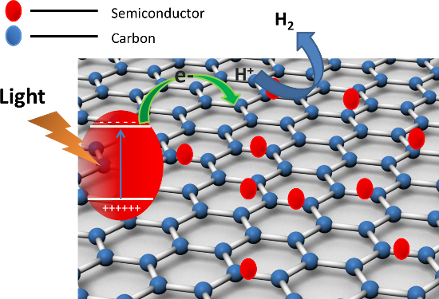
- the surface physicochemical properties of g-C3N4 can be tuned by introducing impurities into the crystal lattice of polymeric g-C3N4. Mainly the hydrogen impurities can produce the basic primary and secondary amines on its layer edges [68]. The presence of such basic groups (=NH, −NH2) on the surface


Development of polycationic amphiphilic cyclodextrin nanoparticles for anticancer drug delivery
Beilstein J. Nanotechnol. 2017, 8, 1457–1468, doi:10.3762/bjnano.8.145

- complexes with non-polar drugs or active molecules [10]. CDs are easily able to modulate physicochemical properties of guest molecules, including solubility and/or stability in biological medium. Despite all the advantages, CDs have some challenges. For instance, it is well known that β-CD has low


Cationic PEGylated polycaprolactone nanoparticles carrying post-operation docetaxel for glioma treatment
Beilstein J. Nanotechnol. 2017, 8, 1446–1456, doi:10.3762/bjnano.8.144

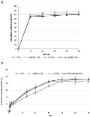
- nanoparticles. Physical stability of nanoparticles The physicochemical properties of all formulations have been monitored to investigate their physical stability in aqueous medium for 30 days; the results are shown in Figure 3. The diameter of anionic and cationic PCL nanoparticles increased by 8–10 nm and
- , ± SD). RG2 cell viability with blank and DOC-loaded nanoparticles for 24 and 48 h (n = 3, ± SD). The effect of different preparation methods on physicochemical properties of blank PCL and mePEG-PCL nanoparticles (n = 3 ± SD). The effect of different preparation methods on the physicochemical properties
- of blank PCL and mePEG-PCL nanoparticles (n = 3 ± SD). The effect of chitosan concentration on the physicochemical properties of blank PCL and mePEG-PCL nanoparticles (n = 3 ± SD). Pre-formulation parameters for nanoparticle preparation.




Characterization of ferrite nanoparticles for preparation of biocomposites
Beilstein J. Nanotechnol. 2017, 8, 1257–1265, doi:10.3762/bjnano.8.127

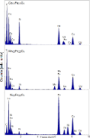
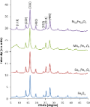
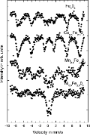
- ferrite nanoparticles. Detailed studies in this subject on particular systems provide conclusions and give ideas as to how to apply magnetic nanoparticles in the fields of medical, biological or environment protection. Nevertheless, precise studies on the physicochemical properties of the ferrite core is



Needs and challenges for assessing the environmental impacts of engineered nanomaterials (ENMs)
Beilstein J. Nanotechnol. 2017, 8, 989–1014, doi:10.3762/bjnano.8.101

- present frameworks and tools to meet those needs. Keywords: engineered nanomaterials; environmental impacts; risk assessment; Introduction Engineered nanomaterials (ENMs) are increasingly being used in numerous industrial products and processes owing to their unique physicochemical properties. There are
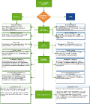
- analysis (e.g., environmental fate and transport data, physicochemical properties; toxicological information including dose–response information); The outputs/results obtained from the analysis such as description of the outcome (e.g., predicted values of environmental concentration, probability of risk
- with similar structures and/or physicochemical properties will exhibit similar hazard profiles [36]. The Nano Task Force proposed that this framework could be useful for categorizing substances into common groups based on similarity of structural and physicochemical properties that induce similar
Selective detection of Mg2+ ions via enhanced fluorescence emission using Au–DNA nanocomposites
Beilstein J. Nanotechnol. 2017, 8, 762–771, doi:10.3762/bjnano.8.79

- nanoparticles (AuNPs) have attracted a great deal of research interest for various applications in biosensing. AuNPs have strong binding capability to the phosphate and sugar groups in DNA, rendering unique physicochemical properties for detection of metal ions. The formation of Au–DNA nanocomposites is evident




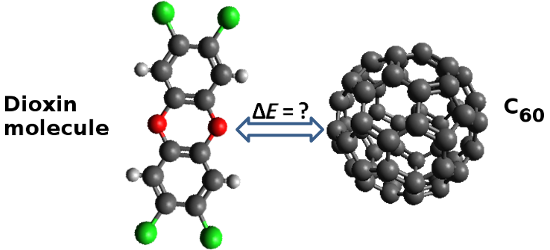
Modeling adsorption of brominated, chlorinated and mixed bromo/chloro-dibenzo-p-dioxins on C60 fullerene using Nano-QSPR
Beilstein J. Nanotechnol. 2017, 8, 752–761, doi:10.3762/bjnano.8.78
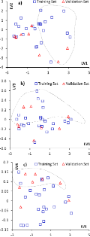
- interactions for organic compounds like pesticides or halogenated persistent organic pollutants [55][57][58][59]. All calculations were performed with the Gaussian 09 program [60]. Nano-QSPR modeling The Nano-QSPR method is based on the assumption that the variance in the physicochemical properties of



Investigation of the photocatalytic efficiency of tantalum alkoxy carboxylate-derived Ta2O5 nanoparticles in rhodamine B removal
Beilstein J. Nanotechnol. 2017, 8, 604–613, doi:10.3762/bjnano.8.65

- . Conclusion Heteroleptic tantalum alkoxides were successfully synthesized by reactions of tantalum ethoxide and tantalum n-butoxide with mono-/di-/trichloroacetic acid in inert atmosphere. The obtained products are pure and exhibit different physicochemical properties than their parent alkoxides. The modified



Uptake of the proteins HTRA1 and HTRA2 by cells mediated by calcium phosphate nanoparticles
Beilstein J. Nanotechnol. 2017, 8, 381–393, doi:10.3762/bjnano.8.40

- different charge by cells [56][57]. It also underscores the fact that both the cell type as well as the physicochemical properties of a nanoparticle play important roles when it comes to the uptake of nanoparticles by cells [5][55][58][59][60][61][62][63]. The presence of proteins around nanoparticles may


Effect of nanostructured carbon coatings on the electrochemical performance of Li1.4Ni0.5Mn0.5O2+x-based cathode materials
Beilstein J. Nanotechnol. 2016, 7, 1960–1970, doi:10.3762/bjnano.7.187

- obtained coatings, which depends on both the organic precursor composition and the preparation conditions. Thus, the investigation of the influence of physicochemical properties of carbon coatings on the electrochemical properties of Li(Ni,Mn,Co)O2+x/C composites proves to be an important task. The choice



“Sticky invasion” – the physical properties of Plantago lanceolata L. seed mucilage
Beilstein J. Nanotechnol. 2016, 7, 1918–1927, doi:10.3762/bjnano.7.183

- see in Figure 2. The deviation from linear dynamics may be related to the decreasing area from which water evaporates and a change in physicochemical properties of the mucilage depending on the water concentration. In two seeds the first phase was shortened to 15 min with followed by two sudden drops


Nanostructured TiO2-based gas sensors with enhanced sensitivity to reducing gases
Beilstein J. Nanotechnol. 2016, 7, 1718–1726, doi:10.3762/bjnano.7.164
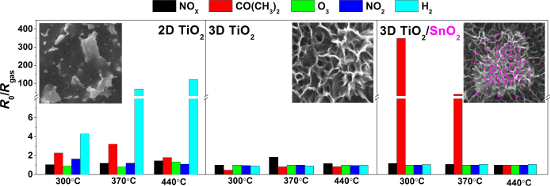
- correlation with the obtained results. Conclusion In this work, the crystal structure, morphology and gas sensing properties of the TiO2 nanostructures were investigated. The samples were prepared by chemical and thermal oxidation of Ti substrates. The physicochemical properties of nanostructures with


Properties of Ni and Ni–Fe nanowires electrochemically deposited into a porous alumina template
Beilstein J. Nanotechnol. 2016, 7, 1709–1717, doi:10.3762/bjnano.7.163

- magnetic, electronic, biomedical and optical nano-scale devices [1][2][3][4][5]. Additionally, the magnetic composite nanostructures are interesting as materials for basic research of magnetic and transport properties in magnetic nanosystems as they possess unique physicochemical properties compared with


Development of adsorptive membranes by confinement of activated biochar into electrospun nanofibers
Beilstein J. Nanotechnol. 2016, 7, 1556–1563, doi:10.3762/bjnano.7.149

- most hydrophilic veterinary pharmaceutical compounds with log Kow = −0.52 [20]. The physicochemical properties of CTC favor its mobility in the environment [32]. In fact, if the adsorptive membrane succeed in removal of CTC, it would be possible to apply for removal of other micropollutants. The CTC




An efficient recyclable magnetic material for the selective removal of organic pollutants
Beilstein J. Nanotechnol. 2016, 7, 1447–1453, doi:10.3762/bjnano.7.136

- synthesis, the coating of maghemite and a characterization of the physicochemical properties of the material [20][22]. As illustrated in Figure 1, PEIP can be customized to contain more or less phosphonated groups, by varying the percentage of amines modified (P%). Between pH 3 and 10, the zeta potential is



Straightforward and robust synthesis of monodisperse surface-functionalized gold nanoclusters
Beilstein J. Nanotechnol. 2016, 7, 1278–1283, doi:10.3762/bjnano.7.118

- related to Alzheimer’s disease [19]. Gold nanoclusters (NCs) are gold nanoparticles ranging in size between 1 and 3 nm, with interesting physicochemical properties and increased surface area for drug delivery applications [20]. There are several methods to synthesize gold nanoparticles. In addition to the


Surface coating affects behavior of metallic nanoparticles in a biological environment
Beilstein J. Nanotechnol. 2016, 7, 246–262, doi:10.3762/bjnano.7.23
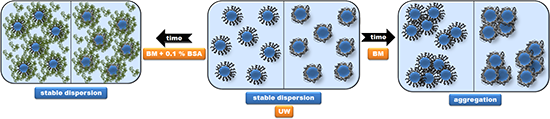
- silver and superparamagnetic iron oxide NPs [46] in different biological environments was investigated in adherence to the experimental scheme presented in Figure 1. Characteristics of prepared AgNPs and SPIONs As the first step, the physicochemical properties of freshly synthesized NPs were carefully
- ]. Subsequently, the formation of PC modifies the physicochemical properties of NPs, while proteins may undergo conformational and functional changes [52][53][54][55][56]. Consequently, the presence of proteins in dispersion media alters the physicochemical behavior and stability of NPs. DLS data, shown in Table
- delivery systems [4]. The biomedical applications of AgNPs and SPIONs imply uptake into the body, which consequently leads to interactions with protein-containing biological fluids [5][6]. Therefore, it is of increasing interest to systematically collect detailed information on their physicochemical




3D solid supported inter-polyelectrolyte complexes obtained by the alternate deposition of poly(diallyldimethylammonium chloride) and poly(sodium 4-styrenesulfonate)
Beilstein J. Nanotechnol. 2016, 7, 197–208, doi:10.3762/bjnano.7.18

- their role during film formation is critical for controlling the structure and physicochemical properties of the films [13]. Among the most relevant variables are the charge density of the molecules, the concentration of the solution used, ionic strength, solvent quality for the molecules, pH, and