

Search results
Search for "biological material" in Full Text gives 18 result(s) in Beilstein Journal of Nanotechnology.
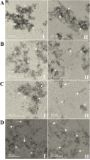
The cement of the tube-dwelling polychaete Sabellaria alveolata: a complex composite adhesive material
Beilstein J. Nanotechnol. 2025, 16, 1998–2014, doi:10.3762/bjnano.16.138
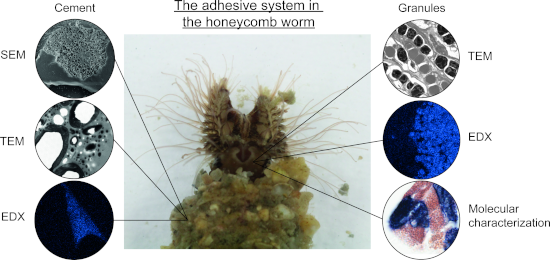
- and that of the cement suggests that the inclusions of the heterogeneous granules would inflate through a still unexplained process to form hollow spheroids dispersed in the cement matrix, leading to the formation of a complex composite material. Keywords: adhesive protein; Annelida; biological
- material; Polychaeta; protein phosphorylation; Introduction Many invertebrate marine organisms have adhesive mechanisms that allow them to firmly attach to various substrates in a wet and salty environment [1][2]. This remarkable ability has raised the interest of scientists in developing bio-inspired



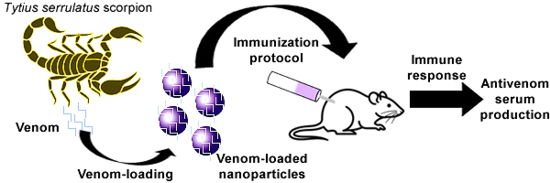
Venom-loaded cationic-functionalized poly(lactic acid) nanoparticles for serum production against Tityus serrulatus scorpion
Beilstein J. Nanotechnol. 2025, 16, 1633–1643, doi:10.3762/bjnano.16.115
- prepared from a reverse osmosis purification equipment (model OS50 LX, Gehaka, São Paulo, Brazil). All other reagents were of analytical grade. Venom Lyophilized Tityus serrulatus scorpion venom was generously supplied by the Instituto Butantan, São Paulo, Brazil. The scientific use of the biological
- material was approved by the Brazilian Access Authorization and Dispatch Component of Genetic Patrimony (CGen) (Process 010844/2013-9, 25 October 2013). The venom was weighed and dissolved with PBS at 1 mg/mL, aliquoted, and stored at −20 °C until used. Preparation of cationic PLA nanoparticles for Tityus



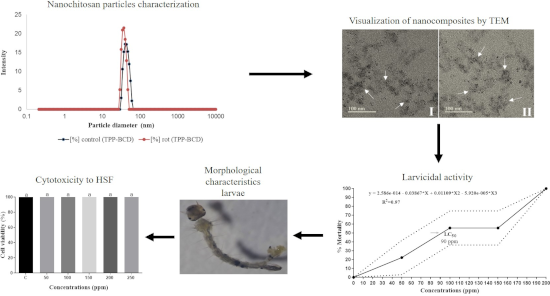
Chitosan nanocomposite containing rotenoids: an alternative bioinsecticidal approach for the management of Aedes aegypti
Beilstein J. Nanotechnol. 2025, 16, 1197–1208, doi:10.3762/bjnano.16.88
- disease vectors and the prevention of urban arboviral diseases. Materials and Methods Biological material Aedes aegypti The larvae of Ae. aegypti from the Rockefeller strain were obtained from the insectary maintained at the Biotechnology Laboratory (LBT), at the Center for Biosciences and Biotechnology



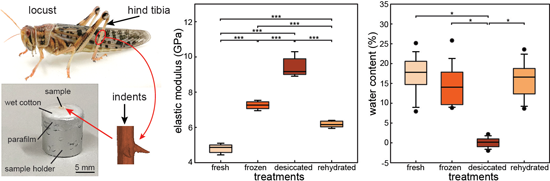
Effect of sample treatment on the elastic modulus of locust cuticle obtained by nanoindentation
Beilstein J. Nanotechnol. 2022, 13, 404–410, doi:10.3762/bjnano.13.33
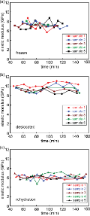
- complex relationship between multiple factors, such as microstructure, material composition, and sclerotization, has provided cuticle with properties that are unique to this biological material. Understanding the mechanisms behind the remarkable properties of cuticle can inspire the design of engineering


Bio-imaging with the helium-ion microscope: A review
Beilstein J. Nanotechnol. 2021, 12, 1–23, doi:10.3762/bjnano.12.1

- spectrometer) and 3D visualization (transmitted ion detector) in order to more fully characterise individual nanoparticles and their interaction with their environment (tissue, cells, etc.) […]” [59]. Sample preparation Sample preparation is critical to the success of imaging any biological material at high
- be used as a last resort [60]. (V) Resin embedding: Samples can be embedded within a resin, such as epoxy, which infiltrates biological material and is later polymerised without affecting the cellular structure. For example, Bidlack et al. investigated tooth enamel, which contains both mineral and
- gas formation [91]. However, the combination of soft biological material with hard minerals brings unique challenges to imaging these interactions at nanoscale resolution. Traditionally, scanning electron or transmission electron microscopy techniques have been applied to great effect to study many


Selective detection of complex gas mixtures using point contacts: concept, method and tools
Beilstein J. Nanotechnol. 2020, 11, 1631–1643, doi:10.3762/bjnano.11.146
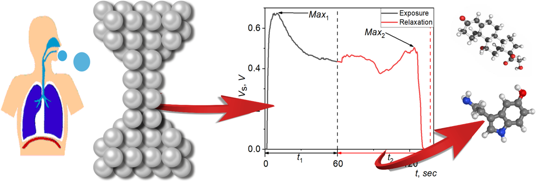
- convenient biological material. With the hormones serotonin and cortisol used as examples, it was shown that concentrations of these substances can be monitored in real time, whereas in the case of conventional medical analysis it might take hours or even days. Special attention should be paid to the


![[Graphic 4]](/bjnano/content/inline/2190-4286-11-146-i8.svg?max-width=637&scale=1.18182) in th...
in th...

![[Graphic 7]](/bjnano/content/inline/2190-4286-11-146-i11.svg?max-width=637&scale=1.18182) in the...
in the...
Applications of superparamagnetic iron oxide nanoparticles in drug and therapeutic delivery, and biotechnological advancements
Beilstein J. Nanotechnol. 2020, 11, 1092–1109, doi:10.3762/bjnano.11.94
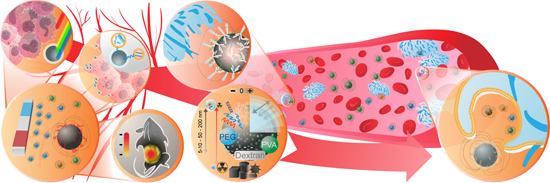
- contact with a living cell, the lipids will be stripped from the particle, leaving the bare nanoparticle in direct contact with the biological material, thus, inducing cytotoxicity. Some surfactants may not be biocompatible because they can disturb the lipid and protein metabolism [78]. In order to use


Wet-spinning of magneto-responsive helical chitosan microfibers
Beilstein J. Nanotechnol. 2020, 11, 991–999, doi:10.3762/bjnano.11.83

- [1], the nanoscopic flagella in bacteria [2], the spiral shape of some bacteria (e.g., Helicobacter pylori) [3], the chiral seed pods [4], and the macroscopic tendrils of climbing plants [5][6]. With their ability to store mechanical energy and to optimize the accessible surface area of a biological
- material, helical structures mainly serve two purposes in nature: structural reinforcement and motion [5][7]. Despite the biological relevance of helical structures, to date very few strategies have been developed to fabricate biocompatible helical fibers on the microscale. Such helical assemblies have


Nitrogen-vacancy centers in diamond for nanoscale magnetic resonance imaging applications
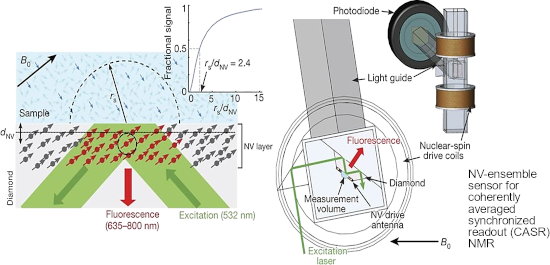
Beilstein J. Nanotechnol. 2019, 10, 2128–2151, doi:10.3762/bjnano.10.207


Humidity-dependent wound sealing in succulent leaves of Delosperma cooperi – An adaptation to seasonal drought stress
Beilstein J. Nanotechnol. 2018, 9, 175–186, doi:10.3762/bjnano.9.20

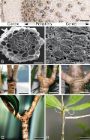
- interested in whether metabolic processes occurring in living cells or acellular mechanisms originating in nonliving biological material are involved in the self-repair process and whether one or more hierarchical levels contribute to the self-repair process [1][2][3]. In the following, we present new


Biomechanics of selected arborescent and shrubby monocotyledons
Beilstein J. Nanotechnol. 2016, 7, 1602–1619, doi:10.3762/bjnano.7.154

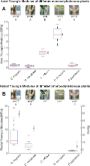
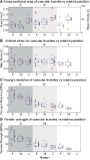
- in an atactostele in D. marginata and the dense arrangement of stiff tissues in conifers and dicotyledons. Relationships between density and the axial Young’s modulus are visualized in a material property chart (Figure 5) and thereby fill major “white spots” for biological material properties. The



Bacteriorhodopsin–ZnO hybrid as a potential sensing element for low-temperature detection of ethanol vapour
Beilstein J. Nanotechnol. 2016, 7, 501–510, doi:10.3762/bjnano.7.44
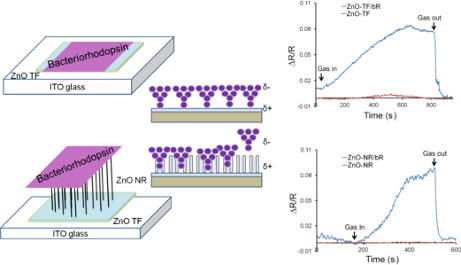
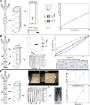
- sensor design [1][2][3][4]. Novel approaches towards sensor design that employ biological material as the active element or associated active element have been widely explored [5][6]. Over the last few decades, the research in this domain has been directed towards the bio-inspired, self-assembly of


An ISA-TAB-Nano based data collection framework to support data-driven modelling of nanotoxicology
Beilstein J. Nanotechnol. 2015, 6, 1978–1999, doi:10.3762/bjnano.6.202
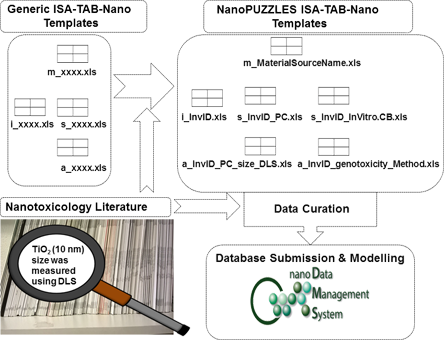
- ”, whilst the concept of “factors” refers to “variables that are changed for studying their effects on the measured endpoint” [17]. If the assay is biological (e.g., an in vitro cytotoxicity assay), the originally sourced biological material is considered the original material, with its identifier reported



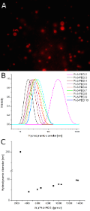
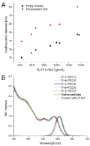
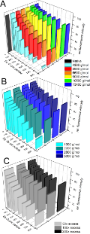
Tailoring the ligand shell for the control of cellular uptake and optical properties of nanocrystals
Beilstein J. Nanotechnol. 2015, 6, 232–242, doi:10.3762/bjnano.6.22

- functionality is desirable to study even these properties in the interaction between nanoparticles and biological material. Furthermore, the extraordinary properties of the nanoparticles should be retained during the phase transfer. Many different approaches for the phase transfer of hydrophobic nanoparticles






PVP-coated, negatively charged silver nanoparticles: A multi-center study of their physicochemical characteristics, cell culture and in vivo experiments
Beilstein J. Nanotechnol. 2014, 5, 1944–1965, doi:10.3762/bjnano.5.205
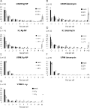
- material is optimal. Imaging at the Ag M4,5-edges (360–390 eV) was successful for pure silver particles in the absence of any biological material (i.e., just the dried nanoparticle dispersion) on a thin (10 nm) carbon grid (Figure 5D), but failed for samples with cells. This was likely due to the
- insufficient contrast of the relatively low concentrated silver nanoparticles compared to the strong background signal from the biological material. Unfortunately, imaging at the Ag L3,2 edges (3.3–3.5 keV) with higher absorption contrast for silver was not possible at the PolLux-instrument. A strong




3D nano-structures for laser nano-manipulation
Beilstein J. Nanotechnol. 2013, 4, 534–541, doi:10.3762/bjnano.4.62
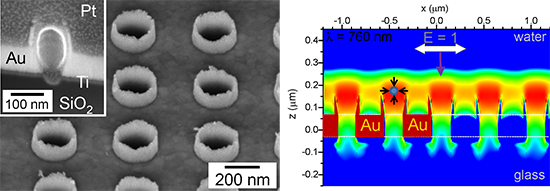
- the interaction with the localized field on the substrate surface. This opens new degrees of freedom to the device, which can be exploited to reduce the optical intensity required for trapping, and thus to prevent damage to the biological material. The trapping position can also be moved farther away


Mapping mechanical properties of organic thin films by force-modulation microscopy in aqueous media
Beilstein J. Nanotechnol. 2012, 3, 464–474, doi:10.3762/bjnano.3.53
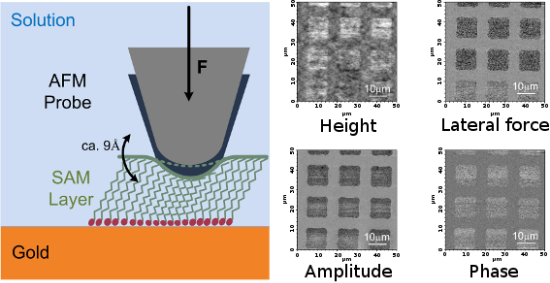
- take place in an aqueous environment or under physiological conditions. Here we show that FMM is able to provide high-contrast amplitude and phase maps of micropatterned biomolecular thin films in an aqueous environment. The biological material of interest in our FMM experiments is the IgG-binding



Scanning probe microscopy and related methods
Beilstein J. Nanotechnol. 2010, 1, 155–157, doi:10.3762/bjnano.1.18
- large variety of materials. The strategy is not to prepare samples according to the requirements of the microscopy technique, but to perform experiments in its most native state, e.g., to study biological material in liquids. Questions to be addressed originate from almost all scientific areas. One