


Search results
Search for "bone" in Full Text gives 123 result(s) in Beilstein Journal of Nanotechnology.
Breaking barriers: nanosystems to overcome solubility and permeability challenges of second-generation tyrosine kinase inhibitors
Beilstein J. Nanotechnol. 2026, 17, 1063–1086, doi:10.3762/bjnano.17.73
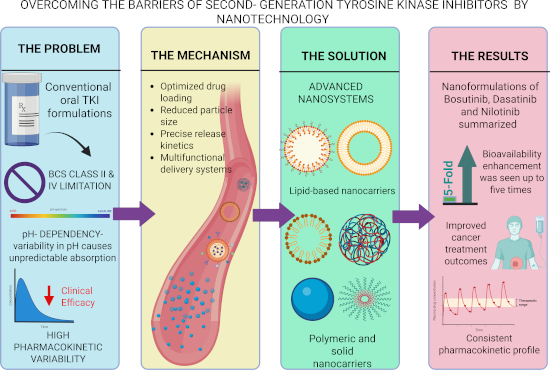
- 0.218, and an EE of 99.50% [34]. Other natural polymer-based systems have also been explored, for instance, NTB-loaded bovine serum albumin (BSA) nanoparticles designed for bone marrow targeting demonstrated enhanced drug accumulation in bone tissue compared with the pure drug [35]. More recently


Ultrasonic irradiation in the synthesis of nanohydroxyapatite: a chemically friendly technique for improving hemocompatibility and antibiofilm applications
Beilstein J. Nanotechnol. 2026, 17, 991–1015, doi:10.3762/bjnano.17.68
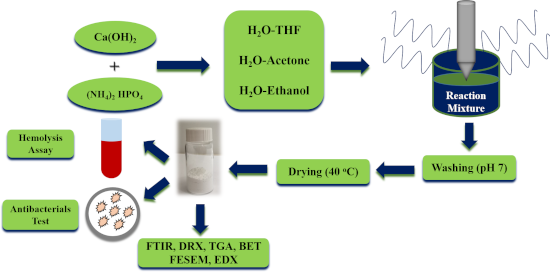
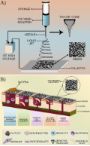
- engineering. Keywords: antibiofilm properties; hemocompatibility; nanohydroxyapatite; ultrasonic irradiation; Introduction Nowadays, there is a high demand for the development of bone substitutes that are biocompatible, bioactive, mechanically strong, and well tolerated by the immune system [1], which
- materials with structures and properties very similar to those of biological origin [5]. This process involves reaching nanodimensions and reproducing the monolithic structure of bone [6], which has been difficult to achieve until now. Bones are a complex system, composed of hydroxyapatite crystals in the
- form of nanoneedles, that are closely bound together with type-I collagen fibrils [7], as shown in Figure 1. Hydroxyapatite crystals are an important source of calcium and phosphorus, which give bone its density, mechanical strength, and bioactivity [8]. Methods for obtaining nanohydroxyapatite (nHA




Restorative potential of laser-synthesized silver nanoparticles with Salvia officinalis for periodontal disease treatment: an in vitro study
Beilstein J. Nanotechnol. 2026, 17, 781–795, doi:10.3762/bjnano.17.55
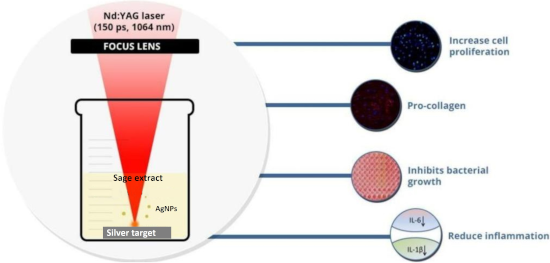
- by stimulating fibroblast proliferation and collagen synthesis [54], thus contributing to the pro-collagen effect. During the progression of periodontal disease, the increase in secretion of the pro-inflammatory cytokines IL-1β and IL-6 contributes to periodontal detachment and alveolar bone loss



Cellulose as a photocatalyst support material: extraction, structural features, and environmental applications
Beilstein J. Nanotechnol. 2026, 17, 635–652, doi:10.3762/bjnano.17.44
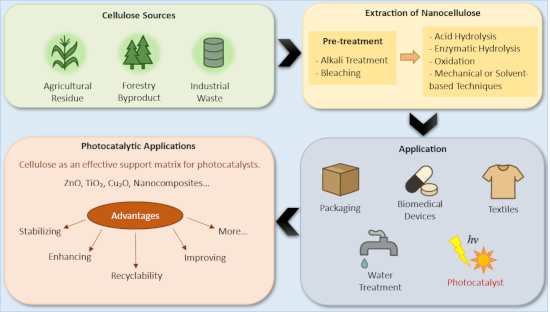
- structures can mimic the human extracellular matrix and show strong potential for applications in cartilage and bone regeneration. Among different cellulose sources, BC has gained particular attention because it combines strong mechanical properties with controlled biodegradability and natural
- biocompatibility, while its microbial origin ensures a high degree of purity that makes it especially suitable for biomedical use [73]. Calcium phosphate cements (CPCs) are valuable materials in bone-related applications due to their intrinsic bioactivity and their ability to form hydroxyapatite, the mineral that
- closely resembles the inorganic component of bone. When BC is incorporated into CPCs, it further enhances their compressive strength without diminishing their capacity to support bone growth or to be safely resorbed by the body [73][74]. Beyond regenerative medicine, researchers have also designed hybrid


Polycatecholamine nanocoatings on stainless steel: the effect on attachment of human fibroblasts and platelets
Beilstein J. Nanotechnol. 2026, 17, 365–380, doi:10.3762/bjnano.17.25
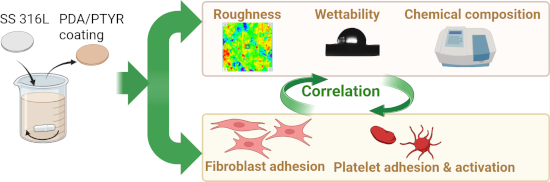
- , manufacturability and relatively low cost, SS 316L is widely used for orthopedic and dental implants, bone plates, screws, oral implants, and vascular stents [1][2][3][4][5]. In dental and orthopedic applications, fibroblast attachment, spreading, migration, and osteointegration are critical for long-term implant
- roughness threshold has previously been observed for fibroblasts also on silicone surfaces [42] and on various metallic surfaces [43], as well as for bone marrow stem cells on polycarbonate membranes [44]. Platelet adhesion and activation on artificial surfaces are triggered by the initial adsorption of pro




From shield to spear: Charge-reversible nanocarriers in overcoming cancer therapy barriers
Beilstein J. Nanotechnol. 2026, 17, 159–175, doi:10.3762/bjnano.17.10
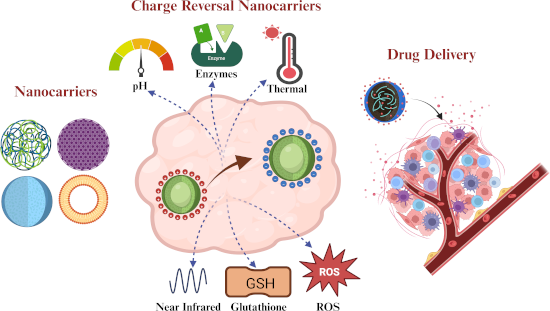
- malignant breast epithelial cells metastasizing to axillary lymph nodes [1]. Leukaemias and other haematological malignancies spread differently, affecting the bone marrow, lymph nodes, and the blood [2]. According to the latest GLOBOCAN and World Health Organization data, cancer ranks as the leading cause


Subdigital integumentary microstructure in Cyrtodactylus (Squamata: Gekkota): do those lineages with incipiently expressed toepads exclusively exhibit adhesive setae?
Beilstein J. Nanotechnol. 2026, 17, 38–56, doi:10.3762/bjnano.17.4
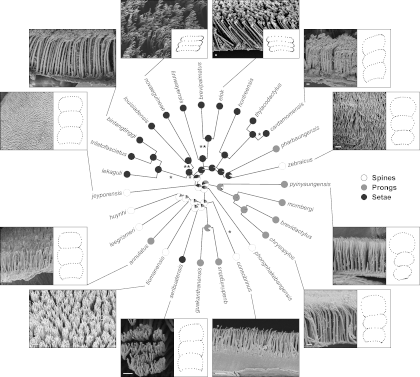
- bear microscopic epidermal filaments (microstructures) and are associated with modified musculature, bone morphology, and blood vessels [10][11][12][13][14]. This effective system allows geckos to adhere, despite being at the upper weight limit for organisms bearing adhesive toepads [15]. In geckos


Optical bio/chemical sensors for vitamin B12 analysis in food and pharmaceuticals: state of the art, challenges, and future outlooks
Beilstein J. Nanotechnol. 2025, 16, 2207–2244, doi:10.3762/bjnano.16.153
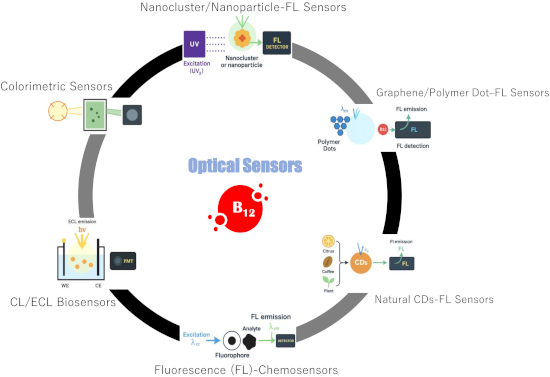
- ]. This water-soluble micronutrient is essential for improving brain and nervous system functions, blood cell development, bone health improvement, energy and DNA production, fertility and embryo development, control of neurological symptoms (e.g., stress, depression, dementia, and visual disturbances


Toward clinical translation of carbon nanomaterials in anticancer drug delivery: the need for standardisation
Beilstein J. Nanotechnol. 2025, 16, 2092–2104, doi:10.3762/bjnano.16.144
- division and DNA synthesis. However, they can also affect healthy cells in the body that divide rapidly, such as cells in the hair follicles, bone marrow, digestive system, and reproductive system. This can lead to a range of side effects, some of which can be severe. Take the chemotherapeutic agent
- makes the drug clearly visible during intravenous administration, but also from its high potency and the wide range of severe side effects it can cause. These side effects include myelosuppression, where reduced blood cell production in the bone marrow can lead to anaemia, bruising, and higher infection



On the road to sustainability – application of metallic nanoparticles obtained by green synthesis in dentistry: a scoping review
Beilstein J. Nanotechnol. 2025, 16, 1851–1862, doi:10.3762/bjnano.16.128
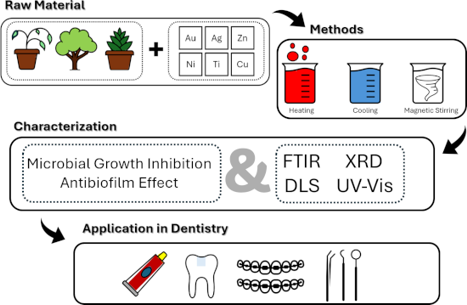
- also hold promise in regenerative dentistry. Incorporated into scaffolds, membranes, and hydrogels, they have demonstrated the ability to enhance osteogenesis and angiogenesis while simultaneously reducing microbial contamination [19]. These multifunctional biomaterials not only support bone and


Prospects of nanotechnology and natural products for cancer and immunotherapy
Beilstein J. Nanotechnol. 2025, 16, 1644–1667, doi:10.3762/bjnano.16.116



Bioinspired polypropylene-based functionally graded materials and metamaterials modeling the mistletoe–host interface
Beilstein J. Nanotechnol. 2025, 16, 1592–1606, doi:10.3762/bjnano.16.113
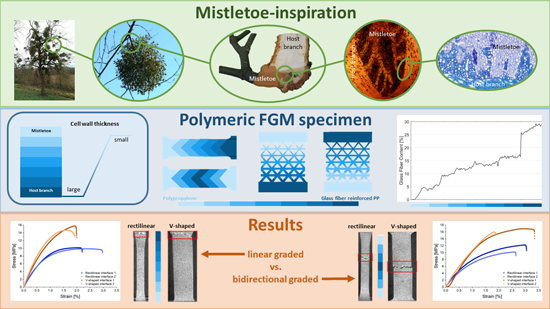
- W, ensuring that only areas without visible defects were cut out of the plates. For specimens with rectilinear interfaces, conventional dog bone specimens were prepared. For specimens with V-shaped interfaces, however, the geometry had to be slightly adapted (widened) so that a complete V-shape
- selected specimens for each group. To create a random, high-contrast speckle pattern, the surface of the dog bone and metamaterial specimens was sprayed with a white primer (5200 Permanentspray Premium-Acryllack, Edding International GmbH, Thalwil, Switzerland) before applying a black speckle pattern
- specimen were about 62% higher than those for the rectilinear specimen (16.48 ± 3.07 MPa against 10.17 ± 0.25 MPa; Figure 5C). The finding that the linearly graded specimens all failed at or along the PPGF gauge section of the dog bone with the highest fiber content was verified using a bidirectional fiber


Nanomaterials for biomedical applications
Beilstein J. Nanotechnol. 2025, 16, 1499–1503, doi:10.3762/bjnano.16.105
- to spread, stay attached, and turn into different cell types. Electrospun polymers could produce these nanofibers, which are widely applied for nerve treatment, bone growth, and wound healing [26]. A second approach is the utilization of nano-patterned surfaces. These surfaces have carefully designed
- recent years, the scientific community has started focusing on what nanocomposites potentially offer. Binding nanoparticles along with biomaterials enhances their strength, flexibility, and durability. For example, adding hydroxyapatite nanoparticles to a polymer can improve bone compatibility, making it
- slowly release therapeutic compounds over time. For instance, anti-inflammatory medications or antibiotics benefit the patient over a longer period without additional procedures. Bone-related implants have demonstrated that nanoscale surfaces stimulate the growth and attachment of bone cells, allowing
Better together: biomimetic nanomedicines for high performance tumor therapy
Beilstein J. Nanotechnol. 2025, 16, 1246–1276, doi:10.3762/bjnano.16.92
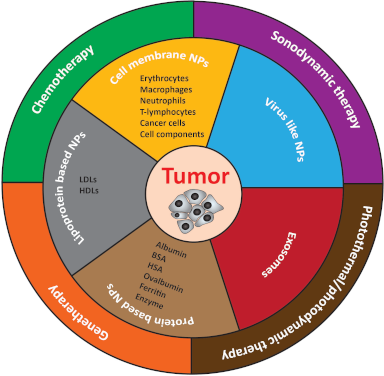
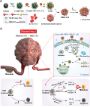
- et al. developed biomimetic oxygen-carrying NPs and conjugated ultrasmall nanozyme on their surface; they further coated the NPs with bone marrow stromal cell membrane to target and successfully deplete leukemic cells in bone marrow and prevent homing of AML. Furthermore, the cell membrane acted as
- CXR4 antagonist to block the CXCR4/CXCL12-mediated homing of leukemia cells to the bone marrow and infiltration into other organs like the liver and spleen [136] (Figure 9). Ke et al. altered the tumor glucose supply and metabolic pathways by designing RGD-modified, RBC membrane-coated glucose oxidase
- cells, in vitro and in vivo [161]. Furthermore, Yang et al, inspired by human bone marrow mesenchymal stem cells, developed a biomimetic zeolitic imidazolate framework-8 to navigate herpes simplex virus type I thymidine kinase-encoded plasmids and ganciclovir for lung cancer treatment. The biomimetic







Hydrogels and nanogels: effectiveness in dermal applications
Beilstein J. Nanotechnol. 2025, 16, 1216–1233, doi:10.3762/bjnano.16.90
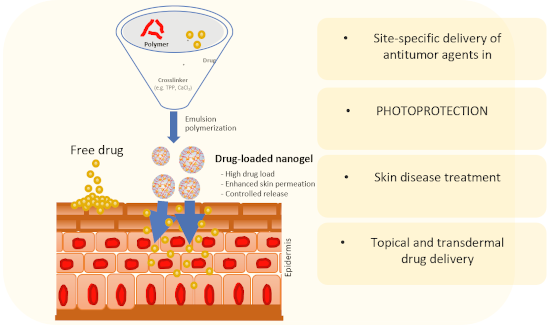
- recent years, such as tissue regeneration or tumor models in vivo. For example, 3D-printed scaffolds have been employed and shown to be effective in bone regeneration [226] and in promoting the restoration of craniofacial cartilage defects [227]. Also, in in vivo breast cancer models, doxorubicin-loaded


Piezoelectricity of hexagonal boron nitrides improves bone tissue generation as tested on osteoblasts
Beilstein J. Nanotechnol. 2025, 16, 1068–1081, doi:10.3762/bjnano.16.78
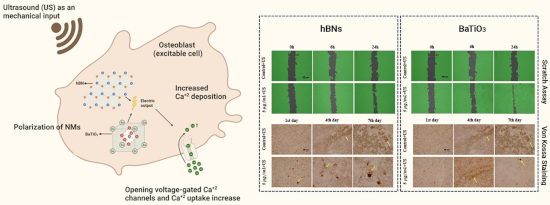
- 10.3762/bjnano.16.78 Abstract Bone tissue, also known as bone, is a hard and specialized connective tissue consisting of various bone cells. Internally, it has a honeycomb-like matrix providing rigidity to the bone and a piezoelectric feature contributing to bone remodeling. Bone remodeling is a crucial
- process involving osteoblastic replacement and resorption by osteoclastic cells to maintain structural integrity and mechanical properties of the bone tissue as it grows. However, in cases of fracture or degeneration, the natural self-regeneration process or inherent piezoelectricity of the body may not
- be sufficient to repair the damage. To address this, the use of piezoelectric nanomaterials (NMs) in bone tissue engineering was investigated. In this study, the influence of the piezoelectric hexagonal boron nitrides (hBNs) and barium titanate (BaTiO3) on human osteoblasts (HOb) was comparatively


Soft materials nanoarchitectonics: liquid crystals, polymers, gels, biomaterials, and others
Beilstein J. Nanotechnol. 2025, 16, 1025–1067, doi:10.3762/bjnano.16.77
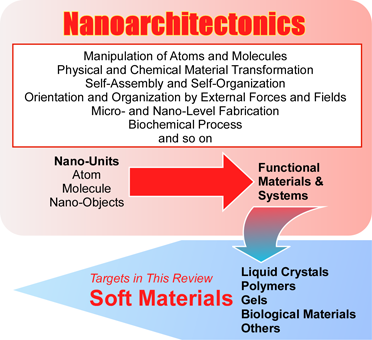
- for diabetic bone defects, and bactericidal materials. As can be seen from these examples, soft materials nanoarchitectonics offers a wide range of material designs, specific functions, and potential applications. In addition, this review examines the current state and future of soft materials
- nanoarchitectonics also makes a contribution to the field of medicine. For instance, patients with diabetic bone defects require novel and efficacious medical implant material strategies to enhance their prognosis. It is imperative to minimize the risk of implant failure due to excessive oxidative stress and the
- elevated risk of bacterial infection in patients with diabetes. Weng and colleagues employed an LbL construction strategy to enhance the healing ability of diabetic bone defects [277]. This involved the hybridization of tannic acid, gentamicin sulfate, and Pluronic F127 on a porous polyetheretherketone






Polyurethane/silk fibroin-based electrospun membranes for wound healing and skin substitute applications
Beilstein J. Nanotechnol. 2025, 16, 591–612, doi:10.3762/bjnano.16.46
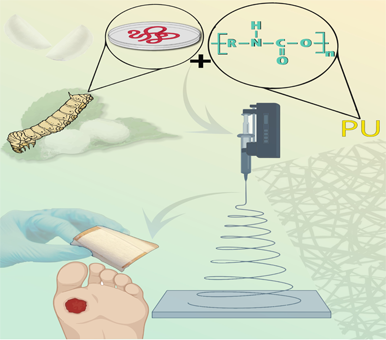
- processing into nanofibers, make it an ideal material for biomedical applications including the reconstruction of bone and cartilage [17][18]. Polyurethan (PU) is a very flexible, long-lasting, and reliable material. It is versatile and can be used in almost every field of work. PU can also be used in
- factors, drugs, and stem cells to facilitate the process of growth and regeneration [87]. Fitzpatrick et al. develop a scaffold by combining silk–hydroxyapatite bone cement with growth factors such as bone morphogenetic protein-2 (BMP2), vascular endothelial growth factor (VEGF), and neural growth factor
- (NGF) to promote bone regeneration, vascularization, and nerve integration. The scaffolds were designed with precise porosity and geometry to promote new bone growth while mimicking the structure of natural bone. The scaffold’s mechanical properties were appropriate for bone tissue application, and the



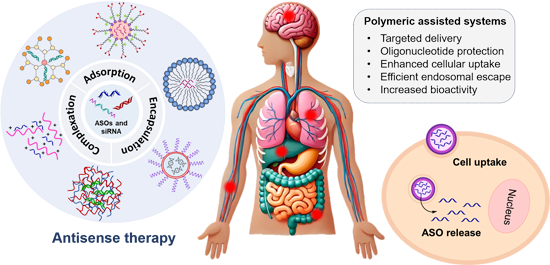
Synthetic-polymer-assisted antisense oligonucleotide delivery: targeted approaches for precision disease treatment
Beilstein J. Nanotechnol. 2025, 16, 435–463, doi:10.3762/bjnano.16.34


Enhancing mechanical properties of chitosan/PVA electrospun nanofibers: a comprehensive review
Beilstein J. Nanotechnol. 2025, 16, 286–307, doi:10.3762/bjnano.16.22
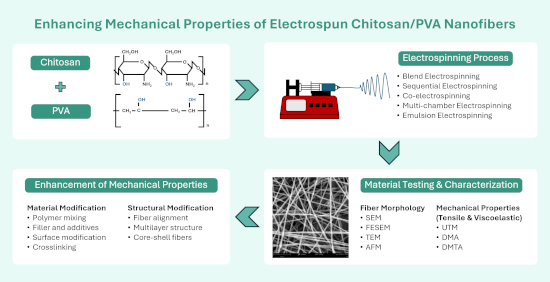
- been reports of co-axial electrospinning of chitosan/PVA, although additional materials are usually added to aid the electrospinning of chitosan. Zhu et al. [111] used a chitosan/PCL blend as the sheath material and PVA as the core material for the production of guided bone generation membranes. Kuo et


Nanocarriers and macrophage interaction: from a potential hurdle to an alternative therapeutic strategy
Beilstein J. Nanotechnol. 2025, 16, 97–118, doi:10.3762/bjnano.16.10
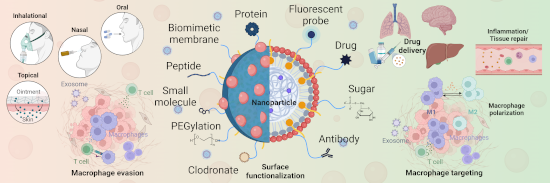
- , such as corticosteroids and azathioprine. Although these treatments help control inflammation and prevent disease progression, they often come with substantial side effects, including an increased risk of infections, bone density loss, diabetes, and hypertension. Recent advancements in AIH treatment


Liver-targeting iron oxide nanoparticles and their complexes with plant extracts for biocompatibility
Beilstein J. Nanotechnol. 2024, 15, 1593–1602, doi:10.3762/bjnano.15.125
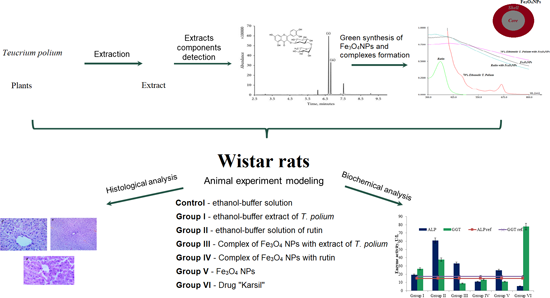
- particles have been identified as 80–90% in the liver, 5–8% in the spleen, and 1–2% in the bone marrow [30]. One of the major organs where nanoparticles are likely to accumulate, depending on the route of administration, is the liver [31][32][33], where Kupffer cells can quickly uptake large nanoparticles
- reflects only the hepatic isoform (14.7 ± 0.17 U/L). However, against the backdrop of normal ALT values, an increase in ALP activity typically indicates a stagnation process in the bile ducts or a pathological process in the kidneys or bone tissue [56]. Comparing these data with the results of GGT activity
- in ALP activity may indirectly indicate the presence of a pathological process in other organs. Considering the fact that groups III and V received a combined administration with Fe3O4 NPs and the fact that many authors report the ability of these NPs to penetrate bone tissue, it can be assumed that


Recent updates in applications of nanomedicine for the treatment of hepatic fibrosis
Beilstein J. Nanotechnol. 2024, 15, 1105–1116, doi:10.3762/bjnano.15.89
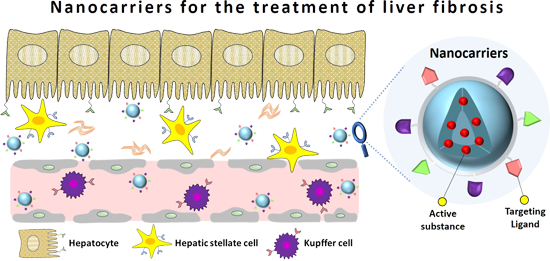
- FDA-approved biodegradable polymer. The R406-PLGA NPs (particle size of 159.7 nm) showed a significant downregulation of major inflammatory markers (CCL2, IL-1α, and IL-6) in vitro in murine bone marrow-derived macrophages. In an in vivo experiment using a methionine and choline-deficient (MCD) mouse


Interface properties of nanostructured carbon-coated biological implants: an overview
Beilstein J. Nanotechnol. 2024, 15, 1041–1053, doi:10.3762/bjnano.15.85
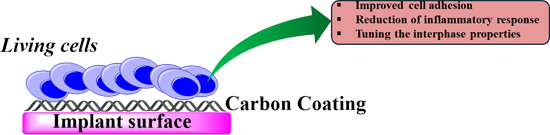
- tailored to the tissues where the implant will be placed [99]. Nevertheless, CNTs are able to regulate the cell proliferation better than other nanocarbon species. Patel et al. [100] coated polymer nanofibers with a 25 nm thick layer of MWCNTs modulating in vivo angiogenesis and bone regeneration
- , wherein the implant bears an excessive load, consequently, causing bone resorption [132]. Coating with nanostructured carbon is a strategy to both reduce wear and improve load across the implant region. As mentioned by Zhang et al. [133], a nano- or micrometric thick layer of CNTs induced the ability of
- bone tissues [137] to reduce wear. Such layers have been widely studied as coating agents onto several metal surfaces directly in contact with bone, including steel [138], titanium [139], and magnesium [140]. As reported by Deenoi et al. [141], CNT coatings on titanium nitride at the interface with



Electrospun nanofibers: building blocks for the repair of bone tissue
Beilstein J. Nanotechnol. 2024, 15, 941–953, doi:10.3762/bjnano.15.77
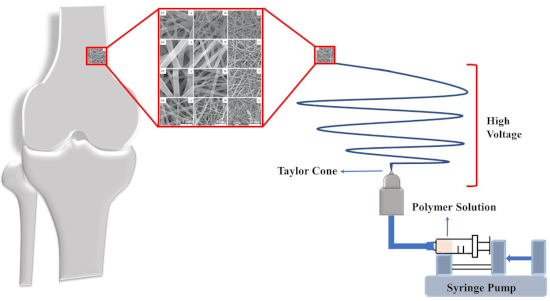
- Istanbul Aydın University, Faculty of Pharmacy, Department of Pharmaceutical Technology, Istanbul, Turkey 10.3762/bjnano.15.77 Abstract Bone, one of the hardest structures of the body, is the basic constituent of the skeletal system, which gives the shape to the body, provides mechanical support for
- muscles and soft tissues, and provides movement. Even if there is no damage, bone remodeling is a permanent process to preserve and renew the structural, biochemical, and biomechanical integrity of bone tissue. Apart from the remodeling, bone healing is the highly complicated process of repairing
- deficiencies of bone tissue by the harmonious operation of osteoblasts, osteocytes, osteoclasts, and bone lining cells. Various materials can be used to both trigger the bone healing process and to provide mechanical support to damaged bone. Nanofiber scaffolds are at the forefront of these types of systems





