

Search results
Search for "cutaneous leishmaniasis" in Full Text gives 4 result(s) in Beilstein Journal of Nanotechnology.
Beyond the shell: exploring polymer–lipid interfaces in core–shell nanofibers to carry hyaluronic acid and β-caryophyllene
Beilstein J. Nanotechnol. 2025, 16, 2015–2033, doi:10.3762/bjnano.16.139
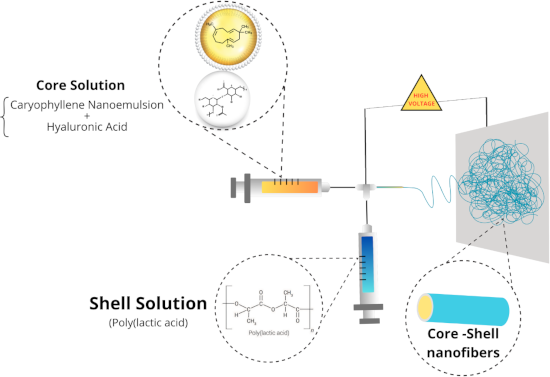
- -loaded electrospun scaffolds compared to that of the gel formulation [44], and Coelho et al. (2021) reporting PVA nanofibers containing chalcone NE as a potential treatment for cutaneous leishmaniasis [45]. Despite these advances in nanofiber composite structures incorporating various nanosystems, a


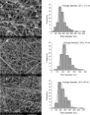
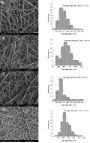


Phytol-loaded soybean oil nanoemulsion as a promising alternative against Leishmania amazonensis
Beilstein J. Nanotechnol. 2025, 16, 1826–1836, doi:10.3762/bjnano.16.126
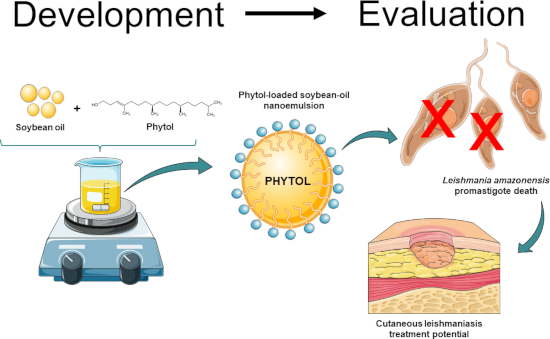
- and effective topical therapy for cutaneous leishmaniasis. Keywords: cutaneous leishmaniasis; Leishmania amazonensis; nanoemulsion; negleted tropical disease; phytol; Introduction Leishmaniasis is one of the 20 listed neglected tropical diseases (NTDs), affecting over 350 million people globally
- promastigote, which resides in the insect vector and represents the infective stage, and the amastigote, the intracellular form found in vertebrate hosts [4][5]. Different Leishmania spp. species are responsible for distinct clinical manifestations, including (i) cutaneous leishmaniasis, (ii) mucocutaneous
- leishmaniasis, and (iii) visceral leishmaniasis. In cutaneous leishmaniasis, the infection triggers an immune-inflammatory cascade that produces painless ulcerative lesions. Depending on the immune status of the host and the infecting species, these lesions can progress to extensive tissue damage (i.e., from


Curcumin-loaded nanostructured systems for treatment of leishmaniasis: a review
Beilstein J. Nanotechnol. 2024, 15, 37–50, doi:10.3762/bjnano.15.4

- vector-borne protozoan parasite of the genus Leishmania which is transmitted by the bite of female sandflies. Different species of Leishmania spp. can cause specific clinical manifestations. These are (i) cutaneous leishmaniasis, which can be the localized type when the lesions are limited to certain
- affected more than 350 million people worldwide. Its incidence has increased more than 40-fold in the last 20 years, making it the second most prevalent parasitic disease in the world after malaria [2][26][27]. The disease can manifest in three different forms: cutaneous leishmaniasis (CL), which is the
- health conditions of the host and by the species of the parasite. In general, CL and MCL are caused by L. tropica, L. major, L. amazonensis, and L. brasiliensis. Meanwhile, VL is caused by L. donovani, L. infantum, and L. chagasi. However, there are reports of cutaneous leishmaniasis caused by the L


Green SPIONs as a novel highly selective treatment for leishmaniasis: an in vitro study against Leishmania amazonensis intracellular amastigotes
Beilstein J. Nanotechnol. 2023, 14, 893–903, doi:10.3762/bjnano.14.73

- The main goal of this work was to evaluate the therapeutic potential of green superparamagnetic iron oxide nanoparticles (SPIONs) produced with coconut water for treating cutaneous leishmaniasis caused by Leishmania amazonensis. Optical and electron microscopy techniques were used to evaluate the
- cutaneous leishmaniasis caused by L. amazonensis. Microscopy techniques efficiently revealed the uptake and distribution of SPIONs in L. amazonensis promastigotes and intracellular amastigotes. The first analysis confirmed the uptake of SPIONs by macrophages, which was published previously by our group [9
- because of its intrinsic properties, (2) a treatment agent associated with heating through alternating current magnetic fields, and (3) a drug carrier. Finally, SPIONs can be considered a strong candidate for a new therapeutic approach to treating cutaneous leishmaniasis, that is, an accessible and low




Other Beilstein-Institut Open Science Activities