Search results
Search for "polarity" in Full Text gives 416 result(s) in Beilstein Journal of Organic Chemistry. Showing first 200.
The role of spacer length and flexibility in peptide self-assembly
Beilstein J. Org. Chem. 2026, 22, 986–996, doi:10.3762/bjoc.22.77
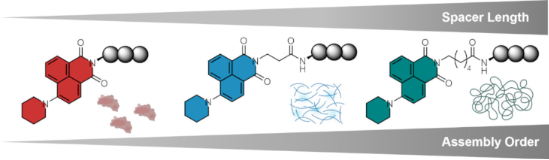
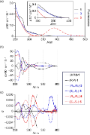
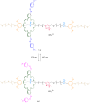
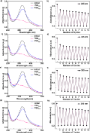
- changes in solvent polarity surrounding the fluorophore. Overall, the pronounced hypsochromic absorption shifts for C6-Nap-ICA 6 and C3-Nap-ICA 7 in assembling conditions support excitonic H-type coupling within ordered supramolecular assemblies. These findings are consistent with the TEM, AFM, Proteostat


Electrochemical reduction of unsaturated carbon–carbon bonds via 3d transition-metal catalysis
Beilstein J. Org. Chem. 2026, 22, 955–981, doi:10.3762/bjoc.22.75
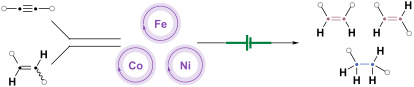
- , collectively supporting the operation of a reversible hydronickelation process with nondissociative nickel migration (Scheme 15C, ii). Alkenes to alkanes In 2024, the Fu group reported an electrochemical protocol for alkene reduction to alkanes with a strategy of an alternating polarity (AP) [128][129][130] to








Synthesis of heterocycles based on azomethine ylides from α-amino acids (or amines) and carbonyl compounds
Beilstein J. Org. Chem. 2026, 22, 705–741, doi:10.3762/bjoc.22.55
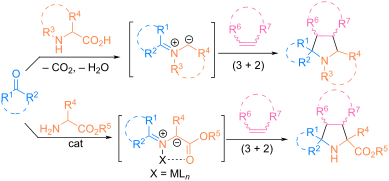
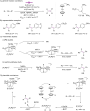
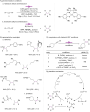
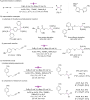
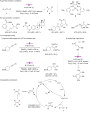
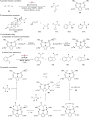
- of a product exhibiting reversed polarity (20). Conversely, when no α-aryl substitution is present, increased electron density remains at the C2 position, favoring the typical (3 + 2) cycloaddition pathway leading to product 19. In [48], the authors studied the reason for the complete change in


Towards the targeted protein degradation of CK2: design and synthesis of CAM4066-based PROTACs
Beilstein J. Org. Chem. 2026, 22, 611–619, doi:10.3762/bjoc.22.47
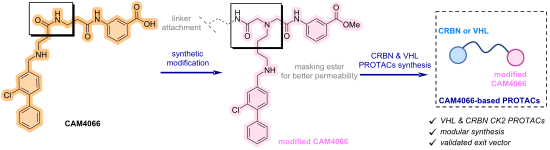
- itself is a moderately polar molecule, and linker addition further increases polarity. Collectively, these proof-of-concept results highlight the complexity of designing bivalent molecules for CK2 degradation and underscore the need for further optimisation of warhead potency, linker length, exit vector

Configuration–packing synergy enabling integrated crystalline-state RTP and amorphous-state TADF
Beilstein J. Org. Chem. 2026, 22, 224–236, doi:10.3762/bjoc.22.16
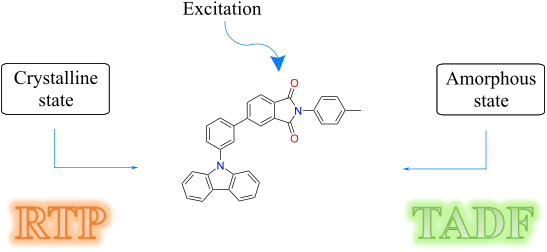
- essentially unchanged, whereas its fluorescence emission undergoes a monotonic red shift with increasing solvent polarity (or polarizability), accompanied by an enlarged Stokes shift – a typical solvatochromic behavior. The weak solvent dependence of the absorption spectra indicates that the difference in
- dipole moment between the ground state and the vertically accessed excited state (Franck–Condon region) is small, and that no pronounced ground-state specific interactions are operative; ground-state-dominated spectral shifts can therefore be largely excluded. By contrast, the strong polarity sensitivity
- on the emission side points to conformational/electronic density reorganization after excitation, relaxing to an emissive state with a larger dipole moment dominated by charge transfer (CT). As solvent polarity increases, preferential solvation stabilizes this higher-dipole excited state more than


Improved synthesis and physicochemical characterization of the selective serotonin 2A receptor agonist 25CN-NBOH
Beilstein J. Org. Chem. 2026, 22, 175–184, doi:10.3762/bjoc.22.11
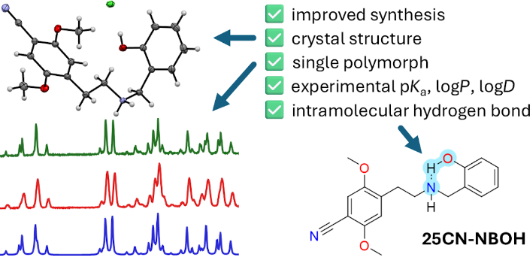
- accepted that a logD7.4 around 1–3 is desirable [14]. Thus, the observed logD7.4 of 1.59 is consistent with the high membrane permeability observed for 1. This is not necessarily to be expected based on the chemical structure of 1 due to the high intrinsic polarity of the free phenolic moiety [15]. For


Design and synthesis of an axially chiral platinum(II) complex and its CPL properties in PMMA matrix
Beilstein J. Org. Chem. 2026, 22, 143–150, doi:10.3762/bjoc.22.7
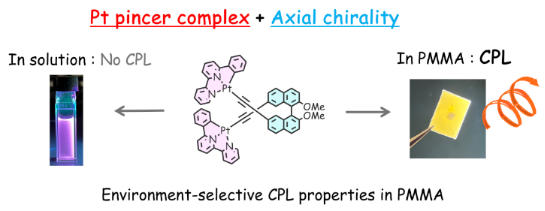
- blue-shifted by 38 nm, and the shorter-wavelength emission peak (408 nm) was blue-shifted by 19 nm. These blue shifts are attributed to the hydrophobic environment in the PMMA matrix. In such low‐polarity surroundings, the excited state is less stabilized, resulting in a higher excited‐state energy and


Symmetrical D–π–A–π–D indanone dyes: a new design for nonlinear optics and cyanide detection
Beilstein J. Org. Chem. 2026, 22, 131–142, doi:10.3762/bjoc.22.6
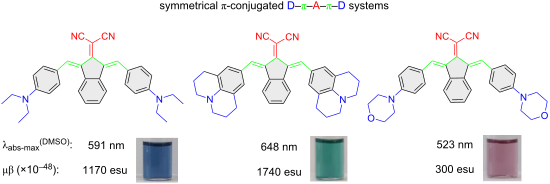
- feature symmetrical alkylaminophenyl donor groups and a strong electron-withdrawing dicyanovinylene as an acceptor connected through vinyl groups as a π-bridge. These strongly π-conjugated organic dyes can absorb in the NIR region, and they showed sensitivity towards the polarity of solvents with
- planar structure, causing more delocalization of the π-electrons between donors and the acceptor (dicyanovinylene) group. The effect of solvent media was investigated with solvents of varying polarities, which showed a bathochromic shift in the absorption maxima with increasing solvent polarity. Dyes
- also showed significant color changes with increasing polarity. Color changes of 2a; from purple to blue, 2b; blue to green, and 2c; pale orange to pale pink (Figure 2d). Dyes do not show any significant emission. Chemosensor properties Cyanide selectivity study The dyes 2a–c could have the ability to


Reactivity umpolung of the cycloheptatriene core in hexa(methoxycarbonyl)cycloheptatriene
Beilstein J. Org. Chem. 2026, 22, 64–70, doi:10.3762/bjoc.22.2
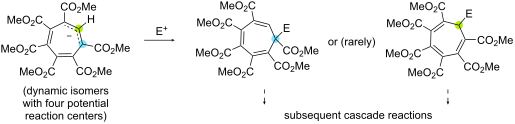
- contraposes the expected and the unexpected in terms of polarity in either reactions or synthetic strategies (Figure 1). Most effective reactions within this concept involve the in situ generation of a species exhibiting reversed polarity and the original group is reestablished at later reaction stages [2


Tandem hydrothiocyanation/cyclization of CF3-iminopropargyl alcohols with NaSCN in the presence of AcOH
Beilstein J. Org. Chem. 2025, 21, 2694–2702, doi:10.3762/bjoc.21.207
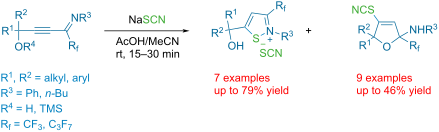
- are easily separable by column chromatography due to their different polarity. Next, we investigated the substrate scope and limitations of the reaction using differently substituted iminopropargyl alcohols (Table 2). The presence of alkyl substituents in the hydroxy fragment was well tolerated



Thiazolidinones: novel insights from microwave synthesis, computational studies, and potentially bioactive hybrids
Beilstein J. Org. Chem. 2025, 21, 2618–2636, doi:10.3762/bjoc.21.203
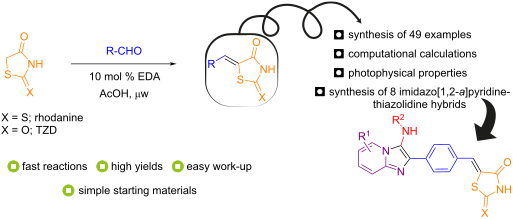
- available drugs [1]. These structures exhibit unique properties that influence pharmacokinetic and pharmacodynamic parameters, including lipophilicity, polarity, hydrogen-bonding capacity, and toxicological profiles [2][3][4]. Among them, five-membered multi-heterocyclic (FMMH) rings are privileged
- to 573 nm for compound 3n and from 479 to 524 nm for compound 4n. Therefore, the fluorescence emission spectra demonstrated a clear dependence on solvent polarity and the maximum emission wavelength λem. Thus, a red shift in the emission bands was observed in solvents with higher polarity, indicating
- solvents (MeOH, H2O) whereas lower values were recorded for chlorinated solvents (CH2Cl2, CHCl3). This trend matches with the Lippert–Mataga plots generated for these compounds to verify the relationship between the large values of Stokes shifts and the Reichardt polarity parameters. The graphs shown in






Efficient solid-phase synthesis and structural characterization of segetalins A–H, J and K
Beilstein J. Org. Chem. 2025, 21, 2612–2617, doi:10.3762/bjoc.21.202

- , demonstrating unequivocal structural identity with the natural isolates. Analytical HPLC confirmed the high purity (>95%) of all synthetic segetalins. However, experimental data for segetalin C revealed the existence of a multi-state conformational equilibrium in solution, which is dependent on solvent polarity
- –220 nm and a maximum below 200 nm. CD spectroscopy revealed that cyclic topology shifts characteristic peaks and stabilizes secondary structures through cooperative ring size/sequence/solvent effects [30]. TFE disrupts the hydrogen-bonding network of water, reduces solvent polarity, and enhances the


Effect of a photoswitchable rotaxane on membrane permeabilization across lipid compositions
Beilstein J. Org. Chem. 2025, 21, 2498–2512, doi:10.3762/bjoc.21.192
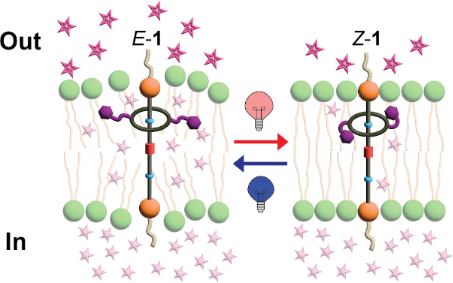
- simulations also suggest that the macrocycle of rotaxane 1-E tends to reside closer to the lipid–water interface, promoting more water accumulation than 1-Z, whose macrocycle positions deeper within the bilayer. This difference in localization likely arises from the substantial change in size and polarity of




The high potential of methyl laurate as a recyclable competitor to conventional toxic solvents in [3 + 2] cycloaddition reactions
Beilstein J. Org. Chem. 2025, 21, 2389–2415, doi:10.3762/bjoc.21.184
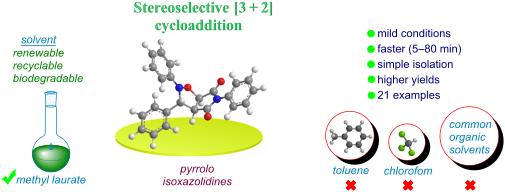
- solvent polarity results in a decrease in rate constants. This phenomenon is attributed to the lower polarity of the transition state in comparison to that of the initial compounds [61]. Furthermore, these methods often require harsh reaction conditions, prolonged reaction times, and laborious
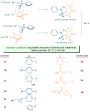
- space is shown in Figure 8a. The distribution of these selected solvents with other organic solvents in the 3D Hansen solubility space is determined by three Hansen solubility parameters (HSPs): dispersion (δD), polarity (δP), and hydrogen bonding (δH). As is well established, information about their
- potential hazard associated with their utilization as a solvent in the aforementioned reactions. For the solute component C,N-diphenylnitrone, the dispersion, polarity, and hydrogen bonding values for nitrone were determined as δD = 16.6, δP = 7.6 and δH = 8.7. Figure 8b clearly shows the position of the






Rotaxanes with integrated photoswitches: design principles, functional behavior, and emerging applications
Beilstein J. Org. Chem. 2025, 21, 2345–2366, doi:10.3762/bjoc.21.179
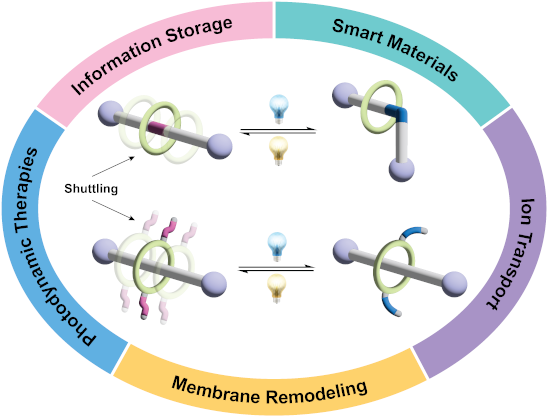
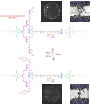
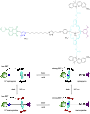
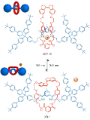
- of the C–O bond “opens” the molecule, generating the corresponding merocyanine (Figure 2). The reverse photocyclization can occur upon exposure to visible light. Remarkably, the two isomers differ in their chemical and physical properties such as polarity, molecular volume, dipole moment
- photoisomerization to the merocyanine (open) form, FRET is activated – even when the macrocycle is relatively distant from the merocyanine – and becomes more pronounced as the donor approaches the acceptor. Moreover, this rotaxane exhibited tunable photoluminescence properties in response to solvent polarity, pH





Enantioselective radical chemistry: a bright future ahead
Beilstein J. Org. Chem. 2025, 21, 2283–2296, doi:10.3762/bjoc.21.174
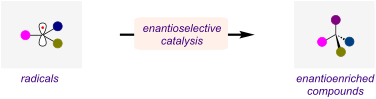
- polycyclic products in a highly diastereo- and enantioselective manner [45]. The polyene substrates were designed to facilitate a radical cyclization process, with alternating electron-poor and electron-rich olefins so as to enable polarity matching of the olefins and radical intermediates. With this design
- the type of radicals used can be overcome using photoredox catalysis. Synergistic photoredox and other forms of catalysis (using chiral Lewis acids, chiral Brønsted acids, H-bonding compounds, polarity reversal catalysts, etc.) expanded the scope of radical traps used and introduced alternate ways of


Pathway economy in cyclization of 1,n-enynes
Beilstein J. Org. Chem. 2025, 21, 2260–2282, doi:10.3762/bjoc.21.173
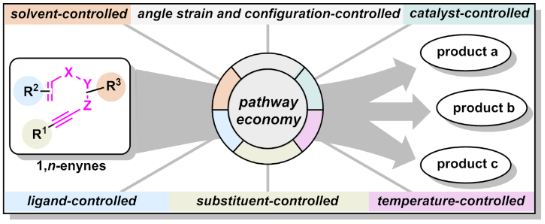
- and co-workers achieved an innovative gold-catalyzed cascade cycloisomerization of 3-allyloxy-1,6-diynes to access cyclopropane- and cyclobutane-fused benzofurans/chromanols (Scheme 5) [12]. In this study, solvent polarity and trace water were identified as key parameters governing the reaction
- modulating reaction parameters – including solvent polarity, catalyst architecture, ligand electronic effects, and substrate strain effects – chemists can achieve unprecedented control over reaction pathways. This approach enables divergent access to complex molecular architectures from a unified substrate


Bioinspired total syntheses of natural products: a personal adventure
Beilstein J. Org. Chem. 2025, 21, 2048–2061, doi:10.3762/bjoc.21.160
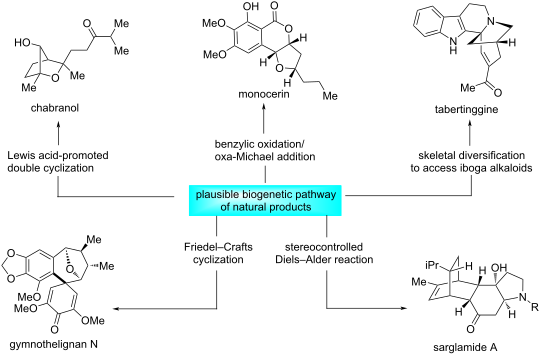
- was then treated with AcOH to afford the putative iminium cation to be chemoselectively reduced with NaBH3CN to ultimately reach the amine functionality. Through this protocol, the amine product was obtained, but it could not be isolated from silica gel for its high polarity. Thus, the extracted crude


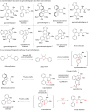

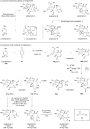
Photoswitches beyond azobenzene: a beginner’s guide
Beilstein J. Org. Chem. 2025, 21, 1808–1853, doi:10.3762/bjoc.21.143
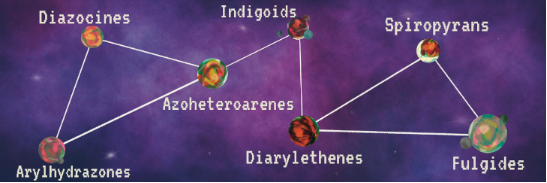
- tautomerism is an intermolecular process that depends not only on the choice of aryl rings and substituents but also on concentration, solvent polarity, and the presence of proton sources [5][15]. In conclusion, the choice of aryl rings, substituents, and substitution position are all crucial to determine the
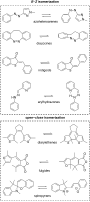
- soluble in water. For C- and S-diazocine, the absorption band separation of the two isomers is lower in polar solvents, resulting in worse PSS. In particular, for the S-diazocine it was found that the E-chair conformer was bathochromically shifted with increasing polarity of the solvent until completely
- side and electron-donating substituents on the other side giving the best performance (Figure 16, left). These peculiar compounds also showed increased stability and red-shift with increasing solvent polarity [87]. Oxidation of the sulphur atom to sulphoxide 69 introduces a sulphur-based stereocentre






Thermodynamics and polarity-driven properties of fluorinated cyclopropanes
Beilstein J. Org. Chem. 2025, 21, 1742–1747, doi:10.3762/bjoc.21.137
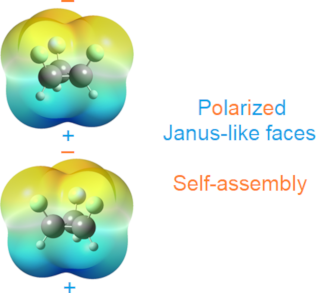
- electrostatically complementary negative and positive faces. These interactions are mediated through electrostatic hydrogen bonds. This "Janus-like" polarity also facilitates interactions with ions, particularly sodium and chloride. These findings contribute valuable insights for the rational design of drugs and
- advanced materials, particularly those whose properties rely on the polarity and spatial arrangement of C–F bonds within a cyclopropane framework. Keywords: cyclopropane; fluorination; polarity; theoretical calculations; Introduction Cyclopropane, the smallest cycloalkane, has a rigid structure that
- polarity, with these effects varying based on the amount, position, and orientation of the fluorine substituents [7][8]. Mondal and colleagues have extensively reviewed additional properties of fluorinated cyclopropanes, including the conformational behavior of substituents attached to a fluorinated


Approaches to stereoselective 1,1'-glycosylation
Beilstein J. Org. Chem. 2025, 21, 1700–1718, doi:10.3762/bjoc.21.133
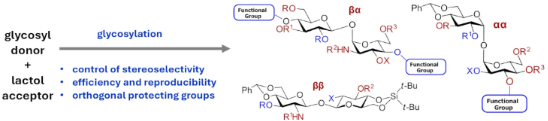
- of similar polarity (Scheme 10). Replacing the 2N-Troc protecting group with a 2N-Fmoc group in the imidate donor 121 led to formation of fully desymmetrized βGlcN(1↔1′)βGlcN disaccharide 122 with an improved isolated yield of 65% [95]. While the “armed” donors 79 and 121 were sufficiently reactive


Thermodynamic equilibrium between locally excited and charge transfer states in perylene–phenothiazine dyads
Beilstein J. Org. Chem. 2025, 21, 1577–1586, doi:10.3762/bjoc.21.121
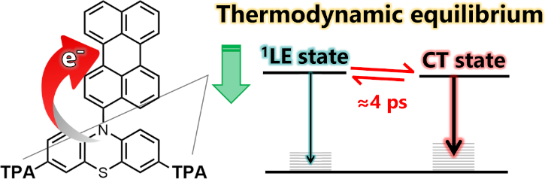
- -carborane exhibit such behavior, where LE and CT states dynamically interconvert depending on solvent polarity and temperature [10][11][12]. When the interconversion is faster than radiative decay, the two states can reach thermodynamic equilibrium, and their relative populations are determined by the
- intensity as the solvent polarity increased, which are typical features of CT states (Figure S22 in Supporting Information File 1). The emission intensity of the CT band was almost comparable to that of the LE band of the Pe moiety in Pe–Ph–PTZ(TPA)2, whereas the emission intensity of the CT band is larger




Azobenzene protonation as a tool for temperature sensing
Beilstein J. Org. Chem. 2025, 21, 1528–1534, doi:10.3762/bjoc.21.115
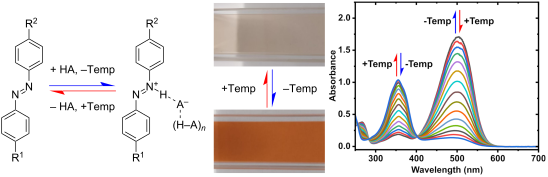
- and solvent polarity, we demonstrate that the degree of protonation, and thus solution color, is highly temperature-dependent, changing from pale yellow to deep red as temperature decreases. We also present mechanistic insights and compare our experimental findings with computational results. Results
- strong acidity of MSA, moderate polarity of DCE, and the electron-donating substituents of 3, only 76 equivalents of acid (3.08 mM) is needed for nearly full protonation as indicated by the almost complete disappearance of the absorption peak at 360 nm. Similar data for compounds 1 and 2 in MSA/DCE


Highly distinguishable isomeric states of a tripodal arylazopyrazole derivative on graphite through electron/hole-induced switching at ambient conditions
Beilstein J. Org. Chem. 2025, 21, 1496–1507, doi:10.3762/bjoc.21.112
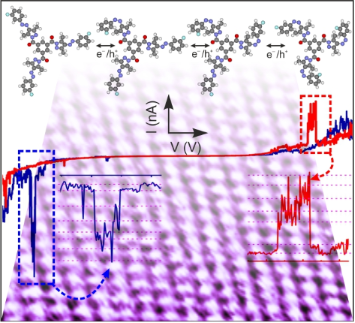
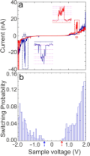
- as electron or hole-induced switching. Depending on the polarity of the bias, either an electron is injected (at positive sample bias) or a hole (at negative sample bias). This may be directly compared to the electron or hole-catalyzed isomerization of molecules in solution [40][41][42]. Generally



Wittig reaction of cyclobisbiphenylenecarbonyl
Beilstein J. Org. Chem. 2025, 21, 1454–1461, doi:10.3762/bjoc.21.107
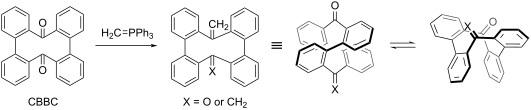
- byproduct and exhibited similar polarity as compound 5. The obtained compounds 3, 4, and 5 were identified using nuclear magnetic resonance (NMR) spectroscopy and mass spectrometry (MS) (see Supporting Information File 1) as well as single crystal X-ray diffraction analysis (vide infra). Furthermore, the