Search results
Search for "structure" in Full Text gives 3019 result(s) in Beilstein Journal of Organic Chemistry. Showing first 200.
An undecacyclic carbon-centered hydrocarbon radical: synthesis and investigation
Beilstein J. Org. Chem. 2026, 22, 1196–1204, doi:10.3762/bjoc.22.95
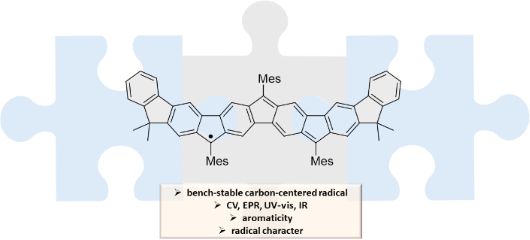
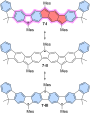
- distribution, aromaticity, and frontier orbital energies. The radical is best described by the resonance structure in which the unpaired electron is predominantly localized on the outer cyclopentadiene units, maximizing the number of preserved aromatic benzene sextets. Calculations indicate only a minor
- spin density is delocalized over the undecacylic framework, which accounts for the absence of resolved hyperfine structure. Nevertheless, pronounced Mulliken atomic spin densities (Figure 3) are calculated for the mesityl-substituted carbon atoms. Densities at the respective outer carbons C-16 and C-19
- ’ triradical character. Therefore, resonance structure 7-I (cf. Scheme 4) and its mirror image should thus have the highest relevance in the ensemble of possible resonance structures, which is in good agreement with prior results from our group [45][46]. The SOMOs of 7 (also termed SOMO and SUMO in the






Triazole-based hybrid molecules in anticancer drug discovery: structural classes and mechanistic insights, 2014–2025
Beilstein J. Org. Chem. 2026, 22, 1168–1195, doi:10.3762/bjoc.22.94
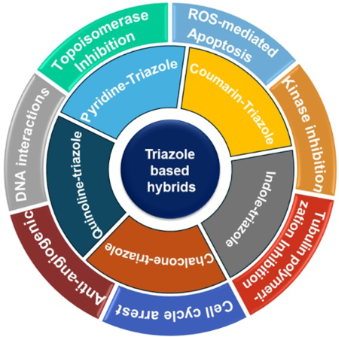
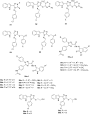
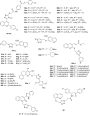
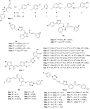
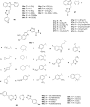
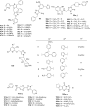
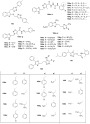
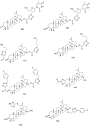
- compounds. This review presents an overview of recent progress in the biological assessment of triazole-based hybrid compounds as potential anticancer agents, focusing on their structure, activity, and mechanisms of action. The findings outlined here underscore the therapeutic potential of triazole hybrids
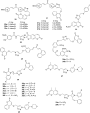
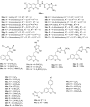
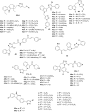
- cancer (A549), hepatocellular carcinoma (HepG2), and malignant T-lymphoblastic (MOLT-3) cells [50]. Most of the compounds, with the exception of compound 20c, demonstrated selective cytotoxic behavior for the MOLT-3 cell line, indicating good therapeutic potential. A structure–activity relationship (SAR
- hybrids represent their anticancer potential by combining the bioactive properties of both scaffolds. Indole–triazole hybrids The indole ring is a highly prevalent, biologically active heterocyclic structure present in numerous natural compounds. It exhibits anticancer, antioxidant, anti-inflammatory, and






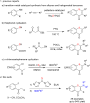
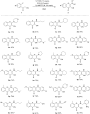
A cascade synthesis of 2-aminothiochromones from 2-fluorophenyl ketone and thiocarbonyldiimidazole
Beilstein J. Org. Chem. 2026, 22, 1151–1159, doi:10.3762/bjoc.22.92
- Kai Zhang Haofan Shao Kangjun Liao Ying Xu Shimei Du Yanfang Zhao Gang Li Wenzhen Xu Haihong Huang Peng Li Key Laboratory of Structure-Based Drug Design & Discovery of Ministry of Education, School of Pharmaceutical Engineering, Shenyang Pharmaceutical University, Shenyang 110016, P. R. China



Construction of CF2 moieties in FDA-approved drugs (2016–2025): industrial routes, mechanisms, and scale-up considerations
Beilstein J. Org. Chem. 2026, 22, 1122–1150, doi:10.3762/bjoc.22.91
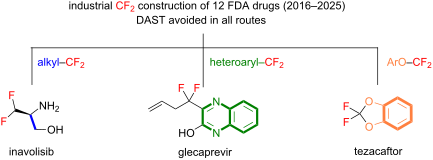
- falls slightly outside the designated timeframe of this review. Nevertheless, owing to its representative ArO-CF2 structure and the instructive value of its synthetic approach, it has been included in the discussion as a special case. Although the search window for this review was set as 2016–2025 (a
- discussed in this section, oteseconazole employs the aforementioned metal-catalyzed strategy, while the CF2 groups in glecaprevir and voxilaprevir, both attached to a pyrazine ring, are introduced via a building block approach, whereas the CF2 group in the structure of lenacapavir attached to a pyrazole
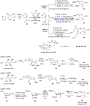
- the optimal reaction conditions (0.015 equiv Pd2(dba)3, 0.07 equiv Ruphos, 60 °C), indicating that this structure is inherently unstable under such coupling conditions. Route b (reported in 2020) [6] uses a CF2-containing building block 101 to generate the α,α-difluoroallyl carbanion in the presence






Discovery of sugarnitriles A and B, and structural reassignment of SF-2140, from a sugarcane endophytic actinomycete Amycolatopsis sp. JS-O27
Beilstein J. Org. Chem. 2026, 22, 1114–1121, doi:10.3762/bjoc.22.90
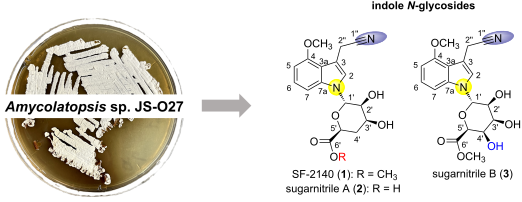
- constants and NOESY data, and comparison of their electronic circular dichroism (ECD) spectra. Compounds 1 and 3 exhibited moderate to weak antibacterial activity against Escherichia coli at 100 μg/mL. Keywords: Amycolatopsis sp.; indole N-glycosides; SF-2140; structure reassignment; sugarnitriles
- characterized [18][19][20][21][22][23][24][25][26][27]. SF-2140, an indole alkaloid featuring an indole N-glycoside skeleton with a cyano group, was first identified from Actinomadura sp. in 1984 [19]. In 1989, the total synthesis of SF-2140 was achieved, further confirming its structure [28]. Preliminary
- bioactivity studies indicated that SF-2140 exhibits weak antibacterial activity against Gram-positive and Gram-negative bacteria and antiviral activity [19]. Although the chemical structure of SF-2140 has been assigned through total synthesis and X-ray crystallography [19], the lack of 13C and 2D NMR data


Rhodopyran, a carboxylated hexahydrocyclopenta[b]pyran from Rhodococcus
Beilstein J. Org. Chem. 2026, 22, 1107–1113, doi:10.3762/bjoc.22.89
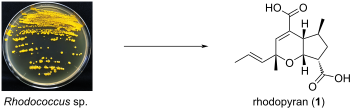
- Rhodococcus sp. strain RD066637. The planar structure was elucidated by 1D/2D NMR analyses and HRMS spectrometry, and the relative configuration was assigned from vicinal coupling constants and NOESY correlations, while the absolute configuration remains undetermined. Rhodopyran represents a structurally
- than that of Streptomyces. In our continuing cultivation-based survey of metabolites from Rhodococcus, Rhodococcus sp. strain RD066637 was found to produce a new cyclopenta[b]pyran metabolite, rhodopyran (1) (Figure 1). Herein, we describe the isolation, structure elucidation, relative configuration
- the culture extract, they were either also present in the medium control, present only in trace amounts, or did not yield sufficient material for complete structure elucidation. Therefore, this study focused on compound 1. Compound 1 was obtained as an optically active colorless powder ([α]D25 −69 (c


Controlled supramolecular assemblies of luminescent tridentate cyclometalated alkynylgold(III) amphiphiles in aqueous media
Beilstein J. Org. Chem. 2026, 22, 1097–1106, doi:10.3762/bjoc.22.88
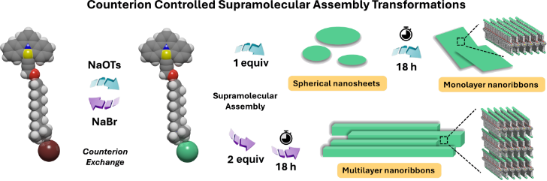
- tridentate cyclometalated gold(III) amphiphile (GA) with flexible molecular structure modifications. Counterion exchange with sodium tosylate induces notable luminescent enhancement and enables control over supramolecular assembly processes. This approach drives a supramolecular assembly transformation of GA
- that of an aqueous solution of GA at 50 °C (Figure 1b, black line). This can be illustrated by the vibronic-structured emission band quenched at increased temperature and in the organic medium due to possible non-radiative decay pathways. These results further confirmed that the vibronic-structure


Synthesis and acaricidal activity against Varroa destructor of α- and γ-costic acid dimers
Beilstein J. Org. Chem. 2026, 22, 1088–1096, doi:10.3762/bjoc.22.87
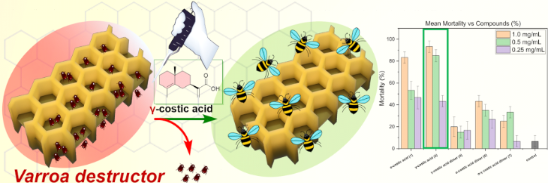
- affect mortality. These results show that the acaricidal activity of costic acid derivatives is highly structure-specific and dose-dependent, with γ-costic acid (3), the acaricidal activity of which was never reported before, emerging as the most promising candidate for the development of effective and


Amino acid-based surfactants: sustainable synthesis and antimicrobial mechanisms
Beilstein J. Org. Chem. 2026, 22, 1067–1085, doi:10.3762/bjoc.22.85
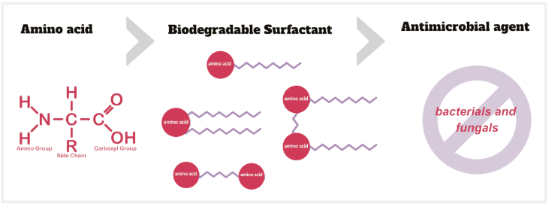
- numerous microorganisms and their biofilms. The antimicrobial action of these agents can be explained by their amphiphilic structure, a configuration that allows interactions with structural components, such as the microorganism membranes and extracellular matrices of biofilms, promoting destructive
- agents are classified as amphiphiles due to the presence of hydrophilic (polar) and hydrophobic (apolar) groups in their chemical structure (Figure 1). Moreover, they can be of biological origin (biosurfactants) or synthetic, from non-renewable or renewable sources, for instance made of amino acids [8][9
- can be explained by their cationic charge and amphipathic structure [21][22]. This configuration allows these compounds to give rise to electrostatic and hydrophobic interactions with the cell membranes of microorganisms, which are mainly formed by a lipid bilayer [23]. The studies on the


Synthesis of functionalized, 13-alkyl-substituted coralyne derivatives and investigation of their interactions with duplex and abasic site-containing DNA
Beilstein J. Org. Chem. 2026, 22, 1057–1066, doi:10.3762/bjoc.22.84
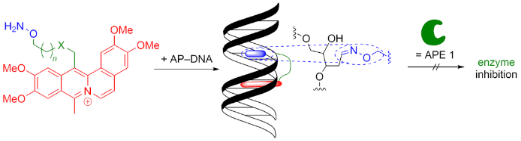
- intensively investigated interdisciplinary research field [2][3][4][5]. In particular, one focus is on external ligands which form complexes with DNA by groove binding or intercalation and thus block the binding sites of the DNA and/or significantly change the helix structure at the binding site [2][3][4][5
- , the carboxylic acid unit of coralyne 2d was esterified by the reaction with ethyl 4-aminobutanoate hydrochloride [46] and PyBOP as coupling reagent (Scheme 4). The structure of the resulting coralyne was confirmed by NMR spectroscopy (1H, 13C, 19F) and mass spectrometry, but the analysis also revealed


Synthesis of novel 1,2,4-oxadiazole-isoxazoline hybrids and their in silico potential with adenosine receptors
Beilstein J. Org. Chem. 2026, 22, 1033–1047, doi:10.3762/bjoc.22.82
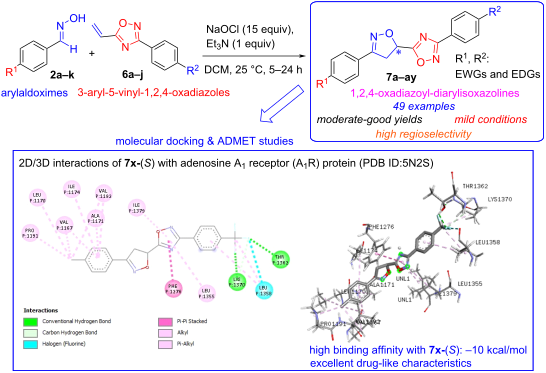
- essential. Future studies should therefore focus on in vitro and in vivo biological evaluation to confirm receptor activity, clarify agonist versus antagonist behavior, establish structure–activity relationships (SAR), and assess pharmacokinetic stability and toxicity profiles. General structure of


Semisynthesis, characterisation, and antibacterial evaluation of a novel lecanoric acid-derived amide library
Beilstein J. Org. Chem. 2026, 22, 1023–1032, doi:10.3762/bjoc.22.81
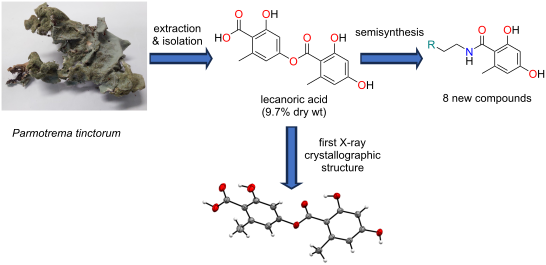
- ]. Spectroscopic and spectrometric literature values were compared with our data in order to identify the five known lichen compounds [17][18][19][20][21][22][23]. Crystalline lecanoric acid (1) was fortuitously obtained during our isolation studies, permitting the first X-ray crystallographic structure of this


Synthesis and optical resolution of 4,5-diaminohomoadamantane: a promising scaffold for chiral ligands and bioactive compounds
Beilstein J. Org. Chem. 2026, 22, 1013–1022, doi:10.3762/bjoc.22.80
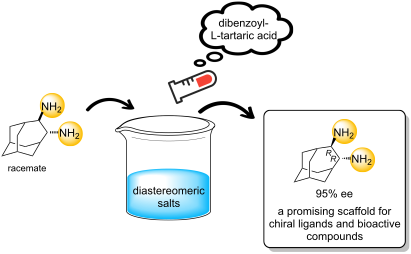
- been of interest to organic chemists for many years. Such a simple and symmetric structure as adamantane is widely used in pharmaceutics to obtain drugs with a wide spectrum of action, as well as to improve the properties of drugs currently in use [1][2][3][4][5][6][7]. The chemistry of adamantane has
- configurations when using ligands of similar structure indicates an enantiodivergent effect [105]. The ligand 19′ was studied in a model Michael reaction. The reaction of nitrostyrene with diethyl malonate was conducted in chloroform in the presence of ligand 19′, NiBr2, and NEt3 (2 mol % each). This reaction


Rh(III)-catalyzed chelation-assisted C–H activation/annulation of 2-arylimidazolines with cyclic diazo-1,3-dicarbonyl compounds: a novel approach to tetracyclic annulated derivatives of 2,3-dihydroimidazo[2,1-a]isoquinoline
Beilstein J. Org. Chem. 2026, 22, 997–1003, doi:10.3762/bjoc.22.78
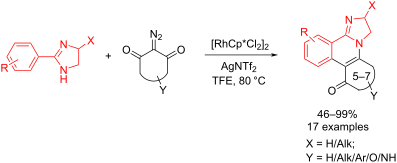
- biologically active compounds. a,b) Structure of biologically active 2,3-dihydroimidazo[2,1-a]isoquinolines (1) and their published syntheses. c) A novel approach to annulated 2,3-dihydroimidazo[2,1-a]isoquinolines via chelation-assisted C–H activation/annulation of 2-arylimidazolines proposed in this work. d


The role of spacer length and flexibility in peptide self-assembly
Beilstein J. Org. Chem. 2026, 22, 986–996, doi:10.3762/bjoc.22.77
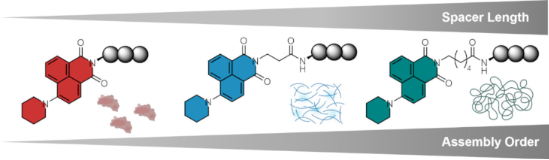
- the sequence, similar to the primary structure of proteins, therefore enabling on-demand production of hierarchical nanostructures. Besides the sequence, the implementation of hydrophobic elements, such as aromatic π-blocks, steroids or alkyl chains, have been successfully applied to enable and


Electrochemical reduction of unsaturated carbon–carbon bonds via 3d transition-metal catalysis
Beilstein J. Org. Chem. 2026, 22, 955–981, doi:10.3762/bjoc.22.75
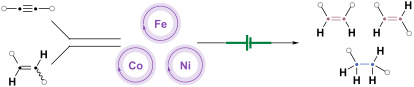
- mechanistic design principles are particularly highlighted. By correlating catalyst structure, electrochemical behavior, and reaction outcome, this review aims to provide a unified framework for understanding how electrochemical control enables new reactivity modes in 3d metal-catalyzed hydrogenation
- operate through hydride transfer or hydride-free pathways depending on ligand environment and applied potential. Consequently, the selection of mechanistic mode is not intrinsic to a single pathway but is instead governed by the interplay between metal identity, ligand structure, and electrochemical








Synthesis of sterically shielded piperidine nitroxides via acid-catalyzed heterocyclization of β-aminoketone derivatives with ketones
Beilstein J. Org. Chem. 2026, 22, 948–954, doi:10.3762/bjoc.22.74
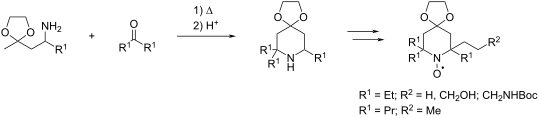
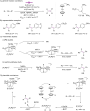
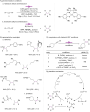
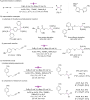
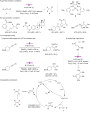
- ), the N-adjacent methine (2.71 ppm), and diastereotopic methylene protons (1.39, 1.58 ppm) supported the assigned structure. Compound 4b exhibited spectral data identical to those previously described [31]. The aminodioxolanes 4a,b were subjected to acid-catalyzed heterocyclization with the
- -tripropyl-substituted piperidines 5a,b were isolated in approximately 50% yield (Scheme 2). The full-line shape analysis of the 1H NMR spectrum of piperidine 5a was simulated using the gNMR software (version 5.0) [32] and the extracted spin-system parameters were consistent with the proposed structure (see


A practical CO2-mediated synthesis of 5,6-carboxylated silicon-rhodamines for targeted probe development
Beilstein J. Org. Chem. 2026, 22, 915–924, doi:10.3762/bjoc.22.72
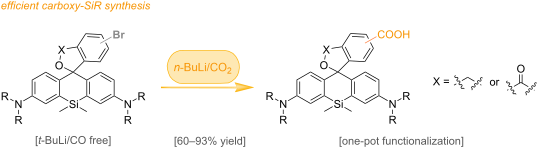
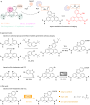
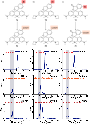
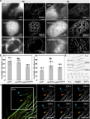
- -resolution imaging. Overall, this work improves the synthetic accessibility of functionalized SiR dyes and provides a concise and versatile platform for the rapid development of targeted super-resolution probes. (a) Modular structure of spirocyclic rhodamines. (b) Conventional carboxylation strategies. (c



Cascade transformation of 2-(diazoacetyl)-2H-azirines to 2-aroyl-3-hydroxy-1H-pyrroles via condensation with aromatic aldehydes
Beilstein J. Org. Chem. 2026, 22, 897–904, doi:10.3762/bjoc.22.70
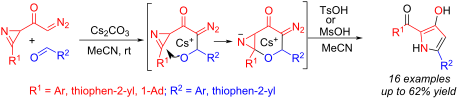
- of the molecular ion by HRMS for this crude product. The IR spectrum of the compound contains a band of the diazo group at 2087 cm−1. According to the 1H NMR spectrum, the product consists of more than 90% of one diastereoisomer, the spatial structure of which was established using a 2D NOESY
- experiment (see Supporting Information File 1). The entire set of spectral data allows us to assign the structure (1RR,3SR,6RR)-4-diazo-3-(4-iodophenyl)-1-(3-methoxyphenyl)-2-oxa-7-azabicyclo[4.1.0]heptan-5-one (4b) to the main product (Scheme 2). The presence of cross peaks of the HN proton with both the
- , using the found optimal conditions (Table 1), a series of 2-aroyl-3-hydroxypyrroles 5a–p were synthesized (Scheme 5). The structure of compound 5a was confirmed by an X-ray structural analysis (CCDC 2536266). The yield of products 5a–m,p was 25–62% in 2 synthetic steps, with complete conversion of the


Chiral cyclopropenimine-catalyzed enantioselective Michael reactions of phenol and benzofuran-derived α,β-unsaturated pyrazolamides with benzophenone-imine of glycine esters
Beilstein J. Org. Chem. 2026, 22, 888–896, doi:10.3762/bjoc.22.69
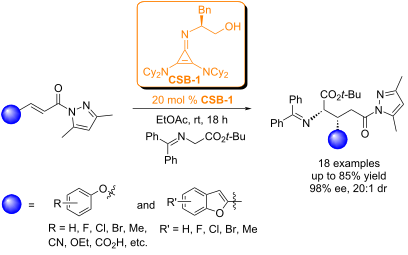
- only provided trace product 6a (Table 1, entry 2), although its structure is very similar to CSB-1. CSB-3 based on vicinal amino-alcohol backbone also afforded trace product. The other catalysts resulted in no reaction of 2a and 5a (Table 1, entries 3–9). These results show the unique catalytic and






Diastereodivergent electrophilic trapping of α-boryl lithium derivatives
Beilstein J. Org. Chem. 2026, 22, 882–887, doi:10.3762/bjoc.22.68
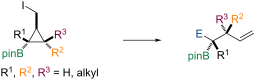
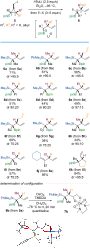
- results suggest that the stereochemical outcome is independent of the initial configuration at C2 and is instead dictated by conformational preferences of the α-boryl lithium intermediate. A simplified steric model is proposed in which lithium coordination induces a pseudo-chelated structure that controls




The trans-influence in gold chemistry from a catalytic perspective
Beilstein J. Org. Chem. 2026, 22, 838–856, doi:10.3762/bjoc.22.66
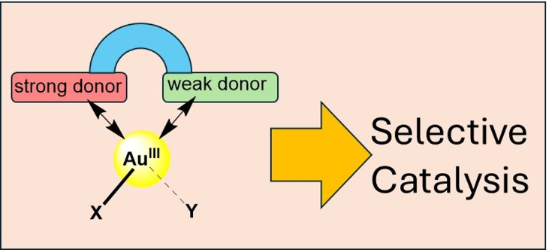
- documented in monographs and special themed journal issues, see for example [1][2][3][4][5][6][7][8][9][10]. Of special interest here are gold complexes supported by bidentate and tridentate ligands; their chemistry has been the subject of a number of reviews, covering different aspects of structure, bonding
- -mediated reaction mechanisms. Following a brief discussion of general considerations, this Perspective examines how ligand structure and the resulting trans-influence determine reactivity and stability of gold(III) complexes supported by tridentate (pincer) ligands and in bidentate chelates, including
- structure and bonding in the transition state. As summarised in an early review by Appleton, Clark and Manzer [22], both σ-donation and π-effects of the ligands are important. Ligands with strong trans-influence are typically either strong π-acceptors such as CO and CN−, and strong σ-donors, like


Unsymmetrical sulfoxides with sterically hindered catechol fragment: synthesis, structure, electrochemical properties, and antiradical activity
Beilstein J. Org. Chem. 2026, 22, 828–837, doi:10.3762/bjoc.22.65
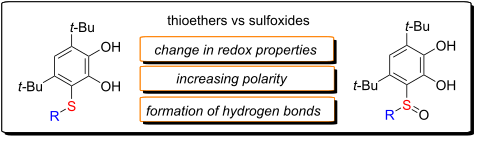
- soft sulfoxide group within a single molecule also provides a basis for the preparation of metal complexes with unusual properties. The aim of the present work is to synthesize new unsymmetrical sulfoxides bearing hydrocarbon fragments derived from catechol thioethers, to study their structure and
- depending on the structure of the hydrocarbon substituent (Figure 2, curves 2–3; Figures S28–S32 in Supporting Information File 1). For compounds 1a–7a, the first irreversible two-electron redox transition is observed at 1.19–1.27 V and corresponds to the oxidation of the catechol moiety. The presence of
- ) and to 3,5-DTBC (13.1 ± 1.3 μM). The number of converted DPPH molecules per one molecule (nDPPH) for 1a is more than two. The high antiradical activity of sulfoxide 1a may be attributed to its structure, specifically to the smaller size of the alkyl substituent at the S=O group relative to the other


Total synthesis of the capsular polysaccharide repeating unit towards the development of a glycoconjugate vaccine against Klebsiella pneumoniae ST512
Beilstein J. Org. Chem. 2026, 22, 821–827, doi:10.3762/bjoc.22.64
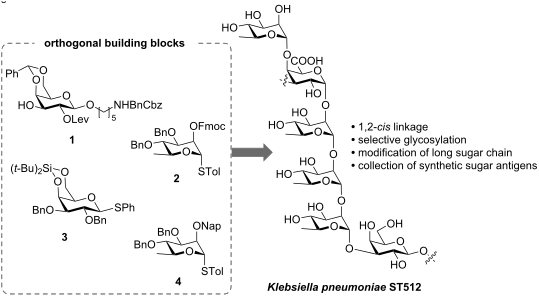
- . pneumoniae ST512. These structurally defined synthetic glycans serve as a precise molecular platform for elucidating structure-immunogenicity relationships and guiding the rational design of glycoconjugate vaccines. Results and Discussion The CPS of K. pneumoniae ST512 consists of a branched hexasaccharide
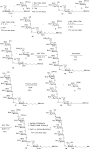
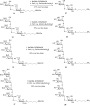
- evaluation. This work represents a key step toward the development of semi-synthetic glycoconjugate vaccines against multidrug-resistant K. pneumoniae. Structure of the K. pneumoniae ST512 CPS repeating unit and retrosynthetic analysis. Preparation of building blocks 1–4. Synthesis of hexasaccharide


Knoevenagel condensation of 4,5- and 1,8-diazafluorenes
Beilstein J. Org. Chem. 2026, 22, 803–812, doi:10.3762/bjoc.22.62
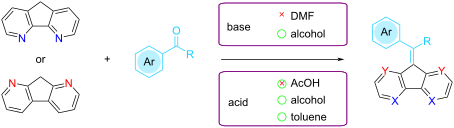
- products’ structure, physicochemical properties and coordination behavior (for 4,5-derivative). Both 4,5- and 1,8-diazafluorenes reacted with di(pyrid-2-yl)ketone forming di(pyridin-2-yl)methylene)-9H-4,5-diazafluorene (4,5-DPDAF) and 9-(di(pyridin-2-yl)methylene)-9H-1,8-diazafluorene (1,8-DPDAF) in 54
- -DPDAF and 1,8-DPDAF, respectively. Accordingly, the HOMO energies were −6.38 eV and −6.25 eV for 4,5-DPDAF and 1,8-DPDAF being in accordance with the high electron affinity of diazafluorenes. As a next step we solved the crystal structures of both compounds. Here we discuss the structure of 4,5-DPDAF
- -DPDAF) where Zn is four-coordinated to the nitrogens of the diazafluorene and pyridine rings forming a positively charged cyclic dimer (Figure 2d). The dimers are arranged in a herringbone-type structure via C–H···π, C–Cl···π and π-stacking interactions between diazafluorene and pyridine (Figure 2f