


Search results
Search for "Mannich reaction" in Full Text gives 77 result(s) in Beilstein Journal of Organic Chemistry.
N-tert-Butanesulfinyl imines in the asymmetric synthesis of nitrogen-containing heterocycles
- Joseane A. Mendes,
- Paulo R. R. Costa,
- Miguel Yus,
- Francisco Foubelo and
- Camilla D. Buarque
Beilstein J. Org. Chem. 2021, 17, 1096–1140, doi:10.3762/bjoc.17.86

- number of classical methodologies have been used for their synthesis, in which the key step is the generation of the six-membered ring, including the aldol reaction, the reductive amination, Mannich reaction, ring closing metathesis, Diels–Alder reaction with imines as dienophiles, aza-Prins cyclization

Graphical Abstract

Scheme 1: General strategy for the enantioselective synthesis of N-containing heterocycles from N-tert-butane...

Scheme 2: Methodologies for condensation of aldehydes and ketones with tert-butanesulfinamides (1).

Scheme 3: Transition models for cis-aziridines and trans-aziridines.

Scheme 4: Mechanism for the reduction of N-tert-butanesulfinyl imines.

Scheme 5: Transition models for the addition of organomagnesium and organolithium compounds to N-tert-butanes...

Scheme 6: Synthesis of 2,2-dibromoaziridines 15 from aldimines 14 and bromoform, and proposed non-chelation-c...

Scheme 7: Diastereoselective synthesis of aziridines from tert-butanesulfinyl imines.

Scheme 8: Synthesis of vinylaziridines 22 from aldimines 14 and 1,3-dibromopropene 23, and proposed chelation...

Scheme 9: Synthesis of vinylaziridines 27 from aldimines 14 and α-bromoesters 26, and proposed transition sta...

Scheme 10: Synthesis of 2-chloroaziridines 28 from aldimines 14 and dichloromethane, and proposed transition s...

Scheme 11: Synthesis of cis-vinylaziridines 30 and 31 from aldimines 14 and bromomethylbutenolide 29.

Scheme 12: Synthesis of 2-chloro-2-aroylaziridines 36 and 32 from aldimines 14, arylnitriles 34, and silyldich...

Scheme 13: Synthesis of trifluoromethylaziridines 39 and proposed transition state of the aziridination.

Scheme 14: Synthesis of aziridines 42 and proposed state transition.

Scheme 15: Synthesis of 1-substituted 2-azaspiro[3.3]heptanes, 1-phenyl-2-azaspiro[3.4]octane and 1-phenyl-2-a...

Scheme 16: Synthesis of 1-substituted 2,6-diazaspiro[3.3]heptanes 48 from chiral imines 14 and 1-Boc-azetidine...

Scheme 17: Synthesis of β-lactams 52 from chiral imines 14 and dimethyl malonate (49).

Scheme 18: Synthesis of spiro-β-lactam 57 from chiral (RS)-N-tert-butanesulfinyl isatin ketimine 53 and ethyl ...

Scheme 19: Synthesis of β-lactam 60, a precursor of (−)-batzelladine D (61) and (−)-13-epi-batzelladine D (62)...

Scheme 20: Rhodium-catalyzed asymmetric synthesis of 3-substituted pyrrolidines 66 from chiral imine (RS)-63 a...

Scheme 21: Asymmetric synthesis of 1,3-disubstituted isoindolines 69 and 70 from chiral imine 67.

Scheme 22: Asymmetric synthesis of cis-2,5-disubstituted pyrrolidines 73 from chiral imine (RS)-71.

Scheme 23: Asymmetric synthesis of 3-hydroxy-5-substituted pyrrolidin-2-ones 77 from chiral imine (RS)-74.

Scheme 24: Asymmetric synthesis of 4-hydroxy-5-substituted pyrrolidin-2-ones 80 from chiral imines 79.

Scheme 25: Asymmetric synthesis of 3-pyrrolines 82 from chiral imines 14 and ethyl 4-bromocrotonate (81).

Scheme 26: Asymmetric synthesis of γ-amino esters 84, and tetramic acid derivative 86 from chiral imines (RS)-...

Scheme 27: Asymmetric synthesis of α-methylene-γ-butyrolactams 90 from chiral imines (Z,SS)-87 and ethyl 2-bro...

Scheme 28: Asymmetric synthesis of methylenepyrrolidines 92 from chiral imines (RS)-14 and 2-(trimethysilylmet...

Scheme 29: Synthesis of dibenzoazaspirodecanes from cyclic N-tert-butanesulfinyl imines.

Scheme 30: Stereoselective synthesis of cyclopenta[c]proline derivatives 103 from β,γ-unsaturated α-amino acid...

Scheme 31: Stereoselective synthesis of alkaloids (−)-angustureine (107) and (−)-cuspareine (108).

Scheme 32: Stereoselective synthesis of alkaloids (−)-pelletierine (112) and (+)-coniine (117).

Scheme 33: Synthesis of piperidine alkaloids (+)-dihydropinidine (122a), (+)-isosolenopsin (122b) and (+)-isos...

Scheme 34: Stereoselective synthesis of the alkaloids(+)-sedamine (125) from chiral imine (SS)-119.

Scheme 35: Stereoselective synthesis of trans-5-hydroxy-6-substituted-2-piperidinones 127 and 129 from chiral ...

Scheme 36: Stereoselective synthesis of trans-5-hydroxy-6-substituted ethanone-2-piperidinones 132 from chiral...

Scheme 37: Stereoselective synthesis of trans-3-benzyl-5-hydroxy-6-substituted-2-piperidinones 136 from chiral...

Scheme 38: Stereoselective synthesis of trans-5-hydroxy-6-substituted 2-piperidinones 139 from chiral imine 138...

Scheme 39: Stereoselective synthesis of ʟ-hydroxypipecolic acid 145 from chiral imine 144.

Scheme 40: Synthesis of 1-substituted isoquinolones 147, 149 and 151.

Scheme 41: Stereoselective synthesis of 3-substituted dihydrobenzo[de]isoquinolinones 154.

Scheme 42: Enantioselective synthesis of alkaloids (S)-1-benzyl-6,7-dimethoxy-1,2,3,4-tetrahydroisoquinoline (...

Scheme 43: Enantioselective synthesis of alkaloids (−)-cermizine B (171) and (+)-serratezomine E (172) develop...

Scheme 44: Stereoselective synthesis of (+)-isosolepnosin (177) and (+)-solepnosin (178) from homoallylamine d...

Scheme 45: Stereoselective synthesis of tetrahydroquinoline derivatives 184, 185 and 187 from chiral imines (RS...

Scheme 46: Stereoselective synthesis of pyridobenzofuran and pyridoindole derivatives 193 from homopropargylam...

Scheme 47: Stereoselective synthesis of 2-substituted 1,2,5,6-tetrahydropyridines 196 from chiral imines (RS)-...

Scheme 48: Stereoselective synthesis of 2-substituted trans-2,6-disubstituted piperidine 199 from chiral imine...

Scheme 49: Stereoselective synthesis of cis-2,6-disubstituted piperidines 200, and alkaloid (+)-241D, from chi...

Scheme 50: Stereoselective synthesis of 6-substituted piperidines-2,5-diones 206 and 1,7-diazaspiro[4.5]decane...

Scheme 51: Stereoselective synthesis of spirocyclic oxindoles 210 from chiral imines (RS)-53.

Scheme 52: Stereoselective synthesis of azaspiro compound 213 from chiral imine 211.

Scheme 53: Stereoselective synthesis of tetrahydroisoquinoline derivatives from chiral imines (RS)-214.

Scheme 54: Stereoselective synthesis of (−)-crispine A 223 from chiral imine (RS)-214.

Scheme 55: Synthesis of (−)-harmicine (228) using tert-butanesulfinamide through haloamide cyclization.

Scheme 56: Stereoselective synthesis of tetraponerines T1–T8.

Scheme 57: Stereoselective synthesis of phenanthroindolizidines 246a and (−)-tylophorine (246b), and phenanthr...

Scheme 58: Stereoselective synthesis of indoline, tetrahydroquinoline and tetrahydrobenzazepine derivatives 253...

Scheme 59: Stereoselective synthesis of (+)-epohelmin A (258) and (+)-epohelmin B (260) from aldimine (RS)-79.

Scheme 60: Stereoselective synthesis of (−)-epiquinamide (266) from chiral aldimine (SS)-261.

Scheme 61: Synthesis synthesis of (–)-hippodamine (273) and (+)-epi-hippodamine (272) using chiral sulfinyl am...

Scheme 62: Stereoselective synthesis of (+)-grandisine D (279) and (+)-amabiline (283).

Scheme 63: Stereoselective synthesis of (−)-epiquinamide (266) and (+)-swaisonine (291) from aldimine (SS)-126....

Scheme 64: Stereoselective synthesis of (+)-C(9a)-epi-epiquinamide (294).

Scheme 65: Stereoselective synthesis of (+)-lasubine II (298) from chiral aldimine (SS)-109.

Scheme 66: Stereoselective synthesis of (−)-epimyrtine (300a) and (−)-lasubine II (ent-302) from β-amino keton...

Scheme 67: Stereoselective synthesis of (−)-tabersonine (310), (−)-vincadifformine (311), and (−)-aspidospermi...

Scheme 68: Stereoselective synthesis of (+)-epohelmin A (258) and (+)-epohelmin B (260) from aldehyde 313 and ...

Scheme 69: Total synthesis of (+)-lysergic acid (323) from N-tert-butanesulfinamide (RS)-1.
CF3-substituted carbocations: underexploited intermediates with great potential in modern synthetic chemistry
- Anthony J. Fernandes,
- Armen Panossian,
- Bastien Michelet,
- Agnès Martin-Mingot,
- Frédéric R. Leroux and
- Sébastien Thibaudeau
Beilstein J. Org. Chem. 2021, 17, 343–378, doi:10.3762/bjoc.17.32
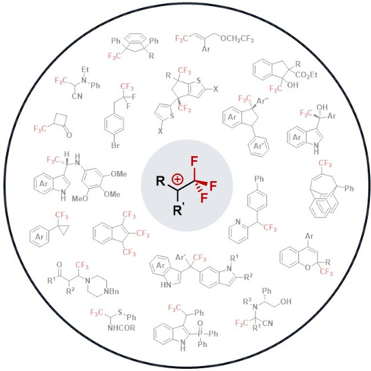

Graphical Abstract

Figure 1: Stabilizing interaction in the CF3CH2+ carbenium ion (top) and structure of the first observable fl...

Scheme 1: Isodesmic equations accounting for the destabilizing effect of the CF3 group. ΔE in kcal⋅mol−1, cal...

Scheme 2: Stabilizing effect of fluorine atoms by resonance electron donation in carbenium ions (δ in ppm).
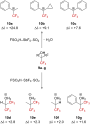
Scheme 3: Direct in situ NMR observation of α-(trifluoromethyl)carbenium ion or protonated alcohols. Δδ = δ19...

Scheme 4: Reported 13C NMR chemical shifts for the α-(trifluoromethyl)carbenium ion 10c (δ in ppm).
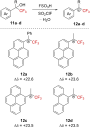
Scheme 5: Direct NMR observation of α-(trifluoromethyl)carbenium ions in situ (δ in ppm).

Scheme 6: Illustration of the ion pair solvolysis mechanism for sulfonate 13f. YOH = solvent.
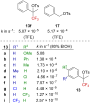
Figure 2: Solvolysis rate for 13a–i and 17.

Figure 3: Structures of allyl triflates 18 and 19 and allyl brosylate 20. Bs = p-BrC6H4SO2.

Figure 4: Structure of tosylate derivatives 21.
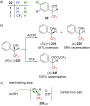
Figure 5: a) Structure of triflate derivatives 22. b) Stereochemistry outcomes of the reaction starting from (...

Scheme 7: Solvolysis reaction of naphthalene and anthracenyl derivatives 26 and 29.

Figure 6: Structure of bisarylated derivatives 34.

Figure 7: Structure of bisarylated derivatives 36.

Scheme 8: Reactivity of 9c in the presence of a Brønsted acid.
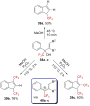
Scheme 9: Cationic electrocyclization of 38a–c under strongly acidic conditions.

Scheme 10: Brønsted acid-catalyzed synthesis of indenes 42 and indanes 43.

Scheme 11: Reactivity of sulfurane 44 in triflic acid.

Scheme 12: Solvolysis of triflate 45f in alcoholic solvents.

Scheme 13: Synthesis of labeled 18O-52.

Scheme 14: Reactivity of sulfurane 53 in triflic acid.

Figure 8: Structure of tosylates 56 and 21f.

Scheme 15: Resonance forms in benzylic carbenium ions.

Figure 9: Structure of pyrrole derivatives 58 and 59.

Scheme 16: Resonance structure 60↔60’.
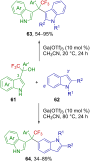
Scheme 17: Ga(OTf)3-catalyzed synthesis of 3,3’- and 3,6’-bis(indolyl)methane from trifluoromethylated 3-indol...

Scheme 18: Proposed reaction mechanism.

Scheme 19: Metal-free 1,2-phosphorylation of 3-indolylmethanols.
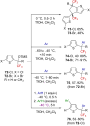
Scheme 20: Superacid-mediated arylation of thiophene derivatives.

Scheme 21: In situ mechanistic NMR investigations.
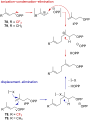
Scheme 22: Proposed mechanisms for the prenyltransferase-catalyzed condensation.

Scheme 23: Influence of a CF3 group on the allylic SN1- and SN2-mechanism-based reactions.

Scheme 24: Influence of the CF3 group on the condensation reaction.

Scheme 25: Solvolysis of 90 in TFE.

Scheme 26: Solvolysis of allyl triflates 94 and 97 and isomerization attempt of 96.

Scheme 27: Proposed mechanism for the formation of 95.

Scheme 28: Formation of α-(trifluoromethyl)allylcarbenium ion 100 in a superacid.
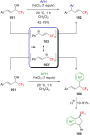
Scheme 29: Lewis acid activation of CF3-substituted allylic alcohols.
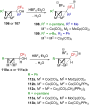
Scheme 30: Bimetallic-cluster-stabilized α-(trifluoromethyl)carbenium ions.
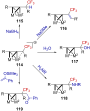
Scheme 31: Reactivity of cluster-stabilized α-(trifluoromethyl)carbenium ions.
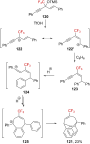
Scheme 32: α-(Trifluoromethyl)propargylium ion 122↔122’ generated from silyl ether 120 in a superacid.
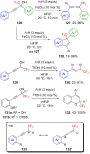
Scheme 33: Formation of α-(trifluoromethyl)propargylium ions from CF3-substituted propargyl alcohols.
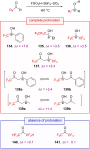
Scheme 34: Direct NMR observation of the protonation of some trifluoromethyl ketones in situ and the correspon...

Scheme 35: Selected resonance forms in protonated fluoroketone derivatives.

Scheme 36: Acid-catalyzed Friedel–Crafts reactions of trifluoromethyl ketones 143a,b and 147a–c.

Scheme 37: Enantioselective hydroarylation of CF3-substituted ketones.
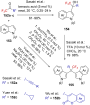
Scheme 38: Acid-catalyzed arylation of ketones 152a–c.

Scheme 39: Reactivity of 156 in a superacid.
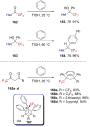
Scheme 40: Reactivity of α-CF3-substituted heteroaromatic ketones and alcohols as well as 1,3-diketones.

Scheme 41: Reactivity of 168 with benzene in the presence of a Lewis or Brønsted acid.

Scheme 42: Acid-catalyzed three-component asymmetric reaction.

Scheme 43: Anodic oxidation of amines 178a–c and proposed mechanism.
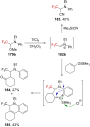
Scheme 44: Reactivity of 179b in the presence of a strong Lewis acid.

Scheme 45: Trifluoromethylated derivatives as precursors of trifluoromethylated iminium ions.

Scheme 46: Mannich reaction with trifluoromethylated hemiaminal 189.

Scheme 47: Suitable nucleophiles reacting with 192 after Lewis acid activation.
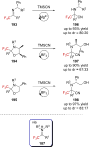
Scheme 48: Strecker reaction involving the trifluoromethylated iminium ion 187.
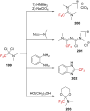
Scheme 49: Reactivity of 199 toward nucleophiles.

Scheme 50: Reactivity of 204a with benzene in the presence of a Lewis acid.

Scheme 51: Reactivity of α-(trifluoromethyl)-α-chloro sulfides in the presence of strong Lewis acids.

Scheme 52: Anodic oxidation of sulfides 213a–h and Pummerer rearrangement.

Scheme 53: Mechanism for the electrochemical oxidation of the sulfide 213a.

Scheme 54: Reactivity of (trifluoromethyl)diazomethane (217a) in HSO3F.

Figure 10: a) Structure of diazoalkanes 217a–c and b) rate-limiting steps of their decomposition.

Scheme 55: Deamination reaction of racemic 221 and enantioenriched (S)-221.

Scheme 56: Deamination reaction of labeled 221-d2. Elimination products were formed in this reaction, the yiel...
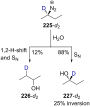
Scheme 57: Deamination reaction of 225-d2. Elimination products were also formed in this reaction in undetermi...

Scheme 58: Formation of 229 from 228 via 1,2-H-shift.

Scheme 59: Deamination reaction of 230. Elimination products were formed in this reaction, the yield of which ...

Scheme 60: Deamination of several diazonium ions. Elimination products were formed in these reactions, the yie...

Scheme 61: Solvolysis reaction mechanism of alkyl tosylates.

Scheme 62: Solvolysis outcome for the tosylates 248 and 249 in HSO3FSbF5.

Figure 11: Solvolysis rate of 248, 249, 252, and 253 in 91% H2SO4.

Scheme 63: Illustration of the reaction pathways. TsCl, pyridine, −5 °C (A); 98% H2SO4, 30 °C (B); 98% H2SO4, ...

Scheme 64: Proposed solvolysis mechanism for the aliphatic tosylate 248.

Scheme 65: Solvolysis of the derivatives 259 and 260.

Scheme 66: Solvolysis of triflate 261. SOH = solvent.

Scheme 67: Intramolecular Friedel–Crafts alkylations upon the solvolysis of triflates 264 and 267.

Scheme 68: α-CF3-enhanced γ-silyl elimination of cyclobutyltosylates 270a,b.
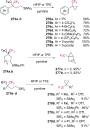
Scheme 69: γ-Silyl elimination in the synthesis of a large variety of CF3-substituted cyclopropanes. Pf = pent...

Scheme 70: Synthetic pathways to 281. aNMR yields.

Scheme 71: The cyclopropyl-substituted homoallylcyclobutylcarbenium ion manifold.
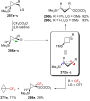
Scheme 72: Reactivity of CF3-substituted cyclopropylcarbinyl derivatives 287a–c. LG = leaving group.

Scheme 73: Reactivity of CF3-substituted cyclopropylcarbinyl derivatives 291a–c.

Scheme 74: Superacid-promoted dimerization or TFP.

Scheme 75: Reactivity of TFP in a superacid.
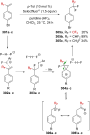
Scheme 76: gem-Difluorination of α-fluoroalkyl styrenes via the formation of a “hidden” α-RF-substituted carbe...

Scheme 77: Solvolysis of CF3-substituted pentyne 307.

Scheme 78: Photochemical rearrangement of 313.

Figure 12: Structure of 2-norbornylcarbenium ion 318 and argued model for the stabilization of this cation.

Figure 13: Structures and solvolysis rate (TFE, 25 °C) of the sulfonates 319–321. Mos = p-MeOC6H4SO2.

Scheme 79: Mechanism for the solvolysis of 323. SOH = solvent.

Scheme 80: Products formed by the hydrolysis of 328.

Scheme 81: Proposed carbenium ion intermediates in an equilibrium during the solvolysis of tosylates 328, 333,...
Direct synthesis of anomeric tetrazolyl iminosugars from sugar-derived lactams
- Michał M. Więcław and
- Bartłomiej Furman
Beilstein J. Org. Chem. 2021, 17, 115–123, doi:10.3762/bjoc.17.12
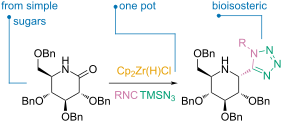
- as the aldol reaction [30], Michael addition [31], Mannich reaction [32], and hydrogenation [33]. Results and Discussion Quite recently Xie and Dixon showed that it is possible to synthesize α-tetrazolylamines from simple and linear tertiary amides using an iridium-based catalytic protocol [19]. They
- widely used as organocatalysts. Such moieties are employed in a number of important synthetic transformations, including the aldol reaction [30], Michael addition [31], Mannich reaction [32], and hydrogenation [33]. We plan to test these possibilities in the near future. Stereochemistry and configuration

Graphical Abstract

Scheme 1: Our previous efforts in the field of functionalization of sugar-derived lactams.

Figure 1: Key concepts behind the goal of this work [34].

Scheme 2: Preliminary experiment in search of a procedure for the synthesis of 2-(1H-tetrazol-5-yl)-iminosuga...

Scheme 3: Synthesis of a new class of alkaloid scaffold using the presented methodology.

Scheme 4: Synthesis of a new, chiral 2-(tetrazol-5-yl)-iminosugar based potential organocatalyst.

Scheme 5: Principle behind Woerpel’s model for prediction of the direction of nucleophile addition to oxocarb...

Scheme 6: Difference in conformational stability of glucose- and galactose-derived iminium cations and the maj...
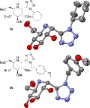
Figure 2: ORTEP structures of compounds 3a and 3e obtained by X-ray analysis. Hydrogen atoms and benzyl group...

Figure 3: Proposed structures of compounds 5a and 2-epi-5a with 1H-1H couplings and NOE effects shown.

Scheme 7: Proposed reaction mechanism for the described Ugi–azide reaction variant.

Scheme 8: Possible pathway for spontaneous imine formation. Values reported are in kcal·mol−1.

Scheme 9: A possible path for tetrazole formation in the described conditions. Values reported are in kcal·mol...
Recent progress in the synthesis of homotropane alkaloids adaline, euphococcinine and N-methyleuphococcinine
- Dimas J. P. Lima,
- Antonio E. G. Santana,
- Michael A. Birkett and
- Ricardo S. Porto
Beilstein J. Org. Chem. 2021, 17, 28–41, doi:10.3762/bjoc.17.4
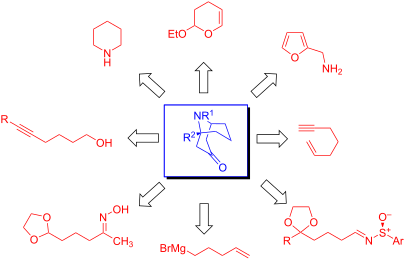
- forms. Key (homotropane construction) steps included: i) inter and intramolecular Mannich reaction; ii) double Michael addition in the cyclooctadienone derivative; and iii) intramolecular 1,3-dipolar cycloaddition. As shown in Scheme 1, the azabicyclononane ring is an interesting target for strategies
- based on the Mannich reaction. This methodology is mostly used in some cases, with few steps, and from commercially available reagents. Holmes synthesis – 1995 Davison and Holmes prepared racemic (±)-adaline (1) and (±)-euphococcinine (2). The key step in the synthesis involved the intramolecular
- on an intramolecular Mannich reaction that occurred in intermediate 31 (Scheme 4). Thus, thiolactam 26 was quantitatively converted to lactam 27, using the Belleau's reagent [43]. 27 was treated with Weinreb amide 33, prepared from commercially available bromoacetyl bromide [44] to provide the

Graphical Abstract

Figure 1: Homotropane (azabicyclononane) systems.

Figure 2: Alkaloids (−)-adaline (1), (+)-euphococcinine (2) and (+)-N-methyleuphococcinine (3).

Scheme 1: Synthetic strategies before 1995.

Scheme 2: Synthesis (±)-adaline (1) and (±)-euphococcinine (2). Reagents and conditions: i) 1. dihydropyran, ...

Scheme 3: Synthesis (+)-euphococcinine (2). Reagents and conditions: i) H2O2, SeO2 (cat), acetone, rt, 88%; i...

Scheme 4: Synthesis (+)-euphococcinine (2). Reagents and conditions: i) 2,4-bis(4-phenoxyphenyl)-1,3-dithia-2...

Scheme 5: Synthesis of (±)-euphococcinine precursor (±)-42. Reagents and conditions: i) Bu3SnH, AIBN, toluene...

Scheme 6: Synthesis of (−)-adaline (1). Reagents and conditions: i) LiH2NBH3, THF, 40 °C, 88%; ii) TPAP, NMO,...

Scheme 7: Synthesis of (−)-adaline (1) and (−)-euphococcinine (2). Reagents and conditions: i) 1. BuLi, t-BuO...

Scheme 8: Synthesis of (−)-adaline (1). Reagents and conditions: i) Ref. [52]; ii) Et3N, TBDMSOTf, CH2Cl2, 0 °C t...

Scheme 9: Synthesis of (+)-euphococcinine (2). Reagents and conditions: i) 1. Cp2ZrCl2,AlMe3, CH2Cl2; 2. p-me...

Scheme 10: Synthesis of (−)-adaline 1. Reagents and conditions: i) 1. CuBr.DMS, Et2O/DMS, -42 ºC; 2. 1-heptyne...

Scheme 11: Synthesis of (−)-euphococcinine (2) and (−)-adaline (1). Reagents and conditions: i) 102, KHMDS, Et2...

Scheme 12: Synthesis of N-methyleuphococcinine 3. Reagents and conditions: i) 108 (1.5 equiv), 3,5-di-F-C6H3B(...
Three-component reactions of aromatic amines, 1,3-dicarbonyl compounds, and α-bromoacetaldehyde acetal to access N-(hetero)aryl-4,5-unsubstituted pyrroles
- Wenbo Huang,
- Kaimei Wang,
- Ping Liu,
- Minghao Li,
- Shaoyong Ke and
- Yanlong Gu
Beilstein J. Org. Chem. 2020, 16, 2920–2928, doi:10.3762/bjoc.16.241
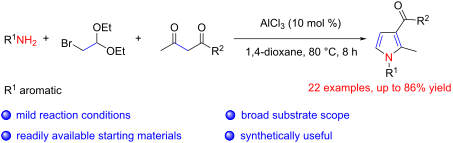
- , the transformations can generally be realized through the following three approaches (Scheme 1): (i) [1 + 1 + 3] annulation, in which (hetero)arylamines are reacted with a C3 donor and a C1 donor to construct pyrrole scaffolds. Kumar et al. [26] developed a proline-catalyzed Mannich reaction

Graphical Abstract

Figure 1: Representative biologically active N-(hetero)aryl-4,5-unsubstituted pyrrole scaffolds.
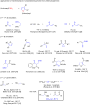
Scheme 1: Typical routes to N-(heteroaryl)-4,5-unsubstituted pyrroles.
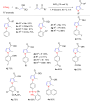
Scheme 2: Substrate scope of the pyrrole synthesis.

Scheme 3: Synthesis of N-heterocyclic pyrroles.

Scheme 4: Direct synthesis of pyrrole-3-carboxamide derivatives.

Scheme 5: Plausible mechanism of the three-component reaction.

Scheme 6: Synthesis of polysubstituted pyrazolo[3,4-b]pyridine derivatives.
Asymmetric Mannich reactions of (S)-N-tert-butylsulfinyl-3,3,3-trifluoroacetaldimines with yne nucleophiles
- Ziyi Li,
- Li Wang,
- Yunqi Huang,
- Haibo Mei,
- Hiroyuki Konno,
- Hiroki Moriwaki,
- Vadim A. Soloshonok and
- Jianlin Han
Beilstein J. Org. Chem. 2020, 16, 2671–2678, doi:10.3762/bjoc.16.217
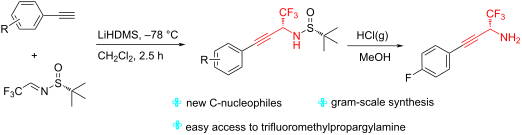
- afford diastereomerically pure compounds. The purified Mannich addition products were deprotected to give the target enantiomerically pure trifluoromethylpropargylamines. A mechanistic rationale for the observed stereochemical outcome is discussed. Keywords: arylethynes; asymmetric Mannich reaction; C
- compounds for the synthesis of biologically relevant targets and their self-disproportionation of enantiomers (SDE) properties [58][59][60] are currently under study and will be reported in due course. Experimental General procedure for the Mannich reaction of arylethynes with sulfinylimine: Into an oven

Graphical Abstract

Figure 1: Anti-HIV compound containing a trifluoromethylpropargylamine moiety.

Scheme 1: Literature-known methods (a and b) and the here reported (c) approach for the synthesis of α-triflu...
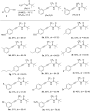
Scheme 2: Substrate scope study. Reaction conditions: arylethyne 2 (0.39 mmol), imine 1 (0.3 mmol), LiHMDS (0...

Figure 2: ORTEP diagram showing of the minor product of 3a.

Figure 3: Mode of nucleophilic attacks A and B.

Scheme 3: Large-scale application of the reaction.

Scheme 4: Removal of the chiral auxiliary.
Recent applications of porphyrins as photocatalysts in organic synthesis: batch and continuous flow approaches
- Rodrigo Costa e Silva,
- Luely Oliveira da Silva,
- Aloisio de Andrade Bartolomeu,
- Timothy John Brocksom and
- Kleber Thiago de Oliveira
Beilstein J. Org. Chem. 2020, 16, 917–955, doi:10.3762/bjoc.16.83
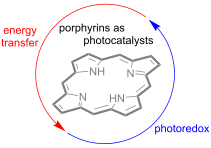

Graphical Abstract

Figure 1: Chemical structures of the porphyrinoids and their absorption spectra: in bold are highlighted the ...

Figure 2: Photophysical and photochemical processes (Por = porphyrin). Adapted from [12,18].

Figure 3: Main dual photocatalysts and their oxidative/reductive excited state potentials, including porphyri...

Scheme 1: Photoredox alkylation of aldehydes with diazo acetates using porphyrins and a Ru complex. aUsing a ...

Scheme 2: Proposed mechanism for the alkylation of aldehydes with diazo acetates in the presence of TPP.
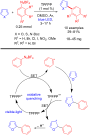
Scheme 3: Arylation of heteroarenes with aryldiazonium salts using TPFPP as photocatalyst, and corresponding ...

Scheme 4: A) Scope with different aryldiazonium salts and enol acetates. B) Photocatalytic cycles and compari...

Scheme 5: Photoarylation of isopropenyl acetate A) Comparison between batch and continuous-flow approaches an...

Scheme 6: Dehalogenation induced by red light using thiaporphyrin (STPP).

Scheme 7: Applications of NiTPP as both photoreductant and photooxidant.

Scheme 8: Proposed mechanism for obtaining tetrahydroquinolines by reductive quenching.

Scheme 9: Selenylation and thiolation of anilines.

Scheme 10: NiTPP as photoredox catalyst in oxidative and reductive quenching, in comparison with other photoca...

Scheme 11: C–O bond cleavage of 1-phenylethanol using a cobalt porphyrin (CoTMPP) under visible light.

Scheme 12: Hydration of terminal alkynes by RhIII(TSPP) under visible light irradiation.

Scheme 13: Regioselective photocatalytic hydro-defluorination of perfluoroarenes by RhIII(TSPP).

Scheme 14: Formation of 2-methyl-2,3-dihydrobenzofuran by intramolecular hydro-functionalization of allylpheno...
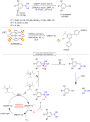
Scheme 15: Photocatalytic oxidative hydroxylation of arylboronic acids using UNLPF-12 as heterogeneous photoca...

Scheme 16: Photocatalytic oxidative hydroxylation of arylboronic acids using MOF-525 as heterogeneous photocat...

Scheme 17: Preparation of the heterogeneous photocatalyst CNH.

Scheme 18: Photoinduced sulfonation of alkenes with sulfinic acid using CNH as photocatalyst.

Scheme 19: Sulfonic acid scope of the sulfonation reactions.

Scheme 20: Regioselective sulfonation reaction of arimistane.

Scheme 21: Synthesis of quinazolin-4-(3H)-ones.

Scheme 22: Selective photooxidation of aromatic benzyl alcohols to benzaldehydes using Pt/PCN-224(Zn).

Scheme 23: Photooxidation of benzaldehydes to benzoic acids using Pt or Pd porphyrins.

Scheme 24: Photocatalytic reduction of various nitroaromatics using a Ni-MOF.

Scheme 25: Photoinduced cycloadditions of CO2 with epoxides by MOF1.

Figure 4: Electronic configurations of the species of oxygen. Adapted from [66].

Scheme 26: TPP-photocatalyzed generation of 1O2 and its application in organic synthesis. Adapted from [67-69].

Scheme 27: Pericyclic reactions involving singlet oxygen and their mechanisms. Adapted from [67].

Scheme 28: First scaled up ascaridole preparation from α-terpinene.

Scheme 29: Antimalarial drug synthesis using an endoperoxidation approach.

Scheme 30: Photooxygenation of colchicine.

Scheme 31: Synthesis of (−)-pinocarvone from abundant (+)-α-pinene.

Scheme 32: Seeberger’s semi-synthesis of artemisinin.

Scheme 33: Synthesis of artemisinin using TPP and supercritical CO2.

Scheme 34: Synthesis of artemisinin using chlorophyll a.

Scheme 35: Quercitol stereoisomer preparation.

Scheme 36: Photocatalyzed preparation of naphthoquinones.

Scheme 37: Continuous endoperoxidation of conjugated dienes and subsequent rearrangements leading to oxidized ...

Scheme 38: The Opatz group total synthesis of (–)-oxycodone.

Scheme 39: Biomimetic syntheses of rhodonoids A, B, E, and F.

Scheme 40: α-Photooxygenation of chiral aldehydes.

Scheme 41: Asymmetric photooxidation of indanone β-keto esters by singlet oxygen using PTC as a chiral inducer...

Scheme 42: Asymmetric photooxidation of both β-keto esters and β-keto amides by singlet oxygen using PTC-2 as ...

Scheme 43: Bifunctional photo-organocatalyst used for the asymmetric oxidation of β-keto esters and β-keto ami...

Scheme 44: Mechanism of singlet oxygen oxidation of sulfides to sulfoxides.

Scheme 45: Controlled oxidation of sulfides to sulfoxides using protonated porphyrins as photocatalysts. aIsol...

Scheme 46: Photochemical oxidation of sulfides to sulfoxides using PdTPFPP as photocatalyst.

Scheme 47: Controlled oxidation of sulfides to sulfoxides using SnPor@PAF as a photosensitizer.

Scheme 48: Syntheses of 2D-PdPor-COF and 3D-Pd-COF.

Scheme 49: Photocatalytic oxidation of A) thioanisole to methyl phenyl sulfoxide and B) various aryl sulfides,...

Scheme 50: General mechanism for oxidation of amines to imines.

Scheme 51: Oxidation of secondary amines to imines.

Scheme 52: Oxidation of secondary amines using Pd-TPFPP as photocatalyst.

Scheme 53: Oxidative amine coupling using UNLPF-12 as heterogeneous photocatalyst.

Scheme 54: Synthesis of Por-COF-1 and Por-COF-2.

Scheme 55: Photocatalytic oxidation of amines to imines by Por-COF-2.

Scheme 56: Photocyanation of primary amines.

Scheme 57: Synthesis of ᴅ,ʟ-tert-leucine hydrochloride.

Scheme 58: Photocyanation of catharanthine and 16-O-acetylvindoline using TPP.

Scheme 59: Photochemical α-functionalization of N-aryltetrahydroisoquinolines using Pd-TPFPP as photocatalyst.

Scheme 60: Ugi-type reaction with 1,2,3,4-tetrahydroisoquinoline using molecular oxygen and TPP.

Scheme 61: Ugi-type reaction with dibenzylamines using molecular oxygen and TPP.

Scheme 62: Mannich-type reaction of tertiary amines using PdTPFPP as photocatalyst.

Scheme 63: Oxidative Mannich reaction using UNLPF-12 as heterogeneous photocatalyst.

Scheme 64: Transformation of amines to α-cyanoepoxides and the proposed mechanism.
Complexation of chiral amines by resorcin[4]arene sulfonic acids in polar media – circular dichroism and diffusion studies of chirality transfer and solvent dependence
- Bartosz Setner and
- Agnieszka Szumna
Beilstein J. Org. Chem. 2019, 15, 1913–1924, doi:10.3762/bjoc.15.187
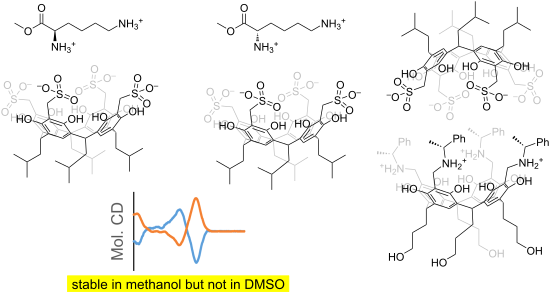
- effect on stability and ordering, and, additionally we aimed to test the possibility of formation of water-soluble capsules, which are of particular interest to supramolecular chemists. Results and Discussion RSAs can be readily synthesized by the Mannich reaction of upper-rim unsubstituted resorcin[4
- column anion exchange using DOWEX® 50W resin. Chiral resorcinarenes (R)-2 and (S)-2 were synthesized by the Mannich reaction of C-(3-hydroxypropyl)resorcin[4]arene with (R)- or (S)-2-phenylethylamine and formaldehyde in methanol in 38% yield for (R)-2 and 36% yield for (S)-2 yields according to modified

Graphical Abstract

Figure 1: Structures of the compounds used in this study and labelling scheme for NMR spectra.
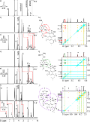
Figure 2: Spectra of complexes [1(LysOMe)2], [1(ArgOMe)2], [1(HisOMe)2]: 1H NMR (a–g) and ROESY (h–j) in meth...
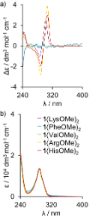
Figure 3: CD (a) and UV (b) spectra of complexes [1(LysOMe)2], [1(PheOMe)2], [1(ValOMe)2], [1(ArgOMe)2], and [...
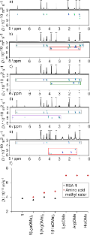
Figure 4: DOSY spectra of 1 (a), [1(LysOMe)2] (b), [1(ArgOMe)2] (c), [1(HisOMe)2] (d) and [LysOMe + 1(LysOMe)2...

Figure 5: 1H NMR spectra of 1 (a), LysOMe (b), 1H NMR and DOSY spectra of [1(LysOMe)2] (insets show the shape...

Figure 6: 1H NMR spectra of (R)-2 (a); [1((R)-2] (b); [1 + 1((R)-2] (c) (insets show the shape of signals f, ...
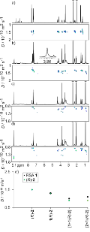
Figure 7: 1H NMR and DOSY spectra of (R)-2 (a); [1(R)-2] (b) (inset show the shape signals f, DMSO-d6, 298K, ...
Efficiency Effsyn of complex syntheses as multicomponent reactions, its algorithm and calculations based on concrete criteria
- Heiner Eckert
Beilstein J. Org. Chem. 2019, 15, 1425–1433, doi:10.3762/bjoc.15.142
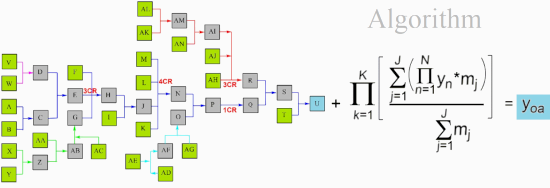
- synthesis steps yn (Equation 1). An extreme example for the impact of the overall yield is the tropinone synthesis by Willstätter (yoa = 0.75%) [7][8] compared to the Robinson–Schöpf synthesis (yoa = 90%) [9][10]) using a double Mannich reaction, a multicomponent reaction (MCR) [11][12][13]. The Mannich-3CR

Graphical Abstract

Scheme 1: Case study of a complex synthesis, parallel reactions. 10 possible synthesis STMs in green, other 1...

Scheme 2: Ordered reactions of the above complex synthesis to a main reaction set and connected parallel reac...

Scheme 3: Section A–J case study of Scheme 2 with operations of yoa calculation.

Scheme 4: Sequential synthesis and fragment linking of a decapeptide with comparison of results in Equations ...
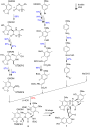
Scheme 5: U-4CR with 17 precursors in the total synthesis of Et-743 (1) [14].

Scheme 6: Synthesis of 4 as key step of (+)-20S-camptothecin (3) total synthesis.
Steroid diversification by multicomponent reactions
- Leslie Reguera,
- Cecilia I. Attorresi,
- Javier A. Ramírez and
- Daniel G. Rivera
Beilstein J. Org. Chem. 2019, 15, 1236–1256, doi:10.3762/bjoc.15.121
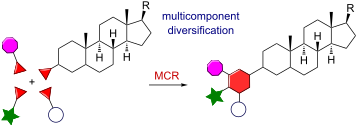
- [68] increased the diversity of MCRs that can be used to ligate peptides to steroids with the development of a novel multicomponent conjugation process based on the Petasis-3CR. The Petasis reaction [69] also known as the borono-Mannich reaction, is a MCR comprising the condensation of an aldehyde or

Graphical Abstract

Figure 1: Structures of natural steroids of A) animal and B) plant origin.

Scheme 1: Synthesis of a steroidal β-lactam by Ugi reaction of a cholanic aldehyde [14].

Scheme 2: Synthetic route to steroidal 2,5-diketopiperazines based on a diastereoselective Ugi-4CR with an an...

Scheme 3: Multicomponent synthesis of a heterocycle–steroid hybrid using a ketosteroid as carbonyl component [18]....

Scheme 4: Synthesis of peptidomimetic–steroid hybrids using the Ugi-4CR with spirostanic amines and carboxyli...

Scheme 5: Synthesis of azasteroids using the Ugi-4CR with androstanic and pregnanic carboxylic acids [22].

Figure 2: Ugi-4CR-derived library of androstanic azasteroids with diverse substitution patterns at the phenyl...

Scheme 6: Synthesis of 4-azacholestanes by an intramolecular Ugi-4C-3R [26].

Scheme 7: Synthesis of amino acid–steroid hybrid by multiple Ugi-4CR using steroidal isocyanides [29].

Scheme 8: Synthesis of ecdysteroid derivatives by Ugi-4CR using a steroidal isocyanide [30].

Scheme 9: Stereoselective multicomponent synthesis of a steroid–tetrahydropyridine hybrid using a chiral bifu...

Scheme 10: Pd(II)-catalyzed three-component reaction with an alkynyl seco-cholestane [34].

Scheme 11: Multicomponent synthesis of steroid–thiazole hybrids from a steroidal ketone [36].

Scheme 12: Synthesis of cholanic pseudo-peptide derivatives by novel MCRs based on the reactivity of ynamide [37,38].

Scheme 13: Synthesis of steroid-fused pyrimidines and pyrimidones using the Biginelli-3CR [39,42,43].

Scheme 14: Synthesis of steroidal pyridopyrimidines by a reaction sequence comprising a 4CR followed by a post...

Scheme 15: Synthesis of steroid-fused pyrimidines by MCR of 2-hydroxymethylene-3-ketosteroids [46].

Scheme 16: Synthesis of steroid-fused naphthoquinolines by the Kozlov–Wang MCR using ketosteroids [50,51].

Scheme 17: Conjugation of steroids to carbohydrates and peptides by the Ugi-4CR [62,63].

Scheme 18: Solid-phase multicomponent conjugation of peptides to steroids by the Ugi-4CR [64].

Scheme 19: Solid-phase multicomponent conjugation of peptides to steroids by the Petasis-3CR [68].
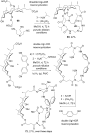
Scheme 20: Synthesis of steroidal macrobicycles (cages) by multiple multicomponent macrocyclizations based on ...

Scheme 21: One-pot synthesis of steroidal cages by double Ugi-4CR-based macrocyclizations [76].
A chemoenzymatic synthesis of ceramide trafficking inhibitor HPA-12
- Seema V. Kanojia,
- Sucheta Chatterjee,
- Subrata Chattopadhyay and
- Dibakar Goswami
Beilstein J. Org. Chem. 2019, 15, 490–496, doi:10.3762/bjoc.15.42
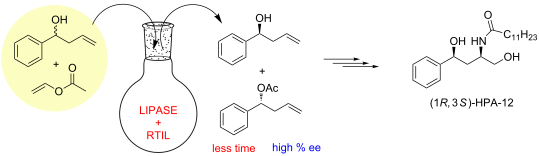
- researches involving CERT inhibition. For this, a number of groups have successfully accomplished the synthesis of HPA-12 [13][14][15][16][17][18][19][20][21][22][23][24][25]. The first synthesis of HPA-12 comprised [13] a three-component asymmetric Mannich reaction catalyzed by a chiral zirconium catalyst

Graphical Abstract

Figure 1: Structure of most active HPA-12 isomers, originally proposed (1) and revised (2).

Scheme 1: Lipase-catalyzed trans-acylation of (±)-4 and subsequent Mitsunobu inversion. Conditions: (i) Zn/TH...

Scheme 2: Synthesis of azide 9 from (S)-4. Conditions: (i) NaH/Bu4NI/BnBr/THF/25 °C/4 h; (ii) AD-mix-β/t-BuOH...

Scheme 3: Attempted synthesis of 2 from 9. Conditions: (i) (a) LiAlH4 (1 M in THF)/THF/25 °C/3 h, (b) DCC/DMA...

Scheme 4: Actual synthesis of 2 from 9. Conditions: (i) DDQ/CH2Cl2–H2O 4:1/3 h; (ii) a) LiAlH4/THF/25 °C/3 h,...
Microwave-assisted synthesis of N,N-bis(phosphinoylmethyl)amines and N,N,N-tris(phosphinoylmethyl)amines bearing different substituents on the phosphorus atoms
- Erika Bálint,
- Anna Tripolszky,
- László Hegedűs and
- György Keglevich
Beilstein J. Org. Chem. 2019, 15, 469–473, doi:10.3762/bjoc.15.40
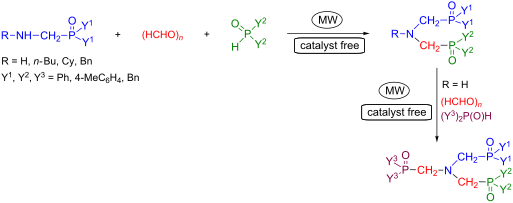
- ][3][4]. In addition, a few Pt, Ru and Au complexes incorporating phosphine ligands show significant anticancer activity [5][6]. One of the most common synthetic routes to α-aminophosphine oxides is the Kabachnik–Fields (phospha-Mannich) reaction, where an amine, an oxo compound (aldehyde or ketone

Graphical Abstract

Scheme 1: Synthesis of chiral thiazole-substituted aminophosphine oxides.

Scheme 2: Synthesis of a P-chiral aminophosphine oxide containing a 2-pyridyl moiety.

Scheme 3: Condensation of (octylaminomethyl)dihexylphosphine oxide with paraformaldehyde and di(p-tolyl)phosp...

Scheme 4: Synthesis of (aminomethyl)phosphine oxides 5–7.

Scheme 5: Synthesis of (aminomethyl)diphenylphosphine oxide (9).

Scheme 6: Synthesis of N,N-bis(phosphinoylmethyl)amines 10a,b, 11a,b and 12a,b bearing different substituents...

Scheme 7: Synthesis of N,N-bis(phosphinoylmethyl)amines 13a–c.

Scheme 8: Synthesis of N,N,N-tris(phosphinoylmethyl)amines 14–17.
Silanediol versus chlorosilanol: hydrolyses and hydrogen-bonding catalyses with fenchole-based silanes
- Falco Fox,
- Jörg M. Neudörfl and
- Bernd Goldfuss
Beilstein J. Org. Chem. 2019, 15, 167–186, doi:10.3762/bjoc.15.17
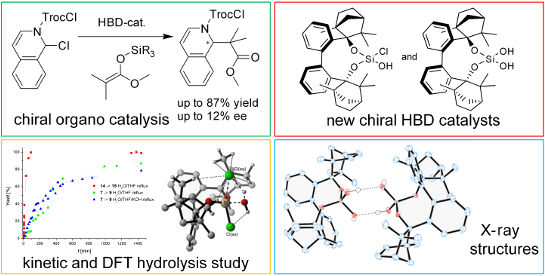
- )–2.05(2) Å) than with chlorosilanol 8 (OH···2.16(0) Å). Due to its two hydroxy units, the silanediol 9 shows higher catalytic activity as hydrogen bond donor than chlorosilanol 8, e.g., C–C coupling N-acyl Mannich reaction of silyl ketene acetals 11 with N-acylisoquinolinium ions (up to 85% yield and 12
- ion catalyses The N-acyl Mannich reaction of isochinolin (16), which is activated with 2,2,2-trichloroethoxycarbonyl chloride (17, TrocCl) to carbamate 10, and different silyl ketene acetals 11a–d yielding product 12 (Scheme 6) [45][47], is studied. Mattson et al. proposed a mechanism where the
- % (Table 9, entry 7). For 11a, b and d and silanediol 9 as catalyst, an enantiomeric inversion is observed (Table 9, entries 5, 6 and 8). The substrate scope is broadened with 1-chloroisochroman (18) as alternative substrate (Table 10). The reaction mechanism is analogue to the N-acyl Mannich reaction

Graphical Abstract

Figure 1: Hydrogen-bonding silanediols, i.e., di(1-naphthyl)silanediol (1) [39], silanediols 2 [41-43], binaphthylsilane...

Scheme 1: Hydrogen-bond-catalyzed N-acyl Mannich reaction of in situ-generated isoquinolin derivative 10 with...

Scheme 2: Synthesis of BIFOXSiCl2, starting with BIFOL (5) [52,54] yielding dichlorosilane 7.
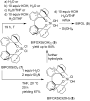
Scheme 3: Hydrolysis of BIFOXSiCl2 (7) yielding the corresponding silanediol 9 and controlled hydrolysis of B...

Scheme 4: Hydrolysis of dichlorosilanes 13 and 14 to their corresponding silanediols 1 and 15 [51,60].

Figure 2: Hydrolyses of dichlorosilane 7 and 14 to BIFOXSi(OH)2 (9, green circle) and bis(2,4,6-tri-tert-buty...

Figure 3: Hydrolyses of BIFOXSiCl2 (7) to BIFOXSi(OH)2 (9, green circle), bis(2,4,6-tri-tert-butylphenoxy)dic...

Scheme 5: Two investigated pathways for the hydrolysis of the dichlorosilanes. Front attack mechanism (front)...

Figure 4: Three transition structures each, for the hydrolysis of BIFOXSiCl2 (7) and BIFOXSiCl(OH) (8) consid...

Figure 5: Computed hydrolyses of BIFOXSiCl2 (7) to BIFOXSiCl(OH) 8ax and BIFOXSiCl(OH) 8eq and subsequent com...

Figure 6: Transition state leading to 8eq following front1 attack (Ea = 32.6 kcal mol−1, Figure 5, Table 3, entry 1). Breaki...

Figure 7: Transition state leading to 8ax following front2 attack (Ea = 33.2 kcal mol−1, Figure 5, Table 3, entry 2). Breaki...

Figure 8: Transition state leading to 8eq following side attack (Ea = 37.4 kcal mol−1, Figure 5, Table 3, entry 3). Breaking...

Figure 9: Transition state leading to 9 following side attack (Ea = 31.4 kcal mol−1, Figure 5, Table 3, entry 6). Breaking a...

Figure 10: Transition state leading to 9 following front1 attack (Ea = 33.4 kcal mol−1, Figure 5, Table 3, entry 4). Breaking...

Figure 11: Transition state leading to 9 following front2 attack (Ea = 40.2 kcal mol−1, Figure 5, Table 3, entry 5). Breaking...
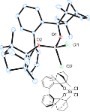
Figure 12: X-ray crystal structure of BIFOXSiCl2 (7). H atoms on the chiral backbone are omitted for clarity i...
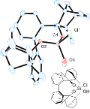
Figure 13: X-ray crystal structure of BIFOXSiCl(OH) (8). H atoms on the chiral backbone are omitted for clarit...

Figure 14: X-ray crystal structure ofrac-BIFOXSi(OH)2 (9) forming dimers. H atoms on the chiral backbone are o...

Figure 15: X-ray crystal structure of BIFOXSi(OH)2 (9) forming a tetramer. H atoms on the chiral backbone are ...

Figure 16: X-ray crystal structure of BIFOXSi(OH)2 (9) forming a dimeric structure with two bridged acetone mo...
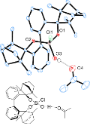
Figure 17: X-ray crystal structure of BIFOXSiCl(OH) (8), binding an acetone molecule. H atoms on the chiral ba...
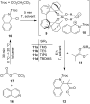
Scheme 6: Hydrogen-bond-catalyzed N-acyl Mannich reaction of in situ-generated 10 with different silyl ketene...

Scheme 7: Hydrogen-bond-catalyzed nucleophilic substitution of 18 with BIFOXSi(OH)2 (9) and nucleophile silyl...

Scheme 8: Nucleophilic substitution of 20 with BIFOXSi(OH)2 (9) and nucleophile silyl ketene acetals 11, 20 a...
A novel and practical asymmetric synthesis of eptazocine hydrobromide
- Ruipeng Li,
- Zhenren Liu,
- Liang Chen,
- Jing Pan,
- Kuaile Lin and
- Weicheng Zhou
Beilstein J. Org. Chem. 2018, 14, 2340–2347, doi:10.3762/bjoc.14.209
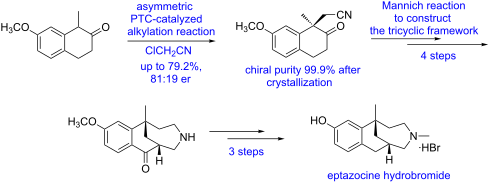
- Mannich reaction to construct the tricyclic framework of 6. The study started with the alkylation under catalysis of 3 in a two-phase system of chlorobenzene and 50% aqueous NaOH solution based on our previous report [14]. When the reaction was run at 0–5 °C, an excellent yield (70%) and enantiomeric
- -methyl-7-methoxy-2-tetralone and a Mannich reaction to construct the tricyclic compound in eight linear steps. The optimization of reaction conditions were carried out to get a practical route delivering the product in excellent yield and purity (>99%). Experimental All solvents and reagents were from
- replaced with HOAc/H2O (2:1) or Pd/C was selected as a catalyst, the reaction gave a similar result as with Raney-Ni as catalyst in NH3/CH3OH. It seems that compound 5 easily reacted with the carbonyl group to form the five-membered ring. Since the carbonyl group is necessary for the following Mannich

Graphical Abstract

Scheme 1: Commercial process for the synthesis of 1.

Scheme 2: Previous work about asymmetric synthesis of I-13a.

Scheme 3: Asymmetric synthesis of 1.

Scheme 4: The second strategy for the asymmetric synthesis of 1.
Synthesis of chiral 3-substituted 3-amino-2-oxindoles through enantioselective catalytic nucleophilic additions to isatin imines
- Hélène Pellissier
Beilstein J. Org. Chem. 2018, 14, 1349–1369, doi:10.3762/bjoc.14.114

- also proved to be highly efficient for a range of transformations. Review Enantioselective Mannich reactions Organocatalyzed reactions Originally, the Mannich reaction is a three-component process occurring between an aldehyde, an amine and a ketone, providing β-amino carbonyl compounds [23][24][25
- 2015 by Enders et al. at a remarkably low catalyst loading (0.0225 mol %) to promote the enantioselective Mannich reaction of ethyl nitroacetate (2) with N-Boc-isatin imines 3 [35]. The process afforded, after a subsequent denitration, the corresponding chiral 3-amino-2-oxindoles 4 in moderate to high
- products were converted into useful intermediates for the synthesis of pyrroloindoline alkaloids and related drugs, such as psychotrimine and (+)-folicanthine. Later in 2016, Trivedi et al. reported the synthesis of chiral 3-amino-2-oxindoles through the Mannich reaction of N-Boc-isatin imines 3 with 1,3

Graphical Abstract

Scheme 1: Mannich reaction of N-Boc-isatin imines with ethyl nitroacetate (2) catalyzed by a cinchona alkaloi...

Scheme 2: Mannich reaction of N-Boc-isatin imines with 1,3-dicarbonyl compounds catalyzed by a cinchona alkal...
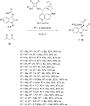
Scheme 3: Mannich reaction of N-alkoxycarbonylisatin imines with acetylacetone catalyzed by a cinchona alkalo...

Scheme 4: Mannich reaction of isatin-derived benzhydrylketimines with trimethylsiloxyfuran catalyzed by a pho...

Scheme 5: Mannich reaction of N-Boc-isatin imines with acetaldehyde catalyzed by a primary amine.

Scheme 6: Mannich reaction of N-Cbz-isatin imines with aldehydes catalyzed by L-diphenylprolinol trimethylsil...
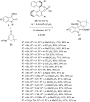
Scheme 7: Addition of dimedone-derived enaminones to N-Boc-isatin imines catalyzed by a phosphoric acid.

Scheme 8: Addition of hydroxyfuran-2-one-derived enaminones to N-Boc-isatin imines catalyzed by a phosphoric ...
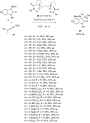
Scheme 9: Zinc-catalyzed Mannich reaction of N-Boc-isatin imines with silyl ketene imines.
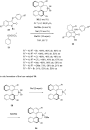
Scheme 10: Tin-catalyzed Mannich reaction of N-arylisatin imines with an alkenyl trichloroacetate.

Scheme 11: Aza-Morita–Baylis–Hillman reaction of N-Boc-isatin imines with acrolein catalyzed by β-isocupreidin...
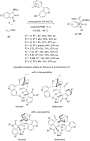
Scheme 12: Aza-Morita–Baylis–Hillman reaction of N-Boc-isatin imines with acrolein (35) catalyzed by α-isocupr...

Scheme 13: Aza-Morita–Baylis–Hillman reaction of N-Boc-isatin imines with maleimides catalyzed by β-isocupreid...

Scheme 14: Aza-Morita–Baylis–Hillman reaction of N-Boc-isatin imines with nitroolefins catalyzed by a cinchona...
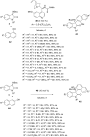
Scheme 15: Friedel–Crafts reactions of N-Boc-isatin imines with 1 and 2-naphthols catalyzed by a cinchona alka...
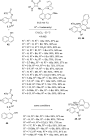
Scheme 16: Friedel–Crafts reactions of N-alkoxycarbonyl-isatin imines with 1 and 2-naphthols catalyzed by a ci...

Scheme 17: Friedel–Crafts reaction of N-Boc-isatin imines with 6-hydroxyquinolines catalyzed by a cinchona alk...

Scheme 18: Aza-Henry reaction of N-Boc-isatin imines with nitromethane catalyzed by a bifunctional guanidine.
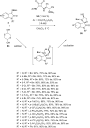
Scheme 19: Domino addition/cyclization reaction of N-Boc-isatin imines with 1,4-dithiane-2,5-diol (53) catalyz...

Scheme 20: Nickel-catalyzed additions of methanol and cumene hydroperoxide to N-Boc-isatin imines.
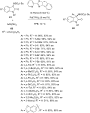
Scheme 21: Palladium-catalyzed addition of arylboronic acids to N-tert-butylsulfonylisatin imines.
Mannich base-connected syntheses mediated by ortho-quinone methides
- Petra Barta,
- Ferenc Fülöp and
- István Szatmári
Beilstein J. Org. Chem. 2018, 14, 560–575, doi:10.3762/bjoc.14.43
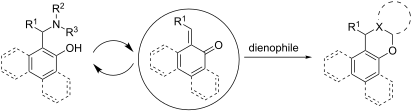
- adducts. Due to the important pharmacological activities of these reactive o-QM intermediates, special attention is paid to the biological activity of these compounds. Keywords: aminophenols; [4 + 2] cycloaddition; dienophile; Mannich reaction; ortho-quinone methide; Review Introduction The Mannich
- secondary amine. Recently, one of its special variations called modified Mannich reaction, has gained ground, in which the C–H acid is replaced by electron-rich aromatic compounds such as 1- and 2-naphthols as active hydrogen sources [6]. At the beginning of the 20th century, Mario Betti reported the
- -aminoalkyl-2-naphthol derivatives by a simple amide hydrolysis. The mechanism of the Mannich reaction is depicted in Scheme 1. First, the reaction between the aldehyde and 2-naphthol, induced by the catalyst, leads to the generation of o-QM intermediate 3 that reacts further with the amide component to form

Graphical Abstract

Scheme 1: Formation of amidoalkylnaphthols 4 via o-QM intermediate 3.

Scheme 2: Asymmetric syntheses of triarylmethanes starting from diarylmethylamines.

Scheme 3: Proposed mechanism for the formation of 2,2-dialkyl-3-dialkylamino-2,3-dihydro-1H-naphtho[2,1-b]pyr...

Scheme 4: Cycloadditions of isoflavonoid-derived o-QMs and various dienophiles.

Scheme 5: [4 + 2] Cycloaddition reactions between aminonaphthols and cyclic amines.

Scheme 6: Brønsted acid-catalysed reaction between aza-o-QMs and 2- or 3-substituted indoles.

Scheme 7: Formation of 3-(α,α-diarylmethyl)indoles 52 in different synthetic pathways.

Scheme 8: Alkylation of o-QMs with N-, O- or S-nucleophiles.

Scheme 9: Formation of DNA linkers and o-QM mediated polymers.
Regioselective decarboxylative addition of malonic acid and its mono(thio)esters to 4-trifluoromethylpyrimidin-2(1H)-ones
- Sergii V. Melnykov,
- Andrii S. Pataman,
- Yurii V. Dmytriv,
- Svitlana V. Shishkina,
- Mykhailo V. Vovk and
- Volodymyr A. Sukach
Beilstein J. Org. Chem. 2017, 13, 2617–2625, doi:10.3762/bjoc.13.259
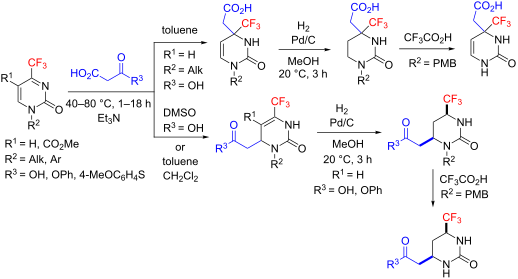
- from the group of Ma described the development of a chiral thiourea-catalyzed enantioselective decarboxylative Mannich reaction of malonic acid monoesters with 4-trifluoromethylquinazolin-2(1H)-ones as heterocyclic trifluoromethylketimine substrates for the preparation of enantioenriched 3,4

Graphical Abstract
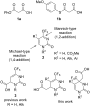
Figure 1: Summary of the present study.

Scheme 1: Hydrogenation of compounds 4–6 and preparation of N1(3)-unsubstituted compounds 9–11d.

Figure 2: Molecular structure of compound 11b. Two enantiomers form a heterochiral dimer in the crystal state...
Mechanochemical synthesis of small organic molecules
- Tapas Kumar Achar,
- Anima Bose and
- Prasenjit Mal
Beilstein J. Org. Chem. 2017, 13, 1907–1931, doi:10.3762/bjoc.13.186
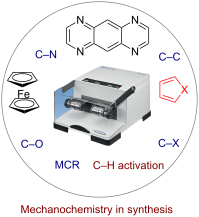
- ]. Mechanochemical methods of the Mannich reaction, Paal–Knorr synthesis, Bigineli reaction, Hantzsch reaction, and syntheses of substituted pyran, thiophene, isoquinoline derivatives, etc. are also reported [104][107][112][113]. Isocyanide-based multi-component reactions are also well known [114][115]. Recently, in

Graphical Abstract

Scheme 1: Mechanochemical aldol condensation reactions [48].

Scheme 2: Enantioselective organocatalyzed aldol reactions under mechanomilling. a) Based on binam-(S)-prolin...

Scheme 3: Mechanochemical Michael reaction [51].

Scheme 4: Mechanochemical organocatalytic asymmetric Michael reaction [52].

Scheme 5: Mechanochemical Morita–Baylis–Hillman (MBH) reaction [53].

Scheme 6: Mechanochemical Wittig reactions [55].

Scheme 7: Mechanochemical Suzuki reaction [56].

Scheme 8: Mechanochemical Suzuki–Miyaura coupling by LAG [57].

Scheme 9: Mechanochemical Heck reaction [59].

Scheme 10: a) Sonogashira coupling under milling conditions. b) The representative example of a double Sonogas...

Scheme 11: Copper-catalyzed CDC reaction under mechanomilling [67].

Scheme 12: Asymmetric alkynylation of prochiral sp3 C–H bonds via CDC [68].

Scheme 13: Fe(III)-catalyzed CDC coupling of 3-benzylindoles [69].

Scheme 14: Mechanochemical synthesis of 3-vinylindoles and β,β-diindolylpropionates [70].

Scheme 15: Mechanochemical C–N bond construction using anilines and arylboronic acids [78].

Scheme 16: Mechanochemical amidation reaction from aromatic aldehydes and N-chloramine [79].

Scheme 17: Mechanochemical CDC between benzaldehydes and benzyl amines [81].

Scheme 18: Mechanochemical protection of -NH2 and -COOH group of amino acids [85].

Scheme 19: Mechanochemical Ritter reaction [87].

Scheme 20: Mechanochemical synthesis of dialkyl carbonates [90].

Scheme 21: Mechanochemical transesterification reaction using basic Al2O3 [91].

Scheme 22: Mechanochemical carbamate synthesis [92].

Scheme 23: Mechanochemical bromination reaction using NaBr and oxone [96].

Scheme 24: Mechanochemical aryl halogenation reactions using NaX and oxone [97].

Scheme 25: Mechanochemical halogenation reaction of electron-rich arenes [88,98].

Scheme 26: Mechanochemical aryl halogenation reaction using trihaloisocyanuric acids [100].

Scheme 27: Mechanochemical fluorination reaction by LAG method [102].

Scheme 28: Mechanochemical Ugi reaction [116].

Scheme 29: Mechanochemical Passerine reaction [116].

Scheme 30: Mechanochemical synthesis of α-aminonitriles [120].

Scheme 31: Mechanochemical Hantzsch pyrrole synthesis [121].

Scheme 32: Mechanochemical Biginelli reaction by subcomponent synthesis approach [133].

Scheme 33: Mechanochemical asymmetric multicomponent reaction[134].

Scheme 34: Mechanochemical Paal–Knorr pyrrole synthesis [142].

Scheme 35: Mechanochemical synthesis of benzothiazole using ZnO nano particles [146].

Scheme 36: Mechanochemical synthesis of 1,2-di-substituted benzimidazoles [149].

Scheme 37: Mechanochemical click reaction using an alumina-supported Cu-catalyst [152].

Scheme 38: Mechanochemical click reaction using copper vial [155].

Scheme 39: Mechanochemical indole synthesis [157].

Scheme 40: Mechanochemical synthesis of chromene [158].

Scheme 41: Mechanochemical synthesis of azacenes [169].

Scheme 42: Mechanochemical oxidative C-P bond formation [170].

Scheme 43: Mechanochemical C–chalcogen bond formation [171].

Scheme 44: Solvent-free synthesis of an organometallic complex.
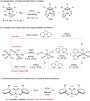
Scheme 45: Selective examples of mechano-synthesis of organometallic complexes. a) Halogenation reaction of Re...

Scheme 46: Mechanochemical activation of C–H bond of unsymmetrical azobenzene [178].

Scheme 47: Mechanochemical synthesis of organometallic pincer complex [179].

Scheme 48: Mechanochemical synthesis of tris(allyl)aluminum complex [180].

Scheme 49: Mechanochemical Ru-catalyzed olefin metathesis reaction [181].

Scheme 50: Rhodium(III)-catalyzed C–H bond functionalization under mechanochemical conditions [182].

Scheme 51: Mechanochemical Csp2–H bond amidation using Ir(III) catalyst [183].

Scheme 52: Mechanochemical Rh-catalyzed Csp2–X bond formation [184].

Scheme 53: Mechanochemical Pd-catalyzed C–H activation [185].

Scheme 54: Mechanochemical Csp2–H bond amidation using Rh catalyst.

Scheme 55: Mechanochemical synthesis of indoles using Rh catalyst [187].

Scheme 56: Mizoroki–Heck reaction of aminoacrylates with aryl halide in a ball-mill [58].

Scheme 57: IBX under mechanomilling conditions [8].

Scheme 58: Thiocarbamoylation of anilines; trapping of reactive aryl-N-thiocarbamoylbenzotriazole intermediate...
1-Imidoalkylphosphonium salts with modulated Cα–P+ bond strength: synthesis and application as new active α-imidoalkylating agents
- Jakub Adamek,
- Roman Mazurkiewicz,
- Anna Węgrzyk and
- Karol Erfurt
Beilstein J. Org. Chem. 2017, 13, 1446–1455, doi:10.3762/bjoc.13.142
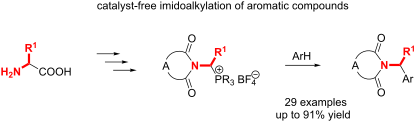
- aldehydes or ketones (mainly formaldehyde) with ammonia or aliphatic amines and CH-acidic carbonyl compounds, known as the Mannich reaction, plays an important role in organic synthesis, despite some limitations of this reaction. α-Amidoalkylation reactions are considered an important extension of the
- Mannich reaction [1][2][3]. They are crucial methods for the formation of >NC–C and >NC–Het bonds used, inter alia, for the generation of the β-aminocarbonyl substructure and for the construction of new carbo- or heterocyclic systems, especially in pharmaceutical chemistry and in the synthesis of natural

Graphical Abstract

Scheme 1: α-Amidoalkylation reactions under basic or acidic conditions.

Scheme 2: Synthetic routes of α-amido- and α-imidoalkylation of aromatic and heteroaromatic compounds.

Scheme 3: Reaction of imidophosphonium salt 5e with 1,3,5-trimethoxybenzene.
A speedy route to sterically encumbered, benzene-fused derivatives of privileged, naturally occurring hexahydropyrrolo[1,2-b]isoquinoline
- Olga Bakulina,
- Alexander Ivanov,
- Vitalii Suslonov,
- Dmitry Dar’in and
- Mikhail Krasavin
Beilstein J. Org. Chem. 2017, 13, 1413–1424, doi:10.3762/bjoc.13.138
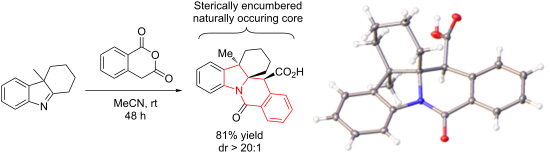
- ) N-acylation of the imine component followed by intramolecular Mannich reaction or (b) Mannich-type addition of the HPA enolate to a protonated imine component followed by intramolecular aminolysis of the cyclic anhydride moiety in Mannich adduct 13 (Scheme 3) [1]. Investigation of the CCR leading to

Graphical Abstract

Figure 1: The Castagnoli–Cushman reaction (CCR).

Figure 2: Assembly of hexahydropyrrolo[1,2-b]isoquinoline core via the CCR and its occurrence in natural and ...

Figure 3: Indolenine substrates 9a–t investigated in this work. aPrepared for the first time (the rest are kn...

Figure 4: Anti- and syn-diastereomers of 10 and 10'.

Figure 5: Single-crystal X-ray structure of compound 10l.

Scheme 1: Formation of unwanted products 11 and 12 in lieu of the CCR with 9p–t.

Figure 6: Typical J(H11-H11a)-values and corresponding dihedral angles for syn- and anti-diastereomers of com...

Figure 7: The difference in the 13C NMR chemical shifts of the angular methyl group between syn- and anti-dia...

Figure 8: Criteria for stereochemistry assignment of anti-10o.

Scheme 2: Syn/anti isomerization of compound 10e.

Scheme 3: Alternative mechanistic pathways for the CCR.

Scheme 4: Formation and fate of Mannich adduct 13e.

Scheme 5: Mechanistic rationale for the 13e→ syn/anti-10e conversion.

Scheme 6: Decarboxylation of anti/syn-10h.
Exploring endoperoxides as a new entry for the synthesis of branched azasugars
- Svenja Domeyer,
- Mark Bjerregaard,
- Henrik Johansson and
- Daniel Sejer Pedersen
Beilstein J. Org. Chem. 2017, 13, 644–647, doi:10.3762/bjoc.13.63

- TEMPO, whereas oxidation of 6 using the Parikh–Doering method gave a good yield of aldehyde 10. Next, aldehydes 7, 9 and 10 were subjected to a Mannich reaction using the method by Erkkilä and Pihko to give the α,β-unsaturated aldehydes 11–13 in good yields [20]. The final step of the diene synthesis

Graphical Abstract
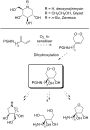
Scheme 1: Top: The natural product deoxynojirimycin and two analogues and marketed drugs Glyset and Zavesca. ...

Scheme 2: Synthesis of Boc- and Pht-protected diene substrates for endoperoxide synthesis. TBA-Cl = tetrabuty...

Scheme 3: Synthesis of endoperoxides 17–19 by [4 + 2]-cycloaddition of dienes 14–16 with singlet oxygen. The ...

Scheme 4: Dihydroxylation and protection of endoperoxides 18 and 19 to provide novel building blocks 20–23 fo...
Synthesis of 1-indanones with a broad range of biological activity
- Marika Turek,
- Dorota Szczęsna,
- Marek Koprowski and
- Piotr Bałczewski
Beilstein J. Org. Chem. 2017, 13, 451–494, doi:10.3762/bjoc.13.48
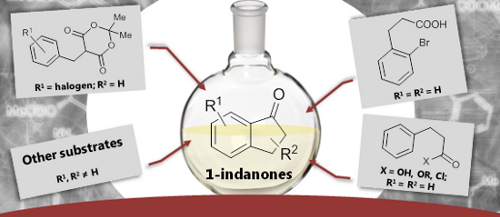
- 116 was isolated in 60% yield and further used in the synthesis of the natural product. Hexamethylenetetramine (HMTA) is a commonly used promoter of aryl alkyl ketones in the Mannich reaction which has been applied in the synthesis of α,β-unsaturated ketones 119 [64]. The HMTA/acetic anhydride

Graphical Abstract

Figure 1: Biologically active 1-indanones and their structural analogues.

Figure 2: Number of papers about (a) 1-indanones, (b) synthesis of 1-indanones.

Scheme 1: Synthesis of 1-indanone (2) from hydrocinnamic acid (1).

Scheme 2: Synthesis of 1-indanone (2) from 3-(2-bromophenyl)propionic acid (3).

Scheme 3: Synthesis of 1-indanones 5 from 3-arylpropionic acids 4.

Scheme 4: Synthesis of kinamycin (9a) and methylkinamycin C (9b).

Scheme 5: Synthesis of trifluoromethyl-substituted arylpropionic acids 12, 1-indanones 13 and dihydrocoumarin...

Scheme 6: Synthesis of 1-indanones 16 from benzoic acids 15.

Scheme 7: Synthesis of 1-indanones 18 from arylpropionic and 3-arylacrylic acids 17.

Scheme 8: The NbCl5-induced one-step synthesis of 1-indanones 22.

Scheme 9: Synthesis of biologically active 1-indanone derivatives 26.

Scheme 10: Synthesis of enantiomerically pure indatraline ((−)-29).

Scheme 11: Synthesis of 1-indanone (2) from the acyl chloride 30.

Scheme 12: Synthesis of the mechanism-based inhibitors 33 of coelenterazine.

Scheme 13: Synthesis of the indane 2-imidazole derivative 37.

Scheme 14: Synthesis of fluorinated PAHs 41.

Scheme 15: Synthesis of 1-indanones 43 via transition metal complexes-catalyzed carbonylative cyclization of m...

Scheme 16: Synthesis of 6-methyl-1-indanone (46).

Scheme 17: Synthesis of 1-indanone (2) from ester 48.

Scheme 18: Synthesis of benzopyronaphthoquinone 51 from the spiro-1-indanone 50.

Scheme 19: Synthesis of the selective endothelin A receptor antagonist 55.

Scheme 20: Synthesis of 1-indanones 60 from methyl vinyl ketone (57).

Scheme 21: Synthesis of 1-indanones 64 from diethyl phthalate 61.

Scheme 22: Synthesis of 1-indanone derivatives 66 from various Meldrum’s acids 65.

Scheme 23: Synthesis of halo 1-indanones 69.

Scheme 24: Synthesis of substituted 1-indanones 71.

Scheme 25: Synthesis of spiro- and fused 1-indanones 73 and 74.

Scheme 26: Synthesis of spiro-1,3-indanodiones 77.

Scheme 27: Mechanistic pathway for the NHC-catalyzed Stetter–Aldol–Michael reaction.

Scheme 28: Synthesis of 2-benzylidene-1-indanone derivatives 88a–d.

Scheme 29: Synthesis of 1-indanone derivatives 90a–i.

Scheme 30: Synthesis of 1-indanones 96 from o-bromobenzaldehydes 93 and alkynes 94.

Scheme 31: Synthesis of 3-hydroxy-1-indanones 99.

Scheme 32: Photochemical preparation of 1-indanones 103 from ketones 100.

Scheme 33: Synthesis of chiral 3-aryl-1-indanones 107.

Scheme 34: Photochemical isomerization of 2-methylbenzil 108.

Scheme 35: Synthesis of 2-hydroxy-1-indanones 111a–c.

Scheme 36: Synthesis of 1-indanone derivatives 113 and 114 from η6-1,2-dioxobenzocyclobutene complex 112.

Scheme 37: Synthesis of nakiterpiosin (117).

Scheme 38: Synthesis of 2-alkyl-1-indanones 120.

Scheme 39: Synthesis of fluorine-containing 1-indanone derivatives 123.

Scheme 40: Synthesis of 2-benzylidene and 2-benzyl-1-indanones 126, 127 from the chalcone 124.

Scheme 41: Synthesis of 2-bromo-6-methoxy-3-phenyl-1-indanone (130).

Scheme 42: Synthesis of combretastatin A-4-like indanones 132a–s.

Figure 3: Chemical structures of investigated dienones 133 and synthesized cyclic products 134–137.

Figure 4: Chemical structures of 1-indanones and their heteroatom analogues 138–142.

Scheme 43: Synthesis of 2-phosphorylated and 2-non-phosphorylated 1-indanones 147 and 148 from β-ketophosphona...

Scheme 44: Photochemical synthesis of 1-indanone derivatives 150, 153a, 153b.

Scheme 45: Synthesis of polysubstituted-1-indanones 155, 157.

Scheme 46: Synthesis of 1-indanones 159a–g from α-arylpropargyl alcohols 158 using RhCl(PPh3)3 as a catalyst.

Scheme 47: Synthesis of optically active 1-indanones 162 via the asymmetric Rh-catalyzed isomerization of race...

Scheme 48: Mechanism of the Rh-catalyzed isomerization of α-arylpropargyl alcohols 161 to 1-indanones 162.

Figure 5: Chemical structure of abicoviromycin (168) and its new benzo derivative 169.

Scheme 49: Synthesis of racemic benzoabicoviromycin 172.

Scheme 50: Synthesis of [14C]indene 176.

Scheme 51: Synthesis of indanone derivatives 178–180.

Scheme 52: Synthesis of racemic pterosin A 186.

Scheme 53: Synthesis of trans-2,3-disubstituted 1-indanones 189.

Scheme 54: Synthesis of 3-aryl-1-indanone derivatives 192.

Scheme 55: Synthesis of 1-indanone derivatives 194 from 3-(2-iodoaryl)propanonitriles 193.

Scheme 56: Synthesis of 1-indanones 200–204 by cyclization of aromatic nitriles.

Scheme 57: Synthesis of 1,1’-spirobi[indan-3,3’-dione] derivative 208.

Scheme 58: Total synthesis of atipamezole analogues 211.

Scheme 59: Synthesis of 3-[4-(1-piperidinoethoxy)phenyl]spiro[indene-1,1’-indan]-5,5’-diol hydrochloride 216.

Scheme 60: Synthesis of 3-arylindan-1-ones 219.

Scheme 61: Synthesis of 2-hydroxy-1-indanones 222.

Scheme 62: Synthesis of the 1-indanone 224 from the THP/MOM protected chalcone epoxide 223.

Scheme 63: Synthesis of 1-indanones 227 from γ,δ-epoxy ketones 226.

Scheme 64: Synthesis of 2-hydroxy-2-methylindanone (230).

Scheme 65: Synthesis of 1-indanone derivatives 234 from cyclopropanol derivatives 233.

Scheme 66: Synthesis of substituted 1-indanone derivatives 237.

Scheme 67: Synthesis of 7-methyl substituted 1-indanone 241 from 1,3-pentadiene (238) and 2-cyclopentenone (239...

Scheme 68: Synthesis of disubstituted 1-indanone 246 from the siloxydiene 244 and 2-cyclopentenone 239.

Scheme 69: Synthesis of 5-hydroxy-1-indanone (250) via the Diels–Alder reaction of 1,3-diene 248 with sulfoxid...

Scheme 70: Synthesis of halogenated 1-indanones 253a and 253b.

Scheme 71: Synthesis of 1-indanones 257 and 258 from 2-bromocyclopentenones 254.

Scheme 72: Synthesis of 1-indanone 261 from 2-bromo-4-acetoxy-2-cyclopenten-1-one (260) and 1,2-dihydro-4-viny...

Scheme 73: Synthesis of 1-indanone 265 from 1,2-dihydro-7-methoxy-4-vinylnaphthalene (262) and bromo-substitut...

Scheme 74: Synthesis of 1-indanone 268 from dihydro-3-vinylphenanthrene 266 and 4-acetoxy-2-cyclopenten-1-one (...

Scheme 75: Synthesis of 1-indanone 271 from phenylselenyl-substituted cyclopentenone 268.

Scheme 76: Synthesis of 1-indanone 272 from the trienone 270.

Scheme 77: Synthesis of the 1-indanone 276 from the aldehyde 273.

Scheme 78: Synthesis of 1-indanones 278 and 279.

Scheme 79: Synthesis of 1-indanone 285 from octa-1,7-diyne (282) and cyclopentenone 239.

Scheme 80: Synthesis of benz[f]indan-1-one (287) from cyclopentenone 239 and o-bis(dibromomethyl)benzene (286)....

Scheme 81: Synthesis of 3-methyl-substituted benz[f]indan-1-one 291 from o-bis(dibromomethyl)benzene (286) and...

Scheme 82: Synthesis of benz[f]indan-1-one (295) from the anthracene epidioxide 292.

Scheme 83: Synthesis of 1-indanone 299 from homophthalic anhydride 298 and cyclopentynone 297.

Scheme 84: Synthesis of cyano-substituted 1-indanone derivative 301 from 2-cyanomethylbenzaldehyde (300) and c...

Scheme 85: Synthesis of 1-indanone derivatives 303–305 from ketene dithioacetals 302.

Scheme 86: Synthesis of 1-indanones 309–316.

Scheme 87: Mechanism of the hexadehydro-Diels–Alder (HDDA) reaction.

Scheme 88: Synthesis of 1-indenone 318 and 1-indanones 320 and 321 from tetraynes 317 and 319.

Scheme 89: Synthesis of 1-indanone 320 from the triyn 319.

Scheme 90: Synthesis 1-indanone 328 from 2-methylfuran 324.

Scheme 91: Synthesis of 1-indanones 330 and 331 from furans 329.

Scheme 92: Synthesis of 1-indanone 333 from the cycloadduct 332.

Scheme 93: Synthesis of (S)-3-arylindan-1-ones 335.

Scheme 94: Synthesis of (R)-2-acetoxy-1-indanone 338.

Figure 6: Chemical structures of obtained cyclopenta[α]phenanthrenes 339.

Scheme 95: Synthesis of the benzoindanone 343 from arylacetaldehyde 340 with 1-trimethylsilyloxycyclopentene (...
Synthesis of structurally diverse 3,4-dihydropyrimidin-2(1H)-ones via sequential Biginelli and Passerini reactions
- Andreas C. Boukis,
- Baptiste Monney and
- Michael A. R. Meier
Beilstein J. Org. Chem. 2017, 13, 54–62, doi:10.3762/bjoc.13.7
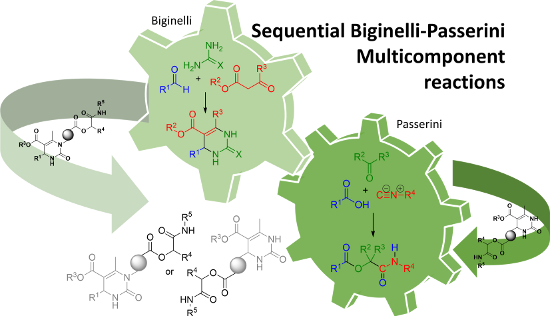
- dihydropyridine synthesis (1882), the Biginelli dihydropyrimidone synthesis (1891), the Mannich reaction (1912), the Passerini three-component reaction (1921) and the Ugi four-component reaction (1959) [9]. In this work, we used Biginelli and Passerini reactions to synthesize highly functionalized compounds

Graphical Abstract
Scheme 1: a) Proposed mechanism of the Biginelli reaction according to [6]. b) Proposed mechanism of the Passeri...

Figure 1: Bifunctional components for the Biginelli–Passerini tandem reaction.

Figure 2: Stacked 1H NMR spectra and signal assignment. Top: DHMP acid 17; bottom: Biginelli–Passerini tandem...

Figure 3: Representative HSQC spectrum of the pure Biginelli–Passerini tandem product 21, expansions and sign...

Figure 4: Stereoisomers formed in the Biginelli–Passerini tandem reaction. The homo (RR, SS) and hetero pairs...
New approaches to organocatalysis based on C–H and C–X bonding for electrophilic substrate activation
- Pavel Nagorny and
- Zhankui Sun
Beilstein J. Org. Chem. 2016, 12, 2834–2848, doi:10.3762/bjoc.12.283
- -methylpiperidinium iodide. Both L5 and L6 were found to promote the Mannich reaction between N-Troc-isoquinolinium chlorides and silyl enol ethers. Catalyst L6 with non-coordinating BArF− counterion was found to have a significantly higher activity than L5 with iodide counterion, probably, due to the competitive

Graphical Abstract

Figure 1: Electrophile Activation by Hydrogen Bond Donors [1-16].

Figure 2: Early examples of C–H hydrogen bonds and their recent use in supramolecular chemistry [18,19,32-34].

Scheme 1: Design of 1,2,3-triazole-based catalysts for trityl group transfer through chloride anion binding b...

Scheme 2: Examples of chiral triazole-based catalysts for anion activation designed by Mancheno and co-worker...

Scheme 3: Application of chiral triazole-based catalysts L3 and L4 for counterion activation of pyridinium, q...
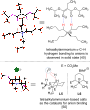
Scheme 4: Ammonium salt anion binding via C–H hydrogen bonds in solid state [40-45,50,51].
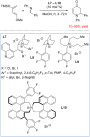
Scheme 5: Early examples of ammonium salts being used for electrophilic activation of imines in aza-Diels–Ald...
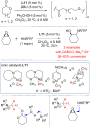
Scheme 6: Ammonium salts as hydrogen bond-donor catalysts by Bibal and co-workers [53,54].

Scheme 7: Tetraalkylammonium catalyst (L6)-catalyzed dearomatization of isoquinolinium salts [50].

Scheme 8: Tetraalkylammonium catalyst L6 complexation to halogen-containing substrates [51].

Scheme 9: Tetraalkylammonium-catalyzed aza-Diels–Alder reaction by Maruoka and co-workers [52].
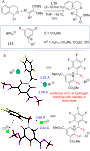
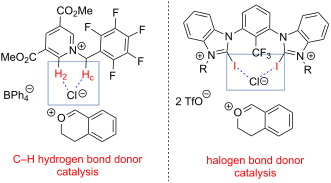
Scheme 10: (A) Alkylpyridinium catalysts L13-catalyzed reaction of 1-isochroman and silyl ketene acetals by Be...
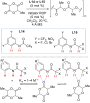
Scheme 11: Mixed N–H/C–H two hydrogen bond donors L14 and L15 as organocatalysts for ROP of lactide by Bibal a...

Scheme 12: Examples of stable complexes based on halogen bonding [68,69].

Scheme 13: Interaction between (−)-sparteine hydrobromide and (S)-1,2-dibromohexafluoropropane in the cocrysta...

Scheme 14: Iodine-catalyzed reactions that are computationally proposed to proceed through halogen bond to car...

Scheme 15: Transfer hydrogenation of phenylquinolines catalyzed by haloperfluoroalkanes by Bolm and co-workers ...
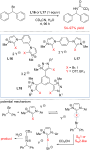
Scheme 16: Halogen bond activation of benzhydryl bromides by Huber and co-workers [82].

Scheme 17: Halogen bond-donor-catalyzed addition to oxocarbenium ions by Huber and co-workers [89].

Scheme 18: Halogen bond-donor activation of α,β-unsaturated carbonyl compounds in the [2 + 4] cycloaddition re...

Scheme 19: Halogen bond donor activation of imines in the [2 + 4] cycloaddition reaction of imine and Danishef...
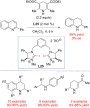
Scheme 20: Transfer hydrogenation catalyzed by a chiral halogen bond donor by Tan and co-workers [91].

Scheme 21: Allylation of benzylic alcohols by Takemoto and co-workers [92].

Scheme 22: NIS induced semipinacol rearrangement via C–X bond cleavage [93].
β-Amino functionalization of cinnamic Weinreb amides in ionic liquid
- Yi-Ning Wang,
- Guo-Xiang Sun and
- Gang Qi
Beilstein J. Org. Chem. 2016, 12, 2372–2377, doi:10.3762/bjoc.12.231

- towards the preparation of β-amino carbonyl compounds is the Mannich reaction [8][9]. However, there are few reported methods specifically focused on this target, which include oxidation of γ-amino alcohols [10], hydrolysis of 1,3-oxazines [11], rearrangement of 2,3-aziridinio alcohols [12], etc. N

Graphical Abstract

Scheme 1: Synthesis of N-phosphonyl-β-amino Weinreb amides.

Scheme 2: Aminochlorination of α,β-unsaturated ketones in ionic liquid.

Scheme 3: Conversion of β-amino Weinreb amides to aziridines.

Figure 1: Possible hydrogen bonding conformation.

Scheme 4: Resonance structures of Weinreb amides.

Scheme 5: Transformation of trans-aziridine.

Scheme 6: Proposed mechanism of aminochlorination of α,β-unsaturated Weinreb amides.



