


Search results
Search for "multicomponent synthesis" in Full Text gives 41 result(s) in Beilstein Journal of Organic Chemistry.
An overview on recent advances in the synthesis of sulfonated organic materials, sulfonated silica materials, and sulfonated carbon materials and their catalytic applications in chemical processes
- Hashem Sharghi,
- Pezhman Shiri and
- Mahdi Aberi
Beilstein J. Org. Chem. 2018, 14, 2745–2770, doi:10.3762/bjoc.14.253
- . [Dsim]HSO4 (26) has been also employed as a reusable and efficient catalyst for the one-pot multicomponent synthesis of various xanthene derivatives 24, 27, and 28 and pyrimido[4,5-b]quinoline derivatives 30 under mild and green conditions (Scheme 4) [42][43][44]. Easy preparation of the catalyst, easy
- copolymer synthesized by Friedel–Crafts alkylation of triphenylamine (115) with dibromo-p-xylene 112 was prepared (Scheme 21). After the sulfonation process, the resulted material has been employed as a heterogeneous, reusable, and environmentally benign catalyst in the multicomponent synthesis of

Graphical Abstract

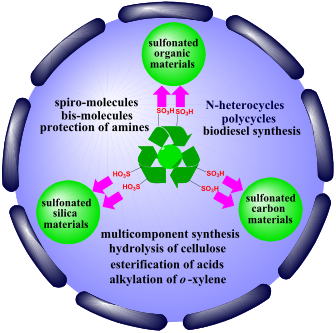
Figure 1: Different types of sulfonated materials as acid catalysts.

Scheme 1: Synthetic route of 3-methyl-1-sulfo-1H-imidazolium metal chloride ILs and their catalytic applicati...

Scheme 2: Synthetic route of 1,3-disulfo-1H-imidazolium transition metal chloride ILs and their catalytic app...
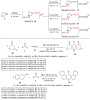
Scheme 3: Synthetic route of 1,3-disulfoimidazolium carboxylate ILs and their catalytic applications in the s...

Scheme 4: Synthetic route of [BiPy](HSO3)2Cl2 and [Dsim]HSO4 ILs and their catalytic applications for the syn...

Scheme 5: The catalytic applications of (C4(DABCO-SO3H)2·4Cl) IL for the synthesis of spiro-isatin derivative...

Scheme 6: The catalytic applications of (C4(DABCO-SO3H)2·4Cl) IL for the synthesis of bis 2-amino-4H-pyran de...

Scheme 7: The synthetic route of N,N-disulfo-1,1,3,3-tetramethylguanidinium carboxylate ILs and their catalyt...

Scheme 8: The catalytic application of 1-methyl-3-sulfo-1H-imidazolium tetrachloroferrate IL in the synthesis...

Scheme 9: The synthetic route of 3-sulfo-1H-imidazolopyrimidinium hydrogen sulfate IL and its catalytic appli...

Scheme 10: The results for the synthesis of bis(indolyl)methanes and di(bis(indolyl)methyl)benzenes in the pre...

Scheme 11: The catalytic applications of 1-(1-sulfoalkyl)-3-methylimidazolium chloride acidic ILs for the hydr...
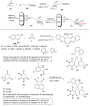
Scheme 12: The synthetic route of immobilized 1,4-diazabicyclo[2.2.2]octanesulfonic acid chloride on SiO2 and ...

Scheme 13: The catalytic application of a silica-bonded sulfoimidazolium chloride for the synthesis of 12-aryl...

Scheme 14: The synthetic route of the SBA-15-Ph-SO3H and its catalytic applications for the synthesis of 2H-in...

Scheme 15: The synthetic route for heteropolyanion-based ionic liquids immobilized on mesoporous silica SBA-15...

Scheme 16: Some mechanism aspects of SSA catalyst for the protection of amine derivatives.

Scheme 17: The synthetic route for MWCNT-SO3H and its catalytic application for the synthesis of N-substituted...
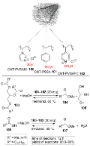
Scheme 18: The sulfonic acid-functionalized polymers (P-SO3H) covalently grafted on multi-walled carbon nanotu...

Scheme 19: The transesterification reaction in the presence of S-MWCNTs.
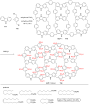
Scheme 20: The synthetic route for the new hypercrosslinked supermicroporous polymer via the Friedel–Crafts al...

Scheme 21: The synthetic route for a new microporous copolymer via the Friedel–Crafts alkylation reaction of t...

Scheme 22: The synthetic route for sulfonated polynaphthalene and its catalytic application for the amidoalkyl...

Scheme 23: The synthetic route of the acidic carbon material and its catalytic application in the etherificatio...

Scheme 24: The synthetic route of the acidic carbon materials and their catalytic applications for the esterif...

Scheme 25: The sulfonated MWCNTs.

Scheme 26: The sulfonated nanoscaled diamond powder for the dehydration of D-xylose into furfural.

Scheme 27: The synthetic route and catalytic application of the GR-SO3H.
5-Aminopyrazole as precursor in design and synthesis of fused pyrazoloazines
- Ranjana Aggarwal and
- Suresh Kumar
Beilstein J. Org. Chem. 2018, 14, 203–242, doi:10.3762/bjoc.14.15
- ). Bhaumik et al. [59] carried out a similar reaction of 5-aminopyrazole (R = H, R1 = Me, 16), isatin 54 and cyclic-1,3-diones 58 in aqueous ethanol using aluminosilicate nanoparticles catalyst to yield pyrazolo[3,4-b]pyridines 61 (Scheme 13). Dandia et al. [60] carried out the multicomponent synthesis of

Graphical Abstract

Figure 1: Selected examples of drugs with fused pyrazole rings.

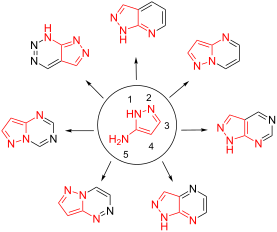
Figure 2: Typical structures of some fused pyrazoloazines from 5-aminopyrazoles.

Scheme 1: Regiospecific synthesis of 4 and 6-trifluoromethyl-1H-pyrazolo[3,4-b]pyridines.

Scheme 2: Synthesis of pyrazolo[3,4-b]pyridine-6-carboxylates.

Scheme 3: Synthesis of 1,4,6-triaryl-1H-pyrazolo[3,4-b]pyridines with ionic liquid .

Scheme 4: Synthesis of coumarin-based isomeric tetracyclic pyrazolo[3,4-b]pyridines.

Scheme 5: Synthesis of 6-substituted pyrazolo[3,4-b]pyridines under Heck conditions.

Scheme 6: Microwave-assisted palladium-catalyzed synthesis of pyrazolo[3,4-b]pyridines.

Scheme 7: Acid-catalyzed synthesis of pyrazolo[3,4-b]pyridines via enaminones.

Scheme 8: Synthesis of pyrazolo[3,4-b]pyridines via aza-Diels–Alder reaction.

Scheme 9: Synthesis of macrocyclane fused pyrazolo[3,4-b]pyridine derivatives.

Scheme 10: Three-component synthesis of 4,7-dihydro-1H-pyrazolo[3,4-b]pyridine derivatives.

Scheme 11: Ultrasonicated synthesis of spiro[indoline-3,4'-pyrazolo[3,4-b]pyridine]-2,6'(1'H)-diones.

Scheme 12: Synthesis of spiro[indoline-3,4'-pyrazolo[3,4-b]pyridine] derivatives under conventional heating co...

Scheme 13: Nanoparticle-catalyzed synthesis of pyrazolo[3,4-b]pyridine-spiroindolinones.

Scheme 14: Microwave-assisted multicomponent synthesis of spiropyrazolo[3,4-b]pyridines.

Scheme 15: Unexpected synthesis of naphthoic acid-substituted pyrazolo[3,4-b]pyridines.

Scheme 16: Multicomponent synthesis of variously substituted pyrazolo[3,4-b]pyridine derivatives.

Scheme 17: Three-component synthesis of 4,7-dihydropyrazolo[3,4-b]pyridines and pyrazolo[3,4-b]pyridines.

Scheme 18: Synthesis of pyrazolo[3,4-b]pyridine-5-spirocycloalkanediones.

Scheme 19: Ultrasound-mediated three-component synthesis of pyrazolo[3,4-b]pyridines.

Scheme 20: Multicomponent synthesis of 4-aryl-3-methyl-1-phenyl-4,6,8,9-tetrahydropyrazolo [3,4-b]thiopyrano[4...

Scheme 21: Synthesis of 2,3-dihydrochromeno[4,3-d]pyrazolo[3,4-b]pyridine-1,6-diones.

Scheme 22: FeCl3-catalyzed synthesis of o-hydroxyphenylpyrazolo[3,4-b]pyridine derivatives.

Scheme 23: Ionic liquid-mediated synthesis of pyrazolo[3,4-b]pyridines.

Scheme 24: Microwave-assisted synthesis of pyrazolo[3,4-b]pyridines.

Scheme 25: Multicomponent synthesis of pyrazolo[3,4-b]pyridine-5-carbonitriles.

Scheme 26: Unusual domino synthesis of 4,7-dihydropyrazolo[3,4-b]pyridine-5-nitriles.

Scheme 27: Synthesis of 4,5,6,7-tetrahydro-4H-pyrazolo[3,4-b]pyridines under conventional heating and ultrasou...

Scheme 28: L-Proline-catalyzed synthesis of of pyrazolo[3,4-b]pyridine.

Scheme 29: Microwave-assisted synthesis of 5-aminoarylpyrazolo[3,4-b]pyridines.

Scheme 30: Microwave-assisted multi-component synthesis of pyrazolo[3,4-e]indolizines.

Scheme 31: Synthesis of fluoropropynyl and fluoroalkyl substituted pyrazolo[1,5-a]pyrimidine.

Scheme 32: Acid-catalyzed synthesis of pyrazolo[1,5-a]pyrimidine derivatives.

Scheme 33: Chemoselective and regiospecific synthesis of 2-(3-methylpyrazol-1’-yl)-5-methylpyrazolo[1,5-a]pyri...

Scheme 34: Regioselective synthesis of 7-trifluoromethylpyrazolo[1,5-a]pyrimidines.

Scheme 35: Microwave-assisted synthesis of 7-trifluoromethylpyrazolo[1,5-a]pyrimidine carboxylates.

Scheme 36: Microwave and ultrasound-assisted synthesis of 7-trifluoromethylpyrazolo[1,5-a]pyrimidines.

Scheme 37: Base-catalyzed unprecedented synthesis of pyrazolo[1,5-a]pyrimidines via C–C bond cleavage.

Scheme 38: Synthesis of aminobenzothiazole/piperazine linked pyrazolo[1,5-a]pyrimidines.

Scheme 39: Synthesis of aminoalkylpyrazolo[1,5-a]pyrimidine-7-amines.

Scheme 40: Synthesis of pyrazolo[1,5-a]pyrimidines from condensation of 5-aminopyrazole 126 and ethyl acetoace...

Scheme 41: Synthesis of 7-aminopyrazolo[1,5-a]pyrimidines.

Scheme 42: Unexpected synthesis of 7-aminopyrazolo[1,5-a]pyrimidines under solvent free and solvent-mediated c...

Scheme 43: Synthesis of N-(4-aminophenyl)-7-aryloxypyrazolo[1,5-a]pyrimidin-5-amines.

Scheme 44: Base-catalyzed synthesis of 5,7-diarylpyrazolo[1,5-a]pyrimidines.

Scheme 45: Synthesis of 6,7-dihydropyrazolo[1,5-a]pyrimidines in PEG-400.

Scheme 46: Synthesis of 7-heteroarylpyrazolo[1,5-a]pyrimidine-3-carboxamides.

Scheme 47: Synthesis of 7-heteroarylpyrazolo[1,5-a]pyrimidine derivatives under conventional heating and micro...

Scheme 48: Synthesis of N-aroylpyrazolo[1,5-a]pyrimidine-5-amines.

Scheme 49: Regioselective synthesis of ethyl pyrazolo[1,5-a]pyrimidine-7-carboxylate.

Scheme 50: Sodium methoxide-catalyzed synthesis of 3-cyano-6,7-diarylpyrazolo[1,5-a]pyrimidines.

Scheme 51: Synthesis of various pyrazolo[3,4-d]pyrimidine derivatives.

Scheme 52: Synthesis of hydrazinopyrazolo[3,4-d]pyrimidine derivatives.

Scheme 53: Synthesis of N-arylidinepyrazolo[3,4-d]pyrimidin-5-amines.

Scheme 54: Synthesis of pyrazolo[3,4-d]pyrimidinyl-4-amines.

Scheme 55: Iodine-catalyzed synthesis of pyrazolo[3,4-d]pyrimidinones.

Scheme 56: Synthesis of ethyl 6-amino-2H-pyrazolo[3,4-d]pyrimidine-4-carboxylate.

Scheme 57: Synthesis of 4-substituted-(3,6-dihydropyran-4-yl)-1H-pyrazolo[3,4-d]pyrimidines.

Scheme 58: Synthesis of 1-(2,4-dichlorophenyl)pyrazolo[3,4-d]pyrimidin-4-yl carboxamides.

Scheme 59: Synthesis of 5-(1,3,4-thidiazol-2-yl)pyrazolo[3,4-d]pyrimidine.

Scheme 60: One pot POCl3-catalyzed synthesis of 1-arylpyrazolo[3,4-d]pyrimidin-4-ones.

Scheme 61: Synthesis of 4-amino-N1,C3-dialkylpyrazolo[3,4-d]pyrimidines under Suzuki conditions.

Scheme 62: Microwave-assisted synthesis of pyrazolo[3,4-b]pyrazines.

Scheme 63: Synthesis and derivatization of pyrazolo[3,4-b]pyrazine-5-carbonitriles.

Scheme 64: Synthesis of 2-thioxo-pyrazolo[1,5-a][1,3,5]triazin-4-ones.

Scheme 65: Synthesis of 2,3-dihydropyrazolo[1,5-a][1,3,5]triazin-4(1H)-one.

Scheme 66: Synthesis of pyrazolo[1,5-a][1,3,5]triazine-8-carboxylic acid ethyl ester.

Scheme 67: Microwave-assisted synthesis of 4,7-dihetarylpyrazolo[1,5-a][1,3,5]triazines.

Scheme 68: Alternative synthetic route to 4,7-diheteroarylpyrazolo[1,5-a][1,3,5]triazines.

Scheme 69: Synthesis of 4-aryl-2-ethylthio-7-methylpyrazolo[1,5-a][1,3,5]triazines.

Scheme 70: Microwave-assisted synthesis of 4-aminopyrazolo[1,5-a][1,3,5]triazine.

Scheme 71: Synthesis of pyrazolo[3,4-d][1,2,3]triazines from pyrazol-5-yl diazonium salts.

Scheme 72: Synthesis of 2,5-dihydropyrazolo[3,4-e][1,2,4]triazines.

Scheme 73: Synthesis of pyrazolo[5,1-c][1,2,4]triazines via diazopyrazolylenaminones.

Scheme 74: Synthesis of pyrazolo[5,1-c][1,2,4]triazines in presence of sodium acetate.

Scheme 75: Synthesis of various 7-diazopyrazolo[5,1-c][1,2,4]triazine derivatives.

Scheme 76: One pot synthesis of pyrazolo[5,1-c][1,2,4]triazines.

Scheme 77: Synthesis of 4-amino-3,7,8-trinitropyrazolo-[5,1-c][1,2,4]triazines.

Scheme 78: Synthesis of tricyclic pyrazolo[5,1-c][1,2,4]triazines by azocoupling reaction.
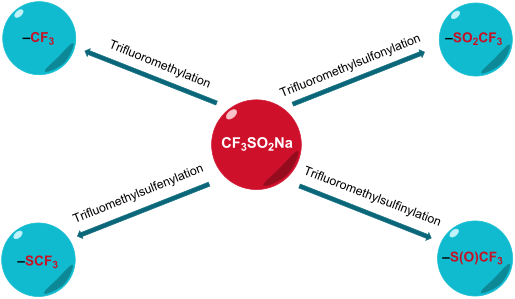
CF3SO2X (X = Na, Cl) as reagents for trifluoromethylation, trifluoromethylsulfenyl-, -sulfinyl- and -sulfonylation. Part 1: Use of CF3SO2Na
- Hélène Guyon,
- Hélène Chachignon and
- Dominique Cahard
Beilstein J. Org. Chem. 2017, 13, 2764–2799, doi:10.3762/bjoc.13.272

Graphical Abstract

Scheme 1: Trifluoromethylation of enol acetates by Langlois.

Scheme 2: Trifluoromethylation of (het)aryl enol acetates.

Scheme 3: Mechanism for the trifluoromethylation of enol acetates.

Scheme 4: Oxidative trifluoromethylation of unactivated olefins and mechanistic pathway.
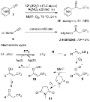
Scheme 5: Oxidative trifluoromethylation of acetylenic substrates.

Scheme 6: Metal free trifluoromethylation of styrenes.

Scheme 7: Synthesis of α-trifluoromethylated ketones by oxytrifluoromethylation of heteroatom-functionalised ...
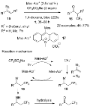
Scheme 8: Catalysed photoredox trifluoromethylation of vinyl azides.

Scheme 9: Oxidative difunctionalisation of alkenyl MIDA boronates.

Scheme 10: Synthesis of β-trifluoromethyl ketones from cyclopropanols.

Scheme 11: Aryltrifluoromethylation of allylic alcohols.

Scheme 12: Cascade multicomponent synthesis of nitrogen heterocycles via azotrifluoromethylation of alkenes.

Scheme 13: Photocatalytic azotrifluoromethylation of alkenes with aryldiazonium salts and CF3SO2Na.

Scheme 14: Copper-promoted intramolecular aminotrifluoromethylation of alkenes with CF3SO2Na.

Scheme 15: Oxytrifluoromethylation of alkenes with CF3SO2Na and hydroxamic acid.

Scheme 16: Manganese-catalysed oxytrifluoromethylation of styrene derivatives.

Scheme 17: Oxytrifluoromethylation of alkenes with NMP/O2 and CF3SO2Na.

Scheme 18: Intramolecular oxytrifluoromethylation of alkenes.

Scheme 19: Hydrotrifluoromethylation of styrenyl alkenes and unactivated aliphatic alkenes.

Scheme 20: Hydrotrifluoromethylation of electron-deficient alkenes.

Scheme 21: Hydrotrifluoromethylation of alkenes by iridium photoredox catalysis.

Scheme 22: Iodo- and bromotrifluoromethylation of alkenes by CF3SO2Na/I2O5 or CF3SO2Na / NaBrO3.

Scheme 23: N-methyl-9-mesityl acridinium and visible-light-induced chloro-, bromo- and SCF3 trifluoromethylati...

Scheme 24: Carbotrifluoromethylation of N-arylacrylamides with CF3SO2Na / TBHP by Lipshutz.

Scheme 25: Carbotrifluoromethylation of N-arylacrylamides with CF3SO2Na/TBHP reported by Lei.

Scheme 26: Carbotrifluoromethylation of N-arylacrylamides with CF3SO2Na/(NH4)2S2O8.

Scheme 27: Metal-free carbotrifluoromethylation of N-arylacrylamides with CF3SO2Na/K2S2O8 reported by Wang.

Scheme 28: Metal-free carbotrifluoromethylation of N-arylacrylamides with CF3SO2Na/PIDA reported by Fu.

Scheme 29: Metal-free cascade trifluoromethylation/cyclisation of N-arylmethacrylamides (a) and enynes (b) wit...

Scheme 30: Trifluoromethylation/cyclisation of N-arylcinnamamides: Synthesis of 3,4-disubstituted dihydroquino...

Scheme 31: Trifluoromethylation/cyclisation of aromatic-containing unsaturated ketones.

Scheme 32: Chemo- and regioselective cascade trifluoromethylation/heteroaryl ipso-migration of unactivated alk...

Scheme 33: Copper-mediated 1,2-bis(trifluoromethylation) of alkenes.

Scheme 34: Trifluoromethylation of aromatics with CF3SO2Na reported by Langlois.

Scheme 35: Baran’s oxidative C–H trifluoromethylation of heterocycles.

Scheme 36: Trifluoromethylation of acetanilides and anilines.

Scheme 37: Trifluoromethylation of heterocycles in water.

Scheme 38: Trifluoromethylation of coumarins in a continuous-flow reactor.

Scheme 39: Oxidative trifluoromethylation of coumarins, quinolines and pyrimidinones.

Scheme 40: Oxidative trifluoromethylation of pyrimidinones and pyridinones.

Scheme 41: Phosphovanadomolybdic acid-catalysed direct C−H trifluoromethylation.
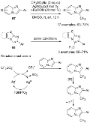
Scheme 42: Oxidative trifluoromethylation of imidazopyridines and imidazoheterocycles.

Scheme 43: Oxidative trifluoromethylation of imidazoheterocycles and imidazoles in ionic liquid/water.
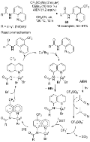
Scheme 44: Oxidative trifluoromethylation of 8-aminoquinolines.

Scheme 45: Oxidative trifluoromethylation of various 8-aminoquinolines using the supported catalyst CS@Cu(OAc)2...

Scheme 46: Oxidative trifluoromethylation of the naphthylamide 70.

Scheme 47: Oxidative trifluoromethylation of various arenes in the presence of CF3SO2Na and sodium persulfate.
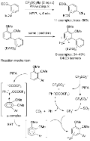
Scheme 48: Trifluoromethylation of electron-rich arenes and unsymmetrical biaryls with CF3SO2Na in the presenc...

Figure 1: Trifluoromethylated coumarin and flavone.

Scheme 49: Metal-free trifluoromethylation catalysed by a photoredox organocatalyst.
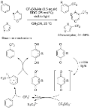
Scheme 50: Quinone-mediated trifluoromethylation of arenes and heteroarenes.
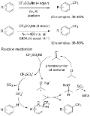
Scheme 51: Metal- and oxidant-free photochemical trifluoromethylation of arenes.

Scheme 52: Copper-mediated trifluoromethylation of arenediazonium tetrafluoroborates.

Scheme 53: Oxidative trifluoromethylation of aryl- and heteroarylboronic acids.
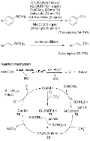
Scheme 54: Oxidative trifluoromethylation of aryl- and vinylboronic acids.

Scheme 55: Oxidative trifluoromethylation of unsaturated potassium organotrifluoroborates.

Scheme 56: Oxidative trifluoromethylation of (hetero)aryl- and vinyltrifluoroborates.

Scheme 57: Copper−catalysed decarboxylative trifluoromethylation of cinnamic acids.

Scheme 58: Iron-mediated decarboxylative trifluoromethylation of α,β-unsaturated carboxylic acids.

Scheme 59: Cu/Ag-catalysed decarboxylative trifluoromethylation of cinnamic acids.

Scheme 60: I2O5-Promoted decarboxylative trifluoromethylation of cinnamic acids.

Scheme 61: Silver(I)-catalysed denitrative trifluoromethylation of β-nitrostyrenes.
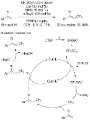
Scheme 62: Copper-catalysed direct trifluoromethylation of styrene derivatives.
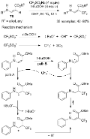
Scheme 63: Transition-metal-free synthesis of β-trifluoromethylated enamines.

Scheme 64: I2O5-mediated iodotrifluoromethylation of alkynes.

Scheme 65: Silver-catalysed tandem trifluoromethylation/cyclisation of aryl isonitriles.

Scheme 66: Photoredox trifluoromethylation of 2-isocyanobiphenyls.

Scheme 67: Trifluoromethylation of potassium alkynyltrifluoroborates with CF3SO2Na.
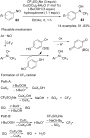
Scheme 68: N-trifluoromethylation of nitrosoarenes with CF3SO2Na (SQ: semiquinone).

Scheme 69: Trifluoromethylation of disulfides with CF3SO2Na.

Scheme 70: Trifluoromethylation of thiols with CF3SO2Na/I2O5.
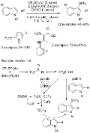
Scheme 71: Electrophilic trifluoromethylsulfenylation by means of CF3SO2Na/(EtO)2P(O)H/CuCl/DMSO.

Scheme 72: Electrophilic trifluoromethylsulfenylation by means of CF3SO2Na/(EtO)2P(O)H/TMSCl.
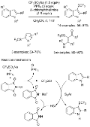
Scheme 73: Electrophilic trifluoromethylsulfenylation by means of CF3SO2Na/PPh3/N-chlorophthalimide.

Scheme 74: Electrophilic trifluoromethylsulfenylation by means of CF3SO2Na/PCl3.

Scheme 75: Electrophilic trifluoromethylsulfenylation by means of CF3SO2Na/PCl3.

Scheme 76: Trifluoromethylsulfenylation of aryl iodides with in situ generated CuSCF3 (DMI: 1,3-dimethyl-2-imi...

Scheme 77: Pioneering trifluoromethylsulfinylation of N, O, and C-nucleophiles.

Scheme 78: Trifluoromethylsulfinylation of (1R,2S)-ephedrine (Im: imidazole; DIEA: N,N-diisopropylethylamine).

Scheme 79: Trifluoromethylsulfinylation of substituted benzenes with CF3SO2Na/CF3SO3H.

Scheme 80: Trifluoromethylsulfinylation of indoles with CF3SO2Na/P(O)Cl3.

Scheme 81: Trifluoromethylsulfinylation of indoles with CF3SO2Na/PCl3.

Scheme 82: Formation of triflones from benzyl bromides (DMA: dimethylacetamide).

Scheme 83: Formation of α-trifluoromethylsulfonyl ketones, esters, and amides.

Scheme 84: Allylic trifluoromethanesulfonylation of aromatic allylic alcohols.

Scheme 85: Copper-catalysed couplings of aryl iodonium salts with CF3SO2Na.

Scheme 86: Palladium-catalysed trifluoromethanesulfonylation of aryl triflates and chlorides with CF3SO2Na.

Scheme 87: Copper-catalysed coupling of arenediazonium tetrafluoroborates with CF3SO2Na.

Scheme 88: Synthesis of phenyltriflone via coupling of benzyne with CF3SO2Na.

Scheme 89: Synthesis of 1-trifluoromethanesulfonylcyclopentenes from 1-alkynyl-λ3-bromanes and CF3SO2Na.

Scheme 90: One-pot synthesis of functionalised vinyl triflones.

Scheme 91: Regioselective synthesis of vinyltriflones from styrenes.

Scheme 92: Trifluoromethanesulfonylation of alkynyl(phenyl) iodonium tosylates by CF3SO2Na.

Scheme 93: Synthesis of thio- and selenotrifluoromethanesulfonates.
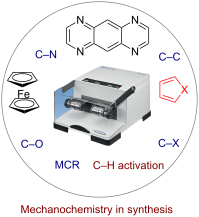
Mechanochemical synthesis of small organic molecules
- Tapas Kumar Achar,
- Anima Bose and
- Prasenjit Mal
Beilstein J. Org. Chem. 2017, 13, 1907–1931, doi:10.3762/bjoc.13.186
- ]. b) Multistep and multicomponent synthesis of Re-complexes [176]. c) Mechano-synthesis of NHC-Au complex [177]. Mechanochemical activation of C–H bond of unsymmetrical azobenzene [178]. Mechanochemical synthesis of organometallic pincer complex [179]. Mechanochemical synthesis of tris(allyl)aluminum

Graphical Abstract

Scheme 1: Mechanochemical aldol condensation reactions [48].

Scheme 2: Enantioselective organocatalyzed aldol reactions under mechanomilling. a) Based on binam-(S)-prolin...

Scheme 3: Mechanochemical Michael reaction [51].

Scheme 4: Mechanochemical organocatalytic asymmetric Michael reaction [52].

Scheme 5: Mechanochemical Morita–Baylis–Hillman (MBH) reaction [53].

Scheme 6: Mechanochemical Wittig reactions [55].

Scheme 7: Mechanochemical Suzuki reaction [56].

Scheme 8: Mechanochemical Suzuki–Miyaura coupling by LAG [57].

Scheme 9: Mechanochemical Heck reaction [59].

Scheme 10: a) Sonogashira coupling under milling conditions. b) The representative example of a double Sonogas...

Scheme 11: Copper-catalyzed CDC reaction under mechanomilling [67].

Scheme 12: Asymmetric alkynylation of prochiral sp3 C–H bonds via CDC [68].

Scheme 13: Fe(III)-catalyzed CDC coupling of 3-benzylindoles [69].

Scheme 14: Mechanochemical synthesis of 3-vinylindoles and β,β-diindolylpropionates [70].

Scheme 15: Mechanochemical C–N bond construction using anilines and arylboronic acids [78].

Scheme 16: Mechanochemical amidation reaction from aromatic aldehydes and N-chloramine [79].

Scheme 17: Mechanochemical CDC between benzaldehydes and benzyl amines [81].

Scheme 18: Mechanochemical protection of -NH2 and -COOH group of amino acids [85].

Scheme 19: Mechanochemical Ritter reaction [87].

Scheme 20: Mechanochemical synthesis of dialkyl carbonates [90].

Scheme 21: Mechanochemical transesterification reaction using basic Al2O3 [91].

Scheme 22: Mechanochemical carbamate synthesis [92].

Scheme 23: Mechanochemical bromination reaction using NaBr and oxone [96].

Scheme 24: Mechanochemical aryl halogenation reactions using NaX and oxone [97].

Scheme 25: Mechanochemical halogenation reaction of electron-rich arenes [88,98].

Scheme 26: Mechanochemical aryl halogenation reaction using trihaloisocyanuric acids [100].

Scheme 27: Mechanochemical fluorination reaction by LAG method [102].

Scheme 28: Mechanochemical Ugi reaction [116].

Scheme 29: Mechanochemical Passerine reaction [116].

Scheme 30: Mechanochemical synthesis of α-aminonitriles [120].

Scheme 31: Mechanochemical Hantzsch pyrrole synthesis [121].

Scheme 32: Mechanochemical Biginelli reaction by subcomponent synthesis approach [133].

Scheme 33: Mechanochemical asymmetric multicomponent reaction[134].

Scheme 34: Mechanochemical Paal–Knorr pyrrole synthesis [142].

Scheme 35: Mechanochemical synthesis of benzothiazole using ZnO nano particles [146].

Scheme 36: Mechanochemical synthesis of 1,2-di-substituted benzimidazoles [149].

Scheme 37: Mechanochemical click reaction using an alumina-supported Cu-catalyst [152].

Scheme 38: Mechanochemical click reaction using copper vial [155].

Scheme 39: Mechanochemical indole synthesis [157].

Scheme 40: Mechanochemical synthesis of chromene [158].

Scheme 41: Mechanochemical synthesis of azacenes [169].

Scheme 42: Mechanochemical oxidative C-P bond formation [170].

Scheme 43: Mechanochemical C–chalcogen bond formation [171].

Scheme 44: Solvent-free synthesis of an organometallic complex.
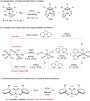
Scheme 45: Selective examples of mechano-synthesis of organometallic complexes. a) Halogenation reaction of Re...

Scheme 46: Mechanochemical activation of C–H bond of unsymmetrical azobenzene [178].

Scheme 47: Mechanochemical synthesis of organometallic pincer complex [179].

Scheme 48: Mechanochemical synthesis of tris(allyl)aluminum complex [180].

Scheme 49: Mechanochemical Ru-catalyzed olefin metathesis reaction [181].

Scheme 50: Rhodium(III)-catalyzed C–H bond functionalization under mechanochemical conditions [182].

Scheme 51: Mechanochemical Csp2–H bond amidation using Ir(III) catalyst [183].

Scheme 52: Mechanochemical Rh-catalyzed Csp2–X bond formation [184].

Scheme 53: Mechanochemical Pd-catalyzed C–H activation [185].

Scheme 54: Mechanochemical Csp2–H bond amidation using Rh catalyst.

Scheme 55: Mechanochemical synthesis of indoles using Rh catalyst [187].

Scheme 56: Mizoroki–Heck reaction of aminoacrylates with aryl halide in a ball-mill [58].

Scheme 57: IBX under mechanomilling conditions [8].

Scheme 58: Thiocarbamoylation of anilines; trapping of reactive aryl-N-thiocarbamoylbenzotriazole intermediate...
Multicomponent synthesis of spiropyrrolidine analogues derived from vinylindole/indazole by a 1,3-dipolar cycloaddition reaction
- Manjunatha Narayanarao,
- Lokesh Koodlur,
- Vijayakumar G. Revanasiddappa,
- Subramanya Gopal and
- Susmita Kamila
Beilstein J. Org. Chem. 2016, 12, 2893–2897, doi:10.3762/bjoc.12.288
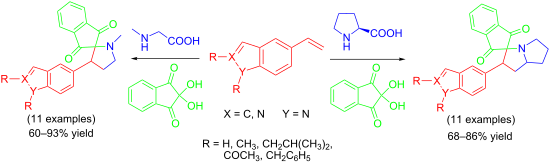
- -pot multicomponent synthesis. The method uses the 1,3-dipolar cycloaddition reaction between N-alkylvinylindole/indazole and azomethine ylides, prepared in situ from cyclic/acyclic amino acids. The 1,3-dipolar cycloaddition proceeds efficiently under thermal conditions to afford the regio- and

Graphical Abstract

Scheme 1: Synthesis of N-alkyl vinylindoles and N-alkyl vinylindazoles (3).

Scheme 2: Retrosynthetic strategy used for the synthesis of 7 and 8.

Figure 1: NOE interactions in compound 8c supporting the stereochemical assignments for 8a–k. H1 and H2 on th...

Figure 2: ORTEP representation of compounds 7a and 7f obtained by single crystal XRD study.
Multicomponent reactions: A simple and efficient route to heterocyclic phosphonates
- Mohammad Haji
Beilstein J. Org. Chem. 2016, 12, 1269–1301, doi:10.3762/bjoc.12.121
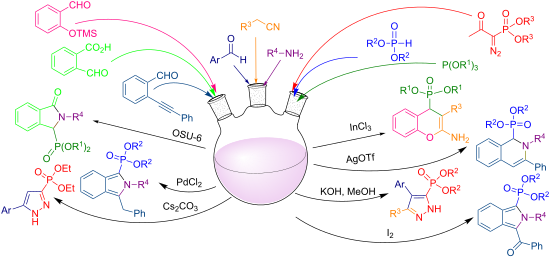
- about the multicomponent synthesis of phosphono-substituted heterocycles has been reported so far. This review focuses on general multicomponent reactions as well as on modified MCR towards heterocyclic phosphonates. It is organized by the reaction types and covers literature published up to September
- multicomponent synthesis of benzodiazepinylphosphonates in the literature. Both syntheses are based on o-diaminobenzene as the starting material. In the first method, an YbCl3-catalyzed three-component reaction between an o-diaminobenzene 124, 2,4-pentanedione (125) and diethyl phosphite under optimized solvent
- reaction can be considered the starting point of multicomponent synthesis of this class of compounds. However, the major advancements in this interesting field have been achieved in recent years. More than 75% of the cited literature in this review has been published within the last six years, of which

Graphical Abstract

Scheme 1: The Biginelli condensation.

Scheme 2: The Biginelli reaction of β-ketophosphonates catalyzed by ytterbium triflate.

Scheme 3: Trimethylchlorosilane-mediated Biginelli reaction of diethyl (3,3,3-trifluoropropyl-2-oxo)phosphona...

Scheme 4: Biginelli reaction of dialkyl (3,3,3-trifluoropropyl-2-oxo)phosphonate with trialkyl orthoformates ...

Scheme 5: p-Toluenesulfonic acid-promoted Biginelli reaction of β-ketophosphonates, aryl aldehydes and urea.

Scheme 6: General Kabachnik–Fields reaction for the synthesis of α-aminophosphonates.

Scheme 7: Phthalocyanine–AlCl catalyzed Kabachnik–Fields reaction of N-Boc-piperidin-4-one with diethyl phosp...

Scheme 8: Kabachnik–Fields reaction of isatin with diethyl phosphite and benzylamine.

Scheme 9: Magnetic Fe3O4 nanoparticle-supported phosphotungstic acid-catalyzed Kabachnik–Fields reaction of i...

Scheme 10: The Mg(ClO4)2-catalyzed Kabachnik–Fields reaction of 1-tosylpiperidine-4-one.

Scheme 11: An asymmetric version of the Kabachnik–Fields reaction for the synthesis of α-amino-3-piperidinylph...

Scheme 12: A classical Kabachnik–Fields reaction followed by an intramolecular ring-closing reaction for the s...

Scheme 13: Synthesis of (S)-piperidin-2-phosphonic acid through an asymmetric Kabachnik–Fields reaction.

Scheme 14: A modified diastereoselective Kabachnik–Fields reaction for the synthesis of isoindolin-1-one-3-pho...

Scheme 15: A microwave-assisted Kabachnik–Fields reaction toward isoindolin-1-ones.

Scheme 16: The synthesis of 3-arylmethyleneisoindolin-1-ones through a Horner–Wadsworth–Emmons reaction of Kab...

Scheme 17: An efficient one-pot method for the synthesis of ethyl (2-alkyl- and 2-aryl-3-oxoisoindolin-1-yl)ph...

Scheme 18: FeCl3 and PdCl2 co-catalyzed three-component reaction of 2-alkynylbenzaldehydes, anilines, and diet...

Scheme 19: Three-component reaction of 6-methyl-3-formylchromone (75) with hydrazine derivatives or hydroxylam...

Scheme 20: Three-component reaction of 6-methyl-3-formylchromone (75) with thiourea, guanidinium carbonate or ...

Scheme 21: Three-component reaction of 6-methyl-3-formylchromone (75) with 1,4-bi-nucleophiles in the presence...

Scheme 22: One-pot three-component reaction of 2-alkynylbenzaldehydes, amines, and diethyl phosphonate.

Scheme 23: Lewis acid–surfactant combined catalysts for the one-pot three-component reaction of 2-alkynylbenza...

Scheme 24: Lewis acid catalyzed cyclization of different Kabachnik–Fields adducts.

Scheme 25: Three-component synthesis of N-arylisoquinolone-1-phosphonates 119.

Scheme 26: CuI-catalyzed three-component tandem reaction of 2-(2-formylphenyl)ethanones with aromatic amines a...

Scheme 27: Synthesis of 1,5-benzodiazepin-2-ylphosphonates via ytterbium chloride-catalyzed three-component re...

Scheme 28: FeCl3-catalyzed four-component reaction for the synthesis of 1,5-benzodiazepin-2-ylphosphonates.

Scheme 29: Synthesis of indole bisphosphonates through a modified Kabachnik–Fields reaction.

Scheme 30: Synthesis of heterocyclic bisphosphonates via Kabachnik–Fields reaction of triethyl orthoformate.

Scheme 31: A domino Knoevenagel/phospha-Michael process for the synthesis of 2-oxoindolin-3-ylphosphonates.

Scheme 32: Intramolecular cyclization of phospha-Michael adducts to give dihydropyridinylphosphonates.

Scheme 33: Synthesis of fused phosphonylpyrans via intramolecular cyclization of phospha-Michael adducts.

Scheme 34: InCl3-catalyzed three-component synthesis of (2-amino-3-cyano-4H-chromen-4-yl)phosphonates.

Scheme 35: Synthesis of phosphonodihydropyrans via a domino Knoevenagel/hetero-Diels–Alder process.

Scheme 36: Multicomponent synthesis of phosphonodihydrothiopyrans via a domino Knoevenagel/hetero-Diels–Alder ...

Scheme 37: One-pot four-component synthesis of 1,2-dihydroisoquinolin-1-ylphosphonates under multicatalytic co...

Scheme 38: CuI-catalyzed four-component reactions of methyleneaziridines towards alkylphosphonates.

Scheme 39: Ruthenium–porphyrin complex-catalyzed three-component synthesis of aziridinylphosphonates and its p...

Scheme 40: Copper(I)-catalyzed three-component reaction towards 1,2,3-triazolyl-5-phosphonates.

Scheme 41: Three-component reaction of acylphosphonates, isocyanides and dialkyl acetylenedicarboxylate to aff...

Scheme 42: Synthesis of (4-imino-3,4-dihydroquinazolin-2-yl)phosphonates via an isocyanide-based three-compone...

Scheme 43: Silver-catalyzed three-component synthesis of (2-imidazolin-4-yl)phosphonates.

Scheme 44: Three-component synthesis of phosphonylpyrazoles.

Scheme 45: One-pot three-component synthesis of 3-carbo-5-phosphonylpyrazoles.

Scheme 46: A one-pot two-step method for the synthesis of phosphonylpyrazoles.

Scheme 47: A one-pot method for the synthesis of (5-vinylpyrazolyl)phosphonates.

Scheme 48: Synthesis of 1H-pyrrol-2-ylphosphonates via the [3 + 2] cycloaddition of phosphonate azomethine yli...

Scheme 49: Three-component synthesis of 1H-pyrrol-2-ylphosphonates.

Scheme 50: The classical Reissert reaction.

Scheme 51: One-pot three-component synthesis of N-phosphorylated isoquinolines.

Scheme 52: One-pot three-component synthesis of 1-acyl-1,2-dihydroquinoline-2-phosphonates and 2-acyl-1,2-dihy...

Scheme 53: Three-component reaction of pyridine derivatives with ethyl propiolate and dialkyl phosphonates.

Scheme 54: Three-component reactions for the phosphorylation of benzothiazole and isoquinoline.

Scheme 55: Three-component synthesis of diphenyl [2-(aminocarbonyl)- or [2-(aminothioxomethyl)-1,2-dihydroisoq...

Scheme 56: Three-component stereoselective synthesis of 1,2-dihydroquinolin-2-ylphosphonates and 1,2-dihydrois...

Scheme 57: Diphosphorylation of diazaheterocyclic compounds via a tandem 1,4–1,2 addition of dimethyl trimethy...

Scheme 58: Multicomponent reaction of alkanedials, acetamide and acetyl chloride in the presence of PCl3 and a...

Scheme 59: An oxidative domino three-component synthesis of polyfunctionalized pyridines.

Scheme 60: A sequential one-pot three-component synthesis of polysubstituted pyrroles.

Scheme 61: Three-component decarboxylative coupling of proline with aldehydes and dialkyl phosphites for the s...

Scheme 62: Three-component domino aza-Wittig/phospha-Mannich sequence for the phosphorylation of isatin deriva...

Scheme 63: Stereoselective synthesis of phosphorylated trans-1,5-benzodiazepines via a one-pot three-component...

Scheme 64: One-pot three-component synthesis of phosphorylated 2,6-dioxohexahydropyrimidines.
(Thio)urea-mediated synthesis of functionalized six-membered rings with multiple chiral centers
- Giorgos Koutoulogenis,
- Nikolaos Kaplaneris and
- Christoforos G. Kokotos
Beilstein J. Org. Chem. 2016, 12, 462–495, doi:10.3762/bjoc.12.48
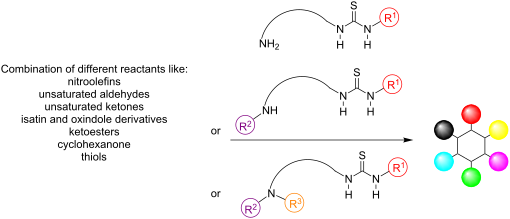
- in the production of 93 and 94 in moderate to excellent enantioselectivities, considering the high molecular complexity achieved in only one step. Recently, Bugaut, Constantieux and co-workers described the enantioselective organocatalytic multicomponent synthesis of 2,6-diazabicyclo[2.2.2]octanones

Graphical Abstract

Scheme 1: Activation of carbonyl compounds via enamine and iminium intermediates [2].

Scheme 2: Electronic and steric interactions present in enamine activation mode [2].

Scheme 3: Electrophilic activation of carbonyl compounds by a thiourea moiety.

Scheme 4: Asymmetric synthesis of dihydro-2H-pyran-6-carboxylate 3 using organocatalyst 4 [16].

Scheme 5: Possible hydrogen-bonding for the reaction of (E)-methyl 2-oxo-4-phenylbut-3-enoate [16].

Scheme 6: Asymmetric desymmetrization of 4,4-cyclohexadienones using the Michael addition reaction with malon...

Scheme 7: The enantioselective synthesis of α,α-disubstituted cycloalkanones using catalyst 11 [18].

Scheme 8: The enantioselective synthesis of indolo- and benzoquinolidine compounds through aza-Diels–Alder re...

Scheme 9: Enantioselective [5 + 2] cycloaddition [20].

Scheme 10: Asymmetric synthesis of oxazine derivatives 26 [21].

Scheme 11: Asymmetric synthesis of bicyclo[3.3.1]nonadienone, core 30 present in (−)-huperzine [22].

Scheme 12: Asymmetric inverse electron-demand Diels-Alder reaction catalyzed by amine-thiourea 34 [23].

Scheme 13: Asymmetric entry to morphan skeletons, catalyzed by amine-thiourea 37 [24].

Scheme 14: Asymmetric transformation of (E)-2-nitroallyl acetate [25].

Scheme 15: Proposed way of activation.

Scheme 16: Asymmetric synthesis of nitrobicyclo[3.2.1]octan-2-one derivatives [26].

Scheme 17: Asymmetric tandem Michael–Henry reaction catalyzed by 50 [27].

Scheme 18: Asymmetric Diels–Alder reactions of 3-vinylindoles 51 [29].

Scheme 19: Proposed transition state and activation mode of the asymmetric Diels–Alder reactions of 3-vinylind...

Scheme 20: Desymmetrization of meso-anhydrides by Chin, Song and co-workers [30].

Scheme 21: Desymmetrization of meso-anhydrides by Connon and co-workers [31].

Scheme 22: Asymmetric intramolecular Michael reaction [32].

Scheme 23: Asymmetric addition of malonate to 3-nitro-2H-chromenes 67 [33].

Scheme 24: Intramolecular desymmetrization through an intramolecular aza-Michael reaction [34].

Scheme 25: Enantioselective synthesis of (−)-mesembrine [34].

Scheme 26: A novel asymmetric Michael–Michael reaction [35].

Scheme 27: Asymmetric three-component reaction catalyzed by Takemoto’s catalyst 77 [46].

Scheme 28: Asymmetric domino Michael–Henry reaction [47].

Scheme 29: Asymmetric domino Michael–Henry reaction [48].

Scheme 30: Enantioselective synthesis of derivatives of 3,4-dihydro-2H-pyran 89 [49].

Scheme 31: Asymmetric addition of α,α-dicyano olefins 90 to 3-nitro-2H-chromenes 91 [50].

Scheme 32: Asymmetric three-component reaction producing 2,6-diazabicyclo[2.2.2]octanones 95 [51].

Scheme 33: Asymmetric double Michael reaction producing substituted chromans 99 [52].

Scheme 34: Enantioselective synthesis of multi-functionalized spiro oxindole dienes 106 [53].

Scheme 35: Organocatalyzed Michael aldol cyclization [54].

Scheme 36: Asymmetric synthesis of dihydrocoumarins [55].

Scheme 37: Asymmetric double Michael reaction en route to tetrasubstituted cyclohexenols [56].

Scheme 38: Asymmetric synthesis of α-trifluoromethyl-dihydropyrans 121 [58].

Scheme 39: Tyrosine-derived tertiary amino-thiourea 123 catalyzed Michael hemiaketalization reaction [59].

Scheme 40: Enantioselective entry to bicyclo[3.2.1]octane unit [60].

Scheme 41: Asymmetric synthesis of spiro[4-cyclohexanone-1,3’-oxindoline] 126 [61].

Scheme 42: Kinetic resolution of 3-nitro-2H-chromene 130 [62].

Scheme 43: Asymmetric synthesis of chromanes 136 [63].

Scheme 44: Wang’s utilization of β-unsaturated α-ketoesters 87 [64,65].

Scheme 45: Asymmetric entry to trifluoromethyl-substituted dihydropyrans 144 [66].

Scheme 46: Phenylalanine-derived thiourea-catalyzed domino Michael hemiaketalization reaction [67].

Scheme 47: Asymmetric synthesis of α-trichloromethyldihydropyrans 149 [68].

Scheme 48: Takemoto’s thiourea-catalyzed domino Michael hemiaketalization reaction [69].

Scheme 49: Asymmetric synthesis of densely substituted cyclohexanes [70].

Scheme 50: Enantioselective synthesis of polysubstituted chromeno [4,3-b]pyrrolidine derivatines 157 [71].

Scheme 51: Enantioselective synthesis of spiro-fused cyclohexanone/5-oxazolone scaffolds 162 [72].

Scheme 52: Utilizing 2-mercaptobenzaldehydes 163 in cascade processes [73,74].

Scheme 53: Proposed transition state of the initial sulfa-Michael step [74].

Scheme 54: Asymmetric thiochroman synthesis via dynamic kinetic resolution [75].

Scheme 55: Enantioselective synthesis of thiochromans [76].

Scheme 56: Enantioselective synthesis of chromans and thiochromans synthesis [77].

Scheme 57: Enantioselective sulfa-Michael aldol reaction en route to spiro compounds [78].

Scheme 58: Enantioselective synthesis of 4-aminobenzo(thio)pyrans 179 [79].

Scheme 59: Asymmetric synthesis of tetrahydroquinolines [80].

Scheme 60: Novel asymmetric Mannich–Michael sequence producing tetrahydroquinolines 186 [81].

Scheme 61: Enantioselective synthesis of biologically interesting chromanes 190 and 191 [82].

Scheme 62: Asymmetric tandem Henry–Michael reaction [83].

Scheme 63: An asymmetric synthesis of substituted cyclohexanes via a dynamic kinetic resolution [84].

Scheme 64: Three component-organocascade initiated by Knoevenagel reaction [85].

Scheme 65: Asymmetric Michael reaction catalyzed by catalysts 57 and 211 [86].

Scheme 66: Proposed mechanism for the asymmetric Michael reaction catalyzed by catalysts 57 and 211 [86].

Scheme 67: Asymmetric facile synthesis of hexasubstituted cyclohexanes [87].

Scheme 68: Dual activation catalytic mechanism [87].

Scheme 69: Asymmetric Michael–Michael/aldol reaction catalyzed by catalysts 57, 219 and 214 [88].

Scheme 70: Asymmetric synthesis of substituted cyclohexane derivatives, using catalysts 57 and 223 [89].

Scheme 71: Asymmetric synthesis of substituted piperidine derivatives, using catalysts 223 and 228 [90].

Scheme 72: Asymmetric synthesis of endo-exo spiro-dihydropyran-oxindole derivatives catalyzed by catalyst 232 [91]....

Scheme 73: Asymmetric synthesis of carbazole spiroxindole derivatives, using catalyst 236 [92].

Scheme 74: Enantioselective formal [2 + 2] cycloaddition of enal 209 with nitroalkene 210, using catalysts 23 ...

Scheme 75: Asymmetric synthesis of polycyclized hydroxylactams derivatives, using catalyst 242 [94].

Scheme 76: Asymmetric synthesis of product 243, using catalyst 246 [95].

Scheme 77: Formation of the α-stereoselective acetals 248 from the corresponding enol ether 247, using catalys...

Scheme 78: Selective glycosidation, catalyzed by Shreiner’s catalyst 23 [97].
Copper-catalyzed asymmetric conjugate addition of organometallic reagents to extended Michael acceptors
- Thibault E. Schmid,
- Sammy Drissi-Amraoui,
- Christophe Crévisy,
- Olivier Baslé and
- Marc Mauduit
Beilstein J. Org. Chem. 2015, 11, 2418–2434, doi:10.3762/bjoc.11.263
- catalytic applications [22][23]. Amongst the myriad of available NHC ligands, chiral unsymmetrical NHC ligands appeared as particularly potent in asymmetric catalysis, and were investigated in copper-catalyzed conjugate additions [24]. Recently, a multicomponent synthesis enabled the facile access to a wide

Graphical Abstract

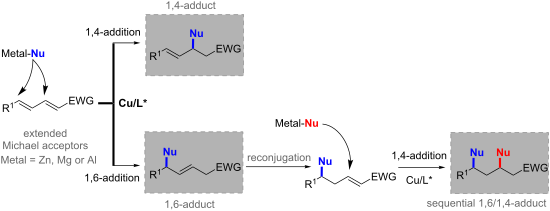
Figure 1: Possible reaction pathways in conjugate additions of nucleophiles on extended Michael acceptors.

Figure 2: Early reports of conjugate addition of copper-based reagents to extended Michael acceptors.

Figure 3: First applications of copper catalyzed 1,6-ACA in total synthesis.

Scheme 1: First example of enantioselective copper-catalyzed ACA on an extended Michael acceptor.

Scheme 2: Meldrum’s acid derivatives as substrates in enantioselective ACA.

Scheme 3: Reactivity of a cyclic dienone in Cu-catalyzed ACA of diethylzinc.

Scheme 4: Efficiency of DiPPAM ligand in 1,6-ACA of dialkylzinc to cyclic dienones.

Scheme 5: Sequential 1,6/1,4-ACA reactions involving linear aryldienones.

Scheme 6: Unsymmetrical hydroxyalkyl NHC ligands in 1,6-ACA of cyclic dienones.

Scheme 7: Performance of atropoisomeric diphosphines in 1,6-ACA of Et2Zn on cyclic dienones.

Scheme 8: Selective 1,6-ACA of Grignard reagents to acyclic dienoates, application in total synthesis.

Scheme 9: Reactivity of polyenic linear thioesters towards sequential 1,6-ACA/reconjugation/1,4-ACA and produ...

Scheme 10: 1,6-Conjugate addition of trialkylaluminium with regards to cyclic dienones.

Scheme 11: Copper-catalyzed conjugate addition of trimethylaluminium onto nitro dienoates.

Scheme 12: Copper-catalyzed selective 1,4-ACA in total synthesis of erogorgiaene.

Scheme 13: 1,4-selective addition of diethylzinc onto a cyclic enynone catalyzed by a chiral NHC-based system.

Scheme 14: Cu-NHC-catalyzed 1,6-ACA of dimethylzinc onto an α,β,γ,δ-unsaturated acyl-N-methylimidazole.

Scheme 15: 1,4-Selectivity in conjugate addition on extended systems with the concomitant use of a chelating c...

Scheme 16: Cu-NHC catalyzed 1,4-ACA as the key step in the total synthesis of ent-riccardiphenol B.

Scheme 17: Cu-NHC-catalyzed 1,4-selective ACA reactions with enynones.

Scheme 18: Linear dienones as substrates in 1,4-asymmetric conjugate addition reactions of Grignard reagents c...

Scheme 19: 1,4-ACA of trimethylaluminium to a cyclic enynone catalyzed by a copper-NHC system.

Scheme 20: Generation of a sterically encumbered chiral cyclohexanone from a polyunsaturated cyclic Michael ac...

Scheme 21: Selective conversion of β,γ-unsaturated α-ketoesters in copper-catalyzed asymmetric conjugate addit...

Scheme 22: Addition of trialkylaluminium compounds to nitroenynes catalyzed by L9/CuTC.

Scheme 23: Addition of trialkylaluminium compounds to nitrodienes catalyzed by L9/CuTC.

Scheme 24: Copper catalyzed 1,8- and 1,10-ACA reactions.
Rapid pseudo five-component synthesis of intensively blue luminescent 2,5-di(hetero)arylfurans via a Sonogashira–Glaser cyclization sequence
- Fabian Klukas,
- Alexander Grunwald,
- Franziska Menschel and
- Thomas J. J. Müller
Beilstein J. Org. Chem. 2014, 10, 672–679, doi:10.3762/bjoc.10.60
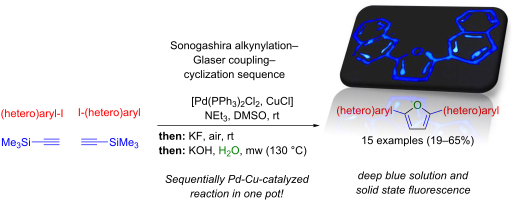
- Sonogashira–Glaser sequence we recently presented a straightforward one-pot sequence for the synthesis of 2,5-di(hetero)arylthiophenes [38]. Here, we report the methodological development of a novel multicomponent synthesis of symmetrical 2,5-(hetero)arylfurans in the sense of a consecutive one-pot sequence

Graphical Abstract

Scheme 1: Sonogashira–Glaser sequence in DMSO as a solvent.
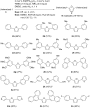
Scheme 2: Pseudo five-component Sonogashira–Glaser cyclisation synthesis of 2,5-di(hetero)arylfurans 2 (aobta...

Figure 1: Compounds 2d (solid and THF solution) and 2n (solid and THF solution) (from left to right) under da...

Figure 2: Selected computed minimum conformations of the 2,5-diarylfurans 2i, 2j, and 2n.

Figure 3: Kohn–Sham HOMOs (bottom) and LUMOs (top) of the compounds 2i, 2j, and 2n (calculated on the DFT lev...
Silver and gold-catalyzed multicomponent reactions
- Giorgio Abbiati and
- Elisabetta Rossi
Beilstein J. Org. Chem. 2014, 10, 481–513, doi:10.3762/bjoc.10.46
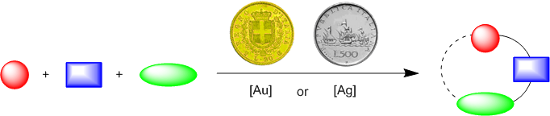
- expensive ligands and often harsh bases, whereas the silver-mediated process depends on a simple but efficient catalyst such as AgI and Cs2CO3 as base. This feature has been clearly highlighted by Anastas who realized the multicomponent synthesis of regioisomeric arylnaphthalene lactones 89 and 90 from

Graphical Abstract

Scheme 1: General reaction mechanism for Ag(I)-catalyzed A3-coupling reactions.

Scheme 2: A3-coupling reaction catalyzed by polystyrene-supported NHC–silver halides.

Figure 1: Various NHC–Ag(I) complexes used as catalysts for A3-coupling.

Scheme 3: Proposed reaction mechanism for NHC–AgCl catalyzed A3-coupling reactions.

Scheme 4: Liu’s synthesis of pyrrole-2-carboxaldehydes 4.

Scheme 5: Proposed reaction mechanism for Liu’s synthesis of pyrrole-2-carboxaldehydes 4.

Scheme 6: Gold-catalyzed synthesis of propargylamines 1.

Scheme 7: A3-coupling catalyzed by phosphinamidic Au(III) metallacycle 6.

Scheme 8: Gold-catalyzed KA2-coupling.

Scheme 9: A3-coupling applied to aldehyde-containing oligosaccharides 8.

Scheme 10: A3-MCR for the preparation of propargylamine-substituted indoles 9.

Scheme 11: A3-coupling interceded synthesis of furans 12.

Scheme 12: A3/KA2-coupling mediated synthesis of functionalized dihydropyrazoles 13 and polycyclic dihydropyra...

Scheme 13: Au(I)-catalyzed entry to cyclic carbamimidates 17 via an A3-coupling-type approach.

Scheme 14: Proposed reaction mechanism for the Au(I)-catalyzed synthesis of cyclic carbamimidates 17.

Figure 2: Chiral trans-1-diphenylphosphino-2-aminocyclohexane–Au(I) complex 20.

Scheme 15: A3-coupling-type synthesis of oxazoles 21 catalyzed by Au(III)–salen complex.

Scheme 16: Proposed reaction mechanism for the synthesis of oxazoles 21.

Scheme 17: Synthesis of propargyl ethyl ethers 24 by an A3-coupling-type reaction.

Scheme 18: General mechanism of Ag(I)-catalyzed MCRs of 2-alkynylbenzaldehydes, amines and nucleophiles.

Scheme 19: General synthetic pathway to 1,3-disubstituted-1,2-dihydroisoquinolines.

Scheme 20: Synthesis of 1,3-disubstituted-1,2-dihydroisoquinolines 29.

Scheme 21: Synthesis of 1,3-disubstituted-1,2-dihydroisoquinolines 35 and 36.

Scheme 22: Rh(II)/Ag(I) co-catalyzed synthesis of 1,3-disubstituted-1,2-dihydroisoquinolines 40.

Scheme 23: General synthetic pathway to 2-amino-1,2-dihydroquinolines.

Scheme 24: Synthesis of 2-amino-1,2-dihydroquinolines 47.

Scheme 25: Synthesis of tricyclic H-pyrazolo[5,1-a]isoquinoline 48.

Scheme 26: Synthesis of tricyclic H-pyrazolo[5,1-a]isoquinolines 48.

Scheme 27: Cu(II)/Ag(I) catalyzed synthesis of H-pyrazolo[5,1-a]isoquinolines 48.

Scheme 28: Synthesis of 2-aminopyrazolo[5,1-a]isoquinolines 53.

Scheme 29: Synthesis of 1-(isoquinolin-1-yl)guanidines 55.

Scheme 30: Ag(I)/Cu(I) catalyzed synthesis of 2-amino-H-pyrazolo[5,1-a]isoquinolines 58.

Scheme 31: Ag(I)/Ni(II) co-catalyzed synthesis of 3,4-dihydro-1H-pyridazino[6,1-a]isoquinoline-1,1-dicarboxyla...

Scheme 32: Ag(I) promoted activation of the α-carbon atom of the isocyanide group.

Scheme 33: Synthesis of dihydroimidazoles 65.

Scheme 34: Synthesis of oxazoles 68.

Scheme 35: Stereoselective synthesis of chiral butenolides 71.

Scheme 36: Proposed reaction mechanism for the synthesis of butenolides 71.

Scheme 37: Stereoselective three-component approach to pirrolidines 77 by means of a chiral auxiliary.

Scheme 38: Stereoselective three-component approach to pyrrolidines 81 and 82 by means of a chiral catalyst.

Scheme 39: Synthesis of substituted five-membered carbocyles 86.

Scheme 40: Synthesis of regioisomeric arylnaphthalene lactones.

Scheme 41: Enantioselective synthesis of spiroacetals 96 by Fañanás and Rodríguez [105].

Scheme 42: Enantioselective synthesis of spiroacetals 101 by Gong [106].

Scheme 43: Synthesis of polyfunctionalized fused bicyclic ketals 103 and bridged tricyclic ketals 104.

Scheme 44: Proposed reaction mechanism for the synthesis of ketals 103 and 104.

Scheme 45: Synthesis of β-alkoxyketones 108.

Scheme 46: Synthesis of N-methyl-1,4-dihydropyridines 112.

Scheme 47: Synthesis of tetrahydrocarbazoles 115–117.

Scheme 48: Plausible reaction mechanism for the synthesis of tetrahydrocarbazoles 115–117.

Scheme 49: Carboamination, carboalkoxylation and carbolactonization of terminal alkenes.

Scheme 50: Oxyarylation of alkenes with arylboronic acids and Selectfluor as reoxidant.

Scheme 51: Proposed reaction mechanism for oxyarylation of alkenes.

Scheme 52: Oxyarylation of alkenes with arylsilanes and Selectfluor as reoxidant.

Scheme 53: Oxyarylation of alkenes with arylsilanes and IBA as reoxidant.
A new manganese-mediated, cobalt-catalyzed three-component synthesis of (diarylmethyl)sulfonamides
- Antoine Pignon,
- Erwan Le Gall and
- Thierry Martens
Beilstein J. Org. Chem. 2014, 10, 425–431, doi:10.3762/bjoc.10.39

- multicomponent procedure intended to the synthesis of N-protected (diarymethyl)amines and related compounds would be highly desirable. In preceding works, we described the Mannich-like multicomponent synthesis of α-branched amines from organic halides, aldehydes and amines, using a zinc-mediated process [35][36
- intermediate H [40] to form the imine III and as a nucleophile furnishing 4 by trapping III. Conclusion In conclusion, the results presented in this study indicate that the manganese(0)/cobalt(II) system is a suitable combination for the multicomponent synthesis of (diarylmethyl)sulfonamides and related


Secondary amine-initiated three-component synthesis of 3,4-dihydropyrimidinones and thiones involving alkynes, aldehydes and thiourea/urea
- Jie-Ping Wan,
- Yunfang Lin,
- Kaikai Hu and
- Yunyun Liu
Beilstein J. Org. Chem. 2014, 10, 287–292, doi:10.3762/bjoc.10.25
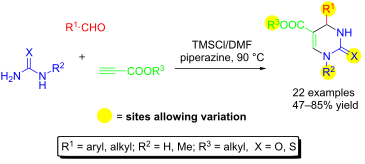
- DHPMs, the utilization of new C5–C6 fragment donors constituted the major strategy. Representative new C5–C6 building blocks used in the multicomponent synthesis of DHPMs are 2-oxosuccinic acid [27], acetylaldehydes [28], cyclic and acyclic ketones [29][30][31], β-oxo dithioesters [32], diketenes [33
- solid. Some DHPMs-based lead compounds. Regioselective 1,3-thiazines and DHPMs via aldehydes, ureas/thioureas and alkynes. Synthesis of enamino ester intermediate and its transformation to DHPM. Proposed reaction mechanism. Optimization of reaction conditionsa. Multicomponent synthesis of different

Graphical Abstract

Figure 1: Some DHPMs-based lead compounds.

Scheme 1: Regioselective 1,3-thiazines and DHPMs via aldehydes, ureas/thioureas and alkynes.

Scheme 2: Synthesis of enamino ester intermediate and its transformation to DHPM.

Scheme 3: Proposed reaction mechanism.
Features of the behavior of 4-amino-5-carboxamido-1,2,3-triazole in multicomponent heterocyclizations with carbonyl compounds
- Eugene S. Gladkov,
- Katerina A. Gura,
- Svetlana M. Sirko,
- Sergey M. Desenko,
- Ulrich Groth and
- Valentin A. Chebanov
Beilstein J. Org. Chem. 2012, 8, 2100–2105, doi:10.3762/bjoc.8.236
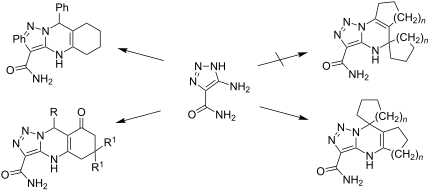
- . Multicomponent synthesis of 4,5,6,7,8,9-hexahydro[1,2,3]triazolo[5,1-b]quinazoline-3-carboxamides 4a–c, 7 and 9a–j. Supporting Information Supporting Information File 322: Experimental details and characterization data for all new compounds. Acknowledgments ESG is grateful for financial support to DAAD

Graphical Abstract
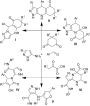
Figure 1: Some MCRs of aminoazoles with controlled switching of the direction.

Figure 2: Some possible products of MCRs involving 4-amino-5-carboxamido-1,2,3-triazole and carbonyl compound...

Scheme 1: Multicomponent and sequential reactions of 4-amino-5-carboxamido-1,2,3-triazole with cyclic ketones....

Scheme 2: Multicomponent and sequential reactions of 4-amino-5-carboxamido-1,2,3-triazole with aldehydes and ...
Enaminones in a multicomponent synthesis of 4-aryldihydropyridines for potential applications in photoinduced intramolecular electron-transfer systems
- Nouria A. Al-Awadi,
- Maher R. Ibrahim,
- Mohamed H. Elnagdi,
- Elizabeth John and
- Yehia A. Ibrahim
Beilstein J. Org. Chem. 2012, 8, 441–447, doi:10.3762/bjoc.8.50


Graphical Abstract

Scheme 1: 2,6-Dihydropyridine-3,5-dicarboxylates as useful organic dyads.

Scheme 2: Synthesis of dihydropyridine derivatives from enaminones.

Scheme 3: Dihydropyridine derivatives 4–7 and enaminone 8.

Figure 1: ORTEP of compounds 4b, 6d, 6f and 7a.

Figure 2: Absorption spectra of compounds 2j, 6a–f and 7a,b in acetonitrile (1 × 10⁻⁴ M).
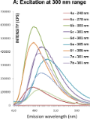
Figure 3: Emission spectra of compounds 4a, 6a–f and 7a,b after excitation at their absorption λmax in the ra...
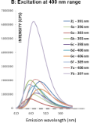
Figure 4: Emission spectra of compounds 2j, 4a, 6a–f and 7a,b after excitation at their absorption λmax in th...

Scheme 4: Synthesis of dihydropyridines from an enamino aldehyde, an enamino ester and an enaminonitrile.

Scheme 5: Nitric acid oxidation of dihydropyridines 2a–c and 6a.

Figure 5: ORTEP of compound 15d.
Amines as key building blocks in Pd-assisted multicomponent processes
- Didier Bouyssi,
- Nuno Monteiro and
- Geneviève Balme
Beilstein J. Org. Chem. 2011, 7, 1387–1406, doi:10.3762/bjoc.7.163
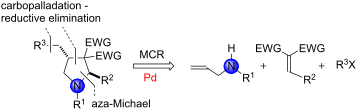
- sulfur dioxide. However, this Pd-catalyzed aminosulfonylation process proved inefficient with primary amines (Scheme 20) [20]. Multicomponent synthesis of nitrogen-containing heterocycles may also be initiated by an aza-Michael addition and terminated by a palladium-catalyzed ring-closure process [21

Graphical Abstract

Scheme 1: Synthesis of substituted amides.

Scheme 2: Synthesis of ketocarbamates and imidazolones.

Scheme 3: Access to β-lactams.

Scheme 4: Access to β-lactams with increased structural diversity.

Scheme 5: Synthesis of imidazolinium salts.

Scheme 6: Access to the indenamine core.

Scheme 7: Synthesis of substituted tetrahydropyridines.

Scheme 8: Synthesis of more substituted tetrahydropyridines.

Scheme 9: Synthesis of chiral tetrahydropyridines.

Scheme 10: Preparation of α-aminonitrile by a catalyzed Strecker reaction.

Scheme 11: Synthesis of spiroacetals.

Scheme 12: Synthesis of masked 3-aminoindan-1-ones.

Scheme 13: Synthesis of homoallylic amines and α-aminoesters.

Scheme 14: Preparation of 1,2-dihydroisoquinolin-1-ylphosphonates.

Scheme 15: Pyrazole elaboration by cycloaddition of hydrazines with alkynones generated in situ.

Scheme 16: An alternative approach to pyrazoles involving hydrazine cycloaddition.

Scheme 17: Synthesis of pyrroles by cyclization of propargyl amines.

Scheme 18: Isoindolone and phthalazone synthesis by cyclization of acylhydrazides.

Scheme 19: Sultam synthesis by cyclization of sulfonamides.

Scheme 20: Synthesis of sulfonamides by aminosulfonylation of aryl iodides.

Scheme 21: Pyrrolidine synthesis by carbopalladation of allylamines.

Scheme 22: Synthesis of indoles through a sequential C–C coupling/desilylation–coupling/cyclization reaction.

Scheme 23: Synthesis of indoles by a site selective Pd/C catalyzed cross-coupling approach.

Scheme 24: Synthesis of isoindolin-1-one derivatives through a sequential Sonogashira coupling/carbonylation/h...

Scheme 25: Synthesis of pyrroles through an allylic amination/Sonogashira coupling/hydroamination reaction.

Scheme 26: Synthesis of indoles through a Sonogashira coupling/cyclofunctionalization reaction.

Scheme 27: Synthesis of indoles through a one-pot two-step Sonogashira coupling/cyclofunctionalization reactio...

Scheme 28: Synthesis of α-alkynylindoles through a Pd-catalyzed Sonogashira/double C–N coupling reaction.

Scheme 29: Synthesis of indoles through a Pd-catalyzed sequential alkenyl amination/C-arylation/N-arylation.

Scheme 30: Synthesis of N-aryl-2-benzylpyrrolidines through a sequential N-arylation/carboamination reaction.

Scheme 31: Synthesis of phenothiazine derivatives through a one-pot palladium-catalyzed double C–N arylation i...

Scheme 32: Synthesis of substituted imidazolidinones through a palladium-catalyzed three-component reaction of...

Scheme 33: Synthesis of 2,3-diarylated amines through a palladium-catalyzed four-component reaction involving ...

Scheme 34: Synthesis of rolipram involving a Pd-catalyzed three-component reaction.

Scheme 35: Synthesis of seven-membered ring lactams through a Pd-catalyzed amination/intramolecular cyclocarbo...
Multicomponent synthesis of artificial nucleases and their RNase and DNase activity
- Anton V. Gulevich,
- Lyudmila S. Koroleva,
- Olga V. Morozova,
- Valentina N. Bakhvalova,
- Vladimir N. Silnikov and
- Valentine G. Nenajdenko
Beilstein J. Org. Chem. 2011, 7, 1135–1140, doi:10.3762/bjoc.7.131

- task in organic and biomolecular chemistry. In this paper we present the rational design, multicomponent synthesis, and RT-qPCR quantitation of nuclease activity of novel amino acids derivatives. Results and Discussion Recently, a number of artificial peptide ribonucleases modeling known catalytic

Graphical Abstract

Figure 1: Novel artificial RNases based on amino acids.

Scheme 1: Multicomponent approach to target molecules.

Scheme 2: Synthesis of starting diisocyanides 3a–3e.

Scheme 3: Synthesis of new aRNAses. Conditions: a. RCHO (3 eqiuv), BnNH2 (3 equiv), PhP(OH)2 (1 equiv), r.t.;...

Figure 2: Results of RT-qPCR of the TBEV RNA cleavage products in presence of 2.5 mM peptidomimetics 5a–g at ...

Figure 3: Results of RT-qPCR of the TBEV RNA cleavage products in the presence of 2.5 mM peptidomimetics afte...

Figure 4: Results of electrophoresis in 2% TBE-agarose gel with ethidium bromide of RT-qPCR products from Figure 3. (...



