


Search results
Search for "pH responsive" in Full Text gives 33 result(s) in Beilstein Journal of Organic Chemistry.
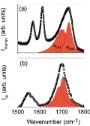
Preparation and evaluation of cyclodextrin polypseudorotaxane with PEGylated liposome as a sustained release drug carrier
Beilstein J. Org. Chem. 2014, 10, 2756–2764, doi:10.3762/bjoc.10.292
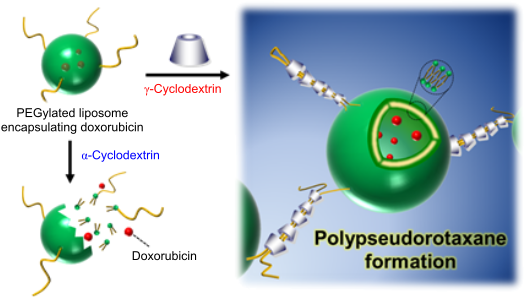
- various targeting-ligands such as antibodies, sugars and folic acid to LPs [30][31][32]. Recently, stimulus responsive LPs such as bubble LPs, pH responsive LPs and thermoresponsive LPs have been developed as smart drug carriers [33][34][35]. PEGylated LP (PEG-LP) is one of the most popular LP products


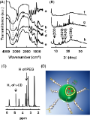
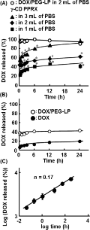
Synthesis and characterization of a hyper-branched water-soluble β-cyclodextrin polymer
Beilstein J. Org. Chem. 2014, 10, 2586–2593, doi:10.3762/bjoc.10.271
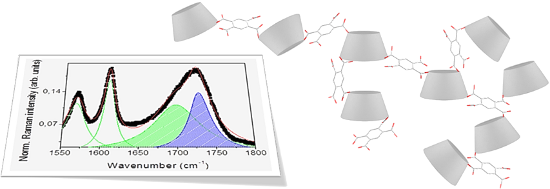
- mg/mL) over a wide pH range. However, at a pH below 1 the protonation of carboxylic acid groups leads to a precipitate. As predictable, if neutral pH is restored, all the precipitated polymer is solubilized again. This behavior could be of interest in pH responsive drug delivery systems. In addition




A promising cellulose-based polyzwitterion with pH-sensitive charges
Beilstein J. Org. Chem. 2014, 10, 1549–1556, doi:10.3762/bjoc.10.159
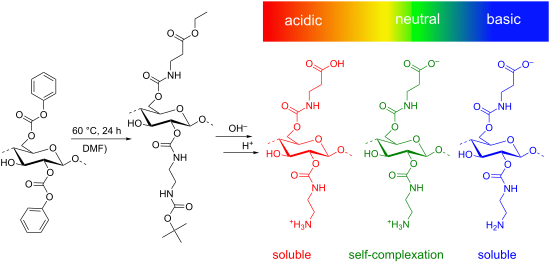
- ., acid dissociation constants, isoelectric point and complexation, were investigated by potentiometric titration (pH), nephelometry, rheology and dynamic light-scattering. The formation of pH-responsive interpolyelectrolyte complexes applying polydiallyldimethylammonium chloride was preliminary studied
- of the cellulose derivatives. Acid dissociation constants, isoelectric point and complexation behavior are in good agreement and thus, a well characterized zwitterionic cellulose carbamate with excellent properties was discovered. Preliminary studies show the formation of pH-responsive


Polymeric redox-responsive delivery systems bearing ammonium salts cross-linked via disulfides
Beilstein J. Org. Chem. 2013, 9, 1652–1662, doi:10.3762/bjoc.9.189

- this regard, poly(N-isopropylacrylamide) (PNIPAM) and poly(N,N-dimethylamino)ethyl methacrylate (PDMAEMA) based hydrogels are the most extensively studied representatives. Due to the protonation of covalently attached tertiary amine groups, PDMAEMA exhibits pH-responsive behavior and is used in gene
- delivery [5][6][7]. In general, temperature- and pH-responsive hydrogels containing hydrophilic monomers show low toxicity along with a high efficiency in drug delivery [8]. Besides, cross-linked cationic nanogels have been suggested as DNA delivery systems [9][10][11]. Hamamoto et al. reported a cross
- temperatures before cloud points are reached [42][52]. Since poly(DMAEMA) is not only a temperature-responsive, but also a pH-responsive polymer, the same measurements were conducted in pH 10 buffer solution. To ensure a good comparability the polymer concentration was held constant at 10 mg·mL−1 and the same




The synthesis of well-defined poly(vinylbenzyl chloride)-grafted nanoparticles via RAFT polymerization
Beilstein J. Org. Chem. 2013, 9, 1226–1234, doi:10.3762/bjoc.9.139
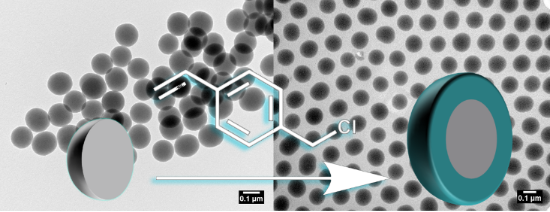
- polymerization (ATRP) [30][31]. It has, therefore, been used in a variety of systems as a precursor to glycopolymer stars [29], photo- and pH-responsive nanoparticles [30], nanofibres [28], comb, graft and star polymers [27], and triblock copolymers [26]. While there have been reports of the (co)polymerization


Cyclodextrin-induced host–guest effects of classically prepared poly(NIPAM) bearing azo-dye end groups
Beilstein J. Org. Chem. 2012, 8, 1929–1935, doi:10.3762/bjoc.8.224
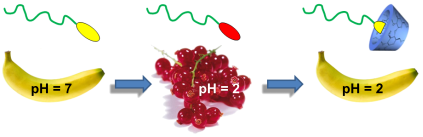
- formation of a thermo- and pH-responsive polymer bearing an azo dye at the end group. In a first step, a chain-transfer polymerization (CTP) of N-isopropylacrylamide (1) was carried out in the presence of 3-mercaptopropionic acid (2) and with 4,4’-azobis(4-cyanovaleric acid) as initiator, to achieve a high


pH-Responsive chromogenic-sensing molecule based on bis(indolyl)methene for the highly selective recognition of aspartate and glutamate
Beilstein J. Org. Chem. 2011, 7, 218–221, doi:10.3762/bjoc.7.29
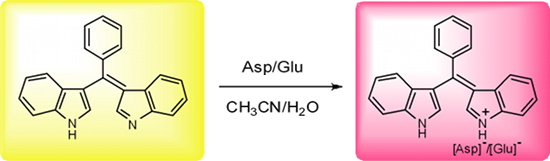
- receptor and guest. However, the basic H-bond acceptor moiety of 1 is very sensitive to changes of pH. Herein, we report a pH-responsive chromogenic-sensing molecule 1 that shows high selectivity for Asp and Glu in a mixed acetonitrile/water medium. Results and Discussion The synthesis of 1 was according
- pH-responsive colorimetric sensor for amino acids, the receptor shows high selectivity and sensitivity for Asp and Glu. Structure of sensor 1. Changes in UV–vis spectra of 1 (5.0 × 10⁻⁵ M) after addition of: (a) 0–0.10 mL H2O; (b) various ratios of the CH3CN/H2O (fixed volume is 4 mL). pH-dependent


Novel multi-responsive P2VP-block-PNIPAAm block copolymers via nitroxide-mediated radical polymerization
Beilstein J. Org. Chem. 2010, 6, 756–765, doi:10.3762/bjoc.6.89
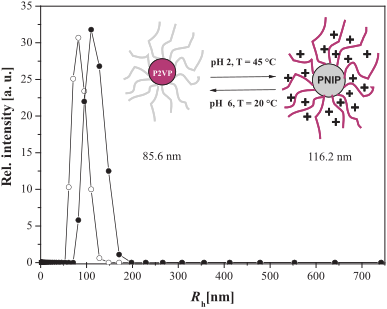
- -vinylpyridine (2VP), is one point of interest because at pH values lower than 5 it is possible to protonate the 2VP units and hence P2VP can be used as a pH-responsive component. Several techniques such as NMRP, ATRP and RAFT led to well-defined homo and block copolymers of different architectures whose
- ) chloride, well-defined PNIPAAm could be synthesized at room temperature [27]. Several graft copolymers are described in previous reports such as Chitosan-graft-PNIPAAm [28] and PNIPAAm-graft-P2VP polymers [29]. Both polymers show a temperature- and pH-responsive phase behavior in aqueous solutions. While


Other Beilstein-Institut Open Science Activities



