Search results
Search for "drug delivery" in Full Text gives 184 result(s) in Beilstein Journal of Organic Chemistry.
Palladium nanoparticles supported on chitin-based nanomaterials as heterogeneous catalysts for the Heck coupling reaction
Beilstein J. Org. Chem. 2020, 16, 2477–2483, doi:10.3762/bjoc.16.201
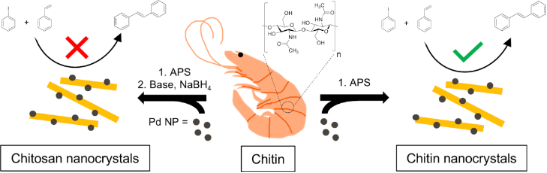
- cellulose nanocrystals (CNCs), which are rod-like nanocrystallites liberated from lignocellulosic biomass under acid hydrolysis conditions [2]. A spectrum of applications have been investigated over the years for this sustainable bio-nanomaterial including drug delivery [3], food packaging [4


The B & B approach: Ball-milling conjugation of dextran with phenylboronic acid (PBA)-functionalized BODIPY
Beilstein J. Org. Chem. 2020, 16, 2272–2281, doi:10.3762/bjoc.16.188
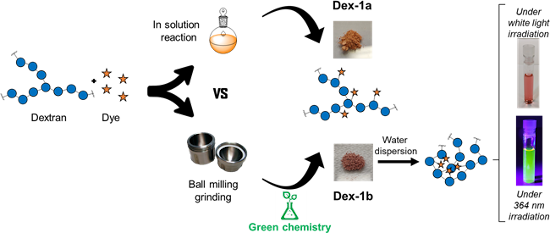
- observed. It is difficult to give a definitive answer, but the experiments demonstrated that the environment inside the dextran nanoparticles favored the solubilization of organic molecules like pyrene. This characteristic of the nanoparticles could bring applications in drug delivery since they are stable
- intracellularly through hydrolysis of the boronic esters. Indeed, the formation of assemblies or nanoparticles of the conjugate Dex-1b capable of solubilizing organic molecules and retaining water stability could be of interest for drug delivery, considering the exceptional biocompatibility of the dextran. We
- assemblies had an apolar interior that makes them appealing for encapsulation of organic molecules. Since the assemblies retained the superior biocompatibility of dextran we envisage their use in drug delivery, also profiting from the fluorescence properties of the nanoparticles that could be used to trace


pH- and concentration-dependent supramolecular self-assembly of a naturally occurring octapeptide
Beilstein J. Org. Chem. 2020, 16, 2017–2025, doi:10.3762/bjoc.16.168
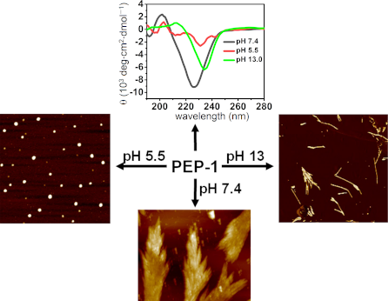
- drug delivery, tissue engineering and regeneration, and as stimuli-responsive materials. Herein, we report the pH- and concentration-dependent self-assembly and conformational transformation of the newly synthesized octapeptide PEP-1. At pH 7.4, PEP-1 forms β-sheet-rich secondary structures into
- -responsiveness of self-assembled peptides has been extensively exploited for potential applications, with particular focus on drug delivery systems (DDS) [40], as injectable gels for tissue engineering [41][42], and biosensing applications [43]. pH-responsive DDS can deliver the drug to a specific tissue or
- , as mentioned above. The pH-responsive self-assembling behavior of peptides has a great importance in drug delivery, and since PEP-1 contains rich cationic residues, such as Arg, this system can be an interesting potential candidate for DDS and as an antibacterial agent [71]. Biocompatibility, drug


Mechanochemical green synthesis of hyper-crosslinked cyclodextrin polymers
Beilstein J. Org. Chem. 2020, 16, 1554–1563, doi:10.3762/bjoc.16.127
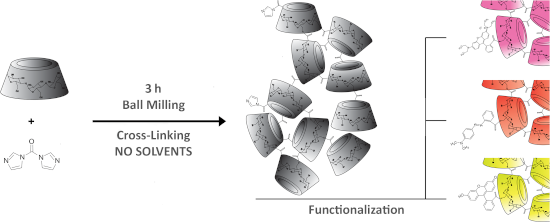
- example, drug-delivery systems [3][4][5]: together with their capability of hosting drugs, they are biocompatible and nontoxic. In the last few years nanosponges were employed to encapsulate and release a wide variety of drugs [6][7], associated with an improvement in bioavailability and release kinetics
- image-guided therapies [26][27][28], and in conjugated drug delivery. This simple procedure also enables other active molecules to be grafted on the NS, to obtain conjugated nanocarriers, with reducing or in certain cases eliminating the need to use organic solvents. Results and Discussion We performed




[3 + 2] Cycloaddition with photogenerated azomethine ylides in β-cyclodextrin
Beilstein J. Org. Chem. 2020, 16, 1296–1304, doi:10.3762/bjoc.16.110
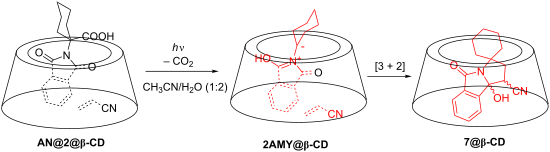
- for solubilization of drugs or drug delivery [48], it would be interesting to investigate its effects to the photodecarboxylation reaction. Therefore, we investigated photochemical reactivity of phthalimide derivatives 1–3 (Figure 1) in solution without β-CD and in the β-CD inclusion complexes


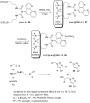
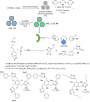
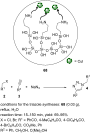
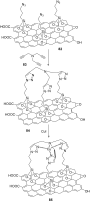
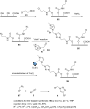
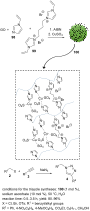
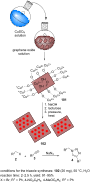
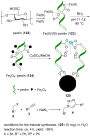
A systematic review on silica-, carbon-, and magnetic materials-supported copper species as efficient heterogeneous nanocatalysts in “click” reactions
Beilstein J. Org. Chem. 2020, 16, 551–586, doi:10.3762/bjoc.16.52
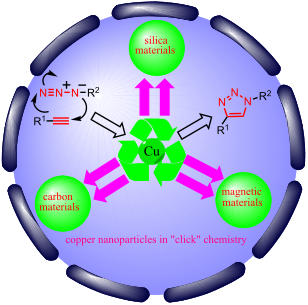
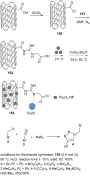
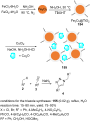
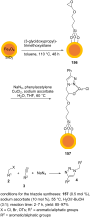
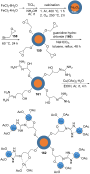
- , superparamagnetic behavior, ease of separation, and high safety. Indeed, materials including silica, carbon, etc. were combined with MNPs to produce new compositions that illustrated unique efficiency in the areas of catalysis [89], sensors [90], water purification [91], bioimaging [92], energy storage [92], drug
- delivery [93], and cancer detection [94]. In this regard, various functionalized MNPs were employed in diverse organic reactions, including Suzuki–Miyaura reactions, Sonogashira reactions, Ullmann coupling, hydrogenation reactions, oxidation reactions, hydroformylation reactions, and “click” reactions [89
















Recent developments in photoredox-catalyzed remote ortho and para C–H bond functionalizations
Beilstein J. Org. Chem. 2020, 16, 248–280, doi:10.3762/bjoc.16.26
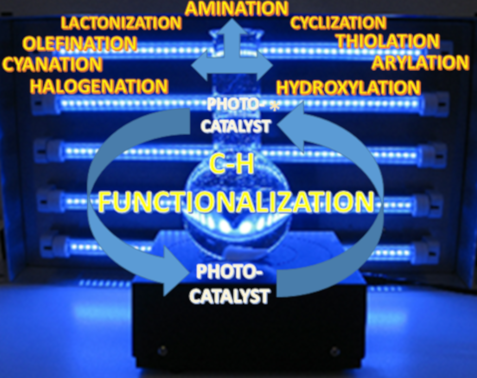
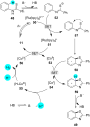
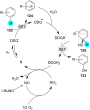
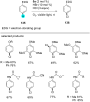
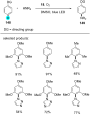
- bonds in the presence of photoredox catalyst 8, with a similar mechanism as shown in Figure 22, and the photocatalytic mechanism was elucidated by nanosecond laser flash photolysis (Scheme 24) [168]. Fluorine-18 is an important radioisotope used in the radiopharmaceutical industry (e.g., for drug
- delivery, medical imaging, etc.). Therefore, functionalization of arenes with this isotope is an important task. Although several reports are available in the literature for these transformations, they suffer from poor reactivity, unreactive starting material, and lower activities of the 18F-labeled












Light-controllable dithienylethene-modified cyclic peptides: photoswitching the in vivo toxicity in zebrafish embryos
Beilstein J. Org. Chem. 2020, 16, 39–49, doi:10.3762/bjoc.16.6
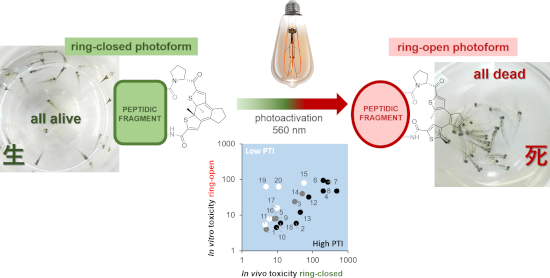
- (converted to the ON photoform) by applying light of a specific wavelength, precisely at the desired site of action. Spatiotemporal resolution of such light-mediated drug delivery is limited mainly by the technical characteristics of the medical devices used for light application and by the light propagation


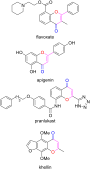
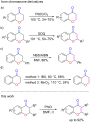
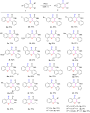
Construction of trisubstituted chromone skeletons carrying electron-withdrawing groups via PhIO-mediated dehydrogenation and its application to the synthesis of frutinone A
Beilstein J. Org. Chem. 2019, 15, 2958–2965, doi:10.3762/bjoc.15.291

- Qiao Li Chen Zhuang Donghua Wang Wei Zhang Rongxuan Jia Fengxia Sun Yilin Zhang Yunfei Du Tianjin Key Laboratory for Modern Drug Delivery & High-Efficiency, School of Pharmaceutical Science and Technology, Tianjin University, Tianjin 300072, China College of Chemical and Pharmaceutical Engineering



A chiral self-sorting photoresponsive coordination cage based on overcrowded alkenes
Beilstein J. Org. Chem. 2019, 15, 2767–2773, doi:10.3762/bjoc.15.268
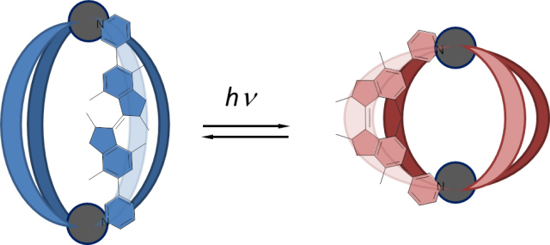
- coordination complexes (SCCs) represent a promising class of compounds which have been used in a variety of molecular systems [1][2][3][4][5][6]. Taking advantage of the vacant cavity inside these complexes, SCCs have been applied in drug delivery [6][7][8], supramolecular catalysis [9][10][11][12], X-ray


Probing of local polarity in poly(methyl methacrylate) with the charge transfer transition in Nile red
Beilstein J. Org. Chem. 2019, 15, 2552–2562, doi:10.3762/bjoc.15.248
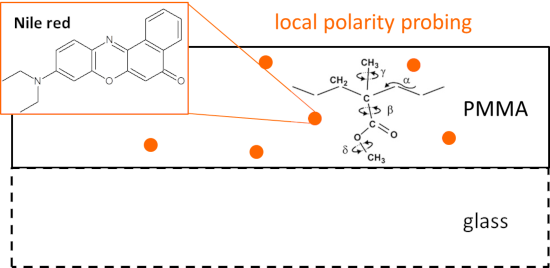
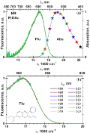
- -controlled drug delivery systems [4][6][7][8][9][10], as well as dynamics of polymers at interfaces [11]. To be able to understand local properties of polymers, in particular in nanoenvironments of polymeric vesicles (polymersomes), comprising a hydrophilic corona and a hydrophobic wall [1][12], or in



Ultrafast processes triggered by one- and two-photon excitation of a photochromic and luminescent hydrazone
Beilstein J. Org. Chem. 2019, 15, 2438–2446, doi:10.3762/bjoc.15.236
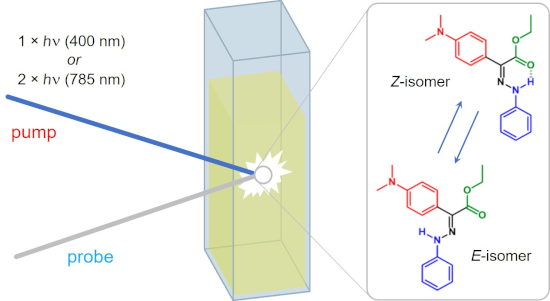
- ], drug delivery [8][9], design of molecular machines [10][11][12][13], super resolution microscopy [14][15], together with biological applications, among which photopharmacology is currently gaining increasing attention [16][17][18][19]. Photochromic molecules, which respond to light as an external



Targeted photoswitchable imaging of intracellular glutathione by a photochromic glycosheet sensor
Beilstein J. Org. Chem. 2019, 15, 2380–2389, doi:10.3762/bjoc.15.230
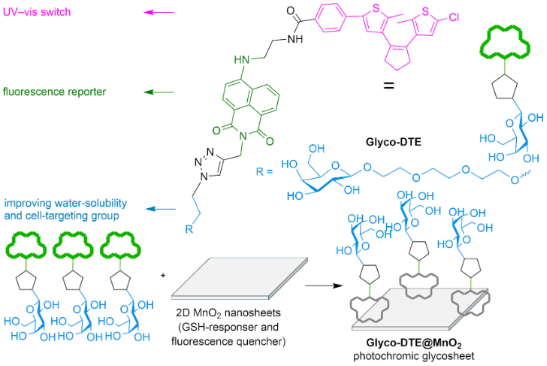
- as biosensing/imaging, bioactivity modulation, drug delivery, etc [23][24]. In our system, the Glyco-DTE@MnO2 hybrid sensor undergoes decomposition when encountering the overexpressed intracellular GSH in HepG2 cell lines, following the recovery of the photoswitchable fluorescence signal regulated by



1,2,3-Triazolium macrocycles in supramolecular chemistry
Beilstein J. Org. Chem. 2019, 15, 2142–2155, doi:10.3762/bjoc.15.211
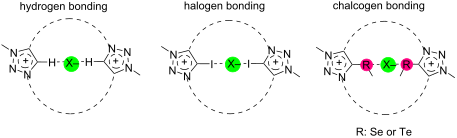
- have led to applications in molecular recognition, sensing, molecular machines and devices, supramolecular polymers, stimuli-responsive materials, supramolecular catalysis and drug-delivery systems [4][5][6][7]. Inspired by the attractive role of various N-heterocyclic building blocks such as




Morphology-tunable and pH-responsive supramolecular self-assemblies based on AB2-type host–guest-conjugated amphiphilic molecules for controlled drug delivery
Beilstein J. Org. Chem. 2019, 15, 1925–1932, doi:10.3762/bjoc.15.188
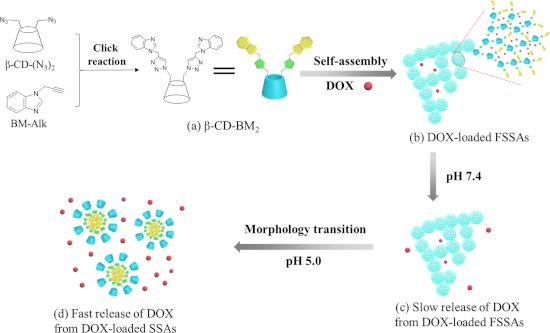
- -responsive supramolecular self-assemblies have been constructed, the controlled drug delivery induced by morphology transitions of these supramolecular self-assemblies on the basis of host–guest-conjugated monomers (HGCMs) are few reported. In this paper, the self-assembly behaviors of AB2-type HGCMs, e.g
- varied morphology could inhibit cancer cell proliferation, indicating their potential application in the field of drug delivery. Keywords: β-cyclodextrin; controlled drug delivery; host–guest interaction; stimuli-responsive; supramolecular self-assemblies; Introduction Supramolecular self-assemblies
- hydrophobic core and β-CD moieties as outer hydrophilic shell. The basic cell experiments confirmed that the pH-responsive supramolecular self-assemblies based on β-CD-BM2 have a potential application in the field of drug delivery. Results and Discussion Synthesis of the host–guest-conjugated amphiphilic




Novel macrocycles – and old ones doing new tricks
Beilstein J. Org. Chem. 2019, 15, 1838–1839, doi:10.3762/bjoc.15.178
- diversified. They are not only tools for studying molecular recognition and molecular machines, but are also key components for sensing, supramolecular catalysis, (chiral) separation, drug delivery, or smart materials. Many new macrocycles have recently been reported, with pillararenes being one of the most
Design, synthesis and biological evaluation of immunostimulating mannosylated desmuramyl peptides
Beilstein J. Org. Chem. 2019, 15, 1805–1814, doi:10.3762/bjoc.15.174

- contribute to the recognition of the adjuvant compound by specific mannose receptors expressed at immune cells. Mannosylated drug delivery systems enhance uptake and activation of dendritic cells and increase T cell proliferation [24][27][28]. Mannosylation of the adamantylated desmuramyl peptides amplified
- most suitable position of adamantane in this class of compounds is at the peptide N-terminus. Adamantane can act as membrane anchor for mannose structures and thus be exposed on liposome surfaces and as such used in targeted drug delivery [37]. It can be also incorporated into a β-cyclodextrine cavity
- , a powerful supramolecular nanoparticle carrier for targeted drug delivery [38]. Previous research suggested a design of mannosylated desmuramyl peptides with adamantane at the C-terminus in order to facilitate the incorporation into the hydrophobic layer of the cavity because of the minor steric


Anomeric sugar boronic acid analogues as potential agents for boron neutron capture therapy
Beilstein J. Org. Chem. 2019, 15, 1355–1359, doi:10.3762/bjoc.15.135
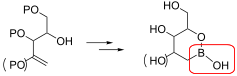
- . Galactose and fructose also allow tumor growth in the absence of glucose. Boronic acid derivatives have gained interest in the last years in different fields such as the development of enzyme inhibitors, drug delivery polymers, saccharide sensors and as boron carriers for BNCT, e.g., amino acid derivatives


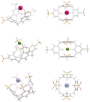
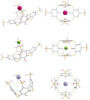
Host–guest interactions between p-sulfonatocalix[4]arene and p-sulfonatothiacalix[4]arene and group IA, IIA and f-block metal cations: a DFT/SMD study
Beilstein J. Org. Chem. 2019, 15, 1321–1330, doi:10.3762/bjoc.15.131
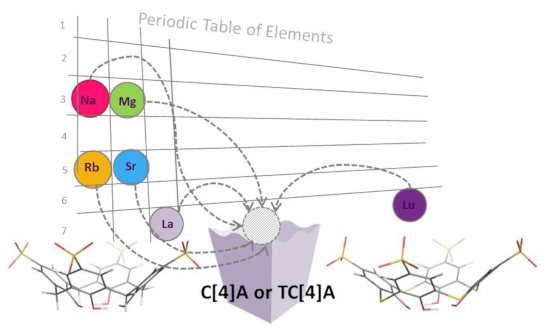
- ligands with novel features. They have found various applications in chemical [5], analytical [6][7][8][9], and engineering materials fields (self-assembling monolayers, surfactants, sensors [10][11]), in polymer synthesis [12][13], controlled drug-delivery systems [14], and so on, besides the biochemical





Fabrication, characterization and adsorption properties of cucurbit[7]uril-functionalized polycaprolactone electrospun nanofibrous membranes
Beilstein J. Org. Chem. 2019, 15, 992–999, doi:10.3762/bjoc.15.97
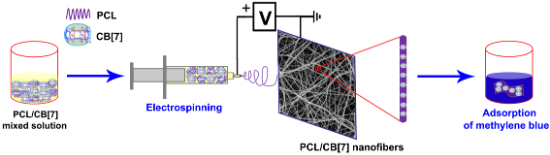
- or some low-molecular weight organic compounds [1][2][3][4][5]. With the unique advantages of ultrafine diameter, high specific surface area, controllable morphology, and easy functionalization, electrospun nanofibers have potential applications in various areas including drug delivery and tissue


Towards the preparation of synthetic outer membrane vesicle models with micromolar affinity to wheat germ agglutinin using a dialkyl thioglycoside
Beilstein J. Org. Chem. 2019, 15, 937–946, doi:10.3762/bjoc.15.90
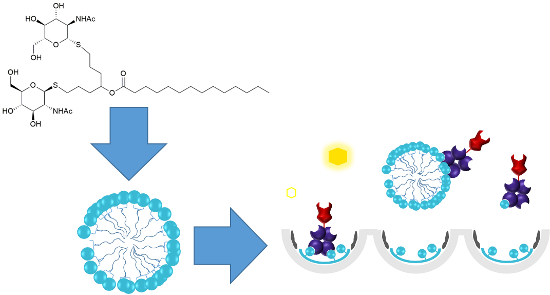
- adjuvants, glycolipid–phospholipid drug delivery systems and for the formulation of GVs that can be used as tools to bind to various bacterial lectins depending on the mono- or disaccharides used. As a first and relevant conclusion, in silico and in vitro studies demonstrated that two of those compounds


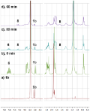


![[Graphic 2]](/bjoc/content/inline/1860-5397-15-90-i4.svg?max-width=637&scale=0.472728) ) and (○) ...
) and (○) ...
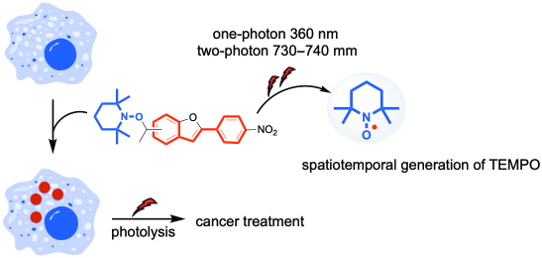
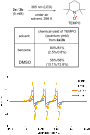
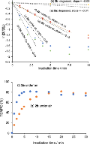
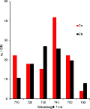
Photochemical generation of the 2,2,6,6-tetramethylpiperidine-1-oxyl (TEMPO) radical from caged nitroxides by near-infrared two-photon irradiation and its cytocidal effect on lung cancer cells
Beilstein J. Org. Chem. 2019, 15, 863–873, doi:10.3762/bjoc.15.84
- Ayato Yamada Manabu Abe Yoshinobu Nishimura Shoji Ishizaka Masashi Namba Taku Nakashima Kiyofumi Shimoji Noboru Hattori Department of Chemistry, Graduate School of Science, Hiroshima University, 1-3-1 Kagamiyama, Higashi-Hiroshima, Hiroshima 739-8526, Japan Hiroshima Research Centre for Photo-Drug
- -Delivery Systems (HiU-P-DDS), Hiroshima University, 1-3-1 Kagamiyama, Higashi-Hiroshima, Hiroshima 739-8526, Japan JST-CREST, K’s Gobancho 6F, 7, Gobancho, Chiyoda-ku, Tokyo 102-0075, Japan Graduate School of Pure and Applied Sciences, University of Tsukuba, 1-1-1 Tennoudai, Tsukuba, Ibaraki 305-8571






Polyaminoazide mixtures for the synthesis of pH-responsive calixarene nanosponges
Beilstein J. Org. Chem. 2019, 15, 633–641, doi:10.3762/bjoc.15.59

- external stimuli is a highly desirable property for tailored materials designed to accomplish particular functions, such as targeted drug delivery systems, as accounted for by the present burst in literature reports [1][2][3][4][5][6]. In this context, we have been recently interested in the synthesis of


Olefin metathesis in multiblock copolymer synthesis
Beilstein J. Org. Chem. 2019, 15, 218–235, doi:10.3762/bjoc.15.21

- electronics, fuel cells, gene and drug delivery [8][9][15][38][39][40]. Compared with diblock and triblock copolymers, not to speak about polymer blends, multiblock copolymers often demonstrate superior mechanical properties, biocompatibility, biodegradability, compatibilizing ability, and tendency to form
- recognition, imaging, and drug delivery in aqueous media [4][5][6][67]. They have a low tendency to entangle and can rapidly self-assemble in selective solvents even at very low concentrations forming large-domain microstructures. The facile synthesis of norbornenyl-terminated di- and triblock poly






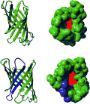
Olefin metathesis catalysts embedded in β-barrel proteins: creating artificial metalloproteins for olefin metathesis
Beilstein J. Org. Chem. 2018, 14, 2861–2871, doi:10.3762/bjoc.14.265
- metathesis into natural metabolic pathways to allow synthesis of fine chemicals [14]. Also, a targeted reaction in a certain environment within a living cell with a precise release or activation of the catalyst would enable new ways of drug delivery. The challenge to overcome this regard is the deactivation