


Search results
Search for "gelation" in Full Text gives 52 result(s) in Beilstein Journal of Organic Chemistry.
Pyridinium based amphiphilic hydrogelators as potential antibacterial agents
Beilstein J. Org. Chem. 2010, 6, 859–868, doi:10.3762/bjoc.6.101
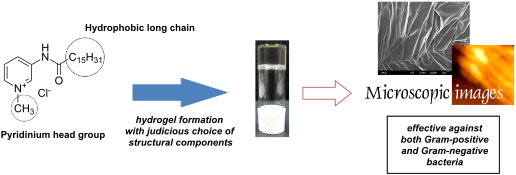
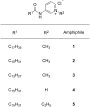
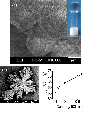
- rationally designed and synthesized to develop a structure-property relation. A judicious combination of hydrophilic and hydrophobic segments led to the development of pyridinium based amphiphilic hydrogelators having a minimum gelation concentration of 1.7%, w/v. Field emission scanning electronic
- microscopy (FESEM), atomic force microscopy (AFM), photoluminescence, FTIR studies, X-ray diffraction (XRD) and 2D NOESY experiments were carried out to elucidate the different non-covalent interactions responsible for the self-assembled gelation. The formation of three-dimensional supramolecular aggregates
- hydrophobic interactions is mandatory for any gelation process. Non-covalent interactions such as hydrogen bonding, ionic interactions, π–π stacking or van der Waals forces play a pivotal role in self-assembled gelation [12]. Tuning the structure of gelator molecules leads to a better understanding of the



A simple route for renewable nano- sized arjunolic and asiatic acids and self- assembly of arjuna- bromolactone
Beilstein J. Org. Chem. 2008, 4, No. 24, doi:10.3762/bjoc.4.24
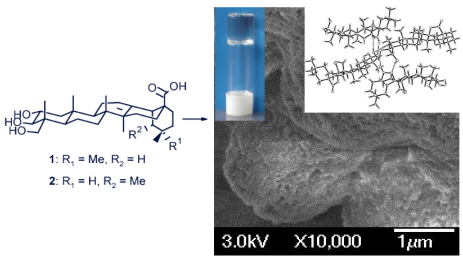
- two natural nano-sized triterpenic acids via bromolactonization, we serendipitously discovered that arjuna-bromolactone is an excellent gelator of various organic solvents. A simple and efficient method for the separation of two triterpenic acids and the gelation ability and solid state 1D-helical
- ) LiBr/DMF. The carbon skeletons of both arjunolic and asiatic acids are 1.15 nm (3C•••21C) long [10]. Gelation test resultsa. Supporting Information Supporting Information File 45: Experimental data. An improved method for the isolation of the triterpenic acids, additional experimental procedures




Other Beilstein-Institut Open Science Activities



