Search results
Search for "imines" in Full Text gives 287 result(s) in Beilstein Journal of Organic Chemistry. Showing first 200.
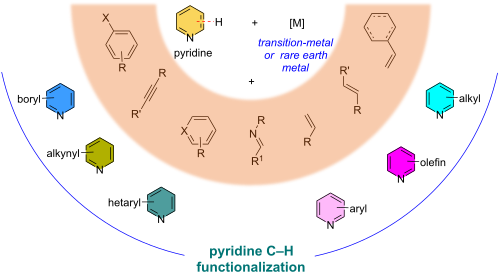
Pyridine C(sp2)–H bond functionalization under transition-metal and rare earth metal catalysis
Beilstein J. Org. Chem. 2023, 19, 820–863, doi:10.3762/bjoc.19.62
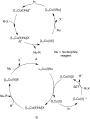
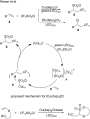
- imines 25 (Scheme 6). The authors also demonstrated the enantioselective aminoalkylation, using chiral diamines as ligands. The introduction of chiral diamines in the metal complex produced the aminoalkylated products enantioselectivity with good ratio of enantiomeric excess. The plausible mechanism
- ] described the catalytic ortho-C(sp2)–H functionalization of pyridines with polar imines 35 and nonpolar alkenes 37 by using mono(phosphinoamido)-ligated rare earth complexes (NP2-Gd and NP1-Sc) as shown in Scheme 8. Complex NP2-Gd was found to be effective in the functionalization of pyridines with imines
- the pyridine ring in bipyridine ring systems. In early 2009 Miura and co-workers [111] reported the rhodium-catalyzed regioselective reaction of aryl-N-heterocycles and aromatic imines with terminal silylacetylenes 209 to synthesize C–H-alkenylated products 210. The terminal silylacetylenes were
















Sulfate radical anion-induced benzylic oxidation of N-(arylsulfonyl)benzylamines to N-arylsulfonylimines
Beilstein J. Org. Chem. 2023, 19, 771–777, doi:10.3762/bjoc.19.57
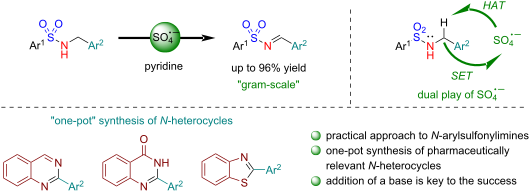
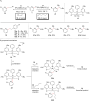
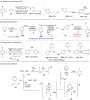
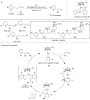
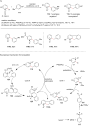
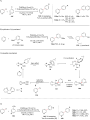
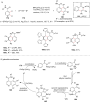
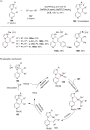
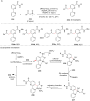
- chosen as the best conditions for further evaluating the substrate scope. Unlike the oxidation of N-aryl(benzyl)amines to N-arylimines using K2S2O8 in the presence or absence of a base is unsuccessful, the oxidation of N-arylsulfonyl(benzyl)amines 1a to imines 2a was achieved under the optimized


Enolates ambushed – asymmetric tandem conjugate addition and subsequent enolate trapping with conventional and less traditional electrophiles
Beilstein J. Org. Chem. 2023, 19, 593–634, doi:10.3762/bjoc.19.44
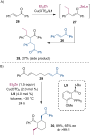
- -methoxyphenyl (PMP)-protected imines 21 (Scheme 6A). By varying the reaction conditions, the syn-anti and the syn-syn diastereomers can be prepared with good yields and excellent stereoselectivity. Using nitroacrylate 23, the authors have also demonstrated a tandem conjugate addition/nitro-Mannich/lactamization
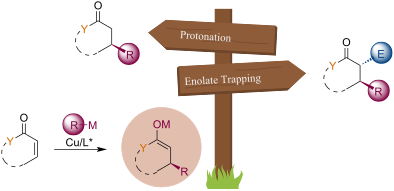
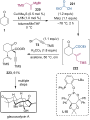
- imines or their synthetic equivalents. Furthermore, we wanted to develop an enantioselective and diastereoselective process without adding chirality elements within the reagents. For our initial studies, we have selected the well-studied cyclic enones as substrates and the Taniaphos ligand (L14) that has
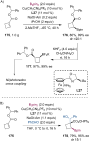
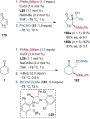
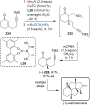
- up to 97:3 er (Scheme 15) [47]. These experiments showed that the concept of interception of magnesium enolates, derived from Cu-ACA, with imines can be realized. As it could have been predicted, chiral enolates reacted with high diastereoselectivity with their Si-face (attack anti to the R group









Transition-metal-catalyzed domino reactions of strained bicyclic alkenes
Beilstein J. Org. Chem. 2023, 19, 487–540, doi:10.3762/bjoc.19.38

















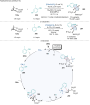


Computational studies of Brønsted acid-catalyzed transannular cycloadditions of cycloalkenone hydrazones
Beilstein J. Org. Chem. 2023, 19, 477–486, doi:10.3762/bjoc.19.37
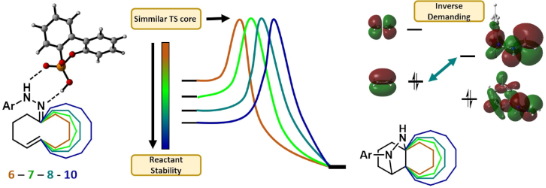
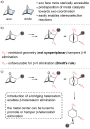
- common reaction conditions. The reaction has been defined by Houk and Rueping as a (3+ + 2) monopolar cycloaddition [33] pointing out the protonated state of the imino nitrogen of the hydrazone in contrast to the well-known 1,3-dipolar cycloaddition of azomethine imines in which the terminal nitrogen has
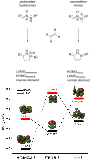
- inversion of the reagents and whereas in the classical cycloadditions with azomethine imines, they act as a nucleophile (involving their HOMO, interacting with the LUMO of the alkene), in our case, the protonated hydrazone acts as an electrophile (involving their LUMO, interacting now with the HOMO of the
- alkene) (Figure 2). Thus, we can consider the reaction of hydrazones with alkenes an inverse-demand cycloaddition with respect to that of azomethine imines (Figure 2). In fact, we monitored the global electron density transfer (GEDT) [34] between the reagents along the reaction coordinate (Figure 3) and




Group 13 exchange and transborylation in catalysis
Beilstein J. Org. Chem. 2023, 19, 325–348, doi:10.3762/bjoc.19.28
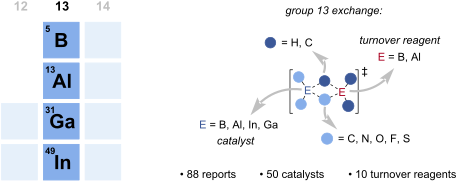
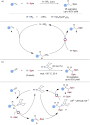
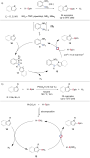
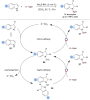
- hydroboration of imines [87][92][97], nitriles [92][98][99][100][101], carbodiimides [92][100][102], pyridine [92], and isocyanides [92] with HBpin (Scheme 23). These generally follow a similar proposed catalytic cycle; aluminium-mediated reduction, followed by Al‒N/B‒H exchange with HBpin (Scheme 23). The
- /B‒H exchange [114]. Hevia reported a combination of a tris(alkyl)gallium species and bulky N-heterocyclic carbene acted as an FLP for B‒H insertion, and was used subsequently as a catalyst in the hydroboration of ketones, aldehydes, esters, and imines with HBpin [115]. Using an ONO-pincer-supported
- -catalysed hydroboration of unsaturated compounds and the general reaction mechanism. a) Gallium-catalysed asymmetric hydroboration of ketones and the proposed mechanism. b) Gallium-catalysed hydroboration of CO2. c) Gallium-catalysed hydroboration of ketones and imines. Gallium(I)-catalysed allylation










1,4-Dithianes: attractive C2-building blocks for the synthesis of complex molecular architectures
Beilstein J. Org. Chem. 2023, 19, 115–132, doi:10.3762/bjoc.19.12
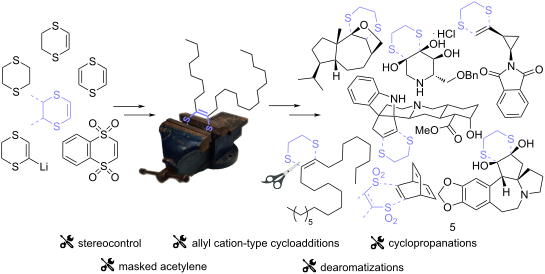
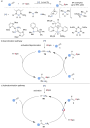
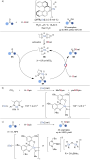
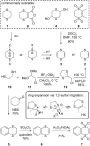
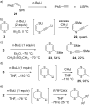
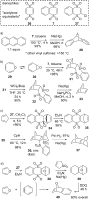
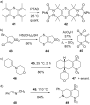
- system 47 in good yield. Similarly, simple imines like 48 were found to be rather effective aza-dienophiles for this electron-poor single-cis-locked diene (Scheme 9d). Somewhat unexpectedly, and in contrast to the results from Nakayama [50] and De Lucchi [33][53][54], the dithiin-type vinyl disulfones











Catalytic aza-Nazarov cyclization reactions to access α-methylene-γ-lactam heterocycles
Beilstein J. Org. Chem. 2023, 19, 66–77, doi:10.3762/bjoc.19.6

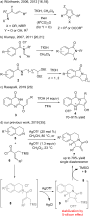
- Research Center, Institute of Materials Science and Nanotechnology, Bilkent University, Ankara 06800, Turkey 10.3762/bjoc.19.6 Abstract We have developed a catalytic aza-Nazarov reaction of N-acyliminium salts generated in situ from the reaction of a variety of cyclic and acyclic imines with α,β
- cyclization of 3,4-dihydroisoquinolines with α,β-unsaturated acyl chlorides gives tricyclic lactam products 7 in up to 79% yield with full diastereocontrol (dr = >99:1). The use of acyclic imines in a similar catalytic aza-Nazarov reaction with 20 mol % of AgOTf results in the formation of α-methylene-γ
- catalytic aza-Nazarov reaction starting from cyclic and acyclic imines and TMS-substituted α,β-unsaturated acyl chlorides to yield α-methylene-γ-lactam heterocycles with high diastereoselectivities. We also report the results of our detailed mechanistic studies along with the necessary control experiments



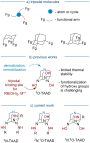
1,4,6,10-Tetraazaadamantanes (TAADs) with N-amino groups: synthesis and formation of boron chelates and host–guest complexes
Beilstein J. Org. Chem. 2022, 18, 1424–1434, doi:10.3762/bjoc.18.148
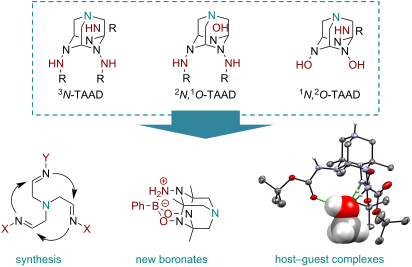
- by X-ray analysis (vide infra). Unlike 3O-TAAD derivatives 2 [21], the obtained 3N-TAADs, 2N,1O-TAADs, and 1N,2O-TAADs are thermally stable and do not suffer from retro-[2 + 2 + 2]-cyclotrimerization to the open-chain tris-imines upon heating. Thus, the presence of at least one N-amido group






Mechanochemical synthesis of unsymmetrical salens for the preparation of Co–salen complexes and their evaluation as catalysts for the synthesis of α-aryloxy alcohols via asymmetric phenolic kinetic resolution of terminal epoxides
Beilstein J. Org. Chem. 2022, 18, 1416–1423, doi:10.3762/bjoc.18.147
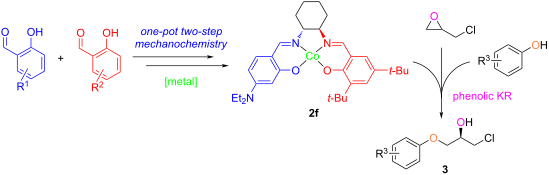
- and preparation of suitable salen compounds, sometimes are described as bis-imine Schiff bases. Imines were originally synthesized by Schiff from the condensation of carbonyls with amines [25]. Thereafter, syntheses of salens were extensively reported using timely technologies [26][27][28][29
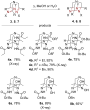
- between 1g (81%) and 1h (76%). Yields of 1d (79%), 1e (81%), and 1f (72%) were less than 1a‒c, caused by the steric hindrance of di-tert-butyl groups. In the aspect of characterization of salens, two singlets were shown at around 8 ppm in the 1H NMR spectrum, indicating two unsymmetrical imines. The broad


Cyclodextrin-based Schiff base pro-fragrances: Synthesis and release studies
Beilstein J. Org. Chem. 2022, 18, 1346–1354, doi:10.3762/bjoc.18.140
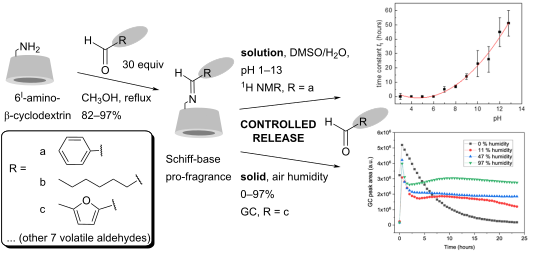
- , in all cases, a large excess of an aldehyde. Finally, the best reaction conditions for the large-scale preparation of target compounds proved to be just refluxing of amine 1 with up to 30-fold excess of the aldehydes 2a–j in methanol (Scheme 1), which afforded the final imines 3a–j in high yields (80
- –97%). This method allows for easy recovery of the unreacted aldehyde as well as separation of the product (just by extraction by hexane and drying under reduced pressure) without its decomposition. The structure of the final imines was confirmed by 1H NMR, 13C NMR, ESI–MS, and the release of the VOCs
- was next studied by 1H NMR and SH-GC for selected imino-β-CD. The prepared imines could also be mixtures of E/Z isomers, but no attempts were made to isolate them for the reason metioned above. Also, the prepared imines proved to be difficult to purify by chromatographic methods due to their low
Facile and diastereoselective arylation of the privileged 1,4-dihydroisoquinolin-3(2H)-one scaffold
Beilstein J. Org. Chem. 2022, 18, 1070–1078, doi:10.3762/bjoc.18.109
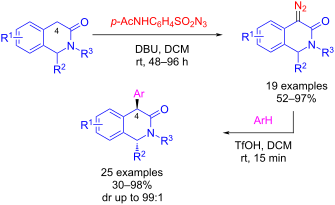
- -diazoisochroman-3-imines [13] and employed in several acid- and metal-promoted transformations by Lu, Wang et al. [14][15][16][17][18]. However, preparation of precursor 10 by direct diazo transfer onto the methylene group of readily available [19][20] 3(2H)-isoquinolones 11 has not been described in the
- from good to excellent. While the scope of the 3(2H)-isoquinolone synthesis was substantially expanded by these findings compared to the previously reported results [21], certain limitations were also noted. For example, attempts to involve imines derived from ethyl glyoxylate, cyclohexanone, and





Bioinspired tetraamino-bisthiourea chiral macrocycles in catalyzing decarboxylative Mannich reactions
Beilstein J. Org. Chem. 2022, 18, 486–496, doi:10.3762/bjoc.18.51
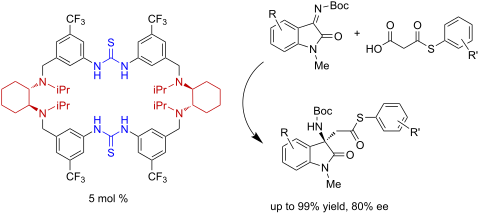
- tetraamino-bisthiourea chiral macrocycles were synthesized [30]. When applied in catalyzing the decarboxylative addition of phenyl β-ketoacids to cyclic imines bearing sulfamate heading group, an interesting substrate-induced assembly catalysis mode was uncovered [30]. To expand more applications, herein we
- cavity could resemble the circumstance of the catalytic triad of Polyketide synthases (PKSs) [40][41][42] (Figure 1). On the other hand, the organocatalytic asymmetric decarboxylative addition reactions of MAHTs to imines provide an efficient means for accessing valuable chiral β-amino esters [43][44][45
- established the optimal reaction conditions, the substrate scope was explored. Reactions of various isatin imines 6a–w with MAHT 7a were firstly investigated (Scheme 2). Different N-substituents on isatins caused a significant effect. For non-substituted (6b) or other substrates with larger substituents (6c–g




Synthesis of piperidine and pyrrolidine derivatives by electroreductive cyclization of imine with terminal dihaloalkanes in a flow microreactor
Beilstein J. Org. Chem. 2022, 18, 350–359, doi:10.3762/bjoc.18.39
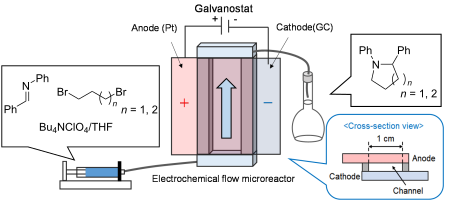
- only one report on the electroreductive synthesis of piperidine derivatives: namely Degrand and co-workers demonstrated electroreductive cyclization using imines and terminal dihaloalkanes to provide piperidine derivatives (Scheme 2) [27]. In this reaction, a stable radical anion is produced from the
- time, extremely fast molecular diffusion, and expelling the reaction product to avoid over-oxidation or over-reduction. We have previously reported the electrochemical carboxylation of several imines in a flow microreactor to afford the corresponding α-amino acids in good to moderate yields [33][34][35
- ]. The key features of this method are the effective cathodic reduction of imines and their rapid use for the subsequent reactions in a microflow system. Successful preliminary results prompted us to perform the electroreductive cyclization of an imine with terminal dihaloalkanes to afford heterocyclic


Unexpected chiral vicinal tetrasubstituted diamines via borylcopper-mediated homocoupling of isatin imines
Beilstein J. Org. Chem. 2022, 18, 303–308, doi:10.3762/bjoc.18.34
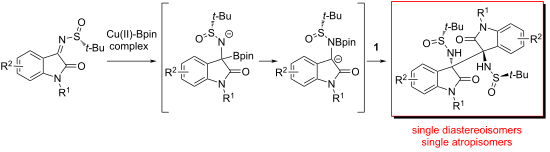
- products we disclosed the efficient homocoupling of oxindole-based N-tert-butanesulfinyl imines, with the generation of chiral, quaternary 1,2-diamines in a mild and completely stereoselective way. The obtained 3,3′-bisoxindole derivatives were fully characterized by NMR and single-crystal X-ray
- the bis(cyclotryptamine) family [24][25][26][27]. In light of these considerations and as, to our knowledge, no borylcopper-mediated homocoupling of N-tert-butanesulfinyl imines have been documented before, we consider useful to share our findings and to accurately describe the obtained products
- products, besides relying on performed control experiments, we also refer to the underdeveloped umpolung reactions of imines, considering, in particular, the copper-catalyzed process reported quite recently by Zhang, Hou and co-workers [29]. In our case, we presume the possible reaction mechanism shown in


New advances in asymmetric organocatalysis
Beilstein J. Org. Chem. 2022, 18, 240–242, doi:10.3762/bjoc.18.28
- cyclopropenimines exemplify Brønsted base organocatalysts that are useful for diverse reactions not easily accessible by other means. Here, Lambert and co-workers employed this type of catalyst in the formation of pyroglutamates via enantioselective Michael addition of amino ester imines [22]. Phase-transfer
1,2-Naphthoquinone-4-sulfonic acid salts in organic synthesis
Beilstein J. Org. Chem. 2022, 18, 53–69, doi:10.3762/bjoc.18.5
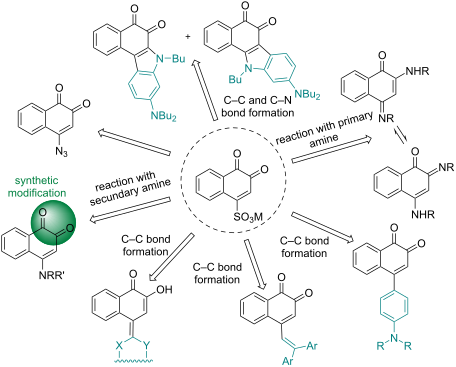
- . These data indicated that 47b targets p38 kinase and NF-κB and may serve as an anti-inflammatory agent (Scheme 13). In 2020, Almeida and co-workers [92] synthesized naphthoquinone imines from β-NQSNa (18) with modifications in β-carbonyls. These compounds were obtained in a sequence of reactions


Photophysical, photostability, and ROS generation properties of new trifluoromethylated quinoline-phenol Schiff bases
Beilstein J. Org. Chem. 2021, 17, 2799–2811, doi:10.3762/bjoc.17.191
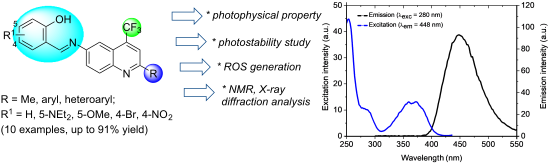
- imines, Schiff bases have the general organic function -C=N- [2], and are known to have a wide range of biological activities, including antioxidant [3], antitubercular [4], antibacterial [5], antimicrobial [6], and antifungal properties [7], in addition to their role as chemosensors [8] (Figure 1




The PIFA-initiated oxidative cyclization of 2-(3-butenyl)quinazolin-4(3H)-ones – an efficient approach to 1-(hydroxymethyl)-2,3-dihydropyrrolo[1,2-a]quinazolin-5(1H)-ones
Beilstein J. Org. Chem. 2021, 17, 2787–2794, doi:10.3762/bjoc.17.189
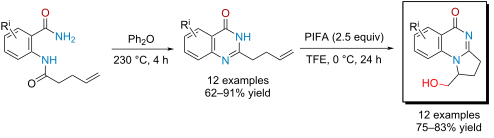
- well as by Sm(OTf)3-catalyzed stereoselective [3 + 2] cycloaddition of bis-silyldienediolate and imines, in turn synthesized from anthranylamides and benzaldehydes [32]. A promising approach to the synthesis of 2,3-dihydropyrrolo[1,2-a]quinazolin-5(1H)-one derivatives substituted at the pyrrolidine


Recent advances in the asymmetric phosphoric acid-catalyzed synthesis of axially chiral compounds
Beilstein J. Org. Chem. 2021, 17, 2729–2764, doi:10.3762/bjoc.17.185
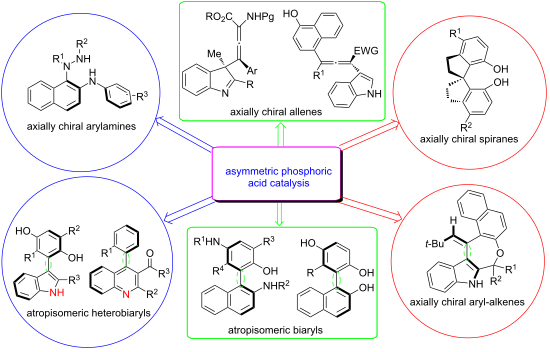
- nucleophilic addition reactions using isatin-derived imines 50 as electrophiles was reported by Tan, Shi and co-workers in 2020. Enantioenriched 3,3'-bisindoles with a biologically essential chiral 3-aminooxindole unit can be readily prepared by these methods. CPA 9 utilizes hydrogen bonding to activate both
- reactants, resulting in enantioenriched 3,3'-bisindole derivatives with multiple chirality. In the presence of the chiral phosphoric acid catalyst CPA 9, various groups of 2-substituted 3,3'-bisindoles and isatin-derived imines were tolerated and gave good to high yields (up to 80%) and moderate to
- I-15 leads to enamine I-16. In the presence of the CPA catalyst, an intramolecular Michael addition of the amino group to the enamine in I-16 leads to I-17. Subsequently, the imines I-15 and I-17 are converted to the intermediate I-18, which through elimination by cleavage of the C–C bond gives the












Synthesis of highly substituted fluorenones via metal-free TBHP-promoted oxidative cyclization of 2-(aminomethyl)biphenyls. Application to the total synthesis of nobilone
Beilstein J. Org. Chem. 2021, 17, 2668–2679, doi:10.3762/bjoc.17.181
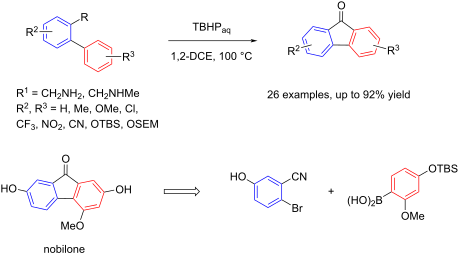
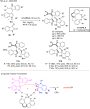
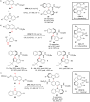
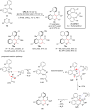
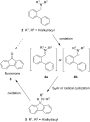
- give imines, iminium salts, aldehydes and other, in some cases dimeric products [49]. Here, oxidation of the benzylic amino moiety should lead either to iminium ions (or N-acyl iminium ions) 4a as strong electrophiles or to stabilized radicals 4b which could undergo cyclization to give the fluorenone





N-Sulfinylpyrrolidine-containing ureas and thioureas as bifunctional organocatalysts
Beilstein J. Org. Chem. 2021, 17, 2629–2641, doi:10.3762/bjoc.17.176
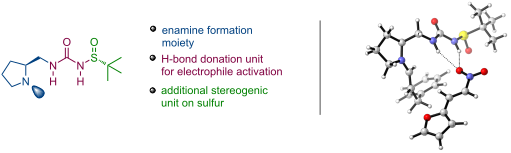
- , including enantioselective H-bonding-catalyzed additions to aliphatic N-Boc-imines with high stereoselectivity [22]. A broad range of β-aminonitroolefins were reduced to chiral β-aminonitroalkanes in high yields and excellent enantioselectivities using trichlorosilane as a reducing agent and an N


Recent advances in organocatalytic asymmetric aza-Michael reactions of amines and amides
Beilstein J. Org. Chem. 2021, 17, 2585–2610, doi:10.3762/bjoc.17.173
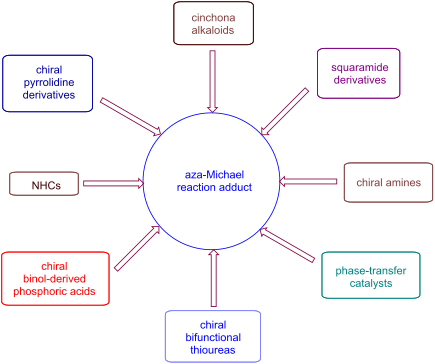
- of prolinol silyl ether (cat. 120) and benzoic acid (A1) catalysts to bring about reaction between 3-formyl-substituted indoles or pyrroles 118 and diverse electrophiles, including carbonyls, imines and other Michael acceptors (Scheme 5) [69]. The reaction with secondary amines occurred via the


α-Ketol and α-iminol rearrangements in synthetic organic and biosynthetic reactions
Beilstein J. Org. Chem. 2021, 17, 2570–2584, doi:10.3762/bjoc.17.172
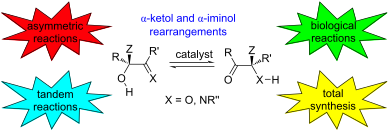
- Scott Benz Andrew S. Murkin Department of Chemistry, University at Buffalo, The State University of New York, Buffalo, New York 14260-3000, United States 10.3762/bjoc.17.172 Abstract In the presence of a suitable acid or base, α-hydroxyaldehydes, ketones, and imines can undergo isomerization that
- ; Introduction When treated with base, acid, heat, or light, many α-hydroxyaldehydes, ketones, or imines 1 undergo a 1,2-shift of one of the α-substituents to the adjacent unsaturated carbon, with a concomitant proton transfer to form compounds of type 2 (Figure 1) [1]. Differing from the related Wagner–Meerwein
- compounds; or (4) the use of imines (X = NR′′), which lead to more stable α-amino ketones. The α-ketol or α-iminol rearrangement is a synthetic organic tool used for ring expansions and contractions and other isomerizations that is also used in some biological pathways [2][3]. Works featuring these




Visible-light-mediated copper photocatalysis for organic syntheses
Beilstein J. Org. Chem. 2021, 17, 2520–2542, doi:10.3762/bjoc.17.169
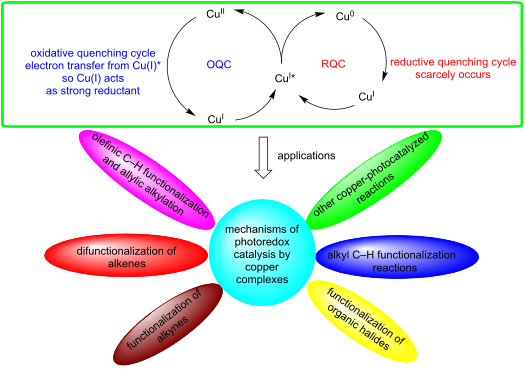
- between N-heteroarenes 69 and redox-active esters 68. In 2018, Gong and co-workers [43] used benzyltrifluoroborates 71 as a benzylic radical source for the visible-light-induced alkylation of imines 70. In the catalytic system, chiral ligands initiated benzylic radical formation and governed the