


Search results
Search for "lactams" in Full Text gives 144 result(s) in Beilstein Journal of Organic Chemistry.
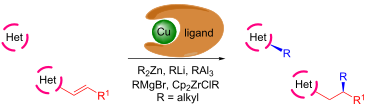
Copper-catalysed alkylation of heterocyclic acceptors with organometallic reagents
- Yafei Guo and
- Syuzanna R. Harutyunyan
Beilstein J. Org. Chem. 2020, 16, 1006–1021, doi:10.3762/bjoc.16.90
- the lactams 7, leading to the corresponding products with up to 81% yield and an enantiomeric ratio of up to 82:18 (Scheme 4B). Oxygen-containing heterocyclic compounds are ubiquitous in natural products and medicines, with many of them being chiral. Copper-catalysed ACA reactions of organometallics
- enantioselectivity (Scheme 6B). The copper-catalysed ACA of organometallics has also been applied to lactams, which are useful building blocks for synthetic chemistry. In 2004, Pineschi and co-workers successfully introduced the methodology of copper-catalysed ACAs of organoaluminium and organozinc reagents to
- lactams (Scheme 7A) [30]. They found that with a phenylcarbamate protecting group on the nitrogen atom, the addition of Et2Zn and Me3Al could be promoted by the L1/Cu catalytic system, leading to the corresponding alkylated products with 95% and 68% enantioselectivity, respectively. Furthermore, the

Graphical Abstract
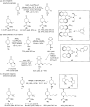
Scheme 1: Copper-catalysed ACA of organometallics to piperidones. A) addition of organozinc reagents; B) addi...

Scheme 2: Copper-catalysed ACA of alkenylalanes to N-substituted-2,3-dehydro-4-piperidones.

Scheme 3: Copper-catalysed asymmetric addition of dialkylzinc reagents to N-acyl-4-methoxypyridinium salts fo...

Scheme 4: Copper-catalysed ACA of organozirconium reagents to N-substituted 2,3-dehydro-4-piperidones and lac...

Scheme 5: Copper-catalysed ACA of Grignard reagents to chromones and coumarins and further derivatisation of ...
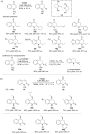
Scheme 6: Copper-catalysed ACA of Grignard reagents to N-protected quinolones.

Scheme 7: Copper-catalysed ACAs of organometallics to conjugated unsaturated lactams.

Scheme 8: Copper-catalysed ACA of Et2Zn to 5,6-dihydro-2-pyranone.

Scheme 9: Copper-catalysed ACA of Grignard reagents to pyranone and 5,6-dihydro-2-pyranone.

Scheme 10: Copper-catalysed AAA of an organozirconium reagent to heterocyclic acceptors.

Scheme 11: Copper-catalysed ring opening of an oxygen-bridged substrate with trialkylaluminium reagents.

Scheme 12: Copper-catalysed ring opening of oxabicyclic substrates with organolithium reagents (selected examp...

Scheme 13: Copper-catalysed ring opening of polycyclic meso hydrazines.

Scheme 14: Copper-catalysed ACA of Grignard reagents to alkenyl-substituted aromatic N-heterocycles.

Scheme 15: Copper-catalysed ACA of Grignard reagents to β-substituted alkenylpyridines.

Scheme 16: Copper-catalysed ACA of organozinc reagents to alkylidene Meldrum’s acids.
Bipyrrole boomerangs via Pd-mediated tandem cyclization–oxygenation. Controlling reaction selectivity and electronic properties
- Liliia Moshniaha,
- Marika Żyła-Karwowska,
- Joanna Cybińska,
- Piotr J. Chmielewski,
- Ludovic Favereau and
- Marcin Stępień
Beilstein J. Org. Chem. 2020, 16, 895–903, doi:10.3762/bjoc.16.81
- stoichiometric oxidant. The scope of such Pd(II)-induced couplings was further developed into tandem processes involving consecutive cyclization of substituents (dcTTEE) and oxygenation of pyrrolic α-positions to form lactams cNDA1O and cNMI1O. The mechanism of those transformations was subsequently explored
- each produced a single broadened signal, indicating that the helix inversion occurs in the fast exchange regime. This apparently faster inversion in cNMI2H than in the cNMI2O and cNDA2O lactams correlates with the higher bond order of the α–α linkage in the latter two systems. The chirality of cNMI3H
- bipyrroles are very efficient fluorophores (Table 2), noticeably more emissive than the lactam analogues and the other previously reported boomerangs [32]. Highest fluorescence quantum yields were observed in toluene (83 and 80%, respectively). For comparison, the Φfl values for the lactams cNMI2O and cNMI3O

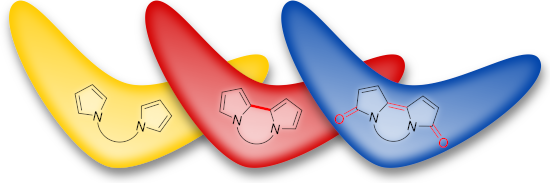
Graphical Abstract

Scheme 1: The previously reported family of the boomerang bipyrroles obtained by Pd-induced double C–H bond a...
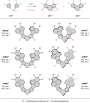
Scheme 2: Synthesis and structures of α-free and α-oxygenated bipyrrole boomerangs. Reagents and conditions: ...

Figure 1: DFT-Optimized structures (B3LYP/6-31G(d,p)) of cNDA2O and cNMI3H.

Figure 2: Absorption and emission spectra of cNMI2H (top) and cNMI3H (bottom) measured in toluene, dichlorome...
Aldehydes as powerful initiators for photochemical transformations
- Maria A. Theodoropoulou,
- Nikolaos F. Nikitas and
- Christoforos G. Kokotos
Beilstein J. Org. Chem. 2020, 16, 833–857, doi:10.3762/bjoc.16.76
- good yields of 145h–l (Scheme 32). Additionally, products derived from ureas (i.e., 146), N,N-dimethylaniline (i.e., 147), amides (i.e., 148), and lactams (i.e., 149a) were obtained. Moreover, for N-methylpyrrolidinone, α-arylation was achieved in a good yield and regioselectivity for the substitution

Graphical Abstract

Scheme 1: Norrish type I and II dissociations.

Scheme 2: Proposed radical pair formation after the photolysis of benzaldehyde (8).

Scheme 3: Aldehydes in the Paterno–Büchi reaction.

Scheme 4: 2,3-Diazabicyclo[2.2.1]hept-2-ene (DBH).

Scheme 5: Dissociation pathways of benzaldehyde.

Scheme 6: Reactions that lead to polarized products detectable by CIDNP.

Scheme 7: MMA (26), DEABP (27), and Michler’s ketone (28).

Scheme 8: Radical intermediates of DEABP.

Scheme 9: Photoinitiated polymerization of monomeric MMA (26) using the quinoxalines 32 and benzaldehyde (8).

Scheme 10: Acetone (4) and formaldehyde (35) as photografting initiators.

Scheme 11: Photografting by employing acetaldehyde (36) as the photoinitiator.

Scheme 12: Proposed photolysis mechanism for aliphatic ketones 44 and formaldehyde (35).

Scheme 13: Initiator 50, reductant 51, and benzaldehyde derivatives 52–54 for the polymerization of the methac...

Scheme 14: Proposed mechanism of the photomediated atom transfer radical polymerization employing the benzalde...

Scheme 15: cis/trans isomerization employing triplet states of photosensitizers.

Scheme 16: Salicylaldehyde (68) forms an internal hydrogen bond.

Scheme 17: Olefin isomerization via energy transfer from a carbonyl compound.

Scheme 18: Mechanistic pathways for the Paterno–Büchi reaction.

Scheme 19: Isomeric oxetanes formed after photochemical addition of aryl aldehydes to 2-butenes.

Scheme 20: Rotation of the C3–C4 bond of the biradical intermediate may lead to all four conformations.

Scheme 21: Photolysis products of benzaldehyde (8) in different solvents. a) In benzene or ethanol. b) In hex-...

Scheme 22: N-tert-Butylbenzamide formation proceeds via a benzoyl radical.

Scheme 23: Photochemical pinacol coupling.

Scheme 24: Photochemical ATRA catalyzed by 4-anisaldehyde (52).

Scheme 25: Proposed triplet sensitization mechanism of the ATRA reaction in the presence of 4-anisaldehyde (52...
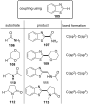
Scheme 26: Benzaldehyde-mediated photoredox CDC reaction: compatible amides and ethers.

Scheme 27: Photoredox cross-dehydrogenative coupling (CDC) conditions and proposed reaction mechanism.

Scheme 28: Optimized conditions for the photoredox merger reaction.

Scheme 29: Proposed mechanism for the C(sp3)–H alkylation/arylation of ethers.

Scheme 30: Substrate scope for the photochemical alkylation of ethers.

Scheme 31: C(sp3)–H Functionalization of N-containing molecules.

Scheme 32: Substrate scope for the photochemical alkylation of N-containing molecules.

Scheme 33: Additional products yielded by the photochemical alkylation reaction of N-containing molecules.

Scheme 34: C(sp3)–H functionalization of thioethers.

Scheme 35: Proposed mechanism for the C(sp3)–H alkylation/arylation of N-containing molecules and thioethers.

Scheme 36: Hydroacylation using 4-cyanobenzaldehyde (53) as the photoinitiator.

Scheme 37: Selectivity for the formation of the α,α-disubstituted aldehydes.
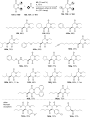
Scheme 38: Substrate scope for the photochemical addition of aldehydes to Michael acceptors.

Scheme 39: Proposed mechanism for the hydroacylation of Michael acceptors using 4-cyanobenzaldehyde (53) as th...

Scheme 40: Catalytic arylation of aromatic aldehydes by aryl bromides in which the reaction product acts as th...

Scheme 41: Proposed mechanism for the catalytic arylation of benzaldehydes by aryl bromides in which the react...

Scheme 42: Functionalization of the chiral cyclobutanes 180.

Scheme 43: Optimized reaction conditions and proposed mechanism for the sulfonylcyanation of cyclobutenes.
Recent advances in Cu-catalyzed C(sp3)–Si and C(sp3)–B bond formation
- Balaram S. Takale,
- Ruchita R. Thakore,
- Elham Etemadi-Davan and
- Bruce H. Lipshutz
Beilstein J. Org. Chem. 2020, 16, 691–737, doi:10.3762/bjoc.16.67
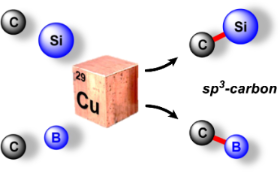
- , for the first time, a silyl transfer to lactams in both high chemical yields and high ees [60]. In this case, a comparatively higher (5 mol %) copper loading was necessary. Not only lactams (Scheme 25) but also acyclic, unsaturated amides could be efficiently silylated under these conditions

Graphical Abstract

Scheme 1: Pharmaceuticals possessing a silicon or boron atom.

Scheme 2: The first Cu-catalyzed C(sp3)–Si bond formation.

Scheme 3: Conversion of benzylic phosphate 6 to the corresponding silane.

Scheme 4: Conversion of alkyl triflates to alkylsilanes.

Scheme 5: Conversion of secondary alkyl triflates to alkylsilanes.

Scheme 6: Conversion of alkyl iodides to alkylsilanes.

Scheme 7: Trapping of intermediate radical through cascade reaction.

Scheme 8: Radical pathway for conversion of alkyl iodides to alkylsilanes.

Scheme 9: Conversion of alkyl ester of N-hydroxyphthalimide to alkylsilanes.

Scheme 10: Conversion of gem-dibromides to bis-silylalkanes.

Scheme 11: Conversion of imines to α-silylated amines (A) and the reaction pathway (B).

Scheme 12: Conversion of N-tosylimines to α-silylated amines.

Scheme 13: Screening of diamine ligands.

Scheme 14: Conversion of N-tert-butylsulfonylimines to α-silylated amines.

Scheme 15: Conversion of aldimines to nonracemic α-silylated amines.

Scheme 16: Conversion of N-tosylimines to α-silylated amines.

Scheme 17: Reaction pathway [A] and conversion of aldehydes to α-silylated alcohols [B].

Scheme 18: Conversion of aldehydes to benzhydryl silyl ethers.

Scheme 19: Conversion of ketones to 1,2-diols (A) and conversion of imines to 1,2-amino alcohols (B).

Scheme 20: Ligand screening (A) and conversion of aldehydes to α-silylated alcohols (B).

Scheme 21: Conversion of aldehydes to α-silylated alcohols.

Scheme 22: 1,4-Additions to α,β-unsaturated ketones.

Scheme 23: 1,4-Additions to unsaturated ketones to give β-silylated derivatives.

Scheme 24: Additions onto α,β-unsaturated lactones to give β-silylated lactones.

Scheme 25: Conversion of α,β-unsaturated to β-silylated lactams.

Scheme 26: Conversion of N-arylacrylamides to silylated oxindoles.

Scheme 27: Conversion of α,β-unsaturated carbonyl compounds to silylated tert-butylperoxides.

Scheme 28: Catalytic cycle for Cu(I) catalyzed α,β-unsaturated compounds.

Scheme 29: Conversion of p-quinone methides to benzylic silanes.

Scheme 30: Conversion of α,β-unsaturated ketimines to regio- and stereocontrolled allylic silanes.

Scheme 31: Conversion of α,β-unsaturated ketimines to enantioenriched allylic silanes.

Scheme 32: Regioselective conversion of dienedioates to allylic silanes.

Scheme 33: Conversion of alkenyl-substituted azaarenes to β-silylated adducts.

Scheme 34: Conversion of conjugated benzoxazoles to enantioenriched β-silylated adducts.

Scheme 35: Conversion of α,β-unsaturated carbonyl indoles to α-silylated N-alkylated indoles.

Scheme 36: Conversion of β-amidoacrylates to α-aminosilanes.

Scheme 37: Conversion of α,β-unsaturated ketones to enantioenriched β-silylated ketones, nitriles, and nitro d...

Scheme 38: Regio-divergent silacarboxylation of allenes.

Scheme 39: Silylation of diazocarbonyl compounds, (A) asymmetric and (B) racemic.

Scheme 40: Enantioselective hydrosilylation of alkenes.

Scheme 41: Conversion of 3-acylindoles to indolino-silanes.

Scheme 42: Proposed mechanism for the silylation of 3-acylindoles.

Scheme 43: Silyation of N-chlorosulfonamides.

Scheme 44: Conversion of acyl silanes to α-silyl alcohols.

Scheme 45: Conversion of N-tosylaziridines to β-silylated N-tosylamines.

Scheme 46: Conversion of N-tosylaziridines to silylated N-tosylamines.

Scheme 47: Conversion of 3,3-disubstituted cyclopropenes to silylated cyclopropanes.

Scheme 48: Conversion of conjugated enynes to 1,3-bis(silyl)propenes.

Scheme 49: Proposed sequence for the Cu-catalyzed borylation of substituted alkenes.

Scheme 50: Cu-catalyzed synthesis of nonracemic allylic boronates.

Scheme 51: Cu–NHC catalyzed synthesis of α-substituted allylboronates.
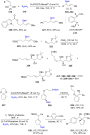
Scheme 52: Synthesis of α-chiral (γ-alkoxyallyl)boronates.

Scheme 53: Cu-mediated formation of nonracemic cis- or trans- 2-substituted cyclopropylboronates.

Scheme 54: Cu-catalyzed synthesis of γ,γ-gem-difluoroallylboronates.

Scheme 55: Cu-catalyzed hydrofunctionalization of internal alkenes and vinylarenes.

Scheme 56: Cu-catalyzed Markovnikov and anti-Markovnikov borylation of alkenes.

Scheme 57: Cu-catalyzed borylation/ortho-cyanation/Cope rearrangement.
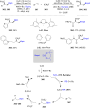
Scheme 58: Borylfluoromethylation of alkenes.

Scheme 59: Cu-catalyzed synthesis of tertiary nonracemic alcohols.

Scheme 60: Synthesis of densely functionalized and synthetically versatile 1,2- or 4,3-borocyanated 1,3-butadi...

Scheme 61: Cu-catalyzed trifunctionalization of allenes.

Scheme 62: Cu-catalyzed selective arylborylation of arenes.

Scheme 63: Asymmetric borylative coupling between styrenes and imines.

Scheme 64: Regio-divergent aminoboration of unactivated terminal alkenes.

Scheme 65: Cu-catalyzed 1,4-borylation of α,β-unsaturated ketones.

Scheme 66: Cu-catalyzed protodeboronation of α,β-unsaturated ketones.

Scheme 67: Cu-catalyzed β-borylation of α,β-unsaturated imines.

Scheme 68: Cu-catalyzed synthesis of β-trifluoroborato carbonyl compounds.

Scheme 69: Asymmetric 1,4-borylation of α,β-unsaturated carbonyl compounds.

Scheme 70: Cu-catalyzed ACB and ACA reactions of α,β-unsaturated 2-acyl-N-methylimidazoles.

Scheme 71: Cu-catalyzed diborylation of aldehydes.

Scheme 72: Umpolung pathway for chiral, nonracemic tertiary alcohol synthesis (top) and proposed mechanism for...

Scheme 73: Cu-catalyzed synthesis of α-hydroxyboronates.

Scheme 74: Cu-catalyzed borylation of ketones.

Scheme 75: Cu-catalyzed borylation of unactivated alkyl halides.

Scheme 76: Cu-catalyzed borylation of allylic difluorides.

Scheme 77: Cu-catalyzed borylation of cyclic and acyclic alkyl halides.

Scheme 78: Cu-catalyzed borylation of unactivated alkyl chlorides and bromides.

Scheme 79: Cu-catalyzed decarboxylative borylation of carboxylic acids.
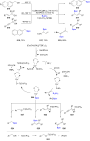
Scheme 80: Cu-catalyzed borylation of benzylic, allylic, and propargylic alcohols.
Preparation and in situ use of unstable N-alkyl α-diazo-γ-butyrolactams in RhII-catalyzed X–H insertion reactions
- Maria Eremeyeva,
- Daniil Zhukovsky,
- Dmitry Dar’in and
- Mikhail Krasavin
Beilstein J. Org. Chem. 2020, 16, 607–610, doi:10.3762/bjoc.16.55

- -ethoxalyl-γ-lactams 6a–c, prepared by oxalylation of the respective γ-lactams as decribed previously [1], underwent a rapid diazo transfer reaction via the conventional protocol [4][5] employing 4-nitrobenzenesulfonyl azide and DBU. A quick filtration through a plug of alumina (in lieu of silica gel, which
- led to decomposition of the diazo compounds 4a–c), and addition of an alcohol, a thiol, or an aromatic amine along with a RhII catalyst resulted in a rapid insertion reaction and the isolation of the desired α-substituted γ-lactams 7a–o in modest yields (Scheme 1). It should be noted that, after some
- substantially expanded, thereby making this approach more useful for potential medicinal chemistry exploration of these disubstituted γ-lactams. Previously reported uses of α-diazo-γ-butyrolactams 1 and 4. Generation and in situ RhII-catalyzed X–H insertion reactions of the diazo compounds 4a–c. Conditions

Graphical Abstract

Figure 1: Previously reported uses of α-diazo-γ-butyrolactams 1 and 4.
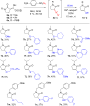
Scheme 1: Generation and in situ RhII-catalyzed X–H insertion reactions of the diazo compounds 4a–c. Conditio...

Scheme 2: Formation of the enamine coupling products 8a and b.
Extension of the 5-alkynyluridine side chain via C–C-bond formation in modified organometallic nucleosides using the Nicholas reaction
- Renata Kaczmarek,
- Dariusz Korczyński,
- James R. Green and
- Roman Dembinski
Beilstein J. Org. Chem. 2020, 16, 1–8, doi:10.3762/bjoc.16.1
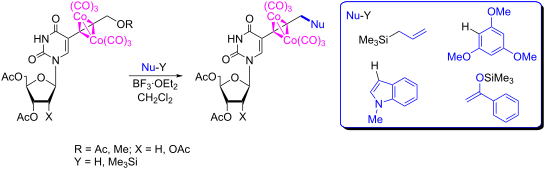
- intramolecular versions of the reaction are also highly successful [50][51]. Although the Nicholas reaction has been employed to functionalize biomolecules, including amino acids [52][53], β-lactams [54], steroids [55], and carbohydrates [56][57][58][59][60][61][62], we are unaware of any examples of nucleoside

Graphical Abstract

Scheme 1: Preparation of (2'-deoxy)-5-alkynyluridines 2 and 3, their dicobalt hexacarbonyl derivatives 4 and 5...
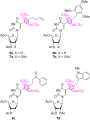
Figure 1: Structures of nucleosides 6 and 7, products of the Nicholas reaction.
Chemical synthesis of tripeptide thioesters for the biotechnological incorporation into the myxobacterial secondary metabolite argyrin via mutasynthesis
- David C. B. Siebert,
- Roman Sommer,
- Domen Pogorevc,
- Michael Hoffmann,
- Silke C. Wenzel,
- Rolf Müller and
- Alexander Titz
Beilstein J. Org. Chem. 2019, 15, 2922–2929, doi:10.3762/bjoc.15.286
- identified. In addition, the development of new β-lactamase inhibitors is ongoing and may restore the activity of known β-lactams against β-lactamase-producing strains [2]. Unfortunately, most of these antibiotics rely on known modes of action and do not target novel binding sites. To circumvent established

Graphical Abstract
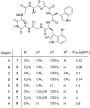
Figure 1: Chemical structures of naturally occurring argyrins with potent antipseudomonal activity.

Figure 2: The biosynthetic pathway for argyrin production in Cystobacter sp. SBCb004 (Arg1, radical SAM-depen...

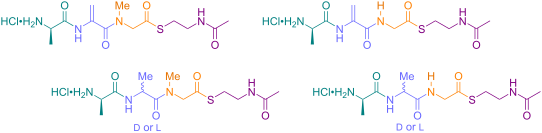
Figure 3: Designed mutasynthons 9–14 for argyrin biosynthesis. Peptides are based on three amino acids and ad...

Scheme 1: Synthesis of tripeptide thioesters. Reagents and conditions: (a) SOCl2, EtOH, 78 °C; (b) IBCF, NMM,...
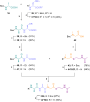
Scheme 2: Improved synthesis of the tripeptide thioester 14. Reagents and conditions: (a) SOCl2, EtOH, 78 °C;...
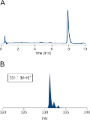
Figure 4: Analysis of mutasynthon 14 obtained via the convergent synthetic route by HPLC on a HILIC stationar...
A review of asymmetric synthetic organic electrochemistry and electrocatalysis: concepts, applications, recent developments and future directions
- Munmun Ghosh,
- Valmik S. Shinde and
- Magnus Rueping
Beilstein J. Org. Chem. 2019, 15, 2710–2746, doi:10.3762/bjoc.15.264
- -158a, and 159a were further converted to the corresponding lactams 160a and 160b enabling efficient recovery of chiral auxiliaries (Scheme 51). Furthermore, the same group reported an identical method for the TiCl4-promoted addition of allyltrimethylsilane to N-acyliminium ions containing the same
- 2007, Feroci disclosed an electrochemical strategy for the cis-stereoselective synthesis of chiral β-lactams 180 via a 4-exo-tet cyclization of bromo amides 178 with an acidic methylene group and bearing a chiral auxiliary [101]. The cyclization occurred via deprotonation of the acidic methylene group

Graphical Abstract

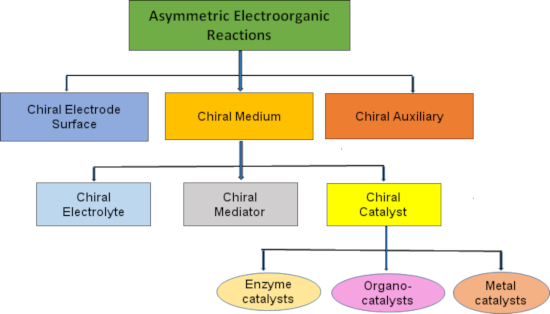
Figure 1: General classification of asymmetric electroorganic reactions.

Scheme 1: Asymmetric reduction of 4-acetylpyridine using a modified graphite cathode.

Scheme 2: Asymmetric hydrogenation of ketones using Raney nickel powder electrodes modified with optically ac...

Scheme 3: Asymmetric reduction of prochiral activated olefins with a poly-ʟ-valine-coated graphite cathode.

Scheme 4: Asymmetric reduction of prochiral carbonyl compounds, oximes and gem-dibromides on a poly-ʟ-valine-...

Scheme 5: Asymmetric hydrogenation of prochiral ketones with poly[RuIII(L)2Cl2]+-modified carbon felt cathode...

Scheme 6: Asymmetric hydrogenation of α-keto esters using chiral polypyrrole film-coated cathode incorporated...

Scheme 7: Quinidine and cinchonidine alkaloid-induced asymmetric electroreduction of acetophenone.

Scheme 8: Asymmetric electroreduction of 4- and 2-acetylpyridines at a mercury cathode in the presence of a c...

Scheme 9: Enantioselective reduction of 4-methylcoumarin in the presence of catalytic yohimbine.

Scheme 10: Cinchonine-induced asymmetric electrocarboxylation of 4-methylpropiophenone.

Scheme 11: Enantioselective hydrogenation of methyl benzoylformate using an alkaloid entrapped silver cathode.

Scheme 12: Alkaloid-induced enantioselective hydrogenation using a Cu nanoparticle cathode.

Scheme 13: Alkaloid-induced enantioselective hydrogenation of aromatic ketones using a bimetallic Pt@Cu cathod...

Scheme 14: Enantioselective reduction of ketones at mercury cathode using N,N'-dimethylquininium tetrafluorobo...

Scheme 15: Asymmetric synthesis of an amino acid using an electrode modified with amino acid oxidase and elect...

Scheme 16: Asymmetric oxidation of p-tolyl methyl sulfide using chemically modified graphite anode.

Scheme 17: Asymmetric oxidation of unsymmetric sulfides using poly(amino acid)-coated electrodes.

Scheme 18: Enantioselective, electocatalytic oxidative coupling on TEMPO-modified graphite felt electrode in t...

Scheme 19: Asymmetric electrocatalytic oxidation of racemic alcohols on a TEMPO-modified graphite felt electro...

Scheme 20: Asymmetric electrocatalytic lactonization of diols on TEMPO-modified graphite felt electrodes.

Scheme 21: Asymmetric electrochemical pinacolization in a chiral solvent.

Scheme 22: Asymmetric electroreduction using a chiral supporting electrolyte.

Scheme 23: Asymmetric anodic oxidation of enol acetates using chiral supporting electrolytes.

Scheme 24: Kinetic resolution of primary amines using a chiral N-oxyl radical mediator.

Scheme 25: Chiral N-oxyl-radical-mediated kinetic resolution of secondary alcohols via electrochemical oxidati...

Scheme 26: Chiral iodoarene-mediated asymmetric electrochemical lactonization.

Scheme 27: Os-catalyzed electrochemical asymmetric dihydroxylation of olefins using the Sharpless ligand and i...

Scheme 28: Asymmetric electrochemical epoxidation of olefins catalyzed by a chiral Mn-salen complex.

Scheme 29: Asymmetric electrooxidation of 1,2-diols, and amino alcohols using a chiral copper catalyst.

Scheme 30: Mechanism of asymmetric electrooxidation of 1,2-diols, and amino alcohols using a chiral copper cat...

Scheme 31: Enantioselective electrocarboxylation catalyzed by an electrogenerated chiral [CoI(salen)]− complex....

Scheme 32: Asymmetric oxidative cross coupling of 2-acylimidazoles with silyl enol ethers.

Scheme 33: Ni-catalyzed asymmetric electroreductive cleavage of allylic β-keto ester 89.

Scheme 34: Asymmetric alkylation using a combination of electrosynthesis and a chiral Ni catalyst.

Scheme 35: Mechanism of asymmetric alkylation using a combination of electrosynthesis and a chiral Ni catalyst....

Scheme 36: Asymmetric epoxidation by electrogenerated percarbonate and persulfate ions in the presence of chir...

Scheme 37: α-Oxyamination of aldehydes via anodic oxidation catalyzed by chiral secondary amines.

Scheme 38: The α-alkylation of aldehydes via anodic oxidation catalyzed by chiral secondary amines.
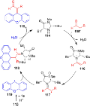
Scheme 39: Mechanism of α-alkylation of aldehydes via anodic oxidation catalyzed by chiral secondary amines.

Scheme 40: Electrochemical chiral secondary amine-catalyzed intermolecular α-arylation of aldehydes.

Scheme 41: Mechanism of electrochemical chiral secondary amine-catalyzed intermolecular α-arylation of aldehyd...

Scheme 42: Asymmetric cross-dehydrogenative coupling of tertiary amines with simple ketones via an electrochem...

Scheme 43: Electroenzymatic asymmetric reduction using enoate reductase.

Scheme 44: Assymetric reduction using alcohol dehydrogenase as the electrocatalyst.

Scheme 45: Asymmetric electroreduction catalyzed by thermophilic NAD-dependent alcohol dehydrogenase.

Scheme 46: Asymmetric epoxidation of styrene by electrochemical regeneration of flavin-dependent monooxygenase....

Scheme 47: Asymmetric electroreduction using a chloroperoxidase catalyst.

Scheme 48: Asymmetric electrochemical transformation mediated by hydrophobic vitamin B12.

Scheme 49: Diastereoselective cathodic reduction of phenylglyoxalic acids substituted with amines as chiral au...

Scheme 50: Ni-catalyzed asymmetric electroreductive cross coupling of aryl halides with α-chloropropanoic acid...

Scheme 51: Electrochemical Mannich addition of silyloxyfuran to in situ-generated N-acyliminium ions.

Scheme 52: Stereoselective electroreductive homodimerization of cinnamates attached to a camphor-derived chira...
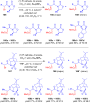
Scheme 53: Diastereoselective electrochemical carboxylation of chiral α-bromocarboxylic acid derivatives.

Scheme 54: Electrocatalytic stereoselective conjugate addition of chiral β-dicarbonyl compounds to methyl viny...

Scheme 55: Stereoselective electrochemical carboxylation of chiral cinnamic acid derivatives under a CO2 atmos...

Scheme 56: Electrochemical diastereoselective α-alkylation of pyrrolidines attached with phosphorus-derived ch...

Scheme 57: Electrogenerated cyanomethyl anion-induced synthesis of chiral cis-β-lactams from amides bearing ch...

Scheme 58: Diastereoselective anodic oxidation followed by intramolecular cyclization of ω-hydroxyl amides bea...

Scheme 59: Electrochemical deprotonation of Ni(II) glycinate containing (S)-BPB as a chiral auxiliary: diaster...

Scheme 60: Enantioselective electroreductive coupling of diaryl ketones with α,β-unsaturated carbonyl compound...

Scheme 61: Asymmetric total synthesis of ropivacaine and its analogues using a electroorganic reaction as a ke...

Scheme 62: Asymmetric total synthesis of (−)-crispine A and its natural enantiomer via anodic cyanation of tet...

Scheme 63: Asymmetric oxidative electrodimerization of cinnamic acid derivatives as key step for the synthesis...
Vicinal difunctionalization of alkenes by four-component radical cascade reaction of xanthogenates, alkenes, CO, and sulfonyl oxime ethers
- Shuhei Sumino,
- Takahide Fukuyama,
- Mika Sasano,
- Ilhyong Ryu,
- Antoine Jacquet,
- Frédéric Robert and
- Yannick Landais
Beilstein J. Org. Chem. 2019, 15, 1822–1828, doi:10.3762/bjoc.15.176

- reaction using xanthogenates, alkenes, and sulfonyl oxime ethers (Scheme 1, reaction 1) [21][22]. The reaction proceeds efficiently to provide good yields of α-alkoxyimino esters, potential precursors of lactams, lactones and β-keto esters. Since the three-component radical reaction involving alkyl halides

Graphical Abstract

Scheme 1: Concept: Alkene difuctionalization by four-component radical reaction using xanthates, alkenes, CO ...

Figure 1: Vicinal difunctionalization of alkenes by four-component radical cascade reaction using xanthogenat...

Figure 2: Proposed radical chain mechanism.
Transient and intermediate carbocations in ruthenium tetroxide oxidation of saturated rings
- Manuel Pedrón,
- Laura Legnani,
- Maria-Assunta Chiacchio,
- Pierluigi Caramella,
- Tomás Tejero and
- Pedro Merino
Beilstein J. Org. Chem. 2019, 15, 1552–1562, doi:10.3762/bjoc.15.158
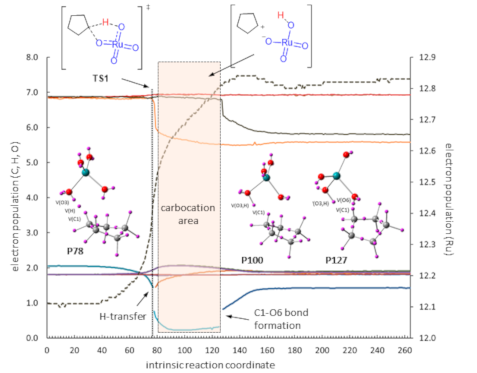
- tetrahydrofuran [45] have been experimentally reported as well as the oxidation of N-acylpyrrolidines to the corresponding lactams [46]. Admittedly, the oxidation of tetrahydrothiophene has been approached only computationally since in that case the sulfur atom would be more easily oxidized. Since the general

Graphical Abstract
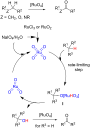
Scheme 1: Oxidation of alkanes with RuO4.
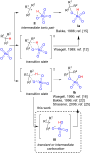
Scheme 2: Mechanisms for RuO4 oxidation of alkanes.

Scheme 3: Oxidation of saturated five-membered (hetero)cyclic compounds.
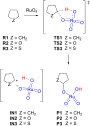
Scheme 4: Rate-limiting step for the oxidation of cyclopentane (R1), tetrahydrofuran (R2) and tetrahydrothiop...
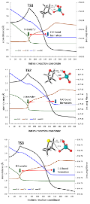
Figure 1: Optimized (B3LYP-d3bj/Def2SVP/cpcm=MeCN) geometries of transition structures corresponding to the o...

Figure 2: ELF analysis for the oxidation of cyclopentane (R1). Left: evolution of the electron population alo...

Figure 3: ELF analysis for the oxidation of tetrahydrofuran (R2, A) and tetrahydrothiophene (R3, B). Left: ev...
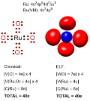
Figure 4: ELF assignment of electrons to the Ru environment. C(Ru) corresponds to a monosynaptic core basin a...
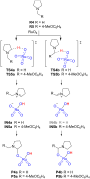
Scheme 5: Rate-limiting step for the oxidation of N-methyl- and N-benzylpyrrolidines R4 and R5, respectively.
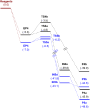
Figure 5: Energy profile for the oxidation of R4 and R5. Relative energies, calculated at the B3LYP-d3bj/Def2...

Figure 6: Optimized (B3LYP-d3bj/Def2SVP/cpcm=water) transition structures for the oxidation of R4 and R5.
Multicomponent reactions (MCRs): a useful access to the synthesis of benzo-fused γ-lactams
- Edorta Martínez de Marigorta,
- Jesús M. de Los Santos,
- Ana M. Ochoa de Retana,
- Javier Vicario and
- Francisco Palacios
Beilstein J. Org. Chem. 2019, 15, 1065–1085, doi:10.3762/bjoc.15.104
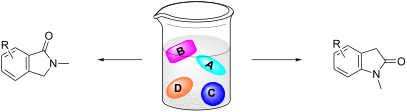
- methods include the efficiency in saving raw materials and working time. However, there is still a need of new catalytic systems to allow the enantioselective preparation of these heterocycles by multicomponent reactions. Keywords: indolin-2-ones; isoindolinones; γ-lactams; multicomponent reactions; 2
- , leading to final lactams 20. This mechanism is partially corroborated by the following multicomponent synthesis where benzamide 21, ortho-functionalized with a terminal alkyne group (Scheme 5), a secondary amine 22 and carbon monoxide (23) react to produce 3-methyleneisoindolinones 24 [80]. A palladium
- multicomponent reactions with amines and isocyanides by several research groups to make highly functionalized lactams. After the pioneering works by Ley [87] and Zhang [88], other contributions have been reported in the last years. For example, Shaabani et al. [89] used diamines 41, isocyanides 42 and two

Graphical Abstract

Figure 1: γ-Lactam-derived structures considered in this review.

Figure 2: Alkaloids containing an isoindolinone moiety.

Figure 3: Alkaloids containing the 2-oxindole ring system.
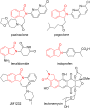
Figure 4: Drugs and biological active compounds containing an isoindolinone moiety.
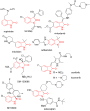
Figure 5: Drugs and biologically active compounds bearing a 2-oxindole skeleton.
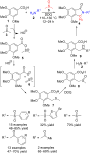
Scheme 1: Three-component reaction of benzoic acid 1, amides 2 and DMSO (3).

Scheme 2: Copper-catalysed three-component reaction of 2-iodobenzoic acids 10, alkynylcarboxylic acids 11 and...

Scheme 3: Proposed mechanism for the formation of methylene isoindolinones 13.

Scheme 4: Copper-catalysed three-component reaction of 2-iodobenzamide 17, terminal alkyne 18 and pyrrole or ...

Scheme 5: Palladium-catalysed three-component reaction of ethynylbenzamides 21, secondary amines 22 and CO (23...

Scheme 6: Proposed mechanism for the formation of methyleneisoindolinones 24.

Scheme 7: Copper-catalysed three-component reaction of formyl benzoate 29, amines 2 and alkynes 18.

Scheme 8: Copper-catalysed three-component reaction of formylbenzoate 29, amines 2 and ketones 31.

Scheme 9: Non-catalysed (A) and phase-transfer catalysed (B) three-component reactions of formylbenzoic acids ...

Scheme 10: Proposed mechanism for the formation of isoindolinones 36.

Scheme 11: Three-component reaction of formylbenzoic acid 33, amines 2 and fluorinated silyl ethers 39.

Scheme 12: Three-component Ugi reaction of 2-formylbenzoic acid (33), diamines 41 and isocyanides 42.

Scheme 13: Non-catalysed (A, B) and chiral phosphoric acid promoted (C) three-component Ugi reactions of formy...

Scheme 14: Proposed mechanism for the enantioselective formation of isoindolinones 46.

Scheme 15: Three-component reaction of benzoic acids 33 or 54, amines 2 and TMSCN (52).

Scheme 16: Several variations of the three-component reaction of formylbenzoic acids 33, amines 2 and isatoic ...

Scheme 17: Proposed mechanism for the synthesis of isoindoloquinazolinones 57.

Scheme 18: Three-component reaction of isobenzofuranone 61, amines 2 and isatoic anhydrides 56.

Scheme 19: Palladium-catalysed three-component reaction of 2-aminobenzamides 59, 2-bromobenzaldehydes 62 and C...
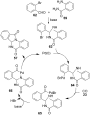
Scheme 20: Proposed mechanism for the palladium-catalysed synthesis of isoindoloquinazolinones 57.

Scheme 21: Four-component reaction of 2-vinylbenzoic acids 67, aryldioazonium tetrafluoroborates 68, DABCO·(SO2...

Scheme 22: Plausible mechanism for the formation of isoindolinones 71.

Scheme 23: Three-component reaction of trimethylsilylaryltriflates 77, isocyanides 42 and CO2 (78).

Scheme 24: Plausible mechanism for the three-component synthesis of phthalimides 79.
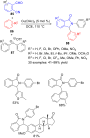
Scheme 25: Copper-catalysed three-component reaction of 2-formylbenzonitriles 85, arenes 86 and diaryliodonium...
Scheme 26: Copper-catalysed three-component reaction of 2-formylbenzonitriles 85, diaryliodonium salts 87 and ...

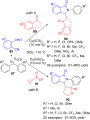
Scheme 27: Proposed mechanism for the formation of 2,3-diarylisoindolinones 88, 89 and 92.

Scheme 28: Palladium-catalysed three-component reaction of chloroquinolinecarbaldehydes 97 with isocyanides 42...
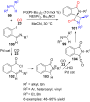
Scheme 29: Palladium-catalysed three-component reaction of imines 99 with CO (23) and ortho-iodoarylimines 100....

Scheme 30: Palladium-catalysed three-component reaction of amines 2 with CO (23) and aryl iodide 105.

Scheme 31: Three-component reaction of 2-ethynylanilines 109, perfluoroalkyl iodides 110 and carbon monoxide (...

Scheme 32: Ultraviolet-induced three-component reaction of N-(2-iodoaryl)acrylamides 113, DABCO·(SO2)2 (69) an...

Scheme 33: Proposed mechanism for the preparation of oxindoles 115.

Scheme 34: Three-component reaction of acrylamide 113, CO (23) and 1,4-benzodiazepine 121.

Scheme 35: Multicomponent reaction of sulfonylacrylamides 123, aryldiazonium tetrafluoroborates 68 and DABCO·(...

Scheme 36: Proposed mechanism for the preparation of oxindoles 124.

Scheme 37: Three-component reaction of N-arylpropiolamides 128, aryl iodides 129 and boronic acids 130.

Scheme 38: Proposed mechanism for the formation of diarylmethylene- and diarylallylideneoxindoles 131 and 132.

Scheme 39: Three-component reaction of cyclohexa-1,3-dione (136), amines 2 and alkyl acetylenedicarboxylates 1...

Scheme 40: Proposed mechanism for the formation of 2-oxindoles 138.
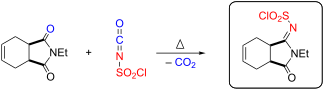
An anomalous addition of chlorosulfonyl isocyanate to a carbonyl group: the synthesis of ((3aS,7aR,E)-2-ethyl-3-oxo-2,3,3a,4,7,7a-hexahydro-1H-isoindol-1-ylidene)sulfamoyl chloride
- Aytekin Köse,
- Aslı Ünal,
- Ertan Şahin,
- Uğur Bozkaya and
- Yunus Kara
Beilstein J. Org. Chem. 2019, 15, 931–936, doi:10.3762/bjoc.15.89
- reacts with unsaturated systems to yield either N-chlorosulfonyl-β-lactams 3 or unsaturated N-chlorosulfonyl amides 4 (Scheme 1). β-Lactams 3 generally predominate and in many cases are the exclusive products and they serve as key substances in a variety of chemical transformations. When chlorosulfonyl

Graphical Abstract

Scheme 1: The reaction of CSI with olefins.

Figure 1: The dipolar intermediate formed in the reaction of CSI with olefins.

Scheme 2: The synthesis of imide 9.

Scheme 3: The synthesis of ylidene sulfamoyl chloride 10.
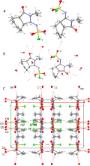
Figure 2: (a) Molecular structure of racemic molecule 10 (asymmetric unit). Thermal ellipsoids are drawn at t...

Scheme 4: Mechanism for the formation of ylidenesulfamoyl chloride 10.

Figure 3: Relative energy profile of the reaction mechanism shown in Scheme 4.
Synthesis of a novel category of pseudo-peptides using an Ugi three-component reaction of levulinic acid as bifunctional substrate, amines, and amino acid-based isocyanides
- Maryam Khalesi,
- Azim Ziyaei Halimehjani and
- Jürgen Martens
Beilstein J. Org. Chem. 2019, 15, 852–857, doi:10.3762/bjoc.15.82
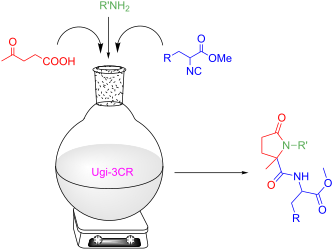
- of an ester functional group in the structure of products makes them suitable substrates for further derivatization. Synthesis of functionalized 5-membered lactams using Ugi reaction. aIsolated yield for mixture of diastereomers. bThe ratio of diastereomers was determined by 1H NMR analysis

Graphical Abstract

Scheme 1: Synthesis of amino acid-based isocyanides starting from α-amino acids.

Scheme 2: Synthesis of pseudo-peptides using levulinic acid, isocyanide esters and amines.
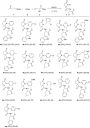
Figure 1: Synthesis of functionalized 5-membered lactams using Ugi reaction. aIsolated yield for mixture of d...

Scheme 3: Proposed mechanism for Ugi-4C-3CR.

Figure 2: ORTEP representation of compound (R*,S*)-4a with thermal ellipsoids at 50% probability. Opposite en...
Reusable and highly enantioselective water-soluble Ru(II)-Amm-Pheox catalyst for intramolecular cyclopropanation of diazo compounds
- Hamada S. A. Mandour,
- Yoko Nakagawa,
- Masaya Tone,
- Hayato Inoue,
- Nansalmaa Otog,
- Ikuhide Fujisawa,
- Soda Chanthamath and
- Seiji Iwasa
Beilstein J. Org. Chem. 2019, 15, 357–363, doi:10.3762/bjoc.15.31
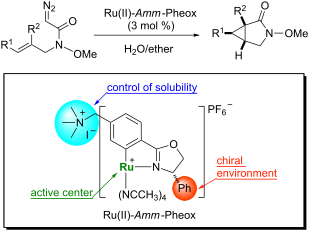
- proceeded smoothly at room temperature, affording the corresponding bicyclic cyclopropane ring-fused lactones and lactams in high yields (up to 99%) with excellent enantioselectivities (up to 99% ee). After screening of various catalysts, the Ru(II)-Amm-Pheox complex having an ammonium group proved to be

Graphical Abstract

Figure 1: A comparison of the solubility of Ru(II)-Pheox (cat. 1) and Ru(II)-Amm-Pheox (cat. 2).

Scheme 1: Intramolecular cyclopropanation of various trans-allylic diazo Weinreb amide derivatives catalyzed....

Scheme 2: Synthetic transformation of cyclopropane products 2d and 2f.
Ring-opening metathesis of some strained bicyclic systems; stereocontrolled access to diolefinated saturated heterocycles with multiple stereogenic centers
- Zsanett Benke,
- Melinda Nonn,
- Márton Kardos,
- Santos Fustero and
- Loránd Kiss
Beilstein J. Org. Chem. 2018, 14, 2698–2707, doi:10.3762/bjoc.14.247
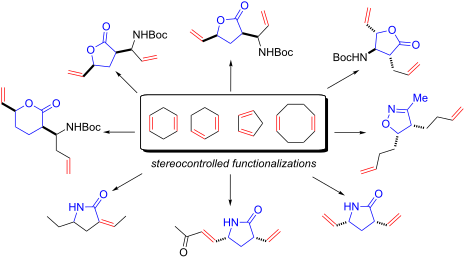
- transformations, cyclic dienes with different ring sizes might be considered to be important starting materials for the generation of structurally diverse molecules. Among the large number of possible transformations, the ring olefinic bond of alicyclic dienes may lead to valuable β-lactams [21][22][23] or γ
- -lactams [24], shown to be highly important precursors for the access of various structures (e.g., amino acids, azido esters, hydroxylated amino esters, fluorinated amino esters, etc.) with various functional groups as well as stereochemical and skeletal diversity [21][22][23]. Results and Discussion
- Recently, we have demonstrated the high utility of various constrained cyclic dienes, such as norbornadiene as well as 1,5- and 1,3-cyclooctadienes in the context of their applicability towards the access of diverse, highly functionalized olefinated molecules [14][15][16]. The corresponding β-lactams

Graphical Abstract

Scheme 1: ROM of various bicyclic unsaturated β-lactams [14-16].

Scheme 2: ROM of various constrained bicyclic unsaturated systems (γ-lactones, δ-lactones, γ-lactam, isoxazol...

Figure 1: Commercial Ru-based catalysts used in the current work.

Scheme 3: ROM of lactones (±)-3 and (±)-4.

Scheme 4: ROM of lactones (±)-9.

Scheme 5: ROM of structurally constrained bicyclic lactones and lactams.

Scheme 6: ROM of bridged lactone (±)-14 and cyclooctene-fused isoxazoline (±)-16.

Scheme 7: ROM and transformations of lactam (±)-18.

Figure 2: Chelate intermediates in CM of (±)-19.
Synthesis of spirocyclic scaffolds using hypervalent iodine reagents
- Fateh V. Singh,
- Priyanka B. Kole,
- Saeesh R. Mangaonkar and
- Samata E. Shetgaonkar
Beilstein J. Org. Chem. 2018, 14, 1778–1805, doi:10.3762/bjoc.14.152
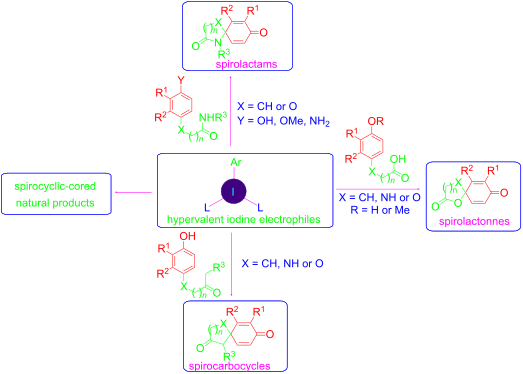
- synthesis of spiro β-lactams via oxidative dearomatization reactions. In this report, the synthesis of spiro β-lactams 56 were achieved successfully by the oxidative cyclization of p-substituted phenols 55 using PIDA (15) as an electrophile and copper(II) sulfate pentahydrate as an additive in the presence
- derivatives 60 were reacted with [bis(trifluoroacetoxy)iodo]benzene (31, PIFA) in TFE at room temperature to afford functionalized lactams 61 in good yields (Scheme 20). Various electron-donating and withdrawing groups at the phenyl ring in anilides were successfully tolerated. Furthermore, Sunoj and
- 2014, Xu and Abdellaoui [93] reported a nucleophilic intramolecular cyclization of phenylacetamides 65 to spirocyclic lactams 66 via iodine(III)-mediated spirocarbocyclizations. In literature, there are limited methods available for the synthesis of spiro-β-lactam-3-carbonitrile which is widely used as

Graphical Abstract

Figure 1: The structures of biologically active natural and synthetic products having spirocyclic moiety.

Scheme 1: Iodine(III)-mediated spirocyclization of substituted phenols 7 and 11 to 10 and 13, respectively.

Scheme 2: PIDA-mediated spirolactonization of N-protected tyrosine 14 to spirolactone 16.

Figure 2: The structures of polymer-supported iodine(III) reagents 17a and 17b.

Scheme 3: Spirolactonization of substrates 14 to spirolactones 16 using polymer-supported reagents 17a and 17b...

Scheme 4: PIDA-mediated spirolactonization of 1-(p-hydroxyaryl)cyclobutanols 18 to spirolactones 19.

Scheme 5: Iodine(III)-mediated spirocyclization of aryl alkynes 24 to spirolactones 26 by the reaction with b...

Scheme 6: Bridged iodine(III)-mediated spirocyclization of phenols 27 to spirodienones 29.

Scheme 7: Iodine(III)-mediated spirocyclization of arnottin I (30) to its spirocyclic analogue arnottin II (32...

Scheme 8: Iodine(III)-catalyzed spirolactonization of p-substituted phenols 27 to spirolactones 29 using iodo...

Scheme 9: Iodine(III)-catalyzed oxylactonization of ketocarboxylic acid 34 to spirolactone 36 using iodobenze...

Scheme 10: Iodine(III)-mediated asymmetric oxidative spirocyclization of naphthyl acids 37 to naphthyl spirola...

Scheme 11: Oxidative cyclization of L-tyrosine 14 to spirocyclic lactone 16 using PIDA (15).

Scheme 12: Oxidative cyclization of oxazoline derivatives 41 to spirolactams 42 using PIDA (15).

Scheme 13: Oxidative cyclization of oxazoline 43 to spirolactam 44 using PIDA 15 as oxidant.

Scheme 14: PIFA-mediated spirocyclization of amides 46 to N-spirolactams 47 using PIFA (31) as an electrophile....

Scheme 15: Synthesis of spirolactam 49 from phenolic enamide 48 using PIDA (15).

Scheme 16: Iodine(III)-mediated spirocyclization of alkyl hydroxamates 50 to spirolactams 51 using stoichiomet...

Scheme 17: PIFA-mediated cyclization of substrate 52 to spirocyclic product 54.

Scheme 18: Synthesis of spiro β-lactams 56 by oxidative coupling reaction of p-substituted phenols 55 using PI...

Scheme 19: Iodine(III)-mediated spirocyclization of para-substituted amide 58 to spirolactam 59 by the reactio...

Scheme 20: Iodine(III)-mediated synthesis of spirolactams 61 from anilide derivatives 60.

Scheme 21: PIFA-mediated oxidative cyclization of anilide 60 to bis-spirobisoxindole 61.

Scheme 22: PIDA-mediated spirocyclization of phenylacetamides 65 to spirocyclic lactams 66.

Scheme 23: Oxidative dearomatization of arylamines 67 with PIFA (31) to give dieniminium salts 68.

Scheme 24: PIFA-mediated oxidative spirocarbocyclization of 4-methoxybenzamide 69 with diphenylacetylene (70) ...

Scheme 25: Synthesis of spiroxyindole 75 using I2O5/TBHP oxidative system.

Scheme 26: Iodine(III)-catalyzed spirolactonization of functionalized amides 76 to spirolactones 77 using iodo...

Scheme 27: Intramolecular cyclization of alkenes 78 to spirolactams 80 using Pd(II) 79 and PIDA (15) as the ox...

Scheme 28: Iodine(III)-catalyzed spiroaminocyclization of amides 76 to spirolactam 77 using bis(iodoarene) 81 ...

Scheme 29: Iodine(III)-catalyzed spirolactonization of N-phenyl benzamides 82 to spirolactams 83 using iodoben...

Scheme 30: Iodine(III)-mediated asymmetric oxidative spirocyclization of phenols 84 to spirolactams 86 using c...

Scheme 31: Iodine(III)-catalyzed asymmetric oxidative spirocyclization of N-aryl naphthamides 87 to spirocycli...

Scheme 32: Cyclization of p-substituted phenolic compound 89 to spirolactam 90 using PIDA (15) in TFE.

Scheme 33: Iodine(III)-mediated synthesis of spirocyclic compound 93 from substrates 92 using PIDA (15) as an ...

Scheme 34: Iodine(III)-mediated spirocyclization of p-substituted phenol 48 to spirocyclic compound 49 using P...

Scheme 35: Bridged iodine(III)-mediated spirocyclization of O-silylated phenolic compound 96 in the synthesis ...

Scheme 36: PIFA-mediated approach for the spirocyclization of ortho-substituted phenols 98 to aza-spirocarbocy...

Scheme 37: Oxidative cyclization of para-substituted phenols 102 to spirocarbocyclic compounds 104 using Koser...

Scheme 38: Iodine(III)-mediated spirocyclization of aryl alkynes 105 to spirocarbocyclic compound 106 by the r...

Scheme 39: Iodine(III)-mediated spirocarbocyclization of ortho-substituted phenols 107 to spirocarbocyclic com...

Scheme 40: PIFA-mediated oxidative cyclization of substrates 110 to spirocarbocyclic compounds 111.

Scheme 41: Iodine(III)-mediated cyclization of substrate 113 to spirocyclic compound 114.

Scheme 42: Iodine(III)-mediated spirocyclization of phenolic substrate 116 to the spirocarbocyclic natural pro...

Scheme 43: Iodine(III)-catalyzed spirocyclization of phenols 117 to spirocarbocyclic products 119 using iodoar...

Scheme 44: PIFA-mediated spirocyclization of 110 to spirocyclic compound 111 using PIFA (31) as electrophile.

Scheme 45: PIDA-mediated spirocyclization of phenolic sulfonamide 122 to spiroketones 123.

Scheme 46: Iodine(III)-mediated oxidative spirocyclization of 2-naphthol derivatives 124 to spiropyrrolidines ...

Scheme 47: PIDA-mediated oxidative spirocyclization of m-substituted phenols 126 to tricyclic spiroketals 127.

Figure 3: The structures of chiral organoiodine(III) catalysts 129a and 129b.

Scheme 48: Iodine(III)-catalyzed oxidative spirocyclization of substituted phenols 128 to spirocyclic ketals 1...

Scheme 49: Oxidative spirocyclization of para-substituted phenol 131 to spirodienone 133 using polymer support...

Scheme 50: Oxidative cyclization of bis-hydroxynaphthyl ether 135 to spiroketal 136 using PIDA (15) as an elec...

Scheme 51: Oxidative spirocyclization of phenolic compound 139 to spirodienone 140 using polymer-supported PID...

Scheme 52: PIFA-mediated oxidative cyclization of catechol derived substrate 142 to spirocyclic product 143.

Scheme 53: Oxidative spirocyclization of p-substituted phenolic substrate 145 to aculeatin A (146a) and aculea...

Scheme 54: Oxidative spirocyclization of p-substituted phenolic substrate 147 to aculeatin A (146a) and aculea...

Scheme 55: Oxidative spirocyclization of p-substituted phenolic substrate 148 to aculeatin D (149) using elect...

Scheme 56: Cyclization of phenolic substrate 131 to spirocyclic product 133 using polymer-supported PIFA 150.

Scheme 57: Iodine(III)-mediated oxidative intermolecular spirocyclization of 7-methoxy-α-naphthol (152) to spi...

Scheme 58: Oxidative cyclization of phenols 155 to spiro-ketals 156 using electrophilic species PIDA (15).

Scheme 59: Iodine(III)-catalyzed oxidative spirocyclization of ortho-substituted phenols 158 to spirocyclic ke...
Hypervalent organoiodine compounds: from reagents to valuable building blocks in synthesis
- Gwendal Grelier,
- Benjamin Darses and
- Philippe Dauban
Beilstein J. Org. Chem. 2018, 14, 1508–1528, doi:10.3762/bjoc.14.128
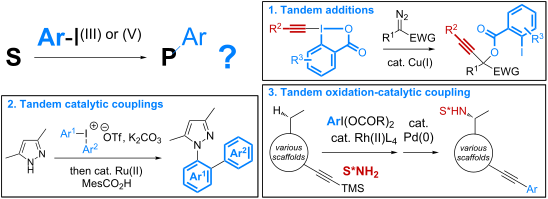
- introduction of the iodobenzoic acid motif onto the pyrrole ring. 5-Aroyloxy-γ-lactams 4 can be isolated with yields in the 56–96% range, however, the reaction requires 2.5 equivalents of the λ5-iodane reagent, a result that supports its limited efficiency in terms of atom economy (Scheme 3) [31]. λ3-Iodane

Graphical Abstract

Scheme 1: Strategies to address the issue of sustainability with polyvalent organoiodine reagents.
Scheme 2: Functionalization of ketones and alkenes with IBX.

Scheme 3: Functionalization of pyrroles with DMP.

Scheme 4: Catalytic benzoyloxy-trifluoromethylation reported by Szabó.

Scheme 5: Catalytic benzoyloxy-trifluoromethylation reported by Mideoka.

Scheme 6: Catalytic 1,4-benzoyloxy-trifluoromethylation of dienes.

Scheme 7: Catalytic benzoyloxy-trifluoromethylation of allylamines.

Scheme 8: Catalytic benzoyloxy-trifluoromethylation of enynes.

Scheme 9: Catalytic benzoyloxy-trifluoromethylation of allenes.
Scheme 10: Alkynylation of N-(aryl)imines with EBX for the formation of furans.

Scheme 11: Catalytic benzoyloxy-alkynylation of diazo compounds.

Scheme 12: Catalytic asymmetric benzoyloxy-alkynylation of diazo compounds.

Scheme 13: Catalytic 1,2-benzoyloxy-azidation of alkenes.

Scheme 14: Catalytic 1,2-benzoyloxy-azidation of enamides.

Scheme 15: Catalytic 1,2-benzoyloxy-iodination of alkenes.

Scheme 16: Seminal study with cyclic diaryl-λ3-iodane.

Scheme 17: Synthesis of alkylidenefluorenes from cyclic diaryl-λ3-iodanes.

Scheme 18: Synthesis of alkyne-substituted alkylidenefluorenes.

Scheme 19: Synthesis of phenanthrenes from cyclic diaryl-λ3-iodanes.

Scheme 20: Synthesis of dibenzocarbazoles from cyclic diaryl-λ3-iodanes.

Scheme 21: Synthesis of triazolophenantridines from cyclic diaryl-λ3-iodanes.

Scheme 22: Synthesis of functionalized benzoxazoles from cyclic diaryl-λ3-iodanes.

Scheme 23: Sequential difunctionalization of cyclic diaryl-λ3-iodanes.

Scheme 24: Double Suzuki–Miyaura coupling reaction of cyclic diaryl-λ3-iodanes.

Scheme 25: Synthesis of a δ-carboline from cyclic diaryl-λ3-iodane.

Scheme 26: Synthesis of N-(aryl)carbazoles from cyclic diaryl-λ3-iodanes.

Scheme 27: Synthesis of carbazoles from cyclic diaryl-λ3-iodanes.

Scheme 28: Synthesis of carbazoles and acridines from cyclic diaryl-λ3-iodanes.

Scheme 29: Synthesis of dibenzothiophenes from cyclic diaryl-λ3-iodanes.

Scheme 30: Synthesis of various sulfur heterocycles from cyclic diaryl-λ3-iodanes.

Scheme 31: Synthesis of dibenzothioheterocycles from cyclic diaryl-λ3-iodanes.

Scheme 32: Synthesis of dibenzosulfides and dibenzoselenides from cyclic diaryl-λ3-iodanes.

Scheme 33: Synthesis of dibenzosulfones from cyclic diaryl-λ3-iodanes.

Scheme 34: Seminal study with linear diaryl-λ3-iodanes.

Scheme 35: N-Arylation of benzotriazole with symmetrical diaryl-λ3-iodanes.

Scheme 36: Tandem catalytic C–H/N–H arylation of indoles with diaryl-λ3-iodanes.

Scheme 37: Tandem N-arylation/C(sp2)–H arylation with diaryl-λ3-iodanes.

Scheme 38: Catalytic intermolecular diarylation of anilines with diaryl-λ3-iodanes.

Scheme 39: Catalytic synthesis of diarylsulfides with diaryl-λ3-iodanes.

Scheme 40: α-Arylation of enolates using [bis(trifluoroacetoxy)iodo]arenes.

Scheme 41: Mechanism of the α-arylation using [bis(trifluoroacetoxy)iodo]arene.

Scheme 42: Catalytic nitrene additions mediated by [bis(acyloxy)iodo]arenes.

Scheme 43: Tandem of C(sp3)–H amination/sila-Sonogashira–Hagihara coupling.

Scheme 44: Tandem reaction using a λ3-iodane as an oxidant, a substrate and a coupling partner.

Scheme 45: Synthesis of 1,2-diarylated acrylamidines with ArI(OAc)2.
One hundred years of benzotropone chemistry
- Arif Dastan,
- Haydar Kilic and
- Nurullah Saracoglu
Beilstein J. Org. Chem. 2018, 14, 1120–1180, doi:10.3762/bjoc.14.98

Graphical Abstract

Scheme 1: Tropone (1), tropolone (2) and their resonance structures.

Figure 1: Natural products containing a tropone nucleus.

Figure 2: Possible isomers 11–13 of benzotropone.

Scheme 2: Synthesis of benzotropones 11 and 12.

Scheme 3: Oxidation products of benzotropylium fluoroborate (16).

Scheme 4: Oxidation of 7-bromo-5H-benzo[7]annulene (22).

Scheme 5: Synthesis of 4,5-benzotropone (11) using o-phthalaldehyde (27).

Scheme 6: Synthesis of 4,5-benzotropone (11) starting from oxobenzonorbornadiene 31.

Scheme 7: Acid-catalyzed cleavage of oxo-bridge of 34.

Scheme 8: Synthesis of 4,5-benzotropone (11) from o-xylylene dibromide (38).

Scheme 9: Synthesis of 4,5-benzotropone (11) via the carbene adduct 41.

Scheme 10: Heck coupling strategy for the synthesis of 11.

Scheme 11: Synthesis of benzofulvalenes via carbonyl group of 4,5-benzotropone (11).

Figure 3: Some cycloheptatrienylium cations.

Scheme 12: Synthesis of condensation product 63 and its subsequent oxidative cyclization products.

Figure 4: A novel series of benzo[7]annulenes prepared from 4,5-benzotropone (11).

Scheme 13: Preparation of substituted benzo[7]annulene 72 using the Mukaiyama-Michael reaction.

Figure 5: Possible benzo[7]annulenylidenes 73–75.

Scheme 14: Thermal and photochemical decomposition of 7-diazo-7H-benzo[7]annulene (76) and the trapping of int...

Scheme 15: Synthesis of benzoheptafulvalene 86.

Scheme 16: Synthesis of 7-(diphenylmethylene)-7H-benzo[7]annulene (89).

Scheme 17: Reaction of 4,5-benzotropone (11) with dimethyl diazomethane.

Scheme 18: Synthesis of dihydrobenzomethoxyazocine 103.

Scheme 19: Synthesis and reducibility of benzo-homo-2-methoxyazocines.

Scheme 20: Synthesis of 4,5-benzohomotropones 104 and 115 from 4,5-benzotropones 11 and 113.

Scheme 21: A catalytic deuterogenation of 4,5-benzotropone (11) and synthesis of 5-monosubstituted benzo[7]ann...

Scheme 22: Synthesis of methyl benzo[7]annulenes 131 and 132.

Scheme 23: Ambident reactivity of halobenzo[7]annulenylium cations 133a/b.

Scheme 24: Preparation of benzo[7]annulenylidene–iron complexes 147.

Scheme 25: Synthesis of 1-ethynylbenzotropone (150) and the etheric compound 152 from 4,5-benzotropone (11) wi...

Scheme 26: Thermal decomposition of 4,5-benzotropone (11).

Scheme 27: Reaction of 4,5-benzotropone (11) with 1,2-ethanediol and 1,2-ethanedithiol.

Scheme 28: Conversions of 1-benzosuberone (162) to 2,3-benzotropone (12).

Scheme 29: Synthesis strategies for 2,3-bezotropone (12) using 1-benzosuberones.

Scheme 30: Oxidation-based synthesis of 2,3-benzotropone (12) via 1-benzosuberone (162).

Scheme 31: Synthesis of 2,3-benzotropone (12) from α-tetralone (171) via ring-expansion.

Scheme 32: Preparation of 2,3-benzotropone (12) by using of benzotropolone 174.

Figure 6: Benzoheptafulvenes as condensation products of 2,3-benzotropone (12).

Scheme 33: Conversion of 2,3-benzotropone (12) to tosylhydrazone salt 182 and gem-dichloride 187.

Figure 7: Benzohomoazocines 191–193 and benzoazocines 194–197.

Scheme 34: From 2,3-benzotropone (12) to carbonium ions 198–201.

Scheme 35: Cycloaddition reactions of 2,3-benzotropone (12).
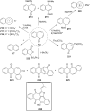
Scheme 36: Reaction of 2,3-benzotropone (12) with various reagents and compounds.

Figure 8: 3,4-Benzotropone (13) and its resonance structure.

Scheme 37: Synthesis of 6,7-benzobicyclo[3.2.0]hepta-3,6-dien-2-one (230).

Figure 9: Photolysis and thermolysis products of 230.

Figure 10: Benzotropolones and their tautomeric structures.

Scheme 38: Synthesis strategies of 4,5-benzotropolone (238).

Scheme 39: Synthesis protocol for 2-hydroxy-4,5-benzotropone (238) using oxazole-benzo[7]annulene 247.

Figure 11: Some quinoxaline and pyrazine derivatives 254–256 prepared from 4,5-benzotropolone (238).

Scheme 40: Nitration product of 4,5-benzotropolone (238) and its isomerization to 1-nitro-naphthoic acid (259)....

Scheme 41: Synthesis protocol for 6-hydroxy-2,3-benzotropone (239) from benzosuberone (162).
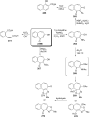
Scheme 42: Various reactions via 6-hydroxy-2,3-benzotropone (239).

Scheme 43: Photoreaction of 6-hydroxy-2,3-benzotropone (239).

Scheme 44: Synthesis of 7-hydroxy-2,3-benzotropone (241) from benzosuberone (162).

Scheme 45: Synthesis strategy for 7-hydroxy-2,3-benzotropone (241) from ketone 276.

Scheme 46: Synthesis of 7-hydroxy-2,3-benzotropone (241) from β-naphthoquinone (280).

Scheme 47: Synthesis of 7-hydroxy-2,3-benzotropone (241) from bicyclic endoperoxide 213.

Scheme 48: Synthesis of 7-hydroxy-2,3-benzotropone (241) by ring-closing metathesis.

Figure 12: Various monosubstitution products 289–291 of 7-hydroxy-2,3-benzotropone (241).

Scheme 49: Reaction of 7-hydroxy-2,3-benzotropone (241) with various reagents.

Scheme 50: Synthesis of 4-hydroxy-2,3-benzotropones 174 and 304 from diketones 300/301.

Scheme 51: Catalytic hydrogenation of diketones 300 and 174.

Scheme 52: Synthesis of halo-benzotropones from alkoxy-naphthalenes 306, 307 and 310.

Figure 13: Unexpected byproducts 313–315 during synthesis of chlorobenzotropone 309.

Figure 14: Some halobenzotropones and their cycloadducts.

Scheme 53: Multisep synthesis of 2-chlorobenzotropone 309.

Scheme 54: A multistep synthesis of 2-bromo-benzotropone 26.

Scheme 55: A multistep synthesis of bromo-2,3-benzotropones 311 and 316.

Scheme 56: Oxidation reactions of 8-bromo-5H-benzo[7]annulene (329) with some oxidants.

Scheme 57: Synthesis of 2-bromo-4,5-benzotropone (26).

Scheme 58: Synthesis of 6-chloro-2,3-benzotropone (335) using LiCl and proposed intermediate 336.

Scheme 59: Reaction of 7-bromo-2,3-benzotropone (316) with methylamine.

Scheme 60: Reactions of bromo-2,3-benzotropones 26 and 311 with dimethylamine.

Scheme 61: Reactions of bromobenzotropones 311 and 26 with NaOMe.

Scheme 62: Reactions of bromobenzotropones 26 and 312 with t-BuOK in the presence of DPIBF.

Scheme 63: Cobalt-catalyzed reductive cross-couplings of 7-bromo-2,3-benzotropone (316) with cyclic α-bromo en...

Figure 15: Cycloadduct 357 and its di-π-methane rearrangement product 358.

Scheme 64: Catalytic hydrogenation of 2-chloro-4,5-benzotropone (311).

Scheme 65: Synthesis of dibromo-benzotropones from benzotropones.

Scheme 66: Bromination/dehydrobromination of benzosuberone (162).

Scheme 67: Some transformations of isomeric dibromo-benzotropones 261A/B.

Scheme 68: Transformations of benzotropolone 239B to halobenzotropolones 369–371.

Figure 16: Bromobenzotropolones 372–376 and 290 prepared via bromination/dehydrobromination strategy.

Scheme 69: Synthesis of some halobenzotropolones 289, 377 and 378.

Figure 17: Bromo-chloro-derivatives 379–381 prepared via chlorination.

Scheme 70: Synthesis of 7-iodo-3,4-benzotropolone (382).

Scheme 71: Hydrogenation of bromobenzotropolones 369 and 370.

Scheme 72: Debromination reactions of mono- and dibromides 290 and 375.

Figure 18: Nitratation and oxidation products of some halobenzotropolenes.
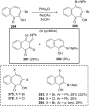
Scheme 73: Azo-coupling reactions of some halobenzotropolones 294, 375 and 378.

Figure 19: Four possible isomers of dibenzotropones 396–399.

Figure 20: Resonance structures of tribenzotropone (400).

Scheme 74: Two synthetic pathways for tribenzotropone (400).

Scheme 75: Synthesis of tribenzotropone (400) from dibenzotropone 399.

Scheme 76: Synthesis of tribenzotropone (400) from 9,10-phenanthraquinone (406).

Scheme 77: Synthesis of tribenzotropone (400) from trifluoromethyl-substituted arene 411.

Figure 21: Dibenzosuberone (414).

Figure 22: Reduction products 415 and 416 of tribenzotropone (400).

Figure 23: Structures of tribenzotropone dimethyl ketal 417 and 4-phenylfluorenone (412) and proposed intermed...

Figure 24: Structures of benzylidene- and methylene-9H-tribenzo[a,c,e][7]annulenes 419 and 420 and chiral phos...

Figure 25: Structures of tetracyclic alcohol 422, p-quinone methide 423 and cation 424.

Figure 26: Structures of host molecules 425–427.

Scheme 78: Synthesis of non-helical overcrowded derivatives syn/anti-431.

Figure 27: Hexabenzooctalene 432.

Figure 28: Structures of possible eight isomers 433–440 of naphthotropone.

Scheme 79: Synthesis of naphthotropone 437 starting from 1-phenylcycloheptene (441).

Scheme 80: Synthesis of 10-hydroxy-11H-cyclohepta[a]naphthalen-11-one (448) from diester 445.

Scheme 81: Synthesis of naphthotropone 433.

Scheme 82: Synthesis of naphthotropones 433 and 434 via cycloaddition reaction.

Scheme 83: Synthesis of naphthotropone 434 starting from 452.

Figure 29: Structures of tricarbonyl(tropone)irons 458, and possible cycloadducts 459.

Scheme 84: Synthesis of naphthotropone 436.

Scheme 85: Synthesis of precursor 465 for naphthotropone 435.

Scheme 86: Generation of naphthotropone 435 from 465.

Figure 30: Structures of tropylium cations 469 and 470.

Figure 31: Structures of tropylium ions 471+.BF4−, 472+.BF4−, and 473+.BF4−.

Scheme 87: Synthesis of tropylium ions 471+.BF4− and 479+.ClO4−.

Scheme 88: Synthesis of 1- and 2-methylanthracene (481 and 482) via carbene–carbene rearrangement.

Figure 32: Trapping products 488–490.

Scheme 89: Generation and chemistry of a naphthoannelated cycloheptatrienylidene-cycloheptatetraene intermedia...

Scheme 90: Proposed intermediates and reaction pathways for adduct 498.

Scheme 91: Exited-state intramolecular proton transfer of 505.

Figure 33: Benzoditropones 506 and 507.

Scheme 92: Synthesis of benzoditropone 506e.

Scheme 93: Synthetic approaches for dibenzotropone 507 via tropone (1).

Scheme 94: Formation mechanisms of benzoditropone 507 and 516 via 515.

Scheme 95: Synthesis of benzoditropones 525 and 526 from pyromellitic dianhydride (527).

Figure 34: Possible three benzocyclobutatropones 534–536.

Scheme 96: Synthesis of benzocyclobutatropones 534 and 539.

Scheme 97: Synthesis attempts for benzocyclobutatropone 545.

Scheme 98: Generation and trapping of symmetric benzocyclobutatropone 536.

Scheme 99: Synthesis of chloro-benzocyclobutatropone 552 and proposed mechanism of fluorenone derivatives.

Scheme 100: Synthesis of tropolone analogue 559.

Scheme 101: Synthesis of tropolones 561 and 562.

Figure 35: o/p-Tropoquinone rings (563 and 564) and benzotropoquinones (565–567).

Scheme 102: Synthesis of benzotropoquinone 566.

Scheme 103: Synthesis of benzotropoquinone 567 via a Diels–Alder reaction.

Figure 36: Products 575–577 through 1,2,3-benzotropoquinone hydrate 569.

Scheme 104: Structures 578–582 prepared from tropoquinone 567.

Figure 37: Two possible structures 583 and 584 for dibenzotropoquinone, and precursor compound 585 for 583.
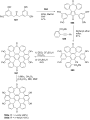
Scheme 105: Synthesis of saddle-shaped ketone 592 using dibenzotropoquinone 584.
Methyl isocyanide as a convertible functional group for the synthesis of spirocyclic oxindole γ-lactams via post-Ugi-4CR/transamidation/cyclization in a one-pot, three-step sequence
- Amarendar Reddy Maddirala and
- Peter R. Andreana
Beilstein J. Org. Chem. 2018, 14, 875–883, doi:10.3762/bjoc.14.74

- carbon centers under basic conditions providing molecular diversity and a small library of spirocyclic oxindoles. Keywords: convertible isocyanides; lactams; molecular diversity; oxindoles; transamidation; Introduction The Ugi-multicomponent coupling reaction [1][2], followed by post-modification
- spirocyclic oxindole γ-lactams). There have been other groups in the past, including our own research group, who have reported on post-modified Ugi-four-component synthetic strategies (Scheme 1) towards the synthesis of 2-oxindoles and spiro[indoline-3,2'-pyrrole]-2,5'(1'H)-diones and spiro[indoline-3,2
- facile to synthesize. Here within, we document that the reaction sequence for spirocyclic oxindole γ-lactams (Scheme 2) follows a three-step sequential strategy involving: a) an Ugi-4CR, b) an acid-promoted intramolecular transamidation, and c) a base-mediated cyclization giving spiro[indoline-3,2

Graphical Abstract

Scheme 1: Previously reported post-Ugi-4CR methods for the synthesis of 2-oxindoles and spirocyclic 2-oxindol...

Scheme 2: Post-Ugi-4CR/transamidation/cyclization sequence.

Scheme 3: Base-promoted intramolecular 5-endo-dig cyclization.

Figure 1: ORTEP diagram of compound 7a.

Figure 2: Readily and synthetically accessible starting materials.

Scheme 4: Reaction scope with varying combinations of substrates.

Scheme 5: Synthesis of 5-chloro-1'-phenylspiro[indoline-3,2'-pyrrolidine]-2,5'-dione (8a).

Figure 3: Small molecule library of spiro[indoline-3,2'-pyrrolidine]-2,5'-dione analogs.

Scheme 6: Method applicability for the one-pot synthesis of 5-HT6 receptor antagonist 8j [53].
Diastereoselective auxiliary- and catalyst-controlled intramolecular aza-Michael reaction for the elaboration of enantioenriched 3-substituted isoindolinones. Application to the synthesis of a new pazinaclone analogue
- Romain Sallio,
- Stéphane Lebrun,
- Frédéric Capet,
- Francine Agbossou-Niedercorn,
- Christophe Michon and
- Eric Deniau
Beilstein J. Org. Chem. 2018, 14, 593–602, doi:10.3762/bjoc.14.46

- -transfer catalyst; 3-substituted isoindolinones; Introduction Isoindolinones I (Figure 1), e.g., 2,3-dihydro-1H-isoindol-1-ones, also called phthalimidines are bicyclic lactams whose molecular structure is the basis of a wide range of alkaloids and biologically active compounds [1][2][3][4][5][6][7][8][9
- reactions implying the use of a chiral auxiliary resulted effectively in various optically pure compounds [10][18][19][20]. Second, enantioselective syntheses of these bicylic lactams were performed by using chiral transition metal- or organocatalysts which control the configuration of the trisubstituted
- -substituted isoindolinones 1 and 2 could be obtained in high enantioselectivities from the intermediates (2R,3S)-3–5 after removal of the chiral auxiliary (Scheme 1). (2R,3S)-bicyclic lactams 3–5 could be prepared by the asymmetric intramolecular organo-catalyzed aza-Michael reaction of (R)-benzamides 6–8

Graphical Abstract

Figure 1: Examples of synthetic pharmacologically active chiral 3-substituted isoindolinones.

Scheme 1: Retrosynthetic analysis of NH free chiral 3-substituted isoindolinones (3S)-1 and (3S)-2.

Scheme 2: Synthesis of parent benzamides 6–8.

Figure 2: Esters 12a–e, 13 prepared, isolated yield.

Figure 3: Benzamides 6a–d, 7a–e, 8 prepared, isolated yield.

Figure 4: Phase transfer catalysts (PTC) used in this study.

Scheme 3: Synthesis of isoindolinones 3a–d, 4a–e, 5; isolated yield, de by HPLC and 1H NMR. aAfter flash chro...

Scheme 4: Removal of the chiral auxiliary. Synthesis of isoindolinones 1a–c, 1e, 2; isolated yield, ee by HPL...

Figure 5: ORTEP plot of isoindolinone (2R,3S)-3a (CCDC 1590565) [68].

Scheme 5: Synthesis of pazinaclone analogue (3S)-27.
Mannich base-connected syntheses mediated by ortho-quinone methides
- Petra Barta,
- Ferenc Fülöp and
- István Szatmári
Beilstein J. Org. Chem. 2018, 14, 560–575, doi:10.3762/bjoc.14.43
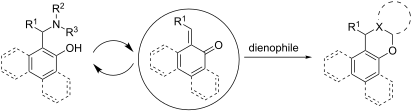
- ortho-amidoalkylation of phenols in which a tandem Knoevenagel condensation occurs through o-QM followed by the formation of an unstable oxazine intermediate [64]. Later, the same research group published a similar reaction extended by various lactams carried out in trifluoroacetic acid in water [65

Graphical Abstract

Scheme 1: Formation of amidoalkylnaphthols 4 via o-QM intermediate 3.

Scheme 2: Asymmetric syntheses of triarylmethanes starting from diarylmethylamines.

Scheme 3: Proposed mechanism for the formation of 2,2-dialkyl-3-dialkylamino-2,3-dihydro-1H-naphtho[2,1-b]pyr...

Scheme 4: Cycloadditions of isoflavonoid-derived o-QMs and various dienophiles.

Scheme 5: [4 + 2] Cycloaddition reactions between aminonaphthols and cyclic amines.

Scheme 6: Brønsted acid-catalysed reaction between aza-o-QMs and 2- or 3-substituted indoles.

Scheme 7: Formation of 3-(α,α-diarylmethyl)indoles 52 in different synthetic pathways.

Scheme 8: Alkylation of o-QMs with N-, O- or S-nucleophiles.

Scheme 9: Formation of DNA linkers and o-QM mediated polymers.
Addition of dithi(ol)anylium tetrafluoroborates to α,β-unsaturated ketones
- Yu-Chieh Huang,
- An Nguyen,
- Simone Gräßle,
- Sylvia Vanderheiden,
- Nicole Jung and
- Stefan Bräse
Beilstein J. Org. Chem. 2018, 14, 515–522, doi:10.3762/bjoc.14.37

- procedure for the synthesis of diene dithioacetals. A similar reaction using α-carbonyl substituted ketene dithioacetals for an addition to alkynes under iron catalysis was shown by Liu et al. before and was used for the synthesis of δ-lactams and lactones by 6-endo annulation [35]. Our approach reveals

Graphical Abstract

Scheme 1: Previously reported procedure for the addition of ketene dithioacetals to α,β-unsaturated ketones [33] ...

Scheme 2: Addition of dithi(ol)anylium TFBs to α,β-unsaturated non-cyclic ketones.

Scheme 3: Addition of dithi(ol)anylium TFBs to α,β-unsaturated cyclic ketones.

Scheme 4: Single versus double addition of ketones to dithiolanylium TFB 1e. adr was calculated from the 1H N...

Scheme 5: The scope of the presented protocol demonstrated by examples including the use of additional electr...

Scheme 6: Synthesis of diene dithioacetals 18a and 18b by addition of ynone 17 to α-alkyl or aryl-substitued ...
Recent developments in the asymmetric Reformatsky-type reaction
- Hélène Pellissier
Beilstein J. Org. Chem. 2018, 14, 325–344, doi:10.3762/bjoc.14.21
- methodology to develop the first total synthesis of chiral 13-membered lactams, such as ansamacrolactams (+)-Q-1047H-A-A and (+)-Q-1047H-R-A [35]. In this case, the intramolecular Sm(II)-mediated Reformatsky reaction was applied to chiral aldehyde 44, leading to the corresponding alcohol 45 in 84% yield as a
- under the reaction conditions to give directly the final chiral α-bromo-α-fluoro-β-lactams (3S,4R)-62a–k in moderate to high yields (53–90%) and high enantioselectivities (85–96% ee), as shown in Scheme 23. This method represented the first ligand-promoted aza-Reformatsky approach using a
- required to achieve at room temperature the corresponding chiral α,α-difluoro-β-lactams (R)-63a–h in moderate to good yields (45–76%) and high to excellent enantioselectivities (86–99% ee), as shown in Scheme 24. Using enantiomeric ligand (1S,2R)-59 under the same reaction conditions allowed the opposite
Graphical Abstract

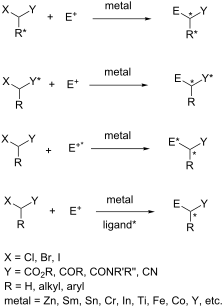
Scheme 1: Reformatsky-type reaction.
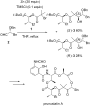
Scheme 2: First total synthesis of prunustatin A based on a Zn-mediated Reformatsky reaction [17].

Scheme 3: Synthesis of a γ-hydroxylysine derivative through a Zn-mediated nitrile Reformatsky-type reaction [18].

Scheme 4: Synthesis of apratoxin E and its C30 epimer through a Zn-mediated Reformatsky reaction. Fmoc = 9-fl...
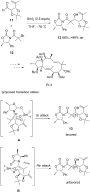
Scheme 5: Synthesis of the eastern fragment of jatrophane diterpene Pl-3 through a SmI2-mediated Reformatsky ...

Scheme 6: First total synthesis of prebiscibactin through a SmI2-mediated Reformatsky reaction. Boc = tert-bu...

Scheme 7: Synthesis of prostaglandin E2 methyl ester through a SmI2-mediated Reformatsky reaction [23].
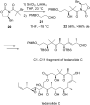
Scheme 8: Synthesis of the C1–C11 fragment of tedanolide C through a SnCl2-mediated Reformatsky reaction. PMB...
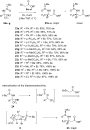
Scheme 9: Synthesis of β-trifluoromethyl β-(N-tert-butylsulfinyl)amino esters exhibiting a quaternary stereoc...
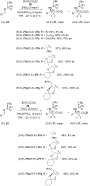
Scheme 10: Synthesis of α,α-difluoro-β-(N-tert-butylsulfinyl)amino esters through Zn(II)-mediated aza-Reformat...
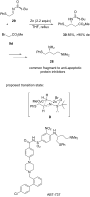
Scheme 11: Synthesis of a common fragment to anti-apoptotic protein inhibitors through a Zn-mediated aza-Refor...
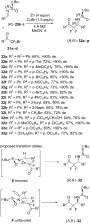
Scheme 12: Synthesis of α,α-difluoro-β-(N-tert-butylsulfinyl)amino ketones through a Zn-mediated aza-Reformats...
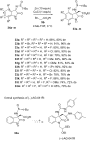
Scheme 13: Synthesis of (2-oxoindolin-3-yl)amino esters through a Zn-mediated aza-Reformatsky reaction [30].
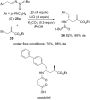
Scheme 14: Synthesis of a precursor of sacubitril through a Zn-mediated aza-Reformatsky reaction [31].

Scheme 15: Synthesis of epothilone D through a Cr(II)-mediated Reformatsky reaction. TFA = trifluoroacetic aci...

Scheme 16: Synthesis of β-hydroxy-α-methyl-δ-trichloromethyl-δ-valerolactone through a Sm(II)- or Yb(II)-media...

Scheme 17: Synthesis of cebulactam A1 through a Sm(II)-mediated Reformatsky reaction. MOM = methoxymethyl [34].

Scheme 18: Synthesis of ansamacrolactams (+)-Q-1047H-A-A and (+)-Q-1047H-R-A through a Sm(II)-mediated Reforma...

Scheme 19: Reformatsky reaction of aldehydes with ethyl iodoacetate in the presence of a chiral 1,2-amino alco...
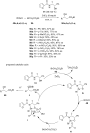
Scheme 20: Reformatsky reaction of aldehydes with ethyl bromoacetate in the presence of a chiral amide ligand [44]....

Scheme 21: Reformatsky reaction of cinnamaldehyde with ethyl bromozinc-α,α-difluoroacetate in the presence of ...

Scheme 22: Reformatsky reaction of aldehydes with an enolate equivalent prepared from phenyl isocyanate and CH2...
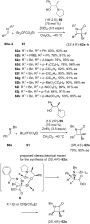
Scheme 23: Domino aza-Reformatsky/cyclization reactions of imines with ethyl dibromofluoroacetate in the prese...
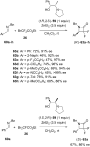
Scheme 24: Domino aza-Reformatsky/cyclization reactions of imines with ethyl bromodifluoroacetate in the prese...
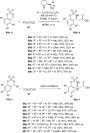
Scheme 25: Aza-Reformatsky reactions of cyclic imines with ethyl iodoacetate in the presence of a chiral diary...

Scheme 26: Mechanism for aza-Reformatsky reaction of cyclic imines with ethyl iodoacetate in the presence of a...

Scheme 27: Aza-Reformatsky reaction of dibenzo[b,f][1,4]oxazepines and dibenzo[b,f][1,4]thiazepine with ethyl ...
CF3SO2X (X = Na, Cl) as reagents for trifluoromethylation, trifluoromethylsulfenyl-, -sulfinyl- and -sulfonylation and chlorination. Part 2: Use of CF3SO2Cl
- Hélène Chachignon,
- Hélène Guyon and
- Dominique Cahard
Beilstein J. Org. Chem. 2017, 13, 2800–2818, doi:10.3762/bjoc.13.273
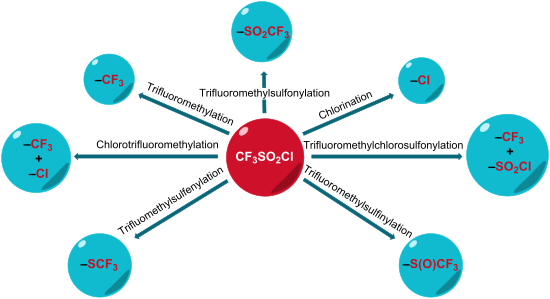
- fused with β-lactams (Scheme 41) [56]. The competition between mono- and dichlorination remained an issue in these transformations; but fortunately, increasing the bulkiness of the ester group permitted to limit the reaction to the introduction of only one chlorine atom. It was also possible to achieve
- the isolation of similar compounds starting from differently substituted β-lactams, notably carrying a malonate moiety linked to the nitrogen [57]. More recently, CF3SO2Cl also found to be an appropriate reagent for the asymmetric introduction of a chlorine atom onto several substrates. For instance
- phenols. Mono- and dichlorination of carbon acids. Monochlorination of (N-aryl-N-hydroxy)acylacetamides. Examples of the synthesis of heterocycles fused with β-lactams through a chlorination/cyclisation process. Enantioselective chlorination of β-ketoesters and oxindoles. Enantioselective chlorination of

Graphical Abstract
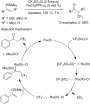
Scheme 1: Trifluoromethylation of silyl enol ethers.

Scheme 2: Continuous flow trifluoromethylation of ketones under photoredox catalysis.
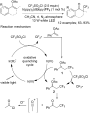
Scheme 3: Trifluoromethylation of enol acetates.

Scheme 4: Photoredox-catalysed tandem trifluoromethylation/cyclisation of N-arylacrylamides: a route to trifl...

Scheme 5: Tandem trifluoromethylation/cyclisation of N-arylacrylamides using BiOBr nanosheets catalysis.

Scheme 6: Photoredox-catalysed trifluoromethylation/desulfonylation/cyclisation of N-tosyl acrylamides (bpy: ...

Scheme 7: Photoredox-catalysed trifluoromethylation/aryl migration/desulfonylation of N-aryl-N-tosylacrylamid...

Scheme 8: Proposed mechanism for the trifluoromethylation/aryl migration/desulfonylation (/cyclisation) of N-...

Scheme 9: Photoredox-catalysed trifluoromethylation/cyclisation of N-methacryloyl-N-methylbenzamide derivativ...

Scheme 10: Photoredox-catalysed trifluoromethylation/cyclisation of N-methylacryloyl-N-methylbenzamide derivat...

Scheme 11: Photoredox-catalysed trifluoromethylation/dearomatising spirocyclisation of a N-benzylacrylamide de...

Scheme 12: Photoredox-catalysed trifluoromethylation/cyclisation of an unactivated alkene.

Scheme 13: Asymmetric radical aminotrifluoromethylation of N-alkenylurea derivatives using a dual CuBr/chiral ...

Scheme 14: Aminotrifluoromethylation of an N-alkenylurea derivative using a dual CuBr/phosphoric acid catalyti...

Scheme 15: 1,2-Formyl- and 1,2-cyanotrifluoromethylation of alkenes under photoredox catalysis.

Scheme 16: First simultaneous introduction of the CF3 moiety and a Cl atom onto alkenes.

Scheme 17: Chlorotrifluoromethylaltion of terminal, 1,1- and 1,2-substituted alkenes.

Scheme 18: Chorotrifluoromethylation of electron-deficient alkenes (DCE = dichloroethane).
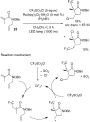
Scheme 19: Cascade trifluoromethylation/cyclisation/chlorination of N-allyl-N-(benzyloxy)methacrylamide.

Scheme 20: Cascade trifluoromethylation/cyclisation (/chlorination) of diethyl 2-allyl-2-(3-methylbut-2-en-1-y...

Scheme 21: Trifluoromethylchlorosulfonylation of allylbenzene derivatives and aliphatic alkenes.

Scheme 22: Access to β-hydroxysulfones from CF3-containing sulfonyl chlorides through a photocatalytic sequenc...
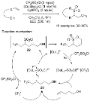
Scheme 23: Cascade trifluoromethylchlorosulfonylation/cyclisation reaction of alkenols: a route to trifluorome...

Scheme 24: First direct C–H trifluoromethylation of arenes and proposed mechanism.

Scheme 25: Direct C–H trifluoromethylation of five- and six-membered (hetero)arenes under photoredox catalysis....

Scheme 26: Alternative pathway for the C–H trifluoromethylation of (hetero)arenes under photoredox catalysis.

Scheme 27: Direct C–H trifluoromethylation of five- and six-membered ring (hetero)arenes using heterogeneous c...

Scheme 28: Trifluoromethylation of terminal olefins.

Scheme 29: Trifluoromethylation of enamides.

Scheme 30: (E)-Selective trifluoromethylation of β-nitroalkenes under photoredox catalysis.

Scheme 31: Photoredox-catalysed trifluoromethylation/cyclisation of an o-azidoarylalkynes.

Scheme 32: Regio- and stereoselective chlorotrifluoromethylation of alkynes.

Scheme 33: PMe3-mediated trifluoromethylsulfenylation by in situ generation of CF3SCl.

Scheme 34: (EtO)2P(O)H-mediated trifluoromethylsulfenylation of (hetero)arenes and thiols.

Scheme 35: PPh3/NaI-mediated trifluoromethylsulfenylation of indole derivatives.

Scheme 36: PPh3/n-Bu4NI mediated trifluoromethylsulfenylation of thiophenol derivatives.

Scheme 37: PPh3/Et3N mediated trifluoromethylsulfinylation of benzylamine.

Scheme 38: PCy3-mediated trifluoromethylsulfinylation of azaarenes, amines and phenols.

Scheme 39: Mono- and dichlorination of carbon acids.

Scheme 40: Monochlorination of (N-aryl-N-hydroxy)acylacetamides.

Scheme 41: Examples of the synthesis of heterocycles fused with β-lactams through a chlorination/cyclisation p...

Scheme 42: Enantioselective chlorination of β-ketoesters and oxindoles.

Scheme 43: Enantioselective chlorination of 3-acyloxazolidin-2-one derivatives (NMM = N-methylmorpholine).
Vinylphosphonium and 2-aminovinylphosphonium salts – preparation and applications in organic synthesis
- Anna Kuźnik,
- Roman Mazurkiewicz and
- Beata Fryczkowska
Beilstein J. Org. Chem. 2017, 13, 2710–2738, doi:10.3762/bjoc.13.269

- carried out by Yavari and Nourmohammadian in good yields of 80–85% (Scheme 49) [22]. A facile route to N-acylated α,β-unsaturated γ-lactams 80 was reported by Asghari et al. The reaction of acetylenedicarboxylates with triphenylphosphine and N-acetylaminocyanoacetate gave the corresponding ylide 79. The
- -chlorotetrahydrofuran-2,4-dione. Synthesis of N-acylated α,β-unsaturated γ-lactams via resonance-stabilized phosphorus ylides derived from N-acetylaminocyanoacetate. Synthesis of resonance-stabilized phosphorus ylides derived from 6-amino-N,N'-dimethyluracil and their subsequent cyclization to bicyclic compounds

Graphical Abstract

Scheme 1: Generation of phosphorus ylides from vinylphosphonium salts.

Scheme 2: Intramolecular Wittig reaction with the use of vinylphosphonium salts.

Scheme 3: Alkylation of diphenylvinylphosphine with methyl or benzyl iodide.

Scheme 4: Methylation of isopropenyldiphenylphosphine with methyl iodide.

Scheme 5: Alkylation of phosphines with allyl halide derivatives and subsequent isomerization of intermediate...

Scheme 6: Alkylation of triphenylphosphine with vinyl triflates in the presence of (Ph3P)4Pd.

Scheme 7: Mechanism of alkylation of triphenylphosphine with vinyl triflates in the presence of (Ph3P)4Pd as ...

Scheme 8: β-Elimination of phenol from β-phenoxyethyltriphenylphosphonium bromide.

Scheme 9: β-Elimination of phenol from β-phenoxyethylphosphonium salts in an alkaline environment.

Scheme 10: Synthesis and subsequent dehydrohalogenation of α-bromoethylphosphonium bromide.

Scheme 11: Synthesis of tributylvinylphosphonium iodides via Peterson-type olefination of α-trimethylsilylphos...

Scheme 12: Synthesis of 1-cycloalkenetriphenylphosphonium salts by electrochemical oxidation of triphenylphosp...

Scheme 13: Suggested mechanism for the electrochemical synthesis of 1-cycloalkenetriphenylphosphonium salts.

Scheme 14: Generation of α,β-(dialkoxycarbonyl)vinylphosphonium salts by addition of triphenylphosphine to ace...

Scheme 15: Synthesis of 2-(N-acylamino)vinylphosphonium halides by imidoylation of β-carbonyl ylides with imid...

Scheme 16: Imidoylation of β-carbonyl ylides with imidoyl halides generated in situ.

Scheme 17: Synthesis of 2-benzoyloxyvinylphosphonium bromide from 2-propynyltriphenylphosphonium bromide.

Scheme 18: Synthesis of 2-aminovinylphosphonium salts via nucleophilic addition of amines to 2-propynyltriphen...

Scheme 19: Deacylation of 2-(N-acylamino)vinylphosphonium chlorides to 2-aminovinylphosphonium salts.

Scheme 20: Resonance structures of 2-aminovinylphosphonium salts and tautomeric equilibrium between aminovinyl...

Scheme 21: Synthesis of 2-aminovinylphosphonium salts by reaction of (formylmethyl)triphenylphosphonium chlori...

Scheme 22: Generation of ylides by reaction of vinyltriphenylphosphonium bromide with nucleophiles and their s...

Scheme 23: Intermolecular Wittig reaction with the use of vinylphosphonium bromide and organocopper compounds ...

Scheme 24: Intermolecular Wittig reaction with the use of ylides generated from vinylphosphonium bromides and ...

Scheme 25: Direct transformation of vinylphosphonium salts into ylides in the presence of potassium tert-butox...

Scheme 26: A general method for synthesis of carbo- and heterocyclic systems by the intramolecular Wittig reac...

Scheme 27: Synthesis of 2H-chromene by reaction of vinyltriphenylphosphonium bromide with sodium 2-formylpheno...

Scheme 28: Synthesis of 2,5-dihydro-2,3-dimethylfuran by reaction of vinylphosphonium bromide with 3-hydroxy-2...

Scheme 29: Synthesis of 2H-chromene and 2,5-dihydrofuran derivatives in the intramolecular Wittig reaction wit...

Scheme 30: Enantioselective synthesis of 3,6-dihydropyran derivatives from vinylphosphonium bromide and enanti...

Scheme 31: Synthesis of 2,5-dihydrothiophene derivatives in the intramolecular Wittig reaction from vinylphosp...

Scheme 32: Synthesis of bicyclic pyrrole derivatives in the reaction of vinylphosphonium halides and 2-pyrrolo...

Scheme 33: Stereoselective synthesis of bicyclic 2-pyrrolidinone derivatives in the reaction of vinylphosphoni...

Scheme 34: Stereoselective synthesis of 3-pyrroline derivatives in the intramolecular Wittig reaction from vin...

Scheme 35: Synthesis of cyclic alkenes in the intramolecular Wittig reaction from vinylphosphonium bromide and...

Scheme 36: Synthesis of 1,3-cyclohexadienes by reaction of 1,3-butadienyltriphenylphosphonium bromide with eno...

Scheme 37: Synthesis of bicyclo[3.3.0]octenes by reaction of vinylphosphonium salts with cyclic diketoester.

Scheme 38: Synthesis of quinoline derivatives in the intramolecular Wittig reaction from 2-(2-acylphenylamino)...

Scheme 39: Stereoselective synthesis of γ-aminobutyric acid in the intermolecular Wittig reaction from chiral ...

Scheme 40: Synthesis of allylamines in the intermolecular Wittig reaction from 2-aminovinylphosphonium bromide...

Scheme 41: A general route towards α,β-di(alkoxycarbonyl)vinylphosphonium salts and their subsequent possible ...

Scheme 42: Generation of resonance-stabilized phosphorus ylides via the reaction of triphenylphosphine with di...

Scheme 43: Synthesis of resonance-stabilized phosphorus ylides in the reaction of triphenylphosphine, dialkyl ...

Scheme 44: Synthesis of resonance-stabilized phosphorus ylides via the reaction of triphenylphosphine with dia...

Scheme 45: Generation of resonance-stabilized phosphorus ylides in the reaction of acetylenedicarboxylate, tri...

Scheme 46: Synthesis of resonance-stabilized phosphorus ylides via the reaction of dialkyl acetylenedicarboxyl...

Scheme 47: Synthesis of resonance-stabilized ylides derived from semicarbazones, aromatic amides, and 3-(aryls...

Scheme 48: Synthesis of resonance-stabilized ylides via the reaction of triphenylphosphine with dialkyl acetyl...

Scheme 49: Synthesis of resonance-stabilized ylides in the reaction of triphenylphosphine, dialkyl acetylenedi...

Scheme 50: Synthesis of N-acylated α,β-unsaturated γ-lactams via resonance-stabilized phosphorus ylides derive...

Scheme 51: Synthesis of resonance-stabilized phosphorus ylides derived from 6-amino-N,N'-dimethyluracil and th...

Scheme 52: Generation of resonance-stabilized phosphorus ylides in the reaction of triphenylphosphine, dialkyl...

Scheme 53: Synthesis of resonance-stabilized phosphorus ylides via the reaction of triphenylphosphine with dia...

Scheme 54: Synthesis of 1,3-dienes via intramolecular Wittig reaction with the use of resonance-stabilized yli...

Scheme 55: Synthesis of 1,3-dienes in the intramolecular Wittig reaction from ylides generated from dimethyl a...

Scheme 56: Synthesis of 4-(2-quinolyl)cyclobutene-1,2,3-tricarboxylic acid triesters and isomeric cyclopenteno...

Scheme 57: Synthesis of 4-arylquinolines via resonance-stabilized ylides in the intramolecular Wittig reaction....

Scheme 58: Synthesis of furan derivatives via resonance-stabilized ylides in the intramolecular Wittig reactio...

Scheme 59: Synthesis of 1,3-indanedione derivatives via resonance-stabilized ylides in the intermolecular Witt...

Scheme 60: Synthesis of coumarin derivatives via nucleophilic displacement of the triphenylphosphonium group i...

Scheme 61: Synthesis of 6-formylcoumarin derivatives and their application in the synthesis of dyads.

Scheme 62: Synthesis of di- and tricyclic coumarin derivatives in the reaction of pyrocatechol with two vinylp...

Scheme 63: Synthesis of mono-, di-, and tricyclic derivatives in the reaction of pyrogallol with one or two vi...

Scheme 64: Synthesis of 1,4-benzoxazine derivative by nucleophilic displacement of the triphenylphosphonium gr...

Scheme 65: Synthesis of 7-oxo-7H-pyrido[1,2,3-cd]perimidine derivative via nucleophilic displacement of the tr...

Scheme 66: Application of vinylphosphonium salts in the Diels–Alder reaction with dienes.

Scheme 67: Synthesis of pyrroline derivatives from vinylphosphonium bromide and 5-(4H)-oxazolones.

Scheme 68: Synthesis of pyrrole derivatives in the reactions of vinyltriphenylphosphonium bromide with protona...

Scheme 69: Synthesis of dialkyl 2-(alkylamino)-5-aryl-3,4-furanedicarboxylates via intermediate α,β-di(alkoxyc...

Scheme 70: Synthesis of 1,4-benzoxazine derivatives from acetylenedicarboxylates, phosphines, and 1-nitroso-2-...



