


Search results
Search for "lysine" in Full Text gives 124 result(s) in Beilstein Journal of Organic Chemistry.
Lectins of Mycobacterium tuberculosis – rarely studied proteins
Beilstein J. Org. Chem. 2019, 15, 1–15, doi:10.3762/bjoc.15.1
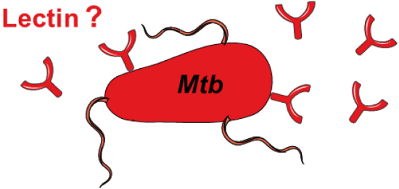
- biophysical and biochemical methods the domain structure of HBHA has been determined, and includes a canonical lysine-rich C-terminal heparin binding domain (see Figure 5) [83][102][103][104][105], which has been shown to bind sulfated glycoconjugates like heparin, facilitating the adhesion of mycobacteria to
- binding domain. Amino acids involved in heparin bind are colored in blue (lysine) and green (alanine). Recently, pili were detected on the cell surface of Mtb, which were classified as curli and type IV pili (T4P). While the expression of curli pili is associated with biofilm formation and adhesion to


Unnatural α-amino ethyl esters from diethyl malonate or ethyl β-bromo-α-hydroxyiminocarboxylate
Beilstein J. Org. Chem. 2018, 14, 2853–2860, doi:10.3762/bjoc.14.264
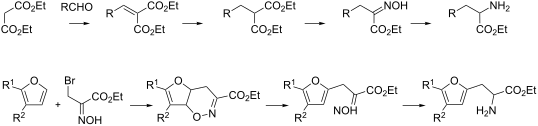
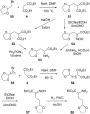
- was used for the historic preparation of racemic lysine from diethyl malonate and γ-chlorobutyronitrile [4] and appears to be of a very large scope. The key α-hydroxyimino esters 2 precursors to the α-amino esters 1 are usually prepared by oximation of substituted malonates 3, themselves made, for



Novel solid-phase strategy for the synthesis of ligand-targeted fluorescent-labelled chelating peptide conjugates as a theranostic tool for cancer
Beilstein J. Org. Chem. 2018, 14, 2665–2679, doi:10.3762/bjoc.14.244
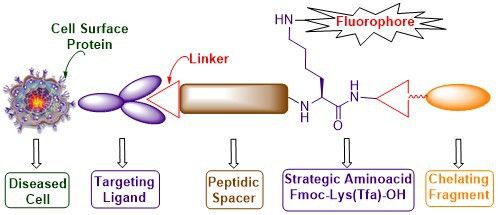
- in high chemical yield and purity by strategically introducing differentially protected dibasic amino acids such as lysine whose α- and ε-amino groups are protected as base labile Fmoc and trifluoroacetyl (Tfa) protecting groups, respectively. The whole concept is successfully illustrated using
- position of the fluorescent tag and chelating core would lie outside the surface of the protein tunnel. Moreover, differentially protected α- and ε-amino groups of the amino acid lysine (Lys), Fmoc-Lys-(Tfa)-OH, is also introduced in the peptide chain. The main purpose of this exercise is to connect the
- chelating core through carboxylic acid of lysine and attachment of fluorescent probe via ε-amino group present in the lysine amino acid. Increased hydrophobicity due to the introduction of long chain amino acids, aromatic amino acids in the targeted ligand peptide conjugate 13 would decrease the solubility



The design and synthesis of an antibacterial phenothiazine–siderophore conjugate
Beilstein J. Org. Chem. 2018, 14, 2646–2650, doi:10.3762/bjoc.14.242
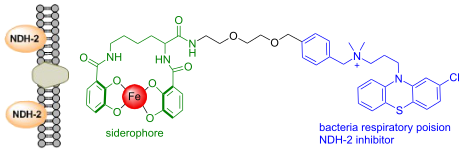
- literature procedure in two steps (Scheme 2) [16]. Building block 7 was coupled to commercially available L-lysine methyl ester dihydrochloride to yield 8 in moderate yield. The majority of the dicyclohexylurea byproduct could be removed by cooling a solution of the residue dissolved in acetonitrile; however


Investigation of the electrophilic reactivity of the biologically active marine sesquiterpenoid onchidal and model compounds
Beilstein J. Org. Chem. 2018, 14, 2229–2235, doi:10.3762/bjoc.14.197

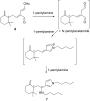
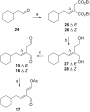
- , Figure 4), while enol esters 13 and 17 gave 29 and 31 (7% and 5% yields), respectively, upon reaction with the amine nucleophile. We next investigated the reactivity of onchidal (6) and analogues 11–13 and 15–17 towards the lysine-rich model protein lysozyme. Previous studies have reported hen egg white
- ), three new peaks representing mass additions of +198 mu, +216 mu, and +230 mu were detected (Figure 5 and Table 1). These adducts are likely the result of the reaction of lysine residues present in the enzyme [17]. The latter two adducts are proposed to be pyrrole adducts with incorporation of solvolytic
- apparent with the lysine-rich enzyme hen egg white lysozyme, with onchidal (6) and model compounds 11–13 and 15–17 affording pyrrole adducts of the enzyme that were detected by (+)-ESIMS. The more reactive dialdehydes were also found to lead to protein crosslinking with formation of lysozyme dimers and






Design and biological characterization of novel cell-penetrating peptides preferentially targeting cell nuclei and subnuclear regions
Beilstein J. Org. Chem. 2018, 14, 1378–1388, doi:10.3762/bjoc.14.116
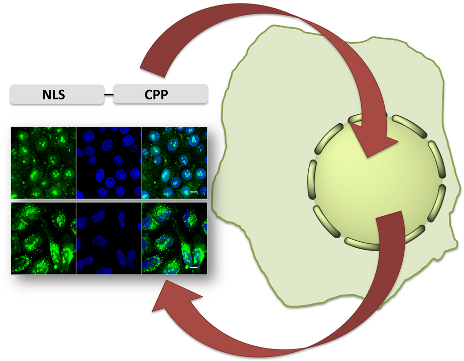
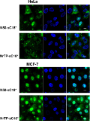
- was already determined [28]. In this case, the uptake turned out to be very low, what is in agreement with our results. The observed enhanced cellular uptake of the novel chimeric peptides might be due to an increased amount of positive charges caused by the presence of more lysine and arginine



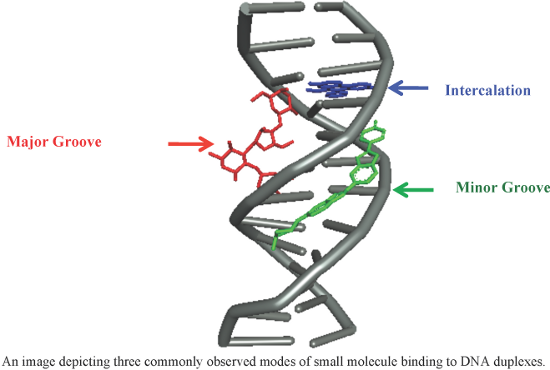
An overview of recent advances in duplex DNA recognition by small molecules
Beilstein J. Org. Chem. 2018, 14, 1051–1086, doi:10.3762/bjoc.14.93
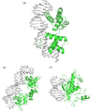
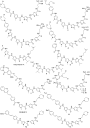
- -DNA by fluorescence microscopy with preference for A·T-rich sequences [106]. Two positively charged lysine residues are expected to interact with ds-DNA electrostatically. Upon binding to the minor groove of ds-DNA, the conformation of conjugate 43 was changed from an extended to a folded form






On the design principles of peptide–drug conjugates for targeted drug delivery to the malignant tumor site
Beilstein J. Org. Chem. 2018, 14, 930–954, doi:10.3762/bjoc.14.80
- in sufficient levels to pump inside the cell efficacious doses of the drug. The peptide-carrier should be constructed in such way that the conjugation with a drug or/and a fluorophore is feasible. Conjugation usually occurs on lysine, cysteine and glutamic acid [34] via orthogonal coupling or on the
- lysine contains a free amine group (εNH2) allowing orthogonal coupling with a cytotoxic warhead [19]. A considerable number of PDCs based on GnRH [59][60][61][62][63] exist and our group has exploited this peptide to construct two PDCs [18][19]. Somatostatin (SST): Somatostatin is a neuropeptide produced


Development of novel cyclic NGR peptide–daunomycin conjugates with dual targeting property
Beilstein J. Org. Chem. 2018, 14, 911–918, doi:10.3762/bjoc.14.78
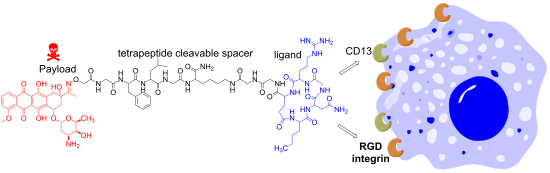
- spacer to the lysine side chain connected to the chatepsin B labile GFLG spacer that allows lysosomal drug release. Dau was conjugated to the GFLG spacer via oxime linkage through an incorporated aminooxyacetyl (Aoa) moiety. The preparation of the conjugate required a sophisticated synthetic route and
- different amino acids (Ala, Leu, Nle, Pro and Ser). The main goal of the present study was to investigate whether the exchange of the lysine in the cycle has any influence on the chemostability, selectivity and antitumor activity of the conjugates. Here we report on the synthesis and characterization of the


Phosphodiester models for cleavage of nucleic acids
Beilstein J. Org. Chem. 2018, 14, 803–837, doi:10.3762/bjoc.14.68
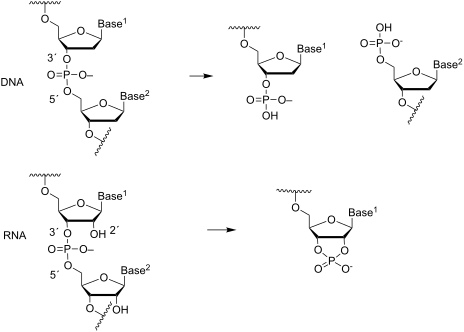
- transfer from the attacking 2´-OH to non-bridging phosphoryl oxygen. Primary amines are, in turn, used to mimic the action of the ε-amino group of lysine. Both guanidine and primary amino groups are basic functions that at physiological pH are present as guanidinium and ammonium ions. These ions tend to
- the lysine ε-amino group in the catalytic center of RNase A has been elucidated by incorporating an amino group covalently in the vicinity of the scissile phosphodiester linkage of the model compound. For this purpose, compound 12a bearing two aminomethyl groups at C4´ was prepared and its reactions



Synthesis and in vitro biochemical evaluation of oxime bond-linked daunorubicin–GnRH-III conjugates developed for targeted drug delivery
Beilstein J. Org. Chem. 2018, 14, 756–771, doi:10.3762/bjoc.14.64
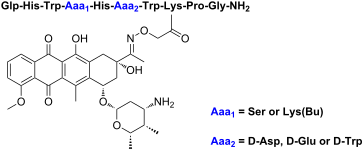
- ) and human colon cancer cells (HT-29), is GnRH-III–[4Lys(Bu), 8Lys(Dau=Aoa)] (K2). Recent studies demonstrated that the butyrilation of the lysine in position 4 not only leads to an increased in vitro but also to an enhanced in vivo antitumor activity [29][30]. In order to achieve a better
- homogenate. Results and Discussion Synthesis of oxime bond-linked GnRH-III–[4Ser/Lys(Bu), 6Aaa, 8Lys(Dau=Aoa)] bioconjugates The GnRH-III bioconjugates were prepared as shown in Scheme 1. All peptides were synthesized by standard Fmoc-SPPS using orthogonal lysine protecting groups. Fmoc-Lys(Dde)-OH was
- . Furthermore, the incorporation of an acetylated lysine instead of the native serine in position 4 decelerated the degradation by α-chymotrypsin which catalyzed the hydrolysis of the peptide bond exclusively between 3Trp and 4Aaa. A similar effect was observed for GnRH-III conjugates in which the ε-amino group



Mannich base-connected syntheses mediated by ortho-quinone methides
Beilstein J. Org. Chem. 2018, 14, 560–575, doi:10.3762/bjoc.14.43
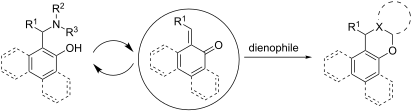
- such intermediates. By selecting the appropriate reaction conditions (various pH and temperatures), they were able to alkylate free amino acids, e.g., glycine (Gly), L-serine (Ser), L-cysteine (Cys), L-lysine (Lys), L-tyrosine (Tyr) and glutathione (Glu) in aqueous solution to isolate 55 (Scheme 8


Stimuli-responsive oligonucleotides in prodrug-based approaches for gene silencing
Beilstein J. Org. Chem. 2018, 14, 436–469, doi:10.3762/bjoc.14.32
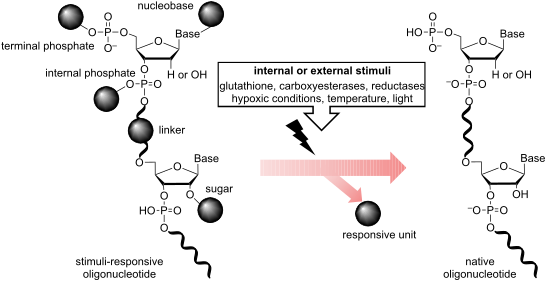
- further developments as ON prodrugs. Similarly, Damha reported on the synthesis of ONs containing amino acid-acetal esters at the 2’-OH, particularly with lysine for its positive charge (Figure 3B) [55]. Unfortunately, 2’-O-acetal ester ONs with lysine, alanine and phenylalanine could not be isolated with


Fluorogenic PNA probes
Beilstein J. Org. Chem. 2018, 14, 253–281, doi:10.3762/bjoc.14.17
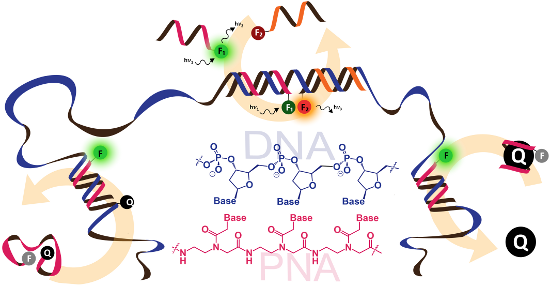
- (Figure 6) [40]. To ensure a close contact between the two labels, amino acids with opposite charges (typically glutamic acid and lysine) are usually placed in the vicinity of the labels. This was the practice originally used by the Boston Probe design and has been followed since by many others [40]. In
- ]. On the other hand, a polycationic comb-type dextran-poly(lysine) copolymer was shown to strongly promote the strand exchange of PNA–DNA duplexes by another DNA strand [110]. The equilibrium of the strand displacement reaction lies on the side of the more stable duplex, and so the original strand




Position-dependent impact of hexafluoroleucine and trifluoroisoleucine on protease digestion
Beilstein J. Org. Chem. 2017, 13, 2869–2882, doi:10.3762/bjoc.13.279
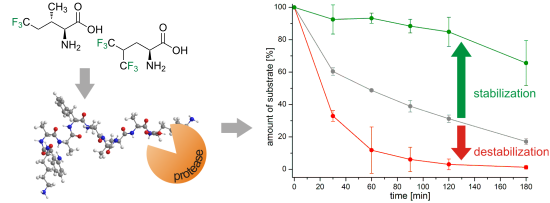
- P1 position is occupied by a phenylalanine residue. Lysine residues were introduced at both ends of the peptide sequence to enhance solubility, and o-aminobenzoic acid (Abz) at the N-terminus serves as a fluorescence label. Alanine residues in positions P3, P3’, and P4’ act as spacers as the peptide


Hydrolysis, polarity, and conformational impact of C-terminal partially fluorinated ethyl esters in peptide models
Beilstein J. Org. Chem. 2017, 13, 2442–2457, doi:10.3762/bjoc.13.241
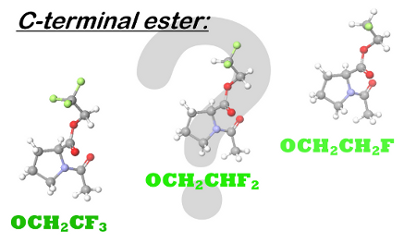
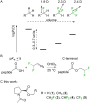
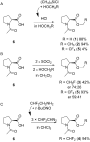
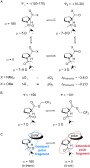
- hydrolysis acceleration from the proximal lysine charge (9b, 10b vs 8b, factor ≈ 30) is lower than the α-NH2/NH3+ hydrolysis acceleration in the classical studies of α-amino acid esters (factor ≈ 100–150) [58]. The hydrolysis rate can thus be further tuned by changing the proximity of the positive charge to







Asymmetric synthesis of propargylamines as amino acid surrogates in peptidomimetics
Beilstein J. Org. Chem. 2017, 13, 2428–2441, doi:10.3762/bjoc.13.240
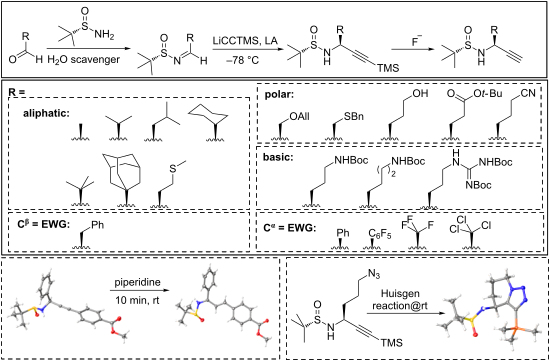
- propargylamine 7p is not stable under the conditions, which are necessary to cleave the thioether [100][101]. Synthesis of propargylamines with basic functional groups in the side chain Very often, basic amino acids, like lysine or arginine are found in the catalytic center of enzymes. Therefore, propargylamines
- 14w have been successfully applied as inhibitors of β-glucosidases [107] and hexosamidases [108], this intramolecular Huisgen reaction could be exploited to develop novel enzyme inhibitors. In order to get access to propargylamines with the side chains of lysine, ornithine and arginine, azide 7wx
- -induced TMS cleavage could also be successfully applied in the synthesis of the lysine analogous propargylamine 7vy from 5v but could never be reproduced in the formation of other propargylamines, like the tert-butyl-substituted compound 7e, under identical reaction conditions. The amine groups of 7wy and


Phosphonic acid: preparation and applications
Beilstein J. Org. Chem. 2017, 13, 2186–2213, doi:10.3762/bjoc.13.219
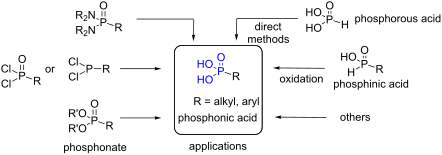
- procedure was applied to prepare a molecular receptor of lysine residue [171]. Following this procedure, the monodealkylation can be explained by the formation of a sodium salt that due to electronic factors prevent the second dealkylation. However, the protonation of this anionic compound 46 by ion


Synthesis of 2-aminosuberic acid derivatives as components of some histone deacetylase inhibiting cyclic tetrapeptides
Beilstein J. Org. Chem. 2017, 13, 2153–2156, doi:10.3762/bjoc.13.214

- antimalarial and histone deacetylase inhibitory (HDACi) properties [1][2]. It has been suggested [3] that the terminal carbonyl group in members of this family (e.g., in 2) functionally mimics the C-8 keto group of the acetylated lysine residue (3) of histones as a part of their biological activity and


Grip on complexity in chemical reaction networks
Beilstein J. Org. Chem. 2017, 13, 1486–1497, doi:10.3762/bjoc.13.147
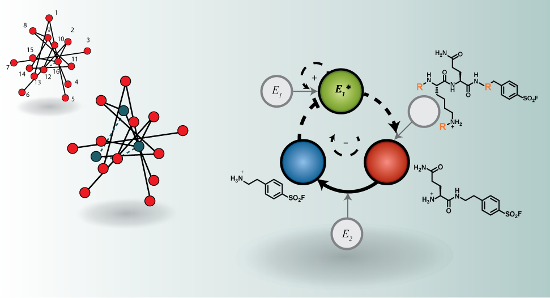
- output, creating a binary signal. Finally, we used oppositely charged polyelectrolytes to form complex coacervates in Figure 6c. Coacervates are formed in the second CSTR only in the absence of Tr, as Tr catalyzes the lysine-functionalized polycation. This demonstrates that the relatively long




Investigation of the action of poly(ADP-ribose)-synthesising enzymes on NAD+ analogues
Beilstein J. Org. Chem. 2017, 13, 495–501, doi:10.3762/bjoc.13.49
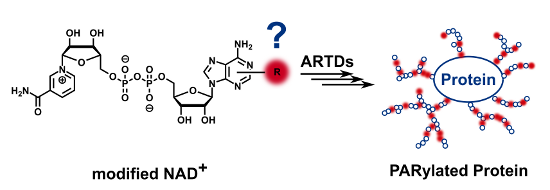
- experiments is summarised in Table 1. For illustration, Figure 3 shows the processing of derivative 1 by all the four ARTDs tested. Of note, it was previously reported [21] that the incubation of proteins with NAD+ analogues may result in non-enzymatic Schiff base formation of ADP-riboses with lysine residues


Revaluation of biomass-derived furfuryl alcohol derivatives for the synthesis of carbocyclic nucleoside phosphonate analogues
Beilstein J. Org. Chem. 2017, 13, 251–256, doi:10.3762/bjoc.13.28
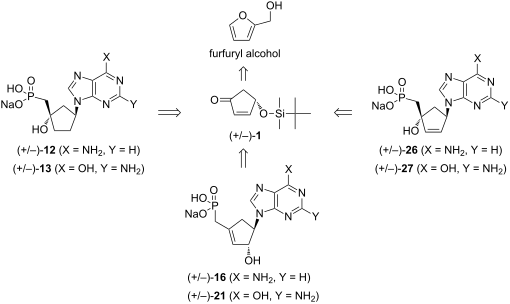
- organic chemicals synthesis, furfuryl alcohol is a raw material for the production of tetrahydrofurfuryl alcohol, which is an intermediate for the synthesis of 1,2- and 2,5-pentanediols and their derivatives and an agent for the manufacture of fragrance, vitamin C and lysine [1][2]. Furfuryl alcohol is




A non-canonical peptide synthetase adenylates 3-methyl-2-oxovaleric acid for auriculamide biosynthesis
Beilstein J. Org. Chem. 2016, 12, 2766–2770, doi:10.3762/bjoc.12.274
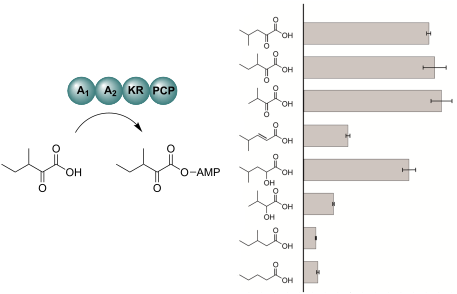
- support its occupancy by a remarkably conserved lysine residue (K517 in PheA) [19], whose side chain counters the negative charge of the substrate’s carboxy group [14][20]. Also, the relationship between the expected substrate and the nonribosomal code of AulA-A2 posed itself as a conundrum. The first


Inhibition of peptide aggregation by means of enzymatic phosphorylation
Beilstein J. Org. Chem. 2016, 12, 2462–2470, doi:10.3762/bjoc.12.240
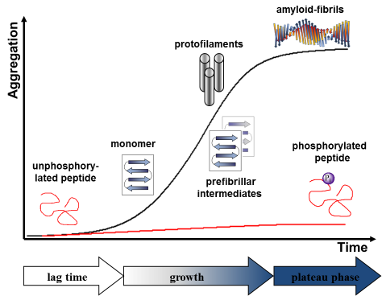
- intramolecular Coulombic repulsions between negatively charged glutamate residues and the phosphate, or in electrostatic pairing with positively charged lysine or arginine residues, resulting in the perturbation of higher ordered secondary structures [53]. The impact of electrostatics on peptide and protein


From supramolecular chemistry to the nucleosome: studies in biomolecular recognition
Beilstein J. Org. Chem. 2016, 12, 1863–1869, doi:10.3762/bjoc.12.175
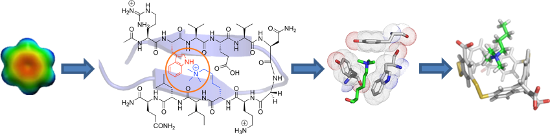
- thus studied the influence of lysine methylation and the significance of the positive charge in our β-hairpin model systems [23][24], and then moved into studying the actual protein–peptide interaction as well, providing the first definitive evidence that cation–π interactions provided the dominant
- sequence. This turned out to be an ideal problem to address using DCC, and we have now developed a number of synthetic receptors for methylated lysine and arginine that have applications as sensors for these modifications (Figure 6). Lessons learned As a child, my parents said that I “marched to my own





