


Search results
Search for "maleimide" in Full Text gives 82 result(s) in Beilstein Journal of Organic Chemistry.
Artificial Diels–Alderase based on the transmembrane protein FhuA
- Hassan Osseili,
- Daniel F. Sauer,
- Klaus Beckerle,
- Marcus Arlt,
- Tomoki Himiyama,
- Tino Polen,
- Akira Onoda,
- Ulrich Schwaneberg,
- Takashi Hayashi and
- Jun Okuda
Beilstein J. Org. Chem. 2016, 12, 1314–1321, doi:10.3762/bjoc.12.124
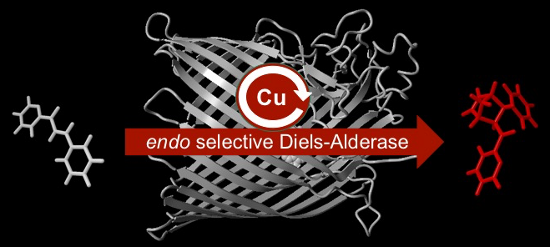
- copper(II) complexes were covalently linked to an engineered variant of the transmembrane protein Ferric hydroxamate uptake protein component A (FhuA ΔCVFtev). Copper(I) was incorporated using an N-heterocyclic carbene (NHC) ligand equipped with a maleimide group on the side arm at the imidazole nitrogen
- hydroxamate uptake protein component A (FhuA) as host for defined Cu(I) NHC or Cu(II) terpyridyl complexes with a maleimide moiety. By covalently bonding these copper complexes to the protein artificial Diels–Alderases based on a membrane protein have been obtained. Results and Discussion Synthesis of the
- contains a cysteine residue at position 545 for conjugation [31], an NHC ligand containing a maleimide function was prepared (Scheme 1). The imidazolium salt 3 was synthesized by nucleophilic substitution of mesityl imidazol 1 with maleimide derivative 2. These salts were used to generate the Cu(I) NHC

Graphical Abstract

Scheme 1: Syntheses to Cu(I) complex bearing a NHC ligand.

Scheme 2: Synthesis of Cu(II) terpyridyl complexes.

Scheme 3: Anchoring and refolding of the biohybrid copper complexes.

Figure 1: CD spectra of refolded catalysts 17–19 (red: 17, black: 18, blue: 19).

Figure 2: Temperature-dependent CD spectra of catalyst 17.

Figure 3: MALDI–TOF mass spectra (black: 17, red: FhuAΔCVFtev).
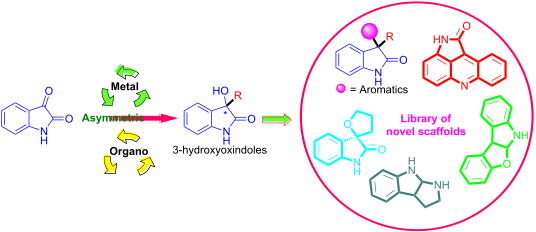
Catalytic asymmetric synthesis of biologically important 3-hydroxyoxindoles: an update
- Bin Yu,
- Hui Xing,
- De-Quan Yu and
- Hong-Min Liu
Beilstein J. Org. Chem. 2016, 12, 1000–1039, doi:10.3762/bjoc.12.98
- (Scheme 36) [53]. CHCl3 was proved to be a superior solvent for the MBH reactions. Most of the products were obtained in excellent yields and with excelent enantioselectivity, for N-unprotected maleimide, the corresponding product was obtained in a lower yield and enantioselectivity (75% yield and 77% ee

Graphical Abstract

Figure 1: 3-Hydroxyoxindole-containing natural products and biologically active molecules.

Scheme 1: Chiral CNN pincer Pd(II) complex 1 catalyzed asymmetric allylation of isatins.

Scheme 2: Asymmetric allylation of ketimine catalyzed by the chiral CNN pincer Pd(II) complex 2.

Scheme 3: Pd/L1 complex-catalyzed asymmetric allylation of 3-O-Boc-oxindoles.

Scheme 4: Cu(OTf)2-catalyzed asymmetric direct addition of acetonitrile to isatins.

Scheme 5: Chiral tridentate Schiff base/Cu complex catalyzed asymmetric Friedel–Crafts alkylation of isatins ...

Scheme 6: Guanidine/CuI-catalyzed asymmetric alkynylation of isatins with terminal alkynes.

Scheme 7: Asymmetric intramolecular direct hydroarylation of α-ketoamides.

Scheme 8: Plausible catalytic cycle for the direct hydroarylation of α-ketoamides.

Scheme 9: Ir-catalyzed asymmetric arylation of isatins with arylboronic acids.

Scheme 10: Enantioselective decarboxylative addition of β-ketoacids to isatins.

Scheme 11: Ruthenium-catalyzed hydrohydroxyalkylation of olefins and 3-hydroxy-2-oxindoles.

Scheme 12: Proposed catalytic mechanism and stereochemical model.

Scheme 13: In-catalyzed allylation of isatins with stannylated reagents.

Scheme 14: Modified protocol for the synthesis of allylated 3-hydroxyoxindoles.

Scheme 15: Hg-catalyzed asymmetric allylation of isatins with allyltrimethylsilanes.

Scheme 16: Enantioselective additions of organoborons to isatins.

Scheme 17: Asymmetric aldol reaction of isatins with cyclohexanone.

Scheme 18: Enantioselective aldol reactions of aliphatic aldehydes with isatin derivatives and the plausible t...

Scheme 19: Enantioselective aldol reaction of isatins and 2,2-dimethyl-1,3-dioxan-5-one.

Scheme 20: Asymmetric aldol reactions between ketones and isatins.

Scheme 21: Phenylalanine lithium salt-catalyzed asymmetric synthesis of 3-alkyl-3-hydroxyoxindoles.

Scheme 22: Aldolization between isatins and dihydroxyacetone derivatives.

Scheme 23: One-pot asymmetric synthesis of convolutamydine A.

Scheme 24: Asymmetric aldol reactions of cyclohexanone and acetone with isatins.

Scheme 25: Aldol reactions of acetone with isatins.

Scheme 26: Aldol reactions of ketones with isatins.

Scheme 27: Enantioselective allylation of isatins.

Scheme 28: Asymmetric aldol reaction of trifluoromethyl α-fluorinated β-keto gem-diols with isatins.

Scheme 29: Plausible mechanism proposed for the asymmetric aldol reaction.
Scheme 30: Asymmetric aldol reaction of 1,1-dimethoxyacetone with isatins.

Scheme 31: Enantioselective Friedel-Crafts reaction of phenols with isatins.

Scheme 32: Enantioselective addition of 1-naphthols with isatins.

Scheme 33: Enantioselective aldol reaction between 3-acetyl-2H-chromen-2-ones and isatins.

Scheme 34: Stereoselective Mukaiyama–aldol reaction of fluorinated silyl enol ethers with isatins.

Scheme 35: Asymmetric vinylogous Mukaiyama–aldol reaction between 2-(trimethylsilyloxy)furan and isatins.

Scheme 36: β-ICD-catalyzed MBH reactions of isatins with maleimides.

Scheme 37: β-ICD-catalyzed MBH reactions of 7-azaisatins with maleimides and activated alkenes.

Scheme 38: Enantioselective aldol reaction of isatins with ketones.

Scheme 39: Direct asymmetric vinylogous aldol reactions of allyl ketones with isatins.

Scheme 40: Enantioselective aldol reactions of ketones with isatins.

Scheme 41: The MBH reaction of isatins with α,β-unsaturated γ-butyrolactam.

Scheme 42: Reactions of tert-butyl hydrazones with isatins followed by oxidation.

Scheme 43: Aldol reactions of isatin derivatives with ketones.

Scheme 44: Enantioselective decarboxylative cyanomethylation of isatins.

Scheme 45: Catalytic kinetic resolution of 3-hydroxy-3-substituted oxindoles.

Scheme 46: Lewis acid catalyzed Friedel–Crafts alkylation of 3-hydroxy-2-oxindoles with electron-rich phenols.

Scheme 47: Lewis acid catalyzed arylation of 3-hydroxyoxindoles with aromatics.

Scheme 48: Synthetic application of 3-arylated disubstituted oxindoles in the construction of core structures ...

Scheme 49: CPA-catalyzed dearomatization and arylation of 3-indolyl-3-hydroxyoxindoles with tryptamines and 3-...

Scheme 50: CPA-catalyzed enantioselective decarboxylative alkylation of β-keto acids with 3-hydroxy-3-indolylo...

Scheme 51: BINOL-derived imidodiphosphoric acid-catalyzed enantioselective Friedel–Crafts reactions of indoles...

Scheme 52: CPA-catalyzed enantioselective allylation of 3-indolylmethanols.

Scheme 53: 3-Indolylmethanol-based substitution and cycloaddition reactions.

Scheme 54: CPA-catalyzed asymmetric [3 + 3] cycloaddtion reactions of 3-indolylmethanols with azomethine ylide...

Scheme 55: CPA-catalyzed three-component cascade Michael/Pictet–Spengler reactions of 3-indolylmethanols and a...

Scheme 56: Acid-promoted chemodivergent and stereoselective synthesis of diverse indole derivatives.

Scheme 57: CPA-catalyzed asymmetric formal [3 + 2] cycloadditions.

Scheme 58: CPA-catalyzed enantioselective cascade reactions for the synthesis of C7-functionlized indoles.

Scheme 59: Lewis acid-promoted Prins cyclization of 3-allyl-3-hydroxyoxindoles with aldehydes.

Scheme 60: Ga(OTf)3-catalyzed reactions of allenols and phenols.

Scheme 61: I2-catalyzed construction of pyrrolo[2.3.4-kl]acridines from enaminones and 3-indolyl-3-hydroxyoxin...

Scheme 62: CPA-catalyzed asymmetric aza-ene reaction of 3-indolylmethanols with cyclic enaminones.

Scheme 63: Asymmetric α-alkylation of aldehydes with 3-indolyl-3-hydroxyoxindoles.

Scheme 64: Organocatalytic asymmetric α-alkylation of enolizable aldehydes with 3-indolyl-3-hydroxyoxindoles a...
New synthetic strategies for xanthene-dye-appended cyclodextrins
- Milo Malanga,
- Andras Darcsi,
- Mihaly Balint,
- Gabor Benkovics,
- Tamas Sohajda and
- Szabolcs Beni
Beilstein J. Org. Chem. 2016, 12, 537–548, doi:10.3762/bjoc.12.53
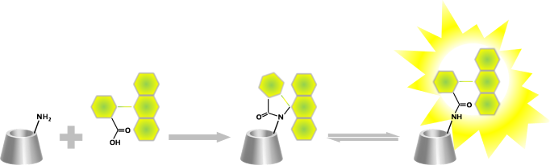
- sorting, in photodynamic therapy and in colorimetric enzymatic tests (ELISA). Although it is possible to modify xanthene dyes with specific functional groups (e.g., isothiocyanates, maleimide, succinimidyl), enabling them to react with amine groups, such chemical modifications dramatically affect the cost

Graphical Abstract

Figure 1: Structures of fluorescent xanthene dyes. Rhodamine B·HCl 1 and fluorescein disodium salt 2.

Figure 2: Reaction scheme for the synthesis of rhodamine-appended β-CD.

Figure 3: TLC plates at different development stages for monitoring the composition of Rho-β-CD crude (left p...

Figure 4: 1H NMR spectrum of Rho-β-CD with partial assignments (D2O, 500 MHz, 298 K).

Figure 5: Expansion of DEPT-ed-HSQC spectrum of Rho-β-CD with partial assignments (D2O, 500 MHz, 298 K).

Figure 6: Cartoon models for the possible intermolecular inclusion mode of Rho-β-CD in solution (3D perspecti...

Figure 7: 1H NMR spectrum of Flu-β-CD with partial assignments (D2O, 500 MHz, 298 K).

Figure 8: Cartoon models for the possible intermolecular inclusion mode of Flu-β-CD in solution (3D perspecti...
(Thio)urea-mediated synthesis of functionalized six-membered rings with multiple chiral centers
- Giorgos Koutoulogenis,
- Nikolaos Kaplaneris and
- Christoforos G. Kokotos
Beilstein J. Org. Chem. 2016, 12, 462–495, doi:10.3762/bjoc.12.48
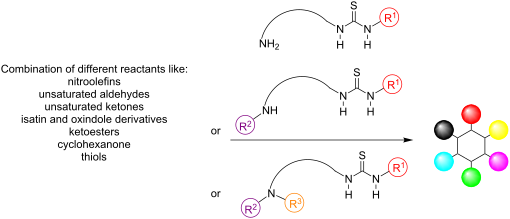
- loading. The authors proposed a bifunctional mode of activation. More specifically, the thiourea moiety activates the maleimide through hydrogen-bonding and the tertiary amine recognizes the thiol group, again through hydrogen-bonding, and orients the thiol attacking from the Si-face of the maleimides 52

Graphical Abstract

Scheme 1: Activation of carbonyl compounds via enamine and iminium intermediates [2].

Scheme 2: Electronic and steric interactions present in enamine activation mode [2].

Scheme 3: Electrophilic activation of carbonyl compounds by a thiourea moiety.

Scheme 4: Asymmetric synthesis of dihydro-2H-pyran-6-carboxylate 3 using organocatalyst 4 [16].

Scheme 5: Possible hydrogen-bonding for the reaction of (E)-methyl 2-oxo-4-phenylbut-3-enoate [16].

Scheme 6: Asymmetric desymmetrization of 4,4-cyclohexadienones using the Michael addition reaction with malon...

Scheme 7: The enantioselective synthesis of α,α-disubstituted cycloalkanones using catalyst 11 [18].

Scheme 8: The enantioselective synthesis of indolo- and benzoquinolidine compounds through aza-Diels–Alder re...

Scheme 9: Enantioselective [5 + 2] cycloaddition [20].

Scheme 10: Asymmetric synthesis of oxazine derivatives 26 [21].

Scheme 11: Asymmetric synthesis of bicyclo[3.3.1]nonadienone, core 30 present in (−)-huperzine [22].

Scheme 12: Asymmetric inverse electron-demand Diels-Alder reaction catalyzed by amine-thiourea 34 [23].

Scheme 13: Asymmetric entry to morphan skeletons, catalyzed by amine-thiourea 37 [24].

Scheme 14: Asymmetric transformation of (E)-2-nitroallyl acetate [25].

Scheme 15: Proposed way of activation.

Scheme 16: Asymmetric synthesis of nitrobicyclo[3.2.1]octan-2-one derivatives [26].

Scheme 17: Asymmetric tandem Michael–Henry reaction catalyzed by 50 [27].

Scheme 18: Asymmetric Diels–Alder reactions of 3-vinylindoles 51 [29].

Scheme 19: Proposed transition state and activation mode of the asymmetric Diels–Alder reactions of 3-vinylind...

Scheme 20: Desymmetrization of meso-anhydrides by Chin, Song and co-workers [30].

Scheme 21: Desymmetrization of meso-anhydrides by Connon and co-workers [31].

Scheme 22: Asymmetric intramolecular Michael reaction [32].

Scheme 23: Asymmetric addition of malonate to 3-nitro-2H-chromenes 67 [33].

Scheme 24: Intramolecular desymmetrization through an intramolecular aza-Michael reaction [34].

Scheme 25: Enantioselective synthesis of (−)-mesembrine [34].

Scheme 26: A novel asymmetric Michael–Michael reaction [35].

Scheme 27: Asymmetric three-component reaction catalyzed by Takemoto’s catalyst 77 [46].

Scheme 28: Asymmetric domino Michael–Henry reaction [47].

Scheme 29: Asymmetric domino Michael–Henry reaction [48].

Scheme 30: Enantioselective synthesis of derivatives of 3,4-dihydro-2H-pyran 89 [49].

Scheme 31: Asymmetric addition of α,α-dicyano olefins 90 to 3-nitro-2H-chromenes 91 [50].

Scheme 32: Asymmetric three-component reaction producing 2,6-diazabicyclo[2.2.2]octanones 95 [51].

Scheme 33: Asymmetric double Michael reaction producing substituted chromans 99 [52].

Scheme 34: Enantioselective synthesis of multi-functionalized spiro oxindole dienes 106 [53].

Scheme 35: Organocatalyzed Michael aldol cyclization [54].

Scheme 36: Asymmetric synthesis of dihydrocoumarins [55].

Scheme 37: Asymmetric double Michael reaction en route to tetrasubstituted cyclohexenols [56].

Scheme 38: Asymmetric synthesis of α-trifluoromethyl-dihydropyrans 121 [58].

Scheme 39: Tyrosine-derived tertiary amino-thiourea 123 catalyzed Michael hemiaketalization reaction [59].

Scheme 40: Enantioselective entry to bicyclo[3.2.1]octane unit [60].

Scheme 41: Asymmetric synthesis of spiro[4-cyclohexanone-1,3’-oxindoline] 126 [61].

Scheme 42: Kinetic resolution of 3-nitro-2H-chromene 130 [62].

Scheme 43: Asymmetric synthesis of chromanes 136 [63].

Scheme 44: Wang’s utilization of β-unsaturated α-ketoesters 87 [64,65].

Scheme 45: Asymmetric entry to trifluoromethyl-substituted dihydropyrans 144 [66].

Scheme 46: Phenylalanine-derived thiourea-catalyzed domino Michael hemiaketalization reaction [67].

Scheme 47: Asymmetric synthesis of α-trichloromethyldihydropyrans 149 [68].

Scheme 48: Takemoto’s thiourea-catalyzed domino Michael hemiaketalization reaction [69].

Scheme 49: Asymmetric synthesis of densely substituted cyclohexanes [70].

Scheme 50: Enantioselective synthesis of polysubstituted chromeno [4,3-b]pyrrolidine derivatines 157 [71].

Scheme 51: Enantioselective synthesis of spiro-fused cyclohexanone/5-oxazolone scaffolds 162 [72].

Scheme 52: Utilizing 2-mercaptobenzaldehydes 163 in cascade processes [73,74].

Scheme 53: Proposed transition state of the initial sulfa-Michael step [74].

Scheme 54: Asymmetric thiochroman synthesis via dynamic kinetic resolution [75].

Scheme 55: Enantioselective synthesis of thiochromans [76].

Scheme 56: Enantioselective synthesis of chromans and thiochromans synthesis [77].

Scheme 57: Enantioselective sulfa-Michael aldol reaction en route to spiro compounds [78].

Scheme 58: Enantioselective synthesis of 4-aminobenzo(thio)pyrans 179 [79].

Scheme 59: Asymmetric synthesis of tetrahydroquinolines [80].

Scheme 60: Novel asymmetric Mannich–Michael sequence producing tetrahydroquinolines 186 [81].

Scheme 61: Enantioselective synthesis of biologically interesting chromanes 190 and 191 [82].

Scheme 62: Asymmetric tandem Henry–Michael reaction [83].

Scheme 63: An asymmetric synthesis of substituted cyclohexanes via a dynamic kinetic resolution [84].

Scheme 64: Three component-organocascade initiated by Knoevenagel reaction [85].

Scheme 65: Asymmetric Michael reaction catalyzed by catalysts 57 and 211 [86].

Scheme 66: Proposed mechanism for the asymmetric Michael reaction catalyzed by catalysts 57 and 211 [86].

Scheme 67: Asymmetric facile synthesis of hexasubstituted cyclohexanes [87].

Scheme 68: Dual activation catalytic mechanism [87].

Scheme 69: Asymmetric Michael–Michael/aldol reaction catalyzed by catalysts 57, 219 and 214 [88].

Scheme 70: Asymmetric synthesis of substituted cyclohexane derivatives, using catalysts 57 and 223 [89].

Scheme 71: Asymmetric synthesis of substituted piperidine derivatives, using catalysts 223 and 228 [90].

Scheme 72: Asymmetric synthesis of endo-exo spiro-dihydropyran-oxindole derivatives catalyzed by catalyst 232 [91]....

Scheme 73: Asymmetric synthesis of carbazole spiroxindole derivatives, using catalyst 236 [92].

Scheme 74: Enantioselective formal [2 + 2] cycloaddition of enal 209 with nitroalkene 210, using catalysts 23 ...

Scheme 75: Asymmetric synthesis of polycyclized hydroxylactams derivatives, using catalyst 242 [94].

Scheme 76: Asymmetric synthesis of product 243, using catalyst 246 [95].

Scheme 77: Formation of the α-stereoselective acetals 248 from the corresponding enol ether 247, using catalys...

Scheme 78: Selective glycosidation, catalyzed by Shreiner’s catalyst 23 [97].
Application of 7-azaisatins in enantioselective Morita–Baylis–Hillman reaction
- Qing He,
- Gu Zhan,
- Wei Du and
- Ying-Chun Chen
Beilstein J. Org. Chem. 2016, 12, 309–313, doi:10.3762/bjoc.12.33
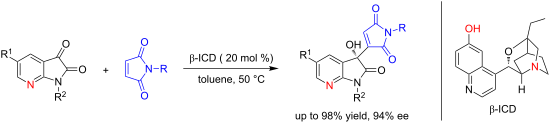
- allows a convenient approach to access multifunctional 3-hydroxy-7-aza-2-oxindoles with high enantiopurity (up to 94% ee). Other types of activated alkenes, such as acrylates and acrolein, could also be efficiently utilized. Keywords: 7-azaisatins; β-isocupreidine; bifunctional catalysis; maleimide; MBH
- enantiocontrol was diminished at 70 °C (Table 1, entry 10). On the other hand, when α-isocupreine (α-IC) [24][25] was employed as the catalyst instead of β-ICD, unfortunately no desired product was obtained even after 120 h (Table 1, entry 11). Finally, we compared the reaction of 7-azaisatin 1a and maleimide 2a
- , entries 2–4) while good results were obtained in a mixture of THF and DCM for a maleimide with an electron-deficient N-aryl group because of better solubility (Table 2, entry 5). In addition, N-alkylated maleimides provided the desired products in good yields (Table 2, entries 6–9), while only moderate

Graphical Abstract

Figure 1: Bioactive 7-azaisatins and their derivatives.

Scheme 1: Further exploration with 7-azaisatin 1a and comparison with the previous work by Zhou [5].
Synthesis, antimicrobial and cytotoxicity evaluation of new cholesterol congeners
- Mohamed Ramadan El Sayed Aly,
- Hosam Ali Saad and
- Shams Hashim Abdel-Hafez
Beilstein J. Org. Chem. 2015, 11, 1922–1932, doi:10.3762/bjoc.11.208

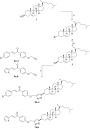
- intermediate 15 under Zémplen conditions, i.e., catalytic NaOMe in MeOH [40], safely afforded the target conjugate 16 in 84% yield without affecting the DMM group. Despite, the two C=O groups could not be seen with certain at δ ≈ 174.00 ppm (13C NMR), the two maleimide CH3 groups were observed at δ = 8.80 ppm
- . The C=O signal (13C NMR) was observed at δ = 183.10 ppm with concurrent disappearance of the maleimide CH3 signal. A peak was observed at m/z value corresponding to the exact molecular mass. Conjugate 20 was prepared under similar conditions as employed for the synthesis of compound 17. Thus, coupling

Graphical Abstract

Figure 1: Structure of ceragenin (CSA-8) and selected cholesterol conjugates.
Scheme 1: Reagents and conditions: (a) CBr4, PPh3, DCM (74%); (b) NaN3, DMF, 100 °C (63%); (c) CuSO4·5H2O, L-...

Scheme 2: Reagents and conditions: (a) NaN3, DMF, 100 °C (9b, 47%); (b) CuSO4·5H2O, L-AsAc, THF/H2O [11a, n =...

Scheme 3: Reagents and conditions: CuSO4·5H2O, L-AsAc, THF/H2O (96%).

Scheme 4: Reagents and conditions: (a) 1, TMSOTF, CH3CN, rt (74%); (b) NaOMe, MeOH (84%); (c) NaOH; HCl (pH 5...

Scheme 5: Reagents and conditions: (a) 9a, TMSOTF, DCM, rt (19%); (b) 10, CuSO4·5H2O, L-AsAc, THF/H2O (62%); ...

Scheme 6: Reagents & conditions: (a) Propargyl bromide, NaH, Et2O/DMF (quant. for both 26 and 30); (b) 3, CuSO...

Scheme 7: Reagents and conditions: (a) Bu2SnO, MeOH; propargyl bromide, TBAI, Tol (92%); (b) CuSO4·5H2O, L-As...

Figure 2: In vitro antimicrobial activity of some new cholesterol derivatives against E.coli, S. aureus. A. f...

Figure 3: Cytotoxicity effect of some new cholesterol derivatives on the PC3 cell line. Doxorubicin (Dox) was...
Preparative semiconductor photoredox catalysis: An emerging theme in organic synthesis
- David W. Manley and
- John C. Walton
Beilstein J. Org. Chem. 2015, 11, 1570–1582, doi:10.3762/bjoc.11.173

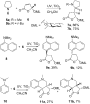
- substituents. The P25 SCPC reactions of aryloxyacetic acids with maleic anhydride or maleimide substrates gave the expected adducts 29 but also launched an alternative reaction channel resulting in novel chromenedione derivatives 31 (Y = O, NR). These are evidently formed when the initial adduct radicals 27
- cyclized onto the aryl rings 30 followed by rearomatization (Scheme 7). Good to excellent overall yields were obtained under all conditions. Excess maleic anhydride or maleimide was necessary as the sacrificial electron sink; hence moderate amounts of succinic anhydride or succinimides were byproducts. The
- -Bu, MeS or di- and tri-MeO), underwent addition–cyclization reactions with maleimide on UVA irradiation, but in the complete absence of photoredox catalysts [63]. Good to excellent yields of chromenopyrrolediones and pyrroloquinolinediones (32, X = O, NR) were obtained from photolyses in H2O/MeCN

Graphical Abstract

Figure 1: Production and utilization of h+ and e– by photoactivation of a semiconductor.

Figure 2: Photoredox activity of TiO2 with moist air.

Scheme 1: TiO2 promoted oxidation of phenanthrene [29].

Scheme 2: SCPC assisted additions of allylic compounds to diazines and imines [40-42].
Scheme 3: TiO2 promoted addition and addition–cyclization reactions of tert-amines with electron-deficient al...
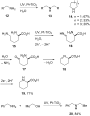
Scheme 4: Reactions of amines promoted by Pt-TiO2 [48,49].
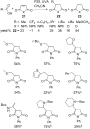
Scheme 5: P25 Promoted alkylations of N-phenylmaleimide with diverse carboxylic acids [53,54]. aAccompanied by R–R d...

Scheme 6: SCPC cyclizations of aryloxyacetic acids with suitably sited alkene acceptors [54]. aYields in brackets...
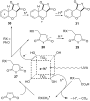
Scheme 7: TiO2 promoted reactions of aryloxyacetic acids with maleic anhydride and maleimides [53,54].

Scheme 8: Photoredox addition–cyclization reactions of aryloxyacetic and related acids promoted by maleimide [63]....
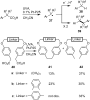
Scheme 9: SCPC promoted homo-couplings and macrocyclizations with carboxylic acids [64].

Scheme 10: TiO2 promoted alkylations of alkenes with silanes [66] and thiols [67].

Scheme 11: TiO2 reduction of a nitrochromenone derivative [70].
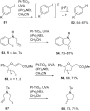
Scheme 12: TiO2 mediated hydrodehalogenations and cyclizations of organic iodides [71].

Scheme 13: TiO2 promoted hydrogenations of maleimides, maleic anhydride and aromatic aldehydes [79].
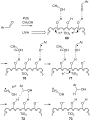
Scheme 14: Mechanistic sketch of SCPC hydrogenation of aryl aldehydes.
Selected synthetic strategies to cyclophanes
- Sambasivarao Kotha,
- Mukesh E. Shirbhate and
- Gopalkrushna T. Waghule
Beilstein J. Org. Chem. 2015, 11, 1274–1331, doi:10.3762/bjoc.11.142
- -pentyne and NaH in DMF to deliver compound 287. Then, indole-3-glyoxylate 288 was converted to N-alkylated derivative 289 by the treatment with 5-chloro-1-pentyne in the presence of cesium carbonate. The maleimide condensation of 287 and 289 was carried out in the presence of KOt-Bu at 0–23 °C to give the

Graphical Abstract

Figure 1: General representation of cyclophanes.

Figure 2: cyclophanes one or more with heteroatom.

Figure 3: Metathesis catalysts 12–17 and C–C coupling catalyst 18.

Figure 4: Natural products containing the cyclophane skeleton.

Figure 5: Turriane family of natural products.

Scheme 1: Synthesis of [3]ferrocenophanes through Mannich reaction. Reagents and conditions: (i) excess HNMe2...

Scheme 2: Synthesis of cyclophanes through Michael addition. Reagents and conditions: (i) xylylene dibromide,...

Scheme 3: Synthesis of normuscopyridine analogue 37 through an oxymercuration–oxidation strategy. Reagents an...

Scheme 4: Synthesis of tribenzocyclotriyne 39 through Castro–Stephens coupling reaction. Reagents and conditi...

Scheme 5: Synthesis of cyclophane 43 through Glaser–Eglinton coupling. Reagents and conditions: (i) 9,10-bis(...

Scheme 6: Synthesis of the macrocyclic C-glycosyl cyclophane through Glaser coupling. Reagents and conditions...

Scheme 7: Synthesis of cyclophane-containing complex 49 through Glaser–Eglinton coupling reaction. Reagents a...

Scheme 8: Synthesis of cyclophane 53 through Glaser–Eglinton coupling. Reagents and conditions: (i) K2CO3, ac...

Figure 6: Cyclophanes 54–56 that have been synthesized through Glaser–Eglinton coupling.

Figure 7: Synthesis of tetrasubstituted [2.2]paracyclophane 57 and chiral cyclophyne 58 through Eglinton coup...

Scheme 9: Synthesis of cyclophane through Glaser–Hay coupling reaction. Reagents and conditions: (i) CuCl2 (1...

Scheme 10: Synthesis of seco-C/D ring analogs of ergot alkaloids through intramolecular Heck reaction. Reagent...

Scheme 11: Synthesis of muscopyridine 73 via Kumada coupling. Reagents and conditions: (i) 72, THF, ether, 20 ...

Scheme 12: Synthesis of the cyclophane 79 via McMurry coupling. Reagents and conditions: (i) 75, decaline, ref...

Scheme 13: Synthesis of stilbenophane 81 via McMurry coupling. Reagents and conditions: (i) TiCl4, Zn, pyridin...

Scheme 14: Synthesis of stilbenophane 85 via McMurry coupling. Reagents and conditions: (i) NBS (2 equiv), ben...
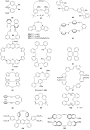
Figure 8: List of cyclophanes prepared via McMurry coupling reaction as a key step.

Scheme 15: Synthesis of paracyclophane by cross coupling involving Pd(0) catalyst. Reagents and conditions: (i...

Scheme 16: Synthesis of the cyclophane 112 via the pinacol coupling and 113 by RCM. Reagents and conditions: (...

Scheme 17: Synthesis of cyclophane derivatives 122a–c via Sonogoshira coupling. Reagents and conditions: (i) C...

Scheme 18: Synthesis of cyclophane 130 via Suzuki–Miyaura reaction as a key step. Reagents and conditions: (i)...

Scheme 19: Synthesis of the mycocyclosin via Suzuki–Miyaura cross coupling. Reagents and conditions: (i) benzy...

Scheme 20: Synthesis of cyclophanes via Wurtz coupling reaction Reagents and conditions: (i) PhLi, Et2O, C6H6,...

Scheme 21: Synthesis of non-natural glycophanes using alkyne metathesis. Reagents and conditions: (i) G-I (12)...

Figure 9: Synthesis of cyclophanes via ring-closing alkyne metathesis.

Scheme 22: Synthesis of crownophanes by cross-enyne metathesis. Reagents and conditions: (i) G-II (13), 5 mol ...

Scheme 23: Synthesis of (−)-cylindrocyclophanes A (156) and (−)-cylindrocyclophanes F (155). Reagents and cond...

Scheme 24: Synthesis of cyclophane 159 derivatives via SM cross-coupling and RCM. Reagents and conditions: (i)...

Scheme 25: Sexithiophene synthesis via cross metathesis. Reagents and conditions: (i) 161, Pd(PPh3)4, K2CO3, T...

Scheme 26: Synthesis of pyrrole-based cyclophane using enyne metathesis. Reagents and conditions: (i) Se, chlo...

Scheme 27: Synthesis of macrocyclic derivatives by RCM. Reagents and conditions: (i) G-I/G-II, CH2Cl2, 0.005 M...

Scheme 28: Synthesis of enantiopure β-lactam-based dienyl bis(dihydrofuran) 179. Reagents and conditions: (i) ...

Scheme 29: Synthesis of a [1.1.6]metaparacyclophane derivative 183 via SM cross coupling. Reagents and conditi...

Scheme 30: Synthesis of a [1.1.6]metaparacyclophane derivative 190 via SM cross coupling. Reagents and conditi...

Scheme 31: Template-promoted synthesis of cyclophanes involving RCM. Reagents and conditions: (i) acenaphthene...

Scheme 32: Synthesis of [3.4]cyclophane derivatives 200 via SM cross coupling and RCM. Reagents and conditions...
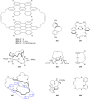
Figure 10: Examples for cyclophanes synthesized by RCM.

Scheme 33: Synthesis of the longithorone C framework assisted by fluorinated auxiliaries. Reagents and conditi...

Scheme 34: Synthesis of the longithorone framework via RCM. Reagents and conditions: (i) 213, NaH, THF, rt, 10...

Scheme 35: Synthesis of floresolide B via RCM as a key step. Reagents and conditions: (i) G-II (13, 0.1 equiv)...

Scheme 36: Synthesis of normuscopyridine (223) by the RCM strategy. Reagents and condition: (i) Mg, THF, hexen...

Scheme 37: Synthesis of muscopyridine (73) via RCM. Reagents and conditions: (i) 225, NaH, THF, 0 °C to rt, 1....

Scheme 38: Synthesis of muscopyridine (73) via RCM strategy. Reagents and conditions: (i) NaH, n-BuLi, 5-bromo...

Scheme 39: Synthesis of pyridinophane derivatives 223 and 245. Reagents and conditions: (i) PhSO2Na, TBAB, CH3...

Scheme 40: Synthesis of metacyclophane derivatives 251 and 253. Reagents and conditions: (i) 240, NaH, THF, rt...

Scheme 41: Synthesis of normuscopyridine and its higher analogues. Reagents and conditions: (i) alkenyl bromid...

Scheme 42: Synthesis of fluorinated ferrocenophane 263 via a [2 + 2] cycloaddition. Reagents and conditions: (...

Scheme 43: Synthesis of [2.n]metacyclophanes 270 via a [2 + 2] cycloaddition. Reagents and conditions: (i) Ac2...

Scheme 44: Synthesis of metacyclophane 273 by a [2 + 2 + 2] co-trimerization. Reagents and conditions: (i) [Rh...

Scheme 45: Synthesis of paracyclophane 276 via a [2 + 2 + 2] cycloaddition reaction. Reagents and conditions: ...

Scheme 46: Synthesis of cyclophane 278 via a [2 + 2 + 2] cycloaddition reaction. Reagents and conditions: (i) ...

Scheme 47: Synthesis of cyclophane 280 via a [2 + 2 + 2] cycloaddition. Reagents and conditions: (i) [(Rh(cod)(...

Scheme 48: Synthesis of taxane framework by a [2 + 2 + 2] cycloaddition. Reagents and conditions: (i) Cp(CO)2 ...

Scheme 49: Synthesis of cyclophane 284 and 285 via a [2 + 2 + 2] cycloaddition reaction. Reagents and conditio...

Scheme 50: Synthesis of pyridinophanes 293a,b and 294a,b via a [2 + 2 + 2] cycloaddition. Reagents and conditi...

Scheme 51: Synthesis of pyridinophanes 296 and 297 via a [2 + 2 + 2] cycloaddition. Reagents and conditions: (...

Scheme 52: Synthesis of triazolophane by a 1,3-dipolar cycloaddition. Reagents and conditions: (i) propargyl b...

Scheme 53: Synthesis of glycotriazolophane 309 by a click reaction. Reagents and conditions: (i) LiOH, H2O, Me...

Figure 11: Cyclophanes 310 and 311 prepared via click chemistry.

Scheme 54: Synthesis of cyclophane via the Dötz benzannulation. Reagents and conditions: (i) THF, 100 °C, 12 h...

Scheme 55: Synthesis of [6,6]metacyclophane by a Dötz benzannulation. Reagents and conditions: (i) THF, 100 °C...

Scheme 56: Synthesis of cyclophanes by a Dötz benzannulation. Reagents and conditions: (i) THF, 65 °C, 3 h; (i...

Scheme 57: Synthesis of muscopyridine (73) via an intramolecular DA reaction of ketene. Reagents and condition...

Scheme 58: Synthesis of bis[10]paracyclophane 336 via Diels–Alder reaction. Reagents and conditions: (i) DMAD,...

Scheme 59: Synthesis of [8]paracyclophane via DA reaction. Reagents and conditions: (i) maleic anhydride, 3–5 ...

Scheme 60: Biomimetic synthesis of (−)-longithorone A. Reagents and conditions: (i) Me2AlCl, CH2Cl2, −20 °C, 7...

Scheme 61: Synthesis of sporolide B (349) via a [4 + 2] cycloaddition reaction. Reagents and conditions: (i) P...

Scheme 62: Synthesis of the framework of (+)-cavicularin (352) via a [4 + 2] cycloaddition. Reagents and condi...

Scheme 63: Synthesis of oxazole-containing cyclophane 354 via Beckmann rearrangement. Reagents and conditions:...

Scheme 64: Synthesis of cyclophanes 360a–c via benzidine rearrangement. Reagents and conditions: (i) 356a–d, K2...

Scheme 65: Synthesis of cyclophanes 365a–c via benzidine rearrangement. Reagents and conditions: (i) BocNHNH2,...

Scheme 66: Synthesis of metacyclophane 367 via Ciamician–Dennstedt rearrangement. Reagents and conditions: (i)...

Scheme 67: Synthesis of cyclophane by tandem Claisen rearrangement and RCM as key steps. Reagents and conditio...

Scheme 68: Synthesis of cyclophane derivative 380. Reagents and conditions: (i) K2CO3, CH3CN, allyl bromide, r...

Scheme 69: Synthesis of metacyclophane via Cope rearrangement. Reagents and conditions: (i) MeOH, NaBH4, rt, 1...

Scheme 70: Synthesis of cyclopropanophane via Favorskii rearrangement. Reagents and conditions: (i) Br2, CH2Cl2...

Scheme 71: Cyclophane 389 synthesis via photo-Fries rearrangement. Reagents and conditions: (i) DMAP, EDCl/CHCl...

Scheme 72: Synthesis of normuscopyridine (223) via Schmidt rearrangement. Reagents and conditions: (i) ethyl s...

Scheme 73: Synthesis of crownophanes by tandem Claisen rearrangement. Reagents and conditions: (i) diamine, Et3...

Scheme 74: Attempted synthesis of cyclophanes via tandem Claisen rearrangement and RCM. Reagents and condition...

Scheme 75: Synthesis of muscopyridine via alkylation with 2,6-dimethylpyridine anion. Reagents and conditions:...

Scheme 76: Synthesis of cyclophane via Friedel–Craft acylation. Reagents and conditions: (i) CS2, AlCl3, 7 d, ...

Scheme 77: Pyridinophane 418 synthesis via Friedel–Craft acylation. Reagents and conditions: (i) 416, AlCl3, CH...

Scheme 78: Cyclophane synthesis involving the Kotha–Schölkopf reagent 421. Reagents and conditions: (i) NBS, A...

Scheme 79: Cyclophane synthesis involving the Kotha–Schölkopf reagent 421. Reagents and conditions: (i) BEMP, ...

Scheme 80: Cyclophane synthesis by coupling with TosMIC. Reagents and conditions: (i) (a) ClCH2OCH3, TiCl4, CS2...

Scheme 81: Synthesis of diaza[32]cyclophanes and triaza[33]cyclophanes. Reagents and conditions: (i) DMF, NaH,...

Scheme 82: Synthesis of cyclophane 439 via acyloin condensation. Reagents and conditions: (i) Na, xylene, 75%;...

Scheme 83: Synthesis of multibridged binuclear cyclophane 442 by aldol condensation. Reagents and conditions: ...

Scheme 84: Synthesis of various macrolactones. Reagents and conditions: (i) iPr2EtN, DMF, 77–83%; (ii) TBDMSCl...

Scheme 85: Synthesis of muscone and muscopyridine via Yamaguchi esterification. Reagents and conditions: (i) 4...

Scheme 86: Synthesis of [5]metacyclophane via a double elimination reaction. Reagents and conditions: (i) LiBr...

Figure 12: Cyclophanes 466–472 synthesized via Hofmann elimination.

Scheme 87: Synthesis of cryptophane via Baylis–Hillman reaction. Reagents and conditions: (i) methyl acrylate,...

Scheme 88: Synthesis of cyclophane 479 via double Chichibabin reaction. Reagents and conditions: (i) excess 478...

Scheme 89: Synthesis of cyclophane 483 via double Chichibabin reaction. Reagents and conditions: (i) 481, OH−;...

Scheme 90: Synthesis of cyclopeptide via an intramolecular SNAr reaction. Reagents and conditions: (i) TBAF, T...

Scheme 91: Synthesis of muscopyridine (73) via C-zip ring enlargement reaction. Reagents and conditions: (i) H...

Figure 13: Mechanism of the formation of compound 494.

Scheme 92: Synthesis of indolophanetetraynes 501a,b using the Nicholas reaction as a key step. Reagents and co...

Scheme 93: Synthesis of cyclophane via radical cyclization. Reagents and conditions: (i) cyclododecanone, phen...

Scheme 94: Synthesis of (−)-cylindrocyclophanes A (156) and (−)-cylindrocyclophanes F (155). Reagents and cond...

Scheme 95: Cyclophane synthesis via Wittig reaction. Reagents and conditions: (i) LiOEt (2.1 equiv), THF, −78 ...

Figure 14: Representative examples of cyclophanes synthesized via Wittig reaction.

Scheme 96: Synthesis of the [6]paracyclophane via isomerization of Dewar benzene. Reagents and conditions: (i)...
Radical-mediated dehydrative preparation of cyclic imides using (NH4)2S2O8–DMSO: application to the synthesis of vernakalant
- Dnyaneshwar N. Garad,
- Subhash D. Tanpure and
- Santosh B. Mhaske
Beilstein J. Org. Chem. 2015, 11, 1008–1016, doi:10.3762/bjoc.11.113

- important monomers for the synthesis of polymers used in high temperature applications [61][62][63]. Methyl maleic anhydride and p-bromoaniline smoothly provided the corresponding maleimide (Table 3, entry 5). The reaction of p-toluidine and phthalic anhydride was very facile and the corresponding

Graphical Abstract

Figure 1: Natural products and drugs featuring imide core.

Scheme 1: Attempted methodology and its outcome (reaction conditions: (a) Pd(OAc)2 (10 mol %), ammonium persu...

Scheme 2: A practical synthesis of vernakalant (11).

Figure 2: Radical trapping experiment.
Peptide–polymer ligands for a tandem WW-domain, an adaptive multivalent protein–protein interaction: lessons on the thermodynamic fitness of flexible ligands
- Katharina Koschek,
- Vedat Durmaz,
- Oxana Krylova,
- Marek Wieczorek,
- Shilpi Gupta,
- Martin Richter,
- Alexander Bujotzek,
- Christina Fischer,
- Rainer Haag,
- Christian Freund,
- Marcus Weber and
- Jörg Rademann
Beilstein J. Org. Chem. 2015, 11, 837–847, doi:10.3762/bjoc.11.93
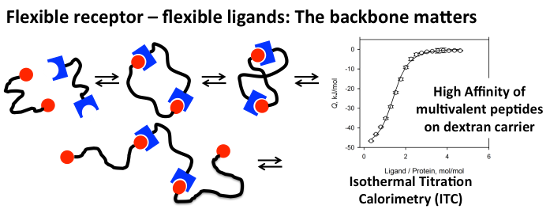
- ) was selected and synthesized on Rink amide polystyrene resin. For attachment to the polymer carriers the N-cysteinylated peptide CGPPPRGPPPR-NH2 (P2) was prepared, containing a free N-terminus in order to enable the attachment to polymers via native chemical ligation or Michael addition to maleimide
- maleimido groups by reaction with N-3-chloropropyl maleimide for ligand attachment. Finally, dextran, a polysaccharide containing α-1,6-linked D-glucose as repeating unit, was selected as the second linear carrier. The D-glucose units in the polysaccharide are fixed in the 1C4 chair conformation and thus
- ) was further converted by condensation with 2-N-maleimido-ethylamine and N-ethyl-N´-dimethylaminopropylcarbodiimide (EDC) [6]. The monovalent ligand peptide 2 was attached to the dextran carriers by nucleophilic addition of the thiols to the maleimide double bond furnishing peptide–polymer conjugates

Graphical Abstract

Figure 1: Comparing the entropy loss during ligand–receptor interactions in dependence of the rigidity of the...
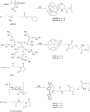
Scheme 1: Selection of three polymer carriers differing with respect to backbone flexibility, and morphology ...

Figure 2: Representative ITC-measurements conducted at 8 °C with the peptide–polymer conjugates A) pHPMA-1 an...

Figure 3: Enthalpic and entropic contributions to the free energy of binding processes of multivalent peptide...
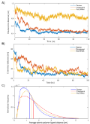
Figure 4: MD simulations over time (0–100 ns) yielding A) the mean sulfur distance between two peptides at th...

Figure 5: MD simulation image showing the interaction of two dextran–peptide conjugates with three tandem WW ...
Regulation of integrin and growth factor signaling in biomaterials for osteodifferentiation
- Qiang Wei,
- Theresa L. M. Pohl,
- Anja Seckinger,
- Joachim P. Spatz and
- Elisabetta A. Cavalcanti-Adam
Beilstein J. Org. Chem. 2015, 11, 773–783, doi:10.3762/bjoc.11.87
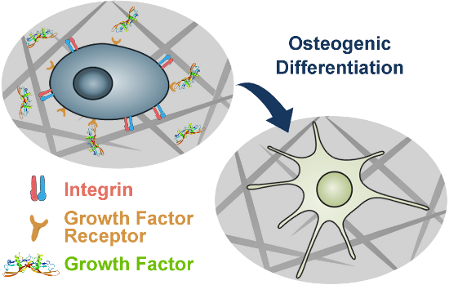
- and BMP-2s are integrated in matrix metalloproteinase (MMP)-degradable PEG-maleimide hydrogels. The peptide ligands successfully host stem cells in vivo, and the sustained release of low doses of BMP-2 direct endogenous stem cell differentiation and promote bone healing [87]. Furthermore, the signal

Graphical Abstract

Figure 1: Differentiation potential of mesenchymal stem cells (MSCs) in bone marrow. MSCs can differentiate i...
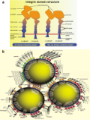
Figure 2: (a) The structure of the integrin heterodimeric receptors with α and β subunits. (b) The major inte...

Figure 3: The chemical structure of the α5β1-selective (left) and the αvβ3-selective (right) peptidomimetics....

Figure 4: When the distance between two neighboring integrin ligands is <70 nm, the focal adhesions and contr...
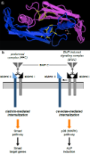
Figure 5: (a) BMP-2 homodimer. 3D-Structure of a BMP-2 homodimer (blue and pink) with cysteine residues, high...

Figure 6: Growth factors, e.g., BMP-2, can be immobilized on the substrates to mimic the matrix-bound form (l...
DNA display of glycoconjugates to emulate oligomeric interactions of glycans
- Alexandre Novoa and
- Nicolas Winssinger
Beilstein J. Org. Chem. 2015, 11, 707–719, doi:10.3762/bjoc.11.81
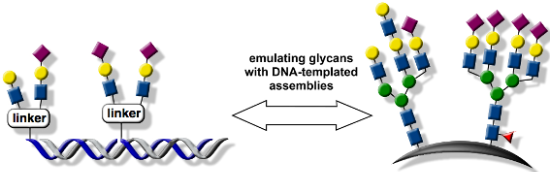
- by Seitz and co-workers using thiols imbedded in the backbone of the PNA that were chemoselectively conjugated to a maleimide–glycan adduct [43]. Our first efforts in the area of glycan display aimed to demonstrate that a DNA template could be used to program the assembly of discrete PNA-tagged

Graphical Abstract

Figure 1: DNA display of glycans.

Scheme 1: Synthesis of glycoconjugate DNA by diazo-coupling.

Scheme 2: β-Galactose-modified deoxyuridine phosphoramidite used for solid-phase DNA synthesis and DNA displa...

Scheme 3: (NHS)-carboxy-dT phosphoramidite as a general entry for the solid-phase synthesis of glycan–DNA con...

Figure 2: Multivalent triangular glycoDNA assemblies.

Scheme 4: Preparation of the DNA glycoconjugate by CuAAC.

Scheme 5: DNA glycoconjugation by sequential CuAAC.

Scheme 6: Selection with modified glycoconjugate aptamers (SELMA).

Scheme 7: Synthesis of PNA glycoconjugates (Mtt: 4-methyltrityl; R = H or (oligo)saccharide).

Figure 3: DNA display of PNA-tagged glycans designed to emulate HIV's gp120 epitope.

Figure 4: Combinatorial assembly and selection of two PNA glycoconjugate libraries on DNA templates.

Figure 5: DNA display of ligand bridging opposing binding sites in a lectin (ECL).

Figure 6: A glycan array prepared by hybridization of glycan–DNA conjugates and screening of RCA120.

Figure 7: Multivalent sugar-core glycoconjugate DNA.

Figure 8: Combinatorial self-assembly of PNA glycoconjugates on a DNA microarray.

Figure 9: General scheme of the 10,000 member PNA-encoded glycoconjugate library.

Figure 10: Oligomeric interaction with arrayed mono- and divalent ligands (represented as the black spheres) a...
Organic chemistry on surfaces: Direct cyclopropanation by dihalocarbene addition to vinyl terminated self-assembled monolayers (SAMs)
- Malgorzata Adamkiewicz,
- David O’Hagan and
- Georg Hähner
Beilstein J. Org. Chem. 2014, 10, 2897–2902, doi:10.3762/bjoc.10.307

- including azide–alkyne cycloadditions [9][10], Diels–Alder reactions [11][12], maleimide–thiol reactions [13], thiol–ene additions [14], and imine/oxime conjugations [15]. In this article we demonstrate that dihalocarbenes can be used to generate dihalocyclopropanes on olefin terminated SAMs. We recently

Graphical Abstract

Figure 1: General strategies for incorporating functional groups (FGs) on the surface of self-assembled monol...
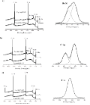
Figure 2: XPS scans after reactions with a) :CBr2; b) :CCl2 and c) :CF2. In each case the upper traces are sc...

Scheme 1: Model reactions of dec-1-ene (1) with dihalocarbenes in the liquid phase. a) and b) NaOH, BTEAC, CHX...

Figure 3: AFM images of 5 μm × 5 μm area of C11-vinyl SAMs modified with a) :CBr2 carbene, RMS 93 pm; b) :CCl2...

Figure 4: The experimental set-up for the dibromo-, dichloro- and difluorocarbene reactions performed on C11-...
Multicomponent reactions in nucleoside chemistry
- Mariola Koszytkowska-Stawińska and
- Włodzimierz Buchowicz
Beilstein J. Org. Chem. 2014, 10, 1706–1732, doi:10.3762/bjoc.10.179
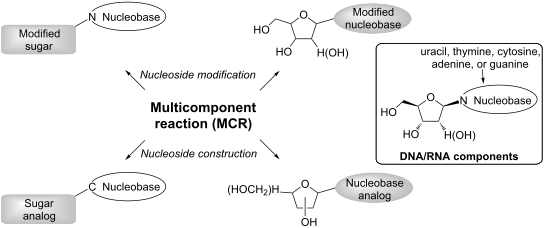
- rationalized using semi-empirical calculations. In the same contribution, the cascade reactions starting from uracil polyoxin C 106 were described (Scheme 44). Decarboxylative formation of azomethine ylides from 106 and an aldehyde (or ketone), followed by reaction of the ylide with maleimide afforded mixtures

Graphical Abstract

Figure 1: Selected chemical modifications of natural ribose or 2'-deoxyribose nucleosides leading to the deve...

Scheme 1: (a) Classical Mannich reaction; (b) general structures of selected hydrogen active components and s...

Scheme 2: Reagents and reaction conditions: i. H2O or H2O/EtOH, 60–100 °C, 7 h–10 d; ii. H2, Pd/C or PtO2; ii...

Scheme 3: Reagents and reaction conditions: i. H2O, 90 °C, overnight.

Scheme 4: Reagents and reaction conditions: i. AcOH, H2O, 60 °C, 12 h-5 d; ii. AcOH, H2O, 60 °C, 8 h.

Scheme 5: Reagents and reaction conditions: i. CuBr, THF, reflux, 0.5 h; ii. n-Bu4NF·3H2O, THF, rt, 2 h.

Scheme 6: Reagents and reaction conditions: i. [bmim][PF6], 80 °C, 5–8 h.

Scheme 7: Reagents and reaction conditions: i. EtOH, reflux, 24 h.

Scheme 8: Reagents and reaction conditions: i. NaOAc, H2O, 95 °C, 1–16 h; ii. NaOAc, H2O, 95 °C, 1 h.

Scheme 9: Reagents and reaction conditions: i. a. 37% aq HCl, MeOH; b. NaOAc, 1,4-dioxane, H2O, 100 °C, overn...

Scheme 10: Reagents and reaction conditions: i. DMAP, DCC, MeOH, rt, 1 h.

Scheme 11: The Kabachnik–Fields reaction.

Scheme 12: Reagents and reaction conditions: i. 60 °C, 3 h; ii. 80 °C, 2 h.

Scheme 13: The four-component Ugi reaction.

Scheme 14: Reagents and reaction conditions: i. MeOH, rt, 2–3 d, yields not given.

Scheme 15: Reagents and reaction conditions: i. MeOH/CH2Cl2 (1:1), rt, 24 h, yield not given; ii. 6 N aq HCl, ...

Scheme 16: Reagents and reaction conditions: i. MeOH/H2O, rt, 26 h; ii. aq AcOH, reflux, 50%; iii. reversed ph...

Scheme 17: Reagents and reaction conditions: i. MeOH, rt, 24 h; ii. HCl, MeOH, 0 °C to rt, 6 h, then H2O, rt, ...

Scheme 18: Reagents and reaction conditions: i. DMF/Py/MeOH (1:1:1), rt, 48 h; ii. 10% HCl/MeOH, rt, 30 min.

Scheme 19: Reagents and reaction conditions (R = CH3 or H): i. CH2Cl2/MeOH (2:1), 35–40 °C, 2 d; ii. HF/pyridi...

Scheme 20: Reagents and reaction conditions: i. MeOH, 76%; ii. 80% aq TFA, 100%.

Scheme 21: Reagents and reaction conditions: i. EtOH, rt, 72 h; ii. Zn, aq NaH2PO4, THF, rt, 1 week; then 80% ...

Scheme 22: Reagents and reaction conditions: i. EtOH, rt, 48 h, then silica gel chromatography, 33% for 57 (30...

Scheme 23: Reagents and reaction conditions: i. [bmim]BF4, 80 °C, 4 h; ii. [bmim]BF4, 80 °C, 3 h; iii. [bmim]BF...

Scheme 24: Reagents and reaction conditions: i. [bmim]BF4, 80 °C.

Scheme 25: Reagents and reaction conditions: i. H3PW12O40 (2 mol %), EtOH, 50 °C, 2–15 h; ii. H3PW12O40 (2 mol...

Scheme 26: General scheme of the Biginelli reaction.

Scheme 27: Reagents and reaction conditions: i. EtOH, reflux.

Scheme 28: Reagents and reaction conditions: i. Bu4N+HSO4−, diethylene glycol, 120 °C, 1.5–3 h.

Scheme 29: Reagents and reaction conditions: i. BF3·Et2O, CuCl, AcOH, THF, 65 °C, 24 h; ii. Yb(OTf)3, THF, ref...

Scheme 30: Reagents and reaction conditions: TCT (10 mol %), rt: i. 100 min; ii. 150 min; iii. 140 min.

Scheme 31: Reagents and reaction conditions: i. EtOH, microwave irradiation (300 W), 10 min; ii. EtOH, 75 °C, ...

Scheme 32: The Hantzsch reaction.

Scheme 33: Reagents and reaction conditions: TCT (10 mol %), rt, 80–150 min.

Scheme 34: Reagents and reaction conditions: i. Yb(OTf)3, THF, 90 °C, 12 h; ii. 4 Å molecular sieves, EtOH, 90...

Scheme 35: Reagents and reaction conditions: i. MeOH, 50 °C, 48 h.

Scheme 36: Reagents and reaction conditions: i. MeOH, 25 °C, 5 d.

Scheme 37: Bu4N+HSO4−, diethylene glycol, 80 °C, 1–2 h.

Scheme 38: The three-component carbopalladation of dienes on the example of buta-1,3-diene.

Scheme 39: Reagents and reaction conditions: i. 5 mol % Pd(dba)2, Bu4NCl, ZnCl2, acetonitrile or DMSO, 80 °C o...

Scheme 40: Reagents and reaction conditions: i. 2.5 mol % Pd2(dba)3, tris(2-furyl)phosphine, K2CO3, MeCN or DM...

Scheme 41: Reagents and reaction conditions: i. 2.5 mol % Pd2(dba)3, tris(2-furyl)phosphine, K2CO3, MeCN or DM...

Scheme 42: The three-component Bucherer–Bergs reaction.

Scheme 43: Reagents and reaction conditions: i. MeOH, H2O, 70 °C, 4.5 h; ii. (1) H2, 5% Pd/C, MeOH, 55 °C, 5 h...

Scheme 44: Reagents and reaction conditions: i. pyridine, MgSO4, 100 °C, 28 h, N2; ii. DMF, 70–90 °C, 22–30 h,...

Scheme 45: Reagents and reaction conditions: i. Montmorillonite K-10 clay, microwave irradiation (600 W), 6–10...

Scheme 46: Reagents and reaction conditions: i. Montmorillonite K-10 clay, microwave irradiation (560 W), 6–10...

Scheme 47: Reagents and reaction conditions: i. CeCl3·7H2O (20 mol %), NaI (20 mol %), microwave irradiation (...

Scheme 48: Reagents and reaction conditions: i. PhI(OAc)2 (3 mol %), microwave irradiation (45 °C), 6–9 min.

Scheme 49: Reagents and reaction conditions: i. 117, ethyl pyruvate, TiCl4, dichloromethane, −78 °C, 1 h; then ...
Carbohydrate PEGylation, an approach to improve pharmacological potency
- M. Eugenia Giorgi,
- Rosalía Agusti and
- Rosa M. de Lederkremer
Beilstein J. Org. Chem. 2014, 10, 1433–1444, doi:10.3762/bjoc.10.147
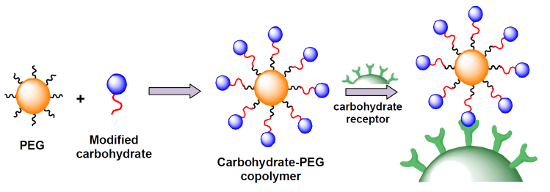
- Scheme 3 [34]. Analysis of the PEGylated species showed more than 90% conversion, whereas less than 30% of the protein was PEGylated by direct conjugation of the albumin with commercial PEG-maleimide. The PEG-Hz may undergo pH controlled hydrolysis which also depends on the number of units in the linked

Graphical Abstract

Figure 1: Types of PEG utilized for derivatization of drugs and peptides.

Figure 2: Activated PEG derivatives for conjugation.

Scheme 1: Chemoenzymatic method for the preparation of PEG-CMP-SA, adapted from [32,33].
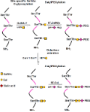
Scheme 2: GlycoPEGylation by sequential in vitro, enzyme mediated, O-glycosylation followed by transfer of PE...
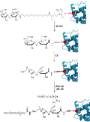
Scheme 3: Chemical glycation of a protein and PEGylation after periodate oxidation, adapted from [34].
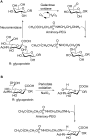
Scheme 4: PEGylation of native glycosylated proteins after modification of the glycan. (A) Enzymatic modifica...

Scheme 5: PEGylation of a pentofuranose derivative, adapted from [41].

Scheme 6: Galactosyl PEGylation of polystyrene nanoparticles, adapted from [42].

Figure 3: Mannosyl PEGylated polyethylenimine for delivery systems. (A) Mannose and PEG are independently lin...

Figure 4: PEGylated mannose derivatives, adapted from [45].

Scheme 7: PEGylation of lactose analogs [53].
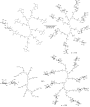
Scheme 8: Conjugation of lactose analogs with dendritic PEGs [54].

Figure 5: PEGylated chitosan derivative, adapted from [61].

Figure 6: Chitosan/PEG functionalized with a mannose at the distal end, adapted from [62].
Molecular recognition of surface-immobilized carbohydrates by a synthetic lectin
- Melanie Rauschenberg,
- Eva-Corrina Fritz,
- Christian Schulz,
- Tobias Kaufmann and
- Bart Jan Ravoo
Beilstein J. Org. Chem. 2014, 10, 1354–1364, doi:10.3762/bjoc.10.138
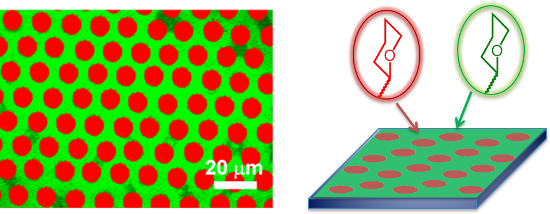
- -terminated SAMs [33], by Diels–Alder reaction of cyclopentadienes and furans on maleimide-terminated SAMs [34], by thiol–ene click reaction of functionalized thiols on alkene-terminated SAMs [35] as well as by strain promoted cycloadditions on azide- and nitriloxide-terminated SAMs [36] using μCP. Homogenous

Graphical Abstract

Figure 1: Molecular structures of carbohydrates (NANA, Glc, Gal, Man) immobilized on epoxide SAMs, NANA-bindi...

Figure 2: Schematic representation of the preparation of a simple carbohydrate microarray by μCP of amine-fun...

Figure 3: Optical microscopy images of water droplets selectively condensed in the areas where (A) the NANA i...

Figure 4: (A) AFM height image (zoom) of NANA ink in 10 μm stripes on an epoxide-terminated SAM; (B) Height p...

Figure 5: Fluorescence images of bifunctional carbohydrate microarrays incubated with FITC-HisHis. (A) NANA (...

Figure 6: Overlay of fluorescence images of bifunctional carbohydrate microarrays; (A) NANA (dots 10 × 5 μm) ...

Figure 7: Fluorescence images of a microarray consisting of NANA (dots 5 × 3 μm) and Man (background). (A) In...

Figure 8: Fluorescence images of a microarray of NANA (dots 5 × 3 μm) and Glc (background), first incubated w...
Copper–phenanthroline catalysts for regioselective synthesis of pyrrolo[3′,4′:3,4]pyrrolo[1,2-a]furoquinolines/phenanthrolines and of pyrrolo[1,2-a]phenanthrolines under mild conditions
- Rupankar Paira,
- Tarique Anwar,
- Maitreyee Banerjee,
- Yogesh P. Bharitkar,
- Shyamal Mondal,
- Sandip Kundu,
- Abhijit Hazra,
- Prakas R. Maulik and
- Nirup B. Mondal
Beilstein J. Org. Chem. 2014, 10, 692–700, doi:10.3762/bjoc.10.62

- maleimide derivatives. Our preference for this dienophile was dictated by a recent patent on the lifespan altering properties of cycloadducts involving maleimide dienophiles [20]. Moreover, very recently we have characterized some furo[3,2-h]quinoliniums as potent non-detergent spermicides [19], which
- /antifungal/spermicidal/lifespan altering agents, where furo[3,2-h]quinoliniums were employed as dipole precursors and maleimide derivatives as dipolarophiles. We initially employed the protocols from our recently developed green methodologies [21][22][23][24][25], which however failed to give any promising
- cycloaddition is presented in Scheme 3. The base (DBU) abstracts the acidic proton of furo[3,2-h]quinolinium 9a to generate the 1,3-dipole I. The Cu(II)–phenanthroline system activates the maleimide dipolarophile via coordination with the carbonyl group to undergo a [3 + 2] cycloaddition with the 1,3-dipole to

Graphical Abstract

Scheme 1: Preparation of maleimide dipolarophiles 4a–c.

Scheme 2: Preparation of 1,3-dipole precursors 9a–d.

Figure 1: Bi-/tridentate ligands used for the optimization of the reaction conditions.

Figure 2: ORTEP diagram showing the molecular structure of 10a at 30% probability level.

Scheme 3: Plausible mechanistic pathway for the synthesis of pyrrolo[3′,4′:3,4]pyrrolo[1,2-a]furoquinolines.

Scheme 4: Synthesis of pyrrolo[3′,4′:3,4]pyrrolo[1,2-a]furoquinoline analogues under the optimized protocol.

Scheme 5: Construction of pyrrolo[3′,4′:3,4]pyrrolo[1,2-a]phenanthrolines 14a–c and of pyrrolo[1,2-a]phenanth...

Figure 3: ORTEP diagram showing the molecular structure of 14e at 30% probability level.
Silver and gold-catalyzed multicomponent reactions
- Giorgio Abbiati and
- Elisabetta Rossi
Beilstein J. Org. Chem. 2014, 10, 481–513, doi:10.3762/bjoc.10.46
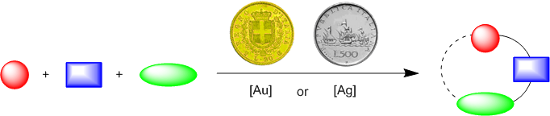
- and only two examples of MC approaches have been included in the manuscript. The reported examples involve (hetero)aryl aldehydes 77, methyl glycinate (78) and maleimide 79 or (E)-1,2-bis(phenylsulfonyl)ethylene (80) as electrophilic alkenes. The reported work is an extension of a previous paper

Graphical Abstract

Scheme 1: General reaction mechanism for Ag(I)-catalyzed A3-coupling reactions.

Scheme 2: A3-coupling reaction catalyzed by polystyrene-supported NHC–silver halides.

Figure 1: Various NHC–Ag(I) complexes used as catalysts for A3-coupling.

Scheme 3: Proposed reaction mechanism for NHC–AgCl catalyzed A3-coupling reactions.

Scheme 4: Liu’s synthesis of pyrrole-2-carboxaldehydes 4.

Scheme 5: Proposed reaction mechanism for Liu’s synthesis of pyrrole-2-carboxaldehydes 4.

Scheme 6: Gold-catalyzed synthesis of propargylamines 1.

Scheme 7: A3-coupling catalyzed by phosphinamidic Au(III) metallacycle 6.

Scheme 8: Gold-catalyzed KA2-coupling.

Scheme 9: A3-coupling applied to aldehyde-containing oligosaccharides 8.

Scheme 10: A3-MCR for the preparation of propargylamine-substituted indoles 9.

Scheme 11: A3-coupling interceded synthesis of furans 12.

Scheme 12: A3/KA2-coupling mediated synthesis of functionalized dihydropyrazoles 13 and polycyclic dihydropyra...

Scheme 13: Au(I)-catalyzed entry to cyclic carbamimidates 17 via an A3-coupling-type approach.

Scheme 14: Proposed reaction mechanism for the Au(I)-catalyzed synthesis of cyclic carbamimidates 17.

Figure 2: Chiral trans-1-diphenylphosphino-2-aminocyclohexane–Au(I) complex 20.

Scheme 15: A3-coupling-type synthesis of oxazoles 21 catalyzed by Au(III)–salen complex.

Scheme 16: Proposed reaction mechanism for the synthesis of oxazoles 21.

Scheme 17: Synthesis of propargyl ethyl ethers 24 by an A3-coupling-type reaction.

Scheme 18: General mechanism of Ag(I)-catalyzed MCRs of 2-alkynylbenzaldehydes, amines and nucleophiles.

Scheme 19: General synthetic pathway to 1,3-disubstituted-1,2-dihydroisoquinolines.

Scheme 20: Synthesis of 1,3-disubstituted-1,2-dihydroisoquinolines 29.

Scheme 21: Synthesis of 1,3-disubstituted-1,2-dihydroisoquinolines 35 and 36.

Scheme 22: Rh(II)/Ag(I) co-catalyzed synthesis of 1,3-disubstituted-1,2-dihydroisoquinolines 40.

Scheme 23: General synthetic pathway to 2-amino-1,2-dihydroquinolines.

Scheme 24: Synthesis of 2-amino-1,2-dihydroquinolines 47.

Scheme 25: Synthesis of tricyclic H-pyrazolo[5,1-a]isoquinoline 48.

Scheme 26: Synthesis of tricyclic H-pyrazolo[5,1-a]isoquinolines 48.

Scheme 27: Cu(II)/Ag(I) catalyzed synthesis of H-pyrazolo[5,1-a]isoquinolines 48.

Scheme 28: Synthesis of 2-aminopyrazolo[5,1-a]isoquinolines 53.

Scheme 29: Synthesis of 1-(isoquinolin-1-yl)guanidines 55.

Scheme 30: Ag(I)/Cu(I) catalyzed synthesis of 2-amino-H-pyrazolo[5,1-a]isoquinolines 58.

Scheme 31: Ag(I)/Ni(II) co-catalyzed synthesis of 3,4-dihydro-1H-pyridazino[6,1-a]isoquinoline-1,1-dicarboxyla...

Scheme 32: Ag(I) promoted activation of the α-carbon atom of the isocyanide group.

Scheme 33: Synthesis of dihydroimidazoles 65.

Scheme 34: Synthesis of oxazoles 68.

Scheme 35: Stereoselective synthesis of chiral butenolides 71.

Scheme 36: Proposed reaction mechanism for the synthesis of butenolides 71.

Scheme 37: Stereoselective three-component approach to pirrolidines 77 by means of a chiral auxiliary.

Scheme 38: Stereoselective three-component approach to pyrrolidines 81 and 82 by means of a chiral catalyst.

Scheme 39: Synthesis of substituted five-membered carbocyles 86.

Scheme 40: Synthesis of regioisomeric arylnaphthalene lactones.

Scheme 41: Enantioselective synthesis of spiroacetals 96 by Fañanás and Rodríguez [105].

Scheme 42: Enantioselective synthesis of spiroacetals 101 by Gong [106].

Scheme 43: Synthesis of polyfunctionalized fused bicyclic ketals 103 and bridged tricyclic ketals 104.

Scheme 44: Proposed reaction mechanism for the synthesis of ketals 103 and 104.

Scheme 45: Synthesis of β-alkoxyketones 108.

Scheme 46: Synthesis of N-methyl-1,4-dihydropyridines 112.

Scheme 47: Synthesis of tetrahydrocarbazoles 115–117.

Scheme 48: Plausible reaction mechanism for the synthesis of tetrahydrocarbazoles 115–117.

Scheme 49: Carboamination, carboalkoxylation and carbolactonization of terminal alkenes.

Scheme 50: Oxyarylation of alkenes with arylboronic acids and Selectfluor as reoxidant.

Scheme 51: Proposed reaction mechanism for oxyarylation of alkenes.

Scheme 52: Oxyarylation of alkenes with arylsilanes and Selectfluor as reoxidant.

Scheme 53: Oxyarylation of alkenes with arylsilanes and IBA as reoxidant.
Boron-substituted 1,3-dienes and heterodienes as key elements in multicomponent processes
- Ludovic Eberlin,
- Fabien Tripoteau,
- François Carreaux,
- Andrew Whiting and
- Bertrand Carboni
Beilstein J. Org. Chem. 2014, 10, 237–250, doi:10.3762/bjoc.10.19

- by using a chiral auxiliary (>95% de in the case of an L-proline-derived diene). Diversification on the different units, diene, dienophile and aldehyde, has been described. Concerning the maleimide material, substituent R3 did not exert any significant effect on the process. Other dienophiles have

Graphical Abstract

Scheme 1: 1-Boron-substituted 1,3-diene in a tandem cycloaddition [4 + 2]/allylboration sequence.

Scheme 2: Lewis acid catalyst in the tandem cycloaddition [4 + 2]/allylboration sequence.

Scheme 3: Synthesis of an advanced precursor of clerodin.

Scheme 4: Intramolecular Diels–Alder/allylboration sequence.

Scheme 5: Diastereoselective Diels–Alder reaction with N-phenylmaleimide and 4-phenyltriazoline-3,5-dione.

Scheme 6: Asymmetric synthesis of a α-hydroxyalkylcyclohexane.

Scheme 7: Tandem [4 + 2]-cycloaddition/allylboration of 3-silyloxy- and 4-alkoxy-dienyl boronates.

Scheme 8: Metal-mediated cycloisomerization/Diels–Alder reaction/allylboration sequence.

Scheme 9: Cobalt-catalyzed Diels–Alder/allylboration sequence.

Scheme 10: A two-step reaction sequence for the synthesis of tetrahydronaphthalenes 12.

Scheme 11: Tandem sequence based on the Petasis borono–Mannich reaction as first key step.

Scheme 12: One-pot tandem dimerization/allylboration reaction of 1,3-diene-2-boronate.

Scheme 13: Tandem Diels–Alder/cross-coupling reactions of trifluoroborates 15.

Scheme 14: Diels–Alder/cross-coupling reactions of 16.

Scheme 15: Metal catalyzed tandem Diels–Alder/hydrolysis reactions.

Scheme 16: Synthesis of anti-1,5-diols 18 by triple aldehyde addition.

Scheme 17: Catalytic enantioselective three-component hetero-[4 + 2]-cycloaddition/allylboration sequence.

Scheme 18: Synthesis of natural products using the catalytic enantioselective HDA/allylboration sequence.

Scheme 19: Total synthesis of a thiomarinol derivative.

Scheme 20: Synthesis of an advanced intermediate 27 for the east fragment of palmerolide A.

Scheme 21: Bicyclic piperidines from tandem aza-[4 + 2]-cycloaddition/allylboration.

Scheme 22: Hydrogenolysis reactions of hydrazinopiperidines.

Scheme 23: Tandem aza-[4 + 2]-cycloaddition/allylboration/retrosulfinyl-ene sequence.

Scheme 24: Boronated heterodendralene 32 in [4 + 2]-cycloadditions.

Scheme 25: Synthesis of tricyclic imides derivatives.

Scheme 26: Synthesis of 37 via a HDA/allylboration/DA sequence.

Scheme 27: Diels–Alder/allylboration sequence.
Less reactive dipoles of diazodicarbonyl compounds in reaction with cycloaliphatic thioketones – First evidence for the 1,3-oxathiole–thiocarbonyl ylide interconversion
- Valerij A. Nikolaev,
- Alexey V. Ivanov,
- Ludmila L. Rodina and
- Grzegorz Mlostoń
Beilstein J. Org. Chem. 2013, 9, 2751–2761, doi:10.3762/bjoc.9.309

- to trap the dipolar intermediate 11 with N-methylmaleimide [25]. However, from the reaction mixture of thioketone 1a, diazoacetylacetone 2a and maleimide (as an intercepting agent) solely 1,3-oxathiole 3a was isolated in 40% (68%) yield. In the 1H NMR spectrum of the crude reaction mixture no

Graphical Abstract

Figure 1: Thioketones 1 and diazodicarbonyl compounds 2.
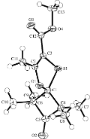
Figure 2: ORTEP plot [17] of the molecular structure of the 1,3-oxathiole 3a (50% probability ellipsoids; arbitra...

Scheme 1: Reaction of diazocarbonyl compounds 2a,c,e with adamantane-2-thione (1b).

Scheme 2: Three possible pathways A, B and C for the formation of 1,3-oxathioles 3,7 and thiiranes 5 and 8 fr...

Scheme 3: Two competitive transformations of dibenzoyldiazomethane (2b) at 80 °С leading to 3b and 4b.

Scheme 4: Interconversion of 1,3-oxathiole 3e and C=S ylide 6e’ accompanied by 1,3-electrocyclization and des...

Figure 3: Energy profile for the transformation of 1,3-oxathiole 3e to alkene 5e. Relative free energies (kca...
Synthetic scope and DFT analysis of the chiral binap–gold(I) complex-catalyzed 1,3-dipolar cycloaddition of azlactones with alkenes
- María Martín-Rodríguez,
- Luis M. Castelló,
- Carmen Nájera,
- José M. Sansano,
- Olatz Larrañaga,
- Abel de Cózar and
- Fernando P. Cossío
Beilstein J. Org. Chem. 2013, 9, 2422–2433, doi:10.3762/bjoc.9.280
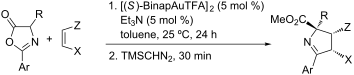
- -bromophenyl)maleimide a good enantioselection was observed when the reaction was run at −20 °C furnishing enantiomerically pure 7af in good chemical yields (Table 2, entries 9 and 10). The variation of the arene substituent of the azlactones promoted also excellent to good enantioselections in compounds 7ba

Graphical Abstract
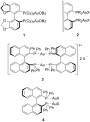
Figure 1: Chiral gold(I) complexes employed in 1,3-DC involving azomethine ylides.

Scheme 1: 1,3-DC of azlactone 5a and NPM.

Scheme 2: General 1,3-DC between azlactones 5 with maleimides.

Scheme 3: Formation of the amide 8aa.

Figure 2: Positive non-linear effects (NLE) observed in 1,3-DC of azlactone 7aa and NPM.

Figure 3: Main geometrical features and relative Gibbs free energies (in kcal mol−1 at 298 K) of complexes [(S...

Figure 4: Main geometrical features and relative Gibbs free energies (in kcal mol−1) of the less energetic tr...

Scheme 4: Reaction Gibbs free energy associated with the 1,3-DC of 5aa and NPM catalyzed by (Sa)-Binap gold d...

Scheme 5: ΔG calculation for the recovery of the catalytic active species.

Scheme 6: 1,3-DC of azlactone 10 and tert-butyl acrylate.

Figure 5: (A) Schematic representation of the model gold(I) ylides. (B) HOMO of the ylides and expansion orbi...

Figure 6: Main geometrical features and relative Gibbs free energies (in kcal mol−1 at 298 K) of complexes [{(...
Figure 7: Main geometrical features and relative Gibbs free energies (in kcal mol−1) of the less energetic tr...

Scheme 7: Reduction of heterocycle 7aa under different conditions.

Scheme 8: Double 1,3-DC to give polycycle 15.

Scheme 9: Reaction between 7aa and nitrostyrene.
Synthesis and characterization of novel bioactive 1,2,4-oxadiazole natural product analogs bearing the N-phenylmaleimide and N-phenylsuccinimide moieties
- Catalin V. Maftei,
- Elena Fodor,
- Peter G. Jones,
- M. Heiko Franz,
- Gerhard Kelter,
- Heiner Fiebig and
- Ion Neda
Beilstein J. Org. Chem. 2013, 9, 2202–2215, doi:10.3762/bjoc.9.259
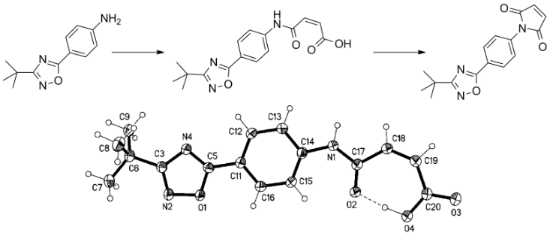
- starting from tert-butylamidoxime and 4-aminobenzoic acid or 4-nitrobenzonitrile. The structures of compounds 1, 2, 4, 5 and 6 were confirmed by X-ray crystallography. Keywords: antitumor activity; bioisosteres; maleimide; natural product analogs; 1,2,4-oxadiazoles; Introduction The five-membered
- antirhinovirals [11], benzodiazepine receptor partial agonists [12], anti-inflammatory [13], muscarinic agonists [14], serotoninergic (5-HT3) antagonists [15], and growth hormone secretagogues [16]. The maleimide motif is also a useful five-membered heterocycle in pharmacological chemistry. Kratz et al
- . synthesized maleimide derivatives of doxorubicin and camptothecin. After intravenous administration these designed anticancer drugs bind rapidly to circulating albumin [17][18][19]. Endogenous albumin could be seen as a drug carrier, as it accumulates in solid tumors according to the pathophysiology of tumor

Graphical Abstract
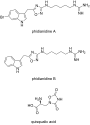
Figure 1: Natural products having a 1,2,4-oxadiazole core.

Figure 2: Examples of 1,2,4-oxadiazole antitumorals.

Scheme 1: Common synthetic strategies toward 1,2,4-oxadiazoles; (a) amidoxime route; (b) 1,3 dipolar cycloadd...

Scheme 2: One-pot synthesis of 4-(3-tert-butyl-1,2,4-oxadiazol-5-yl)aniline (1) by using the amidoxime route....

Figure 3: Molecular structure of 4-(3-tert-butyl-1,2,4-oxadiazol-5-yl)aniline (1). Atoms are drawn as 50% the...

Figure 4: Packing diagram of compound 1. Hydrogen bonds are indicated as dashed lines.

Scheme 3: One-pot synthesis of 4-(3-tert-butyl-1,2,4-oxadiazol-5-yl)aniline (1) by using the 1,3-dipolar cycl...

Figure 5: Molecular structure of 3-tert-butyl-5-(4-nitrophenyl)-1,2,4-oxadiazole (2). Atoms are drawn as 50% ...

Figure 6: Packing diagram of compound (2) showing C–H···O interactions.

Scheme 4: Synthesis of 1-(4-(3-tert-butyl-1,2,4-oxadiazol-5-yl)phenyl)pyrrolidine-2,5-dione (4).

Figure 7: Molecular structure of 1-(4-(3-tert-butyl-1,2,4-oxadiazol-5-yl)phenyl)pyrrolidine-2,5-dione (4). At...

Figure 8: Molecular structure of 4-(4-(3-tert-butyl-1,2,4-oxadiazol-5-yl)phenylamino)-4 oxobutanoate (5). Ato...

Figure 9: Packing diagram of compound (5). Dashed lines indicate hydrogen bonds.

Scheme 5: Synthesis of 1-(4-(3-tert-butyl-1,2,4-oxadiazol-5-yl)phenyl)-1H-pyrrole-2,5-dione (7).

Figure 10: Molecular structure of (Z)-4-(4-(3-tert-butyl-1,2,4-oxadiazol-5-yl)phenylamino)-4-oxobut-2-enoic ac...

Figure 11: Packing diagram of compound 6. Dashed lines indicate hydrogen bonds.

Figure 12: In vitro antitumor activity of compounds 1, 3–7 toward 11 human tumor cell lines.

Figure 13: Individual IC50 values [µM] of compounds 1, 3–7 in a panel of 11 human tumor cell lines.
Flow photochemistry: Old light through new windows
- Jonathan P. Knowles,
- Luke D. Elliott and
- Kevin I. Booker-Milburn
Beilstein J. Org. Chem. 2012, 8, 2025–2052, doi:10.3762/bjoc.8.229
- quantities of materials without the need for particularly specialist equipment. By using an inexpensive peristaltic pump, the [2 + 2] cycloaddition of maleimide (76) and n-hexyne was run continuously for 24 hours under optimised conditions for a custom-built Pyrex reactor (Scheme 25). This reaction produced
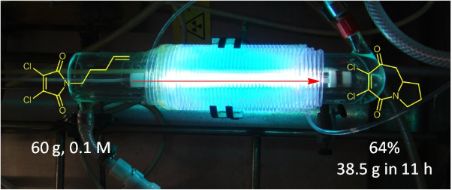
- productivity of the Vycor reactor illustrates the importance of glassware choice for UV transmission. The N-pentenyl substituted dimethyl maleimide 78 underwent a [5 + 2] photocycloaddition to the corresponding azepine 79 with a productivity of 39 mmol/h. The same reactor was also used to optimise the [5 + 2
- achieved by immersing the FEP-wrapped well in a methanol-containing cooling bath. At a given temperature the d.e. of the products 90/91 under flow conditions was superior to that when carried out as a batch process. Flow conditions were employed by Seeberger et al. in the [2 + 2] cycloaddition of maleimide

Graphical Abstract

Figure 1: An immersion-well batch reactor with 125 W medium pressure Hg lamp.

Figure 2: Transmission profile of a 0.05 M solution, ε = 200 M−1 cm−1.

Figure 3: Schematic of a typical microflow photochemical reactor (above) and detail of a triple-channel micro...

Figure 4: Schematic of a typical macroflow photochemical reactor (above) and images of the FEP photochemical ...

Scheme 1: [2 + 2] photocycloadditions of enones with enol derivatives.

Scheme 2: Competing reactions in an intramolecular [2 + 2] photocycloaddition.

Scheme 3: Diastereocontrolled cycloaddition of a cyclic enone with cyclopentene.

Scheme 4: Comparison of yields and reaction times for a batch reactor with a microflow system.

Scheme 5: Intramolecular [2 + 2] photocycloaddition.

Scheme 6: Paterno–Büchi reaction of benzophenone with an allylic alcohol.

Scheme 7: Photooxygenation of cyclopentadiene.

Scheme 8: Preparation of the anthelmintic ascaridole 23.

Scheme 9: Production of rose oxide 27 from (−)-β-citronellol (24).

Scheme 10: Photocatalytic alkylation of benzylamine.

Scheme 11: Photocatalytic reduction of 4-nitroacetophenone.

Scheme 12: Conversion of L-lysine to L-pipecolinic acid.

Scheme 13: Photocatalytic hydrodehalogenation.

Scheme 14: Photocatalytic aza-Henry reactions.

Scheme 15: Photocatalytic α-alkylation of aliphatic ketones.

Scheme 16: Decarboxylative photochemical additions.

Scheme 17: Photochemical addition of isopropanol to furanones.

Scheme 18: Photochemical addition of methanol to limonene.

Scheme 19: Light-promoted reduction of flavone.

Scheme 20: Photoreduction of benzophenone with benzhydrol.

Scheme 21: Barton reaction in a microflow system.

Scheme 22: Microflow synthesis of vitamin D3.

Scheme 23: photochemical chlorination of cyclohexane.

Scheme 24: photochemical cyanation of pyrene.

Scheme 25: Intermolecular [2 + 2] cycloaddition of maleimide (76) and intramolecular [2 + 2] cycloaddition of ...

Scheme 26: Intramolecular [5 + 2] cycloaddition of maleimide under flow conditions.

Scheme 27: Intramolecular [5 + 2] cycloaddition as a key step in the synthesis of (±)-neostenine.

Scheme 28: In situ generation of a thioaldehyde by photolysis of a phenacyl sulfide.

Scheme 29: Photodimerisation of maleic anhydride.

Scheme 30: [2 + 2] cycloaddition of a chiral enone with ethylene.

Scheme 31: Intramolecular [2 + 2] cycloaddition of a cyclopentenone.

Scheme 32: Photochemical Wolff rearrangement and cyclisation to β-lactams.

Scheme 33: Photochemical rearrangement of aryl azides.

Scheme 34: Rearrangement of quinoline N-oxides to quinolones.

Scheme 35: Photochemical rearrangement of cyclobutenones.

Scheme 36: Photoisomerisation en route to a vitamin-D derivative.

Scheme 37: Schematic of the Seeberger photooxygenation apparatus and sensitised photooxygenation of citronello...

Scheme 38: Sensitised photooxygenation of dihydroartemisinic acid.

Scheme 39: Photochemical preparation of CpRu(MeCN)3PF6.

Scheme 40: In situ photochemical generation and reaction of a [CpRu]+ catalyst.

Scheme 41: Intermolecular alkene–alkyne coupling with photogenerated catalyst.

Scheme 42: PET deoxygenation of nucleosides.

Scheme 43: Photochemical defluorination of DABFT.

Scheme 44: Aromatic azide reduction by visible-light-mediated photocatalysis.

Scheme 45: Examples of visible-light-mediated reactions.

Scheme 46: Visible-light-mediated formation of iminium ions.

Scheme 47: Examples of visible-light-mediated photocatalytic reactions.

Scheme 48: Anhydride formation from a visible-light-mediated process.

Scheme 49: Light-mediated conjugate addition of glycosyl bromide 141 to acrolein.

Scheme 50: Visible-light-mediated photocyclisation to [5]helicene.
Engineering of indole-based tethered biheterocyclic alkaloid meridianin into β-carboline-derived tetracyclic polyheterocycles via amino functionalization/6-endo cationic π-cyclization
- Piyush K. Agarwal,
- Meena D. Dathi,
- Mohammad Saifuddin and
- Bijoy Kundu
Beilstein J. Org. Chem. 2012, 8, 1901–1908, doi:10.3762/bjoc.8.220

- nortopsentins [21][22][23]), dihydroimidazole (discodermindole [24]), oxadiazine (alboinon [25]), piperazine (dragmacidon [26]), maleimide (didemidines [25]), and pyrimidine (meridianins) [27][28][29]. Among these, meridianins (Figure 1), the tethered biheterocycles isolated from the south Atlantic tunicate

Graphical Abstract

Figure 1: Structure of meridianins A–G.

Scheme 1: Synthesis of functionalized meridianin with an amino group at position 5.

Scheme 2: Synthesis of a functionalized meridianin with an amino group at position 5.

Scheme 3: Synthesis of substrate for the modified Pictet–Spengler reaction.

Scheme 4: The Pictet–Spengler reaction involving substrate 2a. Reagents and conditions: (i) RCHO, 2% triflic ...

Scheme 5: Synthesis of dihydropyrimido-β-carbolines: (i) R-CHO, 2% triflic acid in DMF, 120 °C, 16 h.

Scheme 6: Synthesis of substrates 18a–c for the modified Pictet–Spengler reaction.

Scheme 7: General strategy for the Pictet–Spengler reaction involving substrates 18. Reagents and conditions:...
Automated three-component synthesis of a library of γ-lactams
- Erik Fenster,
- David Hill,
- Oliver Reiser and
- Jeffrey Aubé
Beilstein J. Org. Chem. 2012, 8, 1804–1813, doi:10.3762/bjoc.8.206
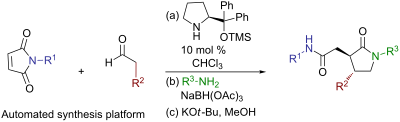
- ; maleimide; organocatalysis; parallel synthesis; reductive amination; Introduction In recent years, the rapid access to structurally diverse and complex small molecules has grown in importance within the context of high-throughput screening of biologically relevant targets. The need for such compounds, both
- the maleimide component in Scheme 2. Consequently, higher diastereoselectivity was required for the synthesis of enantioenriched γ-lactams. Indeed, 3{1,1} could be produced with moderate diastereoselectivity when the reaction was performed at 0 °C over a prolonged length of time (Table 1, entry 11
- TOF spectrometer for electrospray ionization (ESI). General procedure for the asymmetric organocatalyzed Michael addition of aldehyde 2{1} to maleimide 1{1} to produce 3{1,1} (Table 1) Propionaldehyde (2{1}) (31.2 μL, 0.433 mmol, 1.5 equiv) was added to a solution of N-phenylmaleimide (1{1}) (50.0 mg

Graphical Abstract

Scheme 1: Three-step sequence for the preparation of γ-lactams from maleimides, aldehydes and amines. Potenti...

Scheme 2: The transfer of the diastereoselective ratio of 3 to the enantioselectivity of the overall process ...

Scheme 3: Combination of the Michael addition step with the reductive amination/lactamization step and of the...

Scheme 4: Combination of the Michael addition, the reductive amination/lactamization, and the epimerization s...

Scheme 5: Chemspeed 4 × 8 × 8 library of γ-lactams 6.



