


Search results
Search for "oxone" in Full Text gives 75 result(s) in Beilstein Journal of Organic Chemistry.
Oxidative dehydrogenation of C–C and C–N bonds: A convenient approach to access diverse (dihydro)heteroaromatic compounds
- Santanu Hati,
- Ulrike Holzgrabe and
- Subhabrata Sen
Beilstein J. Org. Chem. 2017, 13, 1670–1692, doi:10.3762/bjoc.13.162
- ≈0.6 equivalents of oxone as an appropriate oxidant in wet dimethylformamide, at room temperature for the reaction of o-phenylenediamine 31 with appropriate aldehydes to afford 2-substituted benzimidazoles 32 in excellent yield [42]. The reaction conditions are amenable to a wide range of substrates
- excellent yield. The only limitation observed in this procedure is the use of aldehydes that contain functionalities which are susceptible to oxidation in the presence of oxone, failed to generate the desired products (Scheme 8a). An interesting application of oxone in the synthesis of 2-substituted
- benzimidazoles 33a, involved a one-pot condensation–ring distortion–oxidative dehydrogenation of o-aminobenzylamines 33 and appropriate aldehydes [43]. The reaction conditions included 0.6 equiv of oxone at room temperature with DMF as the solvent. Various aliphatic, aromatic and heteroaromatic aldehydes are

Graphical Abstract

Figure 1: Representative bioactive heterocycles.

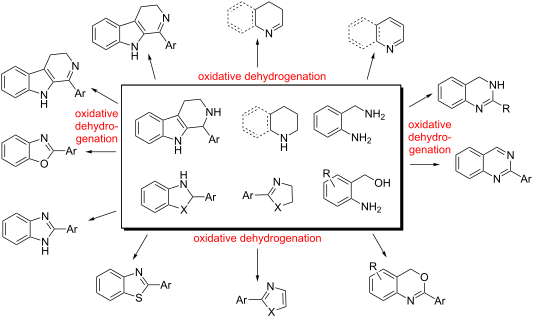
Scheme 1: The concept of oxidative dehydrogenation.
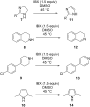
Scheme 2: IBX-mediated oxidative dehydrogenation of various heterocycles [31-34].

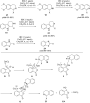
Scheme 3: Potential mechanism of IBX-mediated oxidative dehydrogenation of N-heterocycles [31-34].

Scheme 4: IBX-mediated room temperature one-pot condensation–oxidative dehydrogenation of o-aminobenzylamines....
Scheme 5: Anhydrous cerium chloride-catalyzed, IBX-mediated oxidative dehydrogenation of various heterocycles...

Scheme 6: Oxidative dehydrogenation of quinazolinones with I2 and DDQ [37-40].

Scheme 7: DDQ-mediated oxidative dehydrogenation of thiazolidines and oxazolidines.

Scheme 8: Oxone-mediated oxidative dehydrogenation of intermediates from o-phenylenediamine and o-aminobenzyl...

Scheme 9: Transition metal-free oxidative cross-dehydrogenative coupling.

Scheme 10: NaOCl-mediated oxidative dehydrogenation.

Scheme 11: NBS-mediated oxidative dehydrogenation of tetrahydro-β-carbolines.

Scheme 12: One-pot synthesis of various methyl(hetero)arenes from o-aminobenzamide in presence of di-tert-buty...

Scheme 13: Oxidative dehydrogenation of 1, 4-DHPs.

Scheme 14: Synthesis of quinazolines in the presence of MnO2.

Scheme 15: Selenium dioxide and potassium dichromate-mediated oxidative dehydrogenation of tetrahydro-β-carbol...

Scheme 16: Synthesis of substituted benzazoles in the presence of barium permanganate.
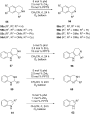
Scheme 17: Oxidative dehydrogenation with phenanthroline-based catalysts. PPTS = pyridinium p-toluenesulfonic ...

Scheme 18: Oxidative dehydrogenation with Flavin mimics.

Scheme 19: o-Quinone based bioinspired catalysts for the synthesis of dihydroisoquinolines.

Scheme 20: Cobalt-catalyzed aerobic dehydrogenation of Hantzch 1,4-DHPs and pyrazolines.

Scheme 21: Mechanism of cobalt-catalyzed aerobic dehydrogenation of Hantzch 1,4-DHPs.

Scheme 22: DABCO and TEMPO-catalyzed aerobic oxidative dehydrogenation of quinazolines and 4H-3,1-benzoxazines....

Scheme 23: Putative mechanism for Cu(I)–DABCO–TEMPO catalyzed aerobic oxidative dehydrogenation of tetrahydroq...

Scheme 24: Potassium triphosphate modified Pd/C catalysts for the oxidative dehydrogenation of tetrahydroisoqu...

Scheme 25: Ruthenium-catalyzed polycyclic heteroarenes.

Scheme 26: Plausible mechanism of the ruthenium-catalyzed dehydrogenation.

Scheme 27: Bi-metallic platinum/iridium alloyed nanoclusters and 5,5’,6,6’-tetrahydroxy-3,3,3’,3’-tetramethyl-...

Scheme 28: Magnesium iodide-catalyzed synthesis of quinazolines.

Scheme 29: Ferrous chloride-catalyzed aerobic dehydrogenation of 1,2,3,4-tetrahydroquinolines.

Scheme 30: Cu(I)-catalyzed oxidative aromatization of indoles.

Scheme 31: Putative mechanism of the transformation.

Scheme 32: Oxidative dehydrogenation of pyrimidinones and pyrimidines.
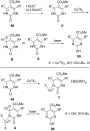
Scheme 33: Putative mechanisms (radical and metal-catalyzed) of the transformation.

Scheme 34: Ferric chloride-catalyzed, TBHP-oxidized synthesis of substituted quinazolinones and arylquinazolin...

Scheme 35: Iridium-catalyzed oxidative dehydrogenation of quinolines.

Scheme 36: Microwave-assisted synthesis of β-carboline with a catalytic amount of Pd/C in lithium carbonate at...

Scheme 37: 4-Methoxy-TEMPO-catalyzed aerobic oxidative synthesis of 2-substituted benzazoles.

Scheme 38: Plausible mechanism of the 4-methoxy-TEMPO-catalyzed transformation.

Scheme 39: One-pot synthesis of 2-arylquinazolines, catalyzed by 4-hydroxy-TEMPO.

Scheme 40: Oxidative dehydrogenation – a key step in the synthesis of AZD8926.

Scheme 41: Catalytic oxidative dehydrogenation of tetrahydroquinolines to afford bioactive molecules.

Scheme 42: Iodobenzene diacetate-mediated synthesis of β-carboline natural products.
Urea–hydrogen peroxide prompted the selective and controlled oxidation of thioglycosides into sulfoxides and sulfones
- Adesh Kumar Singh,
- Varsha Tiwari,
- Kunj Bihari Mishra,
- Surabhi Gupta and
- Jeyakumar Kandasamy
Beilstein J. Org. Chem. 2017, 13, 1139–1144, doi:10.3762/bjoc.13.113
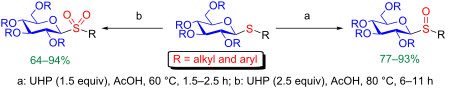
- within 1.5 h. However, corresponding sulfone was obtained in a moderated yield due to instability which undergoes partial amount of decomposition. In general, olefins functional groups are known to undergo epoxidation or dihydroxylation with different oxidizing agents (e.g. m-CPBA, t-BuOOH, oxone, etc

Transition-metal-catalyzed synthesis of phenols and aryl thiols
- Yajun Liu,
- Shasha Liu and
- Yan Xiao
Beilstein J. Org. Chem. 2017, 13, 589–611, doi:10.3762/bjoc.13.58

- (OAc)2-catalyzed ortho-hydroxylation of the synthesized diarylpyridines [59]. Their protocol employed oxone as oxidant, allowing the conversion to complete within 2 hours in PEG-3400/t-BuOH at 80–90 °C (Scheme 30). By employing their protocol, ortho-hydroxyarenes were predominately formed. This method
- developed by the Kamal and Nagesh group [65]. In their reaction system, oxone was used as oxidant, Cs2CO3 as base and DMF as solvent (Scheme 36). The reaction occurred at 120 °C and afforded the corresponding phenols in moderate yields. The catalytic system could also be used for alkoxylation of 2
- according to the proposed reaction mechanism. In 2015, Jiao and co-workers employed an oxime methyl ester as directing group and achieved the hydroxylation of arenes [67]. The reaction used Pd(OAc)2 as catalyst, PPh3 or DEAD as ligand and oxone as oxidant, affording the corresponding phenols in gratifying

Graphical Abstract

Figure 1: Examples of drugs bearing phenol or aryl thiol as central structural motifs.

Scheme 1: Hydroxylation of aryl halides using biphenylphosphine as ligand.

Scheme 2: Hydroxylation of aryl halides using tert-butylphosphine as ligand.

Scheme 3: Hydroxylation of aryl halides using imidazole typed phosphine ligands.

Scheme 4: [Pd(cod)(CH2SiMe3)2] catalyzed hydroxylation of aryl halides.

Scheme 5: Pd/PANI catalyzed hydroxylation of hydroxylation of aryl halides.

Scheme 6: MCM-41-dzt-Pd catalyzed hydroxylation of aryl halides.

Scheme 7: Hydroxylation of aryl halides using dibenzoylmethane as ligand.

Scheme 8: Hydroxylation of aryl halides using 2,2’-bipyridine as ligand.

Scheme 9: Hydroxylation of aryl bromides using imidazolyl pyridine as ligand.

Scheme 10: Hydroxylation of aryl halides using DMEDA as ligand.

Scheme 11: Hydroxylation of aryl halides using PAO as ligand.

Scheme 12: Hydroxylation of aryl halides using D-glucose as ligand.

Scheme 13: Hydroxylation of aryl halides using INDION-770 as ligand.

Scheme 14: PEG-400 mediated hydroxylation of aryl halides.

Scheme 15: Hydroxylation of aryl halides using glycolic acid as ligand.

Scheme 16: Hydroxylation of aryl halides using L-sodium ascorbate as ligand.

Scheme 17: Difunctionalized ethanes mediated hydroxylation of aryl iodides.

Scheme 18: Hydroxylation of aryl halides using 2-methyl-8-hydroxylquinoline as ligand.

Scheme 19: Hydroxylation of aryl halides using 8-hydroxyquinolin-N-oxide as ligand.

Scheme 20: Hydroxylation of aryl halides using lithium pipecolinate as ligand.

Scheme 21: Hydroxylation of aryl halides using L-lithium prolinate.

Scheme 22: Hydroxylation of aryl halides using triethanolamine as ligand.

Scheme 23: CuI-nanoparticle-catalyzed hydroxylation of aryl halides.

Scheme 24: Cu-g-C3N4-catalyzed hydroxylation of aryl bromides.

Scheme 25: Cu(OAc)2-mediated hydroxylation of (2-pyridyl)arenes.

Scheme 26: Removable pyridine moiety directed hydroxylation of arenes.

Scheme 27: Removable quinoline moiety directed hydroxylation of arenes.

Scheme 28: CuCl2 catalyzed hydroxylation of benzimidazoles and benzoxazoles.

Scheme 29: Disulfide-directed C–H hydroxylation.

Scheme 30: Pd(OAc)2-catalyzed hydroxylation of diarylpyridines.

Scheme 31: PdCl2-catalyzed hydroxylation of 2-arylpyridines.

Scheme 32: PdCl2-catalyzed hydroxylation of 2-arylpyridines.

Scheme 33: Pd(OAc)2-catalyzed hydroxylation of 2-arylpyridines.

Scheme 34: Pd(CH3CN)2Cl2-catalyzed hydroxylation of 2-arylpyridines.

Scheme 35: Pd(OAc)2-catalyzed hydroxylation of benzothiazolylarenes.

Scheme 36: Pd(OAc)2 catalyzed hydroxylation of benzimidazolylarenes.

Scheme 37: Dioxane mediated hydroxylation of 2-heteroarylarenes.

Scheme 38: Hydroxylation of oxime methyl ester.

Scheme 39: CN-directed meta-hydroxylation.

Scheme 40: Pd(OAc)2-catalyzed hydroxylation of benzoic acids.

Scheme 41: Pd(OAc)2-catalyzed hydroxylation of biaryl or aryl alkyl ketones.

Scheme 42: Pd(OAc)2 and Pd(TFA)2 catalyzed hydroxylation of aryl ketones.

Scheme 43: Pd(OAc)2 catalyzed hydroxylation of aryl ketones.

Scheme 44: Pd(TFA)2-catalyzed hydroxylation of aryl phosphonates.

Scheme 45: Hydroxy group directed hydroxylation.

Scheme 46: [Ru(O2CMes)2(p-cymene)] catalyzed hydroxylation of benzamides and aryl ketones.

Scheme 47: [RuCl2(p-cymene)]2-catalyzed hydroxylation of benzamides and carbamates.

Scheme 48: [RuCl2(p-cymene)]2 catalyzed hydroxylation of benzaldehydes.

Scheme 49: [RuCl2(p-cymene)]2 catalyzed hydroxylation of ethyl benzoates, benzamides and carbamates.

Scheme 50: Different regioselective ortho-hydroxylation.

Scheme 51: Ruthenium-complex-catalyzed hydroxylation of flavones.

Scheme 52: Vanadium-catalyzed hydroxylation of arenes.

Scheme 53: VOSiW-catalyzed hydroxylation of arenes.

Scheme 54: Synthesis of aryl thiols using thiourea as thiol source.

Scheme 55: Synthesis of aryl thiols using alkyl thiol as thiol source.

Scheme 56: Synthesis of 1-thionaphthol using HS-TIPS as thiol source.

Scheme 57: Synthesis of aryl thiols using sodium thiosulfate as thiol source.

Scheme 58: Synthesis of thiophenol using thiobenzoic acid as thiol source.

Scheme 59: Synthesis of aryl thiols using sulfur powder as thiol source.

Scheme 60: CuI-nanoparticles catalyzed synthesis of aryl thiols.

Scheme 61: Synthesis of aryl thiols using Na2S·5H2O as thiol source.

Scheme 62: Synthesis of aryl thiols using 1,2-ethanedithiol as thiol source.
Rearrangements of organic peroxides and related processes
- Ivan A. Yaremenko,
- Vera A. Vil’,
- Dmitry V. Demchuk and
- Alexander O. Terent’ev
Beilstein J. Org. Chem. 2016, 12, 1647–1748, doi:10.3762/bjoc.12.162
- for 24 h (Scheme 12) [230]. Oxone is a convenient reagent for the transformation of α,β-unsaturated ketones 43 of determined stereochemistry into vinyl acetates 44 via the Baeyer–Villiger reaction in dry DMF for 7–39 h (Scheme 13) [231]. Oxidation with H2O2–heteroorganic catalyst systems: The activity

Graphical Abstract
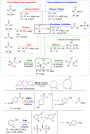
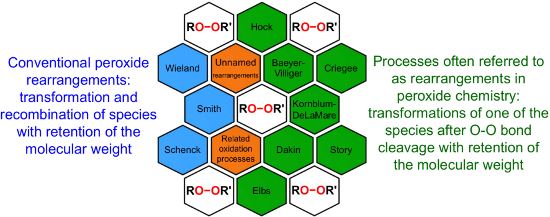
Figure 1: The named transformations considered in this review.

Scheme 1: The Baeyer–Villiger oxidation.

Scheme 2: The general mechanism of the peracid-promoted Baeyer–Villiger oxidation.

Scheme 3: General mechanism of the Lewis acid-catalyzed Baeyer–Villiger rearrangement.

Scheme 4: The theoretically studied mechanism of the BV oxidation reaction promoted by H2O2 and the Lewis aci...

Scheme 5: Proton movements in the transition states of the Baeyer–Villiger oxidation.

Scheme 6: The dependence of the course of the Baeyer–Villiger oxidation on the type of O–O-bond cleavage in t...
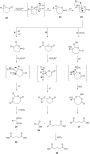
Scheme 7: The acid-catalyzed Baeyer–Villiger oxidation of cyclic epoxy ketones 22.

Scheme 8: Oxidation of isophorone oxide 29.

Scheme 9: Synthesis of acyl phosphate 32 from acyl phosphonate 31.

Scheme 10: Synthesis of aflatoxin B2 (36).

Scheme 11: The Baeyer–Villiger rearrangement of ketones 37 to lactones 38.

Scheme 12: Synthesis of 3,4-dimethoxybenzoic acid (40) via Baeyer–Villiger oxidation.

Scheme 13: Oxone transforms α,β-unsaturated ketones 43 into vinyl acetates 44.

Scheme 14: The Baeyer–Villiger oxidation of ketones 45 using diaryl diselenide and hydrogen peroxide.

Scheme 15: Baeyer–Villiger oxidation of (E)-2-methylenecyclobutanones.

Scheme 16: Oxidation of β-ionone (56) by H2O2/(BnSe)2 with formation of (E)-2-(2,6,6-trimethylcyclohex-1-en-1-...

Scheme 17: The mechanism of oxidation of ketones 58a–f by hydrogen peroxide in the presence of arsonated polys...

Scheme 18: Oxidation of ketone (58b) by H2O2 to 6-methylcaprolactone (59b) catalyzed by Pt complex 66·BF4.

Scheme 19: Oxidation of ketones 67 with H2O2 in the presence of [(dppb}Pt(µ-OH)]22+.

Scheme 20: The mechanism of oxidation of ketones 67 in the presence of [(dppb}Pt(µ-OH)]22+ and H2O2.

Scheme 21: Oxidation of benzaldehydes 69 in the presence of the H2O2/MeReO3 system.

Scheme 22: Oxidation of acetophenones 72 in the presence of the H2O2/MeReO3 system.

Scheme 23: Baeyer–Villiger oxidation of 2-adamantanone (45c) in the presence of Sn-containing mesoporous silic...

Scheme 24: Aerobic Baeyer–Villiger oxidation of ketones 76 using metal-free carbon.

Scheme 25: A regioselective Baeyer-Villiger oxidation of functionalized cyclohexenones 78 into a dihydrooxepin...

Scheme 26: The oxidation of aldehydes and ketones 80 by H2O2 catalyzed by Co4HP2Mo15V3O62.

Scheme 27: The cleavage of ketones 82 with hydrogen peroxide in alkaline solution.

Scheme 28: Oxidation of ketones 85 to esters 86 with H2O2–urea in the presence of KHCO3.

Scheme 29: Mechanism of the asymmetric oxidation of cyclopentane-1,2-dione 87a with the Ti(OiPr)4/(+)DET/t-BuO...

Scheme 30: The oxidation of cis-4-tert-butyl-2-fluorocyclohexanone (93) with m-chloroperbenzoic acid.

Scheme 31: The mechanism of the asymmetric oxidation of 3-substituted cyclobutanone 96a in the presence of chi...

Scheme 32: Enantioselective Baeyer–Villiger oxidation of cyclic ketones 98.

Scheme 33: Regio- and enantioselective Baeyer–Villiger oxidation of cyclic ketones 101.

Scheme 34: The proposed mechanism of the Baeyer–Villiger oxidation of acetal 105f.

Scheme 35: Synthesis of hydroxy-10H-acridin-9-one 117 from tetramethoxyanthracene 114.

Scheme 36: The Baeyer–Villiger oxidation of the fully substituted pyrrole 120.

Scheme 37: The Criegee rearrangement.

Scheme 38: The mechanism of the Criegee reaction of a peracid with a tertiary alcohol 122.

Scheme 39: Criegee rearrangement of decaline ethylperoxoate 127 into ketal 128.

Scheme 40: The ionic cleavage of 2-methoxy-2-propyl perester 129.

Scheme 41: The Criegee rearrangement of α-methoxy hydroperoxide 136.
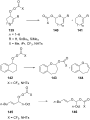
Scheme 42: Synthesis of enol esters and acetals via the Criegee rearrangement.

Scheme 43: Proposed mechanism of the transformation of 1-hydroperoxy-2-oxabicycloalkanones 147a–d.

Scheme 44: Transformation of 3-hydroxy-1,2-dioxolanes 151 into diketone derivatives 152.

Scheme 45: Criegee rearrangement of peroxide 153 with the mono-, di-, and tri-O-insertion.

Scheme 46: The sequential Criegee rearrangements of adamantanes 157a,b.

Scheme 47: Synthesis of diaryl carbonates 160a–d from triarylmethanols 159a–d through successive oxygen insert...

Scheme 48: The synthesis of sesquiterpenes 162 from ketone 161 with a Criegee rearrangement as one key step.

Scheme 49: Synthesis of trans-hydrindan derivatives 164, 165.

Scheme 50: The Hock rearrangement.

Scheme 51: The general scheme of the cumene process.

Scheme 52: The Hock rearrangement of aliphatic hydroperoxides.
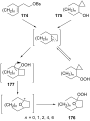
Scheme 53: The mechanism of solvolysis of brosylates 174a–c and spiro cyclopropyl carbinols 175a–c in THF/H2O2....

Scheme 54: The fragmentation mechanism of hydroperoxy acetals 178 to esters 179.

Scheme 55: The acid-catalyzed rearrangement of phenylcyclopentyl hydroperoxide 181.

Scheme 56: The peroxidation of tertiary alcohols in the presence of a catalytic amount of acid.

Scheme 57: The acid-catalyzed reaction of bicyclic secondary alcohols 192 with hydrogen peroxide.

Scheme 58: The photooxidation of 5,6-disubstituted 3,4-dihydro-2H-pyrans 196.

Scheme 59: The oxidation of tertiary alcohols 200a–g, 203a,b, and 206.

Scheme 60: Transformation of functional peroxide 209 leading to 2,3-disubstitued furans 210 in one step.

Scheme 61: The synthesis of carbazoles 213 via peroxide rearrangement.

Scheme 62: The construction of C–N bonds using the Hock rearrangement.

Scheme 63: The synthesis of moiety 218 from 217 which is a structural motif in the antitumor–antibiotic of CC-...

Scheme 64: The in vivo oxidation steps of cholesterol (219) by singlet oxygen.

Scheme 65: The proposed mechanism of the rearrangement of cholesterol-5α-OOH 220.

Scheme 66: Photochemical route to artemisinin via Hock rearrangement of 223.

Scheme 67: The Kornblum–DeLaMare rearrangement.

Scheme 68: Kornblum–DeLaMare transformation of 1-phenylethyl tert-butyl peroxide (225).

Scheme 69: The synthesis 4-hydroxyenones 230 from peroxide 229.

Scheme 70: The Kornblum–DeLaMare rearrangement of peroxide 232.

Scheme 71: The reduction of peroxide 234.

Scheme 72: The Kornblum–DeLaMare rearrangement of endoperoxide 236.

Scheme 73: The rearrangement of peroxide 238 under Kornblum–DeLaMare conditions.

Scheme 74: The proposed mechanism of rearrangement of peroxide 238.

Scheme 75: The Kornblum–DeLaMare rearrangement of peroxides 242a,b.

Scheme 76: The base-catalyzed rearrangements of bicyclic endoperoxides having electron-withdrawing substituent...

Scheme 77: The base-catalyzed rearrangements of bicyclic endoperoxides 249a,b having electron-donating substit...

Scheme 78: The base-catalyzed rearrangements of bridge-head substituted bicyclic endoperoxides 251a,b.

Scheme 79: The Kornblum–DeLaMare rearrangement of hydroperoxide 253.

Scheme 80: Synthesis of β-hydroxy hydroperoxide 254 from endoperoxide 253.

Scheme 81: The amine-catalyzed rearrangement of bicyclic endoperoxide 263.

Scheme 82: The base-catalyzed rearrangement of meso-endoperoxide 268 into 269.

Scheme 83: The photooxidation of 271 and subsequent Kornblum–DeLaMare reaction.

Scheme 84: The Kornblum–DeLaMare rearrangement as one step in the oxidation reaction of enamines.

Scheme 85: The Kornblum–DeLaMare rearrangement of 3,5-dihydro-1,2-dioxenes 284, 1,2-dioxanes 286, and tert-but...

Scheme 86: The Kornblum–DeLaMare rearrangement of epoxy dioxanes 290a–d.

Scheme 87: Rearrangement of prostaglandin H2 292.

Scheme 88: The synthesis of epicoccin G (297).

Scheme 89: The Kornblum–DeLaMare rearrangement used in the synthesis of phomactin A.

Scheme 90: The Kornblum–DeLaMare rearrangement in the synthesis of 3H-quinazolin-4-one 303.

Scheme 91: The Kornblum–DeLaMare rearrangement in the synthesis of dolabriferol (308).

Scheme 92: Sequential transformation of 3-substituted 2-pyridones 309 into 3-hydroxypyridine-2,6-diones 311 in...

Scheme 93: The Kornblum–DeLaMare rearrangement of peroxide 312 into hydroxy enone 313.

Scheme 94: The Kornblum–DeLaMare rearrangement in the synthesis of polyfunctionalized carbonyl compounds 317.

Scheme 95: The Kornblum–DeLaMare rearrangement in the synthesis of (Z)-β-perfluoroalkylenaminones 320.

Scheme 96: The Kornblum–DeLaMare rearrangement in the synthesis of γ-ketoester 322.

Scheme 97: The Kornblum–DeLaMare rearrangement in the synthesis of diterpenoids 326 and 328.

Scheme 98: The synthesis of natural products hainanolidol (331) and harringtonolide (332) from peroxide 329.

Scheme 99: The synthesis of trans-fused butyrolactones 339 and 340.

Scheme 100: The synthesis of leucosceptroid C (343) and leucosceptroid P (344) via the Kornblum–DeLaMare rearra...

Scheme 101: The Dakin oxidation of arylaldehydes or acetophenones.

Scheme 102: The mechanism of the Dakin oxidation.

Scheme 103: A solvent-free Dakin reaction of aromatic aldehydes 356.

Scheme 104: The organocatalytic Dakin oxidation of electron-rich arylaldehydes 358.

Scheme 105: The Dakin oxidation of electron-rich arylaldehydes 361.

Scheme 106: The Dakin oxidation of arylaldehydes 358 in water extract of banana (WEB).

Scheme 107: A one-pot approach towards indolo[2,1-b]quinazolines 364 from indole-3-carbaldehydes 363 through th...

Scheme 108: The synthesis of phenols 367a–c from benzaldehydes 366a-c via acid-catalyzed Dakin oxidation.

Scheme 109: Possible transformation paths of the highly polarized boric acid coordinated H2O2–aldehyde adduct 3...

Scheme 110: The Elbs oxidation of phenols 375 to hydroquinones.

Scheme 111: The mechanism of the Elbs persulfate oxidation of phenols 375 affording p-hydroquinones 376.

Scheme 112: Oxidation of 2-pyridones 380 under Elbs persulfate oxidation conditions.

Scheme 113: Synthesis of 3-hydroxy-4-pyridone (384) via an Elbs oxidation of 4-pyridone (382).

Scheme 114: The Schenck rearrangement.

Scheme 115: The Smith rearrangement.

Scheme 116: Three main pathways of the Schenck rearrangement.

Scheme 117: The isomerization of hydroperoxides 388 and 389.

Scheme 118: Trapping of dioxacyclopentyl radical 392 by oxygen.

Scheme 119: The hypothetical mechanism of the Schenck rearrangement of peroxide 394.

Scheme 120: The autoxidation of oleic acid (397) with the use of labeled isotope 18O2.

Scheme 121: The rearrangement of 18O-labeled hydroperoxide 400 under an atmosphere of 16O2.

Scheme 122: The rearrangement of the oleate-derived allylic hydroperoxides (S)-421 and (R)-425.

Scheme 123: Mechanisms of Schenck and Smith rearrangements.

Scheme 124: The rearrangement and cyclization of 433.

Scheme 125: The Wieland rearrangement.

Scheme 126: The rearrangement of bis(triphenylsilyl) 439 or bis(triphenylgermyl) 441 peroxides.

Scheme 127: The oxidative transformation of cyclic ketones.

Scheme 128: The hydroxylation of cyclohexene (447) in the presence of tungstic acid.

Scheme 129: The oxidation of cyclohexene (447) under the action of hydrogen peroxide.

Scheme 130: The reaction of butenylacetylacetone 455 with hydrogen peroxide.

Scheme 131: The oxidation of bridged 1,2,4,5-tetraoxanes.

Scheme 132: The proposed mechanism for the oxidation of bridged 1,2,4,5-tetraoxanes.

Scheme 133: The rearrangement of ozonides.

Scheme 134: The acid-catalyzed oxidative rearrangement of malondialdehydes 462 under the action of H2O2.
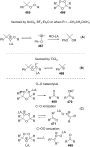
Scheme 135: Pathways of the Lewis acid-catalyzed cleavage of dialkyl peroxides 465 and ozonides 466.

Scheme 136: The mechanism of the transformation of (tert-butyldioxy)cyclohexanedienones 472.

Scheme 137: The synthesis of Vitamin K3 from 472a.

Scheme 138: Proposed mechanism for the transformation of 478d into silylated endoperoxide 479d.

Scheme 139: The rearrangement of hydroperoxide 485 to form diketone 486.

Scheme 140: The base-catalyzed rearrangement of cyclic peroxides 488a–g.

Scheme 141: Synthesis of chiral epoxides and aldols from peroxy hemiketals 491.

Scheme 142: The multistep transformation of (R)-carvone (494) to endoperoxides 496a–e.

Scheme 143: The decomposition of anthracene endoperoxide 499.

Scheme 144: Synthesis of esters 503 from aldehydes 501 via rearrangement of peroxides 502.

Scheme 145: Two possible paths for the base-promoted decomposition of α-azidoperoxides 502.

Scheme 146: The Story decomposition of cyclic diperoxide 506a.

Scheme 147: The Story decomposition of cyclic triperoxide 506b.

Scheme 148: The thermal rearrangement of endoperoxides A into diepoxides B.

Scheme 149: The transformation of peroxide 510 in the synthesis of stemolide (511).

Scheme 150: The possible mechanism of the rearrangement of endoperoxide 261g.

Scheme 151: The photooxidation of indene 517.

Scheme 152: The isomerization of ascaridole (523).

Scheme 153: The isomerization of peroxide 525.

Scheme 154: The thermal transformation of endoperoxide 355.

Scheme 155: The photooxidation of cyclopentadiene (529) at a temperature higher than 0 °C.

Scheme 156: The thermal rearrangement of endoperoxides 538a,b.

Scheme 157: The transformation of peroxides 541.

Scheme 158: The thermal rearrangements of strained cyclic peroxides.

Scheme 159: The thermal rearrangement of diacyl peroxide 551 in the synthesis of C4-epi-lomaiviticin B core 553....

Scheme 160: The 1O2 oxidation of tryptophan (554) and rearrangement of dioxetane intermediate 555.

Scheme 161: The Fe(II)-promoted cleavage of aryl-substituted bicyclic peroxides.

Scheme 162: The proposed mechanism of the Fe(II)-promoted rearrangement of 557a–c.

Scheme 163: The reaction of dioxolane 563 with Fe(II) sulfate.

Scheme 164: Fe(II)-promoted rearrangement of 1,2-dioxane 565.

Scheme 165: Fe(II) cysteinate-promoted rearrangement of 1,2-dioxolane 568.

Scheme 166: The transformation of 1,2-dioxanes 572a–c under the action of FeCl2.

Scheme 167: Fe(II) cysteinate-promoted transformation of tetraoxane 574.

Scheme 168: The CoTPP-catalyzed transformation of bicyclic endoperoxides 600a–d.

Scheme 169: The CoTPP-catalyzed transformation of epoxy-1,2-dioxanes.

Scheme 170: The Ru(II)-catalyzed reactions of 1,4-endoperoxide 261g.

Scheme 171: The Ru(II)-catalyzed transformation as a key step in the synthesis of elyiapyrone A (610) from 1,4-...

Scheme 172: Peroxides with antimalarial activity.

Scheme 173: The interaction of iron ions with artemisinin (616).

Scheme 174: The interaction of FeCl2 with 1,2-dioxanes 623, 624.

Scheme 175: The mechanism of reaction 623 and 624 with Fe(II)Cl2.

Scheme 176: The reaction of bicyclic natural endoperoxides G3-factors 631–633 with FeSO4.

Scheme 177: The transformation of terpene cardamom peroxide 639.
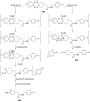
Scheme 178: The different ways of the cleavage of tetraoxane 643.

Scheme 179: The LC–MS analysis of interaction of tetraoxane 646 with iron(II)heme 647.

Scheme 180: The rearrangement of 3,6-epidioxy-1,10-bisaboladiene (EDBD, 649).

Scheme 181: Easily oxidized substrates.

Scheme 182: Biopathway of synthesis of prostaglandins.

Scheme 183: The reduction and rearrangements of isoprostanes.

Scheme 184: The partial mechanism for linoleate 658 oxidation.

Scheme 185: The transformation of lipid hydroperoxide.

Scheme 186: The acid-catalyzed cleavage of the product from free-radical oxidation of cholesterol (667).

Scheme 187: Two pathways of catechols oxidation.

Scheme 188: Criegee-like or Hock-like rearrangement of the intermediate hydroperoxide 675 in dioxygenase enzyme...

Scheme 189: Carotinoides 679 cleavage by carotenoid cleavage dioxygenases.
Towards potential nanoparticle contrast agents: Synthesis of new functionalized PEG bisphosphonates
- Souad Kachbi-Khelfallah,
- Maelle Monteil,
- Margery Cortes-Clerget,
- Evelyne Migianu-Griffoni,
- Jean-Luc Pirat,
- Olivier Gager,
- Julia Deschamp and
- Marc Lecouvey
Beilstein J. Org. Chem. 2016, 12, 1366–1371, doi:10.3762/bjoc.12.130

- one step has been performed. Thus, tested oxidants were the Jones reagent [22], potassium permanganate [23], with catalytic o-iodoxybenzoic acid (IBX) in oxone [24] and catalytic 2,2,6,6-tetramethyl-1-piperidinyloxy (TEMPO) with bis(acetoxy)iodobenzene (BAIB) [25]. The first two conditions led to a
- PEG chain cleavage and the recovery of benzoic acid from alcohol 2. Besides, the mixture IBX/oxone gave the expected product inseparable of IBX byproducts. Only oxidation using TEMPO and BAIB furnished the pure corresponding carboxylic acid. Nevertheless, the low obtained yields encouraged us to test

Graphical Abstract

Figure 1: Bifunctional PEG-HMBPs 1.

Scheme 1: Direct methods for the 1-hydroxyalkylidenebisphosphonic acid synthesis.

Scheme 2: Synthetic strategy of PEG-HMBPs 1.

Scheme 3: Synthesis of PEG-HMBPs 1 and 1’.

Scheme 4: Syntheses of HMBP-PEG-N3 16 and HMBP-PEG-NH3+ 17.

Scheme 5: Synthesis of HMBP-PEG-COOH 23.
Base metal-catalyzed benzylic oxidation of (aryl)(heteroaryl)methanes with molecular oxygen
- Hans Sterckx,
- Johan De Houwer,
- Carl Mensch,
- Wouter Herrebout,
- Kourosch Abbaspour Tehrani and
- Bert U. W. Maes
Beilstein J. Org. Chem. 2016, 12, 144–153, doi:10.3762/bjoc.12.16
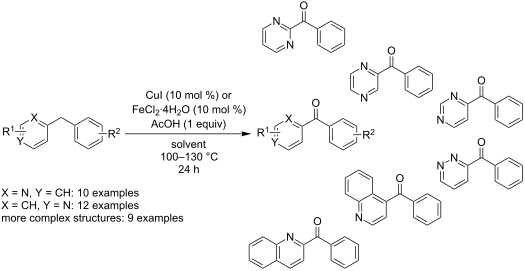
- conditions. Oxidations of this kind using Oxone® [10][11], NaOCl [12] or especially peroxides [13][14][15][16][17][18][19] as the terminal oxidant are quite numerous. However, transformations using molecular oxygen are rare. Ishii showed that organocatalysts such as N-hydroxyphthalimide (NHPI) in combination

Graphical Abstract
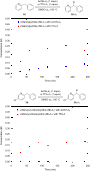
Figure 1: Hydrogen–deuterium exchange through acid-catalyzed imine–enamine tautomerization of 3h (0.5 M) and ...

Scheme 1: Benzylic oxygenation of benzoannulated azines and diazines (5).

Scheme 2: Classical (top) and new formal (bottom) synthesis of Mefloquine.

Scheme 3: Iron-catalyzed aerobic oxidation of papaverine (15).
Friedel–Crafts-type reaction of pyrene with diethyl 1-(isothiocyanato)alkylphosphonates. Efficient synthesis of highly fluorescent diethyl 1-(pyrene-1-carboxamido)alkylphosphonates and 1-(pyrene-1-carboxamido)methylphosphonic acid
- Anna Wrona-Piotrowicz,
- Janusz Zakrzewski,
- Anna Gajda,
- Tadeusz Gajda,
- Anna Makal,
- Arnaud Brosseau and
- Rémi Métivier
Beilstein J. Org. Chem. 2015, 11, 2451–2458, doi:10.3762/bjoc.11.266
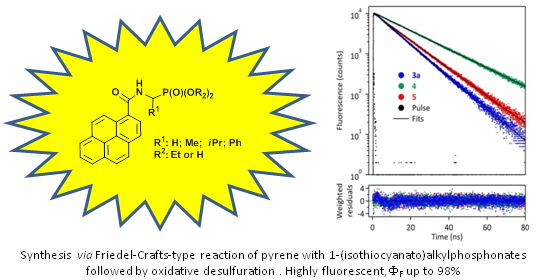
- Oxone®. 1-(Pyrene-1-carboxamido)methylphosphonic acid was obtained in a 87% yield by treating the corresponding diethyl phosphonate with Me3Si-Br in methanol. All of the synthesized amidophosphonates were emissive in solution and in the solid state. The presence of a phosphonato group brought about an
- desulfurization of thioamides to amides via reaction with Oxone®. Now we want to apply this approach to the synthesis of N-thioacyl- and acyl derivatives of 1-aminoalkylphosphonates from arenes and 1-(isothiocyanato)alkylphosphonates. 1-Aminoalkylphosphonates and their derivatives are compounds of biological
- reaction conditions. The structures of 2a–d were confirmed by spectroscopic and elemental analysis data and (for 3a) by a single-crystal X-ray diffraction study (vide infra). Thioamidophoshonates 2a–d readily reacted with Oxone® in acetonitrile–water at room temperature to afford the corresponding

Graphical Abstract

Scheme 1: Synthesis of diethyl 1-(pyrene-1-carbothioamido)alkylphosphonates 2a–d, diethyl 1-(pyrene-1-carboxa...

Figure 1: Structure of amide 5.

Figure 2: Normalized electronic absorption (a) and emission (b) spectra of 3a in various solvents.

Figure 3: Fluorescence decay curves for 3a and 5 in chloroform and for 4 in 0.01 M PBS (pH 7.35). λexcit = 36...

Figure 4: Intramolecular hydrogen bond in 3a–d.

Figure 5: Normalized electronic absorption (violet) and emission (pink) spectrum of 3a in CHCl3 (c = 10−6 M) ...

Figure 6: Molecular structure of 3a (ORTEP representation). Displacement ellipsoids were drawn at a 50% proba...

Figure 7: (a) Dimers of π-stacked and hydrogen-bonded molecules of 3a represented in single figures; (b) netw...
Stereoselective synthesis of hernandulcin, peroxylippidulcine A, lippidulcines A, B and C and taste evaluation
- Marco G. Rigamonti and
- Francesco G. Gatti
Beilstein J. Org. Chem. 2015, 11, 2117–2124, doi:10.3762/bjoc.11.228

- oxidative dehydrogenation. Then we tested another procedure, in which the co-oxidant O2 was replaced with Oxone [29], but even in this case the conversion (6% by GC) was worse than that achieved using bubbling O2. Further attempts of optimizing the oxidative dehydrogenative step of the Stahl protocol were

Graphical Abstract
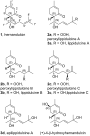
Figure 1: Hernandulcin and other bisabolanic derivatives extracted from Lippia dulcis.

Scheme 1: Synthesis of (+)-neoisopulegol. Reagents and conditions: (a) Jones reagent, acetone, 0 °C, 3 h; (b)...

Scheme 2: Reagents and conditions: (a) (i) t-BuOK, BuLi, hexane, −10 °C/rt; 2 h; (ii) BrCH2CH=C(CH3)2; −10°C/...

Scheme 3: Reagents and conditions: (a) cat. methylene blue, light, bubbling O2, CH2Cl2/MeOH 4:1, rt, 15 h; (b...
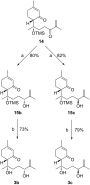
Scheme 4: Reagents and conditions: (a) (S)-MeCBS or (R)-MeCBS for 15b or 15c, respectively, BH3·Me2S, −78 °C ...
Design and synthesis of polycyclic sulfones via Diels–Alder reaction and ring-rearrangement metathesis as key steps
- Sambasivarao Kotha and
- Rama Gunta
Beilstein J. Org. Chem. 2015, 11, 1373–1378, doi:10.3762/bjoc.11.148
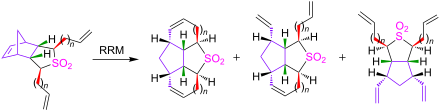
- , commercially available as Oxone®) in aqueous methanol. Equipped with this information, oxidation of compound 5 was attempted under similar reaction conditions to get the desired sulfone 6 [33] (Scheme 1, Table 1). Initially, when the reaction was carried out at 0 °C, the epoxy sulfone 7 was the major product

Graphical Abstract

Figure 1: Retrosynthetic approach to polycyclic sulfones.

Scheme 1: Preparation of the sulfone 6 via oxidation.

Scheme 2: Synthesis of alkenylated sulfone derivatives.

Scheme 3: Synthesis of 10 by RRM of 2a.

Scheme 4: Synthesis of 1b using RRM.

Scheme 5: RRM of the dipentenyl sulfone 2c.

Scheme 6: RRM of the dihexenyl sulfone 2d.
Pd(OAc)2-catalyzed dehydrogenative C–H activation: An expedient synthesis of uracil-annulated β-carbolinones
- Biplab Mondal,
- Somjit Hazra,
- Tarun K. Panda and
- Brindaban Roy
Beilstein J. Org. Chem. 2015, 11, 1360–1366, doi:10.3762/bjoc.11.146
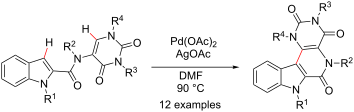
- % yield of 5a with 52% conversion of starting material. Increasing the temperature to 90 °C (Table 1, entry 2) afforded 63% yield of 5a with 80% conversion of 4a. Then different oxidants [Cu(OTf)2, PhI(OAc)2, K2S2O8, (NH4)2S2O8, p-benzoquinone (BQ), oxone, AgOAc, molecular oxygen] were examined under
- these reaction conditions. With Cu(OTf)2 (Table 1, entry 3) and oxone (Table 1, entry 8), total recovery of starting material was observed while PhI(OAc)2 (Table 1, entry 4), (NH4)2S2O8 (Table 1, entry 6) showed total decomposition of starting material. With BQ the yield was almost the same (65%) as

Graphical Abstract

Figure 1: Naturally occurring β-carbolinones.

Scheme 1: Preparation of starting substrate.
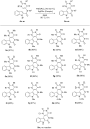
Scheme 2: Synthesis of various β-carbolinone derivatives.

Figure 2: ORTEP diagram of 5h.

Scheme 3: Proposed mechanistic pathway.
Intermolecular addition reactions of N-alkyl-N-chlorosulfonamides to unsaturated compounds
- Gerold Heuger and
- Richard Göttlich
Beilstein J. Org. Chem. 2015, 11, 1226–1234, doi:10.3762/bjoc.11.136

- ], which produced the corresponding N-chloro compounds 2a and 2b in quantitative yield (Scheme 1). Other procedures for the synthesis of these compounds including N-chlorination with an fivefold excess of Oxone® in the presence of NaCl/Al2O3 [35] or deprotonation and reaction with NCS [36][37] did not lead

Graphical Abstract

Scheme 1: Preparation of the chloroamides.

Scheme 2: First experiments for the intermolecular radical addition.

Scheme 3: Reaction of sterically hindered N-chlorosulfonamides.

Scheme 4: Proposed mechanism of the chlorination.

Scheme 5: Ring opening in the case of cationic or radical intermediates.

Scheme 6: Addition to unsaturated alcohols prone to halocyclization.
Azobenzene-based inhibitors of human carbonic anhydrase II
- Leander Simon Runtsch,
- David Michael Barber,
- Peter Mayer,
- Michael Groll,
- Dirk Trauner and
- Johannes Broichhagen
Beilstein J. Org. Chem. 2015, 11, 1129–1135, doi:10.3762/bjoc.11.127
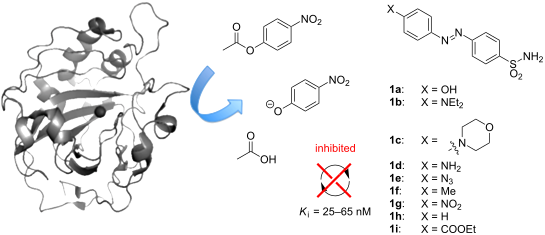
- compounds were generated that were all used without further purification for the following condensation reactions. For example, sulfanilamide reacted with Oxone® in a biphasic DCM/water mixture to its nitroso counterpart, which was condensed with p-toluidine to give methyl azobenzene 1f (Scheme 1c) in 45

Graphical Abstract

Figure 1: Function and inhibition of hCAII. a) hCAII (pdb: 2vva [7]) catalyzes the hydration of carbon dioxide t...

Scheme 1: Synthesis and characterization of azobenzene-containing aryl sulfonamides by different strategies. ...

Figure 2: Crystal structures for compounds 1a–i (co-solvents and/or multiple molecules in the asymmetric cell...

Figure 3: Crystal structure of hCAII bound to 1d (pdb: 5byi). a) The terminal amine of 1d is solvent-exposed,...

Figure 4: Inhibition of hCAII by electronically different azobenzene sulfonamides and AAZ. a) Endpoint measur...
A simple and efficient method for the preparation of 5-hydroxy-3-acyltetramic acids
- Johanna Trenner and
- Evgeny V. Prusov
Beilstein J. Org. Chem. 2015, 11, 323–327, doi:10.3762/bjoc.11.37

- briefly tested, but were found to produce rather mediocre yields of hydroxylated compounds. Attempted oxidations with Oxone or air gave no product at all. Our efforts to improve the yield of the desired product by variation of reaction conditions were rather fruitless, and therefore, our attention was

Graphical Abstract

Figure 1: Naturally occurring 5-hydroxylated 3-acyltetramic acids.

Scheme 1: Synthesis of model tetramic acids.

Scheme 2: Synthesis of hemiaminal ethers and deprotection of the tetramic acids.
Electrochemical selenium- and iodonium-initiated cyclisation of hydroxy-functionalised 1,4-dienes
- Philipp Röse,
- Steffen Emge,
- Jun-ichi Yoshida and
- Gerhard Hilt
Beilstein J. Org. Chem. 2015, 11, 174–183, doi:10.3762/bjoc.11.18

- organic trihalide salts [30], N-bromosuccinimide or N-iodosuccinimide and its derivatives [31][32][33][34][35][36], or more specialised reagents such as bis(pyridinium)iodonium(I) tetrafluoroborate [37][38][39]. Next to those, the in situ oxidation of halogenide ions with strong oxidants such as oxone, Pb

Graphical Abstract

Scheme 1: Cobalt-catalysed 1,4-hydrovinylation.

Scheme 2: Electrochemical selenoalkoxylation of 2.

Scheme 3: Electrochemical iodoalkoxylation of 2.
Cross-dehydrogenative coupling for the intermolecular C–O bond formation
- Igor B. Krylov,
- Vera A. Vil’ and
- Alexander O. Terent’ev
Beilstein J. Org. Chem. 2015, 11, 92–146, doi:10.3762/bjoc.11.13
- lower temperature (50 °C instead of 100 °C, as in the case of CH-reagents 22 and 23) [53]. The ortho-acetoxylation and methoxylation of O-methyl aryl oximes 31 with Pd(OAc)2 combined with such oxidants as oxone, potassium persulfate, and (diacetoxyiodo)benzene (Scheme 7, coupling products 32 and 33
- in a basic medium [173]. The oxidative esterification of aldehydes was performed using peroxides in the presence of Lewis acids or in the absence of the latter; for example, using oxone in the presence of In(OTf)3 [174][175], oxone [174][176], Caro’s acid [177], H2O2aq (30%) in the presence of CaCl2

Graphical Abstract

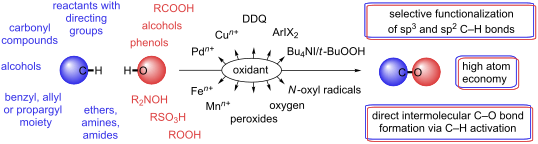
Scheme 1: Cross-dehydrogenative coupling.

Scheme 2: Cross-dehydrogenative C–O coupling.

Scheme 3: Regioselective ortho-acetoxylation of meta-substituted arylpyridines and N-arylamides.
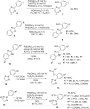
Scheme 4: ortho-Acyloxylation and alkoxylation of arenes directed by pyrimidine, benzoxazole, benzimidazole a...

Scheme 5: Cu(OAc)2/AgOTf/O2 oxidative system in the ortho-alkoxylation of arenes.
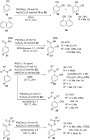
Scheme 6: Pd(OAc)2/persulfate oxidative system in the ortho-alkoxylation and acetoxylation of arenes with nit...
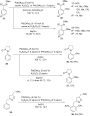
Scheme 7: ortho-Acetoxylation and methoxylation of O-methyl aryl oximes, N-phenylpyrrolidin-2-one, and (3-ben...

Scheme 8: Ruthenium-catalyzed ortho-acyloxylation of acetanilides.

Scheme 9: Acetoxylation and alkoxylation of arenes with amide directing group using Pd(OAc)2/PhI(OAc)2 oxidat...

Scheme 10: Alkoxylation of azoarenes, 2-aryloxypyridines, picolinamides, and N-(1-methyl-1-(pyridin-2-yl)ethyl...

Scheme 11: Acetoxylation of compounds containing picolinamide and quinoline-8-amine moieties using the Pd(OAc)2...

Scheme 12: (CuOH)2CO3 catalyzed oxidative ortho-etherification using air as oxidant.

Scheme 13: Copper-catalyzed aerobic alkoxylation and aryloxylation of arenes containing pyridine-N-oxide moiet...

Scheme 14: Cobalt-catalyzed aerobic alkoxylation of arenes and alkenes containing pyridine N-oxide moiety.

Scheme 15: Non-symmetric double-fold C–H ortho-acyloxylation.

Scheme 16: N-nitroso directed ortho-alkoxylation of arenes.

Scheme 17: Selective alkoxylation and acetoxylation of alkyl groups.

Scheme 18: Acetoxylation of 2-alkylpyridines and related compounds.
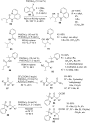
Scheme 19: Acyloxylation and alkoxylation of alkyl fragments of substrates containing amide or sulfoximine dir...

Scheme 20: Palladium-catalyzed double sp3 C–H alkoxylation of N-(quinolin-8-yl)amides for the synthesis of sym...

Scheme 21: Copper-catalyzed acyloxylation of methyl groups of N-(quinolin-8-yl)amides.

Scheme 22: One-pot acylation and sp3 C–H acetoxylation of oximes.

Scheme 23: Possible mechanism of oxidative esterification catalyzed by N-heterocyclic nucleophilic carbene.

Scheme 24: Oxidative esterification employing stoichiometric amounts of aldehydes and alcohols.

Scheme 25: Selective oxidative coupling of aldehydes with alcohols in the presence of amines.

Scheme 26: Iodine mediated oxidative esterification.

Scheme 27: Oxidative C–O coupling of benzyl alcohols with methylarenes under the action of Bu4NI/t-BuOOH syste...

Scheme 28: Oxidative coupling of methyl- and ethylarenes with aromatic aldehydes under the action of Bu4NI/t-B...

Scheme 29: Cross-dehydrogenative C–O coupling of aldehydes with t-BuOOH in the presence of Bu4NI.

Scheme 30: Bu4NI-catalyzed α-acyloxylation reaction of ethers and ketones with aldehydes and t-BuOOH.

Scheme 31: Oxidative coupling of aldehydes with N-hydroxyimides and hexafluoroisopropanol.

Scheme 32: Oxidative coupling of alcohols with N-hydroxyimides.

Scheme 33: Oxidative coupling of aldehydes and primary alcohols with N-hydroxyimides using (diacetoxyiodo)benz...

Scheme 34: Proposed mechanism of the oxidative coupling of aldehydes and N-hydroxysuccinimide under action of ...

Scheme 35: Oxidative coupling of aldehydes with pivalic acid (172).

Scheme 36: Oxidative C–O coupling of aldehydes with alkylarenes using the Cu(OAc)2/t-BuOOH system.

Scheme 37: Copper-catalyzed acyloxylation of C(sp3)-H bond adjacent to oxygen in ethers using benzyl alcohols.

Scheme 38: Oxidative C–O coupling of aromatic aldehydes with cycloalkanes.

Scheme 39: Ruthenium catalyzed cross-dehydrogenative coupling of primary and secondary alcohols.

Scheme 40: Cross-dehydrogenative C–O coupling reactions of β-dicarbonyl compounds with sulfonic acids, acetic ...

Scheme 41: Acyloxylation of ketones, aldehydes and β-dicarbonyl compounds using carboxylic acids and Bu4NI/t-B...

Scheme 42: Acyloxylation of ketones using Bu4NI/t-BuOOH system.

Scheme 43: Cross-dehydrogenative C–O coupling of β-dicarbonyl compounds and their heteroanalogues with N-hydro...

Scheme 44: Cross-dehydrogenative C–O coupling of β-dicarbonyl compounds and their heteroanalogues with t-BuOOH....

Scheme 45: Oxidative C–O coupling of 2,6-dialkylphenyl-β-keto esters and thioesters with tert-butyl hydroxycar...

Scheme 46: α’-Acyloxylation of α,β-unsaturated ketones using KMnO4.

Scheme 47: Possible mechanisms of the acetoxylation at the allylic position of alkenes by Pd(OAc)2.

Scheme 48: Products of the oxidation of terminal alkenes by Pd(II)/AcOH/oxidant system.

Scheme 49: Acyloxylation of terminal alkenes with carboxylic acids.

Scheme 50: Synthesis of linear E-allyl esters by cross-dehydrogenative coupling of terminal alkenes wih carbox...

Scheme 51: Pd(OAc)2-catalyzed acetoxylation of Z-vinyl(triethylsilanes).

Scheme 52: α’-Acetoxylation of α-acetoxyalkenes with copper(II) chloride in acetic acid.

Scheme 53: Oxidative acyloxylation at the allylic position of alkenes and at the benzylic position of alkylare...

Scheme 54: Copper-catalyzed alkoxylation of methylheterocyclic compounds using di-tert-butylperoxide as oxidan...

Scheme 55: Oxidative C–O coupling of methylarenes with β-dicarbonyl compounds or phenols.

Scheme 56: Copper-catalyzed esterification of methylbenzenes with cyclic ethers and cycloalkanes.

Scheme 57: Oxidative C–O coupling of carboxylic acids with toluene catalyzed by Pd(OAc)2.

Scheme 58: Oxidative acyloxylation at the allylic position of alkenes with carboxylic acids using the Bu4NI/t-...

Scheme 59: Cross-dehydrogenative C–O coupling of carboxylic acids with alkylarenes using the Bu4NI/t-BuOOH sys...

Scheme 60: Oxidative C–O cross-coupling of methylarenes with ethyl or isopropylarenes.

Scheme 61: Phosphorylation of benzyl C–H bonds using the Bu4NI/t-BuOOH oxidative system.

Scheme 62: Selective C–H acetoxylation of 2,3-disubstituted indoles.

Scheme 63: Acetoxylation of benzylic position of alkylarenes using DDQ as oxidant.

Scheme 64: C–H acyloxylation of diarylmethanes, 3-phenyl-2-propen-1-yl acetate and dimethoxyarene using DDQ.

Scheme 65: Cross-dehydrogenative C–O coupling of 1,3-diarylpropylenes and 1,3-diarylpropynes with alcohols.

Scheme 66: One-pot azidation and C–H acyloxylation of 3-chloro-1-arylpropynes.

Scheme 67: Cross-dehydrogenative C–O coupling of 1,3-diarylpropylenes, (E)-1-phenyl-2-isopropylethylene and is...

Scheme 68: Cross-dehydrogenative C–O coupling of alkylarenes and related compounds with N-hydroxyphthalimide.

Scheme 69: Acetoxylation at the benzylic position of alkylarenes mediated by N-hydroxyphthalimide.

Scheme 70: C–O coupling of methylarenes with aromatic carboxylic acids employing the NaBrO3/NaHSO3 system.

Scheme 71: tert-Butyl peroxidation of allyl, propargyl and benzyl ethers catalyzed by Fe(acac)3.

Scheme 72: Cross-dehydrogenative C–O coupling of ethers with carboxylic acids mediated by Bu4NI/t-BuOOH system....

Scheme 73: Oxidative acyloxylation of dimethylamides and dioxane with 2-aryl-2-oxoacetic acids accompanied by ...

Scheme 74: tert-Butyl peroxidation of N-benzylamides and N-allylbenzamide using the Bu4NI/t-BuOOH system.

Scheme 75: Cross-dehydrogenative C–O coupling of aromatic carboxylic acids with ethers using Fe(acac)3 as cata...

Scheme 76: Cross-dehydrogenative C–O coupling of cyclic ethers with 2-hydroxybenzaldehydes using iron carbonyl...
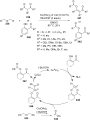
Scheme 77: Cross-dehydrogenative C–O coupling of ethers with β-dicarbonyl compounds and phenols using copper c...

Scheme 78: Cross-dehydrogenative C–O coupling of 2-hydroxybenzaldehyde with dioxane catalyzed by Cu2(BPDC)2(BP...

Scheme 79: Ruthenium chloride-catalyzed acyloxylation of β-lactams.

Scheme 80: Ruthenium-catalyzed tert-butyl peroxydation amides and acetoxylation of β-lactams.

Scheme 81: PhI(OAc)2-mediated α,β-diacetoxylation of tertiary amines.

Scheme 82: Electrochemical oxidative methoxylation of tertiary amines.

Scheme 83: Cross-dehydrogenative C–O coupling of ketene dithioacetals with carboxylic acids in the presence of...

Scheme 84: Cross-dehydrogenative C–O coupling of enamides with carboxylic acids using iodosobenzene as oxidant....

Scheme 85: Oxidative alkoxylation, acetoxylation, and tosyloxylation of acylanilides using PhI(O(O)CCF3)2 in t...

Scheme 86: Proposed mechanism of the oxidative C–O coupling of actetanilide with O-nucleophiles in the presenc...

Scheme 87: Three-component coupling of aldehydes, anilines and alcohols involving oxidative intermolecular C–O...

Scheme 88: Oxidative coupling of phenols with alcohols.

Scheme 89: 2-Acyloxylation of quinoline N-oxides with arylaldehydes in the presence of the CuOTf/t-BuOOH syste...

Scheme 90: Cross-dehydrogenative C–O coupling of azoles with primary alcohols.

Scheme 91: Oxidation of dipyrroles to dipyrrins and subsequent oxidative alkoxylation in the presence of Na3Co...

Scheme 92: Oxidative dehydrogenative carboxylation of alkanes and cycloalkanes to allylic esters.

Scheme 93: Pd-catalyzed acetoxylation of benzene.
Magnesium bis(monoperoxyphthalate) hexahydrate as mild and efficient oxidant for the synthesis of selenones
- Andrea Temperini,
- Massimo Curini,
- Ornelio Rosati and
- Lucio Minuti
Beilstein J. Org. Chem. 2014, 10, 1267–1271, doi:10.3762/bjoc.10.127

- of phenylseleninic acid [5]. These methods suffer of several disadvantages such as harsh reaction conditions and limited structural features of the substrates; thus, potassium hydrogen persulfate [6] (Oxone) and m-chloroperoxybenzoic acid [4][7] (MCPBA) have been employed for the oxidation of
- other hand the oxidation of 1b with Oxone in methanol and water gave the β-methoxy alcohol through transformation of the C–Se bond into a C–O bond even in the presence of a weak nucleophile like the hydroxy ion [6]. The oxidation of γ-(phenylseleno)alkyl tosylamide 1d with MMPP (2.4 equiv) in ethanol
- -heterocyclic compounds 3d and 3f–j are not obtained when Oxone [6] is employed as oxidant. In these cases the products obtained were the corresponding selenoxides and the β-elimination products. Conclusion In summary, compared to the widely used oxidant MCPBA, MMPP is cheap, stable in the solid state, safer in

Graphical Abstract

Scheme 1: General transformation of selenides to selenones.

Scheme 2: Phenylselenone 2 as useful leaving group for the synthesis of different organic molecules.
Heronapyrrole D: A case of co-inspiration of natural product biosynthesis, total synthesis and biodiscovery
- Jens Schmidt,
- Zeinab Khalil,
- Robert J. Capon and
- Christian B. W. Stark
Beilstein J. Org. Chem. 2014, 10, 1228–1232, doi:10.3762/bjoc.10.121
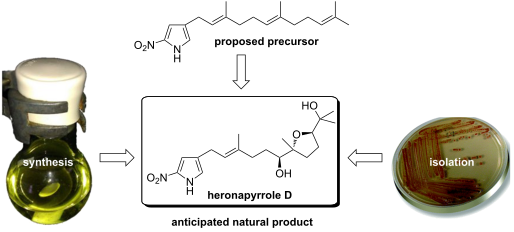
- effect an epoxidation of 8. Application of substoichiometric amounts of oxidant (Oxone®) delivered the isomeric mono-epoxides 9 and 10 as the main constituents, along with minor amounts of the bis-epoxide 11. Of note, on work-up 9 was observed to undergo partial cyclization to the desired tetrahydrofuran

Graphical Abstract

Figure 1: Known heronapyrroles A–C and nitropyrrolins A–E.

Scheme 1: Plausible biosynthesis of heronapyrroles A–D.

Scheme 2: Synthesis of heronapyrrole D.
Nonanebis(peroxoic acid): a stable peracid for oxidative bromination of aminoanthracene-9,10-dione
- Vilas Venunath Patil and
- Ganapati Subray Shankarling
Beilstein J. Org. Chem. 2014, 10, 921–928, doi:10.3762/bjoc.10.90

- , Oxone (Table 3, entry 2) shows 94% conversion of 1a in 2 h. In case of 50% Hydrogen peroxide (Table 3, entry 3), more than 7 equivalents of oxidant were required with successive addition. The urea hydrogen peroxide shows moderate conversion in 20 h (Table 3, entry 6). The other diperoxy acids like
- was surmised that in the presence of oxidant these substrates form a diimine type product (similar to oxidative hair dye mechanism) [33], which makes the ring unreactive towards electrophilic substitution. Since Oxone and 50% hydrogen peroxide showed good results with substrate 1a, we have checked the
- applicability of these two oxidants for the bromination of some substrates listed in Table 4. The bromination of substrate 1b using Oxone as an oxidant required 14 h for complete conversion at room temperature. Whereas, the substrate 1g did not show complete conversion in 24 h at room temperature as well as at

Graphical Abstract

Scheme 1: Aliphatic peracid mediated bromination of aminoanthracene-9,10-dinone.

Scheme 2: Plausible mechanism for the bromination of aminoanthracene-9,10-dione [36,37].
Synthesis of five- and six-membered cyclic organic peroxides: Key transformations into peroxide ring-retaining products
- Alexander O. Terent'ev,
- Dmitry A. Borisov,
- Vera A. Vil’ and
- Valery M. Dembitsky
Beilstein J. Org. Chem. 2014, 10, 34–114, doi:10.3762/bjoc.10.6

Graphical Abstract

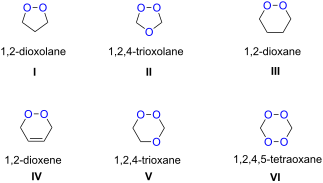
Figure 1: Five and six-membered cyclic peroxides.

Figure 2: Artemisinin and semi-synthetic derivatives.

Scheme 1: Synthesis of 3-hydroxy-1,2-dioxolanes 3a–c.

Scheme 2: Synthesis of dioxolane 6.

Scheme 3: Photooxygenation of oxazolidines 7a–d with formation of spiro-fused oxazolidine-containing dioxolan...

Scheme 4: Oxidation of cyclopropanes 10a–e and 11a–e with preparation of 1,2-dioxolanes 12a–e.

Scheme 5: VO(acac)2-catalyzed oxidation of silylated bicycloalkanols 13a–c.

Scheme 6: Mn(II)-catalyzed oxidation of cyclopropanols 15a–g.

Scheme 7: Oxidation of aminocyclopropanes 20a–c.

Scheme 8: Synthesis of aminodioxolanes 24.
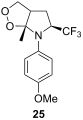
Figure 3: Trifluoromethyl-containing dioxolane 25.

Scheme 9: Synthesis of 1,2-dioxolanes 27a–e by the oxidation of cyclopropanes 26a–e.

Scheme 10: Photoinduced oxidation of methylenecyclopropanes 28.

Scheme 11: Irradiation-mediated oxidation.

Scheme 12: Application of diazene 34 for dioxolane synthesis.

Scheme 13: Mn(OAc)3-catalyzed cooxidation of arylacetylenes 37a–h and acetylacetone with atmospheric oxygen.
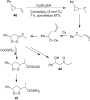
Scheme 14: Peroxidation of (2-vinylcyclopropyl)benzene (40).

Scheme 15: Peroxidation of 1,4-dienes 43a,b.

Scheme 16: Peroxidation of 1,5-dienes 46.

Scheme 17: Peroxidation of oxetanes 53a,b.

Scheme 18: Peroxidation of 1,6-diene 56.

Scheme 19: Synthesis of 3-alkoxy-1,2-dioxolanes 62a,b.

Scheme 20: Synthesis of spiro-bis(1,2-dioxolane) 66.

Scheme 21: Synthesis of dispiro-1,2-dioxolanes 68, 70, 71.

Scheme 22: Synthesis of spirohydroperoxydioxolanes 75a,b.

Scheme 23: Synthesis of spirohydroperoxydioxolane 77 and dihydroperoxydioxolane 79.

Scheme 24: Ozonolysis of azepino[4,5-b]indole 80.

Scheme 25: SnCl4-mediated fragmentation of ozonides 84a–l in the presence of allyltrimethylsilane.

Scheme 26: SnCl4-mediated fragmentation of bicyclic ozonide 84m in the presence of allyltrimethylsilane.

Scheme 27: MCl4-mediated fragmentation of alkoxyhydroperoxides 96 in the presence of allyltrimethylsilane.

Scheme 28: SnCl4-catalyzed reaction of monotriethylsilylperoxyacetal 108 with alkene 109.

Scheme 29: SnCl4-catalyzed reaction of triethylsilylperoxyacetals 111 with alkenes.

Scheme 30: Desilylation of tert-butyldimethylsilylperoxy ketones 131a,b followed by cyclization.

Scheme 31: Deprotection of peroxide 133 followed by cyclization.

Scheme 32: Asymmetric peroxidation of methyl vinyl ketones 137a–e.

Scheme 33: Et2NH-catalyzed intramolecular cyclization.

Scheme 34: Synthesis of oxodioxolanes 143a–j.

Scheme 35: Haloperoxidation accompanied by intramolecular ring closure.

Scheme 36: Oxidation of triterpenes 149a–d with Na2Cr2O7/N-hydroxysuccinimide.

Scheme 37: Curtius and Wolff rearrangements to form 1,2-dioxolane ring-retaining products.

Scheme 38: Oxidative desilylation of peroxide 124.

Scheme 39: Synthesis of dioxolane 158, a compound containing the aminoquinoline antimalarial pharmacophore.

Scheme 40: Diastereomers of plakinic acid A, 162a and 162b.

Scheme 41: Ozonolysis of alkenes.

Scheme 42: Cross-ozonolysis of alkenes 166 with carbonyl compounds.

Scheme 43: Ozonolysis of the bicyclic cyclohexenone 168.

Scheme 44: Cross-ozonolysis of enol ethers 172a,b with cyclohexanone.

Scheme 45: Griesbaum co-ozonolysis.

Scheme 46: Reactions of aryloxiranes 177a,b with oxygen.

Scheme 47: Intramolecular formation of 1,2,4-trioxolane 180.

Scheme 48: Formation of 1,2,4-trioxolane 180 by the reaction of 1,5-ketoacetal 181 with H2O2.

Scheme 49: 1,2,4-Trioxolane 186 with tetrazole fragment.

Scheme 50: 1,2,4-Trioxolane 188 with a pyridine fragment.

Scheme 51: 1,2,4-Trioxolane 189 with pyrimidine fragment.

Scheme 52: Synthesis of aminoquinoline-containing 1,2,4-trioxalane 191.

Scheme 53: Synthesis of arterolane.

Scheme 54: Oxidation of diarylheptadienes 197a–c with singlet oxygen.

Scheme 55: Synthesis of hexacyclinol peroxide 200.

Scheme 56: Oxidation of enone 201 and enenitrile 203 with singlet oxygen.

Scheme 57: Synthesis of 1,2-dioxanes 207 by oxidative coupling of carbonyl compounds 206 and alkenes 205.

Scheme 58: 1,2-Dioxanes 209 synthesis by co-oxidation of 1,5-dienes 208 and thiols.

Scheme 59: Synthesis of bicyclic 1,2-dioxanes 212 with aryl substituents.

Scheme 60: Isayama–Mukaiyama peroxysilylation of 1,5-dienes 213 followed by desilylation under acidic conditio...

Scheme 61: Synthesis of bicycle 218 with an 1,2-dioxane ring.

Scheme 62: Intramolecular cyclization with an oxirane-ring opening.

Scheme 63: Inramolecular cyclization with the oxetane-ring opening.

Scheme 64: Intramolecular cyclization with the attack on a keto group.

Scheme 65: Peroxidation of the carbonyl group in unsaturated ketones 228 followed by cyclization of hydroperox...

Scheme 66: CsOH and Et2NH-catalyzed cyclization.

Scheme 67: Preparation of peroxyplakoric acid methyl ethers A and D.

Scheme 68: Hg(OAc)2 in 1,2-dioxane synthesis.

Scheme 69: Reaction of 1,4-diketones 242 with hydrogen peroxide.

Scheme 70: Inramolecular cyclization with oxetane-ring opening.

Scheme 71: Inramolecular cyclization with MsO fragment substitution.

Scheme 72: Synthesis of 1,2-dioxane 255a, a structurally similar compound to natural peroxyplakoric acids.

Scheme 73: Synthesis of 1,2-dioxanes based on the intramolecular cyclization of hydroperoxides containing C=C ...
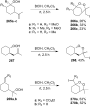
Scheme 74: Use of BCIH in the intramolecular cyclization.

Scheme 75: Palladium-catalyzed cyclization of δ-unsaturated hydroperoxides 271a–e.

Scheme 76: Intramolecular cyclization of unsaturated peroxyacetals 273a–d.

Scheme 77: Allyltrimethylsilane in the synthesis of 1,2-dioxanes 276a–d.

Scheme 78: Intramolecular cyclization using the electrophilic center of the peroxycarbenium ion 279.

Scheme 79: Synthesis of bicyclic 1,2-dioxanes.

Scheme 80: Preparation of 1,2-dioxane 286.

Scheme 81: Di(tert-butyl)peroxalate-initiated radical cyclization of unsaturated hydroperoxide 287.

Scheme 82: Oxidation of 1,4-betaines 291a–d.

Scheme 83: Synthesis of aminoquinoline-containing 1,2-dioxane 294.

Scheme 84: Synthesis of the sulfonyl-containing 1,2-dioxane.

Scheme 85: Synthesis of the amido-containing 1,2-dioxane 301.

Scheme 86: Reaction of singlet oxygen with the 1,3-diene system 302.

Scheme 87: Synthesis of (+)-premnalane А and 8-epi-premnalane A.

Scheme 88: Synthesis of the diazo group containing 1,2-dioxenes 309a–e.

Figure 4: Plakortolide Е.

Scheme 89: Synthesis of 6-epiplakortolide Е.

Scheme 90: Application of Bu3SnH for the preparation of tetrahydrofuran-containing bicyclic peroxides 318a,b.

Scheme 91: Application of Bu3SnH for the preparation of lactone-containing bicyclic peroxides 320a–f.

Scheme 92: Dihydroxylation of the double bond in the 1,2-dioxene ring 321 with OsO4.

Scheme 93: Epoxidation of 1,2-dioxenes 324.

Scheme 94: Cyclopropanation of the double bond in endoperoxides 327.

Scheme 95: Preparation of pyridazine-containing bicyclic endoperoxides 334a–c.

Scheme 96: Synthesis of 1,2,4-trioxanes 337 by the hydroperoxidation of unsaturated alcohols 335 with 1O2 and ...

Scheme 97: Synthesis of sulfur-containing 1,2,4-trioxanes 339.

Scheme 98: BF3·Et2O-catalyzed synthesis of the 1,2,4-trioxanes 342a–g.

Scheme 99: Photooxidation of enol ethers or vinyl sulfides 343.

Scheme 100: Synthesis of tricyclic peroxide 346.

Scheme 101: Reaction of endoperoxides 348a,b derived from cyclohexadienes 347a,b with 1,4-cyclohexanedione.

Scheme 102: [4 + 2]-Cycloaddition of singlet oxygen to 2Н-pyrans 350.

Scheme 103: Synthesis of 1,2,4-trioxanes 354 using peroxysilylation stage.

Scheme 104: Epoxide-ring opening in 355 with H2O2 followed by the condensation of hydroxy hydroperoxides 356 wi...

Scheme 105: Peroxidation of unsaturated ketones 358 with the H2O2/CF3COOH/H2SO4 system.

Scheme 106: Synthesis of 1,2,4-trioxanes 362 through Et2NH-catalyzed intramolecular cyclization.

Scheme 107: Reduction of the double bond in tricyclic peroxides 363.

Scheme 108: Horner–Wadsworth–Emmons reaction in the presence of peroxide group.

Scheme 109: Reduction of ester group by LiBH4 in the presence of 1,2,4-trioxane moiety.

Scheme 110: Reductive amination of keto-containing 1,2,4-trioxane 370.

Scheme 111: Reductive amination of keto-containing 1,2,4-trioxane and a Fe-containing moiety.

Scheme 112: Acid-catalyzed reactions of Н2О2 with ketones and aldehydes 374.
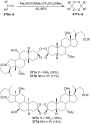
Scheme 113: Cyclocondensation of carbonyl compounds 376a–d using Me3SiOOSiMe3/CF3SO3SiMe3.

Scheme 114: Peroxidation of 4-methylcyclohexanone (378).

Scheme 115: Synthesis of symmetrical tetraoxanes 382a,b from aldehydes 381a,b.

Scheme 116: Synthesis of unsymmetrical tetraoxanes using of MeReO3.

Scheme 117: Synthesis of symmetrical tetraoxanes using of MeReO3.

Scheme 118: Synthesis of symmetrical tetraoxanes using of MeReO3.

Scheme 119: MeReO3 in the synthesis of symmetrical tetraoxanes with the use of aldehydes.

Scheme 120: Preparation of unsymmmetrical 1,2,4,5-tetraoxanes with high antimalarial activity.

Scheme 121: Re2O7-Catalyzed synthesis of tetraoxanes 398.

Scheme 122: H2SO4-Catalyzed synthesis of steroidal tetraoxanes 401.

Scheme 123: HBF4-Catalyzed condensation of bishydroperoxide 402 with 1,4-cyclohexanedione.

Scheme 124: BF3·Et2O-Catalyzed reaction of gem-bishydroperoxides 404 with enol ethers 405 and acetals 406.

Scheme 125: HBF4-Catalyzed cyclocondensation of bishydroperoxide 410 with ketones.

Scheme 126: Synthesis of symmetrical and unsymmetrical tetraoxanes 413 from benzaldehydes 412.
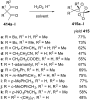
Scheme 127: Synthesis of bridged 1,2,4,5-tetraoxanes 415a–l from β-diketones 414a–l and H2O2.

Scheme 128: Dimerization of zwitterions 417.

Scheme 129: Ozonolysis of verbenone 419.

Scheme 130: Ozonolysis of O-methyl oxime 424.

Scheme 131: Peroxidation of 1,1,1-trifluorododecan-2-one 426 with oxone.

Scheme 132: Intramolecular cyclization of dialdehyde 428 with H2O2.

Scheme 133: Tetraoxanes 433–435 as by-products in peroxidation of ketals 430–432.

Scheme 134: Transformation of triperoxide 436 in diperoxide 437.

Scheme 135: Preparation and structural modifications of tetraoxanes.

Scheme 136: Structural modifications of steroidal tetraoxanes.

Scheme 137: Synthesis of 1,2,4,5-tetraoxane 454 containing the fluorescent moiety.

Scheme 138: Synthesis of tetraoxane 458 (RKA182).
Cyclization of substitued 2-(2-fluorophenylazo)azines to azino[1,2-c]benzo[d][1,2,4]triazinium derivatives
- Aleksandra Jankowiak,
- Emilia Obijalska and
- Piotr Kaszynski
Beilstein J. Org. Chem. 2013, 9, 1873–1880, doi:10.3762/bjoc.9.219
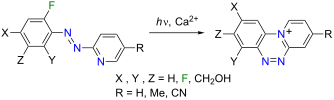
- , CH2Cl2, rt, 25 h; ii) toluene, 50% NaOH, 50 °C, 25 min; iii) NCS, Me2S, CH2Cl2, –20 °C; iv) mCPBA, CH2Cl2, 0 °C; v) Oxone®, CH2Cl2/H2O rt, 25 h. Formation of cations 1 from diazenes 4. Calculated free energy activation and change (kcal/mol) for the cyclization of cis-azopyridine 4-Z to the nonaromatic

Graphical Abstract

Figure 1: Structures of cations I and precursors II.

Figure 2: Structures of triazinium cations 1–3.

Scheme 1: Synthesis of triazinium cations 1. Reagents and conditions: i) hν (halogen lamp or sunlight), Ca2+,...

Figure 3: Electronic absorption spectra for 1c and 4c (MeCN). Blue lines represent magnified areas of the spe...

Figure 4: Strcutures of trans azo derivatives 5-E and 6-E.

Scheme 2: Synthesis of azo precursors. Reagents and conditions: i) AcOH cat, CH2Cl2, rt, 25 h; ii) toluene, 5...

Scheme 3: Formation of cations 1 from diazenes 4.

Figure 5: B3LYP/6-311G(2d,p)-optimized geometries for structures involved in cyclization of 4c to 1c.

Figure 6: Structures of three close analogues.
From bead to flask: Synthesis of a complex β-amido-amide for probe-development studies
- Kevin S. Martin,
- Cristian Soldi,
- Kellan N. Candee,
- Hiromi I. Wettersten,
- Robert H. Weiss and
- Jared T. Shaw
Beilstein J. Org. Chem. 2013, 9, 260–264, doi:10.3762/bjoc.9.31
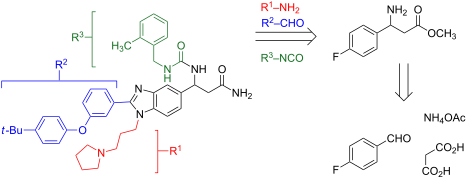
- benzimidazole formation with Oxone furnished benzimidazole 17 in 47% yield over two steps [20][21]. The ester of 17 was smoothly reduced to the alcohol 18, in 74% yield, and immediately oxidized to the aldehyde 4, in 87% yield. Unfortunately, 4 produced none of the desired β-amino acid 3 under several different
- this reaction was significantly lower, less than 50%, compared to the reaction to produce 14, and we observed some transesterification of the methyl ester with butanol to produce a mixture of 27 and the butyl ester of 27 as the major products (not shown). We thus turned to using Oxone, and

Graphical Abstract

Figure 1: p21 determines the fate of DNA-damaged [13] cells.

Figure 2: Retrosynthetic analysis of LLW62 (1) from acid 7 (A) or aldehyde 11 (B).

Scheme 1: Attempted synthesis of aldehyde 4 from nitrile 6.
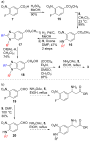
Scheme 2: (A) Synthesis of 4 from acid 7 and (B) attempted β-amino acid-forming 3CRs.

Scheme 3: Synthesis of LLW62 by using an early stage 3CR.
The crystal structure of the Dess–Martin periodinane
- Albert Schröckeneder,
- Desiree Stichnoth,
- Peter Mayer and
- Dirk Trauner
Beilstein J. Org. Chem. 2012, 8, 1523–1527, doi:10.3762/bjoc.8.172

- usually prepared from 2-iodobenzoic acid (2) in a two-step procedure, which involves oxidation with Oxone (a formulation of peroxomonosulfate) [5], followed by heating of the intermediary iodine(V) species IBX (3) with acetic anhydride and catalytic amounts of p-toluenesulfonic acid [6]. Upon repeating
- this procedure with an older and less-active batch of Oxone, we obtained well-defined single crystals of acetoxy-1,2-benziodoxolin-3-one (4) as a byproduct. We quickly established that the crystal structure of this partially oxidized compound had already been described by Gougoutas and Clardy four
- to rotate along the acetate C–C bonds to best fit the experimental electron density. CCDC 866010. 1-Hydroxy-1,2-benziodoxol-3(1H)-one (IBX) (3): 2-iodobenzoic acid (100 g, 403 mmol) was added to a solution of Oxone (2KHSO5/KHSO4/K2SO4) (322 g, 524 mmol) in water (2 L) and stirred at 80 °C for 4 h

Graphical Abstract

Figure 1: The chemical structures of DMP (1), 2-iodobenzoic acid (2), IBX (3) and 4.

Figure 2: ORTEP diagram (50% probability level) of 1 with numbering scheme.

Figure 3: Supramolecular structure of 1 with halogen bonds and selected hydrogen bonds.

Figure 4: Further hydrogen-bond interactions in the supramolecular structure of 1.

Figure 5: Supramolecular structure of 1 viewed along axis b.
Metathesis access to monocyclic iminocyclitol-based therapeutic agents
- Ileana Dragutan,
- Valerian Dragutan,
- Carmen Mitan,
- Hermanus C.M. Vosloo,
- Lionel Delaude and
- Albert Demonceau
Beilstein J. Org. Chem. 2011, 7, 699–716, doi:10.3762/bjoc.7.81

- : 2,2-dimethoxypropane, PPTS, acetone, r.t. Step e: H2SO4, 1,4-dioxane, H2O, reflux. Step f: K2OsO4·2H2O, NMO, acetone, H2O, r.t. Step g: HCl, MeOH. Step h: Oxone, CF3COCH3, NaHCO3, aqueous Na2·EDTA, CH3CN, 0 °C. Step i: 0.3 M KOH, 1,4-dioxane, H2O, reflux]. Synthesis of L-1-deoxyaltronojirimycin (96

Graphical Abstract

Scheme 1: Well-defined Mo- and Ru-alkylidene metathesis catalysts.

Scheme 2: Representative pyrrolidine-based iminocyclitols.

Scheme 3: Synthesis of (±)-(2R*,3R*,4S*)-2-hydroxymethylpyrrolidin-3,4-diol (18), (±)-2-hydroxymethylpyrrolid...

Scheme 4: Synthesis of enantiopure iminocyclitol (−)-(2S,3R,4S,5S)-2,5-dihydroxymethylpyrrolidin-3,4-diol (23...

Scheme 5: Synthesis of 1,4-dideoxy-1,4-imino-D-allitol (29) and formal synthesis of (2S,3R,4S)-3,4-dihydroxyp...

Scheme 6: Synthesis of iminocyclitols 35 and 36.

Scheme 7: Total synthesis of iminocyclitols 40 and 44.

Scheme 8: Synthesis of 2,5-dideoxy-2,5-imino-D-mannitol [(+)-DMDP] (49) and (−)-bulgecinine (50).

Scheme 9: Synthesis of (+)-broussonetine G (53).
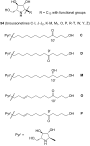
Scheme 10: Structural features of broussonetines 54.

Scheme 11: Synthesis of broussonetines by cross-metathesis.
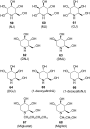
Scheme 12: Representative piperidine-based iminocyclitols.

Scheme 13: Total synthesis of 1-deoxynojirimycin (62) and 1-deoxyaltronojirimycin (65).

Scheme 14: Synthesis by RCM of 1-deoxymannonojirimycin (63) and 1-deoxyallonojirimycin (66).

Scheme 15: Total synthesis of (+)-1-deoxynojirimycin (62).

Scheme 16: Synthesis of ent-1,6-dideoxynojirimycin (83) and 5-amino-1,5,6-trideoxyaltrose (84).

Scheme 17: Synthesis of 1-deoxygalactonojirimycin (64), 1-deoxygulonojirimycin (91) and 1-deoxyidonojirimycin (...

Scheme 18: Synthesis of L-1-deoxyaltronojirimycin (96).

Scheme 19: Synthesis of 1-deoxymannonojirimycin (63) and 1-deoxyaltronojirimycin (65).

Scheme 20: Synthesis of 5-des(hydroxymethyl)-1-deoxymannonojirimycin (111) and 5-des(hydroxymethyl)-1-deoxynoj...

Scheme 21: Synthesis of D-1-deoxygulonojirimycin (91) and L-1-deoxyallonojirimycin (122).

Scheme 22: Total synthesis of fagomine (129), 3-epi-fagomine (126) and 3,4-di-epi-fagomine (130).

Scheme 23: Total synthesis of (+)-adenophorine (135).

Scheme 24: Total synthesis of (+)-5-deoxyadenophorine (138) and analogues 142–145.

Scheme 25: Synthesis by RCM of 1,6-dideoxy-1,6-iminoheptitols 148 and 149.

Scheme 26: Synthesis by RCM of oxazolidinyl azacycles 152 and 154.

Scheme 27: Representative azepane-based iminocyclitols.

Scheme 28: Synthesis of hydroxymethyl-1-(4-methylphenylsulfonyl)azepane 3,4,5-triol (169).

Scheme 29: Synthesis by RCM of tetrahydropyridin-3-ol 171 and tetrahydroazepin-3-ol 173.
Rh-Catalyzed rearrangement of vinylcyclopropane to 1,3-diene units attached to N-heterocycles
- Franca M. Cordero,
- Carolina Vurchio,
- Stefano Cicchi,
- Armin de Meijere and
- Alberto Brandi
Beilstein J. Org. Chem. 2011, 7, 298–303, doi:10.3762/bjoc.7.39

- Discussion The tetrahydropyridones employed in this study were prepared according to published procedures with slight modifications. In particular, oxidation of the tetrahydroquinoline 5 with oxone [38] afforded the nitrone 6 [39][40][41] in 66% yield (Scheme 2, see Supporting Information File 1 for full

Graphical Abstract

Scheme 1: General approach to spirocyclopropanated tetrahydropyridones by 1,3-dipolar cycloaddition/thermal r...

Scheme 2: Synthesis of tetrahydrospiro[cyclopropane-1,1’(2’H,6’H)-pyrido[2,1-a]isoquinolin]-2’-one 8.

Scheme 3: Synthesis of 7’-oxohexahydro spiro[cyclopropane-1-8’(5’H)indolizines] 12.

Scheme 4: Olefination of spirocyclopropanated heterocyclic ketones 8, 12 and 16.

Figure 1: Key NOE interactions. 18: 11b-H/11-H, 11b-H/6-H, 11b-H/Ht, Hv/2-CH3; E-19: Hb/CH3, Hc/11b-H, Hc/11-...

Scheme 5: Rearrangement of VCPs 15 and 17 catalyzed by Rh(PPh3)3Cl.
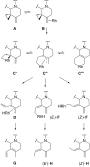
Scheme 6: Mechanism of the rearrangement of heterocyclic VCPs catalyzed by Rh(PPh3)3Cl.
Oxidative cyclization of alkenols with Oxone using a miniflow reactor
- Yoichi M. A. Yamada,
- Kaoru Torii and
- Yasuhiro Uozumi
Beilstein J. Org. Chem. 2009, 5, No. 18, doi:10.3762/bjoc.5.18
- Yoichi M. A. Yamada Kaoru Torii Yasuhiro Uozumi RIKEN, Hirosawa, Wako, Saitama 351-0198, Japan Institute for Molecular Science (IMS), Myodaiji, Okazaki, Aichi 444-8787, Japan 10.3762/bjoc.5.18 Abstract A miniflow system for oxidative cyclization of alkenols with Oxone was developed. Thus, the
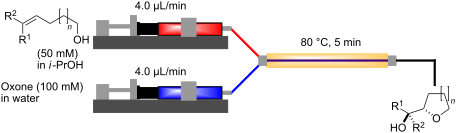
- oxidative cyclization of (Z)- and (E)-alkenols in i-PrOH with an aqueous solution of Oxone proceeded smoothly and safely in a PTFE tube without any exogenous catalytic species, and was subsequently quenched in a flow-reaction manner to afford the corresponding furanyl and pyranyl carbinols quantitatively
- within 5 or 10 min of residence time. Keywords: alkenols; cyclic ethers; miniflow reaction; oxidative cyclization; Oxone; Introduction The development of flow-reaction systems for molecular transformations is an important goal in organic syntheses. Recently, innovative devices such as micro- and

Graphical Abstract

Figure 1: Miniflow reaction system of oxidative cyclization.



