


Search results
Search for "fluorophores" in Full Text gives 108 result(s) in Beilstein Journal of Organic Chemistry.
Practical synthetic strategies towards lipophilic 6-iodotetrahydroquinolines and -dihydroquinolines
Beilstein J. Org. Chem. 2016, 12, 1851–1862, doi:10.3762/bjoc.12.174

- (DHQ) are heterocyclic scaffolds that are ubiquitous in natural products, therapeutics, fluorophores and dyes [1]. Both are structures of great versatility, and their physical and chemical properties can be finely tuned using synthetic chemistry. Methods for their synthesis have been well studied, and
- range from the classic Skraup–Doebner–von Miller syntheses, to catalytic and asymmetric methods [2][3][4]. We required a straightforward synthesis of THQs and DHQs for the synthesis of a library of biocompatible fluorophores with the potential to be used in fluorescence microscopy applications. The
- mildly red shifted (to 376 nm). This behaviour indicates that 1,4-DHQ structures of this type may function as more effective donor chromophores in dyes and fluorophores than the corresponding THQs due to improved orbital overlap between the nitrogen lone pair and the aromatic π-system by virtue of the


Application of Cu(I)-catalyzed azide–alkyne cycloaddition for the design and synthesis of sequence specific probes targeting double-stranded DNA
Beilstein J. Org. Chem. 2016, 12, 1348–1360, doi:10.3762/bjoc.12.128
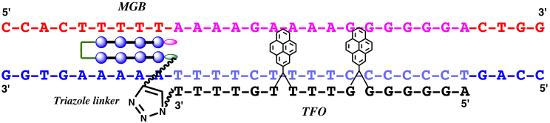
- synthesis of conjugates of pyrrole–imidazole polyamide minor groove binders (MGB) with fluorophores and with triplex-forming oligonucleotides (TFOs). Diverse bifunctional linkers were synthesized and used for the insertion of terminal azides or alkynes into TFOs and MGBs. The formation of stable triple
- part of the present article, we describe the synthesis of various linkers bearing different functional groups for simple and accessible introduction of azide and alkyne groups into biopolymers, fluorophores and ligands. Then, these linkers were introduced into the structure of MGBs and TFOs and used
- -NH2 and two fluorophores bearing an azide functional group: one cyanine TO (derivative of thiazole orange [18]), and one coumarine MM14 kindly provided by M. P. Teulade-Fichou (Figure 7). The conjugation was conducted in a microwave reactor as for the polyamide tandem synthesis [2]. The details of the


Synthesis, fluorescence properties and the promising cytotoxicity of pyrene–derived aminophosphonates
Beilstein J. Org. Chem. 2016, 12, 1229–1235, doi:10.3762/bjoc.12.117
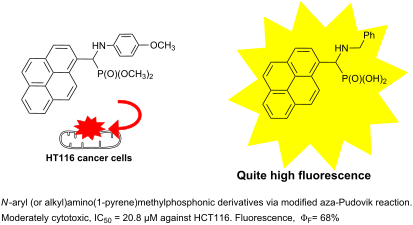
- and show vibronic structure characteristic for monomeric fluorophores. The spectra of 5 are slightly shifted bathochromically (9 nm and 4 nm for the absorption and emission spectrum, respectively) in comparison to the spectra of pyrene. In this context, it should be noticed that spectra reported in [9


Synthesis and fluorosolvatochromism of 3-arylnaphtho[1,2-b]quinolizinium derivatives
Beilstein J. Org. Chem. 2016, 12, 854–862, doi:10.3762/bjoc.12.84

- emission energy to a different degree, thus denoting a major influence of hydrogen bonding on the stabilization of the ground and excited states. Based on these results it is concluded that the solvent-sensitive emission properties of biaryl-type quinolizinium fluorophores are a promising structural motif


Indenopyrans – synthesis and photoluminescence properties
Beilstein J. Org. Chem. 2016, 12, 825–834, doi:10.3762/bjoc.12.81

- lattice, along with an emission-band broadening, as compared to the solution fluorescence spectra. Keywords: indenopyran-3-ones; organic fluorophores; pyrones; solid-state emission spectra; solution emission spectra; UV–vis spectra; Introduction Indenopyrans are functionalized oxygen-containing



New synthetic strategies for xanthene-dye-appended cyclodextrins
Beilstein J. Org. Chem. 2016, 12, 537–548, doi:10.3762/bjoc.12.53
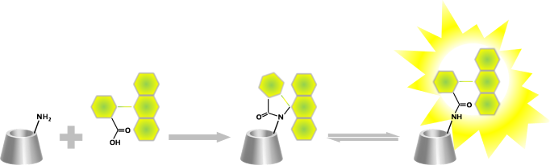
- fluorophores for labeling in order to assess if these versatile molecules cross biological barriers (e.g., cell membrane, blood–brain barrier) and to follow their distribution in living matter [3]. Among the fluorescent dyes, the group of fluorophores based on xanthene scaffolds is one of the most popular. Two
- of this evergreen class of dyes is still an ongoing process [5][6]. Fluorescein is the most widely used fluorescent probe in biological applications and in particular for covalently labeling proteins. Rhodamine derivatives are robust dyes that find application as fluorophores for microscopy, in cell


Art, auto-mechanics, and supramolecular chemistry. A merging of hobbies and career
Beilstein J. Org. Chem. 2016, 12, 362–376, doi:10.3762/bjoc.12.40
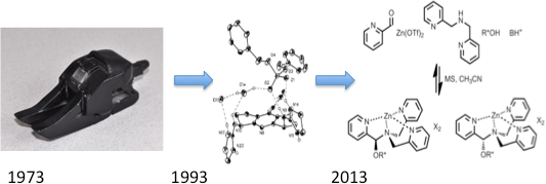
- fluorophores bound in the cavity of cyclodextrins to measure Keq values, our idea was to instead exploit the displacement as the sensing modality. Thus, the idea of an indicator-displacement assay (IDA) was born [58][59]. As with so many “new” ideas in chemistry, the approach had actually been used before, by





Bright molecules for sensing, computing and imaging: a tale of two once-troubled cities
Beilstein J. Org. Chem. 2015, 11, 2774–2784, doi:10.3762/bjoc.11.298
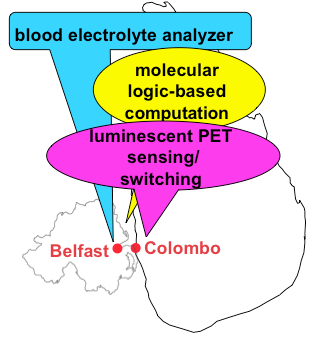
- position in a membrane–water interfacial region [52]. The second challenge is addressed with fluorophores which achieve charge-separated excited states [12][53] so that their interaction with the local dipoles of the neighbourhood causes shifts in the emission spectra. Simultaneous monitoring of wavelength







Learning from the unexpected in life and DNA self-assembly
Beilstein J. Org. Chem. 2015, 11, 2713–2720, doi:10.3762/bjoc.11.292
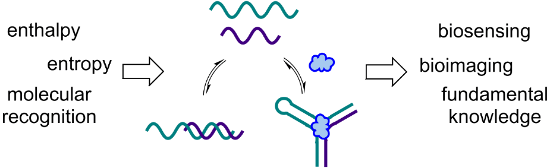
- these enantiomeric biosensors with orthogonal fluorophores (Figure 5). In our initial experiments, we utilized fluorescein (FAM) and cyanine 3 (Cy3), however, we observed that the difference in fluorophore structure resulted in an approximately two-fold difference in the equilibrium constants for the
- sensors. This was surprising, as the fluorophores are small molecules attached to the termini of much larger DNA molecules. However, we found this lesson very informative, as it showed that dyes and other functional groups that we frequently append to DNA are not as innocuous as we assume them to be




Synthesis and spectroscopic properties of β-triazoloporphyrin–xanthone dyads
Beilstein J. Org. Chem. 2015, 11, 1434–1440, doi:10.3762/bjoc.11.155
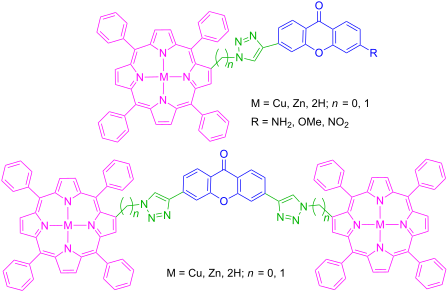
- ] including anti-oxidative [35], antihypertensive [36], anti-inflammatory [37] and antiplatelet agents [38]. They have also been used as fluorophores and exhibited good fluorescence properties when attached to a triazole ring [39][40]. Owing to the biological significance of porphyrins, 1,2,3-triazoles and


A small azide-modified thiazole-based reporter molecule for fluorescence and mass spectrometric detection
Beilstein J. Org. Chem. 2014, 10, 2470–2479, doi:10.3762/bjoc.10.258

- compares with commercially available azide-modified fluorophores and a brominated one. The ease of synthesis, small size, stability, and the universal detection possibilities make it an ideal reporter for activity-based protein profiling and functional metabolic profiling. Keywords: activity-based protein
- introduced in this field and is still widely used in protein labeling [2]. Later, fluoresceins and rhodamines found applications in this area as well because of advantageous UV–vis absorption maxima (480–600 nm) and more bathochromic emission wavelengths (510–615 nm) [3]. A successful class of fluorophores
- to minimize the structural complexity of the fluorophores to achieve higher atom economy and reduce the interaction with biomacromolecules. In this context it was critical to realize that the thiazole moiety itself can also act as a fluorophore, especially the class of 4-hydroxythiazoles [4][5]. 4


Pyrene-modified PNAs: Stacking interactions and selective excimer emission in PNA2DNA triplexes
Beilstein J. Org. Chem. 2014, 10, 1495–1503, doi:10.3762/bjoc.10.154
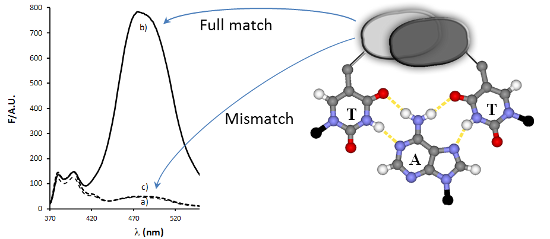
- available structural data on these complexes [7], it is possible to envisage that any pair of groups protruding from both thymines methyl groups of a TAT triplet and able to give rise to attractive interactions (Figure 1a) would stabilize the triplex. If these groups are aromatic fluorophores, changes in
- ), probably due to the quenching effect of nucleobase units; however, the most important data are related to changes in the fluorescence spectrum upon hybridization with DNA, since this property is strongly related to the environment around the fluorophores [38] and can reveal interactions between pyrene


Multichromophoric sugar for fluorescence photoswitching
Beilstein J. Org. Chem. 2014, 10, 1471–1481, doi:10.3762/bjoc.10.151
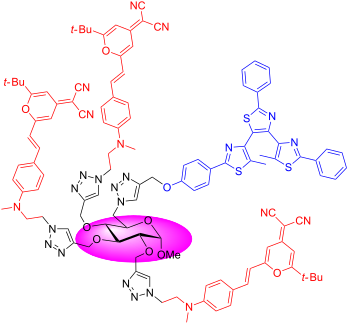
- multichromophoric glucopyranoside 2 bearing three dicyanomethylenepyran (DCM) fluorophores and one diarylethene (DAE) photochrome has been prepared by Cu(I)-catalyzed alkyne–azide cycloaddition reaction. The fluorescence of 2 was switched off upon UV irradiation, in proportion with the open to closed form (OF to CF
- (photochrome and fluorophore) moieties have also been reported by other groups [5][6][7][8][9]. The fluorophore vs photochrome ratio in reported bifunctional systems is 1:1 [4][5][6][7] or 2:1 [8][9]. Other strategies to assemble interacting fluorophores and photochromes (supramolecular systems, nanoparticles
- fluorophores present within this distance. In a situation where one photochromic unit is surrounded by several fluorophores, we can take advantage of this phenomenon both to increase the brightness of the fluorescent molecular system and to turn “ON” and “OFF” several fluorophores with one given photochromic


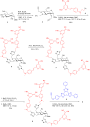


Microwave-assisted Cu(I)-catalyzed, three-component synthesis of 2-(4-((1-phenyl-1H-1,2,3-triazol-4-yl)methoxy)phenyl)-1H-benzo[d]imidazoles
Beilstein J. Org. Chem. 2014, 10, 1413–1420, doi:10.3762/bjoc.10.145

- inhibition activity [5][6]. They have also been used to synthesize dyes [7], chemosensitizers [8] and fluorophores [9]. Triazole derivatives have shown antifungal [10], anticancer [11] antituberculosis [12] and antimicrobial [13] activities. Recently, hybrid molecules, connecting two or more distinct drug


Automated solid-phase peptide synthesis to obtain therapeutic peptides
Beilstein J. Org. Chem. 2014, 10, 1197–1212, doi:10.3762/bjoc.10.118

- . Following resin cleavage, radio labeling was performed with NHS-[2,3-3H]propionate (Figure 5) by the Bolton–Hunter reaction. Then, the Nvoc protecting groups could be removed by irradiation with UV light to obtain the fully deprotected, radio-labeled peptide [130]. Biotin and fluorophores such as CF (5(6


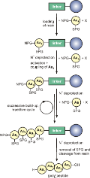


The Ugi four-component reaction as a concise modular synthetic tool for photo-induced electron transfer donor-anthraquinone dyads
Beilstein J. Org. Chem. 2014, 10, 1006–1016, doi:10.3762/bjoc.10.100
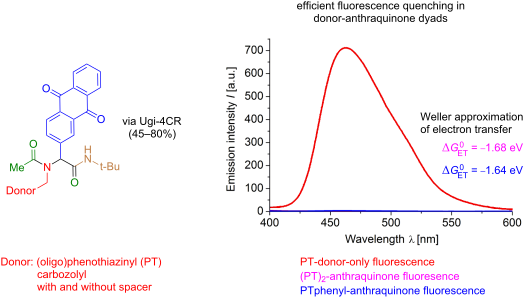
- approximation. Keywords: absorption spectroscopy; cyclic voltammetry; chromophores; fluorescence; multicomponent reactions; photo-induced electron transfer; Introduction Chromophores, fluorophores, and electrophores, are functional organic materials [1] and constitute active components in molecular


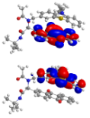


One-pot three-component synthesis and photophysical characteristics of novel triene merocyanines
Beilstein J. Org. Chem. 2014, 10, 599–612, doi:10.3762/bjoc.10.51
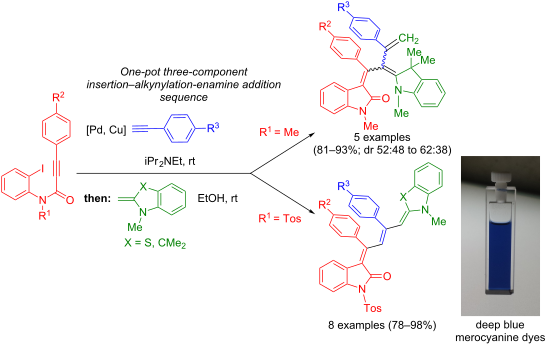
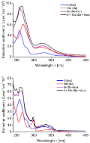
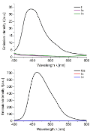
- reactions; Introduction Functional organic materials [1], such as chromophores, fluorophores, and electrophores, constitute the active components in molecular electronics [2], photonics [3], and bioanalytics [4][5][6]. Among many chromophores the class of merocyanines [7][8][9], i.e. α-donor-ω-acceptor




A catalyst-free multicomponent domino sequence for the diastereoselective synthesis of (E)-3-[2-arylcarbonyl-3-(arylamino)allyl]chromen-4-ones
Beilstein J. Org. Chem. 2014, 10, 459–465, doi:10.3762/bjoc.10.43
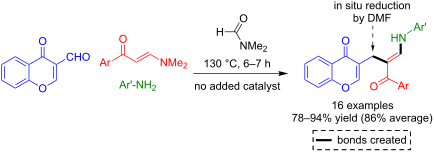
- ], antiviral [7], antihypertensive [8], anti-oxidant [9][10][11][12], HIV-inhibitory [13], anti-inflammatory [14][15], immunomodulatory [16], antithrombotic [17], and anticancer [18][19][20] activities. Furthermore, some chromone derivatives have been identified as suitable fluorophores for live cell imaging


The chemistry of isoindole natural products
Beilstein J. Org. Chem. 2013, 9, 2048–2078, doi:10.3762/bjoc.9.243
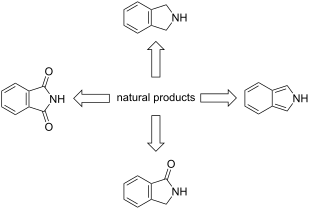
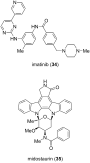
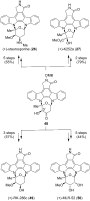
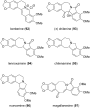
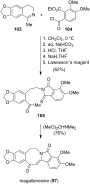
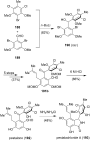
- yellow 139 (12), which is sold by BASF as Paliotol® Yellow K 1841 belongs to the class of highly resistant and effective 1,3-disubstituted isoindoline dyes. Recently, the use of isoindoles as red to near-infrared fluorophores was reported [12]. Another interesting isoindole-based dye, 25, arises from the
















Flow synthesis of a versatile fructosamine mimic and quenching studies of a fructose transport probe
Beilstein J. Org. Chem. 2013, 9, 2022–2027, doi:10.3762/bjoc.9.238
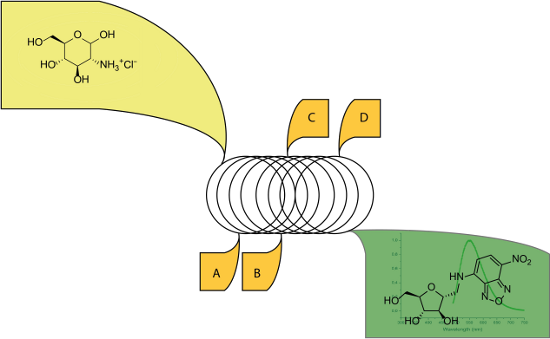
- of material. More NBDM is required to examine uptake across many cell lines and with access to amine 3, we can prepare analogues with different fluorophores or other types of tags. Finally, access to more NBDM will enable assessment of probe photophysical properties as a function of concentration and
- -throughput process to 3 could be realized with improvements in continuous extraction techniques. That being said, the semi-continuous approach we have defined here results in significant improvements compared to the original batch conditions. Many fluorophores and biologically relevant tags have been
- . Without easy access to NBDM, the use of this compound in biological experiments would supersede the investigation of its fluorescent properties. Fluorescence: Fluorescence in biological systems is often complicated by fluorophore quenching. Alexa fluorophores can be quenched by certain amino acids and NBD


Hydrophobic analogues of rhodamine B and rhodamine 101: potent fluorescent probes of mitochondria in living C. elegans
Beilstein J. Org. Chem. 2012, 8, 2156–2165, doi:10.3762/bjoc.8.243
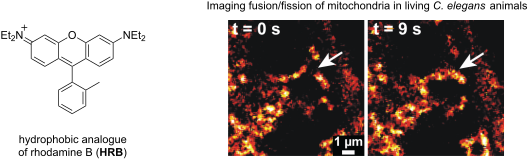
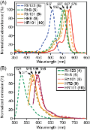
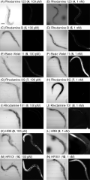
- mitochondrial stains rhodamine 123, rhodamine 6G, and rhodamine B, as well as the structurally related fluorophores rhodamine 101, and basic violet 11, revealed that HRB and HR101 are the most potent mitochondrial probes, enabling imaging of mitochondrial motility, fusion, and fission in the germline and other
- expression of mitochondria-targeted fluorescent proteins. The high bioavailabilty of these novel fluorescent probes may facilitate the identification of agents and factors that affect diverse aspects of mitochondrial biology in vivo. Keywords: Caenorhabditis elegans; chemical biology; fission; fluorophores
- variety of analytes, and specific markers of cellular organelles and other components. Although many structurally diverse fluorophores have been reported, many common fluorophores such as dianionic fluorescein (1, Figure 1) are defined by highly polar conjugated π systems. This high polarity confers





Synthesis of chiral sulfoximine-based thioureas and their application in asymmetric organocatalysis
Beilstein J. Org. Chem. 2012, 8, 1443–1451, doi:10.3762/bjoc.8.164
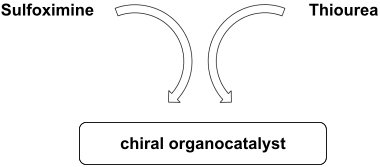
- findings include their use as fluoromethylation reagents, as fluorophores or as directing groups [16][17][18][19]. Two quality characteristics make them particularly attractive for asymmetric synthesis: 1) The stereogenic sulfur atom which is stable towards many reaction conditions, and 2) the ease of


Design of a novel tryptophan-rich membrane-active antimicrobial peptide from the membrane-proximal region of the HIV glycoprotein, gp41
Beilstein J. Org. Chem. 2012, 8, 1172–1184, doi:10.3762/bjoc.8.130
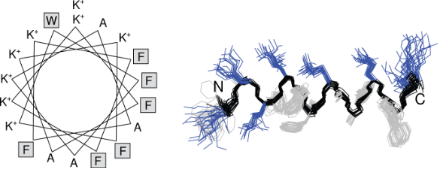
- Trp fluorophores in the various membrane environments. If a Trp side chain inserts into the hydrophobic core of the bilayer, it becomes less accessible to the effects of the soluble acrylamide quencher. The quenching of Trp fluorescence is directly related to the concentration of quencher, so a
- derivatives have large Ksv values in buffer, which is expected if the Trp fluorophores are exposed to the aqueous buffer. In the presence of detergent micelles and LUVs, all of the calculated Ksv values for gp41w-4R decreased dramatically, consistent with this peptide binding to the bilayer and the Trp side





Partial thioamide scan on the lipopeptaibiotic trichogin GA IV. Effects on folding and bioactivity
Beilstein J. Org. Chem. 2012, 8, 1161–1171, doi:10.3762/bjoc.8.129
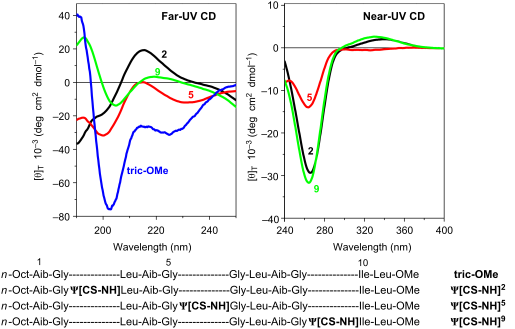
- /trans isomerization can be phototriggered by irradiation at about 260 nm [absorption maximum of the -C(=S)NH- π→π* electronic transition]. (iii) It may act as a minimalist, effective quencher for any type of protein and nonprotein fluorophores. Recently, based on the aforementioned characteristics of


The effect of the formyl group position upon asymmetric isomeric diarylethenes bearing a naphthalene moiety
Beilstein J. Org. Chem. 2012, 8, 1018–1026, doi:10.3762/bjoc.8.114
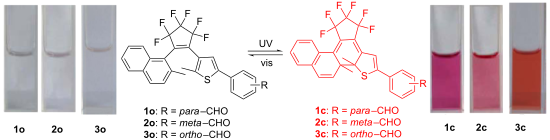
- fluorophores via a Schiff base structure. In a previous work, we developed a new class of diarylethenes with a naphthalene group and a thiophene group. The results revealed that these molecules have excellent photochromism with good fatigue resistance and thermal stability [37]. In this study, in order to





