Search results
Search for "membrane" in Full Text gives 396 result(s) in Beilstein Journal of Organic Chemistry. Showing first 200.
New azodyrecins identified by a genome mining-directed reactivity-based screening
Beilstein J. Org. Chem. 2022, 18, 1017–1025, doi:10.3762/bjoc.18.102
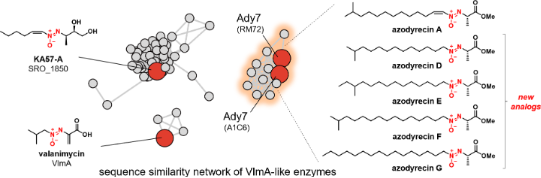
- suggest their participation in this step. Ady6 shows weak homology to DUF4260 (PF14079.9), a family of integral membrane proteins with unknown functions, while Ady8 is similar to the ferritin-like superfamily protein (IPR009078). Ady6/Ady8 are homologous to VlmO/VlmB and SRO_1835/SRO_1837 in the




Isolation and biosynthesis of daturamycins from Streptomyces sp. KIB-H1544
Beilstein J. Org. Chem. 2022, 18, 1009–1016, doi:10.3762/bjoc.18.101
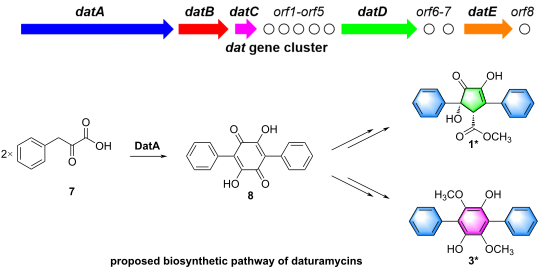
- , 20 mM imidazole, pH 8.0). After ultrasonic cell crushing, the cells were centrifuged at 24,000 rpm for 60 min to remove cell fragments. The supernatant was filtered through 0.22 μm of the filter membrane and then loaded into the nickel column of the rebalanced lysate (HisTraqTM FF, GE Healthcare


First example of organocatalysis by cathodic N-heterocyclic carbene generation and accumulation using a divided electrochemical flow cell
Beilstein J. Org. Chem. 2022, 18, 979–990, doi:10.3762/bjoc.18.98
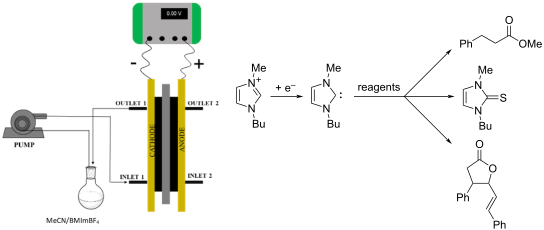
- from the anodic electroactivity of the electrogenerated carbene. In order to have NHC accumulation in the catholyte, the Nafion membrane (cell separator) was pretreated with an alkaline solution. The formation of NHC was quantified as its reaction product with elemental sulfur. The NHC was successfully
- -permeable membrane (Nafion® 438) was inserted to separate the cathode and anode chambers, and a spacer was used on each compartment [36]. The initial goal of this work was to demonstrate the possibility to achieve NHC formation starting from 1-butyl-3-methylimidazolium tetrafluoroborate (BMImBF4), by
- membrane, under N2 atmosphere, at room temperature, under galvanostatic conditions (I = 134 mA) with continuous flow rate of 36 mL/min, studying the effect of cathode material, anode solution and number of Faradays per mole of IL supplied (Table 1). At the end of the electrolysis, excess elemental sulfur


Synthesis of odorants in flow and their applications in perfumery
Beilstein J. Org. Chem. 2022, 18, 754–768, doi:10.3762/bjoc.18.76
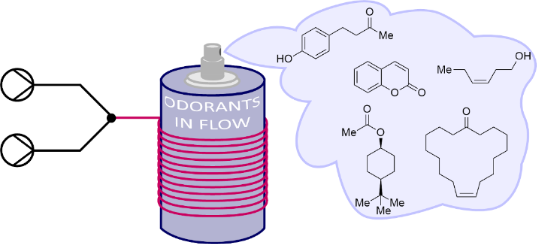
- and, thus, a large interface between the phases. Subsequently, the biphasic system is directly separated, employing a PTFE membrane separator, to afford a solution of isoamyl acetate in n-heptane, while the aqueous layer containing the lipase could be recycled. At 60 °C with a residence time of 8.6
- formation of hydrazone 28. As one equivalent of water is formed in this condensation process, which is detrimental for the subsequent Shapiro reaction, water is continuously removed by in-line separation of the reaction mixture using a PTFE-membrane separator. The organic layer is then mixed with a solution
- %. Thus, Brenna and co-workers developed a cis-selective synthesis of 54 via a biocatalytic process in flow (Scheme 12) [45]. In the first step, a mixture of cyclohexanone 51, NADH, and isopropanol in an aqueous phosphate buffer (pH ≈ 7) is pumped through a continuously stirred membrane reactor at 30 °C


Identification of the new prenyltransferase Ubi-297 from marine bacteria and elucidation of its substrate specificity
Beilstein J. Org. Chem. 2022, 18, 722–731, doi:10.3762/bjoc.18.72
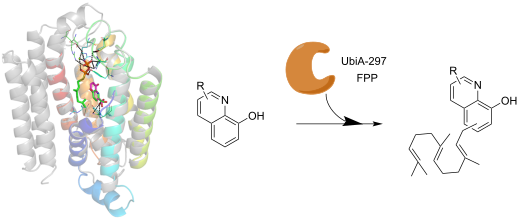
- binding abilities to target proteins [3]. The prenylation reaction, most often a C–C-bond-forming step between an aromatic acceptor moiety and a prenyl chain, is catalyzed by dedicated dominantly membrane-bound prenyltransferases (Ptases) [4][5][6][7]. Ptases belonging to the UbiA-superfamily are
- % pairwise identity) displayed similarities to geranylgeranylglyceryl phosphate synthases (EC 2.5.1.42), which are involved in the formation of polar membrane lipids of archaea and other bacteria [20], while group G4 contained close homologs of the protoheme IX farnesyltransferase (EC 2.5.1.141) (23–100
- (33% identity) and a 4-hydroxybenzoate octaprenyltransferase (ubiquinone-8 (UQ-8), 23% identity) from Shewanella woodyi ATCC 51908. Additionally, UbiA-297 showed sequence identity to a membrane-bound Ptase from the plant Avena sativa (31%) [26]. We then compared the genetic environment of the coding


Structural basis for endoperoxide-forming oxygenases
Beilstein J. Org. Chem. 2022, 18, 707–721, doi:10.3762/bjoc.18.71
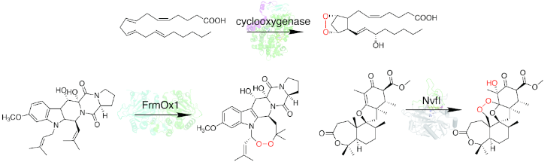
- , including the epidermal growth factor (EGF) domain, the membrane binding domain, and the catalytic domain (Figure 2A) [46][47][48][49][50][51]. The catalytic domain possesses two active sites, the cyclooxygenase- and heme-dependent peroxidase-sites, which are physically separated. The peroxidase-site
- activates the catalytic tyrosine residue, while the cyclooxygenase-site catalyzes the formation of di-peroxides. The active site of the peroxidase-site contains a heme cofactor in the solvent-exposed cleft on the opposite side of the membrane binding domain. Although the heme cofactor is located in the


Inductive heating and flow chemistry – a perfect synergy of emerging enabling technologies
Beilstein J. Org. Chem. 2022, 18, 688–706, doi:10.3762/bjoc.18.70
- continuous process could be established by oxidation with molecular oxygen introduced into the reaction stream via a tube-in-tube membrane reactor, a process which should be very attractive for industrial applications, as oxygen or air act as cheap and environmentally friendly oxidants [82]. An interesting
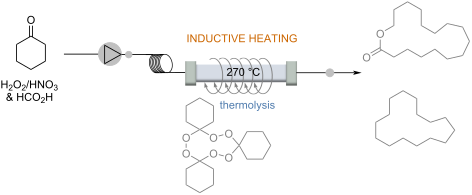
- diperoxide. The reaction mixture was then transferred to a continuous phase separator equipped with a semipermeable membrane, from where the organic phase was transferred to a stainless steel loop reactor. Here, the macrocyclic triperoxide 91 was subjected to pyrolysis at 270 °C. This was done by inductive




Shift of the reaction equilibrium at high pressure in the continuous synthesis of neuraminic acid
Beilstein J. Org. Chem. 2022, 18, 567–579, doi:10.3762/bjoc.18.59
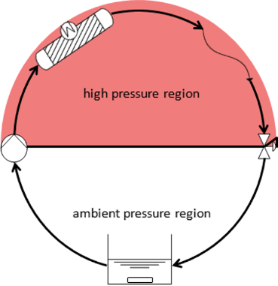
- (ECR8309F). For all immobilizations, a 20 mM sodium phosphate buffer with a pH of 7.4 was used as immobilization buffer. All filtration steps were executed using a membrane pump (Membrane pump ME 2C NT, Vacuubrandt GMBH & Co. KG, Wertheim, Germany) with bottle topper filter (Nalgene™, Thermo Fisher
- Scientific GmbH, Schwerte, Germany), and membrane filters (3 µm) (Sartorius AG, Göttingen, Germany). The carriers were equilibrated with immobilization buffer at a carrier to buffer ratio of 1:1 (w/v). For the amino methacrylate carrier (ECR8309F), a further step of activation was performed with 2


Tetraphenylethylene-embedded pillar[5]arene-based orthogonal self-assembly for efficient photocatalysis in water
Beilstein J. Org. Chem. 2022, 18, 429–437, doi:10.3762/bjoc.18.45
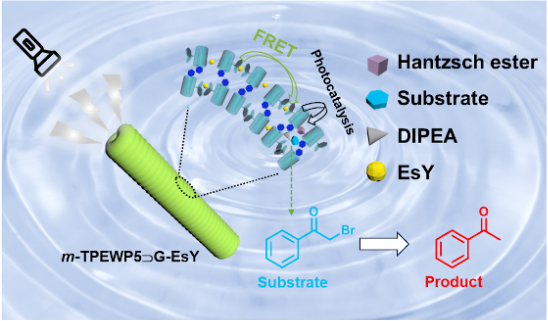
- chemical energy [4][5][6]. Mainly, both antenna molecules and proteins on the thylakoid membrane are combined to form a light-harvesting system through noncovalent interactions. Inspired by photosynthesis, extensive research has been devoted to construct energy transfer systems for the better utilization


![[Graphic 5]](/bjoc/content/inline/1860-5397-18-45-i7.svg?max-width=637&scale=1.18182) G-EsY self-assembled photocat...
G-EsY self-assembled photocat...


![[Graphic 15]](/bjoc/content/inline/1860-5397-18-45-i17.svg?max-width=637&scale=1.18182) G; (b) m-TPEWP5
G; (b) m-TPEWP5![[Graphic 16]](/bjoc/content/inline/1860-5397-18-45-i18.svg?max-width=637&scale=1.18182) G-EsY. [m-TPEWP5] = 1 × 10⁻⁴ M, [G] = 1 × 10⁻⁴ M, [EsY] = ...
G-EsY. [m-TPEWP5] = 1 × 10⁻⁴ M, [G] = 1 × 10⁻⁴ M, [EsY] = ...

![[Graphic 25]](/bjoc/content/inline/1860-5397-18-45-i27.svg?max-width=637&scale=1.18182) G donor assembly...
G donor assembly...

![[Graphic 43]](/bjoc/content/inline/1860-5397-18-45-i45.svg?max-width=637&scale=1.18182) G-EsY na...
G-EsY na...

![[Graphic 48]](/bjoc/content/inline/1860-5397-18-45-i50.svg?max-width=637&scale=1.18182) G-E...
G-E...
Menadione: a platform and a target to valuable compounds synthesis
Beilstein J. Org. Chem. 2022, 18, 381–419, doi:10.3762/bjoc.18.43
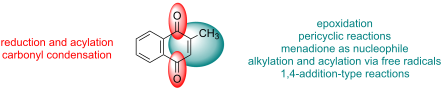
- (DNA and RNA), enzymes, structural proteins, and cell membrane lipids. These effects can lead to dysfunctions that activate the apoptosis process resulting in cell death [42][43][44][45][46]. In addition to participating in redox cycles as biomolecules in various biochemical processes, the 1,4


Flow synthesis of oxadiazoles coupled with sequential in-line extraction and chromatography
Beilstein J. Org. Chem. 2022, 18, 232–239, doi:10.3762/bjoc.18.27
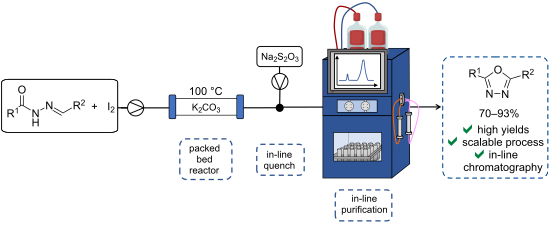
- ], however, many of them involve the use of expensive and complex membrane filters. To reduce cost and increase simplicity we opted to use a ‘home-made’ setup to achieve continuous separation which consisted of a laboratory separating funnel, into which we collect the biphasic reaction output following


1,2-Naphthoquinone-4-sulfonic acid salts in organic synthesis
Beilstein J. Org. Chem. 2022, 18, 53–69, doi:10.3762/bjoc.18.5
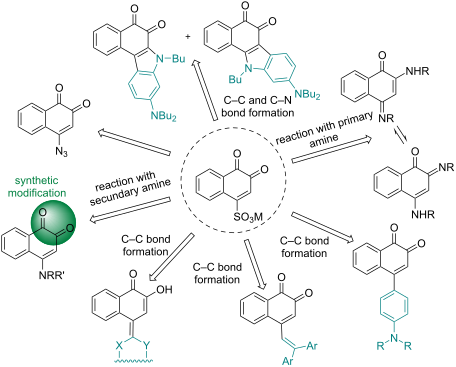
- cause several damages to its components, such as carbohydrates, lipids, membrane components, and enzymes that are critical for DNA replication [9][10][11][12]. Most synthetic strategies toward naphthoquinones with potential biological activity start from natural and synthetic naphthoquinones, inserting


Peptide stapling by late-stage Suzuki–Miyaura cross-coupling
Beilstein J. Org. Chem. 2022, 18, 1–12, doi:10.3762/bjoc.18.1
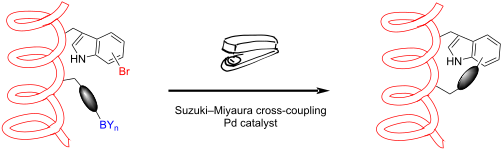
- –Miyaura cross-coupling; Introduction Peptide cyclisation emerged as a popular approach to limit conformational mobility in order to enhance the binding affinity towards a biological target. Moreover, cyclic peptides are more stable against proteolytic digestion and can provide an improved membrane


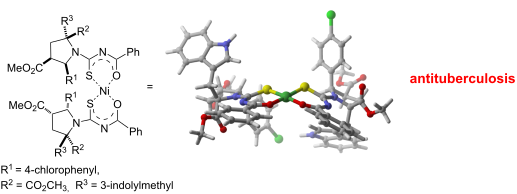
Biological properties and conformational studies of amphiphilic Pd(II) and Ni(II) complexes bearing functionalized aroylaminocarbo-N-thioylpyrrolinate units
Beilstein J. Org. Chem. 2021, 17, 2812–2821, doi:10.3762/bjoc.17.192
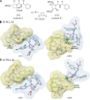
- cellular targets known for antituberculosis drugs and all the different chemical structures (inhibition of cell wall synthesis, disruption of the plasma membrane, DNA-gyrase, etc.) the next work focused on determining the exact biological mechanism and docking studies could not be executed. Conclusion The
- ). To obtain an initial concentration of 1000 μg/mL, the novel synthesized compounds were dissolved in DMSO to prepare stock solutions and then, 0.22 μm membrane filters were used to sterilization of the compounds. Serial two-fold dilutions of the compounds and ampicillin (standard reference drug) were

Highly stereocontrolled total synthesis of racemic codonopsinol B through isoxazolidine-4,5-diol vinylation
Beilstein J. Org. Chem. 2021, 17, 2781–2786, doi:10.3762/bjoc.17.188
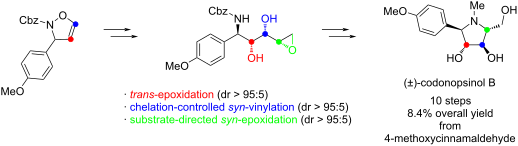
- core. It is proven that the presence of lipophilic groups in the structure of such compounds improves their penetration trough the cell membrane, and thereby increases their antitumor effectiveness [40]. Conclusion In summary, we have developed an efficient highly diastereoselective synthesis of


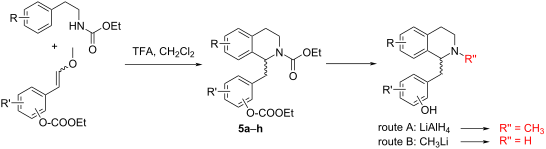
The ethoxycarbonyl group as both activating and protective group in N-acyl-Pictet–Spengler reactions using methoxystyrenes. A short approach to racemic 1-benzyltetrahydroisoquinoline alkaloids
Beilstein J. Org. Chem. 2021, 17, 2716–2725, doi:10.3762/bjoc.17.183
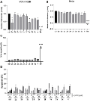
- plate reader (FLIPR) built into a robotic liquid handling station (Fluent, Tecan, Switzerland) and a HEK293 cell line stably expressing the human TPC2 (C-terminally RFP-tagged) rerouted to the plasma membrane as previously described [57]. Trypsinized HEK293 cells (stably expressing hTPC2L11A/L12A


Synthetic strategies toward 1,3-oxathiolane nucleoside analogues
Beilstein J. Org. Chem. 2021, 17, 2680–2715, doi:10.3762/bjoc.17.182
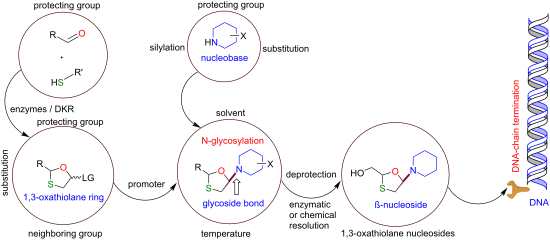
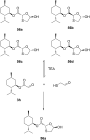
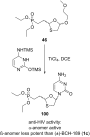
- was devised for targeting specific receptors on the leukocytes membrane. The crucial N-glycosylation reaction between 1,3-oxathiolane precursor 45 and silylated cytosine was carried out using TiCl4 as a catalyst. The N-acylation of compound 92a was performed for flash chromatography, and further








Synthesis of new bile acid-fused tetrazoles using the Schmidt reaction
Beilstein J. Org. Chem. 2021, 17, 2611–2620, doi:10.3762/bjoc.17.174
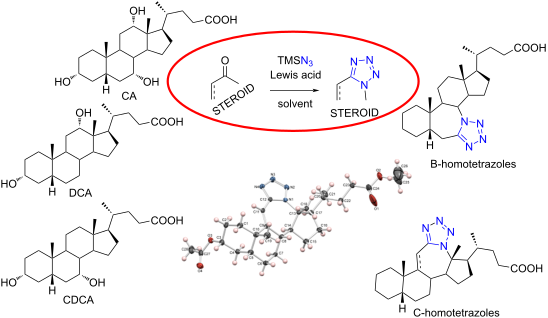
- material [4][5][6][7]. Aggregation and interactions with the cell membrane of bile acid molecules can alter drug action [8][9]. Our previous work showed that bile acids could interact with certain drug molecules and improve their biological activity [10][11]. To evade the membranolytic action of natural


Strategies for the synthesis of brevipolides
Beilstein J. Org. Chem. 2021, 17, 2399–2416, doi:10.3762/bjoc.17.157
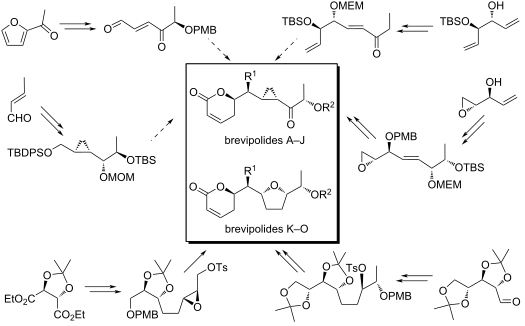
- , entries 1–7). A very low ED50 value of 8.5 nM was obtained for brevipolide C (3) (Table 2, entry 3) [4], making it a very potent lead compound for anticancer candidates related to mitochondrial dysfunction effect. A reduction in the mitochondrial membrane potential (MMP) could also indicate apoptosis [20


Isolation and characterization of new phenolic siderophores with antimicrobial properties from Pseudomonas sp. UIAU-6B
Beilstein J. Org. Chem. 2021, 17, 2390–2398, doi:10.3762/bjoc.17.156
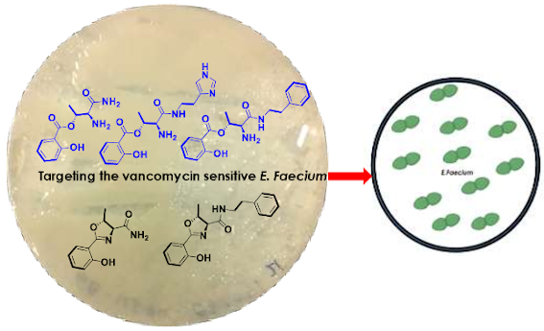
- addition of 1 M HCl (20 µL), diluted with acetonitrile (100 µL), and filtered through a PTFE membrane filter (0.45 µm). The standard amino acids (ᴅ-Thr, ʟ-Thr, and ʟ-allo-Thr) were subjected to derivatization with ʟ-FDAA by using the same method previously described. For the HPLC analysis, mixtures of the


Post-functionalization of drug-loaded nanoparticles prepared by polymerization-induced self-assembly (PISA) with mitochondria targeting ligands
Beilstein J. Org. Chem. 2021, 17, 2302–2314, doi:10.3762/bjoc.17.148
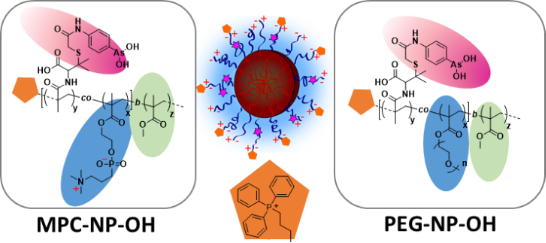
- peptides and proteins have been linked to nanotechnology. DQA and TPP are both cationic and lipophilic molecules and therefore able to easily pass the mitochondrial membrane [15][16][17][18][19]. TPP is the most-studied mitochondrial targeting agent and has shown to accumulate 1000 times more in the






Halides as versatile anions in asymmetric anion-binding organocatalysis
Beilstein J. Org. Chem. 2021, 17, 2270–2286, doi:10.3762/bjoc.17.145
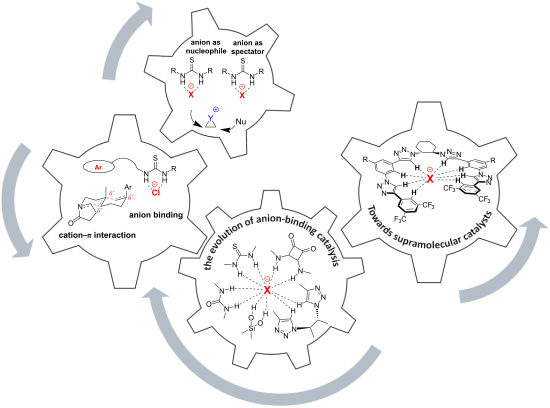
- , the regulation of membrane potentials is one of such applications, in which the transport of chloride anions is facilitated by noncovalent hydrogen bonding interactions (Figure 1a) [6]. Noncovalent interactions are in fact one of the essential factors for the molecular recognition in enzymatic



(Phenylamino)pyrimidine-1,2,3-triazole derivatives as analogs of imatinib: searching for novel compounds against chronic myeloid leukemia
Beilstein J. Org. Chem. 2021, 17, 2260–2269, doi:10.3762/bjoc.17.144
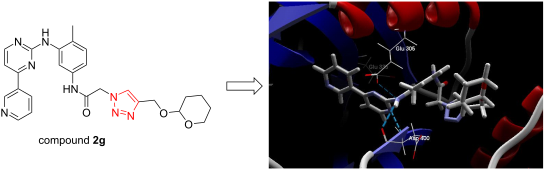
- in Figure 3 [32], may have better passive diffusion through the membrane of the target cell, increasing its concentration in the intracellular medium and consequently its activity. In relation to CC50 values of the compounds selected for the cell viability test (2c, 2d, and 2g), all were less potent
- the antibiotic gentamicin, and all cell lines were grown in a cell culture bottle, which had a 0.22 µm pore membrane filter on the lid, allowing the circulation of CO2. WSS-1 cells grew adherently, while cells of the K562 strain grew in suspension. All strains were maintained at 35 °C, at 5% CO2. Cell


Chemical syntheses and salient features of azulene-containing homo- and copolymers
Beilstein J. Org. Chem. 2021, 17, 2164–2185, doi:10.3762/bjoc.17.139
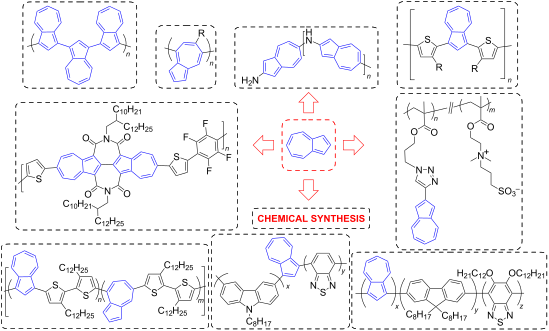
- case of protonated emeraldine. The Nafion membrane doped with protonated polyaminoazulene 31 displayed good proton conductivity and reduced methanol permeability, making it suitable for methanol fuel cell applications. Azulene-containing copolymers Azulene-thiophene/bithiophene copolymers Lai and co
- polyanilines and can be a useful proton-conducting membrane material in methanol fuel cells. Also, as azulenes are known to contravene Kasha’s rule, it is intriguing to explore, how their presence in the polymers can favor the energy utilization from higher excited states. This may lead to a new dimension in





Progress and challenges in the synthesis of sequence controlled polysaccharides
Beilstein J. Org. Chem. 2021, 17, 1981–2025, doi:10.3762/bjoc.17.129