


Search results
Search for "organocatalyst" in Full Text gives 154 result(s) in Beilstein Journal of Organic Chemistry.
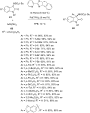
Asymmetric Michael addition reactions catalyzed by calix[4]thiourea cyclohexanediamine derivatives
Beilstein J. Org. Chem. 2018, 14, 1901–1907, doi:10.3762/bjoc.14.164
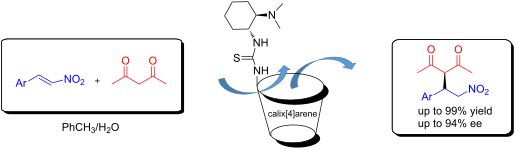
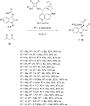
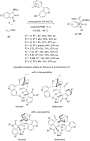
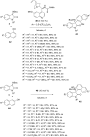
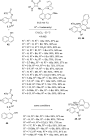
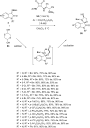
- different nitroolefins catalyzed by organocatalyst 2. Reagents and conditions: catalyst 2 (5 mol %), nitroolefin (0.5 mmol), acetylacetone (1 mmol), toluene (0.32 mL) and water (0.16 mL), rt. Catalysts synthesized and screened in this study. Synthetic routes for organocatalysts 1–4. Possible proposed



Recent advances in hypervalent iodine(III)-catalyzed functionalization of alkenes
Beilstein J. Org. Chem. 2018, 14, 1813–1825, doi:10.3762/bjoc.14.154
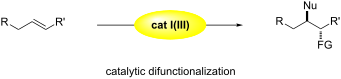
- bromines to alkenes, using ortho-substituted iodobenzene 62 as an organocatalyst (Scheme 19) [75]. A control experiment indicated that only trace amounts of products were observed in the absence of iodoarene catalyst (2%). A similar work involving a rearrangement of imides, which delivered α,α


Recent applications of chiral calixarenes in asymmetric catalysis
Beilstein J. Org. Chem. 2018, 14, 1389–1412, doi:10.3762/bjoc.14.117
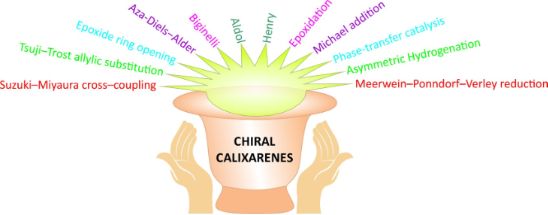
- calixarene; organocatalyst; supramolecular catalyst; Introduction The catalysis of organic reactions by macrocyclic host compounds is a longstanding proposed application of supramolecular chemistry and utilizes the use of noncovalent interactions in catalytic systems to achieve higher reaction rates, more
- asymmetric Michael addition reaction of thiophenol could be catalyzed by inherently chiral calixarenes bearing amino alcohol/phenol structure [47][48]. In order to see the effect of the diarylmethanol moiety, Shirakawa and Shimizu used 43 (Figure 6) as organocatalyst in the Michael addition reaction between
- both catalysts gave the Michael adduct in excellent yields, high ees were obtained only when 54b was used as organocatalyst (up to 94% ee, Scheme 16). During the last decade, squaramide catalysts have become a powerful alternative to the urea/thiourea and guanidine catalysts as multiple hydrogen bond


Synthesis of chiral 3-substituted 3-amino-2-oxindoles through enantioselective catalytic nucleophilic additions to isatin imines
Beilstein J. Org. Chem. 2018, 14, 1349–1369, doi:10.3762/bjoc.14.114

- an enantioselective organocatalytic Mannich reaction between isatin-derived benzhydrylketimines 12 and trimethylsiloxyfuran 13 [38]. Using 10 mol % of another type of organocatalyst, such as chiral phosphoric acid 14, the process led at −40 °C in THF to the corresponding butenolides 11 in moderate to
- enantioselectivities (90–94% ee), as shown in Scheme 5. The synthetic utility of this novel methodology was demonstrated through the total synthesis of the natural product (−)-psychotriasine (Scheme 5) and the biologically active compound AG-041R (Scheme 1). By using another type of organocatalyst, such as L
- a carbon–carbon bond-forming reaction occurring between the α-position of an activated alkene and a carbon electrophile such as an aldehyde. Employing a nucleophilic organocatalyst [26], such as a tertiary amine or a phosphine, this simple reaction provides densely functionalized products, such as α











Fluorocyclisation via I(I)/I(III) catalysis: a concise route to fluorinated oxazolines
Beilstein J. Org. Chem. 2018, 14, 1021–1027, doi:10.3762/bjoc.14.88
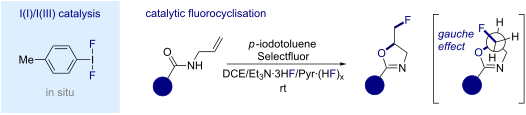
- . Conclusion An operationally simple route to 5-fluoromethyl-2-oxazolines from readily accessible N-allylcarboxamides is disclosed based on an I(I)/I(III) catalysis manifold. This metal-free fluorocyclisation employs p-iodotoluene (10 mol %) as an inexpensive organocatalyst and Selectfluor® as oxidant. The


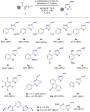


Electrochemically modified Corey–Fuchs reaction for the synthesis of arylalkynes. The case of 2-(2,2-dibromovinyl)naphthalene
Beilstein J. Org. Chem. 2018, 14, 891–899, doi:10.3762/bjoc.14.76
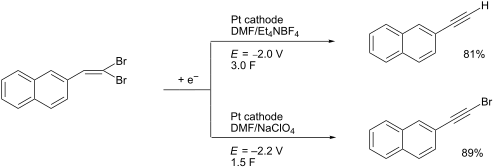
- the latter reaction DBU acts both as base and as organocatalyst [14]. In all cases, an excess of a strong base or high temperature are necessary for the reaction to proceed. An overview on the importance of the Corey–Fuchs reaction for the synthesis of natural products has been pointed out by Heravi


Nanoreactors for green catalysis
Beilstein J. Org. Chem. 2018, 14, 716–733, doi:10.3762/bjoc.14.61
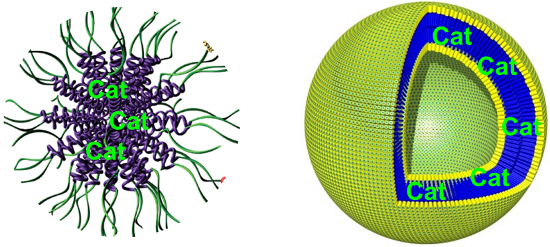
- depicted in Figure 2, PQS (4a) has an OH moiety that allows for its linkage to the organocatalyst proline 4b. Also, PQS has a lipophilic component that acts as a reaction solvent for hydrophobic dienes. The latter feature allows aldol reactions to take place efficiently in water. The aldol reaction between


Enzyme-free genetic copying of DNA and RNA sequences
Beilstein J. Org. Chem. 2018, 14, 603–617, doi:10.3762/bjoc.14.47
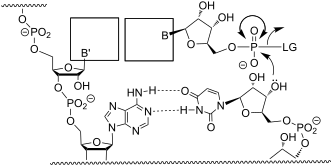
- faster than the NMR time scale. The EDC adduct is then expected to react with the organocatalyst, yielding the alkylimidazolium nucleotide that acts as the kinetically most relevant monomer in the extension reaction. The ethylimidazolium species can be observed as a small peak in 31P NMR spectra. The
- approaches that reduce inhibition or slow conversion. Among them is the removal of hydrolyzed monomer, improved activation chemistries, or in situ (re)activation with the support of an organocatalyst. Despite progress in the field, the ultimate goal of demonstrating enzyme-free replication of RNA strands
- organocatalyst. Acknowledgements We would like to thank H.-P. Mattelaer and E. Kervio for critical comments on the manuscript. The work of the authors on enzyme-free copying is supported by DFG grant No. RI 1063/16-1 to C.R.


Diastereoselective auxiliary- and catalyst-controlled intramolecular aza-Michael reaction for the elaboration of enantioenriched 3-substituted isoindolinones. Application to the synthesis of a new pazinaclone analogue
Beilstein J. Org. Chem. 2018, 14, 593–602, doi:10.3762/bjoc.14.46

- reached only for specific substitution patterns on the amide nitrogen atom and to a lesser extent on the Michael acceptor. In order to overcome these limitations, we decided to incorporate a chiral auxiliary in our substrates combined with a proper chiral phase-transfer organocatalyst to operate an
- diastereoselectivity could not be obtained and we looked for improvements through the use of an appropriate chiral organocatalyst [63][64][65]. Indeed, within the same reaction conditions, the use of cinchoninium catalyst 18a afforded isoindolinone (S)-3a with higher de (54%), (Table 1, entry 5). We assumed such de


Investigations towards the stereoselective organocatalyzed Michael addition of dimethyl malonate to a racemic nitroalkene: possible route to the 4-methylpregabalin core structure
Beilstein J. Org. Chem. 2018, 14, 553–559, doi:10.3762/bjoc.14.42
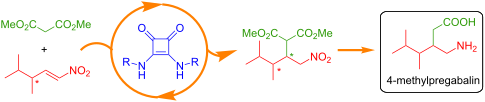
- successful Michael additions to nitroalkenes in aqueous media [20][21], we have also tested the Michael addition of dimethyl malonate to nitroalkene 6 in brine. For this experiment, we have employed the more lipophilic organocatalyst C4, but the desired adduct 7 was formed only in small amount (14
- nitroalkene is bound to the catalyst via a squaramide moiety including an ancillary C–H···O hydrogen bond [45][46]. The dimethyl malonate anion binds via the protonated tertiary amide group. The calculations suggest that using organocatalyst C7 the preferred enantiomers of the product, within like and unlike
- synthesized from ethyl 3-methylbutanoate. The key step is an organocatalytic Michael addition of dimethyl malonate to racemic nitroalkene 6. Using chiral squaramide organocatalyst, the desired Michael adduct 7 was obtained in 75% yield as a mixture of diastereomers (dr 68:32) with very high enantiomeric


Novel amide-functionalized chloramphenicol base bifunctional organocatalysts for enantioselective alcoholysis of meso-cyclic anhydrides
Beilstein J. Org. Chem. 2018, 14, 309–317, doi:10.3762/bjoc.14.19

- 96% ee and 73% yield. Conclusion In conclusion, we developed a unique bifunctional chiral organocatalyst via introducing a simple amide functionality at C-1 of the easily available chloramphenicol scaffold, which shows good catalytic reactivity and enantioselectivity in the alcoholytic


Nucleophilic fluoroalkylation/cyclization route to fluorinated phthalides
Beilstein J. Org. Chem. 2018, 14, 182–186, doi:10.3762/bjoc.14.12
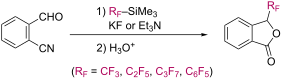
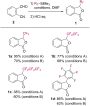
- transformation. After many experiments, we found that the use of ethyl 2-formylbenzoate (10) [36] instead of nitrile 2 resulted in the formation of 1a with 27% ee upon exposure to organocatalyst 9b (0.1 equiv) and tetramethylammonium fluoride (0.5 equiv, Scheme 5). Conclusion In summary, we have demonstrated a




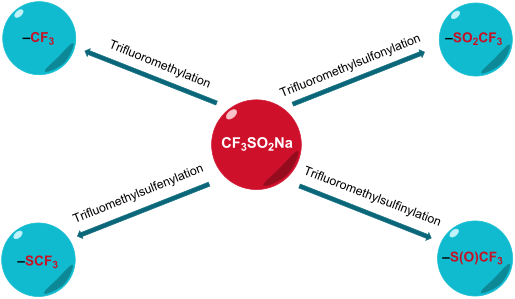
CF3SO2X (X = Na, Cl) as reagents for trifluoromethylation, trifluoromethylsulfenyl-, -sulfinyl- and -sulfonylation. Part 1: Use of CF3SO2Na
Beilstein J. Org. Chem. 2017, 13, 2764–2799, doi:10.3762/bjoc.13.272
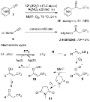
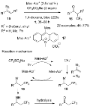
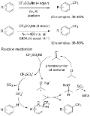
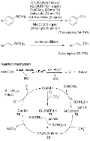
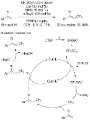
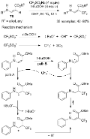
- good yields (Scheme 49). The oxidation–reduction potentials were determined by cyclic voltammetry and a catalytic cycle was proposed in which the CF3 radical was generated from CF3SO2Na via the organocatalyst AQN-2-CO2H and visible light (Scheme 49) [72]. Rueping’s group described three examples of

















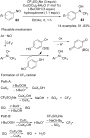


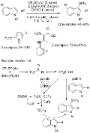

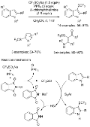


Regioselective decarboxylative addition of malonic acid and its mono(thio)esters to 4-trifluoromethylpyrimidin-2(1H)-ones
Beilstein J. Org. Chem. 2017, 13, 2617–2625, doi:10.3762/bjoc.13.259
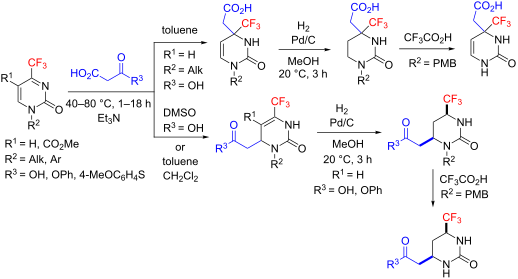
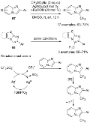
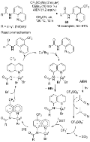
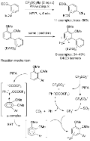
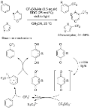
- , entries 5 and 6). Unfortunately, quinine and the chiral quinine-derived thiourea organocatalyst QT in toluene led to a mixture of racemic products along with 19% and 38% of unreacted starting material, respectively (Table 1, entries 7 and 8). As seen from the screening results, the reaction

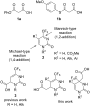


Synthesis of 1,3-cis-disubstituted sterically encumbered imidazolidinone organocatalysts
Beilstein J. Org. Chem. 2017, 13, 2577–2583, doi:10.3762/bjoc.13.254

- enamine complex. Scheme 1b shows our regio-, diastereo- and enantioselective 1,3-chlorosulfenation of meso-cyclopropyl carbaldehydes employing a newly designed organocatalyst 7a·DCA for chiral induction [25]. In the course of these studies we prepared a variety of imidazolidinone organocatalysts with


Homologated amino acids with three vicinal fluorines positioned along the backbone: development of a stereoselective synthesis
Beilstein J. Org. Chem. 2017, 13, 2316–2325, doi:10.3762/bjoc.13.228

- the repeating (CHF)n motif within the target molecule via an iterative synthetic approach (Scheme 1, boxed). We reasoned that an aldehyde such as 7 could undergo electrophilic fluorination, mediated by a chiral organocatalyst [18][19][20], to generate the fluorinated aldehyde 8 as a single
- the method developed by Jørgensen and co-workers (Scheme 1) [20]. Thus, the aldehyde 7a (or 7b) was treated with N-fluorobenzenesulfonimide in the presence of the chiral organocatalyst 10, and after a certain period the fluorinated aldehyde product 8 was reduced in situ. Initial studies with substrate


Phosphonic acid: preparation and applications
Beilstein J. Org. Chem. 2017, 13, 2186–2213, doi:10.3762/bjoc.13.219
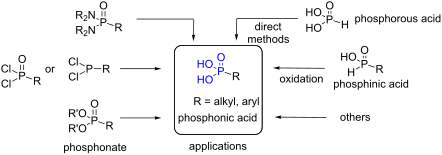
- dots [107] and used as anchoring group for dye-sensitized solar cells [108][109][110] or for the immobilization of organocatalyst [111][112]. Phosphonic acid was also used for coating superparamagnetic iron oxide (e.g., magnetite) assessed as contrast agent in magnetic resonance imaging [113] or to


Mechanochemical synthesis of small organic molecules
Beilstein J. Org. Chem. 2017, 13, 1907–1931, doi:10.3762/bjoc.13.186
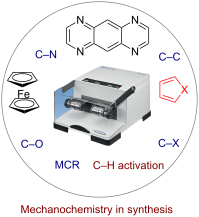
- -free conditions were performed using a combination of (S)-binam-L-Pro (A, 5 mol %) and benzoic acid (10 mol %) as organocatalyst [49]. Juaristi and co-workers investigated the mechanistic aspects of α,α-dipeptide derivatives of a (S)-proline- (A′)-catalyzed asymmetric aldol reaction (Scheme 2b) under
- -poor aromatic aldehydes and aromatic ring of the organocatalyst plays a crucial role for excellent yield and selectivity. Apparently the solvent-free system enhances the rigidity of the transition state for more selective reactions under mechanochemical activation. Michael addition Generally strong




Mechanochemical synthesis of thioureas, ureas and guanidines
Beilstein J. Org. Chem. 2017, 13, 1828–1849, doi:10.3762/bjoc.13.178
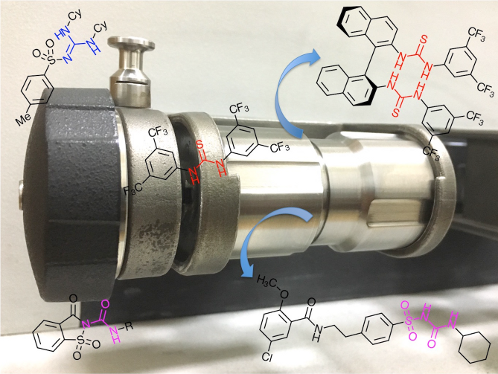
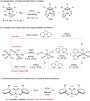
- organocatalyst design was first introduced by reacting 3,5-di(trifluoromethyl)phenyl isothiocyanate with 3,5-di(trifluoromethyl)aniline and 4-chloroaniline in a 1:1 ratio under LAG conditions using methanol as the grinding liquid. This led to quantitative formation of the Schreiner's catalyst 5 and thiourea 17






Bifunctional organocatalysts for the asymmetric synthesis of axially chiral benzamides
Beilstein J. Org. Chem. 2017, 13, 1518–1523, doi:10.3762/bjoc.13.151

- . Moderate to good enantioselectivities were afforded with a range of benzamide substrates. Mechanistic investigations were also carried out. Keywords: axial chirality; benzamide; bifunctional organocatalyst; molecular conformation; multipoint recognition; Introduction Bifunctional organocatalysts have




Construction of highly enantioenriched spirocyclopentaneoxindoles containing four consecutive stereocenters via thiourea-catalyzed asymmetric Michael–Henry cascade reactions
Beilstein J. Org. Chem. 2017, 13, 1342–1349, doi:10.3762/bjoc.13.131
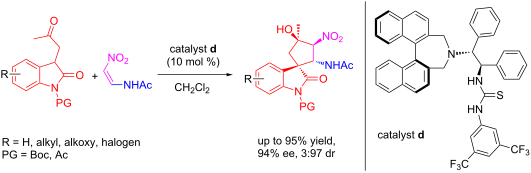
- mechanism was proposed in Scheme 3. The multifunctional organocatalyst d has a chiral scaffold including a thiourea moiety and an amino group. Both the 3-substituted oxindoles 1 and nitrovinylacetamide (2a) that participate in this reaction are activated simultaneously via multiple hydrogen bonds. In



Ultrasound-promoted organocatalytic enamine–azide [3 + 2] cycloaddition reactions for the synthesis of ((arylselanyl)phenyl-1H-1,2,3-triazol-4-yl)ketones
Beilstein J. Org. Chem. 2017, 13, 694–702, doi:10.3762/bjoc.13.68
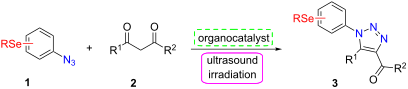
- have been used for this cycloaddition reaction [20][21][22][23][24][25][26][27][28][29]. Organocatalytic approaches based on β-enamine–azide or enolate–azide cycloadditions have been employed to synthesize 1,2,3-triazole scaffolds [30][31][32]. Depending on the organocatalyst employed, different
- 1,2,3-triazoles [33][34][35][36][37]. Selanyltriazoyl carboxylates, carboxamides, carbonitriles or sulfones were synthesized in good to excellent yields using catalytic amounts of an organocatalyst. Organoselenium compounds are attractive synthetic targets because of their selective reactions [38][39
- temperature in the presence of 1 mol % of Et2NH as organocatalyst, providing an excellent yield (98%) of the desired product 3a after 2 h (conditions A, Scheme 2). With the aim to compare the effect of different energy sources in this β-enamine–azide cycloaddition, the reaction between substrates 1a and 2a in


Synthesis of new pyrrolidine-based organocatalysts and study of their use in the asymmetric Michael addition of aldehydes to nitroolefins
Beilstein J. Org. Chem. 2017, 13, 612–619, doi:10.3762/bjoc.13.59
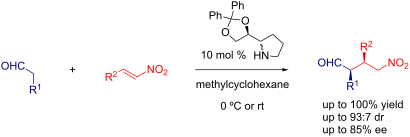
- evaluated as chiral organocatalysts in the enantioselective α-chlorination of β-ketoesters, with excellent results obtained after optimisation of the organocatalyst structure [12]. In an effort to identify new, easily accessible and tuneable organocatalysts with the privileged pyrrolidine motif from the
- immediately treated with iodine to yield N-benzylpyrrolidine 2 in 69% isolated yield. The subsequent exposure of compound 2 to molecular hydrogen in the presence of Pd(OH)2/C as a catalyst afforded the desired organocatalyst OC1 in 73% yield (Scheme 1). The same reaction sequence led to organocatalyst OC2 in
- catalytic Pd/C. In this way organocatalysts OC3–OC10 were obtained (Scheme 3 and Scheme 4). In addition another new organocatalyst, OC11, with a different bulky substituent at C2 in the pyrrolidine moiety was prepared. Reacting diol 7 with 1,3-dichlorotetraisopropyldisiloxane in the presence of imidazole


New approaches to organocatalysis based on C–H and C–X bonding for electrophilic substrate activation
Beilstein J. Org. Chem. 2016, 12, 2834–2848, doi:10.3762/bjoc.12.283
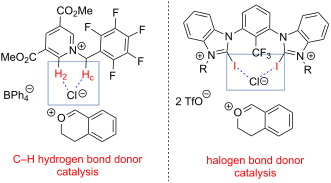
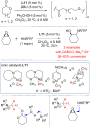
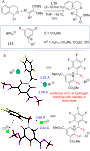
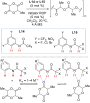
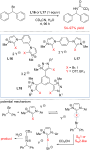
- hydrogen bonds or halogen bonding (C–X···X or C–X···A interactions) in organocatalyst design. Such non-covalent interactions have been traditionally viewed as “weak” when compared to classical A–H···A hydrogen bonds. However, in some cases the term “weak” may be misleading as an increasing number of
- examples demonstrate the effectiveness of such interactions for organocatalyst design. While C–H···A hydrogen bonds have been invoked in biological processes, halogen bonding is not commonly observed in natural enzyme-catalyzed reactions. Therefore, application of these new interactions for small molecule
- dominated the field of organocatalysis, numerous recent examples highlight the importance of other types of non-covalent interactions for electrophilic substrate activation. The use of C–H and C–X bonds with halogens or electron-rich heteroatoms has been particularly useful in new organocatalyst design








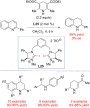


Towards the development of continuous, organocatalytic, and stereoselective reactions in deep eutectic solvents
Beilstein J. Org. Chem. 2016, 12, 2620–2626, doi:10.3762/bjoc.12.258
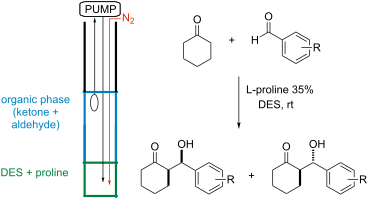
- when using an apparently simple organocatalyst such as L-proline. These observations have important implications in the future design of chiral catalysts, thereby opening the floodgates to new intriguing opportunities for organocatalysis in unconventional reaction media. Experimental set-up I: test





