


Search results
Search for "reductive amination" in Full Text gives 127 result(s) in Beilstein Journal of Organic Chemistry.
Muraymycin nucleoside-peptide antibiotics: uridine-derived natural products as lead structures for the development of novel antibacterial agents
- Daniel Wiegmann,
- Stefan Koppermann,
- Marius Wirth,
- Giuliana Niro,
- Kristin Leyerer and
- Christian Ducho
Beilstein J. Org. Chem. 2016, 12, 769–795, doi:10.3762/bjoc.12.77
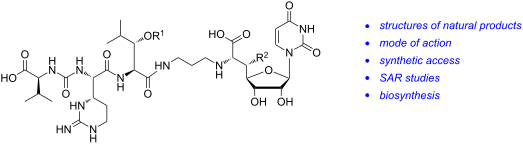
- separated by column chromatography. After debenzylation, the resultant primary amines were connected with amido aldehydes 6 substituted with different moieties R and R' by reductive amination with R being either a hydroxy group or a hydrogen and R' representing an alkyl, allyl, ester or a protected amino
- followed by an azide reduction, Boc protection, saponification of the ester, peptide coupling with the amino acid 17, oxidative cleavage of the double bond to give 18 and an intramolecular reductive amination in order to construct the seven-membered ring. Methylation with subsequent acidic global
- diastereoselectively converted with a Grignard reagent into the amine 53 as a key step of the synthesis [78]. Cbz protection followed by ozonolysis with subsequent reductive amination and hydrogenolysis led to the 1,3-diamine 54. The cyclisation to the guanidine functionality was achieved with the novel

Graphical Abstract
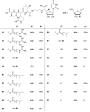
Figure 1: Structures of the naturally occurring muraymycins isolated by McDonald et al. [22].
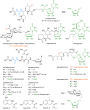
Figure 2: Structures of selected classes of nucleoside antibiotics. Similarities to the muraymycins are highl...

Figure 3: Structure of peptidoglycan. Long chains of glycosides (alternating GlcNAc (green) and MurNAc (blue)...

Figure 4: Schematic representation of bacterial cell wall biosynthesis.
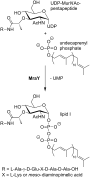
Figure 5: Translocase I (MraY) catalyses the reaction of UDP-MurNAc-pentapeptide with undecaprenyl phosphate ...

Figure 6: Proposed mechanisms for the MraY-catalysed reaction. A: Two-step mechanism postulated by Heydanek e...

Scheme 1: First synthetic access towards simplified muraymycin analogues as reported by Yamashita et al. [76].

Scheme 2: Synthesis of (+)-caprazol (19) reported by Ichikawa, Matsuda et al. [92].
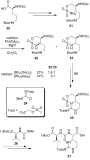
Scheme 3: Synthesis of the epicapreomycidine-containing urea dipeptide via C–H activation [96,97].

Scheme 4: Synthesis of muraymycin D2 and its epimer reported by Ichikawa, Matsuda et al. [96,97].

Scheme 5: Synthesis of the urea tripeptide unit as a building block for muraymycins reported by Kurosu et al. ...

Scheme 6: Synthesis of the uridine-derived core structure of naturally occuring muraymycins reported by Ducho...
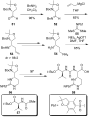
Scheme 7: Synthesis of the epicapreomycidine-containing urea dipeptide from Garner's aldehyde reported by Duc...

Scheme 8: Synthesis of a hydroxyleucine-derived aldehyde building block reported by Ducho et al. [107].

Scheme 9: Synthesis of 5'-deoxy muraymycin C4 (65) as a closely related natural product analogue [78,109,110].

Figure 7: Summary of modifications on semisynthetic muraymycin analogues tested by Lin et al. [86]. Most active c...

Figure 8: Bioactive muraymycin analogues identified by Yamashita et al. [76].
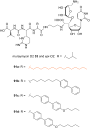
Figure 9: Muraymycin D2 and several non-natural lipidated analogues 91a–d [77,114].
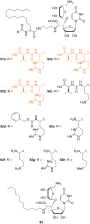
Figure 10: Non-natural muraymycin analogues with varying peptide structures [77,114].

Figure 11: SAR results for several structural variations of the muraymycin scaffold.

Figure 12: Muraymycin analogues designed for potential anti-Pseudomonas activity (most active analogues are hi...
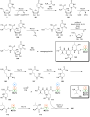
Scheme 10: Proposed outline pathway for muraymycin biosynthesis based on the analysis of the biosynthetic gene...

Scheme 11: Biosynthesis of the nucleoside core structure of A-90289 antibiotics (which is identical to the mur...

Scheme 12: Transaldolase-catalysed formation of the key intermediate GlyU 101 in the biosynthesis of muraymyci...
(Thio)urea-mediated synthesis of functionalized six-membered rings with multiple chiral centers
- Giorgos Koutoulogenis,
- Nikolaos Kaplaneris and
- Christoforos G. Kokotos
Beilstein J. Org. Chem. 2016, 12, 462–495, doi:10.3762/bjoc.12.48
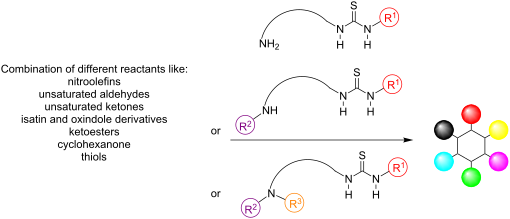
- desired products in excellent yields and selectivities. In order to broaden the utility of this methodology, the authors reduced the nitro group to an amine. The product was in situ transformed to the tricyclic product 102, through a diastereoselective reductive amination, that controlled the

Graphical Abstract

Scheme 1: Activation of carbonyl compounds via enamine and iminium intermediates [2].

Scheme 2: Electronic and steric interactions present in enamine activation mode [2].

Scheme 3: Electrophilic activation of carbonyl compounds by a thiourea moiety.

Scheme 4: Asymmetric synthesis of dihydro-2H-pyran-6-carboxylate 3 using organocatalyst 4 [16].

Scheme 5: Possible hydrogen-bonding for the reaction of (E)-methyl 2-oxo-4-phenylbut-3-enoate [16].

Scheme 6: Asymmetric desymmetrization of 4,4-cyclohexadienones using the Michael addition reaction with malon...

Scheme 7: The enantioselective synthesis of α,α-disubstituted cycloalkanones using catalyst 11 [18].

Scheme 8: The enantioselective synthesis of indolo- and benzoquinolidine compounds through aza-Diels–Alder re...

Scheme 9: Enantioselective [5 + 2] cycloaddition [20].

Scheme 10: Asymmetric synthesis of oxazine derivatives 26 [21].

Scheme 11: Asymmetric synthesis of bicyclo[3.3.1]nonadienone, core 30 present in (−)-huperzine [22].

Scheme 12: Asymmetric inverse electron-demand Diels-Alder reaction catalyzed by amine-thiourea 34 [23].

Scheme 13: Asymmetric entry to morphan skeletons, catalyzed by amine-thiourea 37 [24].

Scheme 14: Asymmetric transformation of (E)-2-nitroallyl acetate [25].

Scheme 15: Proposed way of activation.

Scheme 16: Asymmetric synthesis of nitrobicyclo[3.2.1]octan-2-one derivatives [26].

Scheme 17: Asymmetric tandem Michael–Henry reaction catalyzed by 50 [27].

Scheme 18: Asymmetric Diels–Alder reactions of 3-vinylindoles 51 [29].

Scheme 19: Proposed transition state and activation mode of the asymmetric Diels–Alder reactions of 3-vinylind...

Scheme 20: Desymmetrization of meso-anhydrides by Chin, Song and co-workers [30].

Scheme 21: Desymmetrization of meso-anhydrides by Connon and co-workers [31].

Scheme 22: Asymmetric intramolecular Michael reaction [32].

Scheme 23: Asymmetric addition of malonate to 3-nitro-2H-chromenes 67 [33].

Scheme 24: Intramolecular desymmetrization through an intramolecular aza-Michael reaction [34].

Scheme 25: Enantioselective synthesis of (−)-mesembrine [34].

Scheme 26: A novel asymmetric Michael–Michael reaction [35].

Scheme 27: Asymmetric three-component reaction catalyzed by Takemoto’s catalyst 77 [46].

Scheme 28: Asymmetric domino Michael–Henry reaction [47].

Scheme 29: Asymmetric domino Michael–Henry reaction [48].

Scheme 30: Enantioselective synthesis of derivatives of 3,4-dihydro-2H-pyran 89 [49].

Scheme 31: Asymmetric addition of α,α-dicyano olefins 90 to 3-nitro-2H-chromenes 91 [50].

Scheme 32: Asymmetric three-component reaction producing 2,6-diazabicyclo[2.2.2]octanones 95 [51].

Scheme 33: Asymmetric double Michael reaction producing substituted chromans 99 [52].

Scheme 34: Enantioselective synthesis of multi-functionalized spiro oxindole dienes 106 [53].

Scheme 35: Organocatalyzed Michael aldol cyclization [54].

Scheme 36: Asymmetric synthesis of dihydrocoumarins [55].

Scheme 37: Asymmetric double Michael reaction en route to tetrasubstituted cyclohexenols [56].

Scheme 38: Asymmetric synthesis of α-trifluoromethyl-dihydropyrans 121 [58].

Scheme 39: Tyrosine-derived tertiary amino-thiourea 123 catalyzed Michael hemiaketalization reaction [59].

Scheme 40: Enantioselective entry to bicyclo[3.2.1]octane unit [60].

Scheme 41: Asymmetric synthesis of spiro[4-cyclohexanone-1,3’-oxindoline] 126 [61].

Scheme 42: Kinetic resolution of 3-nitro-2H-chromene 130 [62].

Scheme 43: Asymmetric synthesis of chromanes 136 [63].

Scheme 44: Wang’s utilization of β-unsaturated α-ketoesters 87 [64,65].

Scheme 45: Asymmetric entry to trifluoromethyl-substituted dihydropyrans 144 [66].

Scheme 46: Phenylalanine-derived thiourea-catalyzed domino Michael hemiaketalization reaction [67].

Scheme 47: Asymmetric synthesis of α-trichloromethyldihydropyrans 149 [68].

Scheme 48: Takemoto’s thiourea-catalyzed domino Michael hemiaketalization reaction [69].

Scheme 49: Asymmetric synthesis of densely substituted cyclohexanes [70].

Scheme 50: Enantioselective synthesis of polysubstituted chromeno [4,3-b]pyrrolidine derivatines 157 [71].

Scheme 51: Enantioselective synthesis of spiro-fused cyclohexanone/5-oxazolone scaffolds 162 [72].

Scheme 52: Utilizing 2-mercaptobenzaldehydes 163 in cascade processes [73,74].

Scheme 53: Proposed transition state of the initial sulfa-Michael step [74].

Scheme 54: Asymmetric thiochroman synthesis via dynamic kinetic resolution [75].

Scheme 55: Enantioselective synthesis of thiochromans [76].

Scheme 56: Enantioselective synthesis of chromans and thiochromans synthesis [77].

Scheme 57: Enantioselective sulfa-Michael aldol reaction en route to spiro compounds [78].

Scheme 58: Enantioselective synthesis of 4-aminobenzo(thio)pyrans 179 [79].

Scheme 59: Asymmetric synthesis of tetrahydroquinolines [80].

Scheme 60: Novel asymmetric Mannich–Michael sequence producing tetrahydroquinolines 186 [81].

Scheme 61: Enantioselective synthesis of biologically interesting chromanes 190 and 191 [82].

Scheme 62: Asymmetric tandem Henry–Michael reaction [83].

Scheme 63: An asymmetric synthesis of substituted cyclohexanes via a dynamic kinetic resolution [84].

Scheme 64: Three component-organocascade initiated by Knoevenagel reaction [85].

Scheme 65: Asymmetric Michael reaction catalyzed by catalysts 57 and 211 [86].

Scheme 66: Proposed mechanism for the asymmetric Michael reaction catalyzed by catalysts 57 and 211 [86].

Scheme 67: Asymmetric facile synthesis of hexasubstituted cyclohexanes [87].

Scheme 68: Dual activation catalytic mechanism [87].

Scheme 69: Asymmetric Michael–Michael/aldol reaction catalyzed by catalysts 57, 219 and 214 [88].

Scheme 70: Asymmetric synthesis of substituted cyclohexane derivatives, using catalysts 57 and 223 [89].

Scheme 71: Asymmetric synthesis of substituted piperidine derivatives, using catalysts 223 and 228 [90].

Scheme 72: Asymmetric synthesis of endo-exo spiro-dihydropyran-oxindole derivatives catalyzed by catalyst 232 [91]....

Scheme 73: Asymmetric synthesis of carbazole spiroxindole derivatives, using catalyst 236 [92].

Scheme 74: Enantioselective formal [2 + 2] cycloaddition of enal 209 with nitroalkene 210, using catalysts 23 ...

Scheme 75: Asymmetric synthesis of polycyclized hydroxylactams derivatives, using catalyst 242 [94].

Scheme 76: Asymmetric synthesis of product 243, using catalyst 246 [95].

Scheme 77: Formation of the α-stereoselective acetals 248 from the corresponding enol ether 247, using catalys...

Scheme 78: Selective glycosidation, catalyzed by Shreiner’s catalyst 23 [97].
A novel and practical asymmetric synthesis of dapoxetine hydrochloride
- Yijun Zhu,
- Zhenren Liu,
- Hongyan Li,
- Deyong Ye and
- Weicheng Zhou
Beilstein J. Org. Chem. 2015, 11, 2641–2645, doi:10.3762/bjoc.11.283

- temperature and dissociated with NaHCO3 to give the primary amine 6 in 90.0% yield. The reductive amination of 6 under Eschweiler–Clarke conditions furnished (S)-dapoxetine 7 with excellent enantiopurity (99.3% ee) in 74.7% yield. After salt formation and recrystallization, the target compound 1 was obtained

Graphical Abstract

Figure 1: Dapoxetine hydrochloride (1).

Scheme 1: Asymmetric synthesis of 1.

Scheme 2: Reduction of sulfinylimine 4.
Exploring architectures displaying multimeric presentations of a trihydroxypiperidine iminosugar
- Camilla Matassini,
- Stefania Mirabella,
- Andrea Goti,
- Inmaculada Robina,
- Antonio J. Moreno-Vargas and
- Francesca Cardona
Beilstein J. Org. Chem. 2015, 11, 2631–2640, doi:10.3762/bjoc.11.282

- strategy for the synthesis of diversely functionalized trihydroxypiperidines through double reductive amination of the D-mannose-derived aldehyde 2 (Scheme 1) [24][25]. Among the 1-azasugars accessed with this methodology, our attention was drawn to the enantiomer of natural 3,4,5-trihydroxypiperidine (1
- [24][33]. The versatility of our synthetic methodology allows access to differently substituted N-alkylated trihydroxypiperidines by simply using the same aldehyde and different amines as the nitrogen source in a double reductive amination strategy [24][25]. In particular, catalytic hydrogenation with
- Pd(OH)2/C in MeOH followed by reductive amination of the formed dialdehyde intermediate with 3-azidopropyl-1-amine [34] in the presence of NaBH3CN and AcOH allowed access to N-alkylated piperidine 4 in 67% yield (Scheme 2) [25]. With the key azido intermediate 4 in hands, we proceeded with the

Graphical Abstract

Scheme 1: Double reductive amination on aldehyde 2 allowed the synthesis of trihydroxypiperidines, among whic...

Scheme 2: Synthesis of key azide intermediate 4 through the double reductive amination strategy from “masked”...
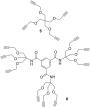
Scheme 3: Tetravalent and nonavalent alkyne scaffolds.

Scheme 4: Synthesis of the tetravalent adduct 7 by CuAAC reaction and its deprotection/purification process t...
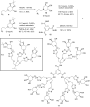
Scheme 5: Synthesis of nonavalent adduct 11 by CuAAC reaction and its deprotection.

Scheme 6: Synthesis of the monovalent iminosugar 15 by CuAAC reaction and subsequent deprotection of the hydr...
Fates of imine intermediates in radical cyclizations of N-sulfonylindoles and ene-sulfonamides
- Hanmo Zhang,
- E. Ben Hay,
- Stephen J. Geib and
- Dennis P. Curran
Beilstein J. Org. Chem. 2015, 11, 1649–1655, doi:10.3762/bjoc.11.181

- amination of N-tosylindole aldehyde 6 with 2-iodoaniline (66%), followed by methylation of the aniline nitrogen atom (91%). Substrate 10 with the ester on C2 of the indole was chosen to learn if a more stabilized radical intermediate would still eliminate the N-tosyl group. Reductive amination of 9, 2
- cyclization indeed undergoes elimination to form an imine, but that this cyclic imine is directly reduced by tributyltin hydride by either a radical or ionic pathway. We next studied two aryl radical cyclizations of N-sulfonylindoles, as shown in Scheme 2. Substrate 7 was made in two steps by reductive

Graphical Abstract
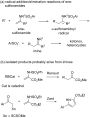
Figure 1: (a) Radical reactions of ene-sulfonamides give diverse isolated products; (b) these products are of...

Figure 2: Isolation of stable imines strengthens the case for sulfonyl radical elimination.

Scheme 1: Cyclizations of N-sulfonylindole 3 occur with retention or elimination of the sulfonyl group depend...
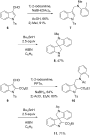
Scheme 2: Aryl radical cyclization to N-sulfonylindoles.
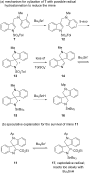
Figure 3: Mechanistic aspects of cyclizations shown in Scheme 2; (a) mechanism for formation of 7; (b) possible reaso...

Figure 4: Substrate design by swapping radical precursor and acceptor.

Scheme 3: Synthesis and cyclization of precursors 22–24.

Figure 5: ORTEP representation of the crystal structure of 27.

Figure 6: Proposed hydration/retro-Claisen path to formamides.
Selected synthetic strategies to cyclophanes
- Sambasivarao Kotha,
- Mukesh E. Shirbhate and
- Gopalkrushna T. Waghule
Beilstein J. Org. Chem. 2015, 11, 1274–1331, doi:10.3762/bjoc.11.142
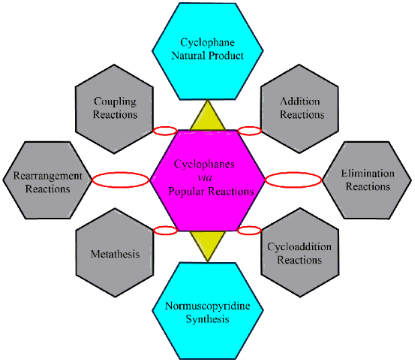
- , reduction with LiAlH4, reductive amination and allylation that afforded the indole derivatives 63 (18%) and N-Boc protected compound 68 (23%). The reaction of 63 with Pd(OAc)2 (25 mol %) and tri(o-tolyl)phosphine (55 mol %) at reflux gave 9-endo-64a (24%) and 8-exo-65b (21%). However, the compound 68 under

Graphical Abstract

Figure 1: General representation of cyclophanes.

Figure 2: cyclophanes one or more with heteroatom.

Figure 3: Metathesis catalysts 12–17 and C–C coupling catalyst 18.

Figure 4: Natural products containing the cyclophane skeleton.

Figure 5: Turriane family of natural products.

Scheme 1: Synthesis of [3]ferrocenophanes through Mannich reaction. Reagents and conditions: (i) excess HNMe2...

Scheme 2: Synthesis of cyclophanes through Michael addition. Reagents and conditions: (i) xylylene dibromide,...

Scheme 3: Synthesis of normuscopyridine analogue 37 through an oxymercuration–oxidation strategy. Reagents an...

Scheme 4: Synthesis of tribenzocyclotriyne 39 through Castro–Stephens coupling reaction. Reagents and conditi...

Scheme 5: Synthesis of cyclophane 43 through Glaser–Eglinton coupling. Reagents and conditions: (i) 9,10-bis(...

Scheme 6: Synthesis of the macrocyclic C-glycosyl cyclophane through Glaser coupling. Reagents and conditions...

Scheme 7: Synthesis of cyclophane-containing complex 49 through Glaser–Eglinton coupling reaction. Reagents a...

Scheme 8: Synthesis of cyclophane 53 through Glaser–Eglinton coupling. Reagents and conditions: (i) K2CO3, ac...

Figure 6: Cyclophanes 54–56 that have been synthesized through Glaser–Eglinton coupling.

Figure 7: Synthesis of tetrasubstituted [2.2]paracyclophane 57 and chiral cyclophyne 58 through Eglinton coup...

Scheme 9: Synthesis of cyclophane through Glaser–Hay coupling reaction. Reagents and conditions: (i) CuCl2 (1...

Scheme 10: Synthesis of seco-C/D ring analogs of ergot alkaloids through intramolecular Heck reaction. Reagent...

Scheme 11: Synthesis of muscopyridine 73 via Kumada coupling. Reagents and conditions: (i) 72, THF, ether, 20 ...

Scheme 12: Synthesis of the cyclophane 79 via McMurry coupling. Reagents and conditions: (i) 75, decaline, ref...

Scheme 13: Synthesis of stilbenophane 81 via McMurry coupling. Reagents and conditions: (i) TiCl4, Zn, pyridin...

Scheme 14: Synthesis of stilbenophane 85 via McMurry coupling. Reagents and conditions: (i) NBS (2 equiv), ben...
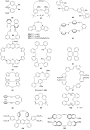
Figure 8: List of cyclophanes prepared via McMurry coupling reaction as a key step.

Scheme 15: Synthesis of paracyclophane by cross coupling involving Pd(0) catalyst. Reagents and conditions: (i...

Scheme 16: Synthesis of the cyclophane 112 via the pinacol coupling and 113 by RCM. Reagents and conditions: (...

Scheme 17: Synthesis of cyclophane derivatives 122a–c via Sonogoshira coupling. Reagents and conditions: (i) C...

Scheme 18: Synthesis of cyclophane 130 via Suzuki–Miyaura reaction as a key step. Reagents and conditions: (i)...

Scheme 19: Synthesis of the mycocyclosin via Suzuki–Miyaura cross coupling. Reagents and conditions: (i) benzy...

Scheme 20: Synthesis of cyclophanes via Wurtz coupling reaction Reagents and conditions: (i) PhLi, Et2O, C6H6,...

Scheme 21: Synthesis of non-natural glycophanes using alkyne metathesis. Reagents and conditions: (i) G-I (12)...

Figure 9: Synthesis of cyclophanes via ring-closing alkyne metathesis.

Scheme 22: Synthesis of crownophanes by cross-enyne metathesis. Reagents and conditions: (i) G-II (13), 5 mol ...

Scheme 23: Synthesis of (−)-cylindrocyclophanes A (156) and (−)-cylindrocyclophanes F (155). Reagents and cond...

Scheme 24: Synthesis of cyclophane 159 derivatives via SM cross-coupling and RCM. Reagents and conditions: (i)...

Scheme 25: Sexithiophene synthesis via cross metathesis. Reagents and conditions: (i) 161, Pd(PPh3)4, K2CO3, T...

Scheme 26: Synthesis of pyrrole-based cyclophane using enyne metathesis. Reagents and conditions: (i) Se, chlo...

Scheme 27: Synthesis of macrocyclic derivatives by RCM. Reagents and conditions: (i) G-I/G-II, CH2Cl2, 0.005 M...

Scheme 28: Synthesis of enantiopure β-lactam-based dienyl bis(dihydrofuran) 179. Reagents and conditions: (i) ...

Scheme 29: Synthesis of a [1.1.6]metaparacyclophane derivative 183 via SM cross coupling. Reagents and conditi...

Scheme 30: Synthesis of a [1.1.6]metaparacyclophane derivative 190 via SM cross coupling. Reagents and conditi...

Scheme 31: Template-promoted synthesis of cyclophanes involving RCM. Reagents and conditions: (i) acenaphthene...

Scheme 32: Synthesis of [3.4]cyclophane derivatives 200 via SM cross coupling and RCM. Reagents and conditions...
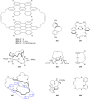
Figure 10: Examples for cyclophanes synthesized by RCM.

Scheme 33: Synthesis of the longithorone C framework assisted by fluorinated auxiliaries. Reagents and conditi...

Scheme 34: Synthesis of the longithorone framework via RCM. Reagents and conditions: (i) 213, NaH, THF, rt, 10...

Scheme 35: Synthesis of floresolide B via RCM as a key step. Reagents and conditions: (i) G-II (13, 0.1 equiv)...

Scheme 36: Synthesis of normuscopyridine (223) by the RCM strategy. Reagents and condition: (i) Mg, THF, hexen...

Scheme 37: Synthesis of muscopyridine (73) via RCM. Reagents and conditions: (i) 225, NaH, THF, 0 °C to rt, 1....

Scheme 38: Synthesis of muscopyridine (73) via RCM strategy. Reagents and conditions: (i) NaH, n-BuLi, 5-bromo...

Scheme 39: Synthesis of pyridinophane derivatives 223 and 245. Reagents and conditions: (i) PhSO2Na, TBAB, CH3...

Scheme 40: Synthesis of metacyclophane derivatives 251 and 253. Reagents and conditions: (i) 240, NaH, THF, rt...

Scheme 41: Synthesis of normuscopyridine and its higher analogues. Reagents and conditions: (i) alkenyl bromid...

Scheme 42: Synthesis of fluorinated ferrocenophane 263 via a [2 + 2] cycloaddition. Reagents and conditions: (...

Scheme 43: Synthesis of [2.n]metacyclophanes 270 via a [2 + 2] cycloaddition. Reagents and conditions: (i) Ac2...

Scheme 44: Synthesis of metacyclophane 273 by a [2 + 2 + 2] co-trimerization. Reagents and conditions: (i) [Rh...

Scheme 45: Synthesis of paracyclophane 276 via a [2 + 2 + 2] cycloaddition reaction. Reagents and conditions: ...

Scheme 46: Synthesis of cyclophane 278 via a [2 + 2 + 2] cycloaddition reaction. Reagents and conditions: (i) ...

Scheme 47: Synthesis of cyclophane 280 via a [2 + 2 + 2] cycloaddition. Reagents and conditions: (i) [(Rh(cod)(...

Scheme 48: Synthesis of taxane framework by a [2 + 2 + 2] cycloaddition. Reagents and conditions: (i) Cp(CO)2 ...

Scheme 49: Synthesis of cyclophane 284 and 285 via a [2 + 2 + 2] cycloaddition reaction. Reagents and conditio...

Scheme 50: Synthesis of pyridinophanes 293a,b and 294a,b via a [2 + 2 + 2] cycloaddition. Reagents and conditi...

Scheme 51: Synthesis of pyridinophanes 296 and 297 via a [2 + 2 + 2] cycloaddition. Reagents and conditions: (...

Scheme 52: Synthesis of triazolophane by a 1,3-dipolar cycloaddition. Reagents and conditions: (i) propargyl b...

Scheme 53: Synthesis of glycotriazolophane 309 by a click reaction. Reagents and conditions: (i) LiOH, H2O, Me...

Figure 11: Cyclophanes 310 and 311 prepared via click chemistry.

Scheme 54: Synthesis of cyclophane via the Dötz benzannulation. Reagents and conditions: (i) THF, 100 °C, 12 h...

Scheme 55: Synthesis of [6,6]metacyclophane by a Dötz benzannulation. Reagents and conditions: (i) THF, 100 °C...

Scheme 56: Synthesis of cyclophanes by a Dötz benzannulation. Reagents and conditions: (i) THF, 65 °C, 3 h; (i...

Scheme 57: Synthesis of muscopyridine (73) via an intramolecular DA reaction of ketene. Reagents and condition...

Scheme 58: Synthesis of bis[10]paracyclophane 336 via Diels–Alder reaction. Reagents and conditions: (i) DMAD,...

Scheme 59: Synthesis of [8]paracyclophane via DA reaction. Reagents and conditions: (i) maleic anhydride, 3–5 ...

Scheme 60: Biomimetic synthesis of (−)-longithorone A. Reagents and conditions: (i) Me2AlCl, CH2Cl2, −20 °C, 7...

Scheme 61: Synthesis of sporolide B (349) via a [4 + 2] cycloaddition reaction. Reagents and conditions: (i) P...

Scheme 62: Synthesis of the framework of (+)-cavicularin (352) via a [4 + 2] cycloaddition. Reagents and condi...

Scheme 63: Synthesis of oxazole-containing cyclophane 354 via Beckmann rearrangement. Reagents and conditions:...

Scheme 64: Synthesis of cyclophanes 360a–c via benzidine rearrangement. Reagents and conditions: (i) 356a–d, K2...

Scheme 65: Synthesis of cyclophanes 365a–c via benzidine rearrangement. Reagents and conditions: (i) BocNHNH2,...

Scheme 66: Synthesis of metacyclophane 367 via Ciamician–Dennstedt rearrangement. Reagents and conditions: (i)...

Scheme 67: Synthesis of cyclophane by tandem Claisen rearrangement and RCM as key steps. Reagents and conditio...

Scheme 68: Synthesis of cyclophane derivative 380. Reagents and conditions: (i) K2CO3, CH3CN, allyl bromide, r...

Scheme 69: Synthesis of metacyclophane via Cope rearrangement. Reagents and conditions: (i) MeOH, NaBH4, rt, 1...

Scheme 70: Synthesis of cyclopropanophane via Favorskii rearrangement. Reagents and conditions: (i) Br2, CH2Cl2...

Scheme 71: Cyclophane 389 synthesis via photo-Fries rearrangement. Reagents and conditions: (i) DMAP, EDCl/CHCl...

Scheme 72: Synthesis of normuscopyridine (223) via Schmidt rearrangement. Reagents and conditions: (i) ethyl s...

Scheme 73: Synthesis of crownophanes by tandem Claisen rearrangement. Reagents and conditions: (i) diamine, Et3...

Scheme 74: Attempted synthesis of cyclophanes via tandem Claisen rearrangement and RCM. Reagents and condition...

Scheme 75: Synthesis of muscopyridine via alkylation with 2,6-dimethylpyridine anion. Reagents and conditions:...

Scheme 76: Synthesis of cyclophane via Friedel–Craft acylation. Reagents and conditions: (i) CS2, AlCl3, 7 d, ...

Scheme 77: Pyridinophane 418 synthesis via Friedel–Craft acylation. Reagents and conditions: (i) 416, AlCl3, CH...

Scheme 78: Cyclophane synthesis involving the Kotha–Schölkopf reagent 421. Reagents and conditions: (i) NBS, A...

Scheme 79: Cyclophane synthesis involving the Kotha–Schölkopf reagent 421. Reagents and conditions: (i) BEMP, ...

Scheme 80: Cyclophane synthesis by coupling with TosMIC. Reagents and conditions: (i) (a) ClCH2OCH3, TiCl4, CS2...

Scheme 81: Synthesis of diaza[32]cyclophanes and triaza[33]cyclophanes. Reagents and conditions: (i) DMF, NaH,...

Scheme 82: Synthesis of cyclophane 439 via acyloin condensation. Reagents and conditions: (i) Na, xylene, 75%;...

Scheme 83: Synthesis of multibridged binuclear cyclophane 442 by aldol condensation. Reagents and conditions: ...

Scheme 84: Synthesis of various macrolactones. Reagents and conditions: (i) iPr2EtN, DMF, 77–83%; (ii) TBDMSCl...

Scheme 85: Synthesis of muscone and muscopyridine via Yamaguchi esterification. Reagents and conditions: (i) 4...

Scheme 86: Synthesis of [5]metacyclophane via a double elimination reaction. Reagents and conditions: (i) LiBr...

Figure 12: Cyclophanes 466–472 synthesized via Hofmann elimination.

Scheme 87: Synthesis of cryptophane via Baylis–Hillman reaction. Reagents and conditions: (i) methyl acrylate,...

Scheme 88: Synthesis of cyclophane 479 via double Chichibabin reaction. Reagents and conditions: (i) excess 478...

Scheme 89: Synthesis of cyclophane 483 via double Chichibabin reaction. Reagents and conditions: (i) 481, OH−;...

Scheme 90: Synthesis of cyclopeptide via an intramolecular SNAr reaction. Reagents and conditions: (i) TBAF, T...

Scheme 91: Synthesis of muscopyridine (73) via C-zip ring enlargement reaction. Reagents and conditions: (i) H...

Figure 13: Mechanism of the formation of compound 494.

Scheme 92: Synthesis of indolophanetetraynes 501a,b using the Nicholas reaction as a key step. Reagents and co...

Scheme 93: Synthesis of cyclophane via radical cyclization. Reagents and conditions: (i) cyclododecanone, phen...

Scheme 94: Synthesis of (−)-cylindrocyclophanes A (156) and (−)-cylindrocyclophanes F (155). Reagents and cond...

Scheme 95: Cyclophane synthesis via Wittig reaction. Reagents and conditions: (i) LiOEt (2.1 equiv), THF, −78 ...

Figure 14: Representative examples of cyclophanes synthesized via Wittig reaction.

Scheme 96: Synthesis of the [6]paracyclophane via isomerization of Dewar benzene. Reagents and conditions: (i)...
Discrete multiporphyrin pseudorotaxane assemblies from di- and tetravalent porphyrin building blocks
- Mirko Lohse,
- Larissa K. S. von Krbek,
- Sebastian Radunz,
- Suresh Moorthy,
- Christoph A. Schalley and
- Stefan Hecht
Beilstein J. Org. Chem. 2015, 11, 748–762, doi:10.3762/bjoc.11.85
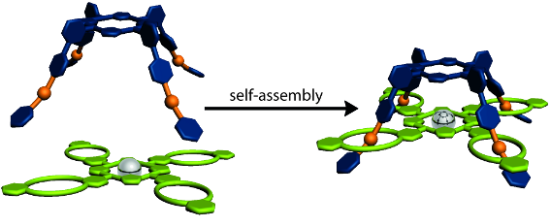
- obtained through the condensation of aldehyde 3 with mesityldipyrromethane (6) followed by metalation of the intermediately formed free base porphyrin 7 to give its respective zinc complex 2. In the next step, axle precursor 8 was synthesized by reductive amination of 4-bromobenzaldehyde (9) and

Graphical Abstract

Figure 1: Mono-, di-, and tetravalent axles A1, A2 and A4 and mono-, di-, and tetravalent hosts C1, C2 and C4...

Scheme 1: Overview of the synthesis of the guests A2 and A4. a) Pyrrole (4), BF3·Et2O, DDQ, CHCl3, rt; b) Zn(...

Scheme 2: Synthesis of crown ether hosts C4 and C2: a) K2CO3, LiBr, 17, 2-[2-(2-chloroethoxy)ethoxy]ethanol, ...
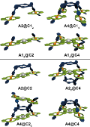
Figure 2: Schematic representation of the host–guests complexes. Top: complexes A2@C12, A4@C14, A12@C2 and A14...

Figure 3: 1H NMR (500 MHz, 298 K, CD2Cl2, 3 mM) of a) C1 (top), A2@C12 (middle) and A2 (bottom); b) C1 (top), ...
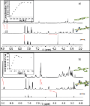
Figure 4: 1H NMR (500 MHz, 298 K, CD2Cl2, 3 mM) of a) C2 (top), A12@C2 (middle) and A1 (bottom) and b) C4 (to...

Figure 5: Normalized UV–vis absorption spectra (CH2Cl2, 3 μM) of A2, A4, C2 and C4 and their complexes formed...

Figure 6: ESI-Q-TOF-MS spectra (CH2Cl2, 0.2 µM; left hand side) and respective experimental and calculated is...

Figure 7: 1H NMR (500 MHz, 298 K, CD2Cl2, 1 mM) of a) C4 (top), A22@C4 (middle) and A2 (bottom); b) C2 (top), ...

Figure 8: 1H NMR (500 MHz, 298 K, CD2Cl2, 1 mM) of a) C4 (top), A4@C4 (middle) and A4 (bottom) and b) C2 (top...

Figure 9: Normalized UV–vis absorption spectra (CH2Cl2, 2 μM) of the guests A2 and A4 (black), the hosts C2 a...

Figure 10: ESI-Q-TOF-MS spectra (CH2Cl2, 0.2 µM; left hand side) and respective experimental and calculated is...
Synthesis of multivalent carbohydrate mimetics with aminopolyol end groups and their evaluation as L-selectin inhibitors
- Joana Salta,
- Jens Dernedde and
- Hans-Ulrich Reissig
Beilstein J. Org. Chem. 2015, 11, 638–646, doi:10.3762/bjoc.11.72
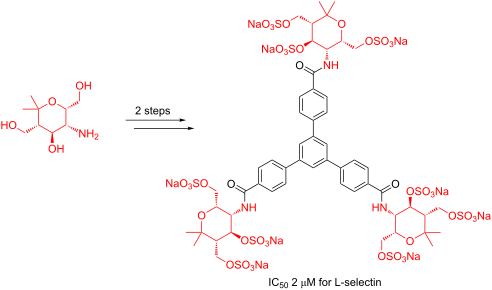
- hence compounds inhibiting their activity are of interest as potential therapeutics [19][20][21][22][23]. In a previous report [24] we described the synthesis of divalent carbohydrate mimetics connecting aminopyran 1 or its simplified analog serinol (2) (Scheme 1) to different linker units by reductive
- amination of aldehydes. We now enclose our results on the preparation of related di- and trivalent carbohydrate mimetics in which compounds 1 or 2 are connected to carboxylic acid cores by amide bonds. A series of compounds with spacer units of different length and rigidity were prepared in order to find

Graphical Abstract

Scheme 1: General approach to divalent or trivalent carbohydrate mimetics on the basis of aminopyran 1 or ser...

Scheme 2: Hydroxy group protection of aminopyran 1 to give compound 3, synthesis of amide 4 and subsequent de...

Scheme 3: Attempt to synthesize protected divalent compound 6. Conditions: a) succinic acid dichloride, Et3N,...

Scheme 4: HATU-mediated synthesis of divalent amide 25 and trivalent amides 27 and 29. Conditions: a) HATU, Et...

Scheme 5: Polysulfations of amides 5 and 13. Conditions: a) 1) SO3∙DMF, DMF-d7, 1 d, rt; 2) 1 M NaOH, 0 °C; 3...

Scheme 6: Polysulfation of divalent amides 21 and 22 leading to tetrasulfated amides 32 and 33. Conditions: a...

Scheme 7: Conversion of trivalent compound 27 into nonasulfated carbohydrate mimetic 34. Conditions: a) 1) SO3...

Figure 1: Structures of O-sulfated divalent amide 32 and trivalent amide 34 and their respective IC50 values ...
Hydrogenation of unactivated enamines to tertiary amines: rhodium complexes of fluorinated phosphines give marked improvements in catalytic activity
- Sergey Tin,
- Tamara Fanjul and
- Matthew L. Clarke
Beilstein J. Org. Chem. 2015, 11, 622–627, doi:10.3762/bjoc.11.70

- out as reductive amination or reduction of enamines need stoichiometric acetic acid to promote the formation of the iminium ion that is the substrate reduced in hydride reductions, which might not be compatible with other functional groups. To the best of our knowledge, the hydrogenation of

Graphical Abstract
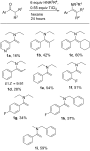
Scheme 1: Synthesis of enamines from ketones with percentage yields.

Scheme 2: Branched-selective intramolecular hydroaminovinylation (60% isolated yield of 1j).

Scheme 3: Conversion of 1e to 2e using ligands 4–9.
Stereoselective cathodic synthesis of 8-substituted (1R,3R,4S)-menthylamines
- Carolin Edinger,
- Jörn Kulisch and
- Siegfried R. Waldvogel
Beilstein J. Org. Chem. 2015, 11, 294–301, doi:10.3762/bjoc.11.34
- naturally occurring terpenoids is the reductive amination under Leuckart–Wallach conditions (see Scheme 2, pathway I) [39]. This method was applied to convert 2 to N-alkyl substituted menthylamines [40]. However, a significant disadvantage of this method is the lack of stereocontrol and partial inversion of

Graphical Abstract

Scheme 1: Structural features of 8-substituted menthylamines 1.

Scheme 2: Synthetic strategies to menthylamines.

Scheme 3: Stereoselective synthesis of 8-substituted (1R,3R,4S)-menthylamines.

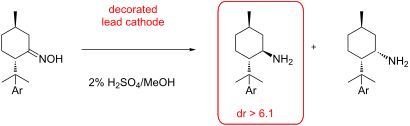
Scheme 4: Influence of the cathode system onto the stereoselectivity of the reduction of (1R,4S)-menthone oxi...

Scheme 5: Preparation of 8-substituted (1R)-menthones 6 and the corresponding oximes 7.

Scheme 6: Influence of cathode material on the preparation of (1R,3R,4S)-menthylamine 8a.

Scheme 7: Protection of the oxime functionality in 7c due to the sterically demanding diphenyl moiety in 8-po...

Scheme 8: Separation of the diastereomeric 8-substituted menthylamines by crystallization of their hydrochlor...
NAA-modified DNA oligonucleotides with zwitterionic backbones: stereoselective synthesis of A–T phosphoramidite building blocks
- Boris Schmidtgall,
- Claudia Höbartner and
- Christian Ducho
Beilstein J. Org. Chem. 2015, 11, 50–60, doi:10.3762/bjoc.11.8
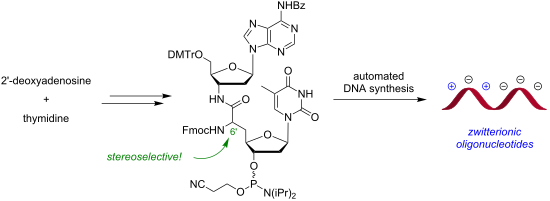
- starting material, one challenge was to avoid unwanted side reactions resulting from the generation of formaldehyde in the reaction mixture. Hydrogenolysis of the BOM group affords toluene and formaldehyde as byproducts, and the Cbz-deprotected 6'-amino group can undergo unwanted reductive amination, i.e

Graphical Abstract
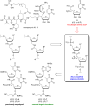
Figure 1: Design concept of nucleosyl amino acid (NAA)-modified oligonucleotides 5 formally derived from stru...

Scheme 1: Retrosynthetic analysis of target phosphoramidites (S)-7 and (R)-7 (BOM = benzyloxymethyl).

Scheme 2: Synthesis of N-Fmoc-protected thymidine-derived nucleosyl amino acids (S)-9 and (R)-9; details on t...

Scheme 3: Synthesis of protected 3'-amino-2',3'-dideoxyadenosine 8.

Scheme 4: Synthesis of target phosphoramidites (S)-7 and (R)-7 and of two NAA-modified DNA oligonucleotides 30...
Conjugates of methylated cyclodextrin derivatives and hydroxyethyl starch (HES): Synthesis, cytotoxicity and inclusion of anaesthetic actives
- Lisa Markenstein,
- Antje Appelt-Menzel,
- Marco Metzger and
- Gerhard Wenz
Beilstein J. Org. Chem. 2014, 10, 3087–3096, doi:10.3762/bjoc.10.325
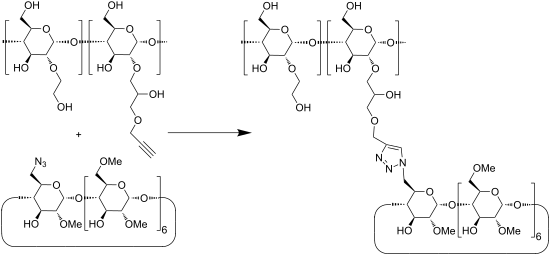
- known to have a much lower toxic potential compared to CD monomers [20]. Native β-CD was already conjugated by esterification [21], reductive amination [22][23][24][25], amide coupling [26][27] and [2 + 3] cycloadditions [28] to both biogenic and synthetic polymers. Conjugation of CDs to polysaccharides

Graphical Abstract

Scheme 1: Synthesis of azido functionalized DIMEB 1a. a) Ba(OH)2·8H2O/BaO/Me2SO4
Figure 1: ESI mass spectrum of azido functionalized DIMEB 1a.
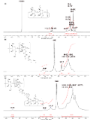
Figure 2: 1H NMR spectra of a) 1a, b) 2, and c) 5a.

Scheme 2: Synthesis of propargylated HES 2.

Scheme 3: Synthesis of 5a by [2 + 3] cycloadditon, a) CuSO4, ascorbate, 50 °C, 48 h.

Figure 3: Viabilities of Caco-2 cells incubated with a) 5a after 2 h, b) 5a after 24 h, c) DIMEB after 2 h, d...

Scheme 4: Structures of a) midazolam and b) sevoflurane.
Bifunctional dendrons for multiple carbohydrate presentation via carbonyl chemistry
- Davide Bini,
- Francesco Nicotra and
- Laura Cipolla
Beilstein J. Org. Chem. 2014, 10, 1686–1691, doi:10.3762/bjoc.10.177
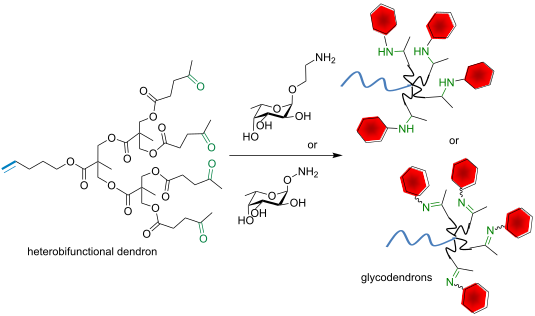
- carbonyl group at the termini has been carried out. The carbonyl group has been exploited for the multivalent conjugation to a sample saccharide by reductive amination and alkoxyamine conjugation. Keywords: bis-MPA; carbohydrates; dendrons; levulinic acid; multivalency; multivalent glycosystems
- carbonyl groups can be exploited for carbohydrate functionalization [15][16] by reductive amination, oxime or hydrazone formation to yield suitably functionalized saccharides (Figure 1). Given the relevance of L-fucose in mammal oligosaccharides, α-L-(2-aminoethyl) fucoside [17] and α-O-L
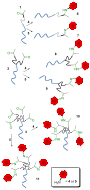
- synthesized from commercial L-fucopyranose in 4 and 5 steps, respectively, as already reported by Flitsch and co-workers [17] and Dumy and co-workers [18]. Dendron conjugation to L-fucose by reductive amination α-L-(2-Aminoethyl) fucopyranoside (4) was conjugated first to G0 dendron 1 by reductive amination

Graphical Abstract
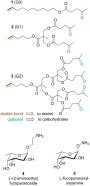
Figure 1: Synthesized G0, G1 and G2 dendrons and functionalized saccharides used for carbonyl conjugation.
Scheme 1: Schematic depiction of dendron conjugation to saccharides by carbonyl chemistry.

Scheme 2: Synthesis of the dendrons.

Scheme 3: Dendron conjugation to fucose moieties by reductive amination. Reagents and conditions: a) 4, 3 M Na...
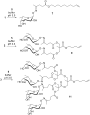
Scheme 4: Dendron conjugation to fucose via oxime ligation (buffer = citrate buffer).
Carbohydrate PEGylation, an approach to improve pharmacological potency
- M. Eugenia Giorgi,
- Rosalía Agusti and
- Rosa M. de Lederkremer
Beilstein J. Org. Chem. 2014, 10, 1433–1444, doi:10.3762/bjoc.10.147
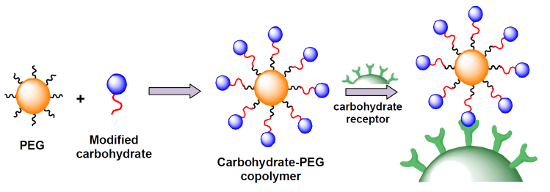
- mannose to PEI via a PEG chain spacer (Figure 3B). This system was used to deliver small interfering RNA (siRNA) into a murine macrophage cell line [44]. Mannose residues as their 2-aminoethyl glycosides were attached by reductive amination to the surface of copolymer micelles of PEG with poly-ε

Graphical Abstract

Figure 1: Types of PEG utilized for derivatization of drugs and peptides.

Figure 2: Activated PEG derivatives for conjugation.

Scheme 1: Chemoenzymatic method for the preparation of PEG-CMP-SA, adapted from [32,33].
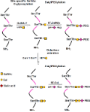
Scheme 2: GlycoPEGylation by sequential in vitro, enzyme mediated, O-glycosylation followed by transfer of PE...
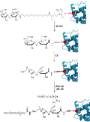
Scheme 3: Chemical glycation of a protein and PEGylation after periodate oxidation, adapted from [34].
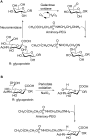
Scheme 4: PEGylation of native glycosylated proteins after modification of the glycan. (A) Enzymatic modifica...

Scheme 5: PEGylation of a pentofuranose derivative, adapted from [41].

Scheme 6: Galactosyl PEGylation of polystyrene nanoparticles, adapted from [42].

Figure 3: Mannosyl PEGylated polyethylenimine for delivery systems. (A) Mannose and PEG are independently lin...

Figure 4: PEGylated mannose derivatives, adapted from [45].

Scheme 7: PEGylation of lactose analogs [53].
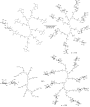
Scheme 8: Conjugation of lactose analogs with dendritic PEGs [54].

Figure 5: PEGylated chitosan derivative, adapted from [61].

Figure 6: Chitosan/PEG functionalized with a mannose at the distal end, adapted from [62].
Amino acid motifs in natural products: synthesis of O-acylated derivatives of (2S,3S)-3-hydroxyleucine
- Oliver Ries,
- Martin Büschleb,
- Markus Granitzka,
- Dietmar Stalke and
- Christian Ducho
Beilstein J. Org. Chem. 2014, 10, 1135–1142, doi:10.3762/bjoc.10.113
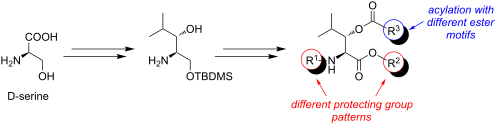
- by reductive amination (reactions not displayed), as demonstrated before in our syntheses of simplified muraymycin analogues [21][22]. N-Cbz-protected acid 19 was also used for a methodical study regarding the acylation of the 3-hydroxy group. Therefore, 19 was converted into benzyl ester 23 (70

Graphical Abstract

Figure 1: Structures of muraymycins A1, B6, C1 and D1 1a–d.
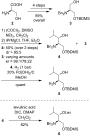
Scheme 1: Synthesis of stereoisomerically pure amino alcohol 5 [32] and of derivative 6 suitable for X-ray crysta...

Figure 2: Molecular structure of levulinyl ester 6. Anisotropic displacement parameters are depicted at the 5...
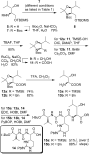
Scheme 2: Synthesis of (2S,3S)-3-hydroxyleucine building blocks 13a,b useful for N-derivatization and of the ...
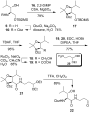
Scheme 3: Synthesis of (2S,3S)-3-hydroxyleucine building block 19 useful for C-derivatization and of aldehyde ...
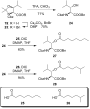
Scheme 4: Synthesis of O-acylated (2S,3S)-3-hydroxyleucine derivatives 27 and 28.

Scheme 5: Synthesis of 6-methylheptanoic acid (26).
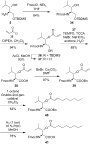
Scheme 6: Synthesis of Fmoc-protected building blocks 38 and 41 suitable for SPPS, with late-stage side chain...
Molecular architecture with carbohydrate functionalized β-peptides adopting 314-helical conformation
- Nitin J. Pawar,
- Navdeep S. Sidhu,
- George M. Sheldrick,
- Dilip D. Dhavale and
- Ulf Diederichsen
Beilstein J. Org. Chem. 2014, 10, 948–955, doi:10.3762/bjoc.10.93

- unprotected β-glycopeptides since the equilibrium between hemiacetal and open-chain aldehyde form also does not interfere with the 314-helix secondary structure and allows further functionalization with saccharides, e.g., by reductive amination. Sketch of right-handed β-peptide helix functionalized in every
Graphical Abstract
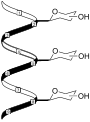
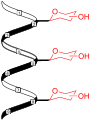
Figure 1: Sketch of right-handed β-peptide helix functionalized in every third amino acid by carbohydrates pr...
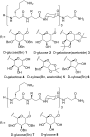
Figure 2: Synthesized β-glycopeptides 1–8.

Scheme 1: Synthesis of sugar-amino acid building blocks 12a and 12b.

Figure 3: ORTEP diagram of compound 10b.

Figure 4: Preferential re-attack according to the Felkin–Anh model (TS 1) yielding 10b (left) and si-attack (...

Scheme 2: Synthesis of the galactosyl β-amino acid building block 12c.
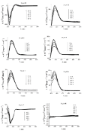
Figure 5: CD spectra of β-glycopeptides 1–8 (c = 20 μM) in triethylammonium acetate buffer (5 mM, pH 7) at va...
Phosphinate-containing heterocycles: A mini-review
- Olivier Berger and
- Jean-Luc Montchamp
Beilstein J. Org. Chem. 2014, 10, 732–740, doi:10.3762/bjoc.10.67
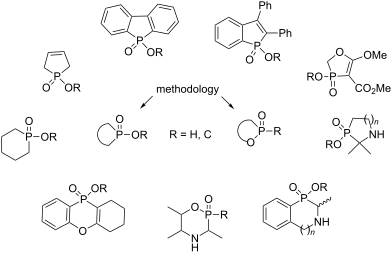
- 2 equivalents of cinnamyl alcohol 44 in the presence of 2 mol % of Pd/Xanthpos followed by an esterification using benzyl bromide. Ozonolysis, and reductive amination using excess benzylamine in the presence of sodium cyanoborohydride completed the synthesis. Phosphorines Two phosphorines 47a,b were
- . Tandem Kabacknik–Fields/C–N cross-coupling reaction. Tandem Kabacknik–Fields/C-P cross-coupling reaction. Heterocyclization via amide formation. Cyclization via reductive amination. H-Phosphinate alkylation. Cyclization through intramolecular Michael addition. Double Arbuzov reaction of bis

Graphical Abstract

Scheme 1: McCormack synthesis.

Scheme 2: Ring-closing metathesis.

Scheme 3: Phospha-Dieckmann condensation.

Scheme 4: Palladium-catalyzed oxidative arylation.

Scheme 5: Tandem cross-coupling/Dieckmann condensation.

Scheme 6: Rhodium-catalyzed double [2 + 2 + 2] cycloaddition.

Scheme 7: Silver oxide-mediated alkyne–arene annulation.

Scheme 8: Silver acetate-mediated alkyne–arene annulation.

Scheme 9: Cyclization through phosphinylation/alkylation of malonate anion.

Scheme 10: Tandem hydrophosphinylation/Michael/Michael reaction of allenyl-H-phosphinates.

Scheme 11: 5-Membered “cyclo-PALA” via intramolecular Mitsunobu reaction.

Scheme 12: 6-Membered “cyclo-PALA” via intramolecular Mitsunobu reaction.

Scheme 13: Intramolecular Kabachnik–Fields reaction.

Scheme 14: Tandem Kabachnik–Fields/alkylation reaction.

Scheme 15: Tandem Kabacknik–Fields/C–N cross-coupling reaction.

Scheme 16: Tandem Kabacknik–Fields/C-P cross-coupling reaction.

Scheme 17: Heterocyclization via amide formation.

Scheme 18: Cyclization via reductive amination.

Scheme 19: H-Phosphinate alkylation.

Scheme 20: Cyclization through intramolecular Michael addition.

Scheme 21: Double Arbuzov reaction of bis(trimethylsiloxy)phosphine.

Scheme 22: Diastereoselective ring-closing metathesis.

Scheme 23: 2-Ketophosphonate/benzene annulation.

Scheme 24: Tandem Kabachnik–Fields/transesterification reaction.

Scheme 25: Tandem Kabachnik–Fields/transesterification reaction with oxazolidine.
Concise, stereodivergent and highly stereoselective synthesis of cis- and trans-2-substituted 3-hydroxypiperidines – development of a phosphite-driven cyclodehydration
- Peter H. Huy,
- Julia C. Westphal and
- Ari M. P. Koskinen
Beilstein J. Org. Chem. 2014, 10, 369–383, doi:10.3762/bjoc.10.35
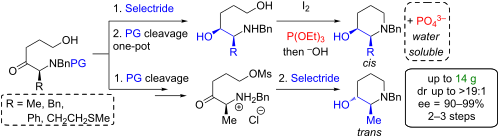
- separation (washing of a basic aqueous solution of the acids 2) of the two equivalents of BnOH formed during the reductive amination (1→I) proved to be challenging: Due to the high amphiphilicity of carboxylate salts of 2, mixtures in water and an organic solvent tend to form three distinct phases separating

Graphical Abstract

Figure 1: Natural products and other bioactive piperidine derivatives of type B.

Figure 2: Retrosynthetic analysis of piperidines B (X = OH or leaving group, PG = protecting group).

Scheme 1: Synthesis of the protected amino acids 2. (a) KOH for 1b. b) PG–X = Cbz–Cl (1a–c), Boc2O (1d).

Scheme 2: Synthesis of hydroxy ketones 7 (R = Me (a), Bn (b), Ph (c) and EtSMe (d); PG = Cbz (a–c), Boc (d)).

Scheme 3: Synthesis of amides 5e and 5f and ketone 7e.

Scheme 4: Synthesis of amino alcohols syn-9a–d and oxazolidinone 10a. (for 7a–c conditions A: H2 (1 atm), Pd/...

Scheme 5: Competition between the Michaelis–Arbuzow process and the desired cyclodehydration of amino alcohol...

Scheme 6: Initial synthesis of the trans-piperidinol 11a in diminished enantiopurity. aThe amino alcohol 9a o...

Scheme 7: Synthesis of trans-piperidinol 11a in excellent ee.

Scheme 8: Synthesis of L-733,060·HCl.
Recent applications of the divinylcyclopropane–cycloheptadiene rearrangement in organic synthesis
- Sebastian Krüger and
- Tanja Gaich
Beilstein J. Org. Chem. 2014, 10, 163–193, doi:10.3762/bjoc.10.14
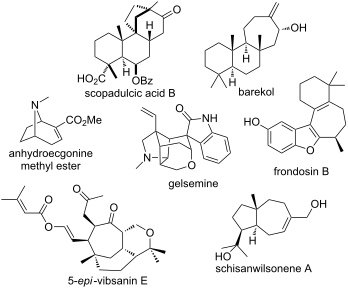
- and reductive amination after Boc-deprotection to yield the desired natural product 131 in only five steps. Perhaps one of the most prominent alkaloid syntheses using a DVCPR was carried out by Fukuyama and coworker [118][119][120] and targeted gelsemine (146, see Scheme 17 and Scheme 18), an alkaloid

Graphical Abstract

Scheme 1: Vogel’s first approach towards the divinylcyclopropane rearrangement [4] and characterization of cis-d...

Scheme 2: Transition states for the Cope rearrangement and the related DVCPR. Ts = transition state.

Scheme 3: Two possible mechanisms of trans-cis isomerizations of divinylcyclopropanes.

Scheme 4: Proposed biosynthesic pathway to ectocarpene (21), an inactive degradation product of a sexual pher...

Scheme 5: Proposed biosynthesis of occidenol (25) and related natural compounds.

Scheme 6: Gaich’s bioinspired system using the DVCPR to mimick the dimethylallyltryptophan synthase. DMAPP = ...

Scheme 7: Iguchi’s total synthesis of clavubicyclone, part 1.

Scheme 8: Iguchi’s total synthesis of clavubicyclone, part 2.

Scheme 9: Wender’s syntheses of the two pseudoguainanes confertin (50) and damsinic acid (51) and Pier’s appr...
Scheme 10: Overman’s total synthesis of scopadulcic acid B.

Scheme 11: Davies’ total syntheses of tremulenolide A and tremulenediol A.

Scheme 12: Davies formal [4 + 3] cycloaddition approach towards the formal synthesis of frondosin B.

Scheme 13: Davies and Sarpongs formal [4 + 3]-cycloaddition approach towards barekoxide (106) and barekol (107...

Scheme 14: Davies formal [4 + 3]-cycloaddition approach to 5-epi-vibsanin E (115) containing an intermediate c...

Scheme 15: Echavarren’s total synthesis of schisanwilsonene A (126) featuring an impressive gold-catalzed casc...

Scheme 16: Davies early example of a formal [4 + 3]-cycloaddition in alkaloids synthesis.

Scheme 17: Fukuyama’s total synthesis of gelsemine, part 1.

Scheme 18: Fukuyama’s total synthesis of gelsemine, featuring a divinylcyclopropane rearrangement, part 2.

Scheme 19: Kende’s total synthesis of isostemofoline, using a formal [4 + 3]-cycloaddition, including an inter...

Scheme 20: Danishefsky’s total synthesis of gelsemine, part 1.

Scheme 21: Danishefsky’s total synthesis of gelsemine, part 2.

Scheme 22: Fukuyama’s total synthesis of gelsemoxonine.

Scheme 23: Wender’s synthetic access to the core skeleton of tiglianes, daphnanes and ingenanes.

Scheme 24: Davies’ approach towards the core skeleton of CP-263,114 (212).

Scheme 25: Wood’s approach towards actinophyllic acid.

Scheme 26: Takeda’s approach towards the skeleton of the cyanthins, utilitizing the divinylcyclopropane rearra...

Scheme 27: Donaldson’s organoiron route towards the guianolide skeleton.

Scheme 28: Stoltz’s tandem Wolff/DVCPR rearrangement.

Scheme 29: Stephenson’s tandem photocatalysis/arylvinylcyclopropane rearrangement.

Scheme 30: Padwa’s rhodium cascade involving a DVCPR.

Scheme 31: Matsubara’s version of a DVCPR.

Scheme 32: Toste’s tandem gold-catalyzed Claisen-rearrangement/DVCPR.

Scheme 33: Ruthenium- and gold-catalyzed versions of tandem reactions involving a DVCPR.

Scheme 34: Tungsten, platinum and gold catalysed cycloisomerizations leading to a DVCPR.

Scheme 35: Reisman’s total synthesis of salvileucalin B, featuring an (undesired) vinylcyclopropyl carbaldehyd...

Scheme 36: Studies on the divinylepoxide rearrangement.

Scheme 37: Studies on the vinylcyclopropanecarbonyl rearrangement.

Scheme 38: Nitrogen-substituted variants of the divinylcyclopropane rearrangement.
Synthesis of five- and six-membered cyclic organic peroxides: Key transformations into peroxide ring-retaining products
- Alexander O. Terent'ev,
- Dmitry A. Borisov,
- Vera A. Vil’ and
- Valery M. Dembitsky
Beilstein J. Org. Chem. 2014, 10, 34–114, doi:10.3762/bjoc.10.6
- 1,2,4-trioxalane 191 was synthesized by reductive amination of adamantane-2-spiro-3’-8’-oxo-1’,2’,4’-trioxaspiro[4.5]-decane 190 (Scheme 52). Ozonide 191 is an example of a combination of two known antiparasitic pharmacophores, viz. a peroxide and an aminoquinoline moiety [296]. Arterolane is a fully

Graphical Abstract

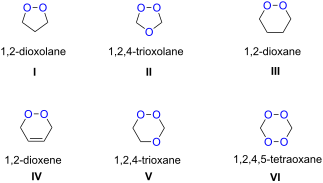
Figure 1: Five and six-membered cyclic peroxides.

Figure 2: Artemisinin and semi-synthetic derivatives.

Scheme 1: Synthesis of 3-hydroxy-1,2-dioxolanes 3a–c.

Scheme 2: Synthesis of dioxolane 6.

Scheme 3: Photooxygenation of oxazolidines 7a–d with formation of spiro-fused oxazolidine-containing dioxolan...

Scheme 4: Oxidation of cyclopropanes 10a–e and 11a–e with preparation of 1,2-dioxolanes 12a–e.

Scheme 5: VO(acac)2-catalyzed oxidation of silylated bicycloalkanols 13a–c.

Scheme 6: Mn(II)-catalyzed oxidation of cyclopropanols 15a–g.

Scheme 7: Oxidation of aminocyclopropanes 20a–c.

Scheme 8: Synthesis of aminodioxolanes 24.
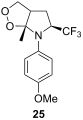
Figure 3: Trifluoromethyl-containing dioxolane 25.

Scheme 9: Synthesis of 1,2-dioxolanes 27a–e by the oxidation of cyclopropanes 26a–e.

Scheme 10: Photoinduced oxidation of methylenecyclopropanes 28.

Scheme 11: Irradiation-mediated oxidation.

Scheme 12: Application of diazene 34 for dioxolane synthesis.

Scheme 13: Mn(OAc)3-catalyzed cooxidation of arylacetylenes 37a–h and acetylacetone with atmospheric oxygen.
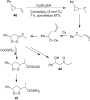
Scheme 14: Peroxidation of (2-vinylcyclopropyl)benzene (40).

Scheme 15: Peroxidation of 1,4-dienes 43a,b.

Scheme 16: Peroxidation of 1,5-dienes 46.

Scheme 17: Peroxidation of oxetanes 53a,b.

Scheme 18: Peroxidation of 1,6-diene 56.

Scheme 19: Synthesis of 3-alkoxy-1,2-dioxolanes 62a,b.

Scheme 20: Synthesis of spiro-bis(1,2-dioxolane) 66.

Scheme 21: Synthesis of dispiro-1,2-dioxolanes 68, 70, 71.

Scheme 22: Synthesis of spirohydroperoxydioxolanes 75a,b.

Scheme 23: Synthesis of spirohydroperoxydioxolane 77 and dihydroperoxydioxolane 79.

Scheme 24: Ozonolysis of azepino[4,5-b]indole 80.

Scheme 25: SnCl4-mediated fragmentation of ozonides 84a–l in the presence of allyltrimethylsilane.

Scheme 26: SnCl4-mediated fragmentation of bicyclic ozonide 84m in the presence of allyltrimethylsilane.

Scheme 27: MCl4-mediated fragmentation of alkoxyhydroperoxides 96 in the presence of allyltrimethylsilane.

Scheme 28: SnCl4-catalyzed reaction of monotriethylsilylperoxyacetal 108 with alkene 109.

Scheme 29: SnCl4-catalyzed reaction of triethylsilylperoxyacetals 111 with alkenes.

Scheme 30: Desilylation of tert-butyldimethylsilylperoxy ketones 131a,b followed by cyclization.

Scheme 31: Deprotection of peroxide 133 followed by cyclization.

Scheme 32: Asymmetric peroxidation of methyl vinyl ketones 137a–e.

Scheme 33: Et2NH-catalyzed intramolecular cyclization.

Scheme 34: Synthesis of oxodioxolanes 143a–j.

Scheme 35: Haloperoxidation accompanied by intramolecular ring closure.

Scheme 36: Oxidation of triterpenes 149a–d with Na2Cr2O7/N-hydroxysuccinimide.

Scheme 37: Curtius and Wolff rearrangements to form 1,2-dioxolane ring-retaining products.

Scheme 38: Oxidative desilylation of peroxide 124.

Scheme 39: Synthesis of dioxolane 158, a compound containing the aminoquinoline antimalarial pharmacophore.

Scheme 40: Diastereomers of plakinic acid A, 162a and 162b.

Scheme 41: Ozonolysis of alkenes.

Scheme 42: Cross-ozonolysis of alkenes 166 with carbonyl compounds.

Scheme 43: Ozonolysis of the bicyclic cyclohexenone 168.

Scheme 44: Cross-ozonolysis of enol ethers 172a,b with cyclohexanone.

Scheme 45: Griesbaum co-ozonolysis.

Scheme 46: Reactions of aryloxiranes 177a,b with oxygen.

Scheme 47: Intramolecular formation of 1,2,4-trioxolane 180.

Scheme 48: Formation of 1,2,4-trioxolane 180 by the reaction of 1,5-ketoacetal 181 with H2O2.

Scheme 49: 1,2,4-Trioxolane 186 with tetrazole fragment.

Scheme 50: 1,2,4-Trioxolane 188 with a pyridine fragment.

Scheme 51: 1,2,4-Trioxolane 189 with pyrimidine fragment.

Scheme 52: Synthesis of aminoquinoline-containing 1,2,4-trioxalane 191.

Scheme 53: Synthesis of arterolane.

Scheme 54: Oxidation of diarylheptadienes 197a–c with singlet oxygen.

Scheme 55: Synthesis of hexacyclinol peroxide 200.

Scheme 56: Oxidation of enone 201 and enenitrile 203 with singlet oxygen.

Scheme 57: Synthesis of 1,2-dioxanes 207 by oxidative coupling of carbonyl compounds 206 and alkenes 205.

Scheme 58: 1,2-Dioxanes 209 synthesis by co-oxidation of 1,5-dienes 208 and thiols.

Scheme 59: Synthesis of bicyclic 1,2-dioxanes 212 with aryl substituents.

Scheme 60: Isayama–Mukaiyama peroxysilylation of 1,5-dienes 213 followed by desilylation under acidic conditio...

Scheme 61: Synthesis of bicycle 218 with an 1,2-dioxane ring.

Scheme 62: Intramolecular cyclization with an oxirane-ring opening.

Scheme 63: Inramolecular cyclization with the oxetane-ring opening.

Scheme 64: Intramolecular cyclization with the attack on a keto group.

Scheme 65: Peroxidation of the carbonyl group in unsaturated ketones 228 followed by cyclization of hydroperox...

Scheme 66: CsOH and Et2NH-catalyzed cyclization.

Scheme 67: Preparation of peroxyplakoric acid methyl ethers A and D.

Scheme 68: Hg(OAc)2 in 1,2-dioxane synthesis.

Scheme 69: Reaction of 1,4-diketones 242 with hydrogen peroxide.

Scheme 70: Inramolecular cyclization with oxetane-ring opening.

Scheme 71: Inramolecular cyclization with MsO fragment substitution.

Scheme 72: Synthesis of 1,2-dioxane 255a, a structurally similar compound to natural peroxyplakoric acids.

Scheme 73: Synthesis of 1,2-dioxanes based on the intramolecular cyclization of hydroperoxides containing C=C ...
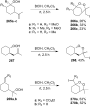
Scheme 74: Use of BCIH in the intramolecular cyclization.

Scheme 75: Palladium-catalyzed cyclization of δ-unsaturated hydroperoxides 271a–e.

Scheme 76: Intramolecular cyclization of unsaturated peroxyacetals 273a–d.

Scheme 77: Allyltrimethylsilane in the synthesis of 1,2-dioxanes 276a–d.

Scheme 78: Intramolecular cyclization using the electrophilic center of the peroxycarbenium ion 279.

Scheme 79: Synthesis of bicyclic 1,2-dioxanes.

Scheme 80: Preparation of 1,2-dioxane 286.

Scheme 81: Di(tert-butyl)peroxalate-initiated radical cyclization of unsaturated hydroperoxide 287.

Scheme 82: Oxidation of 1,4-betaines 291a–d.

Scheme 83: Synthesis of aminoquinoline-containing 1,2-dioxane 294.

Scheme 84: Synthesis of the sulfonyl-containing 1,2-dioxane.

Scheme 85: Synthesis of the amido-containing 1,2-dioxane 301.

Scheme 86: Reaction of singlet oxygen with the 1,3-diene system 302.

Scheme 87: Synthesis of (+)-premnalane А and 8-epi-premnalane A.

Scheme 88: Synthesis of the diazo group containing 1,2-dioxenes 309a–e.

Figure 4: Plakortolide Е.

Scheme 89: Synthesis of 6-epiplakortolide Е.

Scheme 90: Application of Bu3SnH for the preparation of tetrahydrofuran-containing bicyclic peroxides 318a,b.

Scheme 91: Application of Bu3SnH for the preparation of lactone-containing bicyclic peroxides 320a–f.

Scheme 92: Dihydroxylation of the double bond in the 1,2-dioxene ring 321 with OsO4.

Scheme 93: Epoxidation of 1,2-dioxenes 324.

Scheme 94: Cyclopropanation of the double bond in endoperoxides 327.

Scheme 95: Preparation of pyridazine-containing bicyclic endoperoxides 334a–c.

Scheme 96: Synthesis of 1,2,4-trioxanes 337 by the hydroperoxidation of unsaturated alcohols 335 with 1O2 and ...

Scheme 97: Synthesis of sulfur-containing 1,2,4-trioxanes 339.

Scheme 98: BF3·Et2O-catalyzed synthesis of the 1,2,4-trioxanes 342a–g.

Scheme 99: Photooxidation of enol ethers or vinyl sulfides 343.

Scheme 100: Synthesis of tricyclic peroxide 346.

Scheme 101: Reaction of endoperoxides 348a,b derived from cyclohexadienes 347a,b with 1,4-cyclohexanedione.

Scheme 102: [4 + 2]-Cycloaddition of singlet oxygen to 2Н-pyrans 350.

Scheme 103: Synthesis of 1,2,4-trioxanes 354 using peroxysilylation stage.

Scheme 104: Epoxide-ring opening in 355 with H2O2 followed by the condensation of hydroxy hydroperoxides 356 wi...

Scheme 105: Peroxidation of unsaturated ketones 358 with the H2O2/CF3COOH/H2SO4 system.

Scheme 106: Synthesis of 1,2,4-trioxanes 362 through Et2NH-catalyzed intramolecular cyclization.

Scheme 107: Reduction of the double bond in tricyclic peroxides 363.

Scheme 108: Horner–Wadsworth–Emmons reaction in the presence of peroxide group.

Scheme 109: Reduction of ester group by LiBH4 in the presence of 1,2,4-trioxane moiety.

Scheme 110: Reductive amination of keto-containing 1,2,4-trioxane 370.

Scheme 111: Reductive amination of keto-containing 1,2,4-trioxane and a Fe-containing moiety.

Scheme 112: Acid-catalyzed reactions of Н2О2 with ketones and aldehydes 374.
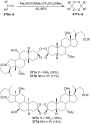
Scheme 113: Cyclocondensation of carbonyl compounds 376a–d using Me3SiOOSiMe3/CF3SO3SiMe3.

Scheme 114: Peroxidation of 4-methylcyclohexanone (378).

Scheme 115: Synthesis of symmetrical tetraoxanes 382a,b from aldehydes 381a,b.

Scheme 116: Synthesis of unsymmetrical tetraoxanes using of MeReO3.

Scheme 117: Synthesis of symmetrical tetraoxanes using of MeReO3.

Scheme 118: Synthesis of symmetrical tetraoxanes using of MeReO3.

Scheme 119: MeReO3 in the synthesis of symmetrical tetraoxanes with the use of aldehydes.

Scheme 120: Preparation of unsymmmetrical 1,2,4,5-tetraoxanes with high antimalarial activity.

Scheme 121: Re2O7-Catalyzed synthesis of tetraoxanes 398.

Scheme 122: H2SO4-Catalyzed synthesis of steroidal tetraoxanes 401.

Scheme 123: HBF4-Catalyzed condensation of bishydroperoxide 402 with 1,4-cyclohexanedione.

Scheme 124: BF3·Et2O-Catalyzed reaction of gem-bishydroperoxides 404 with enol ethers 405 and acetals 406.

Scheme 125: HBF4-Catalyzed cyclocondensation of bishydroperoxide 410 with ketones.

Scheme 126: Synthesis of symmetrical and unsymmetrical tetraoxanes 413 from benzaldehydes 412.
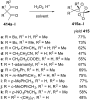
Scheme 127: Synthesis of bridged 1,2,4,5-tetraoxanes 415a–l from β-diketones 414a–l and H2O2.

Scheme 128: Dimerization of zwitterions 417.

Scheme 129: Ozonolysis of verbenone 419.

Scheme 130: Ozonolysis of O-methyl oxime 424.

Scheme 131: Peroxidation of 1,1,1-trifluorododecan-2-one 426 with oxone.

Scheme 132: Intramolecular cyclization of dialdehyde 428 with H2O2.

Scheme 133: Tetraoxanes 433–435 as by-products in peroxidation of ketals 430–432.

Scheme 134: Transformation of triperoxide 436 in diperoxide 437.

Scheme 135: Preparation and structural modifications of tetraoxanes.

Scheme 136: Structural modifications of steroidal tetraoxanes.

Scheme 137: Synthesis of 1,2,4,5-tetraoxane 454 containing the fluorescent moiety.

Scheme 138: Synthesis of tetraoxane 458 (RKA182).
A unified approach to the important protein kinase inhibitor balanol and a proposed analogue
- Tapan Saha,
- Ratnava Maitra and
- Shital K. Chattopadhyay
Beilstein J. Org. Chem. 2013, 9, 2910–2915, doi:10.3762/bjoc.9.327

- preliminary report [62]. Thus, reductive amination of Garner’s aldehyde 17 (Scheme 2) with allylamine produced amine 18 which was N-protected with CbzCl to obtain 19 in an overall yield of 89% over three steps. The oxazolidine ring in compound 19 was then cleaved under acidic conditions and the resulting

Graphical Abstract

Figure 1: Balanol (1) and ophiocordin (2).

Figure 2: Strategic bond disconnections of balanol.

Scheme 1: Synthesis of the benzophenone fragment of balanol.

Scheme 2: Synthesis of the hexahydroazepine core of balanol.

Scheme 3: Synthesis of balanol and an analogue.
Microwave-assisted synthesis of 5,6-dihydroindolo[1,2-a]quinoxaline derivatives through copper-catalyzed intramolecular N-arylation
- Fei Zhao,
- Lei Zhang,
- Hailong Liu,
- Shengbin Zhou and
- Hong Liu
Beilstein J. Org. Chem. 2013, 9, 2463–2469, doi:10.3762/bjoc.9.285
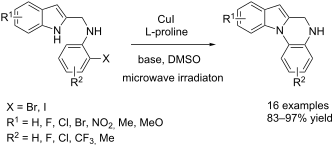
- intramolecular N-arylation with good to excellent yields. Results and Discussion The required cyclization precursors 1, aryl substituted (1H-indol-2-yl)methanamines, were easily prepared by reductive amination of 1H-indole-2-carbaldehydes with 2-haloanilines in good yields (Scheme 1). Initial screening

Graphical Abstract

Figure 1: Representative biologically relevant examples of 5,6-dihydroindolo[1,2-a]quinoxaline derivatives.

Scheme 1: Reagents and conditions: (a) CF3COOH, anhydrous dichloromethane, reflux; (b) NaBH4, MeOH.
An overview of the synthetic routes to the best selling drugs containing 6-membered heterocycles
- Marcus Baumann and
- Ian R. Baxendale
Beilstein J. Org. Chem. 2013, 9, 2265–2319, doi:10.3762/bjoc.9.265
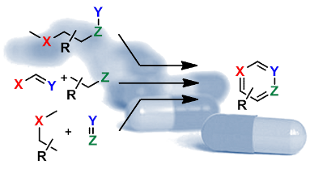

Graphical Abstract

Scheme 1: Scaled industrial processes for the synthesis of simple pyridines.

Scheme 2: Synthesis of nicotinic acid from 2-methyl-5-ethylpyridine (1.11).

Scheme 3: Synthesis of 3-picoline and nicotinic acid.

Scheme 4: Synthesis of 3-picoline from 2-methylglutarodinitrile 1.19.

Scheme 5: Picoline-based synthesis of clarinex (no yields reported).

Scheme 6: Mode of action of proton-pump inhibitors and structures of the API’s.

Scheme 7: Hantzsch-like route towards the pyridine rings in common proton pump inhibitors.

Figure 1: Structures of rosiglitazone (1.40) and pioglitazone (1.41).

Scheme 8: Synthesis of rosiglitazone.

Scheme 9: Syntheses of 2-pyridones.

Scheme 10: Synthesis and mechanism of 2-pyrone from malic acid.

Scheme 11: Polymer-assisted synthesis of rosiglitazone.

Scheme 12: Synthesis of pioglitazone.

Scheme 13: Meerwein arylation reaction towards pioglitazone.

Scheme 14: Route towards pioglitazone utilising tyrosine.

Scheme 15: Route towards pioglitazone via Darzens ester formation.

Scheme 16: Syntheses of the thiazolidinedione moiety.

Scheme 17: Synthesis of etoricoxib utilising Negishi and Stille cross-coupling reactions.

Scheme 18: Synthesis of etoricoxib via vinamidinium condensation.

Figure 2: Structures of nalidixic acid, levofloxacin and moxifloxacin.

Scheme 19: Synthesis of moxifloxacin.

Scheme 20: Synthesis of (S,S)-2,8-diazabicyclo[4.3.0]nonane 1.105.

Scheme 21: Synthesis of levofloxacin.

Scheme 22: Alternative approach to the levofloxacin core 1.125.

Figure 3: Structures of nifedipine, amlodipine and clevidipine.

Scheme 23: Mg3N2-mediated synthesis of nifedipine.

Scheme 24: Synthesis of rac-amlodipine as besylate salt.

Scheme 25: Aza Diels–Alder approach towards amlodipine.

Scheme 26: Routes towards clevidipine.

Figure 4: Examples of piperidine containing drugs.

Figure 5: Discovery of tiagabine based on early leads.

Scheme 27: Synthetic sequences to tiagabine.

Figure 6: Structures of solifenacin (2.57) and muscarine (2.58).

Scheme 28: Enantioselective synthesis of solifenacin.

Figure 7: Structures of DPP-4 inhibitors of the gliptin-type.

Scheme 29: Formation of inactive diketopiperazines from cis-rotameric precursors.

Figure 8: Co-crystal structure of carmegliptin bound in the human DPP-4 active site (PDB 3kwf).

Scheme 30: Improved route to carmegliptin.

Figure 9: Structures of lamivudine and zidovudine.

Scheme 31: Typical routes accessing uracil, thymine and cytosine.

Scheme 32: Coupling between pyrimidones and riboses via the Vorbrüggen nucleosidation.

Scheme 33: Synthesis of lamivudine.

Scheme 34: Synthesis of raltegravir.

Scheme 35: Mechanistic studies on the formation of 3.22.

Figure 10: Structures of selected pyrimidine containing drugs.

Scheme 36: General preparation of pyrimidines and dihydropyrimidones.

Scheme 37: Synthesis of imatinib.

Scheme 38: Flow synthesis of imatinib.

Scheme 39: Syntheses of erlotinib.

Scheme 40: Synthesis of erlotinib proceeding via Dimroth rearrangement.

Scheme 41: Synthesis of lapatinib.

Scheme 42: Synthesis of rosuvastatin.

Scheme 43: Alternative preparation of the key aldehyde towards rosuvastatin.

Figure 11: Structure comparison between nicotinic acetylcholine receptor agonists.

Scheme 44: Syntheses of varenicline and its key building block 4.5.

Scheme 45: Synthetic access to eszopiclone and brimonidine via quinoxaline intermediates.

Figure 12: Bortezomib bound in an active site of the yeast 20S proteasome ([114], pdb 2F16).

Scheme 46: Asymmetric synthesis of bortezomib.

Figure 13: Structures of some prominent piperazine containing drugs.

Figure 14: Structural comparison between the core of aplaviroc (4.35) and a type-1 β-turn (4.36).

Scheme 47: Examplary synthesis of an aplaviroc analogue via the Ugi-MCR.

Scheme 48: Syntheses of azelastine (5.1).

Figure 15: Structures of captopril, enalapril and cilazapril.

Scheme 49: Synthesis of cilazapril.

Figure 16: Structures of lamotrigine, ceftriaxone and azapropazone.

Scheme 50: Synthesis of lamotrigine.

Scheme 51: Alternative synthesis of lamotrigine (no yields reported).

Figure 17: Structural comparison between imiquimod and the related adenosine nucleoside.

Scheme 52: Conventional synthesis of imiquimod (no yields reported).

Scheme 53: Synthesis of imiquimod.

Scheme 54: Synthesis of imiquimod via tetrazole formation (not all yields reported).

Figure 18: Structures of various anti HIV-medications.

Scheme 55: Synthesis of abacavir.

Figure 19: Structures of diazepam compared to modern replacements.

Scheme 56: Synthesis of ocinaplon.

Scheme 57: Access to zaleplon and indiplon.

Scheme 58: Different routes towards the required N-methylpyrazole 6.65 of sildenafil.

Scheme 59: Polymer-supported reagents in the synthesis of key aminopyrazole 6.72.

Scheme 60: Early synthetic route to sildenafil.

Scheme 61: Convergent preparations of sildenafil.

Figure 20: Comparison of the structures of sildenafil, tadalafil and vardenafil.

Scheme 62: Short route to imidazotriazinones.

Scheme 63: Alternative route towards vardenafils core imidazotriazinone (6.95).

Scheme 64: Bayer’s approach to the vardenafil core.

Scheme 65: Large scale synthesis of vardenafil.

Scheme 66: Mode of action of temozolomide (6.105) as methylating agent.

Scheme 67: Different routes to temozolomide.

Scheme 68: Safer route towards temozolomide.

Figure 21: Some unreported heterocyclic scaffolds in top market drugs.
An investigation of the observed, but counter-intuitive, stereoselectivity noted during chiral amine synthesis via N-chiral-ketimines
- Thomas C. Nugent,
- Richard Vaughan Williams,
- Andrei Dragan,
- Alejandro Alvarado Méndez and
- Andrei V. Iosub
Beilstein J. Org. Chem. 2013, 9, 2103–2112, doi:10.3762/bjoc.9.247

- ensuing experimental and computational (DFT) results favor the former, pre-existing, explanation. Keywords: chiral amines; cis/trans isomerization; imine isomerization; imine reduction; reductive amination; Introduction A class of chiral compounds drawing ever more attention is α-chiral amines (chiral
- , nitrogen C–H insertion [10][11][12], hydroamination [13][14][15][16], hydroaminoalkylation [17][18], reductive amination [19][20][21][22][23], and enamine reduction [23][24][25][26][27] are experiencing a renaissance; while imine reduction [23][28][29][30], N-acylenamide reduction [23][24], and carbanion
- most atom-economic reducing agent available. Of further advantage, we were familiar with the phenomenon (mediocre cis/trans N-chiral imine ratios yielding good to excellent amine product diastereomeric ratios) from our previous work with (R)- or (S)-PEA-based reductive amination with hydrogen [54][58

Graphical Abstract

Figure 1: Accepted low energy conformations of the cis- and trans-imines of PEA.

Scheme 1: cis/trans-Phenylethylimines, their diastereomeric amine products, and the imines (2a–e) studied in ...

Figure 2: Presumed low energy conformations of α-unbranched substituted cis- and trans-(S)-PEA imines.

Scheme 2: Chiral amine synthesis using (S)-PEA: imine reduction vs. reductive amination.
Synthesis and antibacterial activity of monocyclic 3-carboxamide tetramic acids
- Yong-Chul Jeong and
- Mark G. Moloney
Beilstein J. Org. Chem. 2013, 9, 1899–1906, doi:10.3762/bjoc.9.224

- cyclisation of N-acetoacetylamino acid esters leading to 3-acetyltetramates has been reported, which give N–H rather than N-alkyl systems [15][16][17]. Tetramate 7 was obtained from amino acid 6, except that the key intermediate 5 was obtained by reductive amination (Scheme 2) of (R)-citronellal (4), which

Graphical Abstract

Figure 1: Some antibiotic natural and unnatural tetramic acids.

Scheme 1: Synthesis of simple 3-carboxamide tetramic acids. Reaction conditions: (a) triethylamine (2.0 equiv...

Scheme 2: Synthesis of N-alkyl 3-carboxamide tetramic acid. Reaction conditions: (a) 1. glycine methyl ester∙...

Scheme 3: Synthesis of C(5)-alkyl 3-carboxamide tetramic acids. Reaction conditions: (a) butyl chloroformate ...

Figure 2: Tautomerism of tetramates.



