Search results
Search for "Carbohydrate" in Full Text gives 310 result(s) in Beilstein Journal of Organic Chemistry. Showing first 200.
Synthesis of 1,4-imino-L-lyxitols modified at C-5 and their evaluation as inhibitors of GH38 α-mannosidases
Beilstein J. Org. Chem. 2018, 14, 2156–2162, doi:10.3762/bjoc.14.189
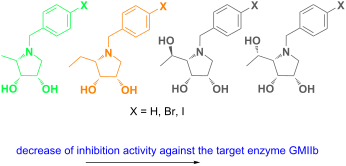
- ; inhibitors; pyrrolidines; synthesis; Introduction Carbohydrates as chiral templates for a construction of bioactive compounds are of steady interest in medicinal chemistry [1][2][3]. The polyfunctional nature of carbohydrate units offers many possibilities for the design of a wide variety of new compounds
- . Moreover, various desired substituents can be selectively appended to any required position of the carbohydrate unit. This leads to a preparation of mimetics that meet the requirements of metabolically more stable bioactive compounds. During the years, many scaffolds based on monosaccharides [4
- ], disaccharides or higher oligosaccharides [5][6] as well as multivalent [7][8] carbohydrate units have been developed. These glycomimetics and glycopeptides have also found applications as bioactive compounds [9][10]. One group of the scaffolds includes iminosugars [11][12] as analogues of the monosaccharides


D-Fructose-based spiro-fused PHOX ligands: synthesis and application in enantioselective allylic alkylation
Beilstein J. Org. Chem. 2018, 14, 2082–2089, doi:10.3762/bjoc.14.182
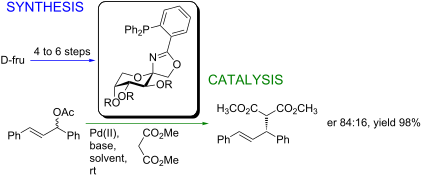
- nucleophile [13][14]. The design of new PHOX ligands is still subject to current research and the synthesis of a lot of different PHOX ligands have been reported during the last years [15][16][17][18]. Kunz reported the preparation of a carbohydrate based PHOX ligand 2 [19]. The starting material was D
- -glucosamine and the sugar was linked to the aromatic system via an annulated oxazoline. Palladium complexes of 2 were used in allylic substitution of allyl acetates with dimethyl malonate as nucleophile and ee values from 69% to 98% were obtained [19]. Recently, we presented the synthesis of carbohydrate
- ][22]. This led us to extend the concept of spiro-fused carbohydrate oxazolines for asymmetric synthesis by developing new types of carbohydrate-based PHOX ligands. Herein, we present ten novel spiro-PHOX ligands containing diphenylphosphino groups, 5, which can be synthesized in four to six steps


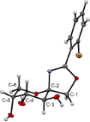


Diazirine-functionalized mannosides for photoaffinity labeling: trouble with FimH
Beilstein J. Org. Chem. 2018, 14, 1890–1900, doi:10.3762/bjoc.14.163

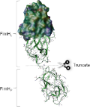
- comprising a lectin domain FimHL hosting the α-D-mannose-specific carbohydrate binding site and a pilin domain FimHP connecting the protein to the fimbrial shaft (Figure 2). Complexation of α-D-mannopyranoside ligands involves the entire mannoside glycon moiety whereas the aglycon portion sticks out of the
- mannosides 3–5 as photolabile ligands of FimH and evaluated their potential affinity by computer-aided docking. Docking studies Mannosides 3–5 (Figure 3) were docked into the FimH carbohydrate binding site using FlexX as implemented in Sybyl 6.9 [21][22][23]. Ligand structures were minimized using the Tripos
- carbohydrate binding site. They are flexible and can be more distant to one another (“open gate”) or closer together (“closed gate”) [20]. Both conformations were considered for the docking studies. For each docked conformation, a scoring value is obtained that correlates with the affinity of the ligand to the




Anomeric modification of carbohydrates using the Mitsunobu reaction
Beilstein J. Org. Chem. 2018, 14, 1619–1636, doi:10.3762/bjoc.14.138
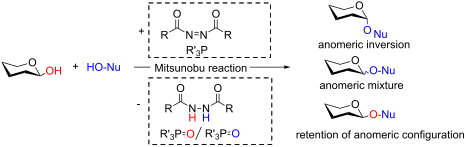
- reagents, mostly triphenylphosphine and a dialkyl azodicarboxylate. This reaction has been frequently used in carbohydrate chemistry for the modification of sugar hydroxy groups. Modification at the anomeric position, leading mainly to anomeric esters or glycosides, is of particular importance in the
- to the respective phosphine oxide and the azo reagent is reduced to the corresponding 1,2-hydrazinodicarboxylate (Scheme 1). As we have frequently utilized this valuable reaction in carbohydrate chemistry, in this account we have compiled literature, where the Mitsunobu reaction was used for the
- dimethylformamide, has been shown to be influential in terms of efficacy and stereoselectivity [19]. Since its infancy, the Mitsunobu reaction has found applications in carbohydrate chemistry, as its broad scope and mild conditions are ideal for the formation of conjugates with sensitive natural products. Standard


Glycosylation reactions mediated by hypervalent iodine: application to the synthesis of nucleosides and carbohydrates
Beilstein J. Org. Chem. 2018, 14, 1595–1618, doi:10.3762/bjoc.14.137
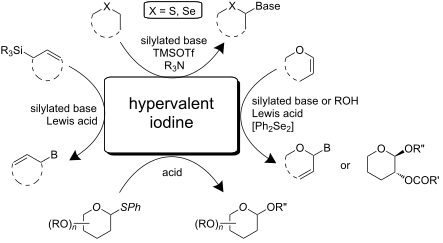
- glycols, epoxides, and olefins takes place by the action of hypervalent iodine [38][71][72]. For example, Havare and Plattner reported the oxidative cleavage of α-aryl aldehydes using iodosylbenzene to give chain-shortened carbonyl compounds and formaldehyde [71]. In the field of carbohydrate chemistry
- towards oligosaccharides, which would also contribute to the identification and development of drug candidates. For example, cancer immunotherapy based on vaccines derived from carbohydrate antigen–adjuvant combinations has received much attention in recent years [75][76][77]. However, the difficulties
- associated with the isolation of tumor-associated carbohydrate antigens from natural sources have impeded extensive research. Thus, the most promising approach to the supply of these antigens is to develop a suitable method for their chemical synthesis. To date, various glycosylation reactions capable of


Synthetic avenues towards a tetrasaccharide related to Streptococcus pneumonia of serotype 6A
Beilstein J. Org. Chem. 2018, 14, 1095–1102, doi:10.3762/bjoc.14.95

- ; oligosaccharides; stereoselectivity; total synthesis; Introduction Complex glycans serve as attractive targets for carbohydrate-based vaccines and therapeutics [1][2][3]. Streptococcus pneumonia (SPn) has been posing a serious threat in recent times. It is a major cause of pneumonia, bacteraemia, and meningitis
- most important causes of invasive pneumonococcal diseases [7]. These facts have led to extensive research towards the establishment of polysaccharide structures associated with the SPn serogroup 6 [8][9] (Figure 1). Initially, it was thought that due to their similar carbohydrate core structures the


An overview of recent advances in duplex DNA recognition by small molecules
Beilstein J. Org. Chem. 2018, 14, 1051–1086, doi:10.3762/bjoc.14.93
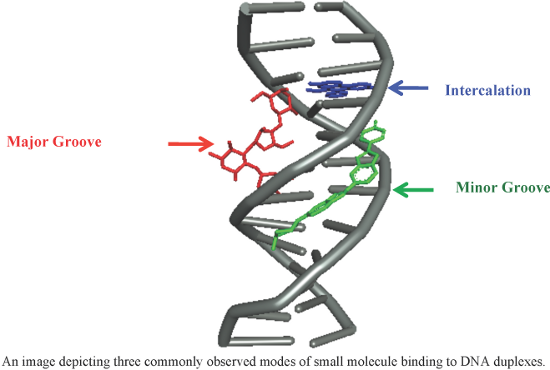
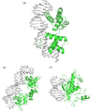
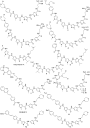
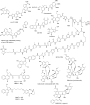
- synthesized in order to investigate the molecular basis of carbohydrate–minor groove DNA interactions by Vicent et al. [95]. NMR spectroscopy and molecular modeling studies further confirmed the existence of directional intramolecular hydrogen bonds and CH–π interactions, which results in stabilizing these






A stereoselective and flexible synthesis to access both enantiomers of N-acetylgalactosamine and peracetylated N-acetylidosamine
Beilstein J. Org. Chem. 2018, 14, 856–860, doi:10.3762/bjoc.14.71

- peracetylated D-IdoNAc 2c. Conclusion The presented synthetic route was successfully used to prepare both, D- and L-GalNAc, from non-carbohydrate starting materials over 9 steps with overall yields of 22% and 12%, respectively. Our approach combines the Sharpless epoxidation and Pd-catalyzed azide substitution


AuBr3-catalyzed azidation of per-O-acetylated and per-O-benzoylated sugars
Beilstein J. Org. Chem. 2018, 14, 682–687, doi:10.3762/bjoc.14.56
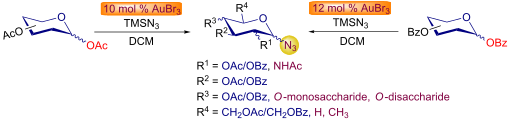
- applications and further demonstrates the value of gold catalysis in carbohydrate chemistry. Experimental General experimental methods: Chemicals and materials were obtained from commercial sources and used without further purification unless otherwise noted. 1H and 13C NMR spectra were recorded on a 400 MHz


Carbohydrate inhibitors of cholera toxin
Beilstein J. Org. Chem. 2018, 14, 484–498, doi:10.3762/bjoc.14.34
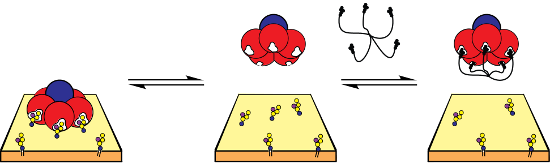
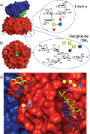
- released by Vibrio cholera in the host’s intestine. The toxin enters intestinal epithelial cells after binding to specific carbohydrates on the cell surface. Over recent years, considerable effort has been invested in developing inhibitors of toxin adhesion that mimic the carbohydrate ligand, with
- particular emphasis on exploiting the multivalency of the toxin to enhance activity. In this review we introduce the structural features of the toxin that have guided the design of diverse inhibitors and summarise recent developments in the field. Keywords: carbohydrate; cholera; multivalency; toxin
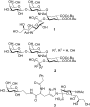
- been drawn for the receptor binding to AB5 toxins; while some target on the individual binding sites, others are intended at designing multivalent ligands against the entire toxin B pentamer [6][30][31]. Monovalent receptor-binding inhibitors Bernardi and co-workers designed carbohydrate derivatives




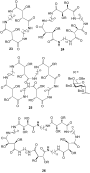



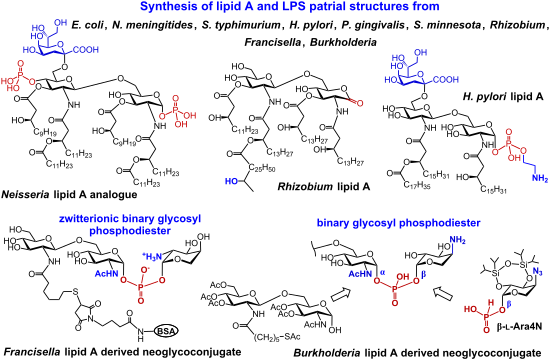
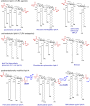
Aminosugar-based immunomodulator lipid A: synthetic approaches
Beilstein J. Org. Chem. 2018, 14, 25–53, doi:10.3762/bjoc.14.3






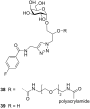
Recent applications of click chemistry for the functionalization of gold nanoparticles and their conversion to glyco-gold nanoparticles
Beilstein J. Org. Chem. 2018, 14, 11–24, doi:10.3762/bjoc.14.2
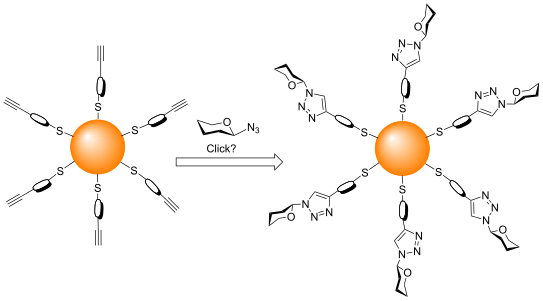
- many important biological processes, it is now well established that the binding interactions of a particular oligosaccharide, either with another carbohydrate or more commonly with carbohydrate-binding proteins (lectins), are generally weak. In order to augment these low affinity interactions
- , oligosaccharides usually bind lectins in a multivalent cooperative fashion. This avidity is significantly greater than the sum of the individual monomeric carbohydrate–protein interactions, and is sometimes referred to as the ‘cluster glycoside’ effect [6]. In order to study biological processes that involve these
- types of carbohydrate–protein interactions, it is therefore essential to present carbohydrates in a multivalent fashion. For that purpose, different scaffolds, such as peptides, proteins, lipids, and synthetic polymers, have all been used [7]. The search for better scaffolds for the presentation of



An efficient synthesis of 1,6-anhydro-N-acetylmuramic acid from N-acetylglucosamine
Beilstein J. Org. Chem. 2017, 13, 2631–2636, doi:10.3762/bjoc.13.261

- cell wall recycling; carbohydrate synthesis; Introduction 1,6-Anhydro-N-acetylmuramic acid (AnhydroMurNAc, 1, Figure 1) and its derivatives (e.g., 2 and 3) are of great interest due to their integral role in bacterial cell wall recycling [1][2] and the induction of antibacterial resistance [3


What contributes to an effective mannose recognition domain?
Beilstein J. Org. Chem. 2017, 13, 2584–2595, doi:10.3762/bjoc.13.255
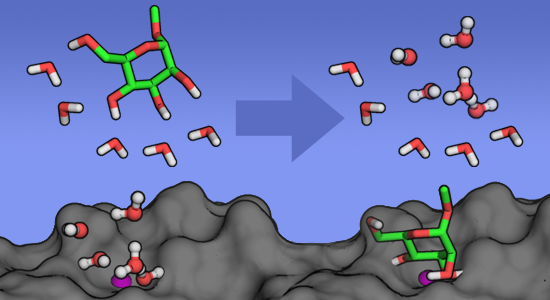
- Christoph P. Sager Deniz Eris Martin Smiesko Rachel Hevey Beat Ernst Department of Pharmaceutical Sciences, University of Basel, Klingelbergstrasse 50, CH-4056 Basel, Switzerland 10.3762/bjoc.13.255 Abstract In general, carbohydrate–lectin interactions are characterized by high specificity but
- carbohydrate–lectin interactions of the innate immune system but also in bacterial adhesion, a process key for the bacterium’s survival. In an effort to better understand the particular characteristics, which contribute to a successful carbohydrate recognition domain, the mannose-binding sites of six C-type
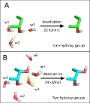
- mammalian mannose-binding sites are in general flat and solvent exposed, the half-lives of carbohydrate–lectin complexes are rather short since water molecules can easily access and displace the ligand from the binding site. In contrast, the bacterial lectin FimH benefits from a deep mannose-binding site





Electron-deficient pyridinium salts/thiourea cooperative catalyzed O-glycosylation via activation of O-glycosyl trichloroacetimidate donors
Beilstein J. Org. Chem. 2017, 13, 2385–2395, doi:10.3762/bjoc.13.236

- past few decades [5][6][7][8][9][10]. However, the synthesis of fundamental glycosidic bonds with high efficiency and selectivity yet remains one of the major challenges for organic chemists, in particular, carbohydrate chemists. Nature extensively employs small organic molecules as catalysts for the
- , it is still uncommonly employed in the area of carbohydrate chemistry, especially for glycosylation reactions, due to the prerequisite of having both catalysts being compatible under the reaction conditions. The Schmidt group has successfully applied the synergistic catalysts (thiourea derivatives
- carbohydrate chemistry. It is pleasing to note that on reaction with partially protected acceptor 22 with glycosyl donors 1α and 7α under the optimized conditions lead to the regioisomeric products 23 and 24 [46][47] in moderate yields with good selectivity (Scheme 2). Plausible mechanism To confirm the


Homologated amino acids with three vicinal fluorines positioned along the backbone: development of a stereoselective synthesis
Beilstein J. Org. Chem. 2017, 13, 2316–2325, doi:10.3762/bjoc.13.228

- Raju Cheerlavancha Ahmed Ahmed Yun Cheuk Leung Aggie Lawer Qing-Quan Liu Marina Cagnes Hee-Chan Jang Xiang-Guo Hu Luke Hunter School of Chemistry, The University of New South Wales, Sydney NSW 2052, Australia National Engineering Research Center for Carbohydrate Synthesis, Jiangxi Normal


Phosphonic acid: preparation and applications
Beilstein J. Org. Chem. 2017, 13, 2186–2213, doi:10.3762/bjoc.13.219
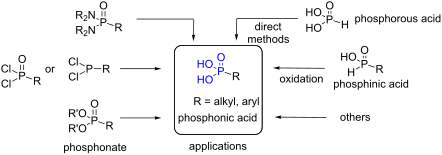
- metal affinity chromatography (IMAC). Such types of solid phases were applied to enrich carbohydrate from extracts [61] or as chiral selectors immobilized on silica for chiral cation exchange chromatography [62] (Figure 4). Porphyrin tetra-functionalized with phosphonic acid groups was used as a


An efficient synthesis of a C12-higher sugar aminoalditol
Beilstein J. Org. Chem. 2017, 13, 2146–2152, doi:10.3762/bjoc.13.213

- with long chains are very interesting. However, the synthesis of this kind of molecules is a real challenge in carbohydrate chemistry. Very often reactions, which work well for ‘normal’ (C5–C7) sugars are not applicable for the elongated analogs [6][7]. Recently we have prepared such a derivative by


Solid-state studies and antioxidant properties of the γ-cyclodextrin·fisetin inclusion compound
Beilstein J. Org. Chem. 2017, 13, 2138–2145, doi:10.3762/bjoc.13.212

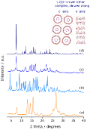
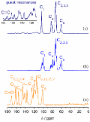
- weaker as expected due to the dilution effect caused by the presence of the carbohydrate host, but in an expansion it is possible to discern the presence of almost all carbon resonances of fisetin, with exception of C8, which most likely overlaps with the signal of the C4 of γ-CD. Of note are two




Preactivation-based chemoselective glycosylations: A powerful strategy for oligosaccharide assembly
Beilstein J. Org. Chem. 2017, 13, 2094–2114, doi:10.3762/bjoc.13.207
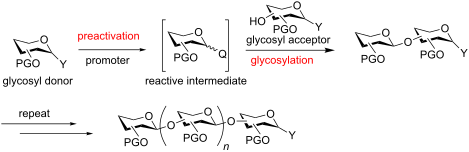
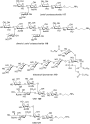
- needed [3]. However, this is hampered by the limited availability of complex glycans from nature. Thus, chemical synthesis is a powerful approach to provide much needed samples to enable biological studies [4]. Traditional carbohydrate synthesis is commonly carried out from the reducing end to the non
- , which has been covered in other reviews [23][42], has been applied to successful synthesis of a range of complex oligosaccharides including human milk oligosaccharides [45], an embryonic stem cell surface carbohydrate marker Lc4 [46], Globo-H hexasaccharide [47], and heparin-like oligosaccharides [48
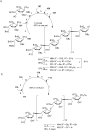
- oligosaccharides including those containing both 1,2-cis and 1,2-trans linkages, branching sequences and sulfate esters. For example, a four component preactivation-based one-pot synthesis was designed to synthesize Globo-H, an important tumor-associated carbohydrate antigen (Scheme 18) [60]. Globo-H







Enzymatic separation of epimeric 4-C-hydroxymethylated furanosugars: Synthesis of bicyclic nucleosides
Beilstein J. Org. Chem. 2017, 13, 2078–2086, doi:10.3762/bjoc.13.205
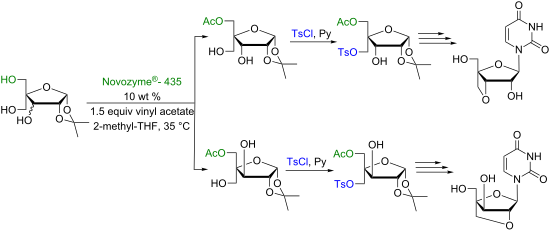
- of synthetic carbohydrate and nucleoside chemistry. Experimental The Candida antarctica lipase-B (CAL-B or Novozyme®-435) immobilized on polyacrylate was purchased from Sigma-Aldrich Co. (USA). Theremomyces lanuginosus lipase (Lipozyme TL IM) immobilized on silica was obtained as a gift from


Intramolecular glycosylation
Beilstein J. Org. Chem. 2017, 13, 2028–2048, doi:10.3762/bjoc.13.201
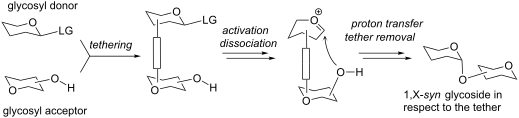
- Xiao G. Jia Alexei V. Demchenko Department of Chemistry and Biochemistry, University of Missouri – St. Louis, One University Blvd., 434 Benton Hall (MC27), St. Louis, MO 63121, USA 10.3762/bjoc.13.201 Abstract Carbohydrate oligomers remain challenging targets for chemists due to the requirement


Influence of the milling parameters on the nucleophilic substitution reaction of activated β-cyclodextrins
Beilstein J. Org. Chem. 2017, 13, 1893–1899, doi:10.3762/bjoc.13.184
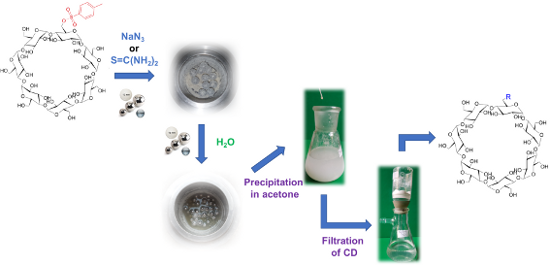
- derivatization [8]. Although the preparation of carbohydrate-based complexes in a ball mill has been already reported [9][10][11], the use of mechanical activation for the chemical derivatization of CDs has been rather sporadic [12][13][14][15]. In this respect, it is worth noting that CDs exhibit a
- characteristic reactivity profile. Neither traditional synthetic routes nor a conventional carbohydrate activation methodology allow for CD derivatization. The major issues stem from the differing solubility of the reagents in organic solvents, meaning that high boiling polar solvents, such as DMF or DMSO, need


Enzymatic synthesis of glycosides: from natural O- and N-glycosides to rare C- and S-glycosides
Beilstein J. Org. Chem. 2017, 13, 1857–1865, doi:10.3762/bjoc.13.180
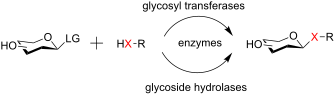
- Jihen Ati Pierre Lafite Richard Daniellou ICOA UMR CNRS 7311, University of Orléans, rue de Chartres, BP 6759, 45067 Orléans cedex 2, France 10.3762/bjoc.13.180 Abstract Carbohydrate related enzymes, like glycosyltransferases and glycoside hydrolases, are nowadays more easily accessible and are
- this goal, the glycoscientists will have to collaborate strongly to obtain pure and well-defined glycoconjugates. Indeed, even if during the last century, the chemists have engaged great efforts to successfully develop efficient means of synthesis of carbohydrate derivatives, through the use of
- . Rational mutagenesis, directed evolution, or even de novo design have dramatically broaden the applicability of enzymes in biocatalysis [7]. In the glycochemistry field, a vast array of carbohydrate-metabolizing enzymes [8] has been used to synthesize glycosides, even using multiple enzymes systems




Strategies toward protecting group-free glycosylation through selective activation of the anomeric center
Beilstein J. Org. Chem. 2017, 13, 1239–1279, doi:10.3762/bjoc.13.123

- the complete absence of protecting groups in an aqueous environment using 2-chloro-1,3-dimethylimidazolinium chloride (DMC) and a mild amine base (NEt3) (see chapter 4.1). 2.1.2 Glycosyltransferases: Glycosyltransferases (GTs) catalyze the transfer of a carbohydrate from an activated nucleotide
- major impetus for the progress in synthetic carbohydrate chemistry [41]. Also noteworthy is the fact that their conditions were applicable to multiple functional groups at C2, as their mechanistic proposal does not include an involvement of this carbon. However, the obvious drawback of this procedure is
- . What will certainly be interesting in the future if a more in depth mechanism can be discerned. 3.4 Transition metal-catalyzed glycosylation The metal-catalyzed activation of the anomeric center has been employed in carbohydrate chemistry for many decades and continues to be a very rapidly expanding