


Search results
Search for "metal free" in Full Text gives 303 result(s) in Beilstein Journal of Organic Chemistry. Showing first 200.
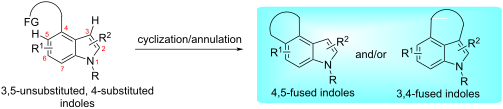
Regioselectivity of the SEAr-based cyclizations and SEAr-terminated annulations of 3,5-unsubstituted, 4-substituted indoles
- Jonali Das and
- Sajal Kumar Das
Beilstein J. Org. Chem. 2022, 18, 293–302, doi:10.3762/bjoc.18.33
- generated via 1,6-hydride shift in both I and II. Finally, an intramolecular Mannich-type cyclization then furnishes products 27. The cascade protocol enjoys several advantageous synthetic features, including high step- and atom-economy, transition-metal-free and room temperature conditions. In all cases

Graphical Abstract

Scheme 1: SEAr-based, CAr–C bond-forming cyclization or annulation of: (A) substituted arenes/heteroarenes an...

Scheme 2: Indole C3 regioselective intramolecular alkylation of indolyl allyl carbonates.

Scheme 3: Indole C3 regioselective Michael-type cyclization in the total synthesis of (−)-indolactam V.

Scheme 4: Synthesis of azepino[4,3,2-cd]indoles via indole C3 regioselective aza-Michael addition/cyclization...

Scheme 5: Indole C3 regioselective Pictet−Spengler reaction of 2-(1H-indol-4-yl)ethanamines.

Scheme 6: Indole C3 regioselective hydroindolation of cis-β-(α′,α′-dimethyl)-4′-methindolylstyrenes.

Scheme 7: Indole C3 regioselective cyclization leading to the formation of polycyclic azepino[5,4,3-cd]indole...

Scheme 8: Synthesis of azepino[3,4,5-cd]indoles via iridium-catalyzed asymmetric [4 + 3] cycloaddition of rac...

Scheme 9: Aldimine condensation/1,6-hydride transfer/Mannich-type cyclization cascade of indole-derived pheny...

Scheme 10: Indole C5 regioselective intramolecular FC acylation of 4-substituted indoles.

Scheme 11: Catalyst-dependent regioselectivity switching in the cyclization of ethyl 2-diazo-4-(4-indolyl)-3-o...

Scheme 12: Indole C5 regioselective cyclization of α-carbonyl sulfoxonium ylides.

Scheme 13: Indole C5 regioselective cyclization of an indole-tethered donor–acceptor cyclopropane.

Scheme 14: Indole C5 regioselective epoxide–arene cyclization.
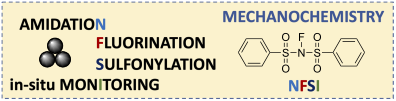
Multi-faceted reactivity of N-fluorobenzenesulfonimide (NFSI) under mechanochemical conditions: fluorination, fluorodemethylation, sulfonylation, and amidation reactions
- José G. Hernández,
- Karen J. Ardila-Fierro,
- Dajana Barišić and
- Hervé Geneste
Beilstein J. Org. Chem. 2022, 18, 182–189, doi:10.3762/bjoc.18.20
- . To assist the metal-free amidation of the aromatic C–H bond in 5, we repeated the milling experiment at 40 °C using a heat gun to increase the temperature of the milling jar (see Supporting Information File 1, Figure S2) [42], which gave a mixture of 5 and 6 (ratio 85:15). The same experiment at 60

Graphical Abstract

Scheme 1: Examples of mechanochemical reactions using NFSI.

Scheme 2: Mechanochemical fluorination of arenes 1 with NFSI. (a) Product distributions and reaction conditio...

Figure 1: Time-resolved 2D plots of the mechanochemical reaction of: (a) 1c (0.59 mmol), NFSI (1.0 equiv), an...

Scheme 3: (a–f) Reactions of substrates 3 with NFSI. Reaction conditions: Substrates 3 (0.734 mmol) were mill...

Scheme 4: Regioselective C-3 mechanochemical amidation of 5 with NFSI.
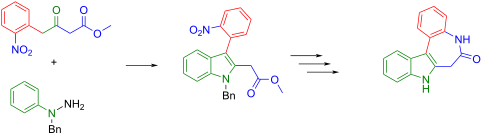
Ready access to 7,8-dihydroindolo[2,3-d][1]benzazepine-6(5H)-one scaffold and analogues via early-stage Fischer ring-closure reaction
- Irina Kuznetcova,
- Felix Bacher,
- Daniel Vegh,
- Hsiang-Yu Chuang and
- Vladimir B. Arion
Beilstein J. Org. Chem. 2022, 18, 143–151, doi:10.3762/bjoc.18.15
- copper(II) complexes prepared revealed an enhanced aqueous solubility and bioavailability indeed, along with very high cytotoxicity [8][9][10][11][12][13][14][15][16][17][18][19][20][21]. Moreover, the metal-free ligands and copper(II) complexes derived from backbone D revealed cytotoxicity in the

Graphical Abstract

Figure 1: Paullone related indolobenzazepinone isomers. 7,12-Dihydroindolo[3,2-d][1]benzazepin-6(5H)-one or p...
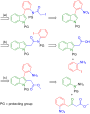
Scheme 1: Investigated retrosynthetic pathways to scaffold C.
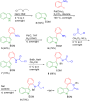
Scheme 2: Attempted synthesis of scaffold C by route (a).
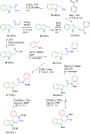
Scheme 3: Attempted synthesis of C by route (b).

Scheme 4: Attempted synthesis of N-benzylated indole-2-acetic acid.

Scheme 5: Attempt to obtain open-chain precursor N-(2-bromophenyl)-2-(1H-indol-2-yl)acetamide.
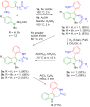
Scheme 6: Synthesis of scaffold C and analogues by route (c).

Figure 2: ORTEP view of 1a with thermal ellipsoids drawn at the 50% probability level.

Figure 3: ORTEP view of 3a with thermal ellipsoids drawn at the 50% probability level.

Scheme 7: Attempted Ullmann cross-coupling of 23 with o-bromo-nitrobenzene.
A two-phase bromination process using tetraalkylammonium hydroxide for the practical synthesis of α-bromolactones from lactones
- Yuki Yamamoto,
- Akihiro Tabuchi,
- Kazumi Hosono,
- Takanori Ochi,
- Kento Yamazaki,
- Shintaro Kodama,
- Akihiro Nomoto and
- Akiya Ogawa
Beilstein J. Org. Chem. 2021, 17, 2906–2914, doi:10.3762/bjoc.17.198
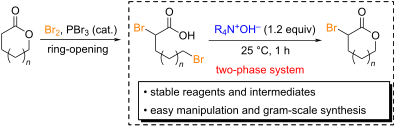
- facilitate the industrial use of α-bromolactones as important intermediates. Keywords: α-bromolactone; metal-free; one-pot operation; tetraalkylammonium hydroxide; two-phase system; Introduction Lactones are important heterocycles in the organic chemistry, materials science, and medicinal chemistry fields

Graphical Abstract

Scheme 1: General procedure for α-bromination of δ-valerolactone (1a) and the method described in this work.

Scheme 2: Tetraalkylammonium salt-mediated intramolecular cyclization of 2a.

Scheme 3: Synthesis of α-functionalized lactones using the two-phase system.

Scheme 4: Synthesis of unsymmetrically functionalized sulfide 5 via the two-phase system-promoted intramolecu...

Scheme 5: Sequential nucleophilic substitution in the two-phase system.

Scheme 6: One-pot synthesis of 2-phenylthio-α-valerolactone 6.
Synthesis of highly substituted fluorenones via metal-free TBHP-promoted oxidative cyclization of 2-(aminomethyl)biphenyls. Application to the total synthesis of nobilone
- Ilya A. P. Jourjine,
- Lukas Zeisel,
- Jürgen Krauß and
- Franz Bracher
Beilstein J. Org. Chem. 2021, 17, 2668–2679, doi:10.3762/bjoc.17.181
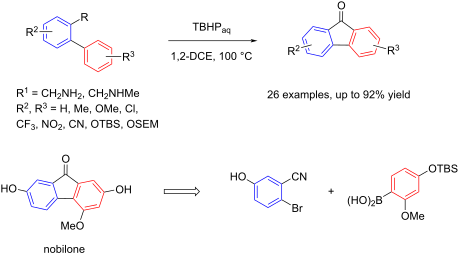
- group (Scheme 2) [33]. In contrast to transition-metal-mediated approaches [27], metal-free oxidative methods are attractive not only from an ecological point of view, but also due to the typically low cost of the applied oxidants. Biarylcarboxaldehydes were cyclized to fluorenones using K2S2O8 [34
- cyclic lactones [69]. The intramolecular cyclization of the acyl radical A gives the tricyclic radical species C, which then forms fluorenone (3) after abstraction of a hydrogen radical by an additional equivalent of the tert-butoxy radical. Conclusion In summary, we have demonstrated that the metal-free

Graphical Abstract

Scheme 1: Selected fluorenone-type natural products.

Scheme 2: Overview of published cyclization methodologies for the synthesis of fluorenones starting from func...
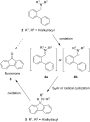
Scheme 3: Preliminary considerations for the oxidative cyclization of 2-(aminomethyl)biphenyls to fluorenones....

Scheme 4: Substrate scope and yields for oxidative cyclizations of N-methyl-2-(aminomethyl)biphenyls 9a–d bea...
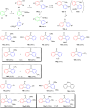
Scheme 5: Substrate scope for the oxidative cyclization of 2-(aminomethyl)biphenyls. Conditions: a) Boc2O, NEt...

Scheme 6: Substrate scope for the oxidative cyclization of 2-(aminomethyl)biphenyls with main focus on protec...

Scheme 7: Total synthesis of nobilone (1d). Conditions: a) TBS-Cl, imidazole, DMF, 50 °C, 18 h; b) n-BuLi, B(...

Scheme 8: Proposed mechanism for the oxidative cyclization of amines 2a and 2b to fluorenone (3).
Recent advances in organocatalytic asymmetric aza-Michael reactions of amines and amides
- Pratibha Sharma,
- Raakhi Gupta and
- Raj K. Bansal
Beilstein J. Org. Chem. 2021, 17, 2585–2610, doi:10.3762/bjoc.17.173
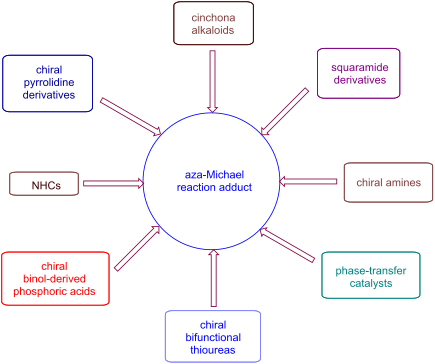
- metal-free small organic molecules as catalysts has been a landmark advancement in organic synthesis in the recent past [16]. MacMillan and co-workers for the first time in the year 2000 termed these catalysts as ‘Organocatalysts’ [17]. It was followed by intense activity and phenomenal rise in the

Graphical Abstract

Scheme 1: Asymmetric aza-Michael addition catalyzed by cinchona alkaloid derivatives.

Scheme 2: Intramolecular 6-exo-trig aza-Michael addition reaction.

Scheme 3: Asymmetric aza-Michael/Michael addition cascade reaction of 2-nitrobenzofurans and 2-nitrobenzothio...

Scheme 4: Asymmetric aza-Michael addition of para-dienone imide to benzylamine.

Scheme 5: Asymmetric synthesis of chiral N-functionalized heteroarenes.
Synthesis of phenanthridines via a novel photochemically-mediated cyclization and application to the synthesis of triphaeridine
- Songeziwe Ntsimango,
- Kennedy J. Ngwira,
- Moira L. Bode and
- Charles B. de Koning
Beilstein J. Org. Chem. 2021, 17, 2340–2347, doi:10.3762/bjoc.17.152
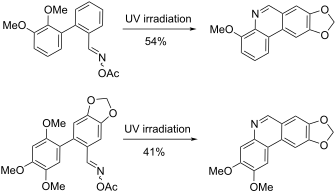
- , such as ionic liquid- and transition metal-catalyzed and other metal-free transformations [1]. A strategically diverse route to phenanthridines involves intramolecular cyclization of biaryl oximes, allowing for the formation of a new C–N bond. Such a strategy was explored by Deb and Yoshikai in the Fe

Graphical Abstract

Figure 1: Biologically active phenanthridines.

Figure 2: Synthetic routes to phenanthridines via iminyl radicals.

Scheme 1: Previous unexpected synthesis of the phenanthridine framework.

Scheme 2: Synthesis of biaryl benzaldehydes.

Scheme 3: Synthesis of biaryl oximes.
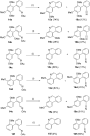
Scheme 4: Synthesis of phenanthridines. Reagents and conditions (i) UV irradiation (450 W medium pressure Hg ...

Figure 3: Two possible mechanistic routes and intermediates in the synthesis of phenanthridines.

Scheme 5: Synthesis of trisphaeridine. Reagents and conditions (i) cat. Pd(PPh3)4, aq Na2CO3, DME, reflux, Ar...
A visible-light-induced, metal-free bis-arylation of 2,5-dichlorobenzoquinone
- Pieterjan Winant and
- Wim Dehaen
Beilstein J. Org. Chem. 2021, 17, 2315–2320, doi:10.3762/bjoc.17.149
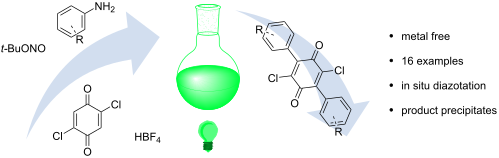
- Pieterjan Winant Wim Dehaen Molecular Design and Synthesis, Department of Chemistry, KU Leuven, Celestijnenlaan 200F, 3001 Leuven, Belgium 10.3762/bjoc.17.149 Abstract A metal-free protocol for the direct bis-arylation of 2,5-dichlorobenzoquinone with aryldiazonium salts is reported. The reactive
- issues [38][39]. Since bis-arylated quinones are promising substrates in a range of different applications (vide infra), a simple and effective method of synthesizing these types of compounds would be of great use. Motivated by the results of König et al., we set out to develop a metal-free strategy
- developed a straightforward metal-free procedure for the synthesis of bis-arylated 2,5-dichlorobenzoquinones. The reaction is tolerant towards a wide range of functional groups, occurs under mild conditions in an environmentally benign solvent and does not require further purification of the reaction

Graphical Abstract
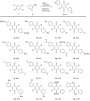
Scheme 1: Reaction scope. Conditions: quinone 1 (0.3 mmol), aniline 4 (1.2 mmol), HBF4 (1.5 mmol), t-BuONO (1...

Scheme 2: Synthesis of betulinan A and its analog 5b. Conditions: quinone 3 (0.1 mmol), NaOMe (0.25 mmol) in ...
Transition-metal-free intramolecular Friedel–Crafts reaction by alkene activation: A method for the synthesis of some novel xanthene derivatives
- Tülay Yıldız,
- İrem Baştaş and
- Hatice Başpınar Küçük
Beilstein J. Org. Chem. 2021, 17, 2203–2208, doi:10.3762/bjoc.17.142
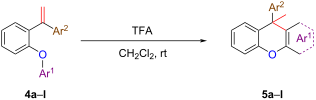
- ]. Therefore, there has been an increase in arylation methods using Friedel–Crafts alkylation (FCA) protocols without transition metals [35][36]. Environmentally friendly methods, in which metal-free catalysts are used, have come to the fore and are gaining importance because there are many disadvantages of
- conversions can occur. Conclusion In this study, a novel transition metal-free FCA method for the synthesis of 9-methyl-9-arylxanthenes has been developed. For this method, starting compounds with alkene structures suitable for our targets were synthesized. Among the synthesis methods of xanthene derivatives

Graphical Abstract

Scheme 1: Synthesis of 4a: (i) phenol, K2CO3, DMF, reflux, 2 h, 91%; (ii) PhMgBr, dry THF, 0 °C, 2 h, 86%; (i...

Figure 1: Scope of substrates for intramolecular FCA by activation of 4a–l and their isolated yields. aCondit...

Scheme 2: Plausible reaction mechanism for the cyclization reaction of alkene 4a.
Chemical syntheses and salient features of azulene-containing homo- and copolymers
- Vijayendra S. Shetti
Beilstein J. Org. Chem. 2021, 17, 2164–2185, doi:10.3762/bjoc.17.139
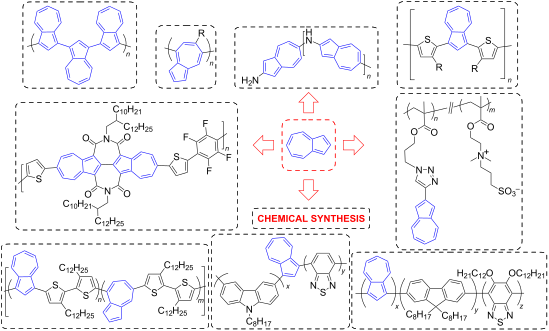
- and larger cathodic shift of the oxidation potential in these polymers compared to their metal-free counterparts. In 2012, Hawker and co-workers [22], along with 17–20, also synthesized a polymer 45 which had azulene and thiophene units connected via the 4,7-positions of azulene. The reaction of 4,7

Graphical Abstract

Figure 1: Chemical structure, numbering scheme, and resonance form of azulene.

Scheme 1: Synthesis of polyazulene-iodine (PAz-I2) and polyazulene-bromine (PAz-Br2) complexes.

Scheme 2: Synthesis of ‘true polyazulene’ 3 or 3’ by cationic polymerization.

Scheme 3: Synthesis of 1,3-polyazulene 5 by Yamamoto protocol.

Scheme 4: Synthesis of 4,7-dibromo-6-(n-alkyl)azulenes 12–14.

Scheme 5: Synthesis of (A) 4,7-diethynyl-6-(n-dodecyl)azulene (16) and (B) 4,7-polyazulene 17 containing an e...

Scheme 6: Synthesis of directly connected 4,7-polyazulenes 18–20.

Scheme 7: Synthesis of (A) tert-butyl N-(6-bromoazulen-2-yl)carbamate (27), (B) dimeric aminoazulene 29, and ...

Figure 2: Iminium zwitterionic resonance forms of poly[2(6)-aminoazulene] 31.

Scheme 8: Synthesis of poly{1,3-bis[2-(3-alkylthienyl)]azulene} 33–38.

Scheme 9: Synthesis of polymer ruthenium complexes 40–43.

Scheme 10: Synthesis of 4,7-polyazulenes 45 containing a thienyl linker.

Scheme 11: Synthesis of azulene-bithiophene 48 and azulene-benzothiadiazole 52 copolymers. Conditions: (a): (i...

Scheme 12: Synthesis of azulene-benzodithiophene copolymer 54 and azulene-bithiophene copolymer 56.

Scheme 13: Synthesis of (A) 5,5’-bis(trimethylstannyl)-3,3’-didodecyl-2,2’-bithiophene (60) and (B) azulene-bi...

Scheme 14: Synthesis of 1,3-bisborylated azulene 67.

Scheme 15: Synthesis of D–A-type azulene-DPP copolymers 69, 71, and 72. Conditions: (a) Pd(PPh3)4, K2CO3, Aliq...

Scheme 16: Synthesis of the key precursor TBAzDI 79.

Scheme 17: Synthesis of TBAzDI-based polymers 81 and 83. Conditions: (a) P(o-tol)3, Pd2(dba)3, PivOH, Cs2CO3, ...

Scheme 18: Synthesis of (A) 1,3-dibromo-2-arylazulene 92–98 and (B) 2-arylazulene-thiophene copolymers 99–101.
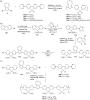
Scheme 19: Synthesis of (A) poly[2,7-(9,9-dialkylfluorenyl)-alt-(1’,3’-azulenyl)] 106–109, (B) 1,3-bis(7-bromo...

Scheme 20: Synthesis of azulene-fluorene copolymers 117–121 containing varying ratios of 1,3- and 4,7-connecte...
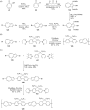
Scheme 21: Synthesis of (A) 2,6-dibromoazulene (125), (B) azulene-fluorene copolymer 126, and (C) azulene-fluo...

Scheme 22: Synthesis of 2-arylazulene-fluorene copolymers 131–134.

Scheme 23: Synthesis of azulene-fluorene-benzothiadiazole terpolymers 136–138.

Scheme 24: Synthesis of azulene-carbazole-benzothiadiazole-conjugated polymers 140–144.

Scheme 25: Synthesis of (A) azulene-2-yl methacrylate (146) and (B) the triazole-containing azulene methacryla...

Scheme 26: Synthesis of (A) azulene methacrylate polymer 151 and (B) triazole-containing azulene methacrylate ...

Scheme 27: Synthesis of azulene methyl methacrylate polymers 154, 155 (A and B) and azulene-sulfobetaine metha...
Cerium-photocatalyzed aerobic oxidation of benzylic alcohols to aldehydes and ketones
- Girish Suresh Yedase,
- Sumit Kumar,
- Jessica Stahl,
- Burkhard König and
- Veera Reddy Yatham
Beilstein J. Org. Chem. 2021, 17, 1727–1732, doi:10.3762/bjoc.17.121

- thermal conditions. Significant advances were made for the oxidation of benzylic alcohols by using metal-based photocatalysts [38][39][40][41][42][43][44][45][46] and metal-free photocatalysis [47][48][49][50][51][52][53] in combination with various oxidants, such as TBHP and DDQ [54][55]. However, the

Graphical Abstract

Scheme 1: Photocatalyzed aerobic oxidation of aromatic alcohols.

Scheme 2: Substrate scope. Reaction conditions as given in Table 1 (entry 1). Yields are isolated yields, average of...

Scheme 3: Selective oxidation of 3-bromobenzyl alcohol in the presence of 3-phenylpropanol. Compound 1af was ...
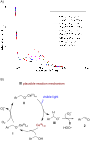
Figure 1: Mechanistic studies. (A): UV–vis spectra of the CeIV(OBn)Cln complex in CH3CN under blue light irra...
A recent overview on the synthesis of 1,4,5-trisubstituted 1,2,3-triazoles
- Pezhman Shiri,
- Ali Mohammad Amani and
- Thomas Mayer-Gall
Beilstein J. Org. Chem. 2021, 17, 1600–1628, doi:10.3762/bjoc.17.114
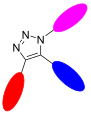
- preparation of 1,4,5-trisubstituted 1,2,3-triazoles have gained much attention in triazole chemistry. Generally, two protocols for the synthesis of this type of triazole derivatives could be mentioned (metal or metal-free catalysis). Contrary to sporadic attempts [34], there is no detailed, systematic, and
- current review considers the synthesis of diverse 1,4,5-trisubstituted 1,2,3-triazoles via metal- and metal-free catalytic routes. Synthesis and mechanism aspects of this category of fully functionalized triazoles are reported in detail in the current review article. We believe a precise and systematic
- procedures for the efficient preparation of these significant products is highly required. Review Metal-free synthesis of fully decorated triazoles Developing metal-free protocols for the synthesis of triazole derivatives has been considered as growingly attractive yet challenging objectives in the
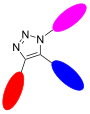
Graphical Abstract

Figure 1: Some significant triazole derivatives [8,23-27].
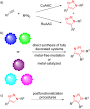
Scheme 1: A general comparison between synthetic routes for disubstituted 1,2,3-triazole derivatives and full...

Scheme 2: Synthesis of formyltriazoles 3 from the treatment of α-bromoacroleins 1 with azides 2.

Scheme 3: A probable mechanism for the synthesis of formyltriazoles 5 from the treatment of α-bromoacroleins 1...

Scheme 4: Synthesis of 1,4,5-trisubstituted 1,2,3-triazoles 8 from the reaction of aryl azides 7 with enamino...
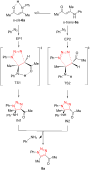
Scheme 5: Proposed mechanism for the synthesis of 1,4,5-trisubstituted 1,2,3-triazoles from the reaction of a...

Scheme 6: Synthesis of 1,4,5-trisubstituted 1,2,3-triazoles 11 from the reaction of primary amines 10 with 1,...

Scheme 7: The proposed mechanism for the synthesis of 1,4,5-trisubstituted 1,2,3-triazoles 11 from the reacti...

Scheme 8: Synthesis of fully decorated 1,2,3-triazoles 19 containing a sulfur-based side chain.

Scheme 9: Mechanism for the formation of fully decorated 1,2,3-triazoles 19 containing a sulfur-based side ch...

Scheme 10: Synthesis of fully decorated 1,2,3-triazole compounds 25 through the regioselective addition and cy...

Scheme 11: A reasonable mechanism for the synthesis of fully decorated 1,2,3-triazole compounds 25 through the...
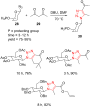
Scheme 12: Synthesis of 1,4,5-trisubstituted glycosyl-containing 1,2,3-triazole derivatives 30 from the reacti...

Scheme 13: Synthesis of 1,4,5-trisubstituted 1,2,3-triazoles 34 via intramolecular cyclization reaction of ket...

Scheme 14: Synthesis of fully decorated 1,2,3-triazoles 38 from the reaction of aldehydes 35, amines 36, and α...

Scheme 15: A reasonable mechanism for the synthesis of fully decorated 1,2,3-triazoles 38 from the reaction of...
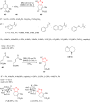
Scheme 16: Synthesis of functionally rich double C- and N-vinylated 1,2,3-triazoles 45 and 47.

Scheme 17: Synthesis of disubstituted 4-chloro-, 4-bromo-, and 4-iodo-1,2,3-triazoles 50.

Scheme 18: a) A general route for SPAAC in polymer chemistry and b) synthesis of a novel pH-sensitive polymeri...

Scheme 19: Synthesis of 5-allenyl-1,2,3-triazoles 60 by the treatment of alkynes 57, azides 58, and propargyli...

Scheme 20: A reasonable mechanism for the synthesis of 5-allenyl-1,2,3-triazoles 60 by the treatment of alkyne...

Scheme 21: Synthesis of 5‐alkynyl-1,2,3-triazoles 69.

Scheme 22: A reasonable mechanism for the synthesis of 5‐alkynyl-1,2,3-triazoles 69.
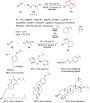
Scheme 23: Synthesis of sulfur-cycle-fused 1,2,3-triazoles 75 and 77.

Scheme 24: A reasonable mechanism for the synthesis of sulfur-cycle-fused 1,2,3‐triazoles 75 and 77.

Scheme 25: Synthesis of 5-selanyltriazoles 85 from the reaction of ethynylstibanes 82, organic azides 83, and ...

Scheme 26: A mechanism for the synthesis of 5-selanyltriazoles 85 from the reaction of ethynylstibanes 82, org...

Scheme 27: Synthesis of trisubstituted triazoles containing an Sb substituent at position C5 in 93 and 5-unsub...

Scheme 28: Synthesis of asymmetric triazole disulfides 98 from disulfide-containing tert-butyltosyl disulfide 97...

Scheme 29: A mechanism for the synthesis of asymmetric triazole disulfides 98 from disulfide-containing tert-bu...

Scheme 30: Synthesis of triazole-fused sultams 104.

Scheme 31: Synthesis of 1,2,3-triazole-fused tricyclic heterocycles 106.

Scheme 32: A reasonable mechanism for the synthesis of 1,2,3-triazole-fused tricyclic heterocycles 106.

Scheme 33: Synthesis of 5-aryl-substituted 1,2,3-triazole derivatives 112.

Scheme 34: A reasonable mechanism for the synthesis of 5-aryl-substituted 1,2,3-triazole derivatives 112.

Scheme 35: Synthesis of 1,4,5-trisubstituted 1,2,3-triazole-5-carboxamides 119.
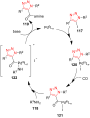
Scheme 36: A probable mechanism for the synthesis of 1,4,5-trisubstituted 1,2,3-triazole-5-carboxamides 119.

Scheme 37: Synthesis of fully decorated triazoles 125 via the Pd/C-catalyzed arylation of disubstituted triazo...

Scheme 38: Synthesis of triazolo[1,5-a]indolones 131.
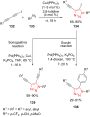
Scheme 39: Synthesis of unsymmetrically substituted triazole-fused enediyne systems 135 and 5-aryl-4-ethynyltr...

Scheme 40: Synthesis of Pd/Cu-BNP 139 and application of 139 in the synthesis of polycyclic triazoles 142.

Scheme 41: A probable mechanism for the synthesis of polycyclic triazoles 142.

Scheme 42: Synthesis of highly functionalized 1,2,3-triazole-fused 5-, 6-, and 7-membered rings 152–154.

Scheme 43: A probable mechanism for the synthesis of highly functionalized 1,2,3-triazole-fused 5-, 6-, and 7-...

Scheme 44: Synthesis of fully functionalized 1,2,3-triazolo-fused chromenes 162, 164, and 166 via the intramol...

Scheme 45: Ru-catalyzed synthesis of fully decorated triazoles 172.

Scheme 46: Synthesis of 4-cyano-1,2,3-triazoles 175.

Scheme 47: Synthesis of functionalized triazoles from the reaction of 1-alkyltriazenes 176 and azides 177 and ...
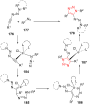
Scheme 48: Mechanism for the synthesis of functionalized triazoles from the reaction of 1-alkyltriazenes 176 a...
Methodologies for the synthesis of quaternary carbon centers via hydroalkylation of unactivated olefins: twenty years of advances
- Thiago S. Silva and
- Fernando Coelho
Beilstein J. Org. Chem. 2021, 17, 1565–1590, doi:10.3762/bjoc.17.112
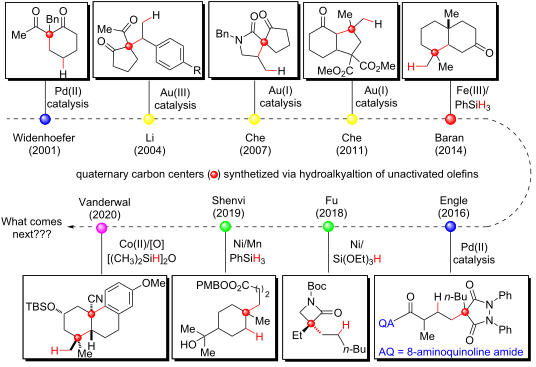
- radicals via hydrogen atom transfer reactions. In 2018, the Renaud group proposed an elegant solution to circumvent this problem by employing 4-tert-butylcatechol (TBC) as an external hydrogen atom source to regenerate the starting material under transition-metal-free conditions [118]. Employing α-EWG

Graphical Abstract

Figure 1: Some examples of natural products and drugs containing quaternary carbon centers.

Scheme 1: Simplified mechanism for olefin hydrofunctionalization using an electrophilic transition metal as a...

Scheme 2: Selected examples of quaternary carbon centers formed by the intramolecular hydroalkylation of β-di...

Scheme 3: Control experiments and the proposed mechanism for the Pd(II)-catalyzed intermolecular hydroalkylat...

Scheme 4: Intermolecular olefin hydroalkylation of less reactive ketones under Pd(II) catalysis using HCl as ...

Scheme 5: A) Selected examples of Pd(II)-mediated quaternary carbon center synthesis by intermolecular hydroa...

Scheme 6: Selected examples of quaternary carbon center synthesis by gold(III) catalysis. This is the first r...
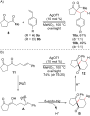
Scheme 7: Selected examples of inter- (A) and intramolecular (B) olefin hydroalkylations promoted by a silver...
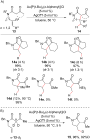
Scheme 8: A) Intermolecular hydroalkylation of N-alkenyl β-ketoamides under Au(I) catalysis in the synthesis ...
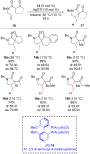
Scheme 9: Asymmetric pyrrolidine synthesis through intramolecular hydroalkylation of α-substituted N-alkenyl ...
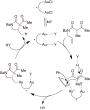
Scheme 10: Proposed mechanism for the chiral gold(I) complex promotion of the intermolecular olefin hydroalkyl...
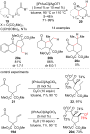
Scheme 11: Selected examples of carbon quaternary center synthesis by gold and evidence of catalytic system pa...

Scheme 12: Synthesis of a spiro compound via an aza-Michael addition/olefin hydroalkylation cascade promoted b...

Scheme 13: A selected example of quaternary carbon center synthesis using an Fe(III) salt as a catalyst for th...

Scheme 14: Intermolecular hydroalkylation catalyzed by a cationic iridium complex (Fuji (2019) [47]).

Scheme 15: Generic example of an olefin hydrofunctionalization via MHAT (Shenvi (2016) [51]).

Scheme 16: The first examples of olefin hydrofunctionalization run under neutral conditions (Mukaiyama (1989) [56]...

Scheme 17: A) Aryl olefin dimerization catalyzed by vitamin B12 and triggered by HAT. B) Control experiment to...
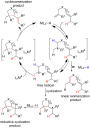
Scheme 18: Generic example of MHAT diolefin cycloisomerization and possible competitive pathways. Shenvi (2014...
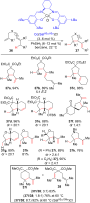
Scheme 19: Selected examples of the MHAT-promoted cycloisomerization reaction of unactivated olefins leading t...
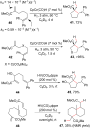
Scheme 20: Regioselective carbocyclizations promoted by an MHAT process (Norton (2008) [76]).

Scheme 21: Selected examples of quaternary carbon centers synthetized via intra- (A) and intermolecular (B) MH...

Scheme 22: A) Proposed mechanism for the Fe(III)/PhSiH3-promoted radical conjugate addition between olefins an...

Scheme 23: Examples of cascade reactions triggered by HAT for the construction of trans-decalin backbone uniti...
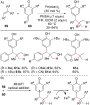
Scheme 24: A) Selected examples of the MHAT-promoted radical conjugate addition between olefins and p-quinone ...
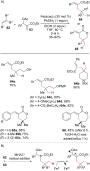
Scheme 25: A) MHAT triggered radical conjugate addition/E1cB/lactonization (in some cases) cascade between ole...
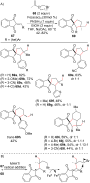
Scheme 26: A) Spirocyclization promoted by Fe(III) hydroalkylation of unactivated olefins. B) Simplified mecha...
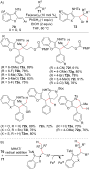
Scheme 27: A) Selected examples of the construction of a carbon quaternary center by the MHAT-triggered radica...

Scheme 28: Hydromethylation of unactivated olefins under iron-mediated MHAT (Baran (2015) [95]).

Scheme 29: The hydroalkylation of unactivated olefins via iron-mediated reductive coupling with hydrazones (Br...
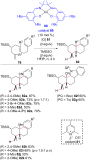
Scheme 30: Selected examples of the Co(II)-catalyzed bicyclization of dialkenylarenes through the olefin hydro...

Scheme 31: Proposed mechanism for the bicyclization of dialkenylarenes triggered by a MHAT process (Vanderwal ...
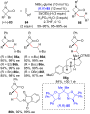
Scheme 32: Enantioconvergent cross-coupling between olefins and tertiary halides (Fu (2018) [108]).

Scheme 33: Proposed mechanism for the Ni-catalyzed cross-coupling reaction between olefins and tertiary halide...

Scheme 34: Proposed catalytic cycles for a MHAT/Ni cross-coupling reaction between olefins and halides (Shenvi...
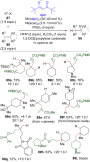
Scheme 35: Selected examples of the hydroalkylation of olefins by a dual catalytic Mn/Ni system (Shenvi (2019) ...

Scheme 36: A) Selected examples of quaternary carbon center synthesis by reductive atom transfer; TBC: 4-tert-...

Scheme 37: A) Selected examples of quaternary carbon centers synthetized by radical addition to unactivated ol...
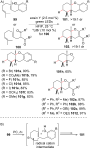
Scheme 38: A) Selected examples of organophotocatalysis-mediated radical polyene cyclization via a PET process...
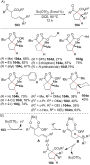
Scheme 39: A) Sc(OTf)3-mediated carbocyclization approach for the synthesis of vicinal quaternary carbon cente...
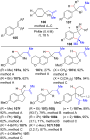
Scheme 40: Scope of the Lewis acid-catalyzed methallylation of electron-rich styrenes. Method A: B(C6F5)3 (5.0...
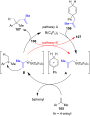
Scheme 41: The proposed mechanism for styrene methallylation (Oestreich (2019) [123]).
Synthesis of 1-indolyl-3,5,8-substituted γ-carbolines: one-pot solvent-free protocol and biological evaluation
- Premansh Dudhe,
- Mena Asha Krishnan,
- Kratika Yadav,
- Diptendu Roy,
- Krishnan Venkatasubbaiah,
- Biswarup Pathak and
- Venkatesh Chelvam
Beilstein J. Org. Chem. 2021, 17, 1453–1463, doi:10.3762/bjoc.17.101
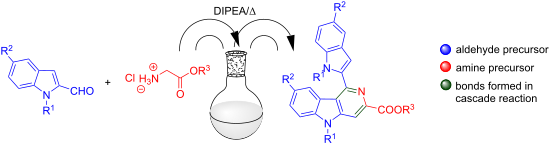
- the literature, there is only a limited number of direct synthetic procedures to prepare γ-carbolines till date [28], and this gives a cutting edge advantage to our new protocol wherein a solvent and metal-free direct access to the γ-carboline core from substituted indole-2-aldehyes and glycine ester

Graphical Abstract
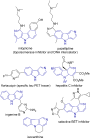
Figure 1: Selected examples of compounds containing the γ-carboline core.

Scheme 1: The synthetic strategy of present work in comparison with previous reports.

Scheme 2: Series of synthesized 1-indolyl-3,5,8-substituted γ-carboline 3aa–ac, 3ba-ea and 1-indolyl-1,2-dihy...
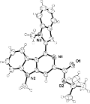
Figure 2: Single-crystal XRD structure of 3ac (CCDC: 1897787).

Scheme 3: Plausible mechanism for the formation of 1,2-dihydro-γ-carboline derivative 3ga and 1-indolyl-3,5,8...

Figure 3: UV–vis absorption (left side) and emission (right side) spectra of 3ac measured in different solven...

Figure 4: Fluorescence decay profile of 3ac in DMSO (left side; λex 360 nm) and 10−5 M solutions of compound ...
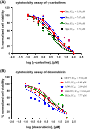
Figure 5: Dose–response curves for (A) γ-carbolines 3ac, 3bc, 3ca, 3ga in the breast cancer cell line, MCF7 a...

Figure 6: Dose–response curve of γ-carbolines 3ac, 3bc, 3ca, 3ga in macrophage cell line, RAW264.7.

Figure 7: Laser scanning confocal microscopy studies (λex = 405 nm; collection range = 420–470 nm) for uptake...
Icilio Guareschi and his amazing “1897 reaction”
- Gian Cesare Tron,
- Alberto Minassi,
- Giovanni Sorba,
- Mara Fausone and
- Giovanni Appendino
Beilstein J. Org. Chem. 2021, 17, 1335–1351, doi:10.3762/bjoc.17.93
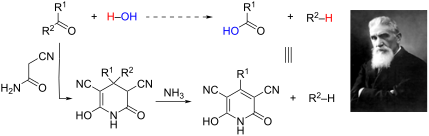
- “Guareschi 1897 reaction”, is one of the most unusual reactions in organic chemistry, involving the radical-mediated paradoxical aerobic generation of hydrocarbons in near-neutral water solution. A discussion of the mechanism of this amazing reaction, the only metal-free process that generates hydrocarbons

Graphical Abstract
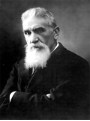
Figure 1: Icilio Guareschi (1847–1918). (Source: Annali della Reale Accademia di Agricoltura di Torino 1919, ...

Scheme 1: Vitamin B6 (pyridoxine, 1), gabapentin (2), and thymol (3).

Figure 2: Baliatico (Nursing) by Francesco Scaramuzza (275 cm × 214 cm, Parma, Complesso Museale della Pilott...
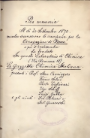
Figure 3: Schiff’s fictitious report on the foundation of the Gazzetta Chimica Italiana (Image reproduced fro...

Scheme 2: Reaction of thymol (3) with chloroform under the basic conditions of the Guareschi–Lustgarten react...

Figure 4: The chemistry building of Turin University in a historical picture. Note, that one of the “mysterio...

Scheme 3: Triacetonamine (6) and the related compounds phorone (7), α-eucaine (8), and tropinone (9).
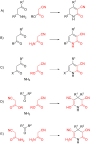
Scheme 4: Taxonomy of the Guareschi pyridone syntheses.
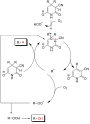
Scheme 5: The catalytic cycle of the “1897 reaction”.

Scheme 6: Resonance forms of the radical 10.

Figure 5: The wet chamber used by Guareschi to restore parchments (Gorrini, G. L'incendio della R. Biblioteca...
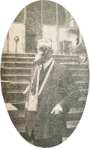
Figure 6: The Guareschi mask. (Servizio Chimico Militare. L'opera di Icilio Guareschi precursore della masche...
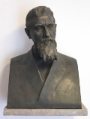
Figure 7: Guareschi’s bust at the Dipartimento di Scienza e Tecnologia del Farmaco of Turin University. Permi...
Photoinduced post-modification of graphitic carbon nitride-embedded hydrogels: synthesis of 'hydrophobic hydrogels' and pore substructuring
- Cansu Esen and
- Baris Kumru
Beilstein J. Org. Chem. 2021, 17, 1323–1334, doi:10.3762/bjoc.17.92
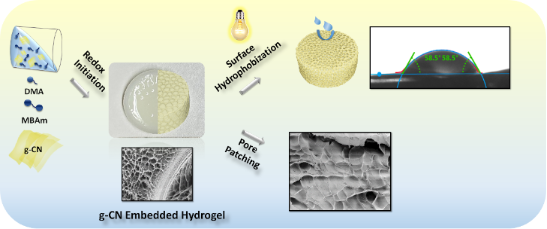
- novelty. Here, a metal-free semiconductor graphitic carbon nitride (g-CN)-embedded hydrogel as an initial network was synthesized via redox-couple initiation under dark conditions. Post-photomodification of so-formed hydrogel, thanks to the photoactivity of the embedded g-CN nanosheets, was exemplified in
- -sustainable semiconductors are slowly being replaced by a new generation of semiconductors. Graphitic carbon nitride (g-CN) is a metal-free polymeric semiconductor that is mainly composed of carbon and nitrogen elements by tri-s-triazine, triazine imide, or heptazine repeating units [16][17][18]. g-CN

Graphical Abstract

Scheme 1: Schematic overview of g-CN-embedded hydrogel fabrication and its subsequent photoinduced post-modif...

Scheme 2: Hydrophobic hydrogel via photoinduced surface modification over embedded g-CN nanosheets in hydroge...

Figure 1: a) FTIR spectra of freeze-dried HGCM-vTA, HGCM and HG. b) UV spectra of freeze-dried HGCM-vTA, HGCM...

Figure 2: Scanning electron microscopy (SEM) images of a) HGCM and b) HGCM-vTA in combination with their elem...

Figure 3: a) Equilibrium swelling ratios of HG, HGCM, HGCM-vTA at specified time intervals. b) Thermogravimet...

Scheme 3: Overview of pore substructuring via photoinduced free radical polymerization over embedded g-CN nan...

Figure 4: FTIR spectra of freeze-dried HGCM-PAA, HGCM-PAAM, HGCM-PEGMEMA in comparison with HGCM.

Figure 5: Scanning electron microscopy (SEM) images of a) HGCM-PAA, b) HGCM-PAAM, and c) HGCM-PEGMEMA.

Figure 6: a) Thermogravimetric analysis of HGCM, HGCM-PAA, HGCM-PAAM and HGCM-PEGMEMA. b) Equilibrium swellin...
A comprehensive review of flow chemistry techniques tailored to the flavours and fragrances industries
- Guido Gambacorta,
- James S. Sharley and
- Ian R. Baxendale
Beilstein J. Org. Chem. 2021, 17, 1181–1312, doi:10.3762/bjoc.17.90

Graphical Abstract

Figure 1: Representative shares of the global F&F market (2018) segmented on their applications [1].

Figure 2: General structure of an international fragrance company [2].

Figure 3: The Michael Edwards fragrance wheel.

Figure 4: Examples of oriental (1–3), woody (4–7), fresh (8–10), and floral (11 and 12) notes.

Figure 5: A basic depiction of batch vs flow.

Scheme 1: Examples of reactions for which flow processing outperforms batch.

Scheme 2: Some industrially important aldol-based transformations.

Scheme 3: Biphasic continuous aldol reactions of acetone and various aldehydes.

Scheme 4: Aldol synthesis of 43 in flow using LiHMDS as the base.

Scheme 5: A semi-continuous synthesis of doravirine (49) involving a key aldol reaction.

Scheme 6: Enantioselective aldol reaction using 5-(pyrrolidin-2-yl)tetrazole (51) as catalyst in a microreact...

Scheme 7: Gröger's example of asymmetric aldol reaction in aqueous media.

Figure 6: Immobilised reagent column reactor types.

Scheme 8: Photoinduced thiol–ene coupling preparation of silica-supported 5-(pyrrolidin-2-yl)tetrazole 63 and...

Scheme 9: Continuous-flow approach for enantioselective aldol reactions using the supported catalyst 67.

Scheme 10: Ötvös’ employment of a solid-supported peptide aldol catalyst in flow.

Scheme 11: The use of proline tetrazole packed in a column for aldol reaction between cyclohexanone (65) and 2...

Scheme 12: Schematic diagram of an aminosilane-grafted Si-Zr-Ti/PAI-HF reactor for continuous-flow aldol and n...

Scheme 13: Continuous-flow condensation for the synthesis of the intermediate 76 to nabumetone (77) and Microi...

Scheme 14: Synthesis of ψ-Ionone (80) in continuous-flow via aldol condensation between citral (79) and aceton...

Scheme 15: Synthesis of β-methyl-ionones (83) from citral (79) in flow. The steps are separately described, an...

Scheme 16: Continuous-flow synthesis of 85 from 84 described by Gavriilidis et al.

Scheme 17: Continuous-flow scCO2 apparatus for the synthesis of 2-methylpentanal (87) and the self-condensed u...

Scheme 18: Chen’s two-step flow synthesis of coumarin (90).

Scheme 19: Pechmann condensation for the synthesis of 7-hydroxyxcoumarin (93) in flow. The setup extended to c...

Scheme 20: Synthesis of the dihydrojasmonate 35 exploiting nitro derivative proposed by Ballini et al.

Scheme 21: Silica-supported amines as heterogeneous catalyst for nitroaldol condensation in flow.

Scheme 22: Flow apparatus for the nitroaldol condensation of p-hydroxybenzaldehyde (102) to nitrostyrene 103 a...

Scheme 23: Nitroaldol reaction of 64 to 105 employing a quaternary ammonium functionalised PANF.

Scheme 24: Enantioselective nitroaldol condensation for the synthesis of 108 under flow conditions.

Scheme 25: Enatioselective synthesis of 1,2-aminoalcohol 110 via a copper-catalysed nitroaldol condensation.

Scheme 26: Examples of Knoevenagel condensations applied for fragrance components.

Scheme 27: Flow apparatus for Knoevenagel condensation described in 1989 by Venturello et al.

Scheme 28: Knoevenagel reaction using a coated multichannel membrane microreactor.

Scheme 29: Continuous-flow apparatus for Knoevenagel condensation employing sugar cane bagasse as support deve...

Scheme 30: Knoevenagel reaction for the synthesis of 131–135 in flow using an amine-functionalised silica gel. ...

Scheme 31: Continuous-flow synthesis of compound 137, a key intermediate for the synthesis of pregabalin (138)...
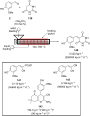
Scheme 32: Continuous solvent-free apparatus applied for the synthesis of compounds 140–143 using a TSE. Throu...

Scheme 33: Lewis et al. developed a spinning disc reactor for Darzens condensation of 144 and a ketone to furn...

Scheme 34: Some key industrial applications of conjugate additions in the F&F industry.

Scheme 35: Continuous-flow synthesis of 4-(2-hydroxyethyl)thiomorpholine 1,1-dioxide (156) via double conjugat...

Scheme 36: Continuous-flow system for Michael addition using CsF on alumina as the catalyst.

Scheme 37: Calcium chloride-catalysed asymmetric Michael addition using an immobilised chiral ligand.

Scheme 38: Continuous multistep synthesis for the preparation of (R)-rolipram (173). Si-NH2: primary amine-fun...

Scheme 39: Continuous-flow Michael addition using ion exchange resin Amberlyst® A26.

Scheme 40: Preparation of the heterogeneous catalyst 181 developed by Paixão et al. exploiting Ugi multicompon...

Scheme 41: Continuous-flow system developed by the Paixão’s group for the preparation of Michael asymmetric ad...

Scheme 42: Continuous-flow synthesis of nitroaldols catalysed by supported catalyst 184 developed by Wennemers...

Scheme 43: Heterogenous polystyrene-supported catalysts developed by Pericàs and co-workers.

Scheme 44: PANF-supported pyrrolidine catalyst for the conjugate addition of cyclohexanone (65) and trans-β-ni...

Scheme 45: Synthesis of (−)-paroxetine precursor 195 developed by Ötvös, Pericàs, and Kappe.

Scheme 46: Continuous-flow approach for the 5-step synthesis of (−)-oseltamivir (201) as devised by Hayashi an...

Scheme 47: Continuous-flow enzyme-catalysed Michael addition.

Scheme 48: Continuous-flow copper-catalysed 1,4 conjugate addition of Grignard reagents to enones. Reprinted w...

Scheme 49: A collection of commonly encountered hydrogenation reactions.

Figure 7: The ThalesNano H-Cube® continuous-flow hydrogenator.

Scheme 50: Chemoselective reduction of an α,β-unsaturated ketone using the H-Cube® reactor.

Scheme 51: Incorporation of Lindlar’s catalyst into the H-Cube® reactor for the reduction of an alkyne.

Scheme 52: Continuous-flow semi-hydrogenation of alkyne 208 to 209 using SACs with H-Cube® system.

Figure 8: The standard setups for tube-in-tube gas–liquid reactor units.

Scheme 53: Homogeneous hydrogenation of olefins using a tube-in-tube reactor setup.
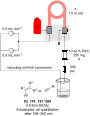
Scheme 54: Recyclable heterogeneous flow hydrogenation system.

Scheme 55: Leadbeater’s reverse tube-in-tube hydrogenation system for olefin reductions.

Scheme 56: a) Hydrogenation using a Pd-immobilised microchannel reactor (MCR) and b) a representation of the i...

Scheme 57: Hydrogenation of alkyne 238 exploiting segmented flow in a Pd-immobilised capillary reactor.

Scheme 58: Continuous hydrogenation system for the preparation of cyrene (241) from (−)-levoglucosenone (240).

Scheme 59: Continuous hydrogenation system based on CSMs developed by Hornung et al.

Scheme 60: Chemoselective reduction of carbonyls (ketones over aldehydes) in flow.

Scheme 61: Continuous system for the semi-hydrogenation of 256 and 258, developed by Galarneau et al.

Scheme 62: Continuous synthesis of biodiesel fuel 261 from lignin-derived furfural acetone (260).

Scheme 63: Continuous synthesis of γ-valerolacetone (263) via CTH developed by Pineda et al.

Scheme 64: Continuous hydrogenation of lignin-derived biomass (products 265, 266, and 267) using a sustainable...

Scheme 65: Ru/C or Rh/C-catalysed hydrogenation of arene in flow as developed by Sajiki et al.

Scheme 66: Polysilane-immobilized Rh–Pt-catalysed hydrogenation of arenes in flow by Kobayashi et al.

Scheme 67: High-pressure in-line mixing of H2 for the asymmetric reduction of 278 at pilot scale with a 73 L p...
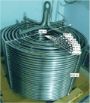
Figure 9: Picture of the PFR employed at Eli Lilly & Co. for the continuous hydrogenation of 278 [287]. Reprinted ...

Scheme 68: Continuous-flow asymmetric hydrogenation using Oppolzer's sultam 280 as chiral auxiliary.
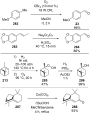
Scheme 69: Some examples of industrially important oxidation reactions in the F&F industry. CFL: compact fluor...

Scheme 70: Gold-catalysed heterogeneous oxidation of alcohols in flow.
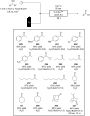
Scheme 71: Uozumi’s ARP-Pt flow oxidation protocol.

Scheme 72: High-throughput screening of aldehyde oxidation in flow using an in-line GC.

Scheme 73: Permanganate-mediated Nef oxidation of nitroalkanes in flow with the use of in-line sonication to p...

Scheme 74: Continuous-flow aerobic anti-Markovnikov Wacker oxidation.

Scheme 75: Continuous-flow oxidation of 2-benzylpyridine (312) using air as the oxidant.

Scheme 76: Continuous-flow photo-oxygenation of monoterpenes.

Scheme 77: A tubular reactor design for flow photo-oxygenation.

Scheme 78: Glucose oxidase (GOx)-mediated continuous oxidation of glucose using compressed air and the FFMR re...

Scheme 79: Schematic continuous-flow sodium hypochlorite/TEMPO oxidation of alcohols.

Scheme 80: Oxidation using immobilised TEMPO (344) was developed by McQuade et al.

Scheme 81: General protocol for the bleach/catalytic TBAB oxidation of aldehydes and alcohols.

Scheme 82: Continuous-flow PTC-assisted oxidation using hydrogen peroxide. The process was easily scaled up by...

Scheme 83: Continuous-flow epoxidation of cyclohexene (348) and in situ preparation of m-CPBA.

Scheme 84: Continuous-flow epoxidation using DMDO as oxidant.

Scheme 85: Mukayama aerobic epoxidation optimised in flow mode by the Favre-Réguillon group.

Scheme 86: Continuous-flow asymmetric epoxidation of derivatives of 359 exploiting a biomimetic iron catalyst.

Scheme 87: Continuous-flow enzymatic epoxidation of alkenes developed by Watts et al.

Scheme 88: Engineered multichannel microreactor for continuous-flow ozonolysis of 366.

Scheme 89: Continuous-flow synthesis of the vitamin D precursor 368 using multichannel microreactors. MFC: mas...

Scheme 90: Continuous ozonolysis setup used by Kappe et al. for the synthesis of various substrates employing ...

Scheme 91: Continuous-flow apparatus for ozonolysis as developed by Ley et al.

Scheme 92: Continuous-flow ozonolysis for synthesis of vanillin (2) using a film-shear flow reactor.

Scheme 93: Examples of preparative methods for ajoene (386) and allicin (388).

Scheme 94: Continuous-flow oxidation of thioanisole (389) using styrene-based polymer-supported peroxytungstat...

Scheme 95: Continuous oxidation of thiosulfinates using Oxone®-packed reactor.

Scheme 96: Continuous-flow electrochemical oxidation of thioethers.

Scheme 97: Continuous-flow oxidation of 400 to cinnamophenone (235).

Scheme 98: Continuous-flow synthesis of dehydrated material 401 via oxidation of methyl dihydrojasmonate (33).

Scheme 99: Some industrially important transformations involving Grignard reagents.

Scheme 100: Grachev et al. apparatus for continuous preparation of Grignard reagents.

Scheme 101: Example of fluidized Mg bed reactor with NMR spectrometer as on-line monitoring system.

Scheme 102: Continuous-flow synthesis of Grignard reagents and subsequent quenching reaction.

Figure 10: Membrane-based, liquid–liquid separator with integrated pressure control [52]. Adapted with permission ...

Scheme 103: Continuous-flow synthesis of 458, an intermediate to fluconazole (459).

Scheme 104: Continuous-flow synthesis of ketones starting from benzoyl chlorides.

Scheme 105: A Grignard alkylation combining CSTR and PFR technologies with in-line infrared reaction monitoring....

Scheme 106: Continuous-flow preparation of 469 from Grignard addition of methylmagnesium bromide.

Scheme 107: Continuous-flow synthesis of Grignard reagents 471.

Scheme 108: Preparation of the Grignard reagent 471 using CSTR and the continuous process for synthesis of the ...

Scheme 109: Continuous process for carboxylation of Grignard reagents in flow using tube-in-tube technology.

Scheme 110: Continuous synthesis of propargylic alcohols via ethynyl-Grignard reagent.

Scheme 111: Silica-supported catalysed enantioselective arylation of aldehydes using Grignard reagents in flow ...

Scheme 112: Acid-catalysed rearrangement of citral and dehydrolinalool derivatives.

Scheme 113: Continuous stilbene isomerisation with continuous recycling of photoredox catalyst.

Scheme 114: Continuous-flow synthesis of compound 494 as developed by Ley et al.

Scheme 115: Selected industrial applications of DA reaction.

Scheme 116: Multistep flow synthesis of the spirocyclic structure 505 via employing DA cycloaddition.

Scheme 117: Continuous-flow DA reaction developed in a plater flow reactor for the preparation of the adduct 508...

Scheme 118: Continuous-flow DA reaction using a silica-supported imidazolidinone organocatalyst.

Scheme 119: Batch vs flow for the DA reaction of (cyclohexa-1,5-dien-1-yloxy)trimethylsilane (513) with acrylon...

Scheme 120: Continuous-flow DA reaction between 510 and 515 using a shell-core droplet system.

Scheme 121: Continuous-flow synthesis of bicyclic systems from benzyne precursors.

Scheme 122: Continuous-flow synthesis of bicyclic scaffolds 527 and 528 for further development of potential ph...

Scheme 123: Continuous-flow inverse-electron hetero-DA reaction to pyridine derivatives such as 531.

Scheme 124: Comparison between batch and flow for the synthesis of pyrimidinones 532–536 via retro-DA reaction ...

Scheme 125: Continuous-flow coupled with ultrasonic system for preparation of ʟ-ascorbic acid derivatives 539 d...

Scheme 126: Two-step continuous-flow synthesis of triazole 543.

Scheme 127: Continuous-flow preparation of triazoles via CuAAC employing 546-based heterogeneous catalyst.

Scheme 128: Continuous-flow synthesis of compounds 558 through A3-coupling and 560 via AgAAC both employing the...

Scheme 129: Continuous-flow photoinduced [2 + 2] cycloaddition for the preparation of bicyclic derivatives of 5...

Scheme 130: Continuous-flow [2 + 2] and [5 + 2] cycloaddition on large scale employing a flow reactor developed...

Scheme 131: Continuous-flow preparation of the tricyclic structures 573 and 574 starting from pyrrole 570 via [...

Scheme 132: Continuous-flow [2 + 2] photocyclization of cinnamates.

Scheme 133: Continuous-flow preparation of cyclobutane 580 on a 5-plates photoreactor.

Scheme 134: Continuous-flow [2 + 2] photocycloaddition under white LED lamp using heterogeneous PCN as photocat...

Figure 11: Picture of the parallel tube flow reactor (PTFR) "The Firefly" developed by Booker-Milburn et al. a...

Scheme 135: Continuous-flow acid-catalysed [2 + 2] cycloaddition between silyl enol ethers and acrylic esters.

Scheme 136: Continuous synthesis of lactam 602 using glass column reactors.

Scheme 137: In situ generation of ketenes for the Staudinger lactam synthesis developed by Ley and Hafner.

Scheme 138: Application of [2 + 2 + 2] cycloadditions in flow employed by Ley et al.

Scheme 139: Examples of FC reactions applied in F&F industry.

Scheme 140: Continuous-flow synthesis of ibuprofen developed by McQuade et al.

Scheme 141: The FC acylation step of Jamison’s three-step ibuprofen synthesis.

Scheme 142: Synthesis of naphthalene derivative 629 via FC acylation in microreactors.

Scheme 143: Flow system for rapid screening of catalysts and reaction conditions developed by Weber et al.

Scheme 144: Continuous-flow system developed by Buorne, Muller et al. for DSD optimisation of the FC acylation ...

Scheme 145: Continuous-flow FC acylation of alkynes to yield β-chlorovinyl ketones such as 638.

Scheme 146: Continuous-flow synthesis of tonalide (619) developed by Wang et al.

Scheme 147: Continuous-flow preparation of acylated arene such as 290 employing Zr4+-β-zeolite developed by Kob...

Scheme 148: Flow system applied on an Aza-FC reaction catalysed by the thiourea catalyst 648.

Scheme 149: Continuous hydroformylation in scCO2.

Scheme 150: Two-step flow synthesis of aldehyde 655 through a sequential Heck reaction and subsequent hydroform...

Scheme 151: Single-droplet (above) and continuous (below) flow reactors developed by Abolhasani et al. for the ...

Scheme 152: Continuous hydroformylation of 1-dodecene (655) using a PFR-CSTR system developed by Sundmacher et ...

Scheme 153: Continuous-flow synthesis of the aldehyde 660 developed by Eli Lilly & Co. [32]. Adapted with permissio...

Scheme 154: Continuous asymmetric hydroformylation employing heterogenous catalst supported on carbon-based sup...

Scheme 155: Examples of acetylation in F&F industry: synthesis of bornyl (S,R,S-664) and isobornyl (S,S,S-664) ...

Scheme 156: Continuous-flow preparation of bornyl acetate (S,R,S-664) employing the oscillating flow reactor.

Scheme 157: Continuous-flow synthesis of geranyl acetate (666) from acetylation of geraniol (343) developed by ...

Scheme 158: 12-Ttungstosilicic acid-supported silica monolith-catalysed acetylation in flow.

Scheme 159: Continuous-flow preparation of cyclopentenone 676.

Scheme 160: Two-stage synthesis of coumarin (90) via acetylation of salicylaldehyde (88).

Scheme 161: Intensification process for acetylation of 5-methoxytryptamine (677) to melatonin (678) developed b...

Scheme 162: Examples of macrocyclic musky odorants both natural (679–681) and synthetic (682 and 683).

Scheme 163: Flow setup combined with microwave for the synthesis of macrocycle 686 via RCM.

Scheme 164: Continuous synthesis of 2,5-dihydro-1H-pyrroles via ring-closing metathesis.

Scheme 165: Continuous-flow metathesis of 485 developed by Leadbeater et al.

Figure 12: Comparison between RCM performed using different routes for the preparation of 696. On the left the...

Scheme 166: Continuous-flow RCM of 697 employed the solid-supported catalyst 698 developed by Grela, Kirschning...

Scheme 167: Continuous-flow RORCM of cyclooctene employing the silica-absorbed catalyst 700.

Scheme 168: Continuous-flow self-metathesis of methyl oleate (703) employing SILP catalyst 704.

Scheme 169: Flow apparatus for the RCM of 697 using a nanofiltration membrane for the recovery and reuse of the...

Scheme 170: Comparison of loadings between RCMs performed with different routes for the synthesis of 709.
Heterogeneous photocatalytic cyanomethylarylation of alkenes with acetonitrile: synthesis of diverse nitrogenous heterocyclic compounds
- Guanglong Pan,
- Qian Yang,
- Wentao Wang,
- Yurong Tang and
- Yunfei Cai
Beilstein J. Org. Chem. 2021, 17, 1171–1180, doi:10.3762/bjoc.17.89
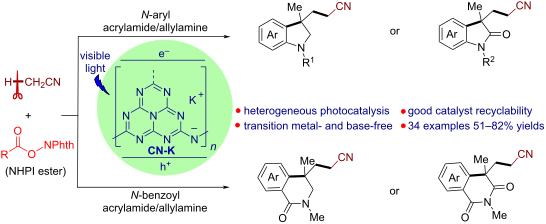
- radical initiator under mild conditions. A wide range of structurally diverse nitrogenous heterocyclic compounds including indolines, oxindoles, isoquinolinones, and isoquinolinediones have been accessed in high yields. This heterogeneous protocol features base- and transition metal-free, good catalyst
- byproduct 15 after deprotonation. Conclusion We have demonstrated the application of a heterogeneous CN-K semiconducting photocatalyst in the cyanomethylarylation of alkenes with acetonitrile utilizing a readily available NHPI ester as radical initiator. This transition metal-free protocol tolerates a broad

Graphical Abstract

Scheme 1: CN-K-Catalyzed cyanomethylarylation of alkenes to access diverse heterocyclic compounds.

Scheme 2: CN-K-catalyzed cyanomethylarylation of N-arylallylamines for the synthesis of indolines. Reaction c...

Scheme 3: CN-K-catalyzed cyanomethylarylation of N-benzoylallylamines for the synthesis of isoquinolinones. R...

Scheme 4: CN-K-catalyzed cyanomethylarylation of N-aryl acrylamides for the synthesis of oxindoles. Reaction ...

Scheme 5: CN-K-catalyzed cyanomethylarylation of N-benzoyl acrylamides for the synthesis of isoquinolinedione...

Figure 1: Evaluation of catalyst recycling. Reaction conditions: 1a (0.1 mmol, 1 equiv), 2d (0.2 mmol, 2 equi...

Scheme 6: Further survey of reaction scope and derivatization studies of 8a.

Scheme 7: Experiments for the mechanistic study.

Scheme 8: Plausible mechanism of the CN-K-catalyzed cyanomethylarylation of alkenes.
Recent advances in palladium-catalysed asymmetric 1,4–additions of arylboronic acids to conjugated enones and chromones
- Jan Bartáček,
- Jan Svoboda,
- Martin Kocúrik,
- Jaroslav Pochobradský,
- Alexander Čegan,
- Miloš Sedlák and
- Jiří Váňa
Beilstein J. Org. Chem. 2021, 17, 1048–1085, doi:10.3762/bjoc.17.84
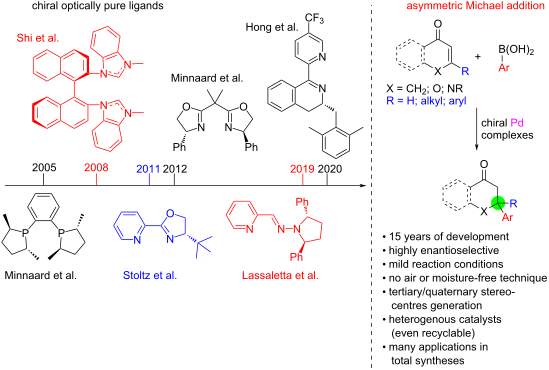
- ]. Evaluation of current state and outlook Asymmetric addition reactions to enones have so far been described in the literature in connection with catalysis. The catalyst is usually a complex of a transition metal with a suitable ligand. However, metal-free catalysis is also known [64]. Among the most

Graphical Abstract

Scheme 1: Synthesis of optically pure 4-phenylchroman-2-one [34].

Scheme 2: Synthesis of (R)-tolterodine [3].

Scheme 3: Catalytic cycle of the Pd(II)-catalysed 1,4-addition of organoboron reagents to enones [3,26,35].

Scheme 4: Enantioselective β-arylation of cyclohexanone [38].

Scheme 5: Application of L2/Pd(OAc)2 in the total synthesis of terpenes [8].
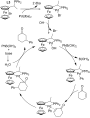
Scheme 6: Plausible catalytic cycle for the addition of phenylboronic acid to 2-cyclohexenone catalysed by L3...

Scheme 7: Microwave-assisted addition of phenylboronic acid to 2-cyclohexenone catalysed by L4/Pd2(dba)3·CHCl3...
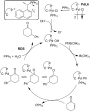
Scheme 8: Plausible catalytic cycle of the addition of phenylboronic acid to 2-cyclohexenone catalysed by pal...
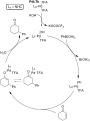
Scheme 9: Proposed catalytic cycle for the addition of phenylboronic acids to 2-cyclohexenone catalysed by Pd...

Scheme 10: Usage of addition reactions of boronic acids to various chromones in the syntheses of potentially a...

Scheme 11: Multigram-scale synthesis of ABBV-2222 [6].

Scheme 12: Application of the asymmetric addition of phenylboronic acid to a chromone derivative for the total...

Scheme 13: Plausible catalytic cycle for the addition of phenylboronic acid to 3-methyl-2-cyclohexenone cataly...

Scheme 14: Total syntheses of naturally occurring terpenoids [10,11].

Scheme 15: Use of the L9/Pd(TFA)2 catalytic system for the synthesis of intermediates of biologically active c...

Scheme 16: Usage of a Michael addition catalysed by L9/Pd(TFA)2 in the total synthesis of (–)-ar-tenuifolene [12].

Scheme 17: Synthesis of terpenoids by Michael addition to 3-methyl-2-cyclopentenone [13].

Scheme 18: Rh-catalysed isomerisation of 3-alkyl-3-arylcyclopentanones to 1-tetralones [53].

Scheme 19: Addition reaction of phenylboronic acid to 3-methyl-2-cyclohexenone catalysed by L9/Pd(TFA)2 in wat...

Scheme 20: Micellar nanoreactor PdL10c for the synthesis of flavanones [58].
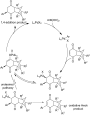
Scheme 21: Plausible catalytic cycle for the desymmetrisation of polycyclic cyclohexenediones by the addition ...

Scheme 22: Attempt to use the catalytic system L2/Pd(TFA)2 for the addition of phenylboronic acid to 3-methyl-...

Scheme 23: Ring opening of an enantioenriched tetrahydropyran-2-one derivative as alternative strategy to line...

Scheme 24: Synthesis of biologically active compounds from addition products [14-16].

Scheme 25: Chiral 1,10-phenantroline derivative L15 as ligand for the Pd-catalysed addition reactions of pheny...

Scheme 26: The Rh-catalysed addition reaction of phenylboronic acid to a 3-substituted enone [20].
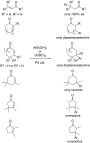
Scheme 27: Underdeveloped methodologies [14,15,65-67].
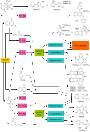
Scheme 28: Flowchart for the selection of the proper catalytic system.
Application of the Meerwein reaction of 1,4-benzoquinone to a metal-free synthesis of benzofuropyridine analogues
- Rashmi Singh,
- Tomas Horsten,
- Rashmi Prakash,
- Swapan Dey and
- Wim Dehaen
Beilstein J. Org. Chem. 2021, 17, 977–982, doi:10.3762/bjoc.17.79
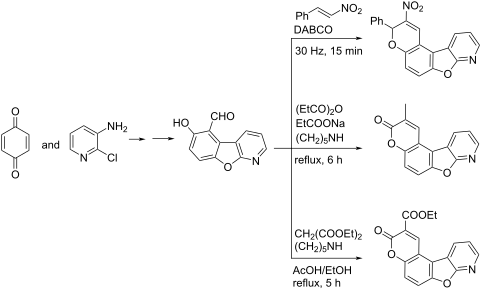
- . Electrophilic substitution and further condensations give polycyclic systems, including oxazolo- and chromeno-fused analogues. Keywords: benzofuropyridines; benzoquinones; dibenzofurans; Meerwein reaction; metal-free synthesis; Introduction Dibenzofurans are important oxygen-containing heterocycles present in
- work focuses on a metal-free approach for the synthesis of benzofuropyridine analogues. Results and Discussion The synthesis of target compound 13 involved three steps (Scheme 1). C–H Arylation, as needed in the first step, is usually carried out using transition metal catalysis [31]. Furthermore
- we plan to expand this chemistry and carry out a bioactivity study in due course. Biologically relevant 2-oxydibenzofuran-containing structures 1–6. Representative bioactive structures containing benzofuro-fused pyridine analogues 7–9. Strategy for metal-free access to benzofuropyridine 13

Graphical Abstract

Figure 1: Biologically relevant 2-oxydibenzofuran-containing structures 1–6.

Figure 2: Representative bioactive structures containing benzofuro-fused pyridine analogues 7–9.

Scheme 1: Strategy for metal-free access to benzofuropyridine 13.

Scheme 2: Electrophilic aromatic substitution of 6-hydroxybenzofuro[2,3-b]pyridine (13).

Scheme 3: Synthesis of isomeric oxazole-fused derivatives.

Scheme 4: Fused derivatives from 16.
Metal-free glycosylation with glycosyl fluorides in liquid SO2
- Krista Gulbe,
- Jevgeņija Lugiņina,
- Edijs Jansons,
- Artis Kinens and
- Māris Turks
Beilstein J. Org. Chem. 2021, 17, 964–976, doi:10.3762/bjoc.17.78

- equilibrium. Keywords: fluorosulfite; glycosyl fluoride; Lewis acid; liquid sulfur dioxide; metal-free glycosylation; Introduction The glycosylation reaction is still one of the most important and basic synthetic strategies in carbohydrate chemistry that provides access to the various types of
- not possess the participating group at C2 position, still react through the oxocarbenium ion intermediate. Conclusion In summary, novel sulfur dioxide-assisted and metal-free glycosylation conditions by employing a combination of glycosyl fluoride as the glycosyl donor and liquid SO2 as both solvent

Graphical Abstract

Scheme 1: Scope of glycosyl acceptors for glycosylation with pivaloyl-protected mannosyl fluoride α-1a in liq...

Scheme 2: Glycosylation of binucleophiles 7a,b in liquid SO2.

Scheme 3: Pivaloyl-protected glucosyl fluoride β-9 as a glycosyl donor in liquid SO2.

Scheme 4: Benzyl protected manno- and glucopyranosyl fluorides α-15 and 16 as glycosyl donors in liquid SO2. ...

Scheme 5: 2-Deoxy glycosyl fluoride α-19 as a glycosyl donor in liquid SO2.
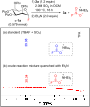
Figure 1: Detection of the FSO2− species by 19F NMR (471 MHz, D2O).

Figure 2: Computational study of reaction mechanism α-11 + MeOH → α-13c in the presence of and in absence of ...
Highly regio- and stereoselective phosphinylphosphination of terminal alkynes with tetraphenyldiphosphine monoxide under radical conditions
- Dat Phuc Tran,
- Yuki Sato,
- Yuki Yamamoto,
- Shin-ichi Kawaguchi,
- Shintaro Kodama,
- Akihiro Nomoto and
- Akiya Ogawa
Beilstein J. Org. Chem. 2021, 17, 866–872, doi:10.3762/bjoc.17.72
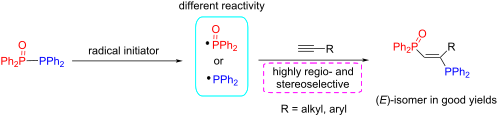
- derivatives having various substituents on the ethylene moiety. In particular, synthetic methods that do not use metal catalysts and reagents are expected to be very effective in manufacturing precision materials and pharmaceuticals [32][33][34][35][36][37]. To develop metal-free methods for the synthesis of

Graphical Abstract
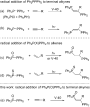
Scheme 1: Radical addition of Ph2PPPh2 and Ph2P(X)PPh2 to unsaturated C–C bonds.

Scheme 2: The addition of Ph2P(O)PPh2 (1) to 1-octyne (2a).

Scheme 3: Phosphinylphosphination of various terminal alkynes 2 with 1. aIsolated yields. V-40 = 1,1’-azobis(...

Scheme 4: Attempted radical addition to internal alkynes and insight into the addition to 2n.

Scheme 5: A plausible reaction pathway for the radical addition of Ph2P(O)PPh2 to terminal alkynes.
Microwave-assisted multicomponent reactions in heterocyclic chemistry and mechanistic aspects
- Shivani Gulati,
- Stephy Elza John and
- Nagula Shankaraiah
Beilstein J. Org. Chem. 2021, 17, 819–865, doi:10.3762/bjoc.17.71
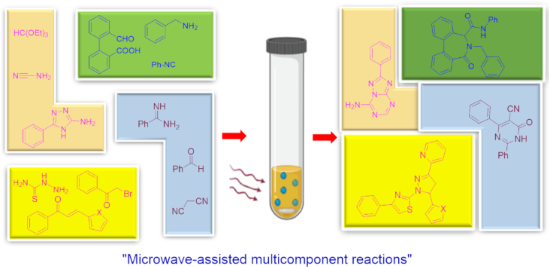

Graphical Abstract

Figure 1: Marketed drugs with acridine moiety.

Scheme 1: Synthesis of 4-arylacridinediones.

Scheme 2: Proposed mechanism for acridinedione synthesis.

Scheme 3: Synthesis of tetrahydrodibenzoacridinones.

Scheme 4: Synthesis of naphthoacridines.

Scheme 5: Plausible mechanism for naphthoacridines.
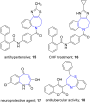
Figure 2: Benzoazepines based potent molecules.

Scheme 6: Synthesis of azepinone.

Scheme 7: Proposed mechanism for azepinone formation.

Scheme 8: Synthesis of benzoazulenen-1-one derivatives.

Scheme 9: Proposed mechanism for benzoazulene-1-one synthesis.

Figure 3: Indole-containing pharmacologically active molecules.

Scheme 10: Synthesis of functionalized indoles.

Scheme 11: Plausible mechanism for the synthesis of functionalized indoles.

Scheme 12: Synthesis of spirooxindoles.

Scheme 13: Synthesis of substituted spirooxindoles.

Scheme 14: Plausible mechanism for the synthesis of substituted spirooxindoles.

Scheme 15: Synthesis of pyrrolidinyl spirooxindoles.

Scheme 16: Proposed mechanism for pyrrolidinyl spirooxindoles.

Figure 4: Pyran-containing biologically active molecules.

Scheme 17: Synthesis of functionalized benzopyrans.

Scheme 18: Plausible mechanism for synthesis of benzopyran.

Scheme 19: Synthesis of indoline-spiro-fused pyran derivatives.

Scheme 20: Proposed mechanism for indoline-spiro-fused pyran.

Scheme 21: Synthesis of substituted naphthopyrans.

Figure 5: Marketed drugs with pyrrole ring.

Scheme 22: Synthesis of tetra-substituted pyrroles.

Scheme 23: Mechanism for silica-supported PPA-SiO2-catalyzed pyrrole synthesis.

Scheme 24: Synthesis of pyrrolo[1,10]-phenanthrolines.

Scheme 25: Proposed mechanism for pyrrolo[1,10]-phenanthrolines.

Figure 6: Marketed drugs and molecules containing pyrimidine and pyrimidinones skeletons.

Scheme 26: MWA-MCR pyrimidinone synthesis.

Scheme 27: Two proposed mechanisms for pyrimidinone synthesis.

Scheme 28: MWA multicomponent synthesis of dihydropyrimidinones.

Scheme 29: Proposed mechanism for dihydropyrimidinones.

Figure 7: Biologically active fused pyrimidines.

Scheme 30: MWA- MCR for the synthesis of pyrrolo[2,3-d]pyrimidines.

Scheme 31: Proposed mechanism for pyrrolo[2,3-d]pyrimidines.

Scheme 32: Synthesis of substituted pyrrolo[2,3-d]pyrimidine-2,4-diones.

Scheme 33: Probable pathway for pyrrolo[2,3-d]pyrimidine-2,4-diones.

Scheme 34: Synthesis of pyridopyrimidines.

Scheme 35: Plausible mechanism for the synthesis of pyridopyrimidines.

Scheme 36: Synthesis of dihydropyridopyrimidine and dihydropyrazolopyridine.

Scheme 37: Proposed mechanism for the formation of dihydropyridopyrimidine.

Scheme 38: Synthesis of thiopyrano[4,3-d]pyrimidines.

Scheme 39: Plausible mechanism for the synthesis of thiopyrano[4,3-d]pyrimidines.

Scheme 40: Synthesis of decorated imidazopyrimidines.

Scheme 41: Proposed mechanism for imidazopyrimidine synthesis.

Figure 8: Pharmacologically active molecules containing purine bases.

Scheme 42: Synthesis of aza-adenines.

Scheme 43: Synthesis of 5-aza-7-deazapurines.
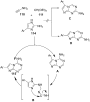
Scheme 44: Proposed mechanism for deazapurines synthesis.

Figure 9: Biologically active molecules containing pyridine moiety.

Scheme 45: Synthesis of steroidal pyridines.

Scheme 46: Proposed mechanism for steroidal pyridine.

Scheme 47: Synthesis of N-alkylated 2-pyridones.

Scheme 48: Two possible mechanisms for pyridone synthesis.

Scheme 49: Synthesis of pyridone derivatives.

Scheme 50: Postulated mechanism for synthesis of pyridone.

Figure 10: Biologically active fused pyridines.

Scheme 51: Benzimidazole-imidazo[1,2-a]pyridines synthesis.

Scheme 52: Mechanism for the synthesis of benzimidazole-imidazo[1,2-a]pyridines.

Scheme 53: Synthesis of pyrazolo[3,4-b]pyridine-5-spirocycloalkanedione derivatives.

Scheme 54: Proposed mechanism for spiro-pyridines.

Scheme 55: Functionalized macrocyclane-fused pyrazolo[3,4-b]pyridine derivatives.

Scheme 56: Mechanism postulated for macrocyclane-fused pyrazolo[3,4-b]pyridine.

Scheme 57: Generation of pyrazolo[3,4-b]pyridines.

Scheme 58: Proposed mechanism for the synthesis of pyrazolo[3,4-b]pyridines.

Scheme 59: Proposed mechanism for the synthesis of azepinoindole.

Figure 11: Pharmaceutically important molecules with quinoline moiety.

Scheme 60: Povarov-mediated quinoline synthesis.

Scheme 61: Proposed mechanism for Povarov reaction.

Scheme 62: Synthesis of pyrazoloquinoline.

Scheme 63: Plausible mechanism for pyrazoloquinoline synthesis.

Figure 12: Quinazolinones as pharmacologically significant scaffolds.

Scheme 64: Four-component reaction for dihydroquinazolinone.

Scheme 65: Proposed mechanism for dihydroquinazolinones.

Scheme 66: Synthesis purine quinazolinone and PI3K-δ inhibitor.

Scheme 67: Synthesis of fused benzothiazolo/benzoimidazoloquinazolinones.

Scheme 68: Proposed mechanism for fused benzothiazolo/benzoimidazoloquinazolinones.

Scheme 69: On-water reaction for synthesis of thiazoloquinazolinone.

Scheme 70: Proposed mechanism for the thiazoloquinazolinone synthesis.

Scheme 71: β-Cyclodextrin-mediated synthesis of indoloquinazolinediones.

Scheme 72: Proposed mechanism for synthesis of indoloquinazolinediones.

Figure 13: Triazoles-containing marketted drugs and pharmacologically active molecules.

Scheme 73: Cu(I) DAPTA-catalyzed 1,2,3-triazole formation.

Scheme 74: Mechanism for Cu(I) DAPTA-catalyzed triazole formation.

Scheme 75: Synthesis of β-hydroxy-1,2,3-triazole.

Scheme 76: Proposed mechanism for synthesis of β-hydroxy-1,2,3-triazoles.

Scheme 77: Synthesis of bis-1,2,4-triazoles.

Scheme 78: Proposed mechanism for bis-1,2,4-triazoles synthesis.

Figure 14: Thiazole containing drugs.

Scheme 79: Synthesis of a substituted thiazole ring.

Scheme 80: Synthesis of pyrazolothiazoles.

Figure 15: Chromene containing drugs.

Scheme 81: Magnetic nanocatalyst-mediated aminochromene synthesis.

Scheme 82: Proposed mechanism for the synthesis of chromenes.
Synthesis of β-triazolylenones via metal-free desulfonylative alkylation of N-tosyl-1,2,3-triazoles
- Soumyaranjan Pati,
- Renata G. Almeida,
- Eufrânio N. da Silva Júnior and
- Irishi N. N. Namboothiri
Beilstein J. Org. Chem. 2021, 17, 762–770, doi:10.3762/bjoc.17.66
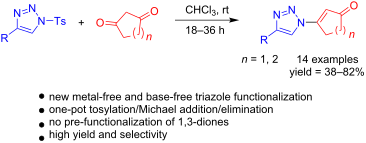
- , MG, Brazil 10.3762/bjoc.17.66 Abstract Desulfonylative alkylation of N-tosyl-1,2,3-triazoles under metal-free conditions leading to β-triazolylenones is reported here. The present study encompasses the synthesis of triazoles with a new substitution pattern in a single step from cyclic 1,3-dicarbonyl
- -triazoles with alkynes and Rh catalysed N1 and N2 selective alkylations [24][25]. As for metal-free approaches, besides synthesizing N-alkylated triazoles via 1,3-dipolar cycloaddition of alkyl azide with enols generated from carbonyl compounds under transition metal-free conditions [26], a direct
- functionalization of triazoles under metal-free conditions has been reported. These include the Broensted acid-catalysed N2 alkylation [27], organocatalytic N1 alkylation [28][29], N2-arylation using hypervalent iodine (Scheme 1c) [30], N2-alkylation involving radical intermediate [31], pyridine-N-oxide-mediated N1

Graphical Abstract

Scheme 1: Synthesis, functionalization and applications of triazoles.

Scheme 2: The reaction was performed using 0.2 mmol N-tosyl-1,2,3-triazole 1 and 0.2 mmol of cyclohexyl-1,3-d...

Scheme 3: Control experiments.

Scheme 4: Mechanistic proposal for the formation of β-triazolylenones.

Figure 1: Nucleophilic addition to 5- and 6-membered cyclic tosyloxyenones.
Valorisation of plastic waste via metal-catalysed depolymerisation
- Francesca Liguori,
- Carmen Moreno-Marrodán and
- Pierluigi Barbaro
Beilstein J. Org. Chem. 2021, 17, 589–621, doi:10.3762/bjoc.17.53
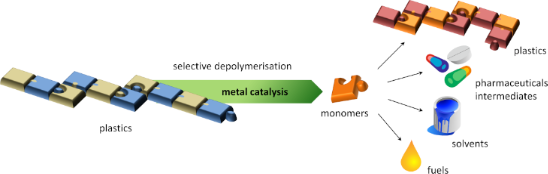
- described in detail. Solvolytic depolymerisations can also be promoted by metal-free soluble acid or base catalysts. However, concentrated solutions, quasistoichiometric amounts or strong mineral acids (HNO3, H2SO4, H3PO4) or bases (NaOH, KOH, potassium butoxide) are often required, particularly for
- [ZnCl3] (bmim = 1-butyl-3-methylimidazolium, Table 4, entry 2) [228] were recently studied, showing higher catalytic activity compared to metal-free ionic liquids (i.e., bmim chloride), the conventional catalysts (i.e., ZnCl2, Zn(OAc)2) or the analogous Mn, Co and Cu ionic liquids. Typically, 80–85% BHET
- 3) [229]. Based on infrared studies, the higher catalytic activities of the metallated ILs was attributed to their higher Lewis acidity compared to both the metal-free catalysts and the metal salts. A mechanism was therefore proposed in which a synergistic effect of the metallated ILs takes place

Graphical Abstract

Figure 1: Potential classification of plastic recycling processes. The area covered by the present review is ...

Figure 2: EG produced during glycolytic depolymerisation of PET using DEG + DPG as solvent and titanium(IV) n...

Scheme 1: Simplified representation of the conversion of 1,4-PBD to C16–C44 macrocycles using Ru metathesis c...
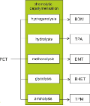
Figure 3: Main added-value monomers obtainable by catalytic depolymerisation of PET via chemolytic methods.

Scheme 2: Hydrogenolytic depolymerisation of PET by ruthenium complexes.

Scheme 3: Depolymerisation of PET via catalytic hydrosilylation by Ir(III) pincer complex.

Scheme 4: Catalytic hydrolysis (top) and methanolysis (bottom) reactions of PET.

Scheme 5: Depolymerisation of PET by glycolysis with ethylene glycol.

Figure 4: Glycolysis of PET: evolution of BHET yield over time, with and without zinc acetate catalyst (196 °...

Scheme 6: Potential activated complex for the glycolysis reaction of PET catalysed by metallated ILs and evol...

Scheme 7: One-pot, two-step process for PET repurposing via chemical recycling.
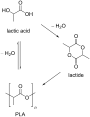
Scheme 8: Synthetic routes to PLA.

Scheme 9: Structures of the zinc molecular catalysts used for PLA-methanolysis in various works. a) See [265], b) ...

Scheme 10: Depolymerisation of PLLA by Zn–N-heterocyclic carbene complex.

Scheme 11: Salalen ligands.

Scheme 12: Catalytic hydrogenolysis of PLA.

Scheme 13: Catalytic hydrosilylation of PLA.

Scheme 14: Hydrogenative depolymerisation of PBT and PCL by molecular Ru catalysts.

Scheme 15: Glycolysis reaction of PCT by diethylene glycol.

Scheme 16: Polymerisation–depolymerisation cycle of 3,4-T6GBL.
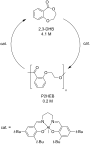
Scheme 17: Polymerisation–depolymerisation cycle of 2,3-HDB.

Scheme 18: Hydrogenative depolymerisation of PBPAC by molecular Ru catalysts.

Scheme 19: Catalytic hydrolysis (top), alcoholysis (middle) and aminolysis (bottom) reactions of PBPAC.

Scheme 20: Hydrogenative depolymerisation of PPC (top) and PEC (bottom) by molecular Ru catalysts.
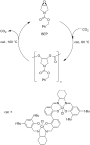
Scheme 21: Polymerisation-depolymerisation cycle of BEP.

Scheme 22: Hydrogenolysis of polyamides using soluble Ru catalysts.

Scheme 23: Catalytic depolymerisation of epoxy resin/carbon fibres composite.

Scheme 24: Depolymerisation of polyethers with metal salt catalysts and acyl chlorides.
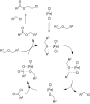
Scheme 25: Proposed mechanism for the iron-catalysed depolymerisation reaction of polyethers. Adapted with per...



